Summary
Jenny Reeder explores the life of Emma Hale Smith as a foundational figure in Latter-day Saint history. She highlights Emma’s unique contributions as Joseph Smith’s wife, her pivotal role in the Restoration, her leadership as the first president of the Relief Society, and examines Emma’s resilience through personal losses. Emma’s journey is paralleled with Eve’s, symbolizing redemption and grace amid trials.
This talk was given at the 2021 FAIR Conference on August 6, 2021.

Jenny Reeder is a 19th-century women’s history specialist at the Church History Department. She serves on multiple historical and scholarly boards and has contributed significantly to research on Latter-day Saint women, particularly Emma Smith.
Transcript

Jenny Reeder
Introduction
Hi, I’m really excited to be here today and to talk a little bit about one of my favorite friends, Emma Smith.
Church History Sites
I have to tell you that last week, I went to upstate New York, and this is probably bad to admit in a crowd like this, but it was my first time going to the Church history sites. I was going to go to the Mormon History Association last year in Rochester, and then that got canceled. And so this year it was supposed to be in Rochester again and that got canceled, so I just made my own trip with a friend of mine.

And I’ll tell you what, that trip was such an incredible help to me in understanding the location, the landscape, and the relationships. I could see the trajectories, the timelines, and the connections and how they were all so orchestrated between Joseph and Emma and the Restoration of The Church.
I loved experiencing the variegated landscapes and realizing the distance between Palmyra, the Smith log cabin, the Sacred Grove, and the Hill Cumorah, and Harmony or Fayette, which is closer I learned, and Harmony, Pennsylvania, and Colesville.


In Between
I loved how different the landscapes were. You notice in New York, it’s pretty flat. You see the Hill Cumorah at the top of the hill, but otherwise, I mean there are lots of trees, but it’s not in Harmony, where there are tons of trees and that big Susquehanna River.
And it’s a long distance. I mean, it took us a long time to drive in a car, like four hours, I think. And to think about people who had to either take a stage—I don’t think there was a riverway at that point or ever, it’s a long distance. And I love the way that the chance meeting of Joseph Smith and Josiah Stoll, who had come to Palmyra to visit his son, and Joseph Knight, a friend of Josiah Stoll in Colesville, who provided wagon transportation, paper, and a barrel of mackerel just at the right time.
Today, we can look back on the past and even look down on a map and trace the distance as the crow flies and as the roads are built and trace the relationships. And we know how it ended for Emma, but that middle part in between is what made Emma, and it’s what makes each of us.
Reflections on Emma Smith
I’m not sure that Emma would call herself first. She didn’t seek after accolades or positions, and yet she did extraordinary things, as she mentioned on that first day of the Nauvoo Relief Society on March 17, 1842. I see many overlapping connections. Now stay with me because I think this is really cool and really exciting. I see many overlapping connections with our glorious mother Eve and Emma. Both are stories of falling and failing, the mortal condition of briars and noxious weeds, and both are stories of redemption, redemption even amid the complications.

Emma’s story gives me hope and helps me to position myself in this continuous revelation as President Russell M. Nelson has defined. Today, we too are expanding the stakes of Zion, crossing our own frozen rivers as we dig through the mud and lay aside the things of this world and cleave to our covenants. We too are known individually and can receive a crown of righteousness and an inheritance in Zion. Each of us is a first.
Historiography of Emma Smith
I want to talk a little bit about the historiography of Emma Smith because I think it’s important to understand why, how it all happened, and why and why we get my book first at this point in time.
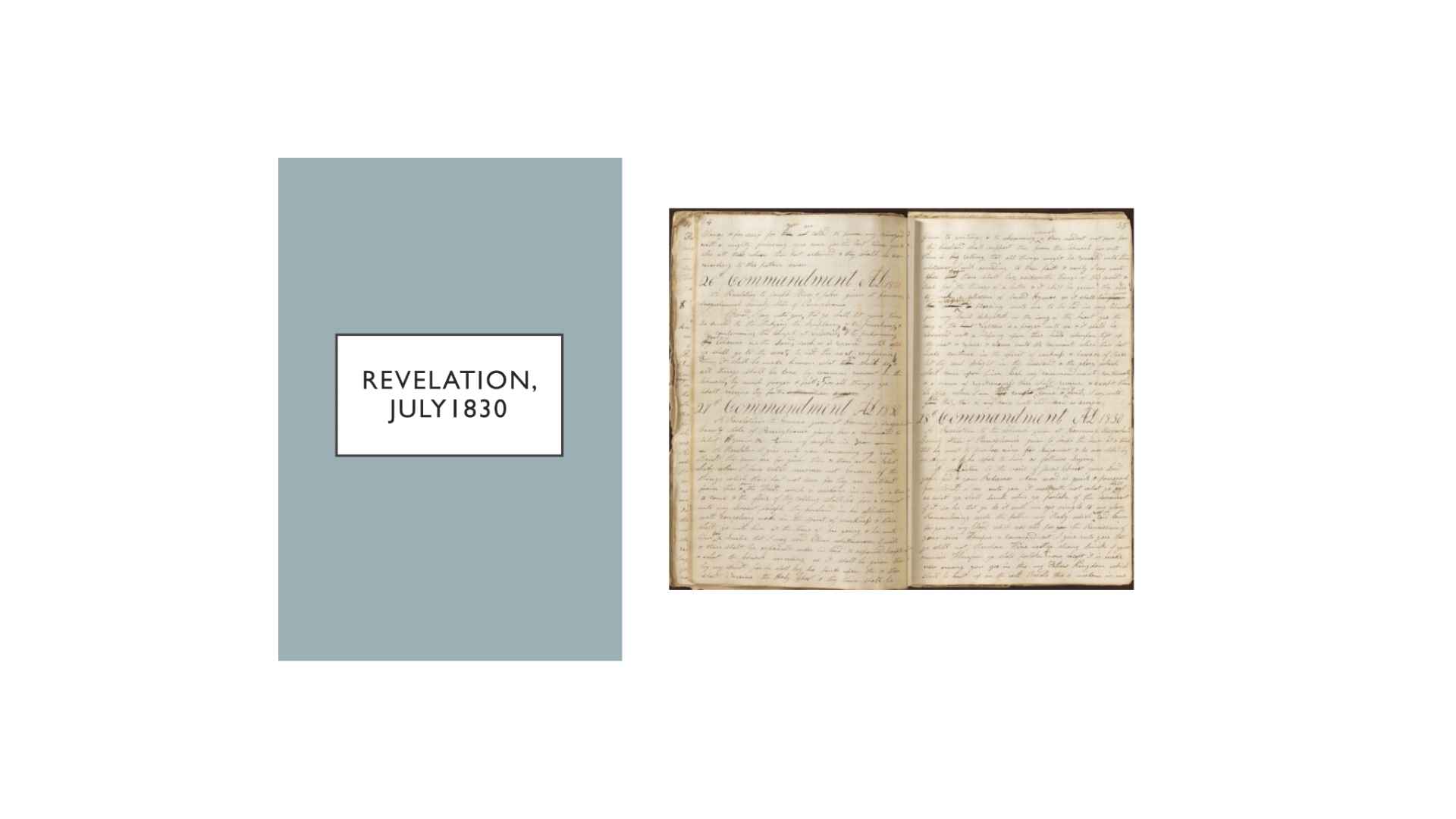
So just a real quick run-through. This is not comprehensive, but the first written words for Emma are her revelation given in 1830. Now, this is a copy from the Book of the Revelations Book A that was written in 1833 because we don’t have the original copy of Section 25 as we know it today. But that’s where Emma first sort of takes a voice in text.
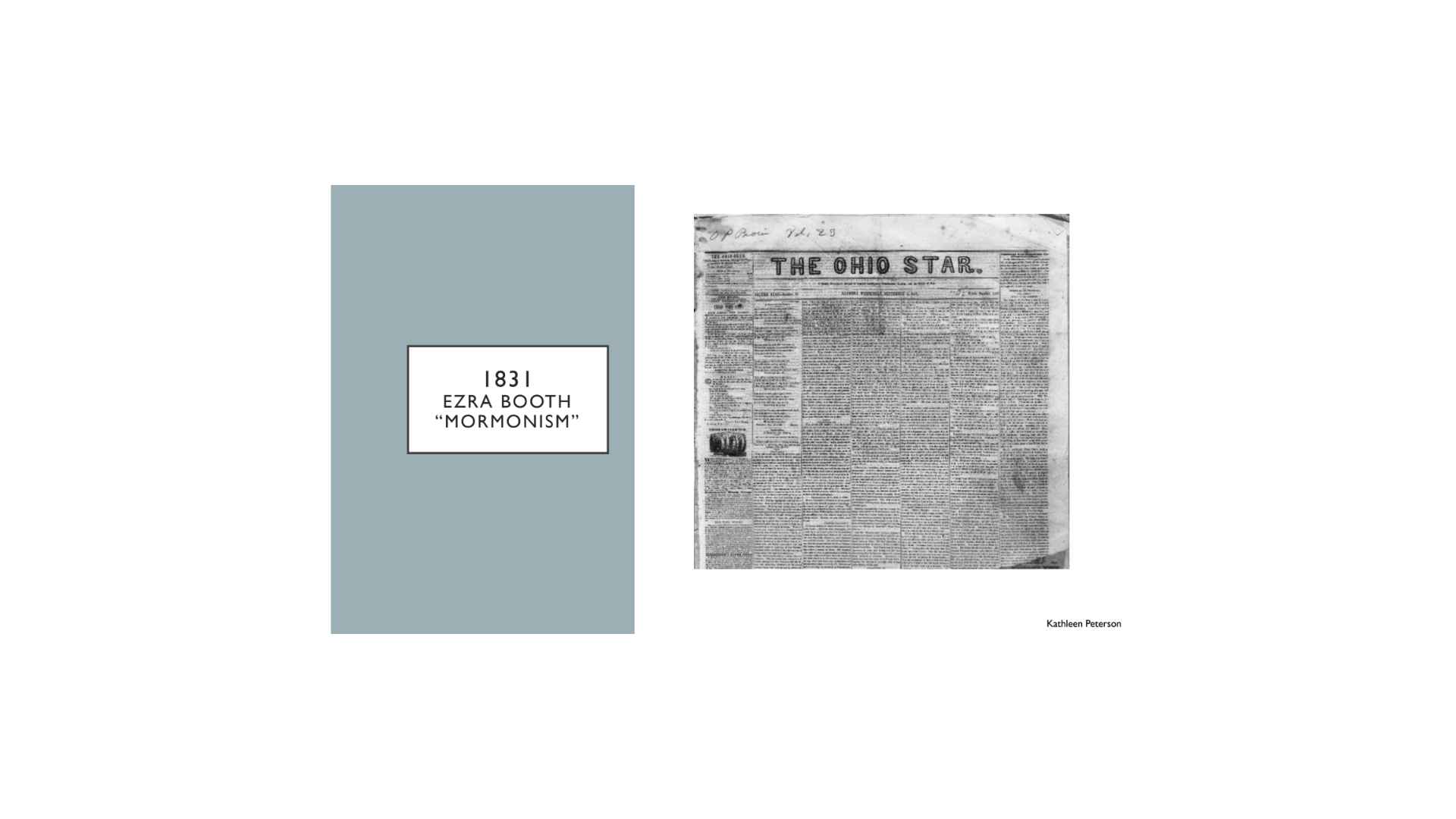
In 1831, Ezra Booth had gotten ahold of that revelation and printed it as he was leaving the church in the Ohio Star. Emma’s revelation is now in front of everybody that’s reading the Ohio Star.
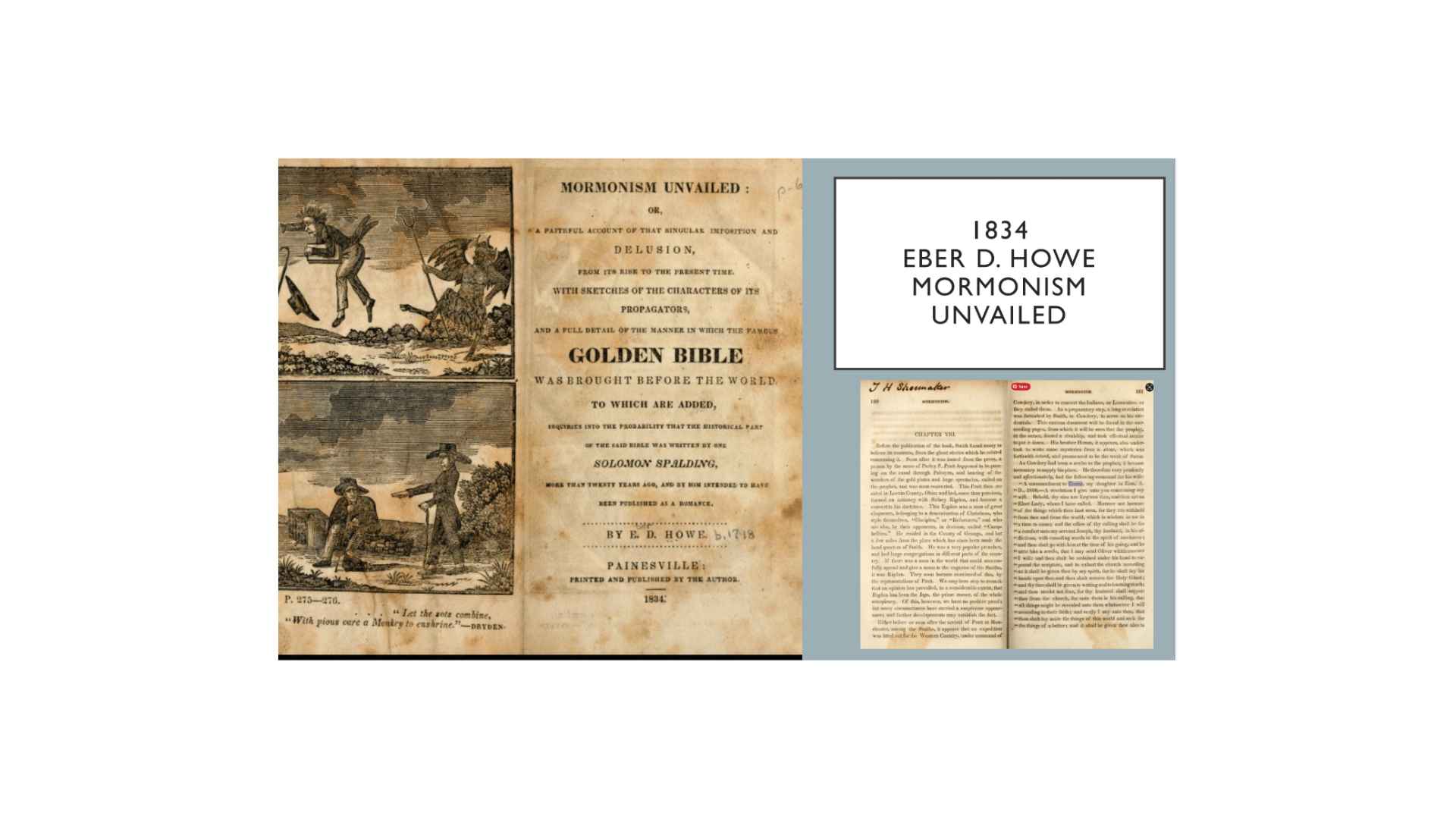
In 1834 Eber D. Hower took those articles from the Ohio Star and printed them in another newspaper and eventually in this book, Mormonism Unveiled. So again, there’s Emma in print.
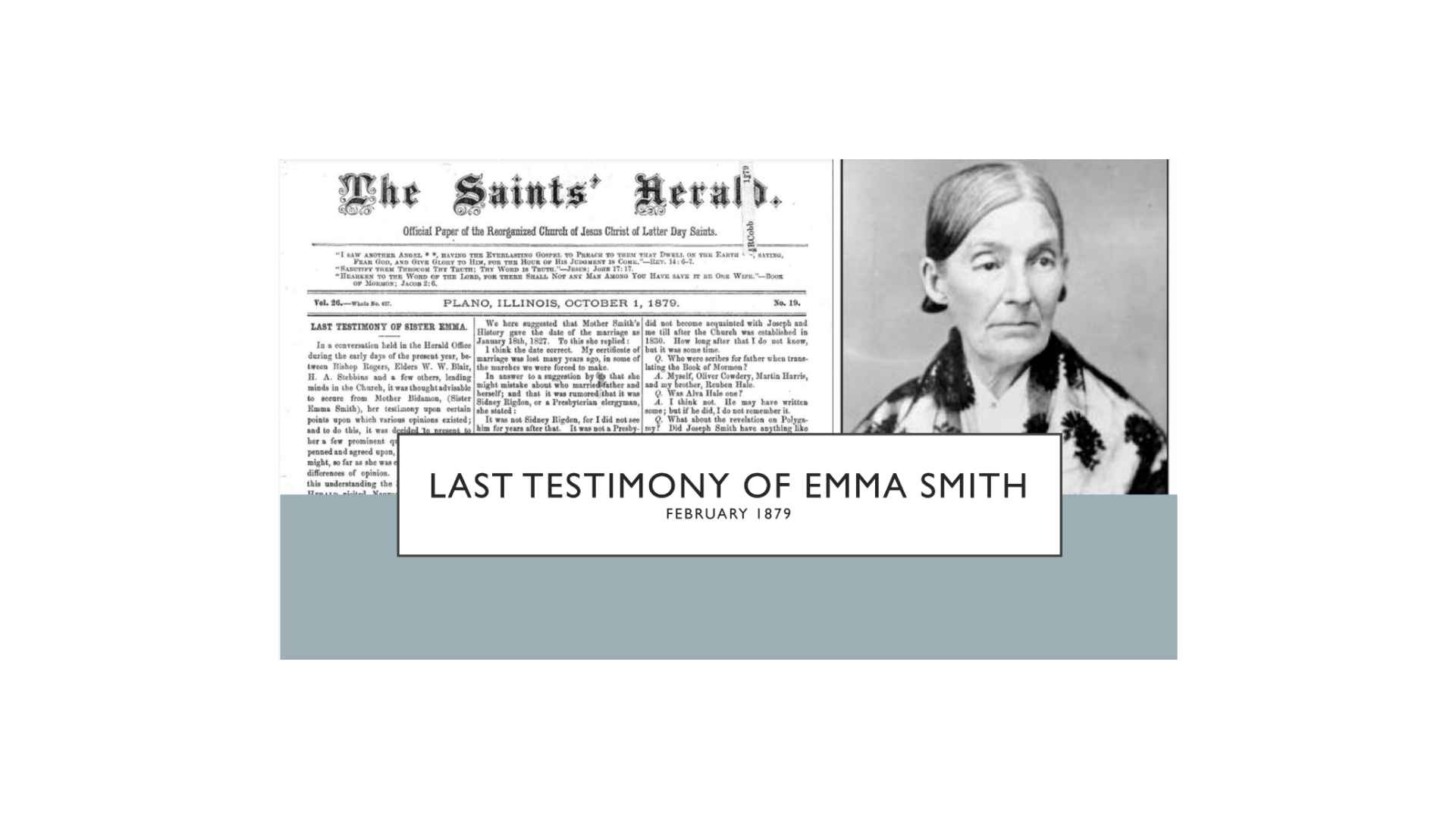
There’s an article published right after Joseph died in the New York Post, and it’s really like a forgery of a letter from Emma. She responds and all sorts of things go back and forth, but it wasn’t a nice letter and made her look bad. So, right before she passed away in February of 1879, her sons interviewed her, and this interview wasn’t published until the fall after she had died. So that’s another place where she appears in print.
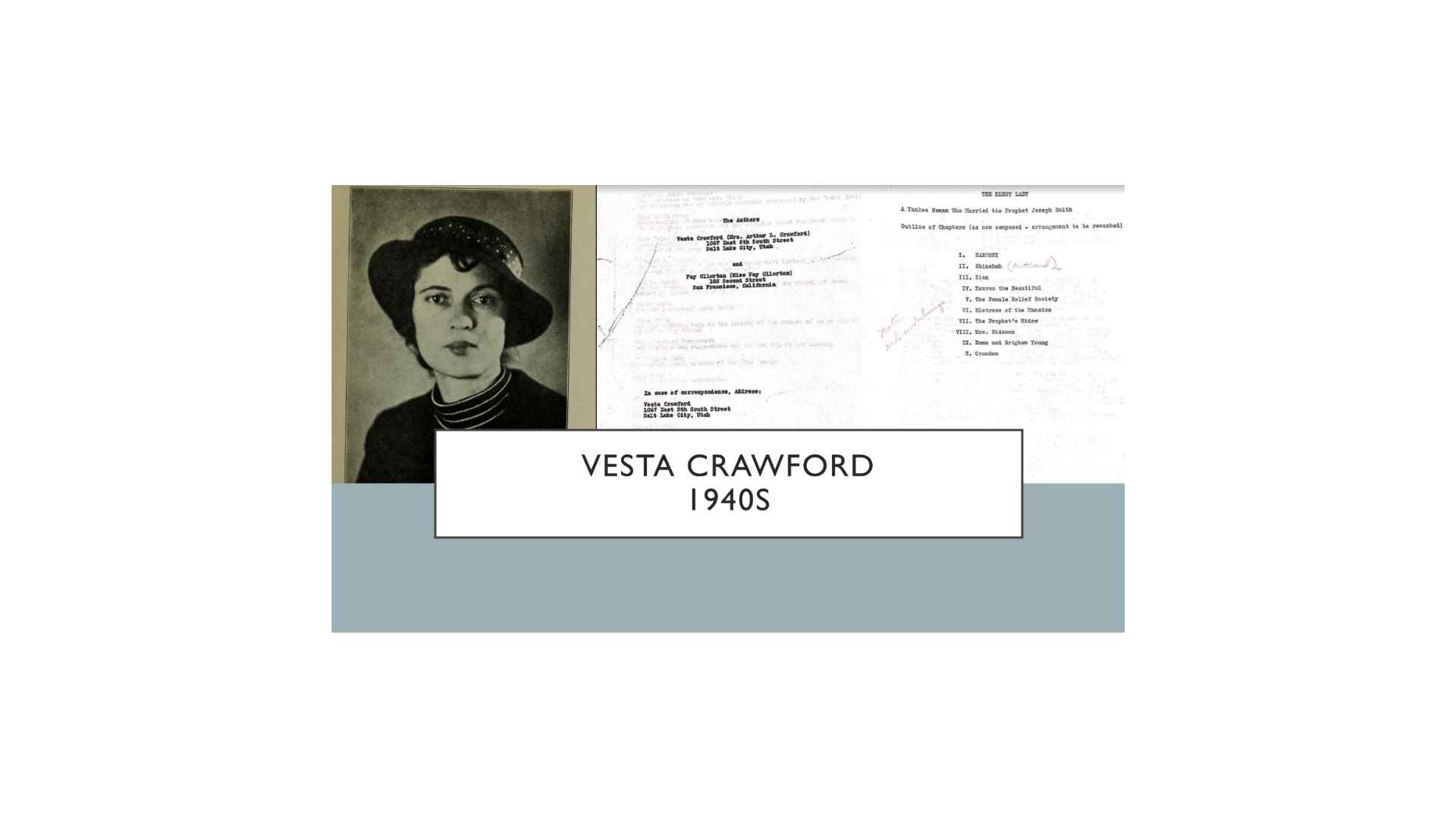
Rediscovering Emma: The 1940s Perspective
Then we don’t really hear about Emma until the 1940s. This woman, Vesta Crawford, was a descendant of Charlie Bidemann, that illegitimate son of Louis Bidemann while he was married to Emma. She joined the Church, she was the editor of the Relief Society magazine, and she was really curious about why Emma didn’t come west.
So she did some research, interviewed her cousins and the people that she knew that were still alive, and wrote a book – a manuscript. But she was told by the Church that if she published it, she would lose her job and she may lose her membership in the Church. So that book was never published.
And we had, in the meanwhile, some not nice things said about her by Brigham Young, much earlier of course, but the idea and the relationship between the Mountain Saints and Emma Smith was tenuous at best.
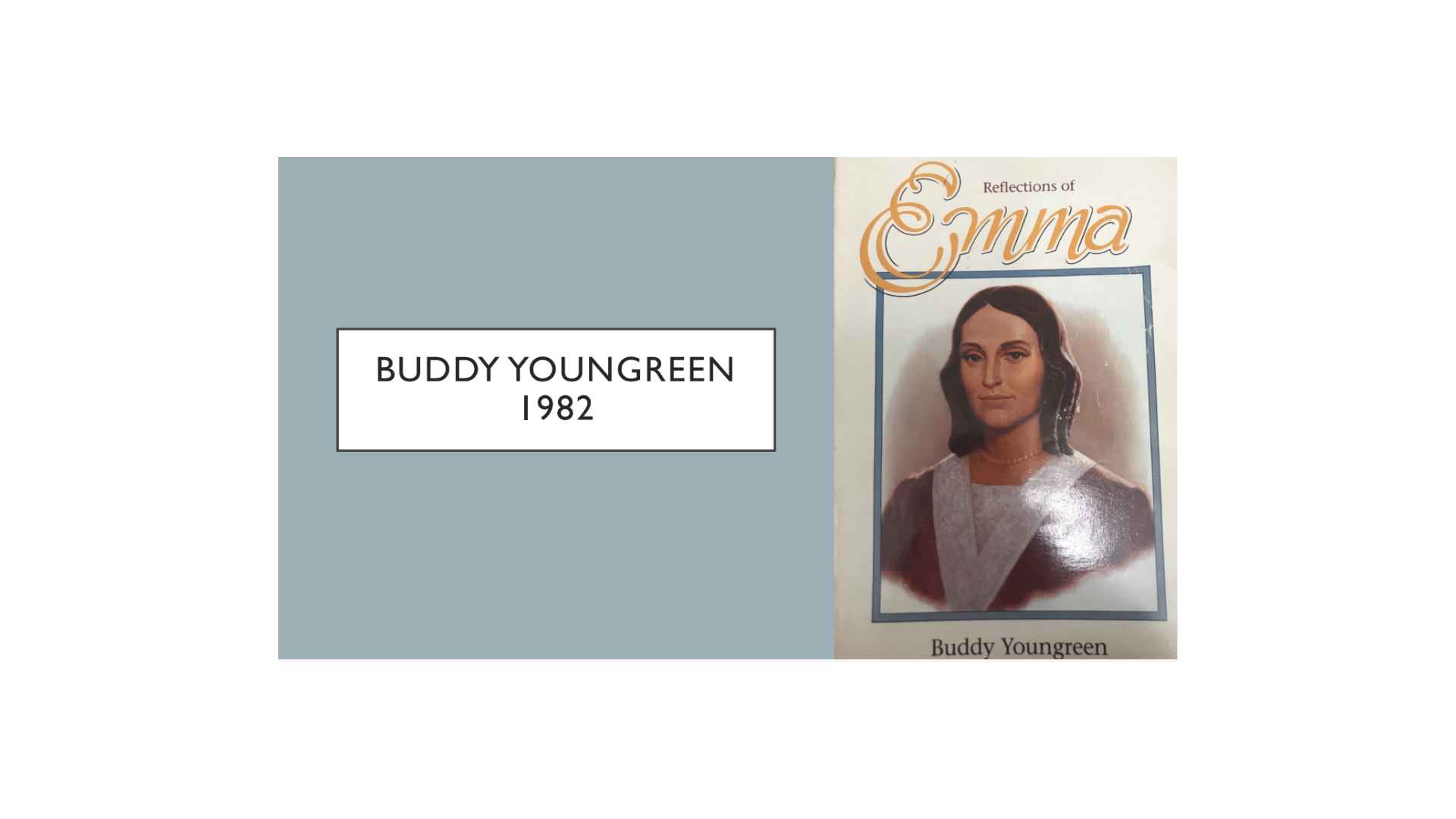
Emma’s Revival: The 1980s Perspective
It’s not until the 1980s that we start seeing people getting really interested. This is a hundred years after she died. So, Buddy Youngren makes friends with some of the descendants and he publishes this book in 1982. And it contains interviews that one of the granddaughters made of her aunts and uncles and cousins, and it’s a fantastic resource of primary sources from that generation.
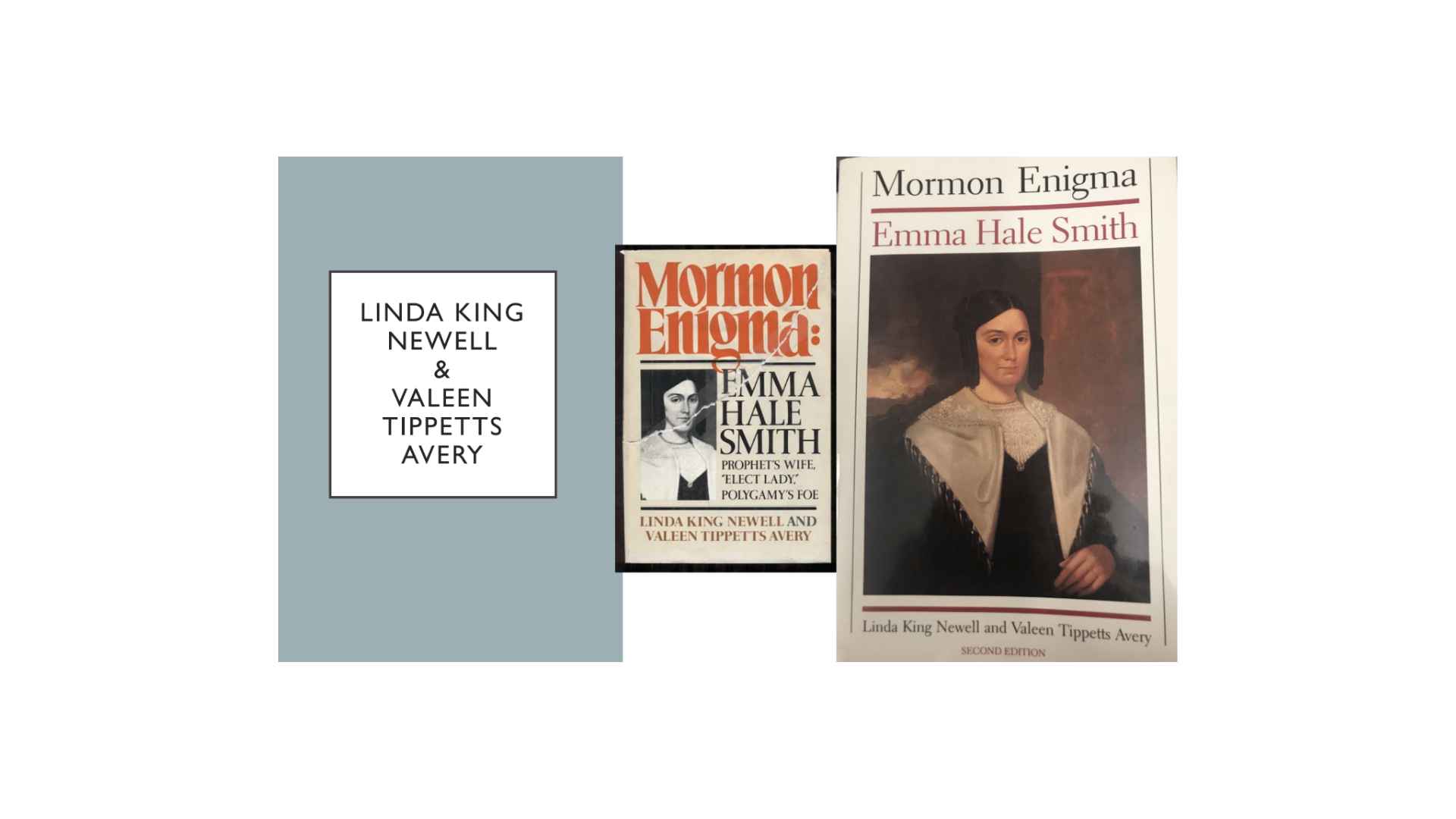
Of course, we have Mormon Enigma, the groundbreaking biography of Emma by Linda Newell and Val Avery. Now, it’s groundbreaking because nothing has been done at this point, and it’s also groundbreaking because it sort of changes the whole trajectory of how Latter-day Saint history is written. It looks at the individual and it looks at a woman instead of a man and the institution.
Their book was written during the second wave of feminism, and while it was comprehensive at that time, it certainly shows a slant against Joseph. But it’s an amazing book. It won the Best Book Award at the Mormon History Association. It was published by Doubleday. Rick Turley told me that when they sent in their manuscript, Doubleday was like, “This is way too long. You have to cut out half of it.” And so they cut out the parts about Joseph, which now when we read it today, we see kind of an angry view of Joseph. But that was the most comprehensive source on Emma.
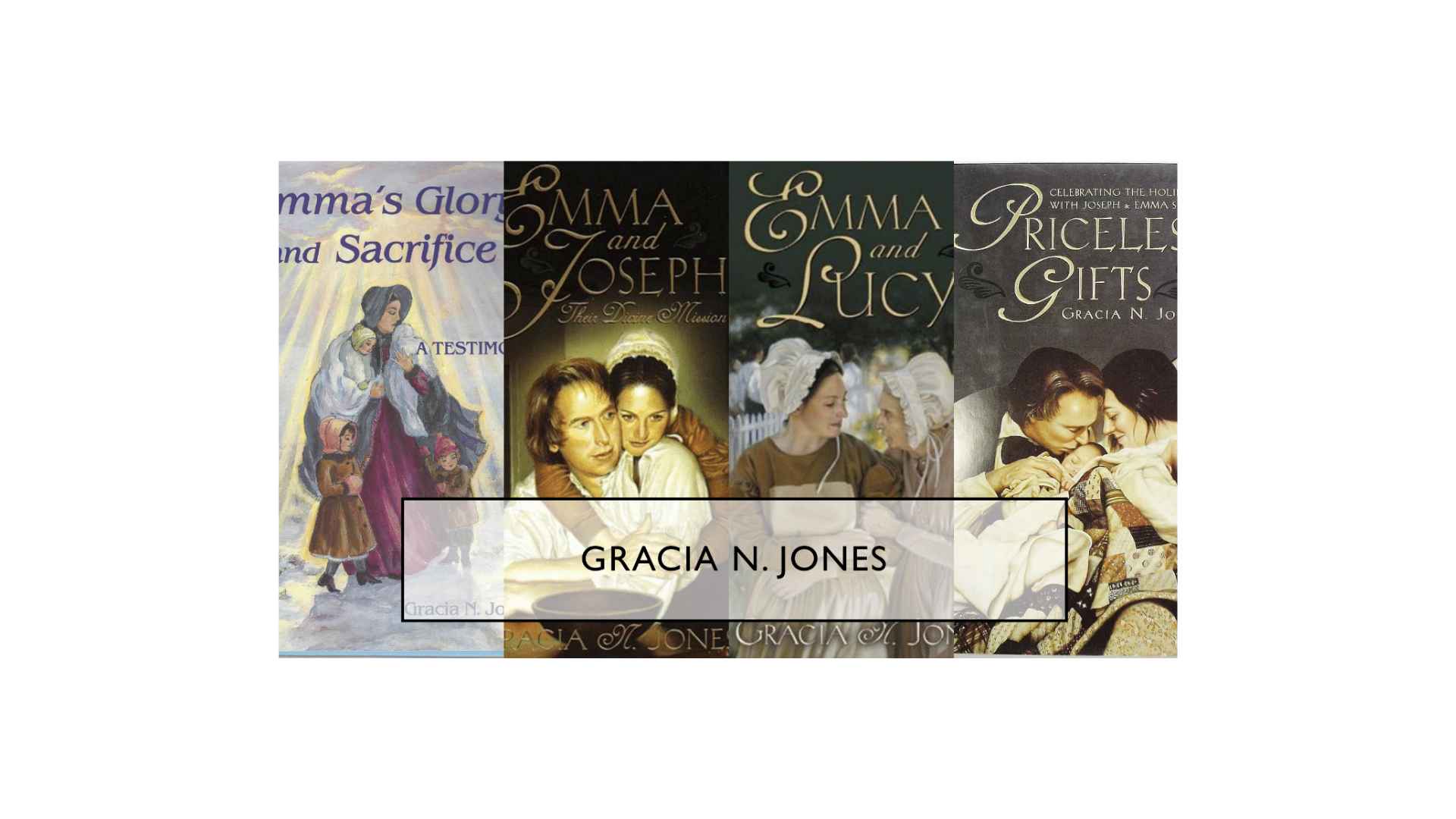
Writings on Emma
Next, we have sweet Gracia Jones, also a descendant of the Emma and Joseph family who found the church and wrote beautiful stories about her great-great-grandmother. I’m not sure how many greats there are, but wonderful devotional stories.
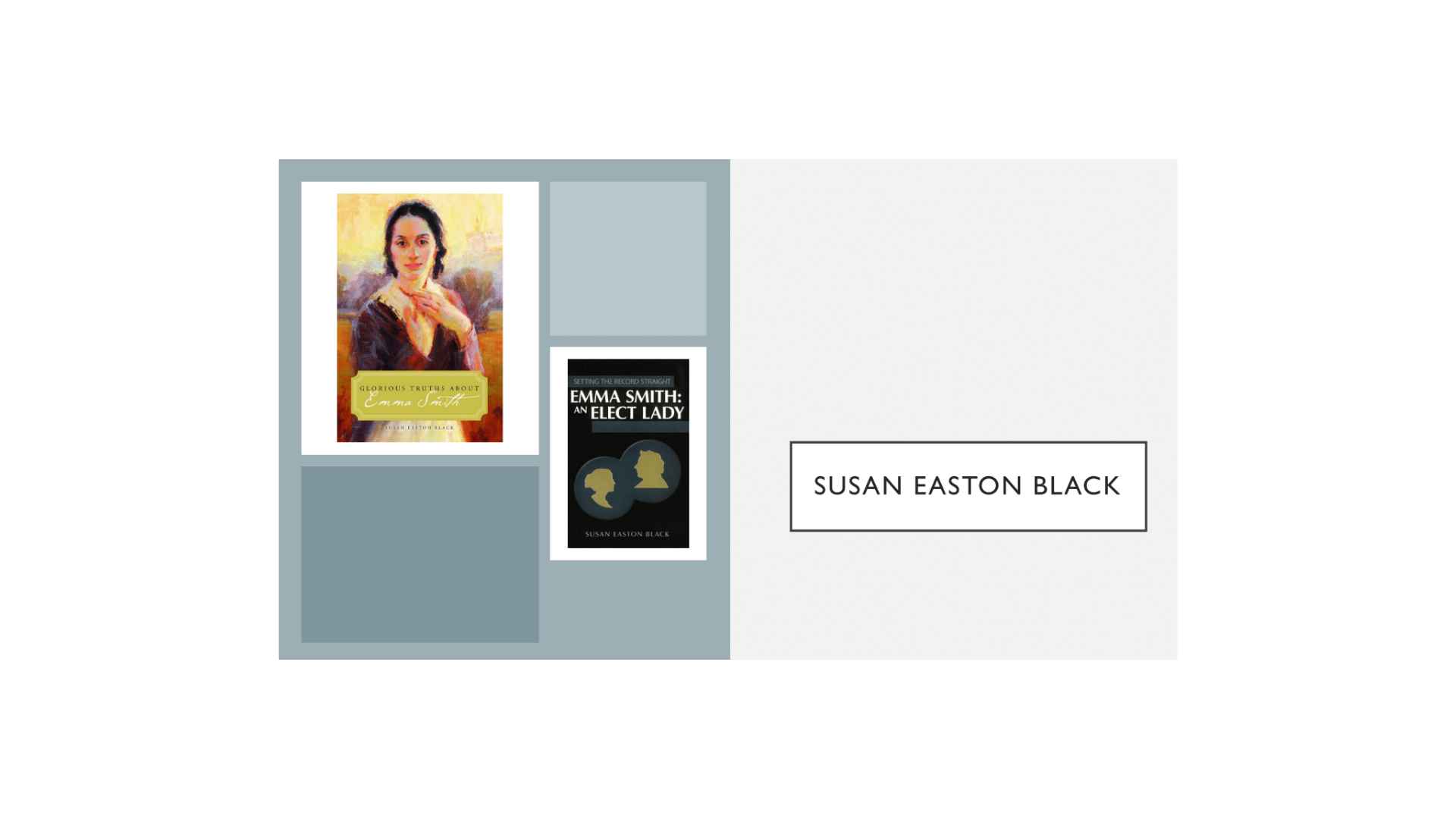
Susan Easton Black, of course, has written about Emma. Most recently, I think the one on the top left came out just a year or two ago.
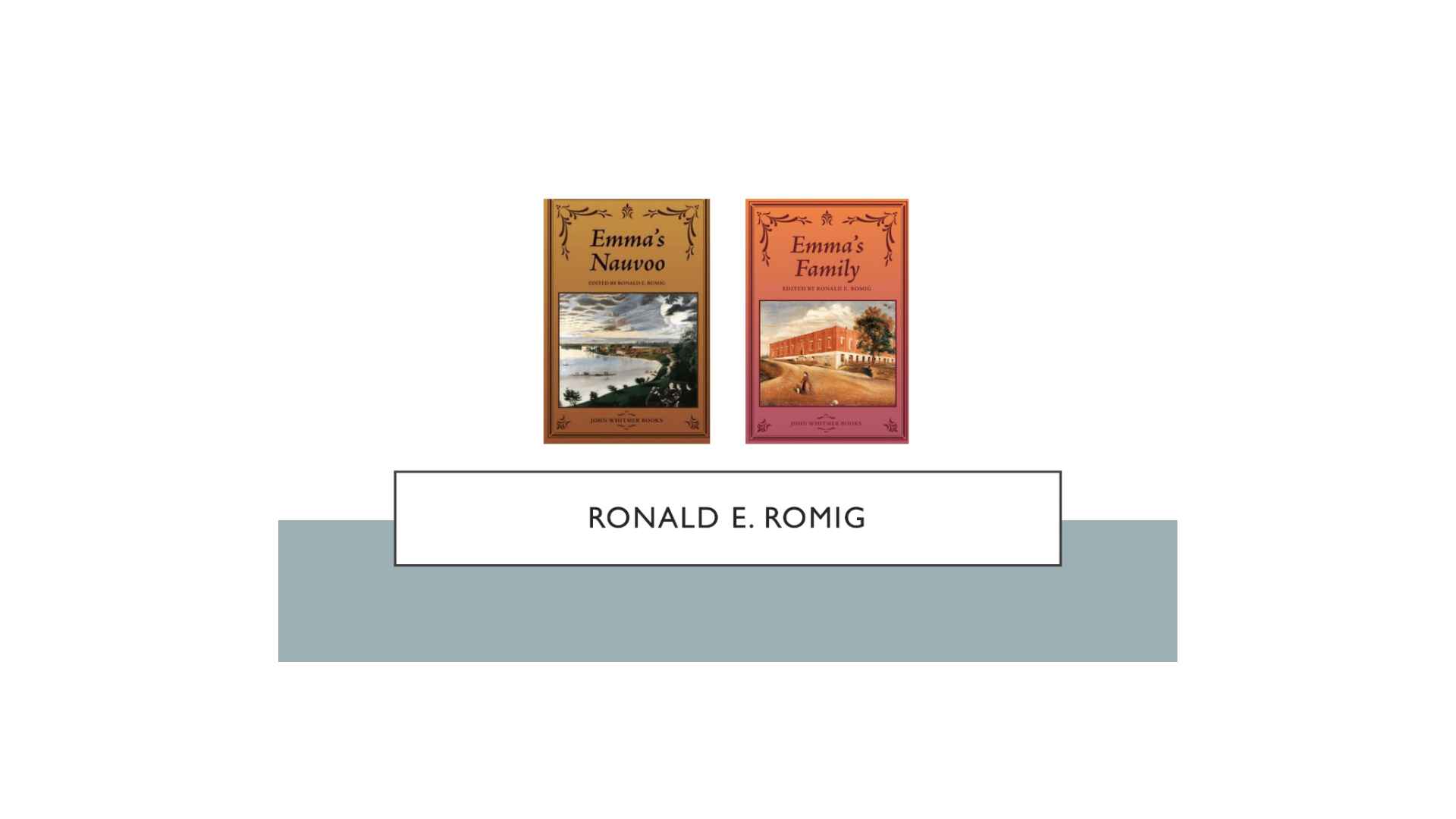
And we have Ron Romig, who is a historian for the Community of Christ, formerly known as the RLDS Church, who’s done some short little pieces about Emma’s Nauvoo and Emma’s family. He provides excellent information about Emma and her life after the death of Joseph. And some good primary sources are printed in these small books that are published by the John Whitmer Association.
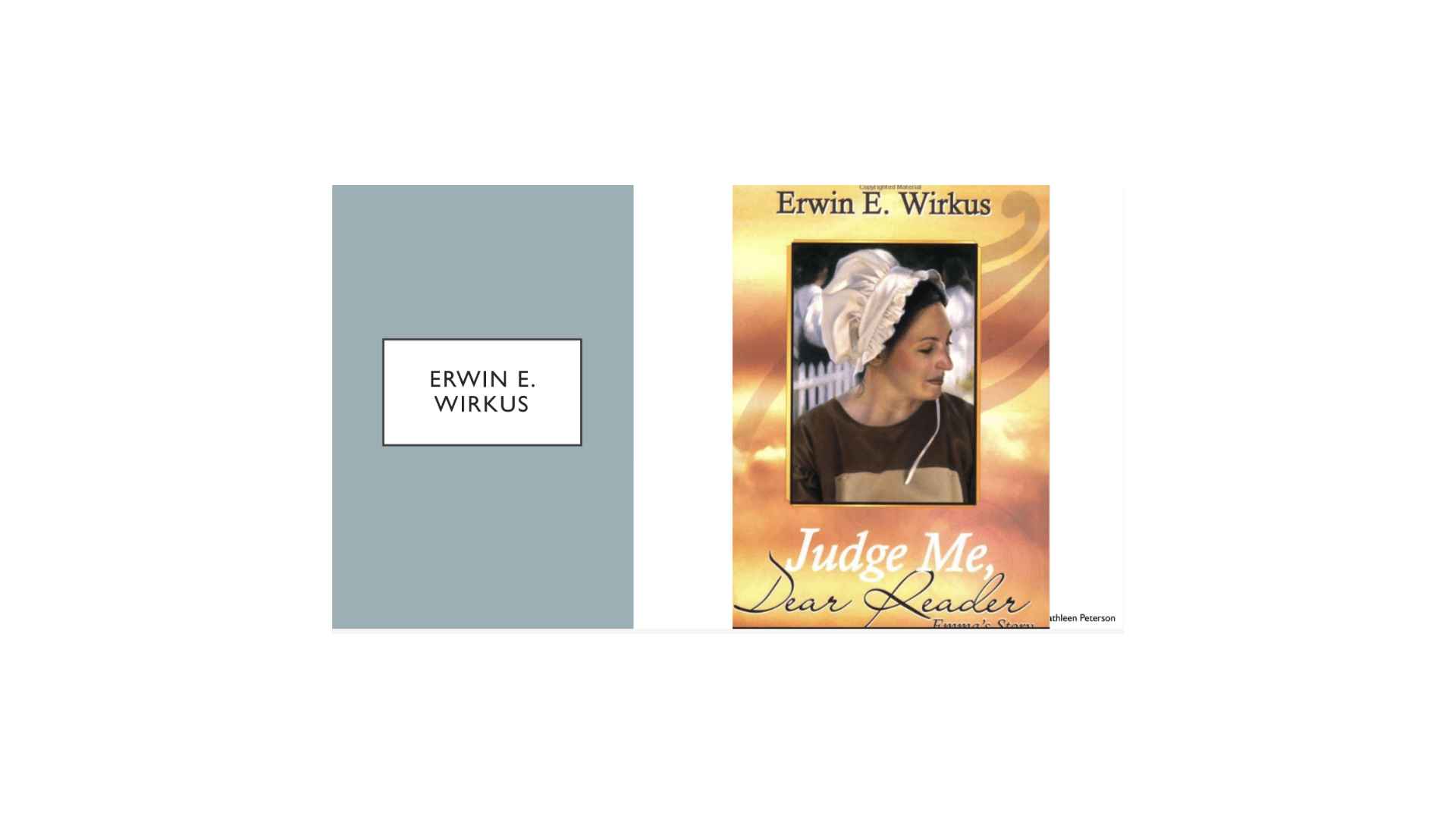
Erwin Wirkus, who was a mission president in Nauvoo, wrote this book, Judge Me, Dear Reader. He really wanted to present the complications that Emma faced, and yet this is a historical fiction, so it’s a fascinating read.
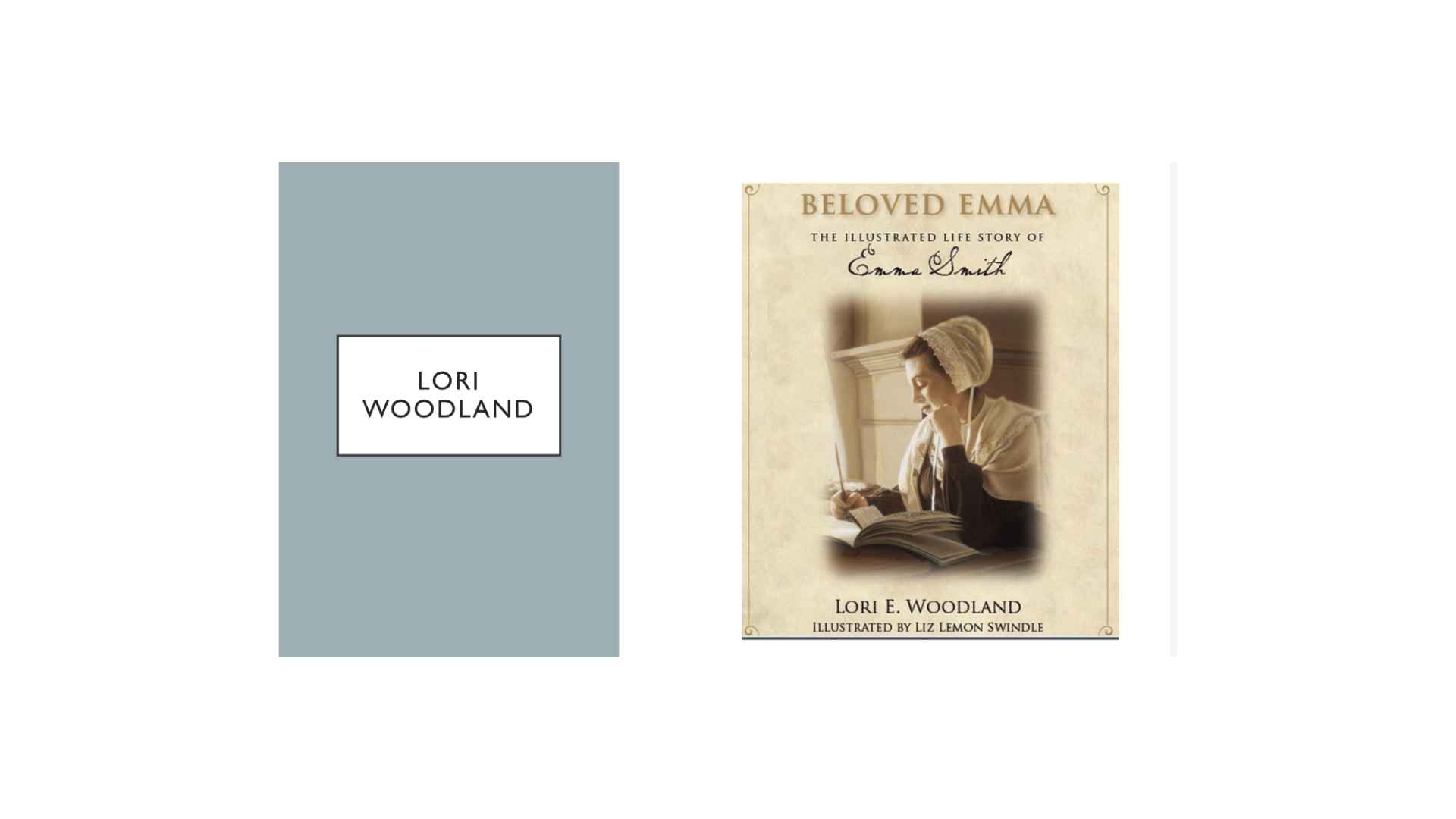
This one I found was beautifully done. Lori Woodland was a women’s basketball coach at BYU-Idaho, maybe it was Rick’s at that time, I’m not sure, but she has taught a few religion classes, and she does take a deeper dive.
Primary Sources
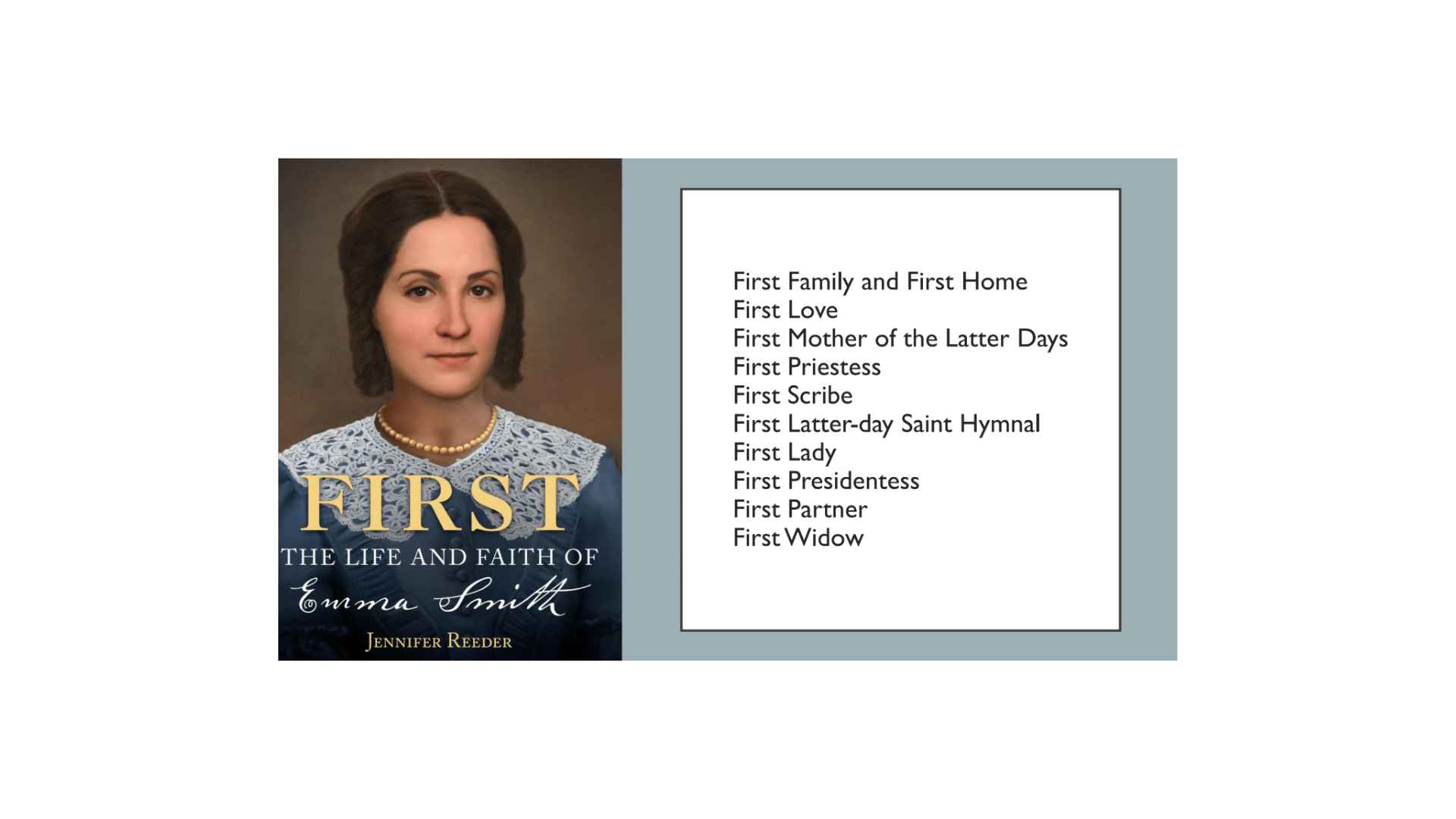
But the thing that makes my book different than all of these is the Joseph Smith Papers and the primary sources. It was really important to me to be able to accurately say things that I knew happened. And there’s a difference between primary sources that are contemporary, that happened at the moment that Emma was alive, and primary sources that are given by someone but they are remembering her, years later, about polygamy or about the Relief Society, and those aren’t as accurate because they’re filtered through that time period and that separation from Emma. So I did my very best in finding sources that represented the actual time period, and I do use a lot of “perhaps” and “maybe” because I want to be clear that we don’t know exactly.
So, I was asked by Deseret Book to write this book, and they didn’t give me a lot of time. And they told me we don’t want a history, and I’m like, okay, because I’m a historian and that’s what I do. So I decided because I didn’t have a lot of time, and because I believe Mark Staker is writing a comprehensive biography – everything he writes is so beautifully comprehensive – that I decided to do it topically. So these are the chapters that I have in my book. I’m categorizing them and separating them, but so much of her life blends together and collapses categorization. Also many of these things are enmeshed throughout time, but for me, this was an easier way to approach the topics and try to make some sense of them and what they meant to her separately.
Comparison of Emma and Eve
I started out talking a little bit about this comparison of Emma and Eve, and I want to continue along that line. Emma and Eve were both named by their husbands. Adam called his wife “the mother of all living” at the bidding of Elohim, and Joseph voiced the appellation “elect lady” by the word of the Lord. When placed in parallel positions, Eve and Emma act as portals linking the beginnings of mortality with the mortal days. They connect the creation, the fall, the resurrection, and the restoration. Eve initiating the mortal separation from God and Emma covenanting to return to His presence when she became the first woman initiated into the holy order on September 28, 1843.
Their relationships with God and their husbands, their helpmeet husbands, and their offspring— their distinct roles suggest an atonement theology: redemption, compensation, and grace. Emma is told that she and all those who receive the gospel of Jesus Christ can become sons and daughters of God and have a place in His kingdom; “This is my voice unto all.” So I’m going to go through just a few of these categories. If you want to know more about the rest, you can buy the book.

Emma’s Background and Early Life
First of all, we start in Harmony, Pennsylvania, along the banks of the windy and swift Susquehanna River, wooded valleys carved out of bumpy hills. This was the location that made Emma and the place that separated her from her family because she chose Joseph and the Lord. What a blend of love and sadness. I believe it is that blend, that mix, that opposition that truly made Emma and makes us—the hard and the soft, the rain and the sun, the dissonance and the unity. It requires all to know redemption; otherwise, quite simply, there would be no need for redemption.
Emma was baptized shortly after her birth by Congregational Pastor Daniel Buck, a family friend who arrived in the area the same time as Emma’s father, Isaac. At the time, the Congregational Church was the one prevalent denomination in the area. As she grew, however, young Emma soaked in the religious culture of the Second Great Awakening, and shouted, wept, or spoke in tongues. As one neighbor described, like many others with new intense religious fervency, she often got the power. She attended Methodist camp meetings and Sunday sermons in private homes or outdoors and gained religious instruction from the circuit writers and her mother’s brother, Emma’s uncle Nathaniel Lewis, an influential Methodist preacher in the area.
According to family tradition, she followed the instruction of her Sunday school teacher and went to the woods to pray vocally, influencing her father’s conversion. Unlike Joseph, her life afforded her a more formal education, enabling her to read, study, and write more consistently and coherently. She was a woman of the book and of the word, and unlike Joseph, she did not experience divine visitations that we know of. Emma’s empirical understanding was one of textual sight.
Emma’s Marriage and Relationship with Joseph
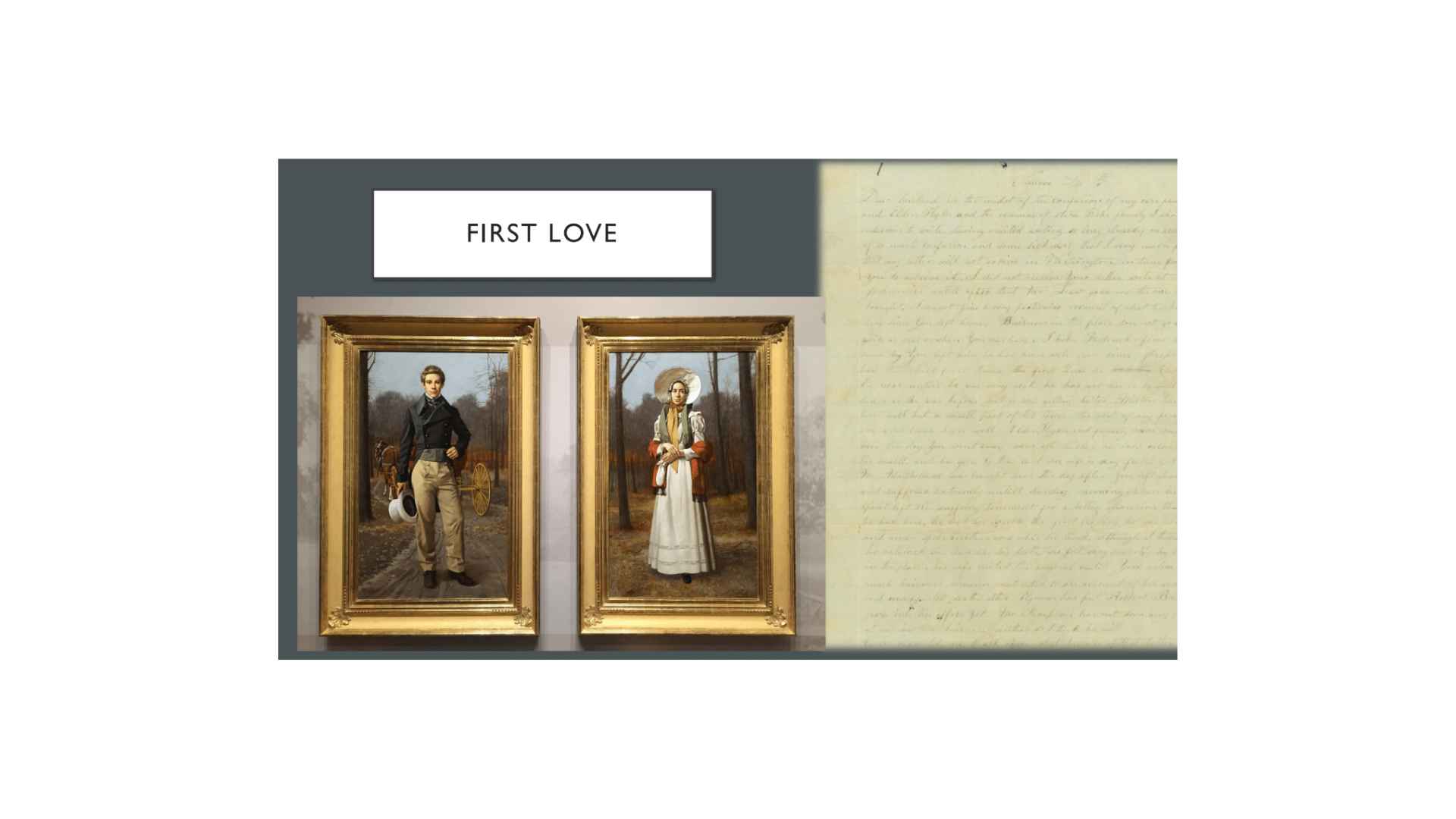
Let’s talk about her first love. In the creation, let’s go back to Adam and Eve, the gods realized that it was not good for man or woman to be alone. The commentator, probably the voice of God, told Adam and Eve that “a man leave his father and his mother, and shall cleave unto his wife: and they shall be one flesh.” One flesh, one companionship, at one. In a sense, Joseph and Emma did the same. Joseph left his Palmyra family home to seek employment with Josiah Stoll in Harmony.
On January 18, 1827, Emma married Joseph against the desires of her father, preemptively following the 1830 instructions of her revelation from the Lord: “And thou shalt go with him at the time of his going.” Emma went with Joseph to New York, then back to Pennsylvania. And when she left her family in Harmony in 1828 to go with Joseph to Fayette, she never saw her parents again.
Both Eve and Emma found their desires inclined to their husbands. Emma was to be a comfort to Joseph in his afflictions. Even when the Smiths were separated by Joseph’s travels, imprisonment, or hiding, correspondence, including the letter that you can’t read but is there, correspondence indicates their affection for each other.
Emma’s letter to Joseph on April 25, 1837, after he left Kirtland, illustrated her desires to her husband: “I cannot tell you my feelings when I found I could not see you before you left.” A week later, she began a letter to him, “Ever affectionate husband.” Joseph wrote to Emma from Independence, Missouri: “My dear and beloved companion, of my bosom, in tribulation and affliction,” then closed, “Oh, my kind and affectionate Emma, I am yours forever, your husband and true friend.”
Like Adam and Eve
Like Adam and Eve, Joseph and Emma felt themselves to be bone of bone and flesh of flesh. Emma, the elect lady, and Eve, the mother of all living, were not simply trophy wives in an archetypal romance story. They formed helpmeets for Joseph and Adam. I’m intrigued by the idea of helpmeet; I like to define the term as “helps: a wife needed or equal to, worthy of, or corresponding to,” and I believe the relation is transitive. They help each other. One Hebrew Bible scholar translated help as “to rescue, save, and be strong.” Eve did that for Adam; Emma similarly filled that role for Joseph. Eve and Emma, Eden and Harmony.
Emma too had multiple sorrows. She was beholden to her husband and his visions, in possession of the plates. Like Eve, she was told that her office, her duty or charge or assignment, her authority, was to comfort her husband with consoling words of affliction in meekness. She too would submit to a prophet to whom was given sight, instruction, and authority, to watch him offer sacrifices and to offer her own.
As an educated, refined woman, Emma compensated for many ways in which Joseph lacked. On a more intimate level, this was Emma’s official appointment. As I said previously, “the office of thy calling shall be for a comfort unto thy husband.” The word “comfort” is striking. According to Webster’s 1828 dictionary, Emma was to strengthen, enliven, invigorate, relieve, or assist, to provide strength or animation and relief from distress. It is not the word “support,” where Emma is below Joseph. Rather, to comfort implies a higher position, or to cover, as a comforter covers a bed. So, Emma covers Joseph.
Emma’s Role as a Mother
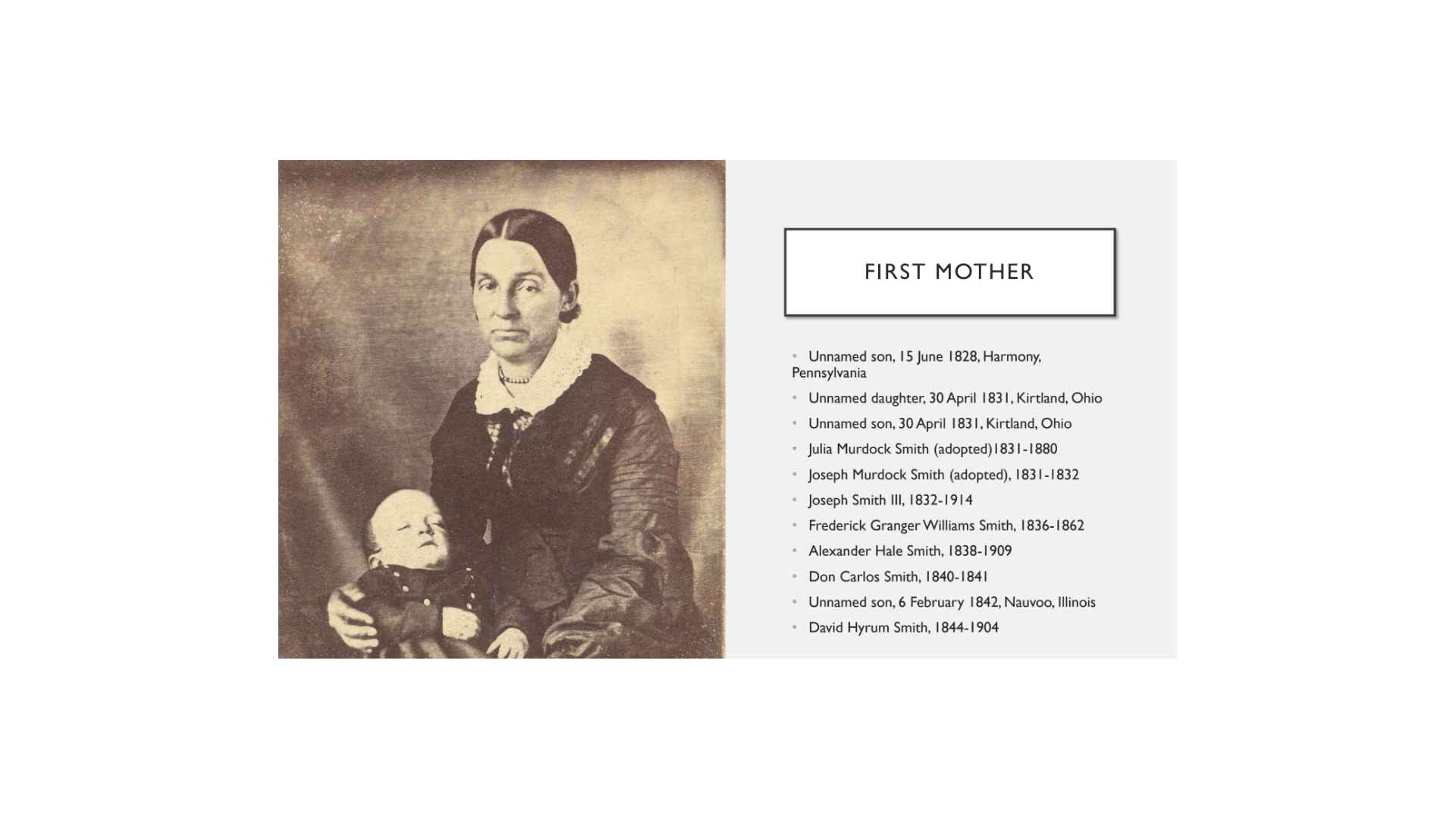
Next, let’s talk about Emma’s role as a mother. The Hebrew word (and I’m not sure how you pronounce it, it’s spelled E-M-A, so it’s like “Emma”), means mama. God commanded Adam and Eve to multiply and replenish the earth, which literally happened after they left the Garden of Eden. God told Eve that her sorrows would be multiplied, and she certainly saw that in the fatal encounter of her sons, Cain and Abel. Multiplied seed means multiplied sorrow.
Emma’s first baby was deformed and did not survive. Shortly after, Martin Harris lost the Book of Mormon manuscript pages that Emma had carefully scribed for Joseph, a devastating loss. This manuscript was also the seed of Emma, her offspring, and it too was dead. As reported by Lucy Mack Smith, when Joseph discovered the loss of the manuscript in Palmyra, separated from his wife as she was recovering at home in Harmony from that horrible delivery, he exclaimed to his mother, “All is lost! What shall I do? What am I going to tell Emma?” He continued bemoaning, “Then must I return to my wife with such a tale as this? I dare not do it, at least I should kill her at once.”
Her next pregnancy ended with the loss of twins. Of the nine children she bore, only four lived, and only three survived her. Of the two adopted, only one survived. Another child died as a toddler. One struggled with a debilitating mental illness, perhaps due to prenatal PTSD, as his father was murdered while he was in utero. These losses devastated Emma.
Emma: The First Priestess
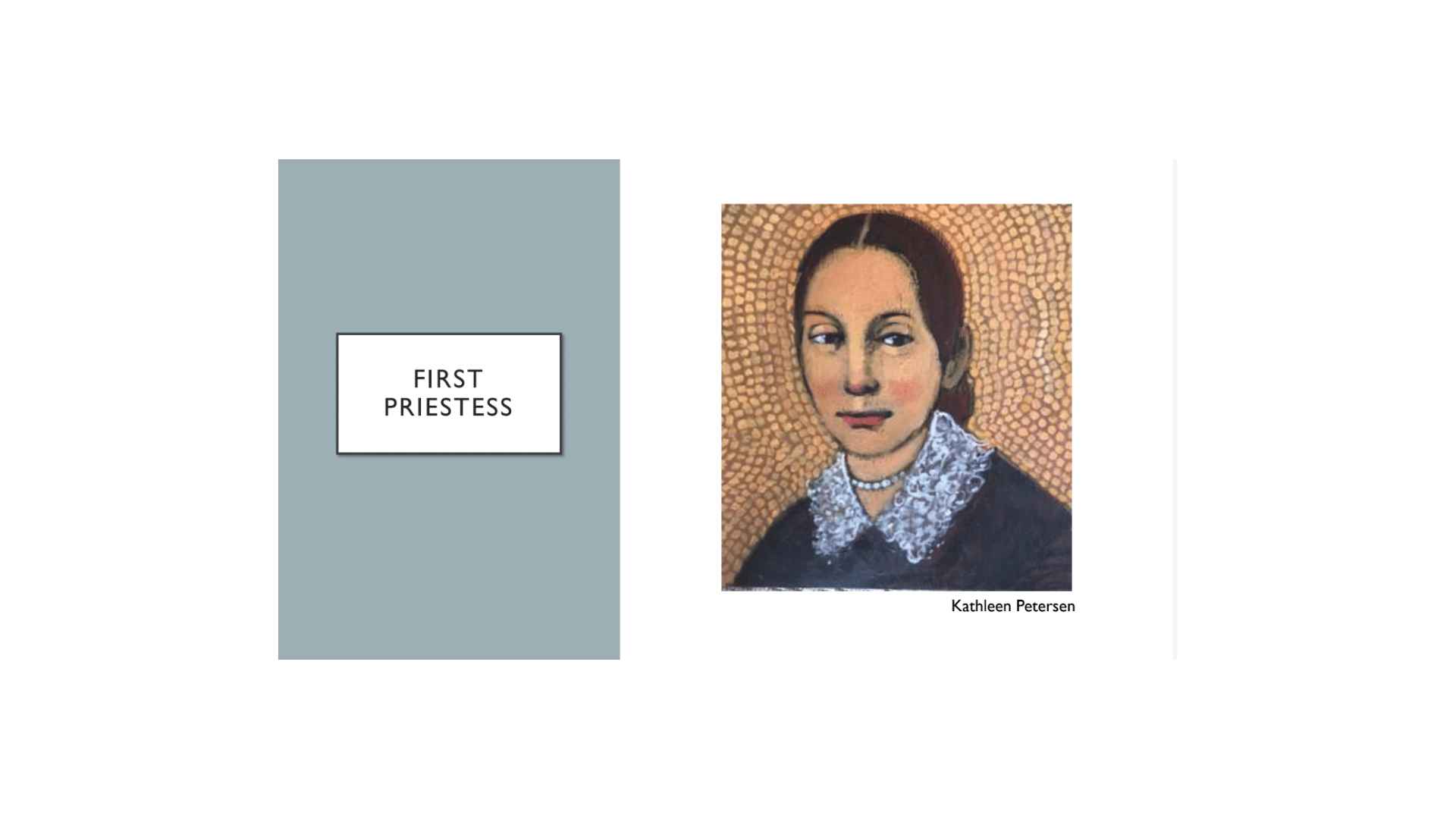
Let’s talk about Emma as the first priestess. The 1830 revelation depicts a direct relationship between Emma and the Lord. He calls her an elect lady and recognizes her relationship with her husband. Within a year or so, edits added to the original manuscript include her name as a daughter in Zion, and by the 1835 publication of the Doctrine and Covenants, the text recognizes her baptism and reception of the gospel, naming her as “my daughter.”
Do you see that progression? This transition from being a daughter in Zion to a daughter of God connects the community, or Zion, with deity. Section 25 presents an important pattern. The Lord defines His relationship with Emma based on her faith or belief, then gives her specific assignments, both what to do and what not to do, then deepens His relationship with her by promising her a crown of righteousness and an invitation into His presence.
The name Emma also comes from the Germanic “erman,” whole or universal, entire, all-embracing. An interesting commentary on what the Lord tells her at the end of the section: “This is my voice unto all.” Thus, Emma serves as a type for women and men who can follow the same pattern in their personal relationships with the Lord.
Endowment
On September 18, 1843, Emma became the first woman initiated into the Holy Order by receiving her endowment. In this way, Emma restored Eve’s separation from God. The development of temple ordinances evolved for Joseph, and the highest rights could not be received until after the Relief Society, or the Order of Women. In turn, the Elect Lady led other highly selected women into the order. First, Elizabeth Anne Whitney, Mary Fielding Smith, and Lucy Mack Smith in the fall of 1843, and others in December. These women, then, when the Nauvoo Temple was being used for ordinance work in the winter of 1846, gave that on to other women. As women, we can trace our temple lineage to Emma.
The temple endowment gave Latter-day Saint women a new understanding of their role as equal partners with their husbands, a proper form of unification in the plan of salvation in the Church, and in their home. In addition to working out her own salvation through baptism and temple ordinances, Emma’s work in the Restoration allowed her to connect with the dead. As Joseph taught about baptism for the dead, Emma was baptized for both her parents, an aunt, and a sister in August of 1840, restoring the order of her family of origin whom she had left behind in Harmony. Later, the temple allowed descendants to connect with their progenitors in ordinances beyond baptism, including sealing. Here again, Emma continued what Eve started, restoring families.

Emma and the Scriptures
Emma filled an integral role with the scriptures. Just as Adam could not be without Eve, Joseph could not be without Emma. Her knowledge and education enlarged his humble learning. Joseph could not receive the plates without her. He had been commanded by Moroni to return year after year to the Hill Cumorah and was instructed to bring the right person with him. He first thought that might be his older brother Alvin, but Alvin died, multiplying Joseph’s sorrows. According to Joseph Knight, “Smith looked into his glass and found the right person was Emma Hale, daughter of old Mr. Hale of Pennsylvania.”
Emma accompanied Joseph and waited in the driveway carriage while he retrieved the plates from Moroni. Emma understood Joseph’s gift of vision, and she utilized different various forms to protect or cover his tools of vision. She procured a glass box, as you can see on the table on the upper right side, to secure the plates under. This is a box used to transfer glass. I thought it was a box made of glass, but it’s not. It’s a heavy box.
They used that box to protect the plates and to secure them under their bed, and later she purchased what you see on the bottom right, a fine Moroccan leather box to keep the manuscript. She made a leather pouch to contain Joseph’s seer stones, and produced a fine linen cloth, as you see on the bottom left, to cover the plates on the table during translation.
Protecting Scriptures
When she and her children were forced out of Missouri and Joseph was incarcerated in Liberty Jail, she carried his translation of the Bible across the frozen Mississippi in two cotton bags sewed to a band around her waist under her skirts and preserved it after his death, certain that the presence of the manuscript protected her Nauvoo home. Emma’s efforts to cover Joseph’s instruments of translation afforded her with a salvific role. Instead of the husband offering protection, here, it is the wife.
According to early Christian tradition, women often provided book covers for sacred texts carried by missionaries. The fabric or leather covering not only protected the text from constant movement, but also symbolically represented the covering and unwrapping of the literal body of Christ, the word of God made flesh. In her efforts to protect Joseph’s visionary implements, Emma experienced a kinesthetic witness of the plates, a memory carried with her until the end of her life. In that 1879 interview with her sons, Joseph III and Alexander, she told them “I felt the plates as they lay on the table tracing their outline and shape. They seemed to be pliable, like a thick paper, and would rustle with a metallic sound when the edges were moved by the thumb, as one does sometimes thumb the pages of a book.”
She watched and listened as Joseph translated, and others, including her brother Reuben, Joseph’s brother Samuel, Martin Harris, Oliver Cowdery, and John Whitmer scribed his dictated words. Emma audibly and kinesthetically witnessed the translation as a 14th witness.

Emma’s Role as Scribe
Emma served as Joseph’s first scribe, transcribing from Joseph’s dictation the first portion of the manuscript. She also later scribed as Joseph translated the Bible. She described the process. “When acting as his scribe, he would dictate to me hour after hour, and when returning after meals or after other interruptions, he would begin at once where he left off without seeing the manuscript or having any portion of it read to him. This was a usual thing for him to do.” And then she commented, “It would have been improbable that a learned man could do this, and for so ignorant and unlearned as he was, it was simply impossible.” I don’t think she meant to disparage Joseph, I think she was talking about his incredible prophetic gift.
Notice that Emma was amazed by Joseph’s ability to see beyond the written text, something she personally would have been constrained to do. Rather, Joseph relied on the vision of his seer stone. She remembered, “In writing for Joseph frequently day after day, often sitting at the table close by him, he sitting with his face buried in his hat with the stone in it and dictating hour after hour with nothing between us. He had neither manuscript nor book to read from.”
Emma transcribed that first portion, probably much of the manuscript given to Martin Harris. Emma’s knowledge filled in where Joseph’s limited formal education lacked. She knew the Bible well enough that she could answer Joseph’s questions about a wall around Jerusalem while translating the plates. She had certainly read about that. Her verbal learning was significant. Joseph, on the other hand, understood visually. They complemented each other. I love that!
Partnership
When Oliver Cowdery picked up the pen in Emma’s place, Joseph could not translate unless he was in accordance with Emma. David Whitmer recalled that one morning, as they prepared to translate in Fayette, Joseph was concerned about an encounter with Emma earlier that day. He retreated to the orchard to pray for about an hour, then came back to the house and asked Emma’s forgiveness, and the translation continued. Their partnership was necessary for the translation of the Book of Mormon and the Bible.
I just want to point out this is a picture of the site at the Joseph and Emma Smith home in Harmony, and Mark Staker, who’s a co-worker of mine in the Church History Department, talked about how when he was putting this all together, he knew they used a turkey quill for a pen, and he couldn’t find a turkey quill. He found something similar on eBay that he could put in the display, but it just wasn’t right. He prayed about it, and the next morning he went out on the doorstep, he was in Pennsylvania, and what was on the doorstep? A turkey feather. So, there it is. If you go there, you can tell that story.
Emma Smith’s Ecclesiastical Role
Knowing the word led to teaching the word. Ecclesiastically, Emma was ordained, appointed, or established in office to expound scripture and exhort the church. I see these as two different things in both private and public settings. The 1828 Webster dictionary defines “expound” as to explain, to lay open the meaning, to clear of obscurity, to interpret, or to preach. This makes Emma a theologian, a major influence in Joseph’s own ministry and development of Latter-day Saint theology. She performed this work both with the Relief Society and with her hymnal, collecting doctrine for public and private discourse and worship.
I wonder how Joseph and Emma worked together discussing their theological ideas, ministerial messages, doctrine, and restoration. We have no record of their pillow talk, but could her musings more so than her murmurings have influenced his sermons, especially before she became publicly involved with the Relief Society 12 years later?
Emma’s Contributions to Hymnals
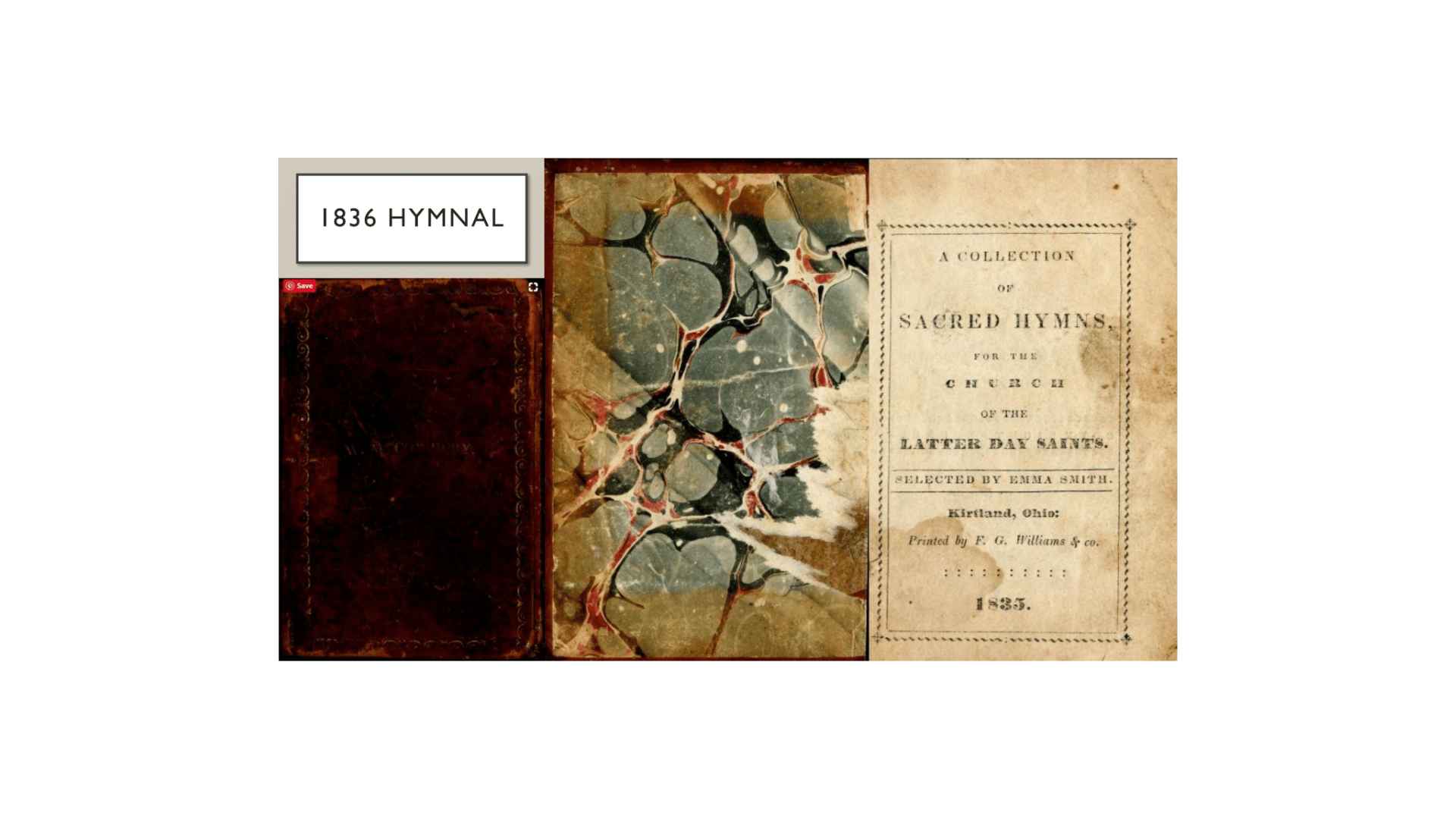
Emma was appointed to select hymns. Gathering and selecting hymns was not a typical project for women in the 19th century. That did not stop Emma, a visionary woman in her own sense of the word, as she worked to capture specific words and sentiments that contextualized Joseph’s vision. Hymns pedagogically taught doctrine. Emma specifically selected lyrics that taught about Joseph’s restoration vision, putting text to an additional form of communication and expression: music.
As a scribe, Emma transliterated the word of God to the people. As a hymnist, Emma transliterated the word of the people to God. She became a mediator of worship expression to and from God and His sons and daughters. Emma was both a writer of His words to His sons and daughters and a collector of hymns, the expression of their words to Him. The hymns she selected give word and voice to the heart of the Church.
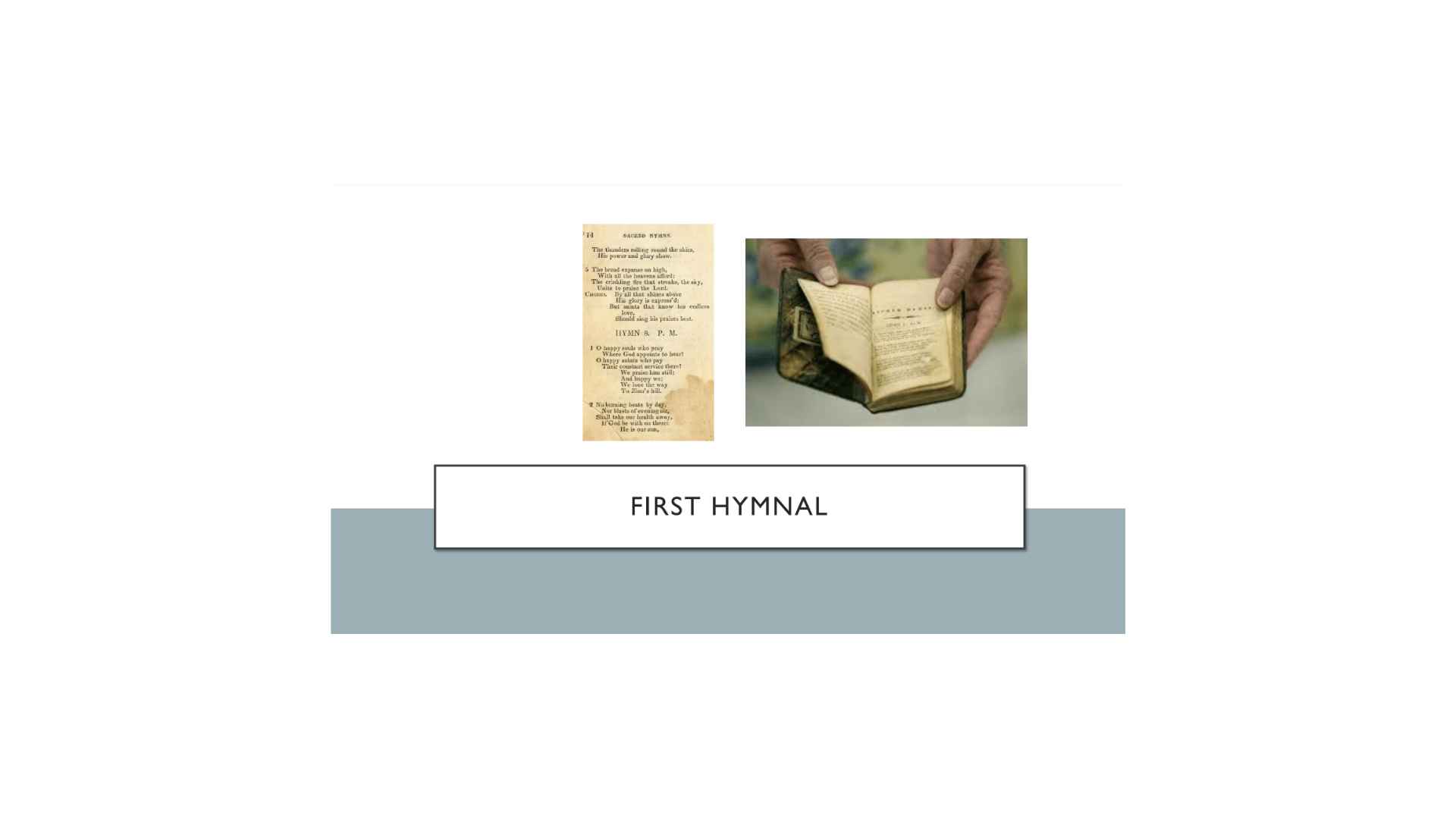
I love this one from the first hymn book: “Oh, happy souls who pray, where God appoints to hear; oh, happy saints who pay their constant service there. We praise Him still, and happy we, we love the way to Zion’s hill.”
Seek of the Things
Perhaps this is why between instructions to scribe and to collect hymns, Emma was directed to lay aside the things of the world and seek for the things of a better. It took five or six years for Emma’s selection of hymns to come to fruition. Initially, they came to the saints from the pages of the Evening and Morning Star. Emma sent hymns from Kirtland to William Phelps in Independence as he gathered them together for book publication. Placing hymns within this context was a significant strategy, this time allowing saints to both understand and perform new doctrine in different formats.
In 1833, the printing office was destroyed, and the work was lost, and Emma’s sorrows again were multiplied. At least this time she was able to resurrect this one by 1836, for the dedication of the Kirtland Temple. The first hymnal included 50 hymns from various Protestant traditions (Congregational, Baptist, Methodist, and others), and Emma used 40 hymns from Latter-day Saint hymnals. So, she combined the lyrics by William W. Phelps, Parley P. Pratt, and Eliza R. Snow, together with Isaac Watts, Charles Wesley, and others. A second hymnal was printed in 1841. Hymns allowed otherwise inarticulate or illiterate people to raise their voice in faith and to increase their efforts to commune with God.
First Presidentess of Relief Society
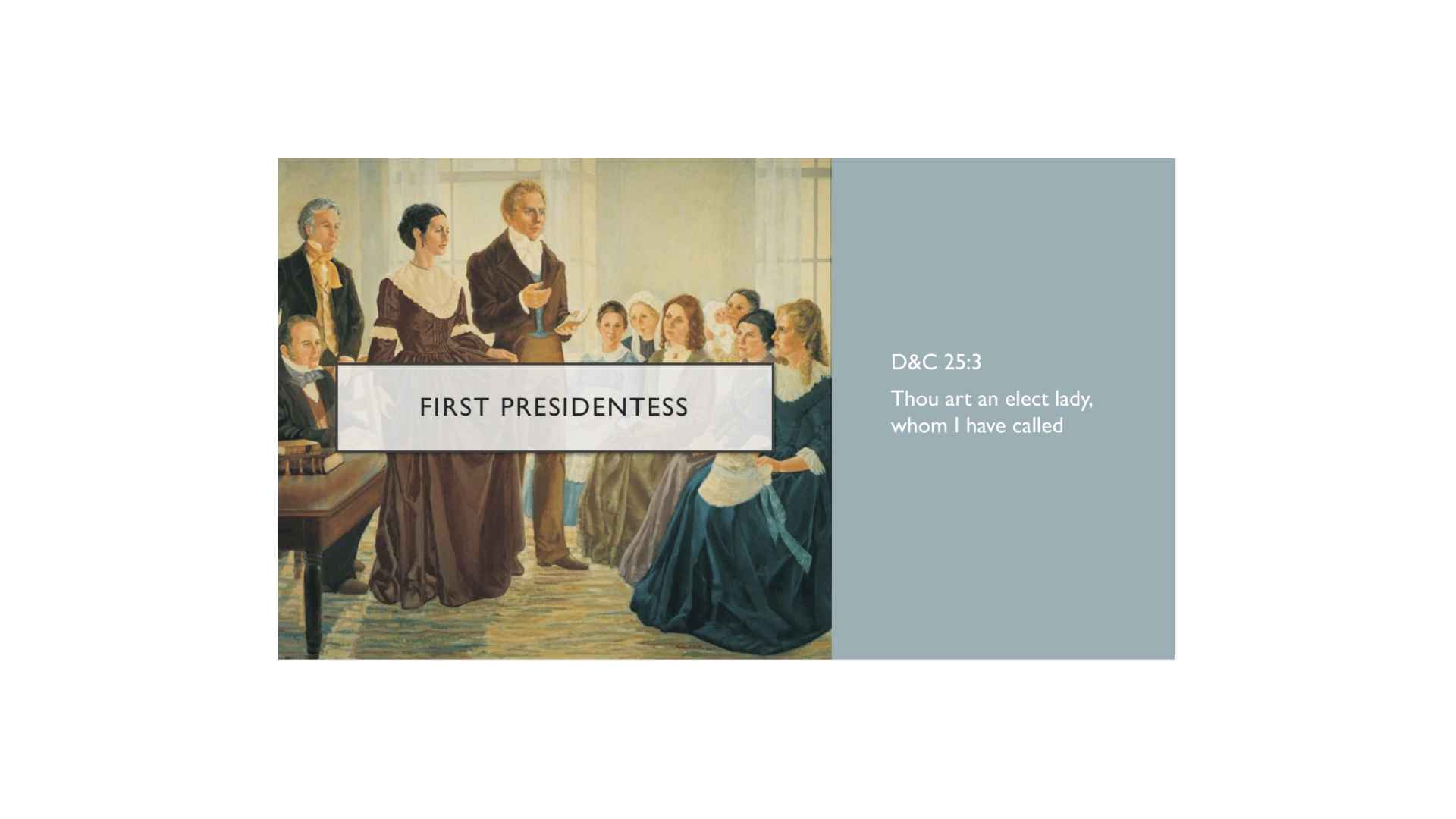
Most Hebrew scholars agree the elect lady referred to in 2nd John 1 signifies the Church. In this interpretation, “elect lady Emma” is a synecdoche for the Restored Church reuniting with Christ the bridegroom. Sarah Kimball remembered Joseph Smith saying that the organization of the Church of Christ was never perfect until the women were organized. At the organization of the Relief Society on March 17, 1842, Joseph Smith referred to the July 1830 revelation to indicate Emma’s named role. Elect Lady Emma completed the Church; a performance of at-one-ment. The Nauvoo Relief Society provided an entirely new locus of authority and autonomy for women and for Emma herself.
Nauvoo Relief Society
Eight years later, Emma’s patriarchal blessing from Joseph Smith, this is after the revelation, suggested that she would be blessed with understanding and have power to instruct her sex. The Nauvoo Relief Society certainly gave Emma the office to expound in a more public setting. On March 31st, Emma taught the women, including herself, in the message with the first person plural pronoun. “We are going to learn new things. Our way was straight, said we wanted none in this society but those who could and would walk straight and were determined to do good.”
The word straight reflects scripture, both biblical and restoration, describing divine and mortal. “God doth counsel in wisdom over all his works, and his paths are straight, and his course is one eternal round. Repent ye and prepare the way of the Lord and walk in his paths, which are straight.”
To exhort, on the other hand, is defined as to encourage, to embolden, to cheer, or to advise, to incite by words, to animate or encourage a good deed or a course of action. In one way, this seems to complement her earlier charge to comfort her husband with consoling words and meekness.
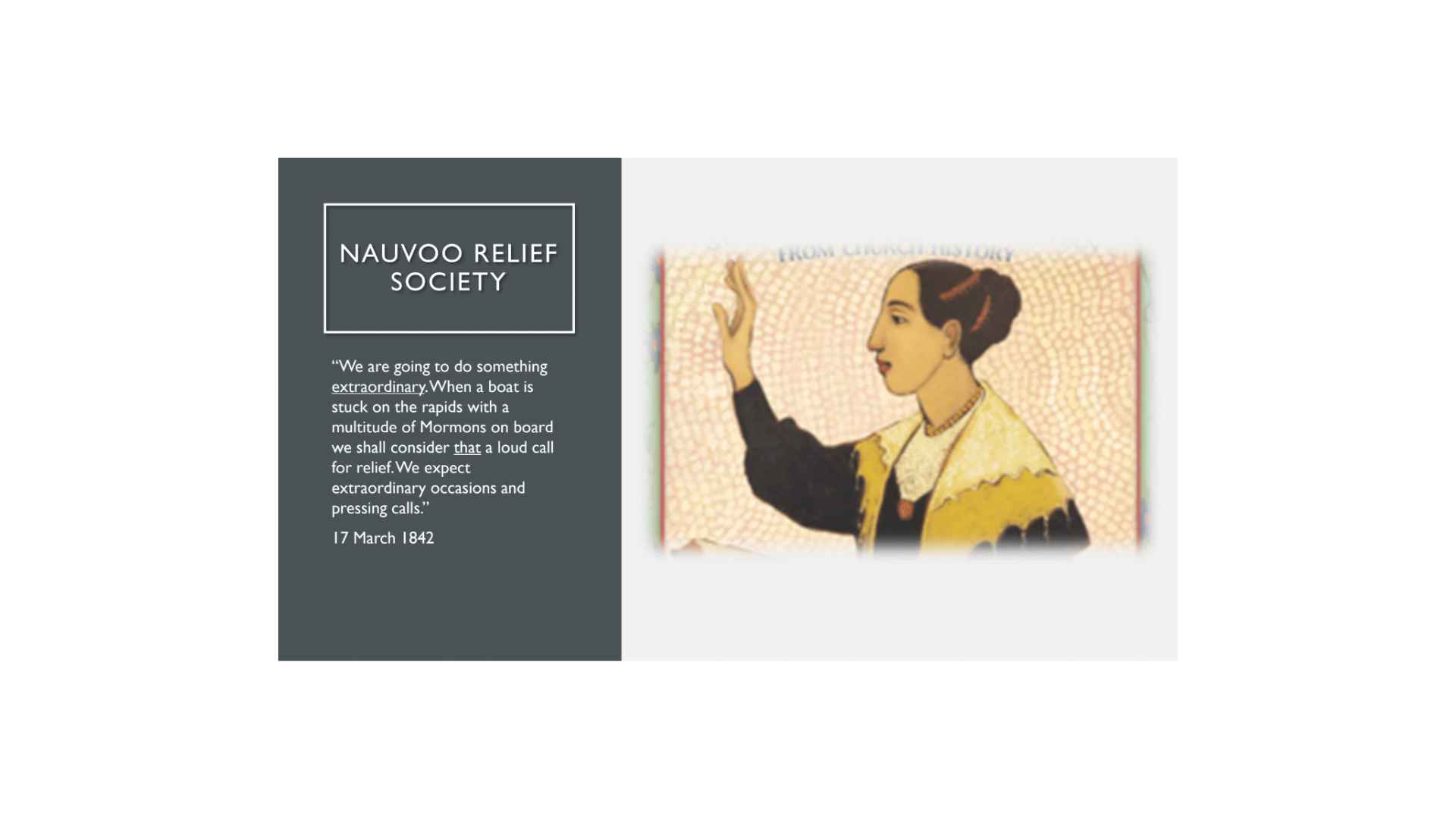
Emma privately exhorted and blessed her Relief Society sisters. Elizabeth Durfee recounted how President E. Smith and counselors Cleveland and Whitney had administered to her after the previous meeting and that she was healed. Emma also exhorted publicly. At the first Relief Society meeting she remarked, “We are going to do something extraordinary. We expect extraordinary occasions and pressing calls.” The excitement that built up from such powerful potential drew more and more women each meeting to seek membership. She made it cool to serve.
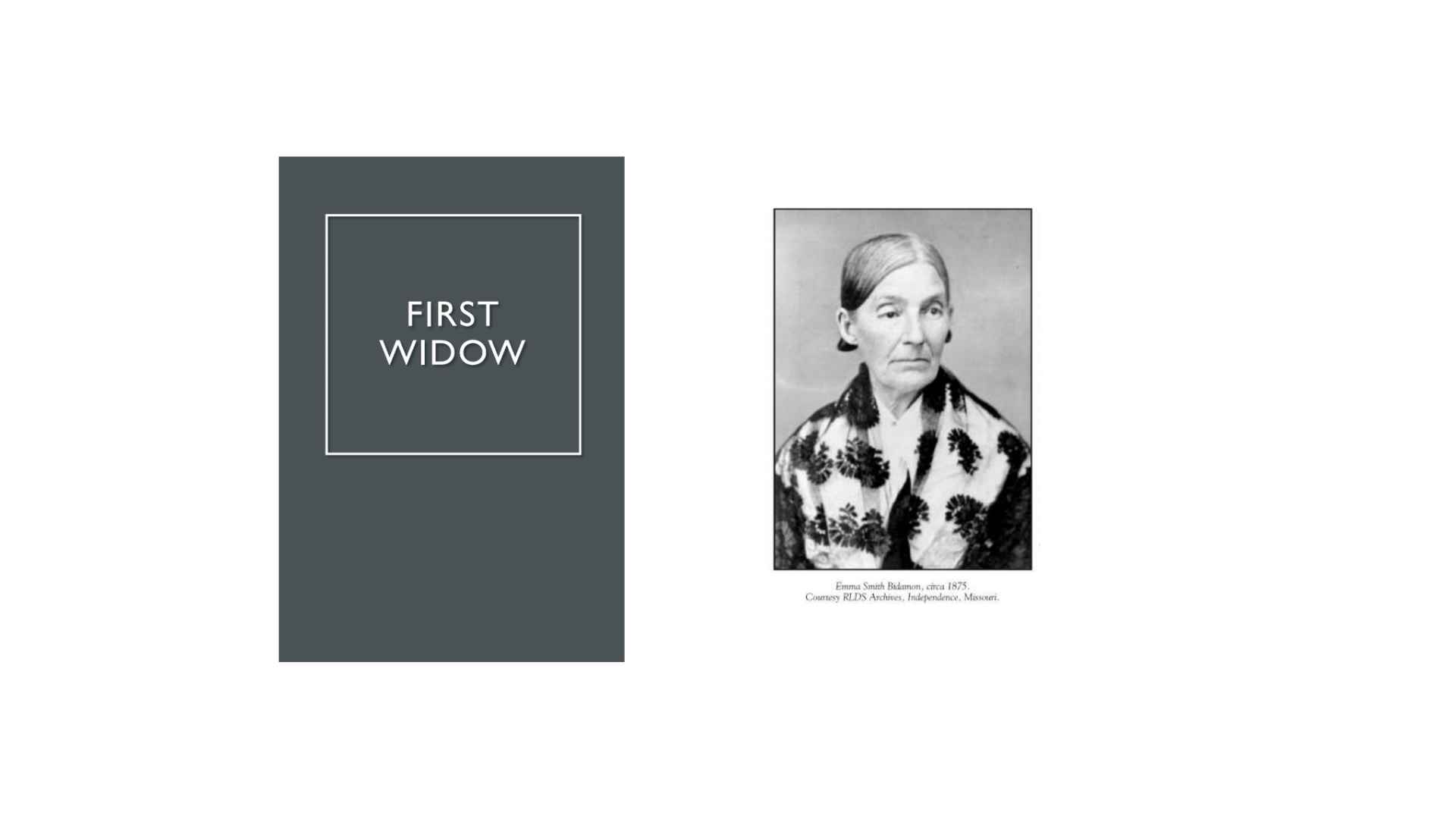
Emma as a Widow
Emma was also the first widow. By 1845, Brigham Young had developed a distinct rancor toward Emma and the Relief Society, and he officially shut down the Nauvoo Relief Society in a speech given to the High Priest quorum. Interestingly enough, he didn’t talk to the women; he talked to the men. He blamed the women,, particularly Emma, for causing the death of Joseph, and he later maintained a very public animosity toward Emma from Salt Lake City.
At the end of her life, Emma’s sons interviewed her, asking specific questions about her participation in their father’s work. She maintained her belief in Joseph as a prophet of God and considered the work a marvel and a wonder. Emma insinuated their partnership throughout the process; “He usually gave some heed to what I had to say.” She noted “it was quite a grievous thing to many that I had any influence on him.” Regardless of Emma’s concern about what other people thought, she maintained her role; “I was an active participant.”
Right before Emma passed away, she told her nurse about a dream where Joseph came to her and brought her to a beautiful mansion. There, in a nursery, she found her son Don Carlos, who had died as a toddler. Joseph promised her that she would soon have all of her children; they would all be at or as one. She then turned around and saw Jesus Christ. She had indeed entered his presence; that line from Section 25 was fulfilled. “This is my voice unto all.” I think the Lord is saying to all of us, “This is Emma, my daughter who wears my crown and has entered my presence.” And yet we too are all firsts in this continual restoration. Thank you.
Audience Q&A
Scott Gordon:
Thank you very much. That was an excellent presentation. I learned some things I didn’t know. I was sitting there going like wow, for example, when I have to get the name right, the descendant of Crawford, that was interesting. I never knew that, so that was good.
So, the first question that came in actually is do we have Vesta Crawford’s book, and why did the Church object to it?
Jenny Reeder:
I think they were still in a sense of believing that Emma had, well, she denied polygamy. She didn’t come west. She joined the Reorganized Church with her sons, and I think they saw her as someone who had fallen. And I think it took a lot of time to recognize that she had contributed so much. That’s why I think it took at least a hundred years for people to start writing about her.
Scott Gordon:
Well, you know, I’m old. I know you’re not, but I remember well that Emma was not well thought of in the Church.
Jenny Reeder:
No, in fact, just after my book came out, a member, a kind man in my bishopric said to me, “Oh, my wife and I bought your book. I don’t get the big deal about Emma.” And I was like, well, obviously, you haven’t read the book yet.
Scott Gordon:
Did Emma’s parents ever warm up to Joseph and embrace Mormonism? If not, did that greatly trouble Joseph?
Jenny Reeder:
They never did. In fact, when Emma discovered or learned that her father had died, she’d had no correspondence with them, and she immediately wrote to her mother and told her, “Oh my goodness, this is what’s happened in all these years. These are the kids that I’ve had and that I’ve lost.” I don’t know. There’s no record of anything about Joseph’s perception of them, but he knew that she cared for them, and I know that that weighed heavily on her. They went to visit her sister in Dixon, Illinois, and that’s where he got busted in an extradition attempt to Missouri.
Scott Gordon:
It must have been very painful having that separation with her parents.
Jenny Reeder:
Absolutely. They were very tight. And the other thing is all of her siblings had remained in the area after they married, and so it was hard. Her father was worried that Joseph wouldn’t provide for her, which he didn’t so well. She was the woman of business in the family, but also that he would take her away, which he did.
Scott Gordon:
See, Dad was right. I tell this to my daughters, but they don’t always believe me, but oh well. Did Emma and Lucy Mack officiate in the Nauvoo Temple when it was finished or only in the Red Brick Store?
Jenny Reeder:
They did not. I believe Lucy was re-endowed, but by that point, Emma had sort of broken off, and that was a big thing for Brigham Young, and so she wasn’t involved with that.
Scott Gordon:
What inspired the shift to study and talk about Emma positively?
Jenny Reeder:
Actually, I think it’s a lot of things. For example, Vesta Crawford said she wanted to know why Emma didn’t come, and so that was her motivation in understanding who Emma was. I think for Linda Newell and Val Avery, they were in the middle of the second wave of feminism, and they knew that Emma had played a really important role in the Church, and they wanted to find her and recover her. So, I just think now we see this interest in women understanding their roles in the Church and taking an equal role in the priesthood and with their husbands.
I talked to the General Relief Society Presidency as I began my work and asked them what they thought women of the Church wanted to know today about Emma, and their answers surprised me. They didn’t say Relief Society or the hymn book. They said polygamy, which I didn’t have time to talk about today, but I do in the book. I have a particular view about how all of that came about. Polygamy, Emma as a political activist, and Emma after the death of Joseph, because it’s just not well known.
Scott Gordon:
So if people want to learn that, they can read your book, right?
Jenny Reeder:
Absolutely.
Scott Gordon:
And you’re going to be sitting outside the table, there’s signed books if people are interested.
Jenny Reeder:
Absolutely.
Scott Gordon:
Okay, with that, thank you so much. Really appreciate it.
Jenny Reeder:
Thank you! It’s always fun to talk about Emma.
Endnotes & Summary
coming soon…
All Talks by This Speaker
coming soon…
Talk Details
- Date Presented: August 6, 2021
- Duration: 49:28 minutes
- Event/Conference: 2021 FAIR Annual Conference
- Topics Covered: Emma Smith’s contributions to the Restoration, Her leadership as the first president of the Relief Society, Her resilience through personal losses, Parallels between Emma’s journey and that of Eve, Her role in early Church history, Her experiences with polygamy, Her life after Joseph Smith’s death, Her political activism, Her efforts in preserving Joseph Smith’s teachings, Her complex relationship with Brigham Young’s leadership
Common Concerns Addressed
Why didn’t Emma follow the Saints west?
Emma prioritized stability for her children and had a complex relationship with Brigham Young’s leadership, yet she remained committed to her faith in Joseph’s prophetic mission.
Did Emma reject Joseph’s teachings?
Emma remained a devoted believer in the Restoration, playing a key role in preserving his teachings and legacy.
Apologetic Focus
Dr. Jenny Reeder’s talk offers an apologetic reframing of Emma Smith’s life and legacy, emphasizing her essential role in the Restoration and correcting long-standing narratives that marginalize or misrepresent her. Drawing from primary documents, Relief Society records, and Emma’s personal writings, Reeder challenges depictions of Emma as disobedient, faithless, or unimportant to the early Church. Instead, she presents Emma as a spiritual, intellectual, and emotional anchor of the Restoration—one who bore profound burdens and made vital contributions. This talk underscores the necessity of including women’s voices in Church history and demonstrates how neglecting Emma’s story has led to doctrinal misunderstandings and gendered critiques of the Restoration.
1. Emma Smith’s Essential Role in the Restoration
Criticism: Emma Smith was a peripheral or even oppositional figure in the Restoration who ultimately abandoned her faith.
Response: Dr. Reeder provides historical evidence that Emma was not only central to the unfolding of the Restoration but also a foundational leader. She acted as Joseph Smith’s scribe, helped compile the first hymnbook, and was appointed by revelation (Doctrine and Covenants 25) as an “elect lady.” Emma’s leadership in organizing the Relief Society and her efforts to preserve Joseph’s teachings show a deep, enduring commitment to the cause of Christ. The talk corrects oversimplified or dismissive portrayals by emphasizing her consistent faith and spiritual discernment, even amid personal and doctrinal trials.
2. Women’s Trials and Sacrifices in Early Church History
Criticism: Latter-day Saint history overlooks or downplays the contributions and sufferings of women like Emma, reinforcing a male-dominated narrative.
Response: Dr. Reeder highlights the emotional, physical, and spiritual costs that Emma bore—losing children, facing mob violence, navigating polygamy, and remaining in Nauvoo after Joseph’s death. Rather than painting her as resentful or faithless, the talk honors her resilience. This approach counters accusations that the Church erases or minimizes women’s experiences, showing instead how Emma’s story exemplifies a faithful disciple’s endurance under extreme pressure. The Restoration is portrayed not as a male-only effort, but as a deeply collaborative labor, with women’s sacrifices forming its backbone.
3. Reframing Emma’s Legacy in the Narrative of Faith
Criticism: Emma’s decision not to follow Brigham Young west disqualifies her from faithful remembrance or inclusion in the broader Restoration story.
Response: Reeder reframes this decision as a complex, human response rooted in grief, trauma, and a commitment to what she believed was right. The talk invites listeners to interpret Emma’s actions through empathy and historical context rather than black-and-white loyalty tests. By doing so, it pushes back against reductive judgments and affirms that Emma remained true to her covenants in the ways she understood them. This nuanced view strengthens apologetic efforts to show that faith can look different across contexts and that devotion to Christ is not always linear or easily categorized.
Explore Further
- Historical summary of the Mountain Meadows Massacre
- Perpetrators of the Mountain Meadows Massacre
- Brigham Young and the Mountain Meadows Massacre
- Others involved in the Mountain Meadows Massacre
- Blood of the Prophets [1]: Brigham Young and the Massacre at Mountain Meadows
- Blood of the Prophets [2]: Brigham Young and the Massacre at Mountain Meadows
- Blood of the Prophets [3]: Brigham Young and the Massacre at Mountain Meadows
Share this article
