Summary
The Book of Abraham is considered scripture by The Church of Jesus Christ of Latter-day Saints, revealed to Joseph Smith in 1835 through Egyptian papyri. Despite controversies surrounding its translation, scholars like Hugh Nibley have explored its historical, theological, and linguistic significance and decades of research have uncovered connections between the book and ancient cultures, enriching understanding of its themes like the Abrahamic covenant and premortal existence.
Presentation
 .
.
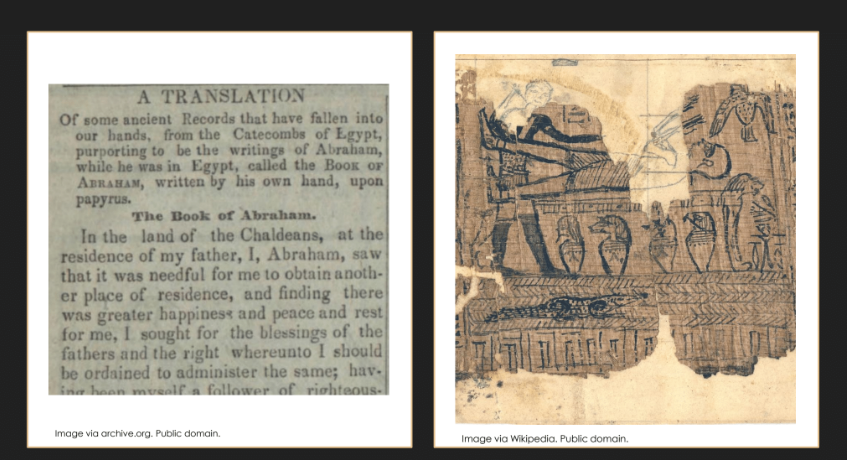
The Book of Abraham is accepted by The Church of Jesus Christ of Latter-day Saints as an inspired or revealed translation of the writings of the biblical patriarch Abraham. Joseph Smith began the translation of the text after he acquired some Egyptian papyrus scrolls and mummies in summer 1835. Canonized as scripture by the Church in 1880, the book narrates an account of the patriarch’s near-sacrifice at the hands of his idolatrous kinsfolk, his journey into Canaan, the covenant he entered into with God, and his visions of the premortal world and the Creation. Although a short book of only five chapters, the Book of Abraham has nevertheless contributed significantly to Restoration doctrine, particularly as it pertains to the Latter-day Saint understanding of the Abrahamic covenant and the concept of the premortal existence of humankind.
While Latter-day Saints cherish the Book of Abraham and accept its inspiration on faith, they also have not been afraid to explore the text with scholarly tools in order to better understand it.
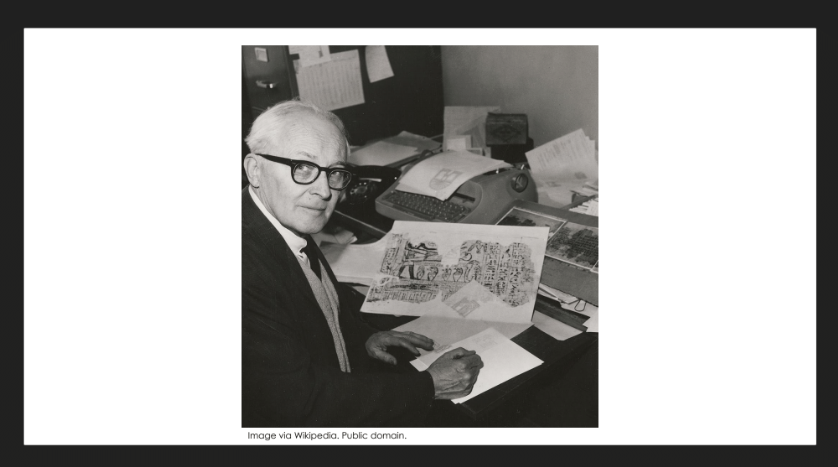
Hugh Nibley
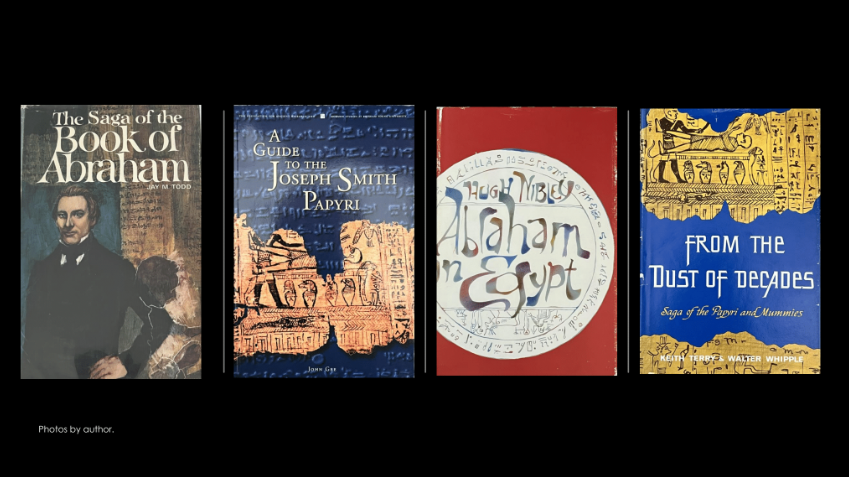
A pioneering scholar of the Book of Abraham was Hugh Nibley, a former professor of religion at Brigham Young University with academic training in ancient history and languages. Nibley wrote extensively on the Book of Abraham during his career, producing several important contributions to the scholarly discussion surrounding this book of scripture.
Since Nibley’s day, more scholars have turned their gaze to the Book of Abraham from a number of different perspectives. The results have been nothing short of remarkable. Scholars have profitably evaluated the historical details of the text with Egyptological, archaeological, and linguistic tools; they have read its narrative closely to elucidate literary and poetic patterns; they have clarified its composition and transmission history through textual criticism; and they have explored the rich doctrine of the book.
In addition to making compelling arguments for the historicity of the Book of Abraham, as well as its narrative coherence and theological profundity, Nibley and other scholars have also argued that elements of Joseph Smith’s interpretation of the three facsimiles accompanying the text find plausible legitimacy as knowledge of ancient Egypt and other ancient cultures has advanced.
A Major Obstacle
A major obstacle to those who wish to study the Book of Abraham more closely, however, is that this scholarship spans decades, is scattered throughout multiple venues (books, journals, videos, podcasts, conference proceedings, and so forth), and is sometimes very technical. This can make matters daunting for some Latter-day Saints who wish to get a firm grasp on this material.
To remedy this, in 2019 Book of Mormon Central, a nonprofit research foundation dedicated to making the Book of Mormon accessible, comprehensible, and defensible to the entire world, launched an initiative called Pearl of Great Price Central with the aim, in part, to collect, synthesize, and popularize scholarly work on the Book of Abraham in order to provide study resources for Latter-day Saints and others who wish to enhance their engagement with this book of scripture.
6] 
Book of Abraham Insights
In August 2019, Pearl of Great Price Central launched a series of short essays called Book of Abraham Insights that highlighted some of the more noteworthy convergences between the Book of Abraham and the ancient world, explored how Joseph Smith’s interpretations of the facsimiles in some ways harmonize with modern scholarship, and provided an overview on what is known about the coming forth and translation of the Book of Abraham.
The Insights were kept deliberately short so as not to overwhelm readers with sometimes technical and arcane information about ancient languages and cultures while also remaining well-documented and rigorous and providing a bibliography for those wanting to dive deeper into these matters.
In January 2020, Pearl of Great Price Central published its fortieth Book of Abraham Insight before shifting attention to Joseph Smith—History in the Pearl of Great Price in anticipation for the April 2020 general conference of the Church, which had been designated by President Russell M. Nelson as a bicentennial celebration.
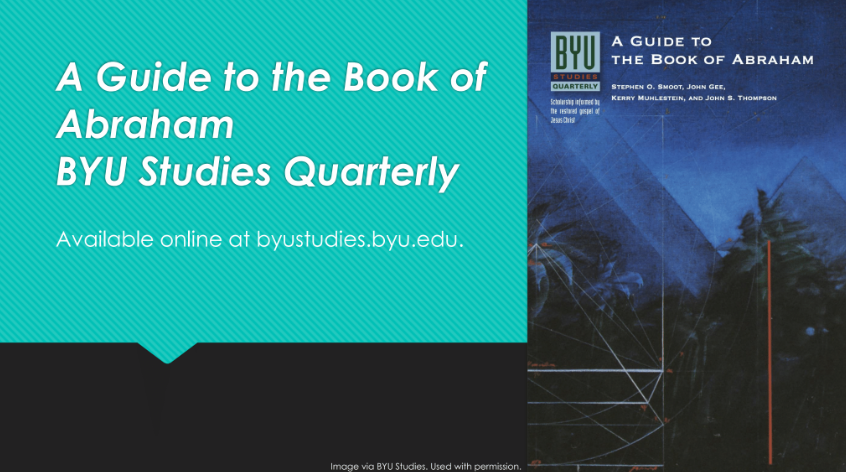
It was at that time that the authors of this present volume, who were the principal researchers behind the Book of Abraham Insights on the Pearl of Great Price Central website, felt it was appropriate to revise the Insights and make them available in print. Accordingly, the subsequent months of the year 2020 were spent revising the Insights to incorporate feedback from readers, update material in response to advances in scholarship, take into consideration constructive critiques, expand some material that was at first kept deliberately short, and include new material that could not appear in the initial run of the Insights due to constraints in Pearl of Great Price Central’s publishing schedule.
In Print Form
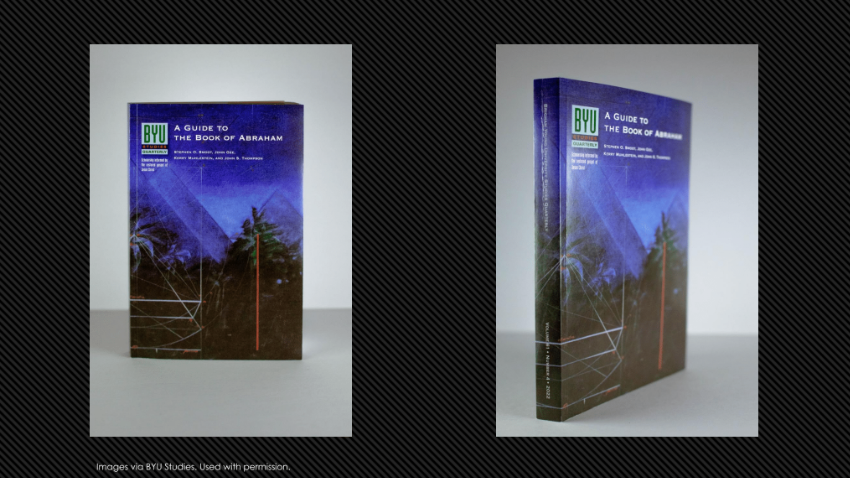
With the kind assistance and cooperation of John W. Welch and Steven C. Harper, the former and current editors of BYU Studies Quarterly, respectively, we are pleased to now find a home for the final result of these revisions and expansions as an issue of that journal.
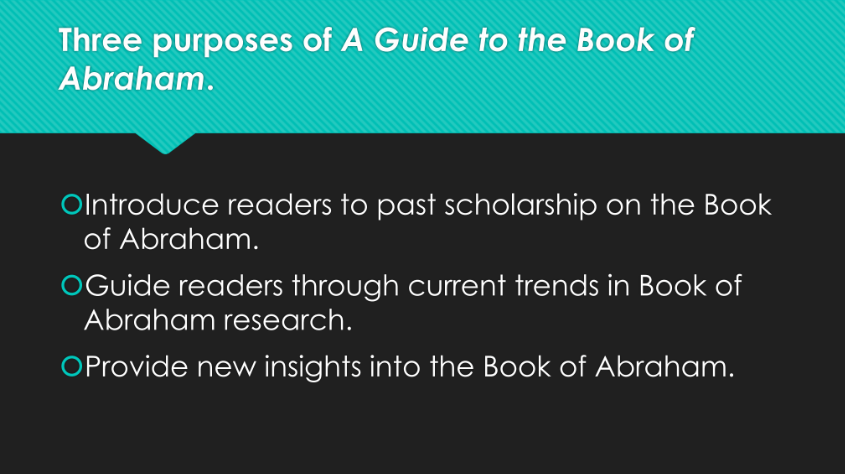
As the name of this issue indicates, and in keeping with the original purpose of Pearl of Great Price Central’s Book of Abraham Insights while also building on it, our intention here is threefold:
Introduce Past Scholarship
First, to introduce readers to what the past decades of scholarship on the Book of Abraham have already produced; second, to guide readers through trends in Book of Abraham research currently unfolding; and third, to provide some new insights into the Book of Abraham as examples of where future scholarship can go.
We hope, therefore, that we will have something of value to offer readers from a variety of backgrounds—those already well acquainted with Book of Abraham scholarship and those who may be encountering this work for the first time.
It is also for this reason that we beg the reader’s pardon for indulging, at times, in rehashing previously published work on the Book of Abraham, including our own, by extensively quoting ourselves and other scholars in ways that summarize and distill past scholarship that may not always necessarily make new contributions to the discussion.
Part of our goal with this issue, which we have titled A Guide to the Book of Abraham, is to review what we already know, and we do not wish to leave readers confused who are just now encountering Book of Abraham scholarship, so we felt it not too inappropriate to recapitulate ourselves and others sometimes verbatim.
Content in this Volume
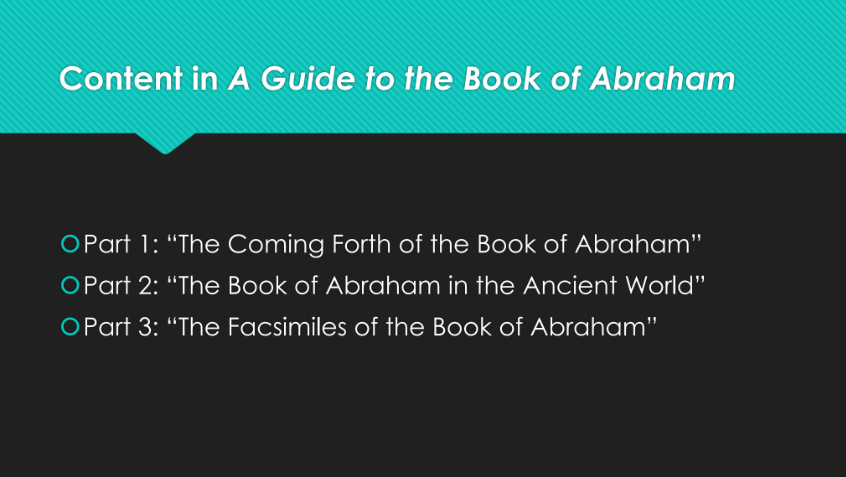
The content in this volume rearranges the organizational structure that was first laid out on the Pearl of Great Price Central website in order to create something of a more logical progression.
The first section (“The Coming Forth of the Book of Abraham”) gives an overview of the coming forth and translation of the Book of Abraham in the nineteenth century.
The second section (“The Book of Abraham in the Ancient World”) provides an ancient (including biblical) context for the Book of Abraham or otherwise touches on points related to the historicity of the text.
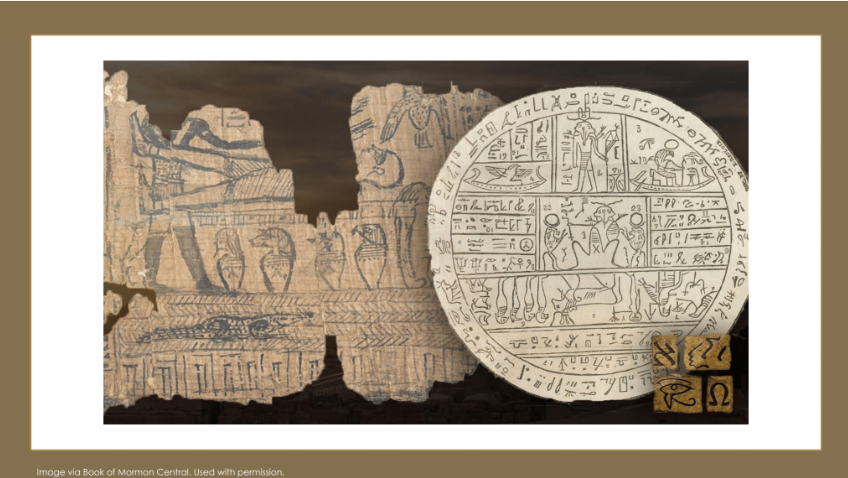
The third and final section (“The Facsimiles of the Book of Abraham”) looks at the facsimiles and focuses on the more noteworthy instances where Joseph Smith’s interpretations converge with modern Egyptological knowledge. These three interlocking issues are worthy of individual review and consideration since how the reader evaluates one of them will undoubtedly affect how he or she evaluates the other two.
The Difficulty of Language
Because each of us, the authors, has academic training in Egyptology and Near Eastern studies, we are conscientious of the balancing act that comes with, as it were, “translating” academic jargon and technical language into a comprehensible dialect for nonacademic but interested lay readers.
This includes how to transliterate ancient Egyptian and other languages, which sometimes requires the use of characters not found in the English alphabet. Because some of the arguments in this book rely on careful analysis of the Egyptian language, we have followed standard Egyptological conventions of transliteration.
We have also grappled with how much to assume that our readers are familiar with the ancient cultures we write about. We hope that we have struck a proper balance between making our prose accessible and preserving scholarly rigor or accuracy.
For readers who are eager to get into the technical aspects of the issues covered in this book, we advise they follow our footnotes and the recommendations for further reading at the end of each article.
Our Hopes for this Volume
It is our sincere hope that A Guide to the Book of Abraham will equip seekers and honest questioners with the best, most reliable scholarly resources currently available and provide meaningful insights into this extraordinary scriptural text.
We hope that this work will serve as a reliable guide as we look back to see how far we have come in our understanding as well as look forward to pursue new scholarly lines of inquiry that help us better understand the Book of Abraham in a variety of contexts and thereby, we hope, also raise appreciation for this book as sacred scripture and strengthen faith in Joseph Smith’s calling as a modern seer and revelator.
Still so Much to Explore
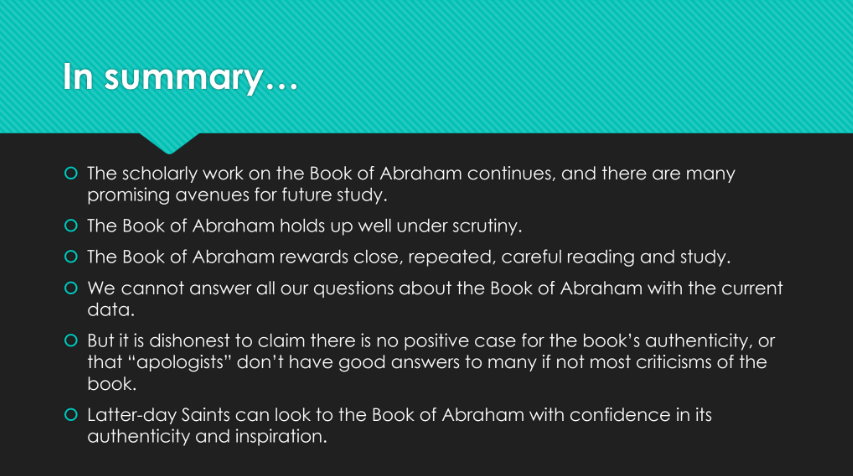
The Book of Abraham is an inexhaustible source of exploration and critical investigation, and the work of scholarly examination into this book shows no signs of slowing. On the contrary, we see multiple welcoming avenues for additional study.
The net result of this review, in the meantime, has been the (re)discovery of numerous points of convergence between the Book of Abraham and the ancient world and theological and narrative aspects of the book that invite more sustained investigation. We hope that our guide has been helpful in orienting readers on these and related matters pertaining to the Book of Abraham and that it suggests some ways in which we might make progress.
Unknown Issues
There is still much that we do not know when it comes to how precisely Joseph Smith translated the Book of Abraham. The Church of Jesus Christ of Latter-day Saints itself takes no official position on this point other than to affirm that the translation was accomplished by the gift and power of God (something we, the authors, also affirm).
There are also remaining questions surrounding Joseph Smith’s explanations of the facsimiles and the ancient world of Abraham. This guide does not presume to answer all the questions people have had or may yet have about the Book of Abraham, its contents, and the manner of its translation.
We freely acknowledge that the tools of scholarship at this time do not confirm every claim made in or about the Book of Abraham, and we emphasize that the various lines of evidence explored in this treatment do not somehow “prove” the Book of Abraham is true.
Controversy and the Book of Abraham
We are, of course, well aware of the controversy that still surrounds the Book of Abraham, and we do not presume that this offering has once and for all settled the debate. But what we have seen nevertheless does help us plausibly situate the Book of Abraham in the ancient environment from whence it purports to derive, informs how we might approach the text going forward, and positively affects our evaluation of Joseph Smith’s claims to prophetic inspiration.
Just as intellectual honesty demands we acknowledge the remaining gaps in our understanding and the ways in which the Book of Abraham still lacks verification based on available evidence, so too does it demand that this positive evidence not be overlooked, ignored, dismissed out of hand, or downplayed, even if it is inconvenient for certain worldviews and ideological commitments.
Although it should be evident that we tend to favor certain theories over others when it comes to explaining the nature and translation of the Book of Abraham, we do not presume to impose our understanding on others as an article of faith.
We are happy to acknowledge that Latter-day Saints can in good faith come to different conclusions about the nature of this book of scripture and “pursue a faithful study of the Book of Abraham from different backgrounds and approaches.” In fact, we welcome these different approaches and encourage a multitude of voices to contribute to the conversation.
Keep Looking
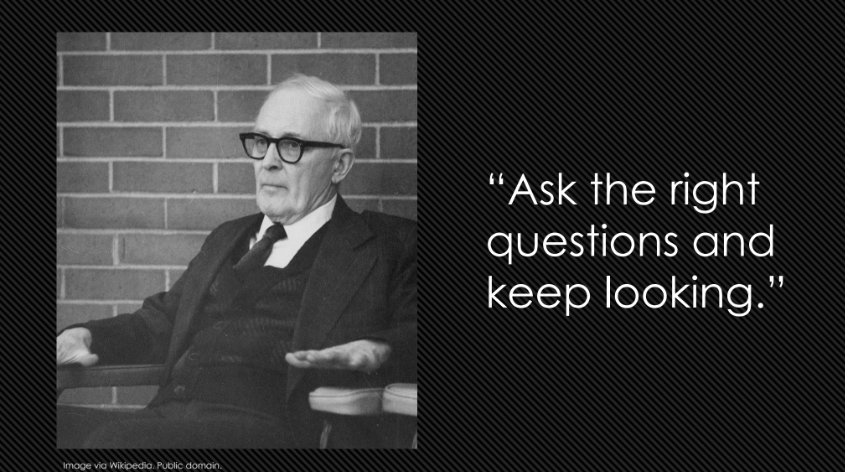
We also cheerfully embrace what Hugh Nibley articulated some time ago as an important strategy for any careful reader of the Book of Abraham. As Nibley so memorably expressed it, the key to approaching the Book of Abraham, or any other scriptural work, for that matter, is to ask the right questions and keep looking. Future discoveries may bolster, qualify, or even undermine some of the points we have raised in this volume.
This special issue of BYU Studies Quarterly, like every other work of scholarship, has a shelf life and will one day need updating or replacement. But this we welcome, because we are confident that future generations of disciple-scholars asking the right questions and answering those questions with the best available evidence will provide an even better case for the Book of Abraham than what we have offered at this time with what we currently know.
TOPICS
Book of Abraham
