Summary
Ralph Hancock explores the balance between political neutrality and the need for moral engagement among Latter-day Saints. He contrasts the Church’s stance of neutrality with its responsibility to address significant moral issues and argues that while Latter-day Saints should seek peace and tolerance, they must also courageously defend their faith and values.
Introduction
Lou Midgley: Ralph Hancock is one of my very best students, and if you want to see his work, you can read it in this book. He is an excellent thinker and writer, and he is thoughtful and careful in his scholarship. What more could you want?
Presentation
Ralph Hancock: Thank you, Lewis, my dear teacher. You were a grown-up when I was a youth, but now we’re practically the same age—that’s the way things go, I guess.
My talk today is not a condensed version of my contribution to the book honoring Dan Peterson, it is more like an addendum or a gloss to what you can read in that book.
“Latter-day Saints and Politics–Neutrality … up to a point.” The challenge of neutrality. Look, even the most unabashedly political among us—maybe I’m toward that end of the scale—would often rather keep politics out of things. That’s natural, and in many cases, right and appropriate. But how do we see politics rightly in relation to what is most important to us? Our souls? Eternity? These depend on the cultural and political situation in which we live, how we see the world around us, and on our assessment of what’s happening in the world. The question of neutrality must be seen against the background, the context, of the world—on our hopes and fears as well.
Context
On that subject of context, a story occurred to me, and I’d like to share it. It’s about my number three son, Jared. When he was about eight years old, we had recently moved to Provo, and I was a new professor at BYU. He was a very precocious and sweet boy—this same boy is now the conscientious and faithful father of 12. I mean, what’s up with that? Who would’ve thought, you know?
You know the saying that you can only be as happy as your unhappiest child or grandchild? As a parent or grandparent, there’s truth in that. But fortunately, the contradictory thing is also true—you are at least as happy as your happiest child or grandchild. That’s what saves us, right?
Anyway, here’s the story about Jared when he was eight. We had recently moved to Provo and lived on the hill above the temple for a while. We were driving down the street that goes just north, alongside the temple. There’s a great view from there of the whole valley, and it was very dramatic that day—the weather, I don’t know if it was sunrise or sunset, but the clouds were impressive, and the sky was red and purple. Maybe a storm was gathering. It was dramatic, to say the least. My precocious, sweet 8-year-old sat upright in the back seat—did he not have a seatbelt on? It’s possible. He sat upright and exclaimed, “Holy cow! Don’t tell me it’s the Second Coming!”
With the temple on our left and the dramatic horizon ahead, he paused and said, “Wait a minute, what about those people who just paid a month ahead on their newspaper subscription?”
Well, that’s an example of context—it shows how what’s important can depend on your time horizon. If the end is near, then a lot of things, including politics, might appear in a different light. At the same time, I’m still, how shall I say, vulnerable to the claims of a scripture like this one from Doctrine and Covenants, familiar to you from Section 58, isn’t it?
“Verily I say, men should be anxiously engaged in a good cause and do many things of their own free will, and bring to pass much righteousness.”
I tend to think that this is part of our mortal probation, no matter how near we think the Second Coming is. So how does this bear on politics?
Approaches to Religion and Politics
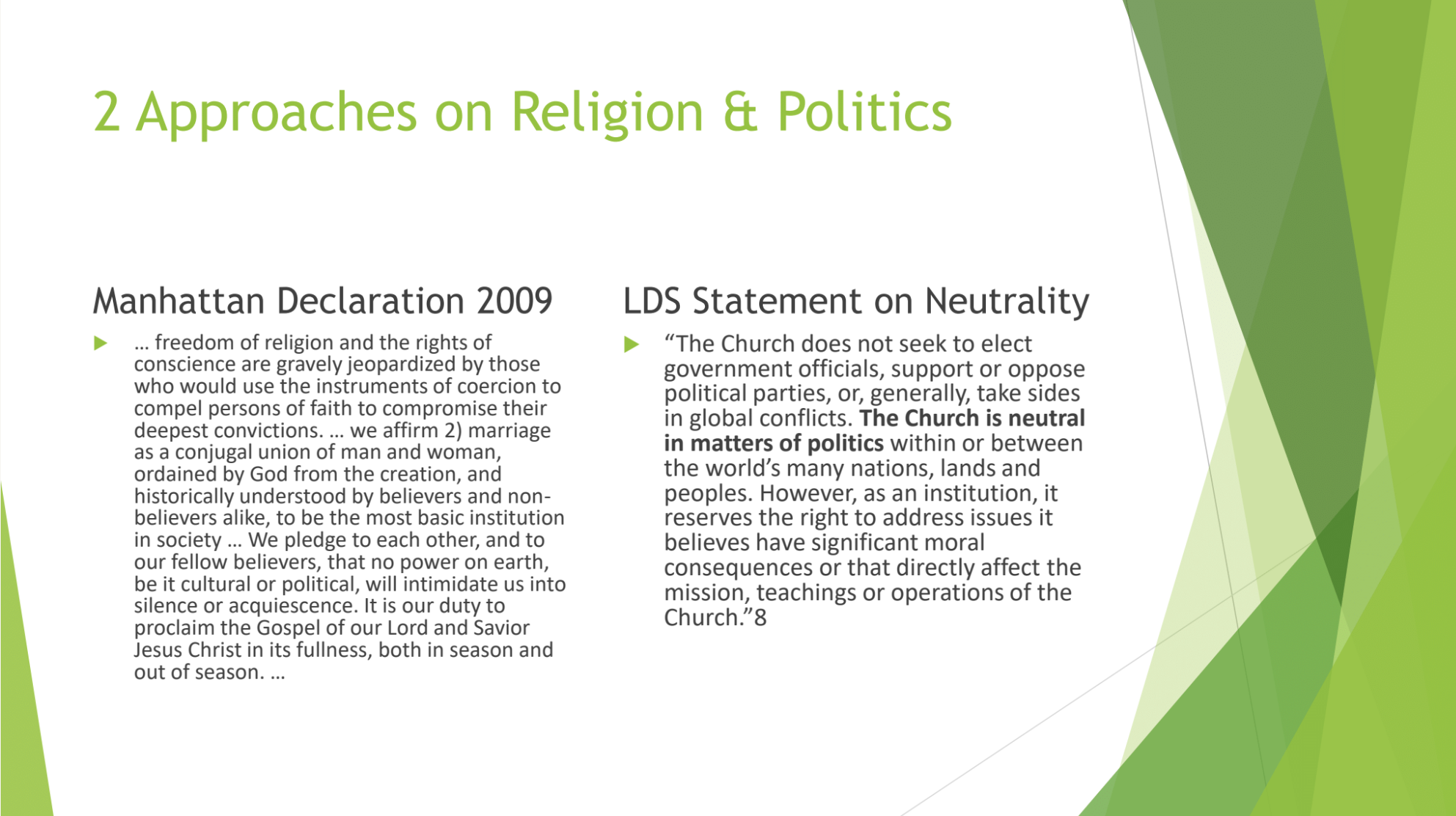
Here are two approaches to religion and politics. Let me suggest in advance that there seems to me to be something to admire and some truth in both.
The Manhattan Declaration, from a number of publicly religious and important intellectuals, philosophers, and others, came out in 2009. Robbie George, I believe, was a leader in this. Latter-day Saints weren’t involved in this, as far as I know. I’ll just skip to the bottom of it: “We pledge to each other and to our fellow believers that no power on Earth, be it cultural or political, will intimidate us into silence or acquiescence.”
We won’t shut up. We won’t be neutral. It is our duty to proclaim the gospel of our Lord and Savior Jesus Christ in its fullness—both in season and out of season—and, on the other side, a recent or perhaps current Latter-day Saint statement on neutrality:
“The Church does not seek to elect government officials, support or oppose political parties, or generally take sides in global conflicts. The Church is neutral in matters of politics, whether within or between nations, etc.” However—and I should have put “however” in big letters—as an institution, it reserves the right to address issues it believes have significant moral consequences. It’s kind of a big “however” when you think about it.
Morality and Society
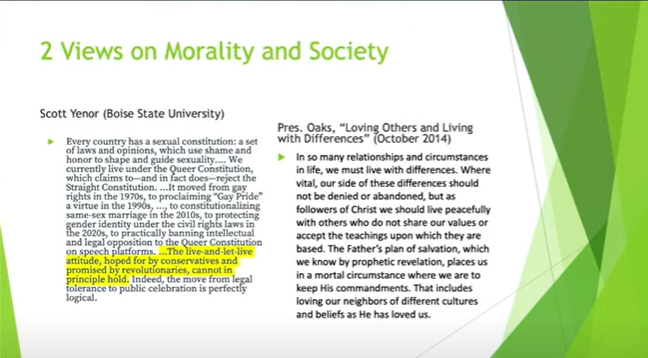
Another illustrative pair of statements: The first is from an excellent family scholar and political philosopher at Boise State University, a staunch Protestant fellow, Scott Yenor. He has argued that “Every country has a ‘sexual constitution,’ a set of laws and opinions which use shame and honor to shape and guide sexuality.” Yenor claims we currently live under a “queer constitution,” which rejects the “straight constitution” of the past. We’ve moved from gay rights to gender identity and transgender claims. Now, the question is: Is Scott Yenor claiming too much? Is his position extreme? I leave that to your consideration.
Scott argues that the “live and let live” attitude, which conservatives hope for and revolutionaries once promised, cannot, in principle, hold. Indeed, the move from legal tolerance to public celebration to a queer constitution, in effect, is perfectly logical.
On the other side of this question, we have a perspective from President Oaks in a 2014 quotation about loving others and living with differences:
In so many relationships and circumstances, we must live peacefully with others who do not share our values.
And that is certainly true. On one hand, we have the evidence of a moral constitution that seems incompatible with the gospel, and on the other hand, the practical necessity of living with differences.
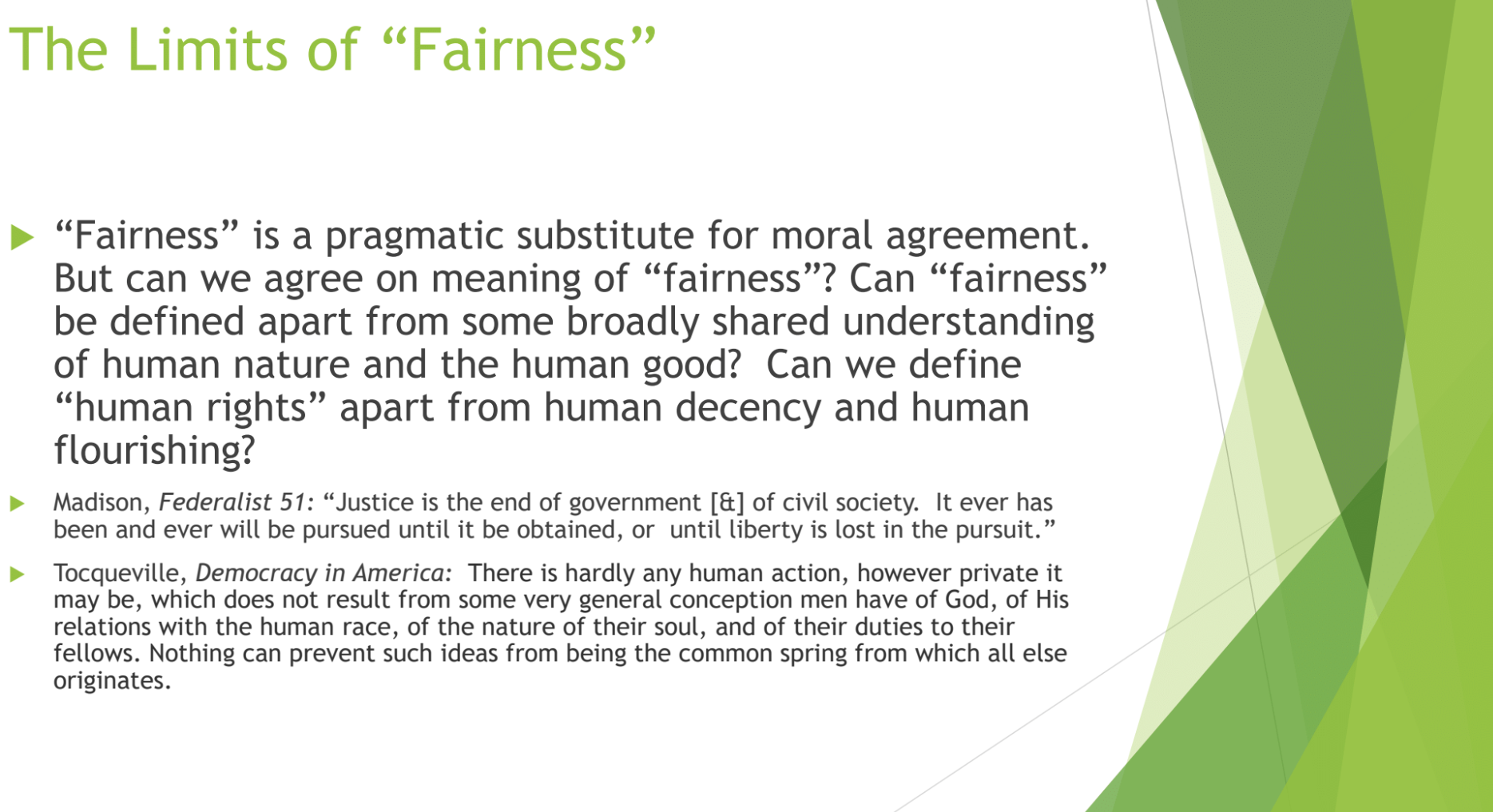
I’ll have to skip this next point and move on.
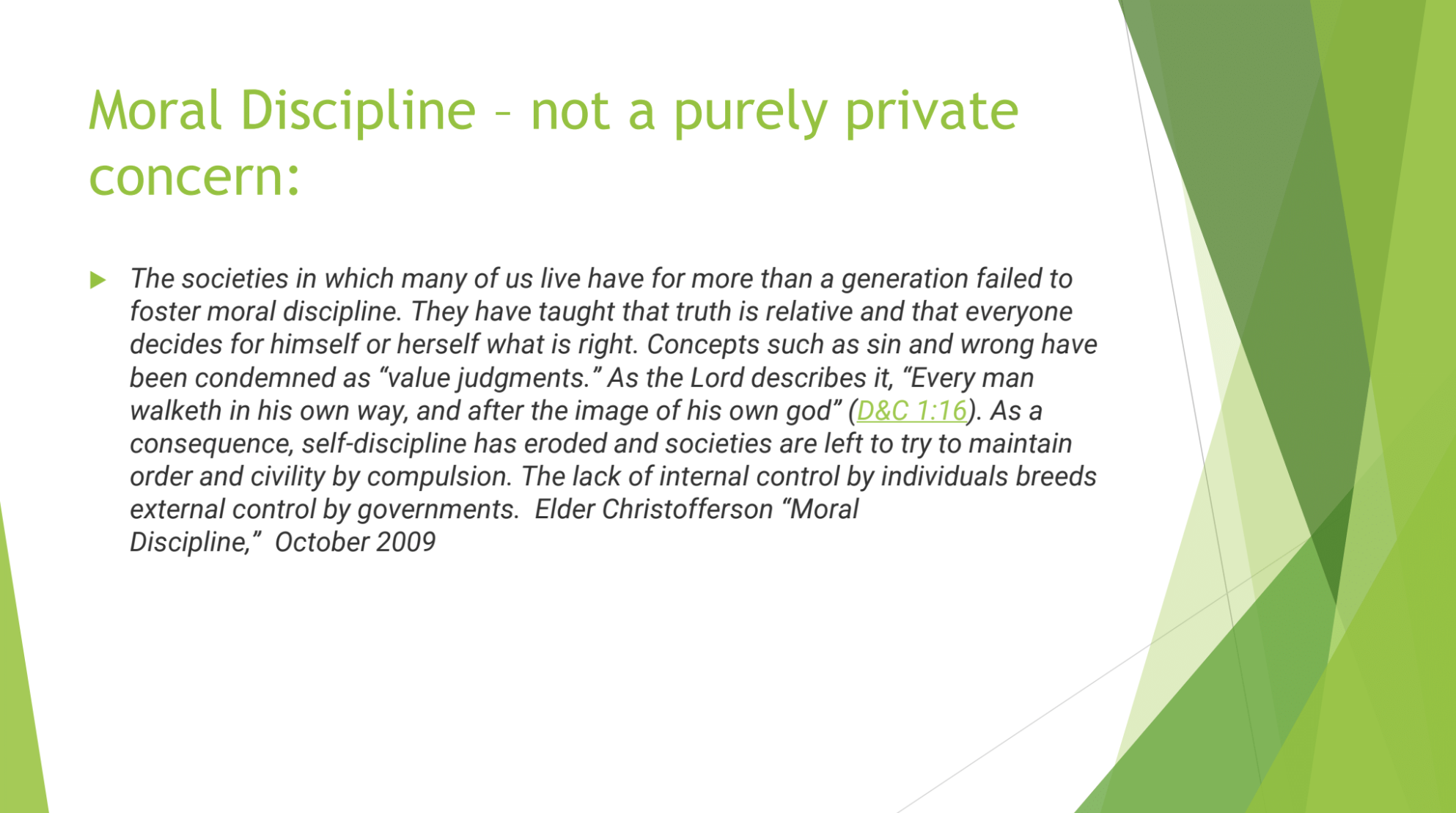
I’ve always found this to be a very lucid statement by Elder Christofferson in 2009. Elder Christofferson is always very good on this general subject. This particular statement makes it clear that moral discipline, including sexual moral discipline, is not a purely private concern:
“The societies in which many of us live have, for more than a generation, failed to foster moral discipline. They have taught that truth is relative and that everyone decides for himself or herself what is right. Concepts such as sin and wrong have been condemned as value judgments. As the Lord describes it, ‘Every man walketh in his own way, and after the image of his own god.’ As a consequence, self-discipline has eroded, and societies are left to try to maintain order and civility by compulsion. Lack of internal control by individuals breeds external control by governments.”
I would just observe that it seems we are well along the pathway from what seemed like an easygoing relativism—”you go your way, I’ll go mine”—to external control by government, in the name of a certain sexual constitution.
Tolerance
Following my friend John Gee, I will also call upon President Packer. In this case, President Oaks himself cites President Packer in a wonderful address called “Truth and Tolerance.” President Packer says:
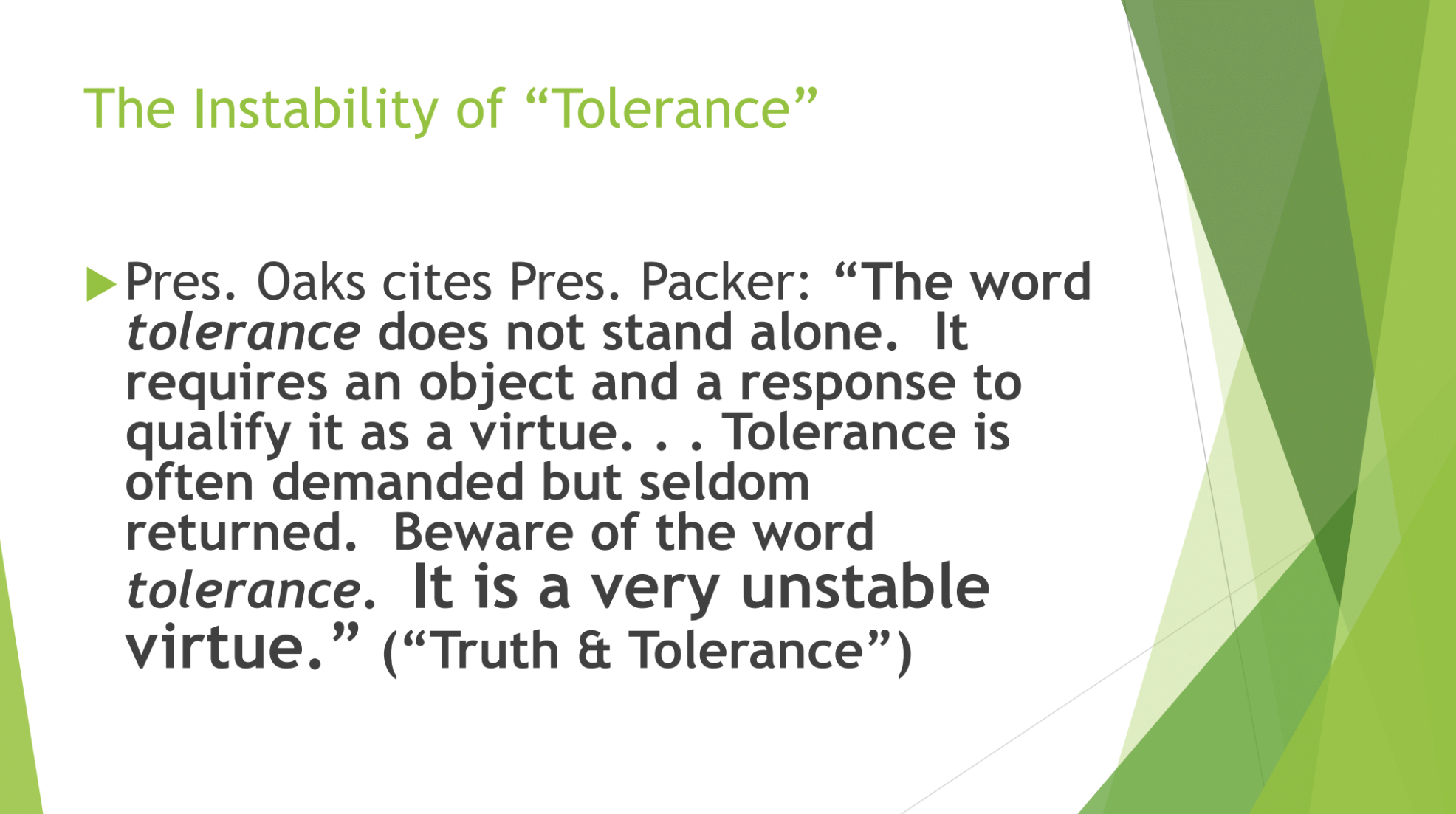
“The word ‘tolerance’ does not stand alone. It requires an object and a response to qualify it as a virtue. Tolerance is often demanded but seldom returned. Beware of the word tolerance.”
And I say, “Okay, I’ll beware!” “It is a very unstable virtue,” and that could be the epigraph for our age. Tolerance is indeed a very unstable virtue.
Political Neutrality and Latter-day Saints
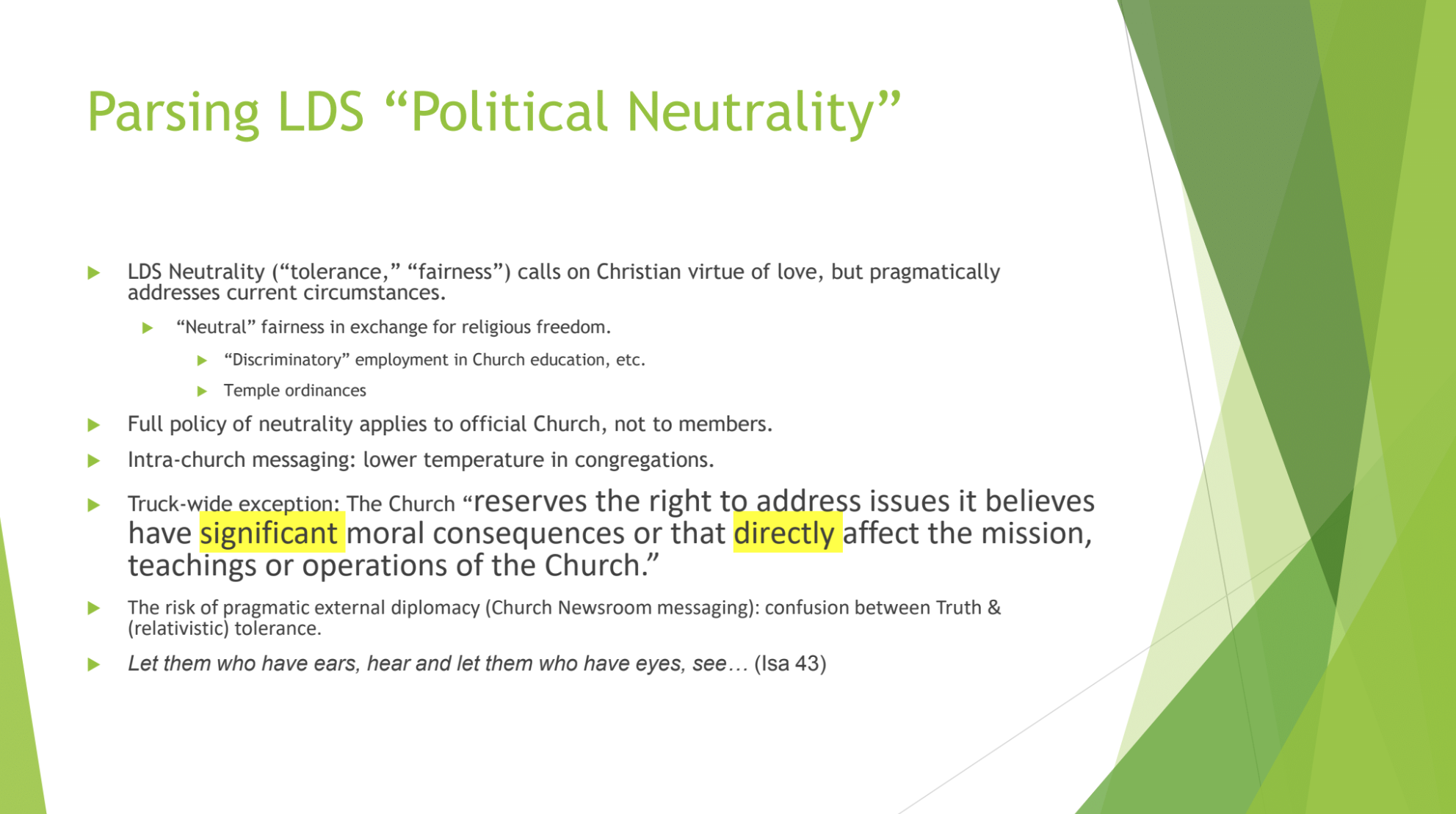
So, how do we make sense of political neutrality for Latter-day Saints? LDS neutrality or tolerance and fairness are cognate terms. On one hand, it calls upon the Christian virtue of love, but on the other hand, it pragmatically addresses the harsh necessities of our circumstances. It has these two tonalities: We approach tolerance from the standpoint of love and, at the same time, from the standpoint of what you might almost call fear—the standpoint of political and social necessity.
We may be called to accede to a kind of ostensibly neutral fairness in exchange for religious freedom—at least while the sun shines, until the storm of the Second Coming breaks. I evoke the question of our time horizon again. We may accept neutrality in exchange for our right to “discriminate,” as the world would say, in favor of certain employees in Church education, for example, and not to mention the right to keep our temples open and to discriminate between good and evil. This includes the eternal but different destinies of men and women.
So, that’s one way of explaining the significance of neutrality.
Principle: we should note that the full policy of neutrality is a statement of the official Church standing. This is not a direct instruction to members on how to conduct themselves in every way in relation to the political, cultural, or theological world. The instruction might be understood, especially, as an intra-Church message—a way of lowering the temperature in our congregations. We can understand the import of this advice, but let’s note what I call the “truck-wide exception.” In the statement on neutrality, there is an exception you could drive a truck through: the Church reserves the right to address issues it believes have significant moral consequences or that directly affect the mission, teachings, or operations of the Church.
What if the whole direction of our polity directly affects the mission, teachings, or operations of the Church? Now, this is me talking—meaning we must be aware of the risk inherent in what I would call our pragmatic external diplomacy: reaching out in fairness and tolerance. The risk, in terms of our internal messaging, lies in the stance we take towards the external world. By prudently managing our stance, we risk confusing truth with relativistic tolerance. What we say pragmatically to the outside world risks undermining our internal confidence in truth.
I’ll just mention in passing, and here I would especially invite you to consider Elder Anderson’s October 2022 talk, “Let Them Who Have Ears Hear, and Let Them Who Have Eyes See.” The stance of neutrality is not the end of the matter. We all have to open our ears and eyes to what is happening around us.
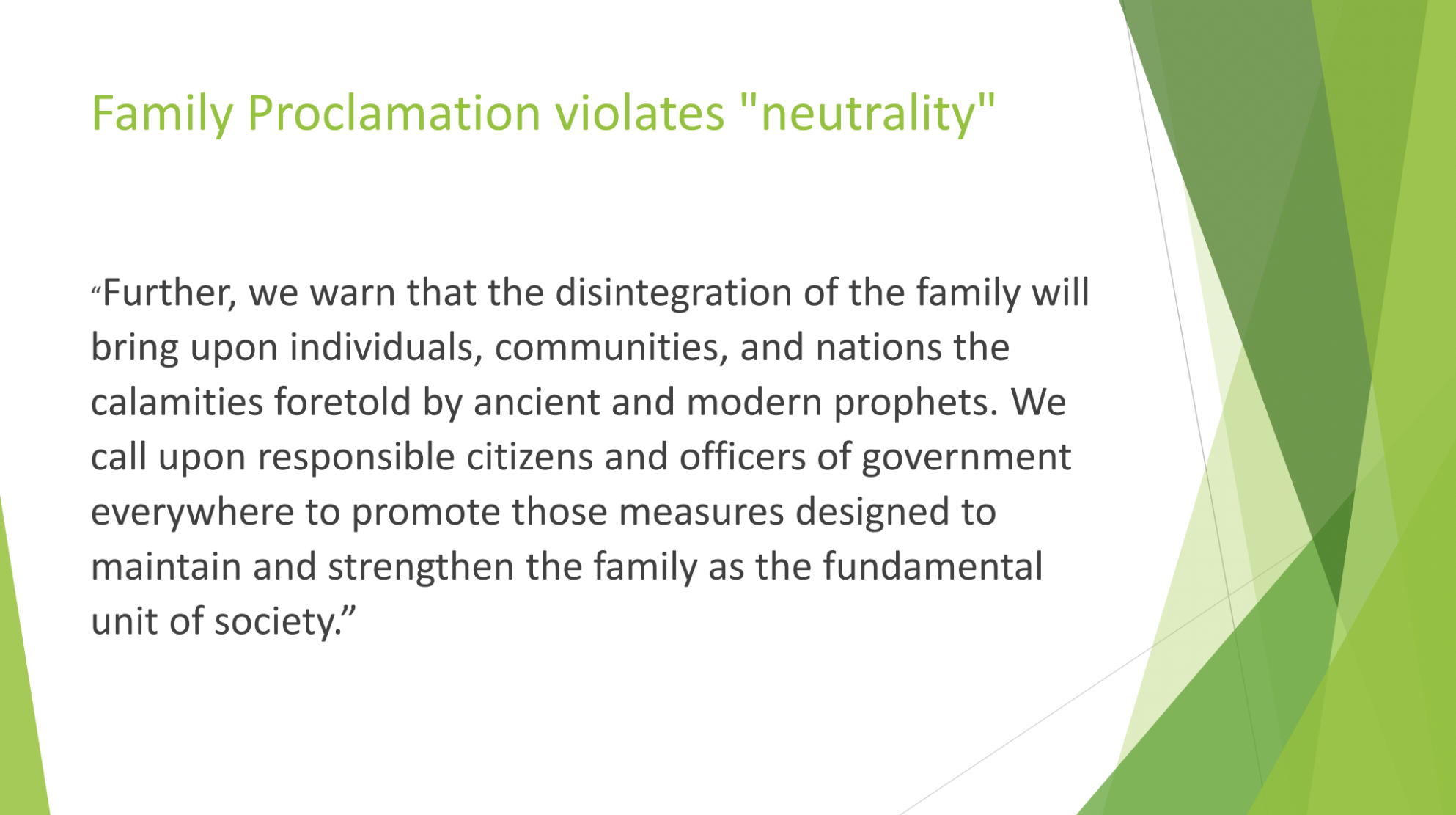
To state what should be obvious—but apparently isn’t always—is that the Family Proclamation itself clearly and expressly violates political neutrality in the broader sense. Not in the sense of telling you who to vote for or calling for the passage of specific legislation, but in terms of general principles. The Family Proclamation calls upon us, as responsible citizens and officers of government everywhere, to promote measures designed to maintain and strengthen the family as the fundamental unit of society. Have we moved beyond this? Is this a dead letter now? Is this part of the Family Proclamation something we should assume to be no longer operative?
What would it even mean if we’re now living under—or at least seeing the increasing ascendancy of—a “queer Constitution”? What does it mean, for those living under such a constitution, to promote measures designed to maintain and strengthen the family as the fundamental unit of society?
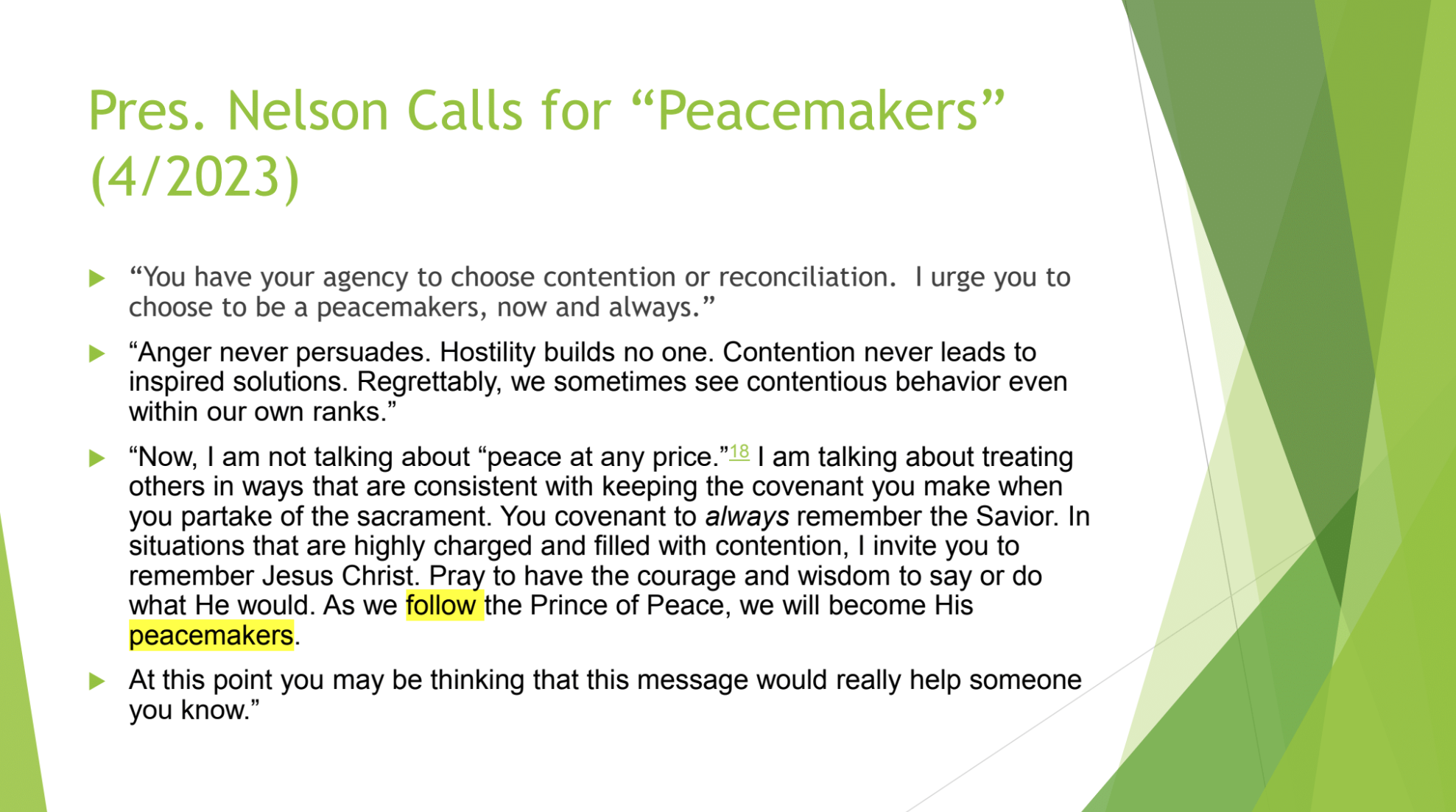
Relevant to our concerns, as we attempt to understand the Church’s stance of political neutrality, I think is the pronounced emphasis on being peacemakers—especially by President Nelson, but also by others in the April Conference. You are all familiar with this, so I won’t rehearse the basics. We are called to be peacemakers and reminded that anger never persuades, hostility builds no one up, and counsel against contention is key.
There is a very interesting, though possibly overlooked, remark by President Nelson when he said, “Now, I’m not talking about peace at any price.” That little phrase is very telling: he’s talking about treating others in ways consistent with keeping the covenant and praying for the courage and wisdom to say or do what Christ would do.
I think the point is very important, and certainly well-taken on my part, that anger and aggressiveness are often indications of insecurity or a weak position. Defensiveness, harshness, name-calling, and vindictiveness—if this is what it means to be peacemakers, then certainly we must all embrace this counsel.
I am reminded of Elder Christofferson’s recent BYU talk, where he addresses the question of contention in an interesting way. He says we may need to contend, but we must not be contentious. This might be a good way for those of us who feel an imperative to exercise political agency to understand the injunction to be peacemakers. We must contend, but we must not forget the need to love our enemies—though, of course, this commandment to love has never meant we don’t have enemies.
President Nelson, at one point, said, “You may be thinking this message would really help someone you know.” I love that.
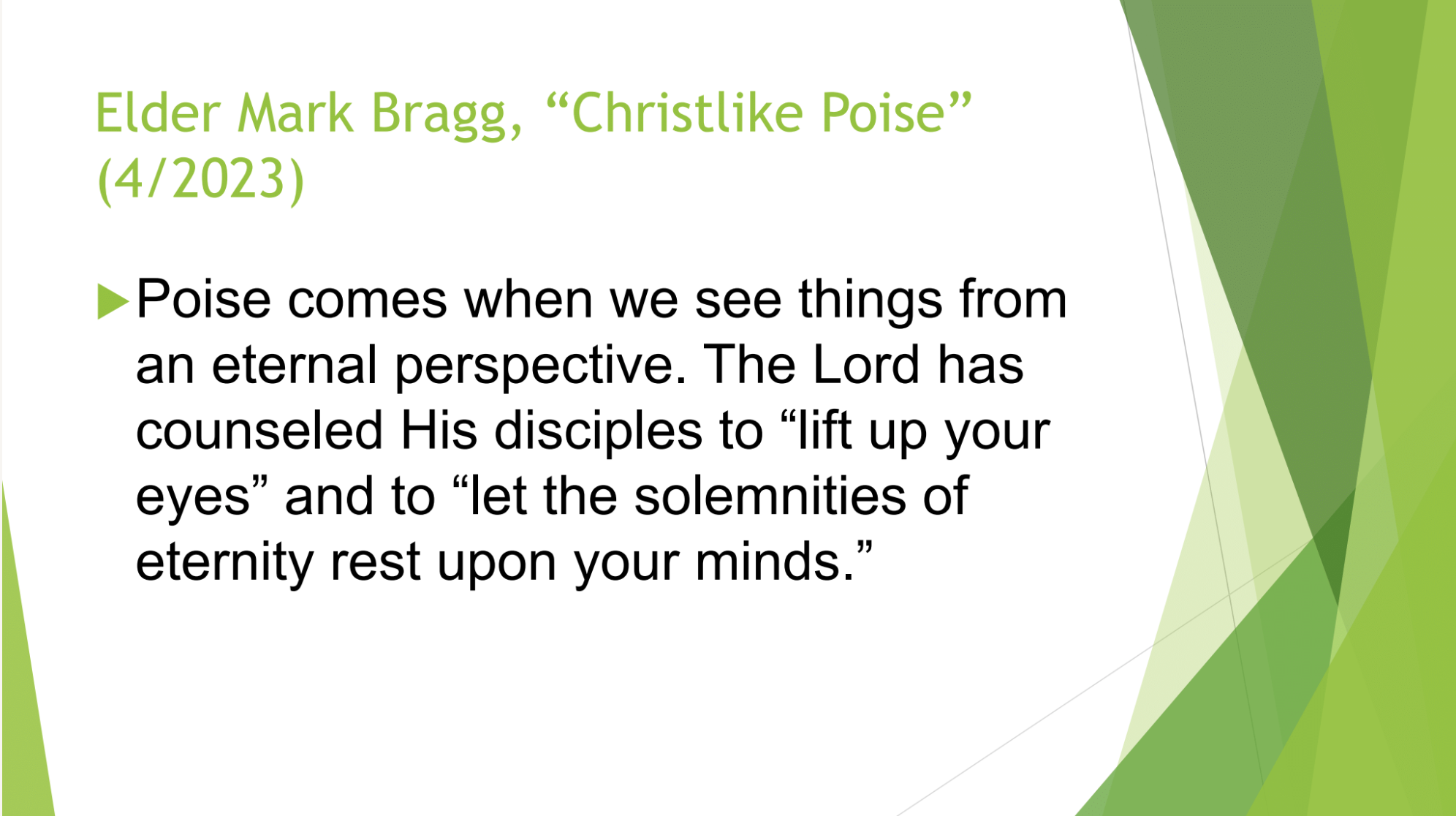
Elder Bragg’s somewhat surprising theme of “poise” from the recent General Conference also feels relevant here. Poise, as he said, comes when we see things from an eternal perspective. The Lord has counseled his disciples to “lift up your eyes” and to let the solemnities of eternity rest upon your minds. What would it mean to face the challenge of moral agency under a “queer Constitution” with the poise of an eternal perspective? That might be one way of characterizing the challenge we face.
Pragmatic Situation
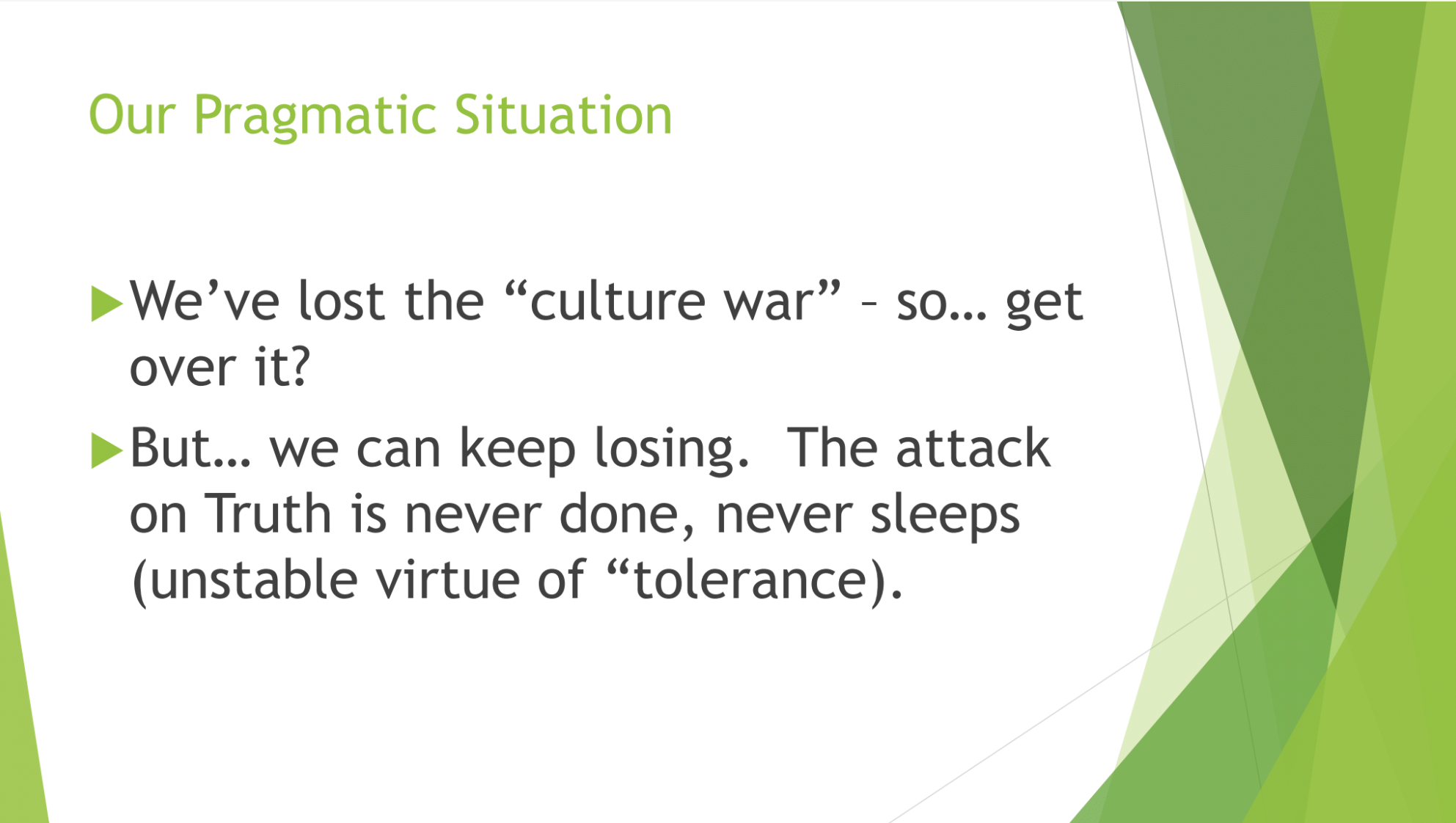
So, going back to the broader question of context, what is our pragmatic situation? One plausible account might be that there was a culture war, we fought the good fight as best we could, but we lost. A watershed moment might have been the Obergefell decision in 2015, which nationalized the abolition of marriage as we knew it. You might conclude, “Good try, but the cultural war has been lost. Should we just get over it?” Should we just set aside any more engagement with the broader political, social, cultural world?
It doesn’t seem to me that this conclusion follows, because we can keep losing. There is always more to lose. Look around you. I would call your attention to Andrew Young’s recent talk about the collusion of political, media, and cultural elites, who are seeking to solidify the reign of this constitution that Scott Yenor deplored. We can keep losing, because the attack on truth never sleeps. Tolerance is an unstable virtue, leading to bottomless relativism and the attempt to tear down the laws of nature and Nature’s God, to use the language of the Declaration of Independence.
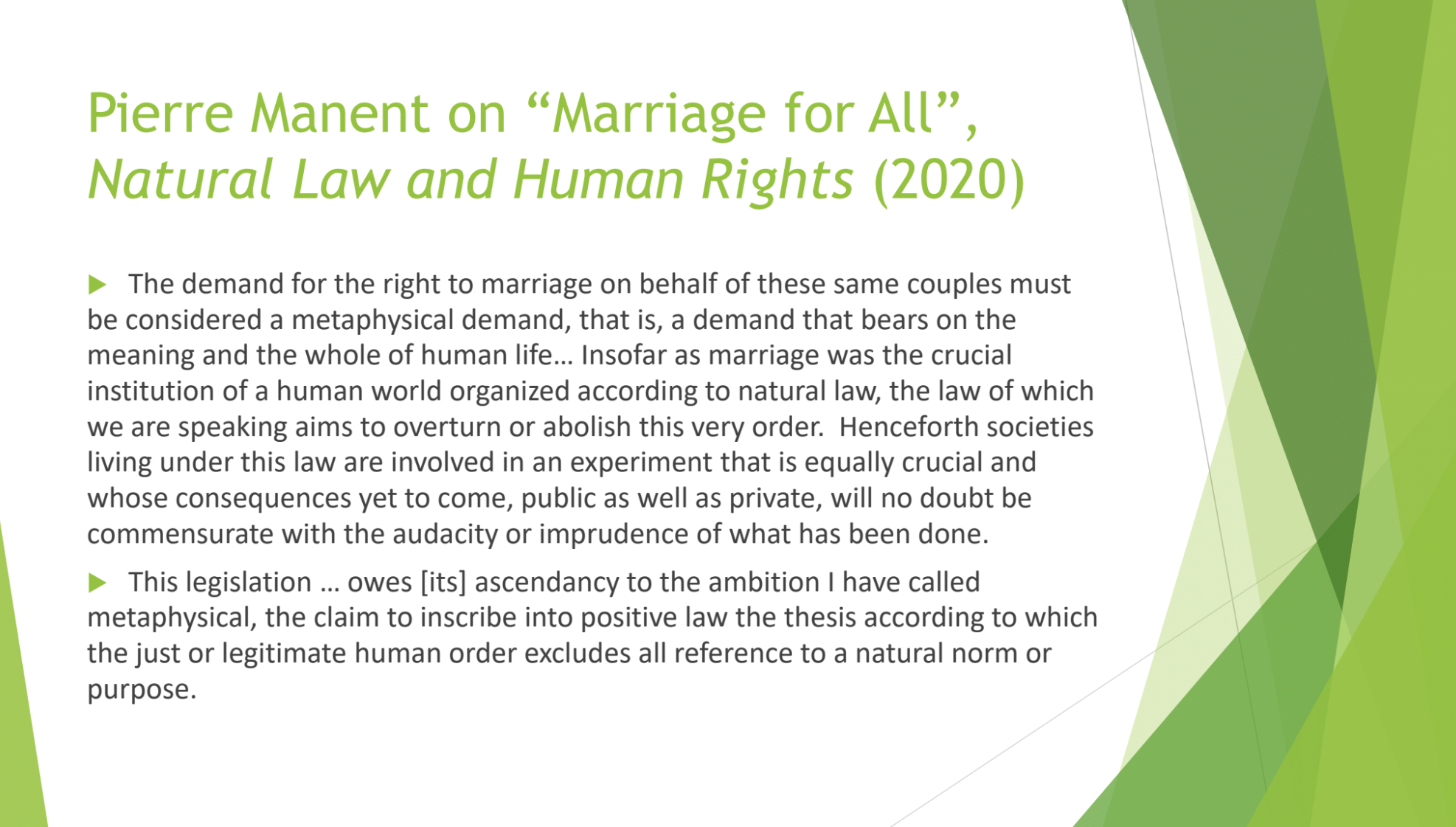
Well, I was going to cite my French political philosopher friend Pierre Manent, but we’re almost out of time. I’ll save that for another occasion. There may be an opportunity for me to publish something on this in Meridian Magazine, so keep an eye out for that.
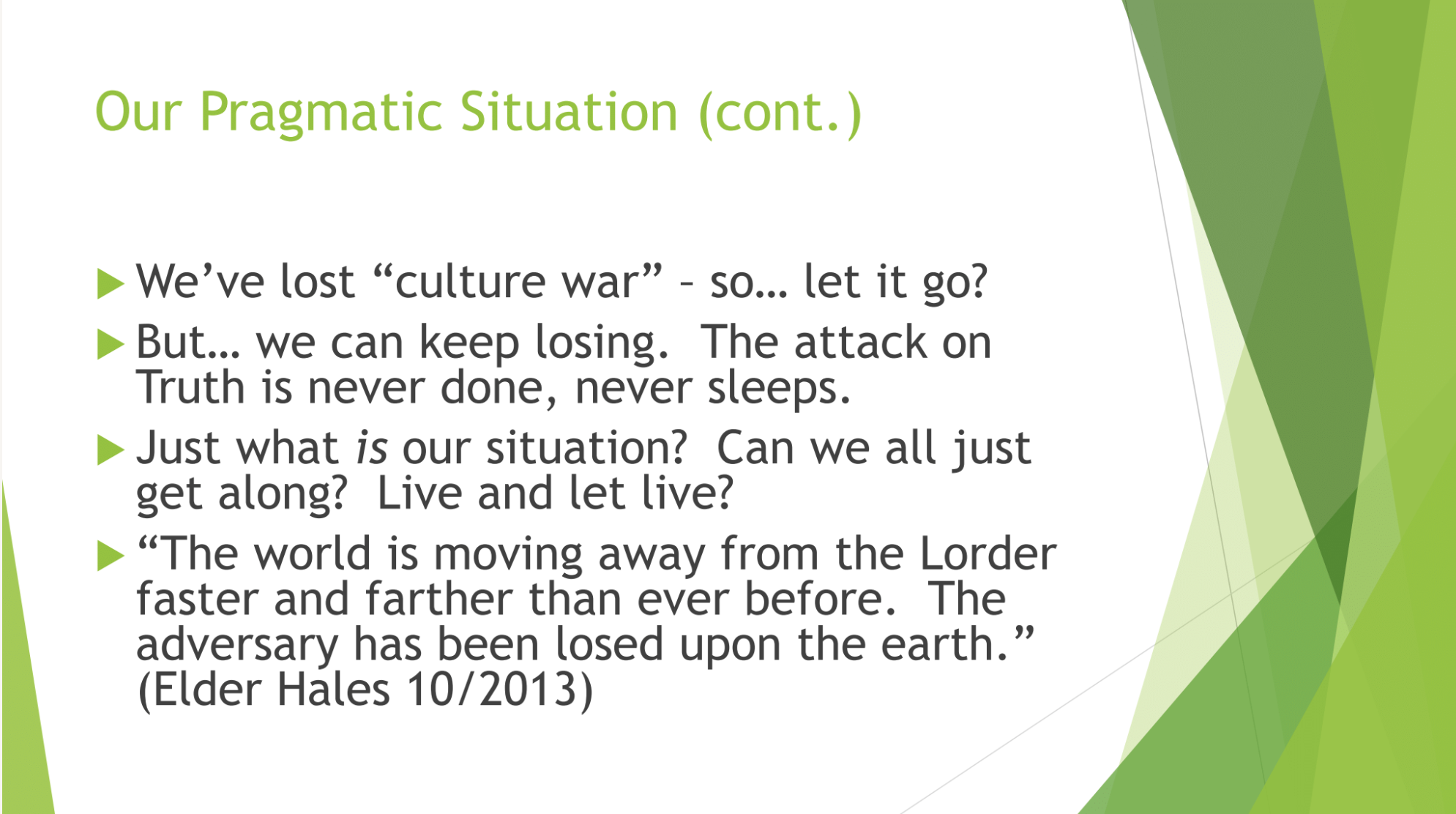
In conclusion, we have lost a cultural war, but we can keep losing. We must keep asking: what is our situation? Are we in a situation where the most effective attitude is to simply say, “Can’t we all just get along?” Should we adopt a position of pure political neutrality? Does that reflect a good understanding of our practical situation?
Elder Hales, in 2013, said something that seems even truer today: “The world is moving away from the Lord faster and farther than ever before. The adversary has been loosed upon the earth.”
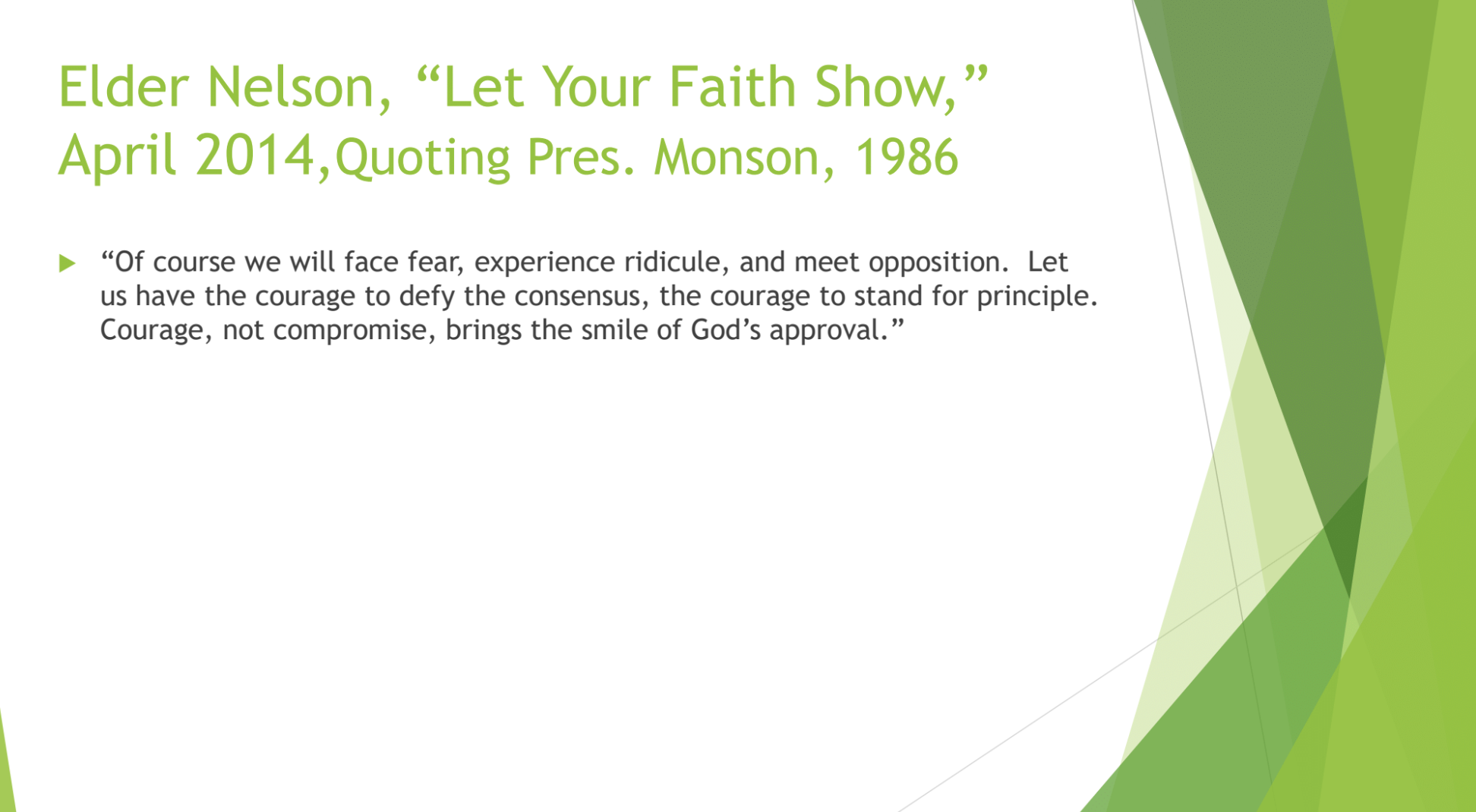
And Elder Nelson, in 2014, quoting President Monson, said: “Courage, not compromise, brings the smile of God’s approval.” There is a place for compromise under the terms of fairness, tolerance, and religious freedom, but what about courage?
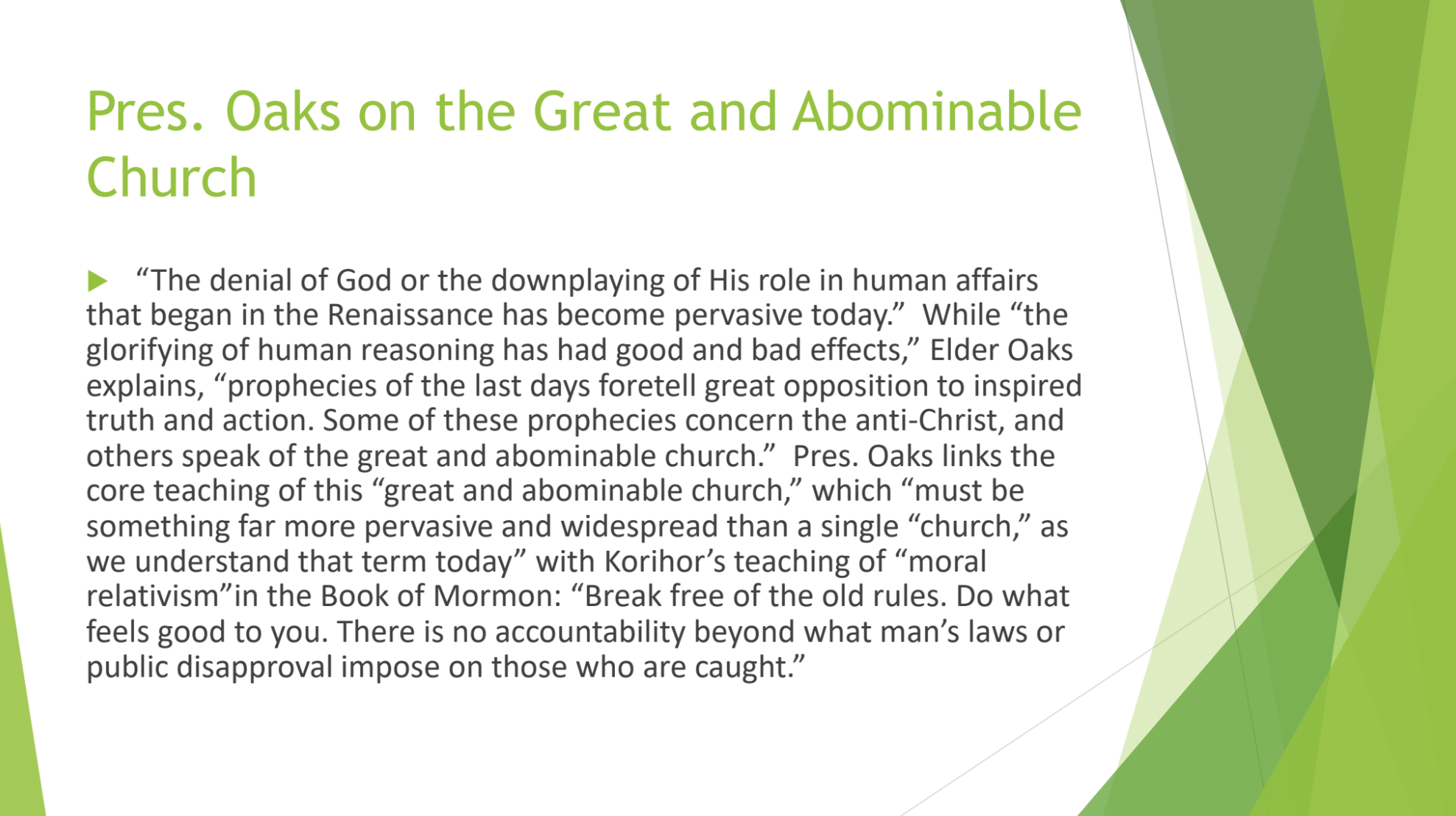
Finally, on context, President Oaks in 2015 characterized the “great and abominable church” as identical to the political and cultural developments I’ve mentioned today.
Conclusion
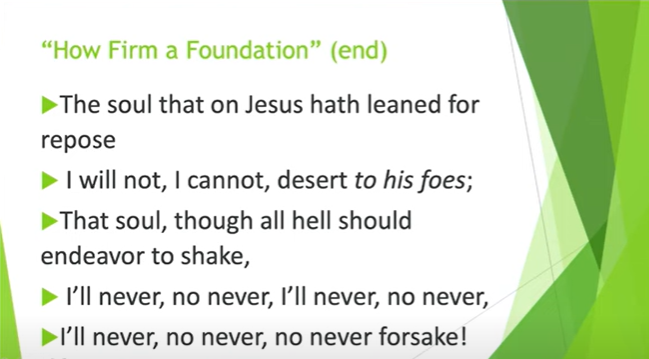
I will end with a hymn that has been on my mind, rehearsing in my mediocre baritone for stake conference: the last verse of “How Firm a Foundation”—”The soul that on Jesus hath leaned for repose, I will not, I cannot, desert to his foes. We have foes, brothers and sisters. That soul, though all hell should endeavor to shake, I’ll never, no never, forsake.”
Thank you.
TOPICS
Political Neutrality
Constitution
Religious Freedom
