
Forgiveness Can Be Hard
We all want to be forgiven when we have done wrong, yet somehow, it can still be so difficult to extend forgiveness to those who have wronged us. The irritation or bitterness we experience can wedge itself into the corners of our hearts. In fact, sometimes severe pain weighs on us for days, months, or even years. How do we forgive someone when it seems impossible?
A Simple Starting Point
Here are three things we can do:
- Understand the commandment to forgive.
- Ask for help through the Savior’s grace.
- Look for the hope on the other side.
Understand the Commandment to Forgive
 What has the Lord asked of us regarding forgiveness? Might there be room for exceptions?
Peter, one of Jesus’s disciples, had a similar question about forgiveness. He asked,
“Lord, how oft shall my brother sin against me, and I forgive him? till seven times?”
Then Jesus answered him,
“I say not unto thee, Until seven times: but, Until seventy times seven” (Matthew 18:21–22).
Does Forgiveness Have Limits?
Does the number of times to forgive really have a limit? The Lord has revealed to us in the latter days,
“Wherefore, I say unto you, that ye ought to forgive one another; for he that forgiveth not his brother his trespasses standeth condemned before the Lord; for there remaineth in him the greater sin. I, the Lord, will forgive whom I will forgive, but of you it is required to forgive all men” (Doctrine and Covenants 64:9–10; emphasis added).
There are no exceptions to God’s expectation that we forgive all men. But how can we fulfill this commandment when it is so hard?
Ask for Help through the Savior’s Grace
Heavenly Father sets a high bar for His children. He commands us
- never to lie,
- never to get angry,
- never to sin, and
- always to love others.
Forgiving “all men” falls into this list.
The Lord’s commandments ask for more out of a person than any of us can consistently give. We may have perfect moments, but none of us live perfect lives. This is why Heavenly Father sent His Son, Jesus Christ, to be our Savior. He offers us grace, He offers us peace, He offers us the power to do what seems impossible.
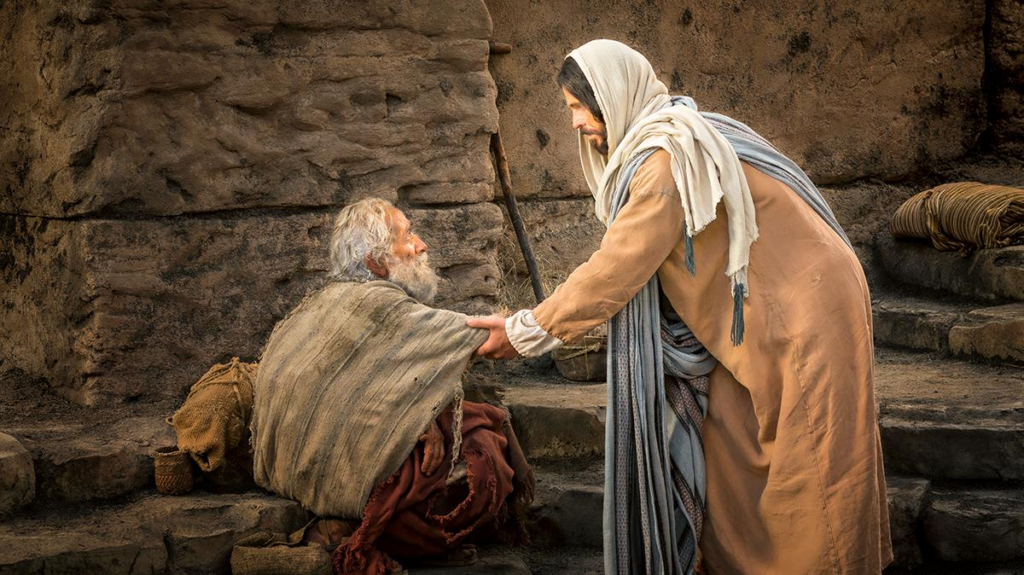
If there is a gash in your heart because someone has wronged you, the Savior can help you forgive them. He can give where you cannot give. If you pray and ask for the Savior’s grace, He will be there to help you.
Willingness is Key
Having faith in the Savior and a sincere and open heart, “with real intent” (Moroni 10:4), is necessary to accept His atoning power into our life. We need to be willing to let go of the offenses against us and the bitterness that may accompany them.
Jesus Christ can take our willingness to forgive and turn it into real, sincere forgiveness. He is “able to show forth great power, which looks small unto the understanding of men” (Ether 3:5).
Wilford Woodruff said,
“O how much strength and wisdom I need in the midst of so much labour, but surely the Lord does give me grace according to my Day for which I feel very thankful.”[1]
Christ will grant us the grace and strength we need to forgive.
Hope on the Other Side
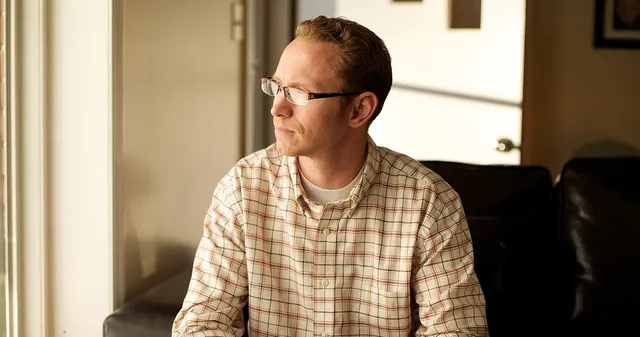
In the same way that repenting creates the opportunity to be born again, forgiving someone who wronged us can be like opening a door to a new life.
Elder David E. Sorensen (1933–2014) said,
Christ, the Prince of Peace, teaches us a better way. It can be very difficult to forgive someone the harm they’ve done us, but when we do, we open ourselves up to a better future. No longer does someone else’s wrongdoing control our course. When we forgive others, it frees us to choose how we will live our own lives.”[2]
Joy Comes With Forgiveness
Wilford Woodruff described a time when the Saints were preparing to enter the temple, and he invited them to join him in repenting and extending forgiveness so they might have a fuller and unobstructed experience of joy. He said,
We shall plead with the Lord for the spirit of repentance . . . so that in humbling ourselves before Him and seeking forgiveness from each other, we shall yield that charity and generosity to those who crave our forgiveness that we ask for and expect from Heaven. Thus may we come up into the holy place with our hearts free. . . . Thus shall our supplications, undisturbed by a thought of discord, unitedly mount into the ears of Jehovah and draw down the choice blessings of the God of Heaven!”[3]
The Lord said,
For, if ye forgive men their trespasses your heavenly Father will also forgive you; But if ye forgive not men their trespasses neither will your Father forgive your trespasses” (3 Nephi 13:14–15).
The way to new life lies not only in being forgiven, but also in forgiving. Look forward to the future with hope, “for with God nothing shall be impossible” (Luke 1:37). This includes receiving and granting forgiveness, and obtaining a new beginning.

Caralyn Bullough is studying Public Relations at BYU–Idaho. She has enjoyed working as an intern on the public relations team for the Wilford Woodruff Papers Foundation and greatly admires the goals of the Project. She has a large family and loves singing, cooking, and being in the outdoors.
The Wilford Woodruff Papers Foundation’s mission is to digitally preserve and publish Wilford Woodruff’s eyewitness account of the Restoration of the gospel of Jesus Christ and make his records universally accessible in order to inspire all people, especially the rising generation, to study and to increase their faith in Jesus Christ. For more information, please explore wilfordwoodruffpapers.org.
- Wilford Woodruff’s Journal, March 29, 1840, p. 92, The Wilford Woodruff Papers, wilfordwoodruffpapers.org/journal/1840-03-29. Spelling standardized. ↑
- “David E. Sorensen, “Forgiveness Will Change Bitterness to Love,” April 2003 general conference, ChurchofJesusChrist.org. ↑
- Epistle to the Saints, 1893, p. 2, The Wilford Woodruff Papers, wilfordwoodruffpapers.org/epistle/1893. ↑
