Kirk Magelby honors Hugh Nibley as an unparalleled scholar and spiritual figure whose intellectual brilliance and moral convictions deeply influenced the Latter-day Saint community and beyond. He emphasizes how Nibley’s scholarship remains a vital resource for engaging both intellect and faith, inspiring generations to approach gospel study with rigor and devotion.
This talk was given at the 2021 FAIR Conference on August 4, 2021.

Kirk Magleby is known for his expertise in Book of Mormon geography. He has dedicated his life to sharing evidence supporting the Book of Mormon’s authenticity through various projects and initiatives.
📖 Hugh Nibley Observed
1
Transcript
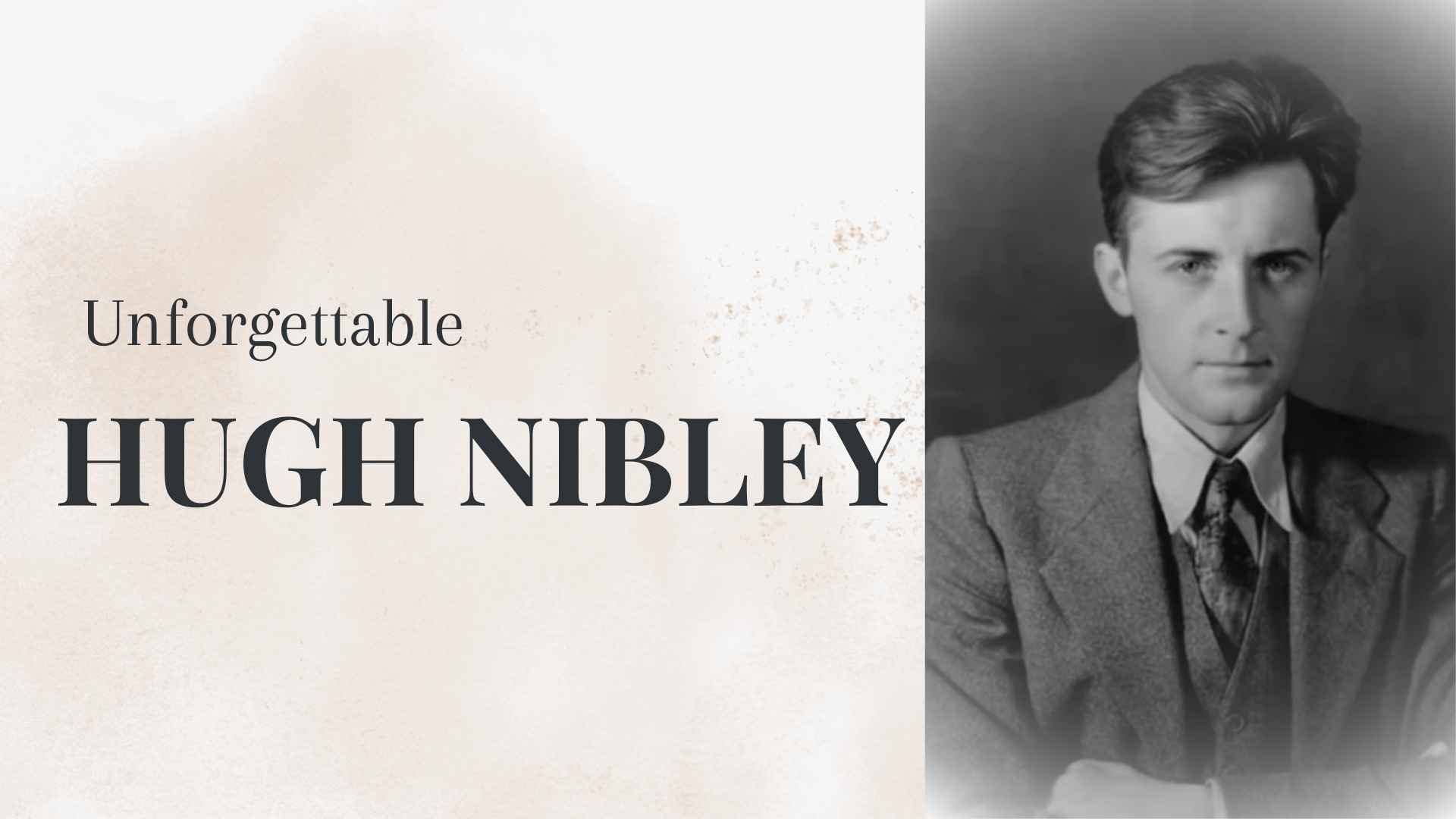
Kirk Magleby
Introduction
I have one of the most pleasurable opportunities you can imagine today. I get to talk about Hugh Nibley.
Biographical Sketch of Hugh Nibley
For 30 years, Reader’s Digest’s most popular series was entitled My Most Unforgettable Character.
These were intimate biographical sketches written by friends of sports heroes, politicians, industry titans, and ordinary folk, explaining why their notable lives achieved enduring impact. Today, I will share with you why Hugh Nibley is one of my most unforgettable characters.
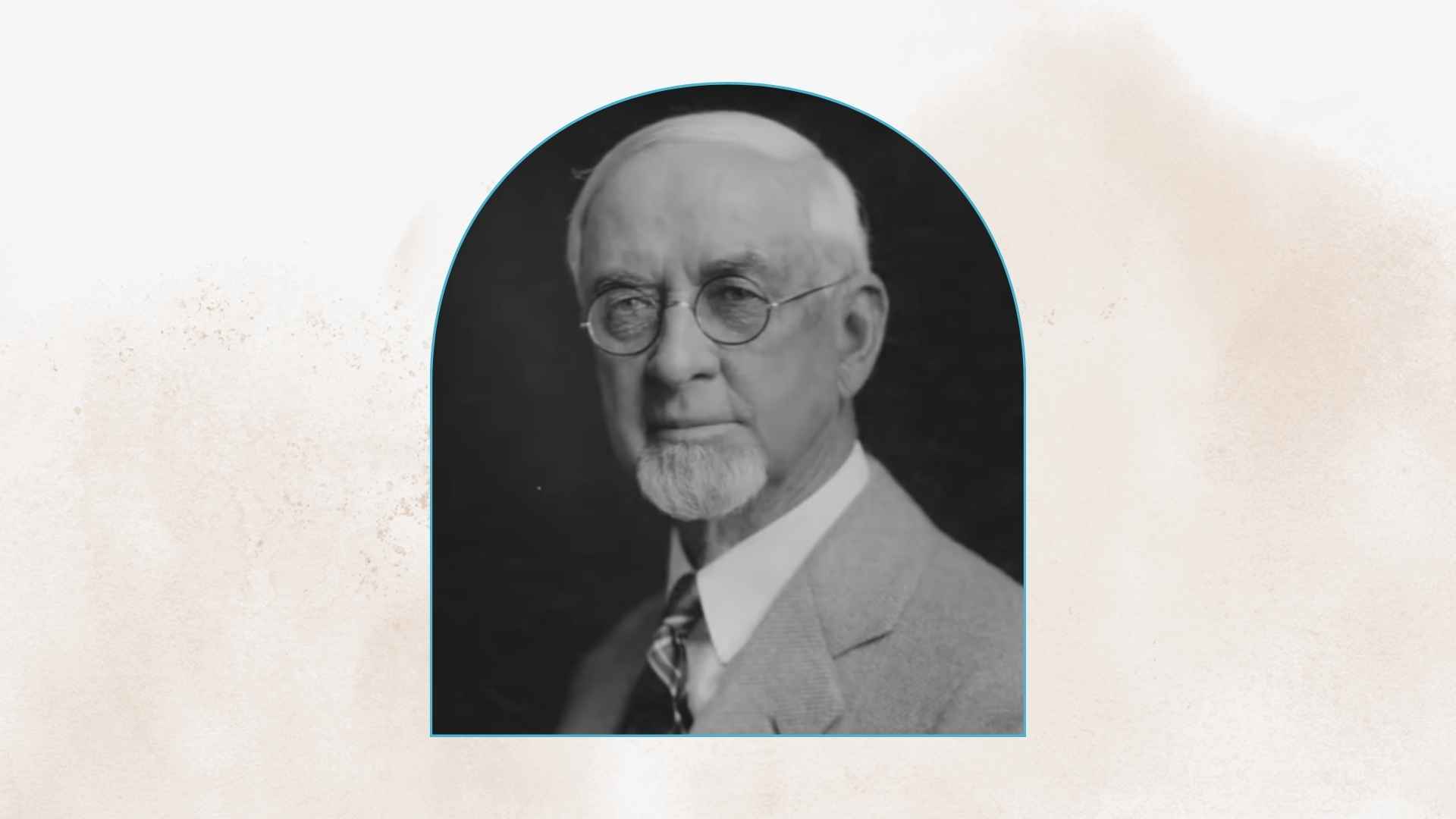
His grandfather, Charles Wilson Nibley, was born in Scotland, where his family joined the Church. Charles W. Nibley became one of the first Latter-day Saint multi-millionaires, with interests in lumber, banking, railroads, insurance, and agriculture. Charles and his three wives had 24 children. He was the presiding bishop of the Church from 1907 to 1925 and then second counselor to President Heber J. Grant from 1925 to his death in 1931. Charles W. Nibley is one of the few people to have not just one, but two towns named after them: one in Utah and one in Oregon.
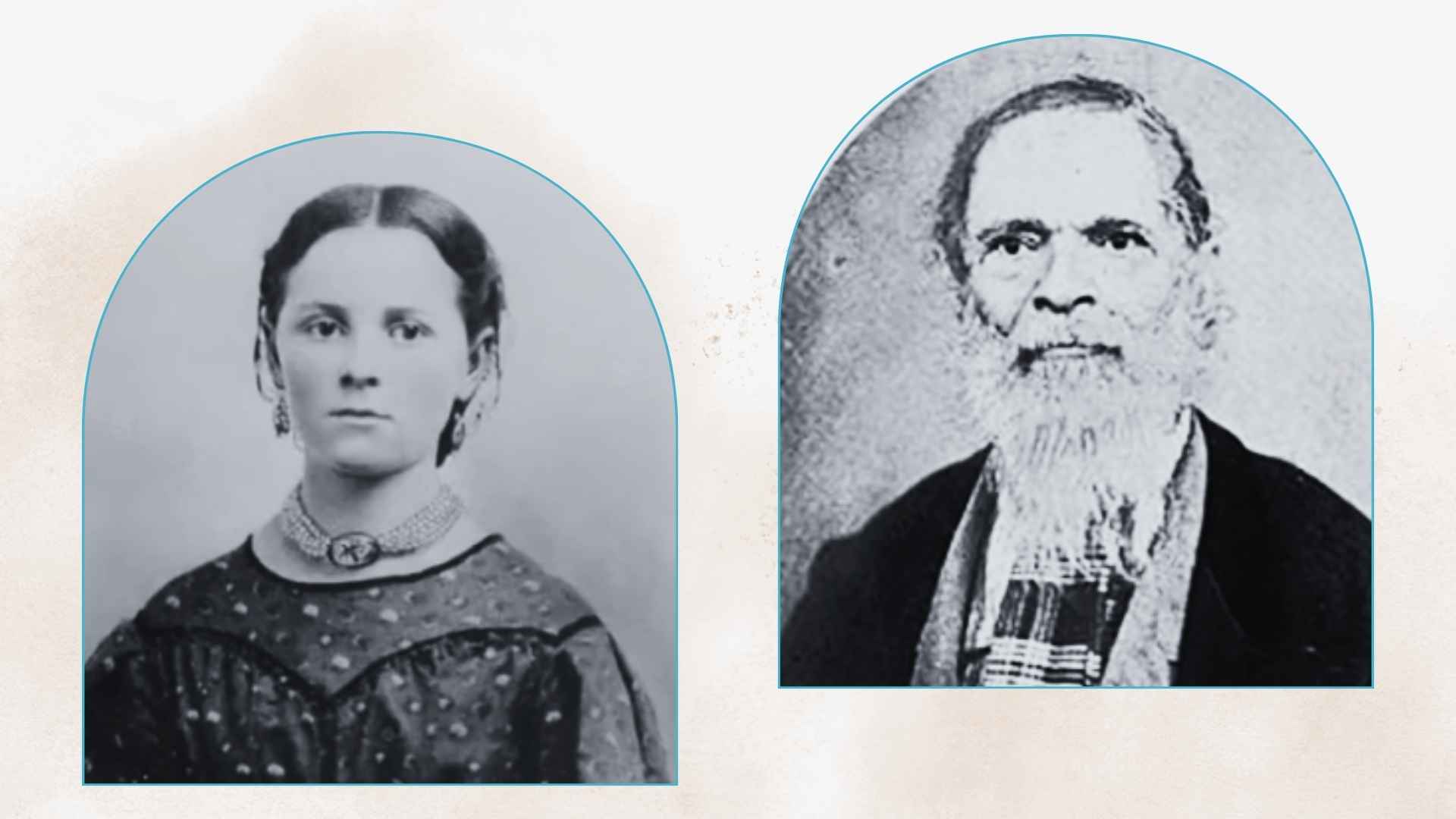
Grandparents
Hugh’s paternal grandmother, Rebecca Neibar Nibley, was the daughter of Alexander Neibar, the first person of Jewish descent to join the Church.
Born in Germany, Neibar was a physician and a dentist fluent in seven languages, which is one of the reasons why Hugh became Hugh.
Hugh’s given name came from his maternal grandfather, Hugh Russell Sloan, who was born in Ireland and then immigrated to Utah, eventually settling in Alberta.
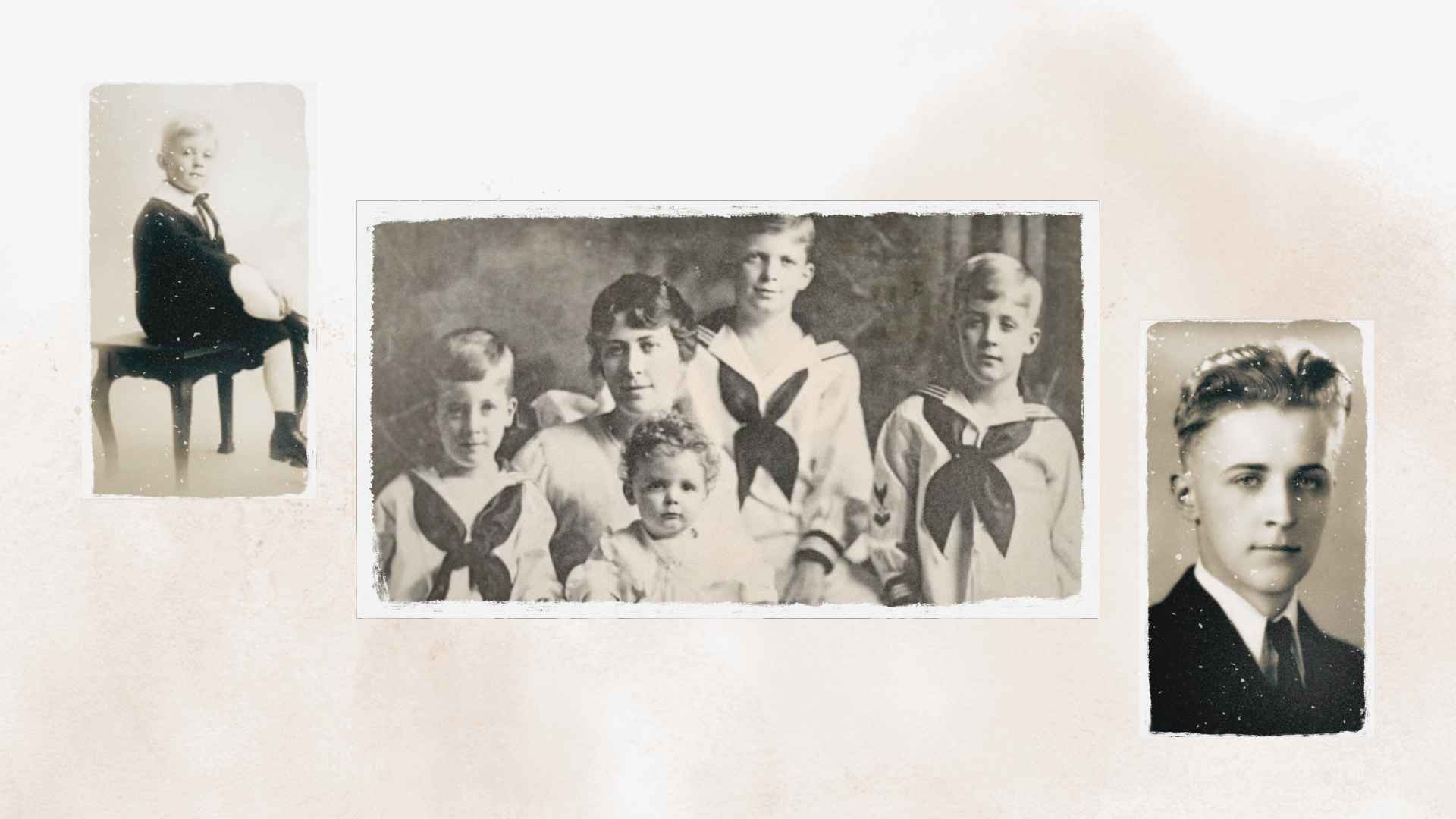
Growing Up
Hugh Nibley was born to privilege. He grew up in Oregon and California, attended by servants. In his youth, he had a whole suite of rooms at his disposal. Los Angeles in the 1920s was an idyllic place: real estate and the entertainment industry were booming, orange groves were still ubiquitous, and world-class educational institutions such as USC and UCLA were coming on stream and began to make a mark for themselves.
Hugh never held a job outside of school until the height of the Depression when his parents’ financial situation became so desperate that they borrowed “their son’s cash award” from the University of California fellowship and never paid it back. Hence, Hugh Nibley’s distrust of wealth.
Germany
While he was ages 17-19, he served a mission in Germany where he crossed paths with a rising politician, Adolf Hitler.
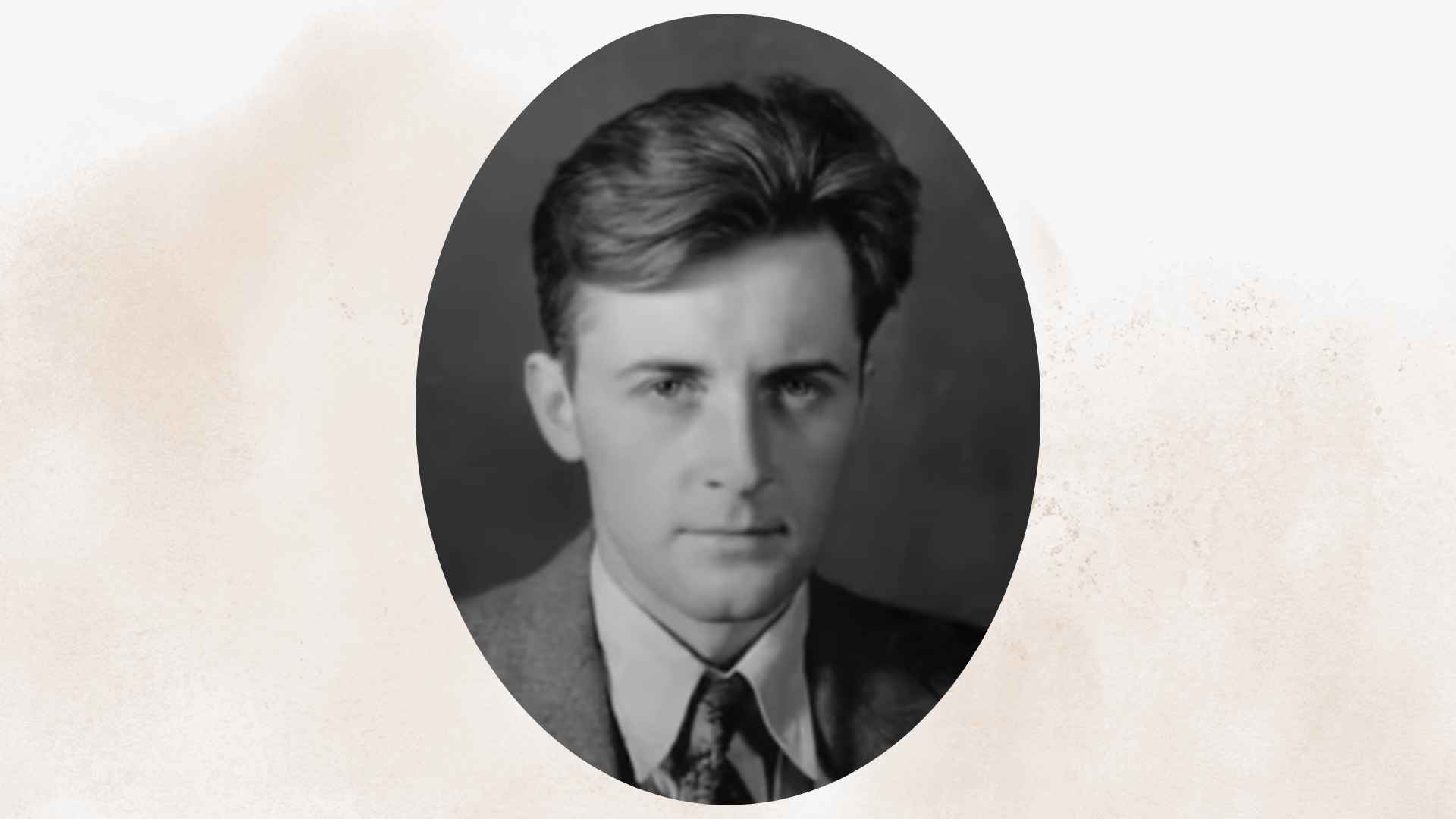
At the end of the war, Hugh visited Hitler’s Eagle’s Nest in Bavaria and helped himself to many sheets of the dictator’s personal gold-leafed stationary. He took those home, gave them to his dad, who passed them out to all his fancy friends in Los Angeles. Hence, Nibley’s deep-seated mistrust of fame and power.
Who was Hugh Nibley?
So we have in Hugh Nibley one of those rare people who is not trying to become rich or famous or powerful. What made Hugh Nibley tick? The turning point for him came in 1936. He was 26 years old, had already served two missions, graduated with highest honors from UCLA, and was well along in his graduate program at UC Berkeley. His parents appropriated his fellowship money, forcing him to move from a posh apartment—a very lovely place, the International House in Berkeley—into a dump.
He was beginning to doubt the existence of a loving, caring God. He had never worked for pay a day in his life, and he had no idea where his next meal was coming from. He was frantically looking for work. It was in 1936, the height of the Great Depression, and suddenly, in this moment of despair, a job dropped into his lap: translating Jesuit documents from Latin. And he was on the university payroll. At that moment, Hugh’s faith began to grow.
A few months later, the Lord gave him an incredible gift in 1936. During an appendectomy at the Seventh-day Adventist Hospital in Loma Linda, California, Hugh had a near-death experience. He went through a tunnel, spent time in the spirit world, and from then on, he had sure knowledge of the afterlife. This is Hugh Nibley: strong faith becoming sure knowledge in aspect after aspect after aspect of the gospel and the Restoration.
Hugh’s Skills
Hugh Nibley was a polymath, one of those rare humans that God occasionally sends to earth with particularly acute intellectual faculties and near-perfect recall.
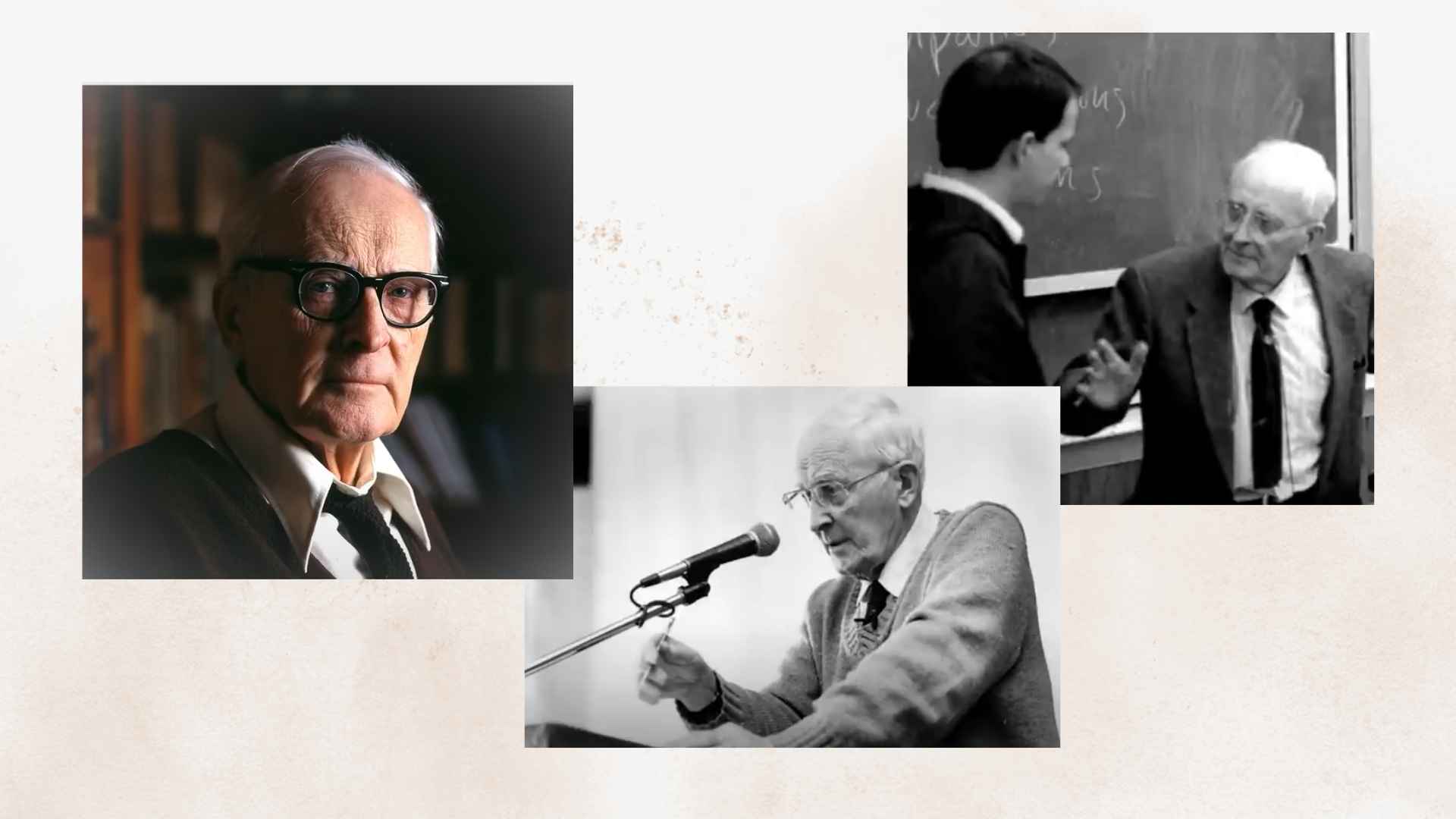
Nibley played the piano, drew art, and wrote poetry. He quoted long passages from Homer and Shakespeare from memory. His vast literary output includes treatises on antiquity, the classical era, early Christianity, the Middle Ages, the Renaissance, modern science, environmentalism, and Mormon history, to name a few. He was adept at more than a dozen languages and conversant with a dozen more.
He explicated Plato, Josephus, Augustine of Hippo, Thomas Aquinas, Joseph Justus Scaliger, for whom he had particular respect, and Karl Popper with equal ease. Famous polymaths include the Greek philosopher Aristotle, Avicenna of the Islamic Golden Age, the Song Dynasty inventor Shen Kuo, and of course, Leonardo da Vinci of the Italian Renaissance.
Intellectually, Hugh Nibley was at home in these rarefied circles of genius.
Hugh Nibley’s Impact Locally and at BYU
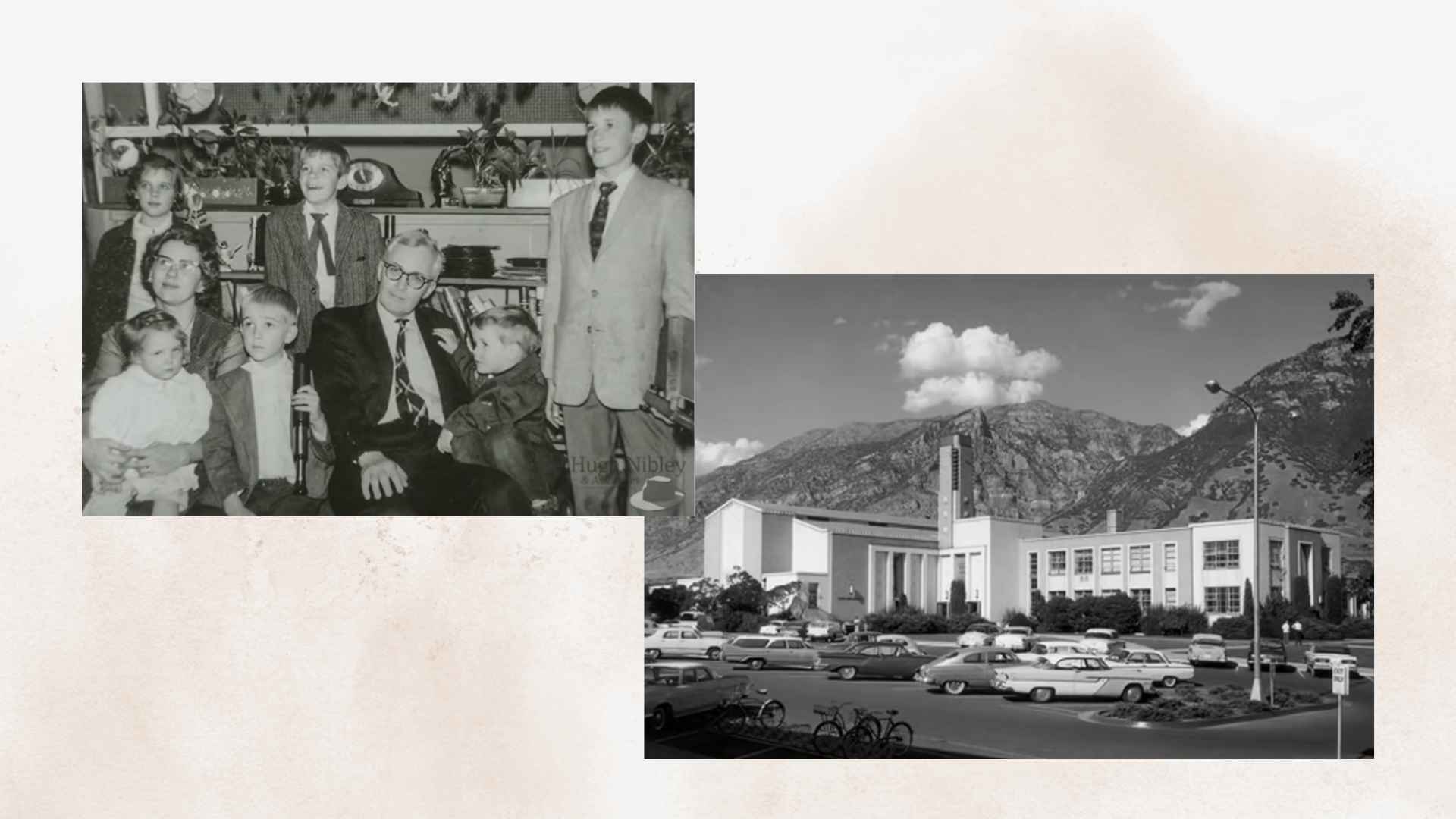
He gave Latter-day Saints like me a brilliant hometown hero that we could look up to with pride. 1971 was the beginning of my freshman year at BYU. Dallin H. Oaks was the brand new president of the university. The Provo Temple was just dedicated, and Nibley was a colossus astride the campus.
Students gutsy and lucky enough to enroll in his classes bragged about it. Competition to get into a Nibley class was fierce.
His frequent fireside presentations were delivered to standing-room-only audiences. We talked about Nibley sightings almost as if we were tourists in glamorous parts of Southern California. His Sunday School lessons were so popular the Church finally issued a plea for all of us students to please attend our student wards rather than all of us flocking to the Nibley family ward.
In 1971, he taught and then baptized the Croatian basketball star Kresimir Cosic, a phenomenon at BYU.
Cosic was the first man in history to play all five positions: point guard, shooting guard, small forward, power forward, and center.
Living Arrangements
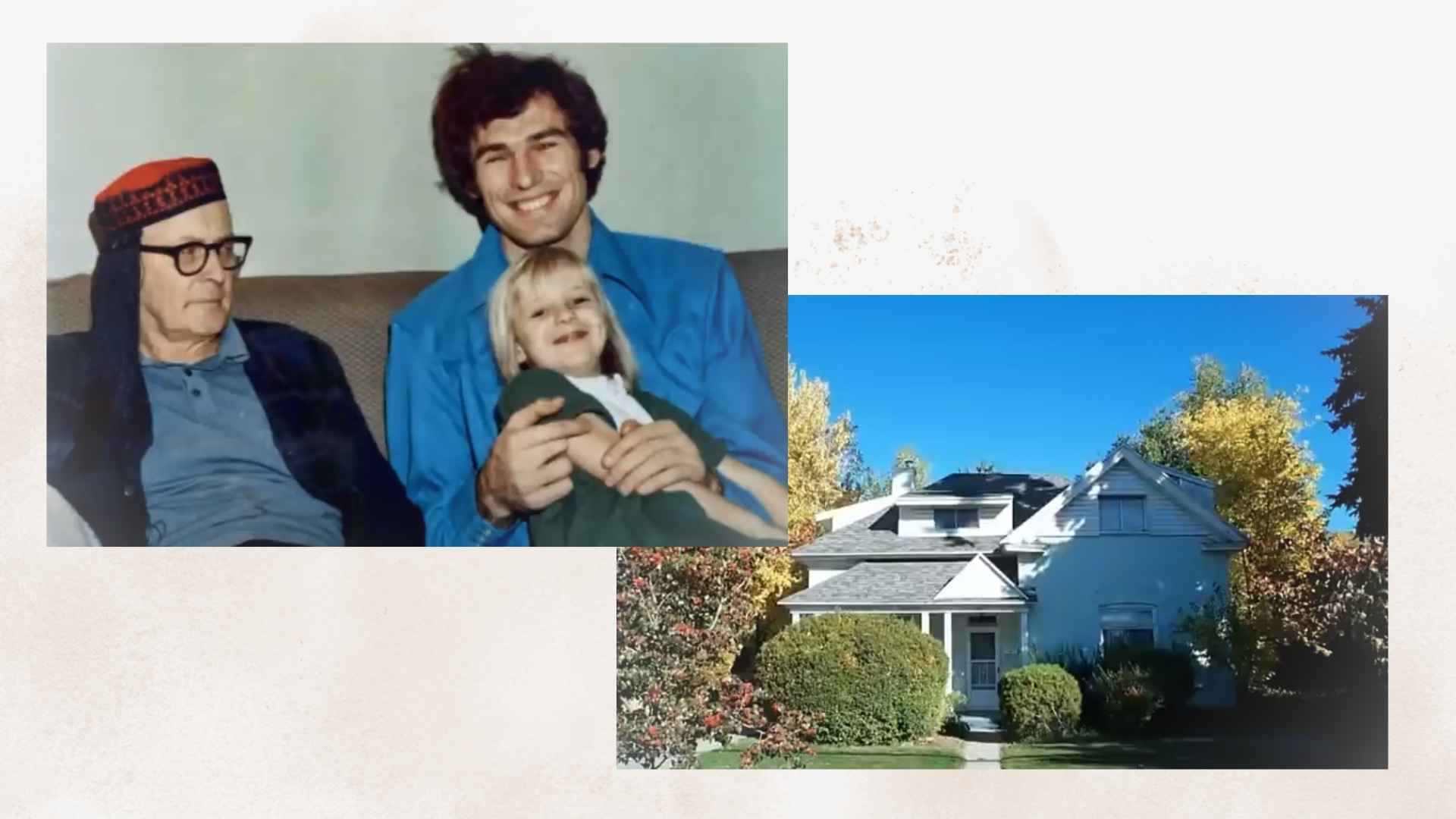
Now, Hugh and Phyllis Nibley, by 1971, had all eight of their living children. Zion, their youngest, was seven, and Paul, their oldest, was 24.
They lived in a very unpretentious house at 285 E 700 North in Provo, which, as you will expect today, are high-rise apartments. The yard was frequently overgrown and unkempt. One evening, several of us assembled at the Nibley home and began volunteer landscape maintenance. Back home, when we went out on these service projects as young men/young women, we were sometimes rewarded with brownies. But in this particular case, Hugh comes roaring out of his house shaking his finger at us and says, “I don’t want a Ernest L. Wilkinson lawn.”
I was walking in front of this home, running because my apartment was just a few doors down, and Truman Madsen drove by and asked me where he lived. I pointed to the house. Truman was skeptical. I insisted that, no, though this older, humble dwelling was really where Hugh Nibley lived. Madsen was clearly expecting something a little bit more akin to the fancy homes in the tree streets where he and many of the other BYU professors lived.
Backpacking Trek
The summer after my freshman year, Paul Cox, Garrett Gong, Bruce McDaniel, and I went for a three-week backpacking trek through the Olympic National Park, including the 30-mile stretch of wilderness beach between the Hoh River and the Ozette Indian Reservation.
Elder Gong spoke of this trip in his BYU devotional on October 16, 2018.
We took a box of missionary copies of the Book of Mormon, wrote our names in the books, and gave them to people along our route.
And once in the solitary splendor of this incredible temperate rainforest, we simply talked all day long. We never even got out of our sleeping bags. And what did we talk about? Well, the Church, the gospel, the Book of Mormon, Joseph Smith, science, politics, economics, and Hugh Nibley.
We all had testimonies of the truthfulness of the Book of Mormon born of the Spirit, but Nibley’s writings in “Lehi in the Desert” and “The World of the Jaredites: An Approach to the Book of Mormon” (1957) and “Since Cumorah” (1967), (we had all read these), satisfied us intellectually in ways that the Nephite text by itself never could. Within a few months, we were all on full-time missions. Bruce went to Missouri, I served in Peru, Paul went to Samoa, and Garrett to Taiwan.
Truism
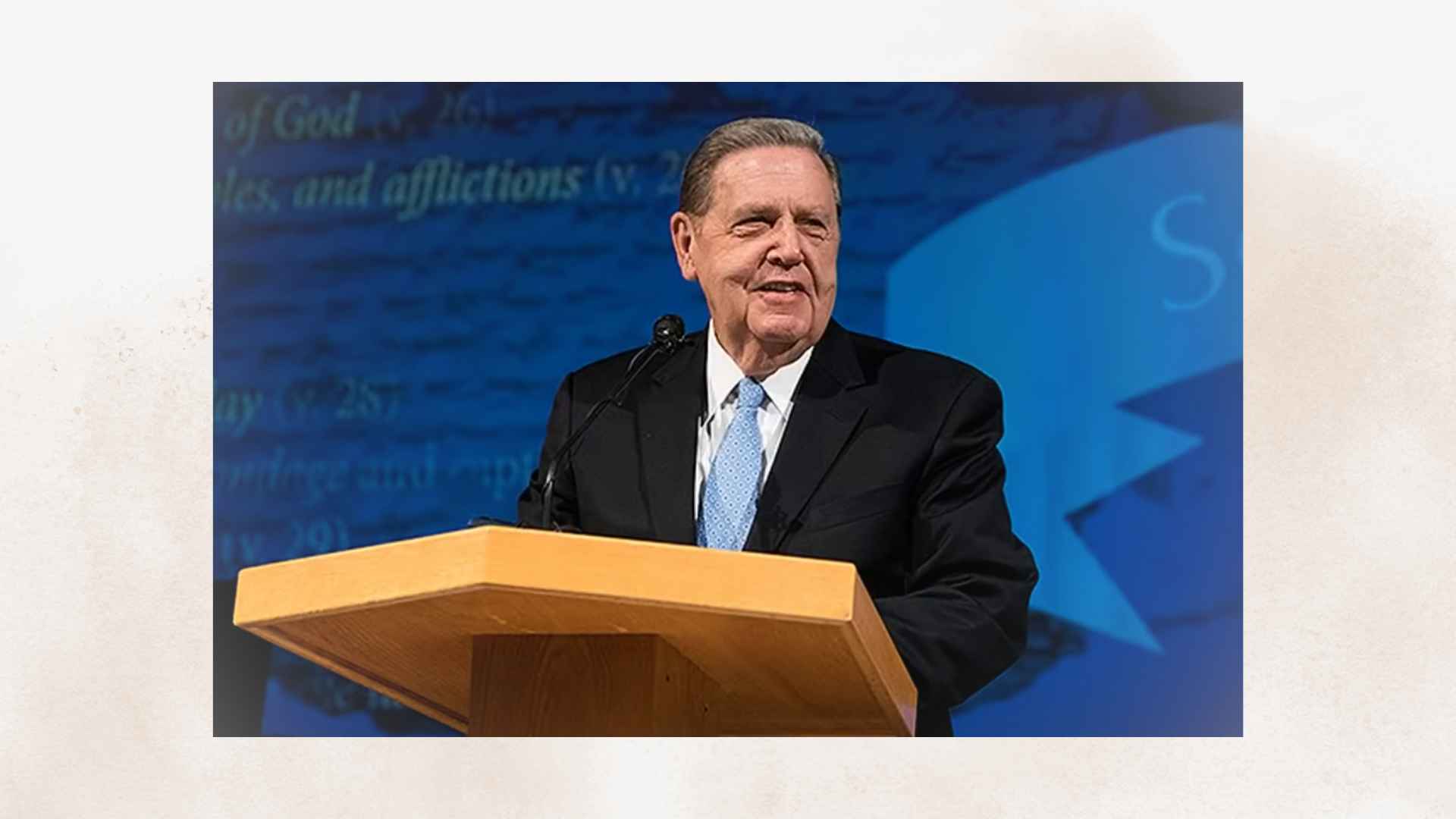
We were examples of the truism that Elder Jeffrey R. Holland expressed on August 16, 2017, when Book of Mormon Central and BYU Studies put on the Chiasmus Jubilee, the 50th anniversary of the discovery of chiasmus. At that event, Elder Holland, speaking of the greatness of the evidence, said, “Rock-ribbed faith and uncompromised conviction come with this most complete power when it engages our head as well as our heart.” Bruce went on to become a medical doctor then a rare book dealer. I helped with FARMS in the early days, and I’m currently the executive director of Book of Mormon Central.
Paul won the Baldwin Prize twice at Harvard, a distinction that he shares with Ralph Waldo Emerson, then the Goldman Environmental Prize. His remarkable career was featured in an 11-page article in the September 2016 issue of Southwest Airlines’ in-flight magazine.
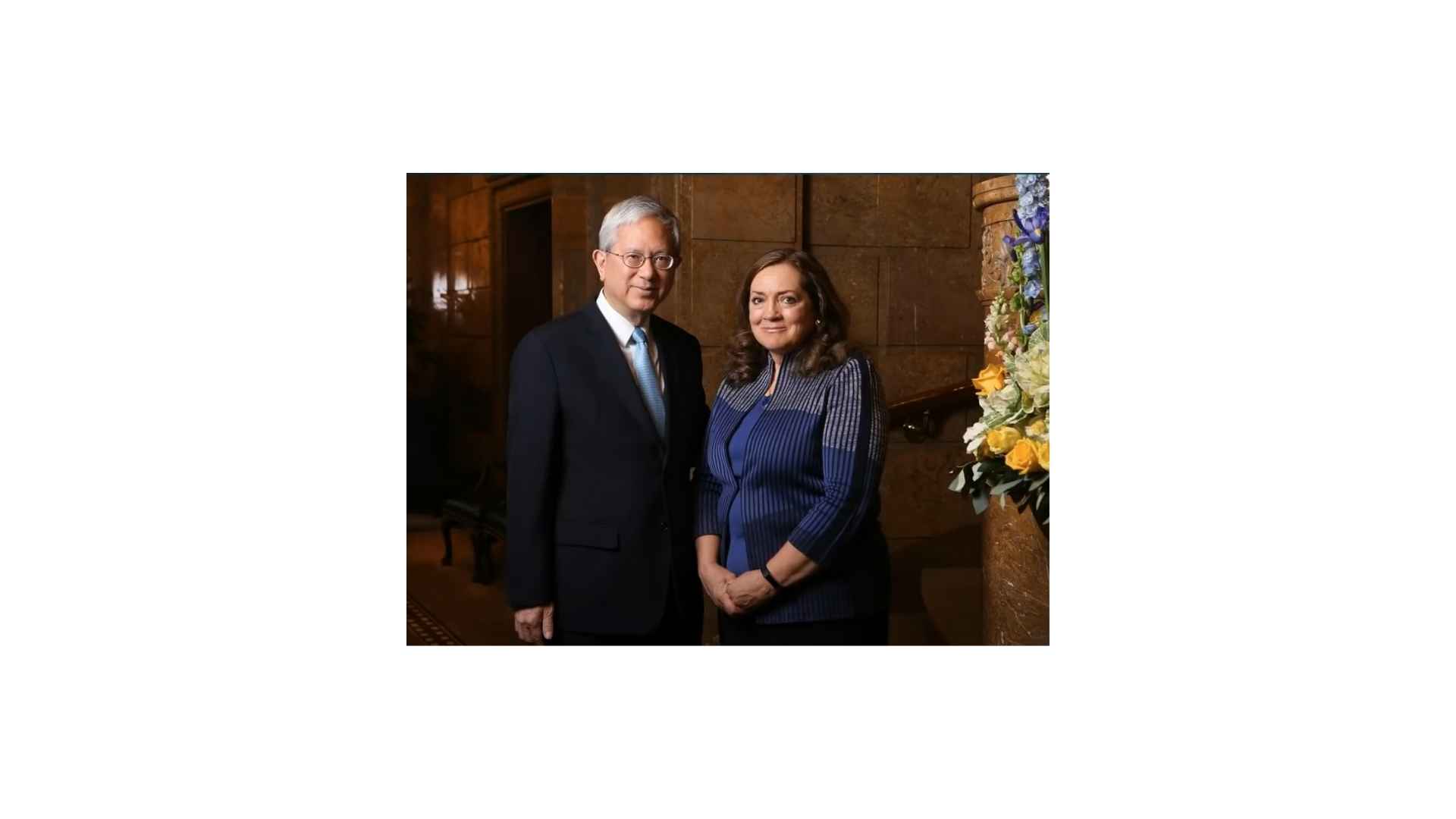
Garrett was a Rhodes Scholar, a diplomat, and a foreign policy analyst before becoming a university administrator and then a general authority. How does Hugh Nibley continue to influence Elder Gong’s thinking today? Well, about a month ago, the fourth season of the Church’s Book of Mormon videos began filming, and the day before filming began, Elder Gong was the keynote speaker at a fireside for the crew and cast of the Book of Mormon video series. As filming was about to begin, here’s what he said: “Gong, in Chinese, means river.” And so, he said, “I’ve always paid particular attention to rivers. First Nephi 2:6 speaks of a river of water.” Elder Gong then quoted Nibley from “Lehi in the Desert,” explaining that Arabs talk about rivers of sand as well as rivers of water. After sharing that Joseph Smith would not have known this little detail, Elder Gong asked the cast and the crew to use their best-educated assumptions and apply the best current scholarship to understand the ancient daily details of the Book of Mormon text.
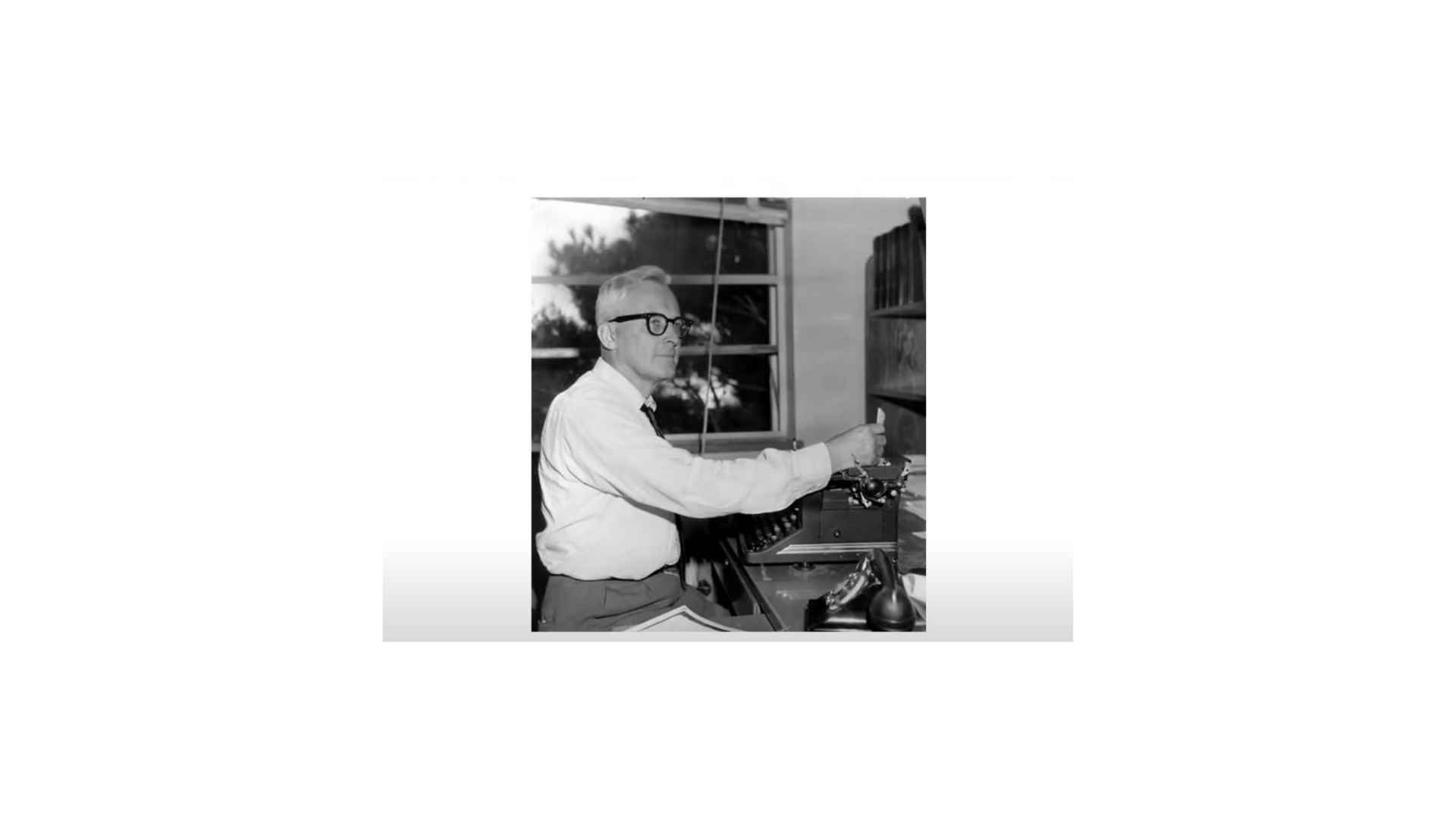
Reading Nibley
I read Nibley, my friends read Nibley, my dad read Nibley—practically everyone I knew read Nibley. His was a powerful voice in my generation. We thought that if somebody that smart, someone who could read the Torah, the Textus Receptus, the Bhagavad-Gita, and the Quran in the original, believed the Book of Mormon was historical, then it merited close reading. As Jack Welch is fond of saying, “It is a book you can respect.”
Nibley reveled in nature. As a young man, he spent six weeks alone in the Oregon woods around Crater Lake, where he delighted in encounters with bears and wolves.
As a father, he took his children on jaunts to exceptional places like Canyonlands and Zion National Park.
Ethical Teachings
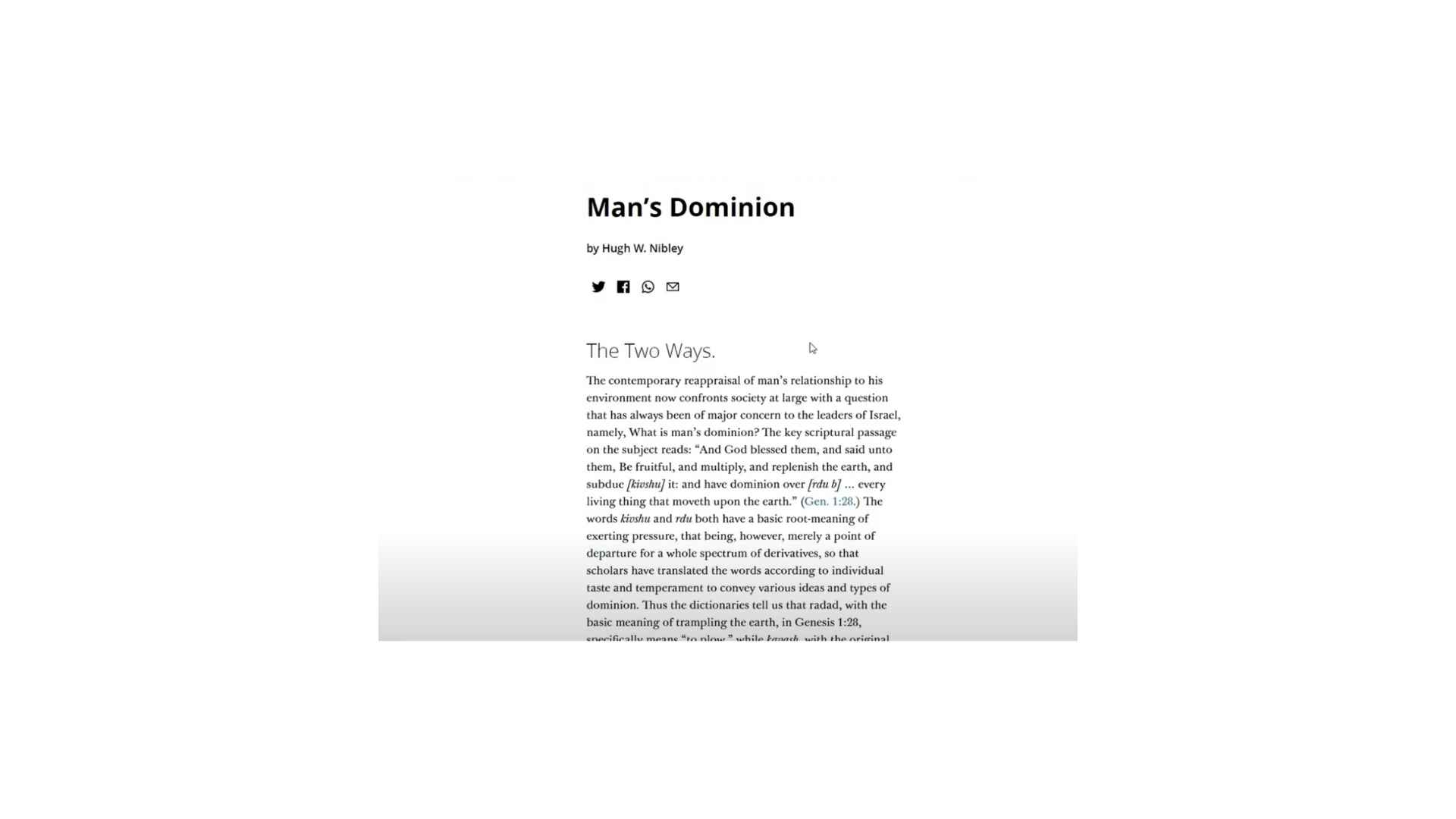
I was on my mission serving in Arequipa, Peru, when Hugh’s article “Man’s Dominion” appeared in the October 1972 New Era. My friend Brian Kelly was the editor of the New Era, and he liked to challenge his young readers by publishing cerebral material. A reminder of the discussion about Nibley’s 1957 Melchizedek Priesthood manual, ‘An Approach to the Book of Mormon.’ Several of the brethren thought its academic tone was beyond the reach of most Latter-day Saints, and President David O. McKay settled the discussion with one word: ‘Let them reach.’ That was Brian Kelly’s approach to those of us in the mission field in 1972.
Before my mission, I fancied myself something of a hunter and I began to amass a gun collection. In my youth, I was deer hunting with my father. He carried the .30-06, and I carried the .22. He pointed to a squirrel up in the tree canopy and asked if I could hit it. So, I took aim and dropped it to the ground. As I looked around at that dead squirrel, I wondered if I really had the right to deny this creature its life and its liberties.
In my missionary apartment, Nibley taught me about the two ways: the priesthood stewardship exercised by Adam, Abel, and Noah, as opposed to the predatory exploitation of nature by Cain, Nimrod, and Esau.
Deciding Who I Was
Reading Nibley caused me to decide who I was and what I wanted to be when I grew up. One of the first things I did after returning home from Peru was give away my guns. Years later, my two sons were approaching mission age, and it dawned on me that I may have been derelict in their education. They were surrounded by gun culture, but they’d never pulled a trigger.
So, I bought a .22, took them out to the rifle range, and let them play with tin cans for an hour. When Spencer W. Kimball’s message ‘Don’t Kill the Little Birdies’ came out in April and October General Conference in 1978 I was sympathetic, but by then he was preaching to the choir. It was Hugh Nibley in 1972 with “Man’s Dominion” that article that had changed my behavior.
Political Engagement
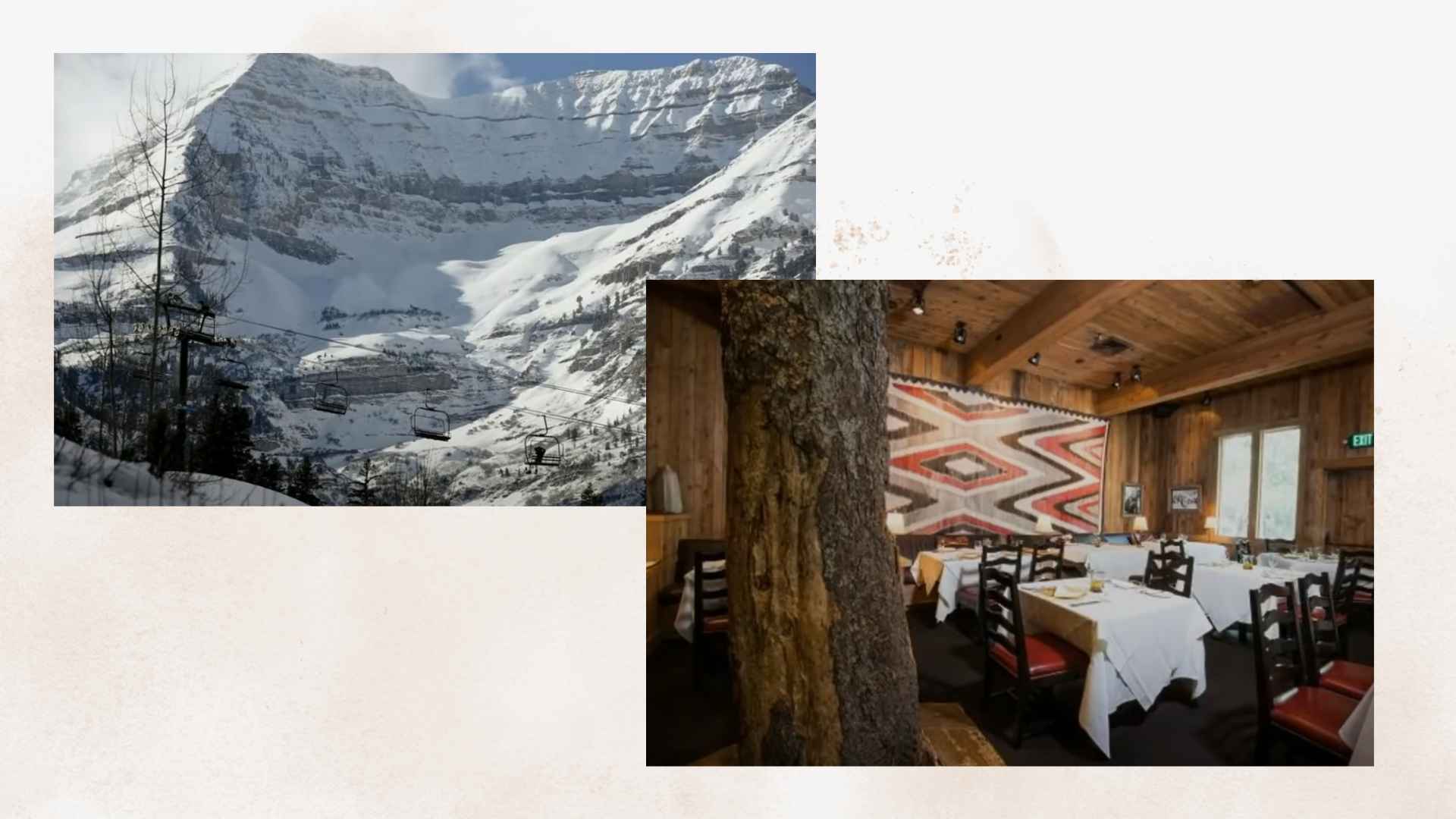
Over the years, in my technology business, I’ve had occasion to bring many out-of-town business associates to Utah County, and almost without exception, the one place they want to visit is Sundance to get a glimpse of Robert Redford’s home turf.
I’ve entertained dozens of people in the Tree Room, and a couple of times, my lucky guests have even caught a glimpse of the famous actor himself. I doubt any other local is as well known around the world as Robert Redford.
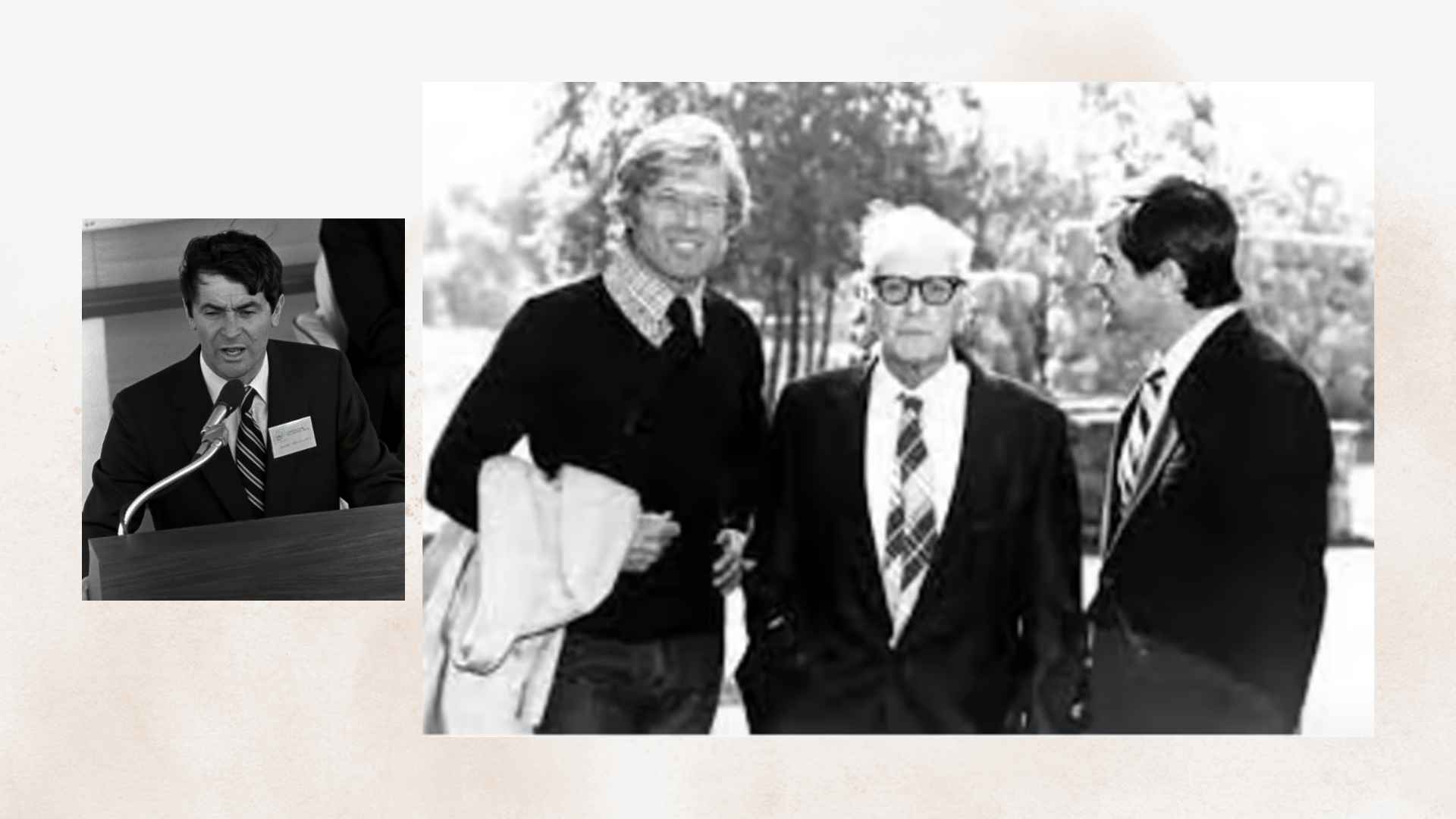
In the Fall of 1988, Ted Wilson was the Democratic nominee for Utah governor. He had been mayor of Salt Lake for 10 years. Norm Bangerter ultimately prevailed by a narrow margin in a race where Merrill Cook stirred things up as a self-financed independent. Wilson was ahead in the polls during most of the election cycle, and the Democrats sensed a legitimate opportunity for a statewide office with Cook siphoning off part of the Republican bloc. In that environment, the Utah County Democrats generated publicity by knocking on doors with an all-star threesome: Ted Wilson, Hugh Nibley, and Robert Redford.
Now, as the committee approached Nibley with the idea, he was enthusiastic. He knew Ted Wilson and he respected him. But who was this Robert Redford guy? Political issues such as pacifism and social safety nets were important to Hugh, but popular culture was very seldom on his radar.
Remarkable Encounters Among the Hopi
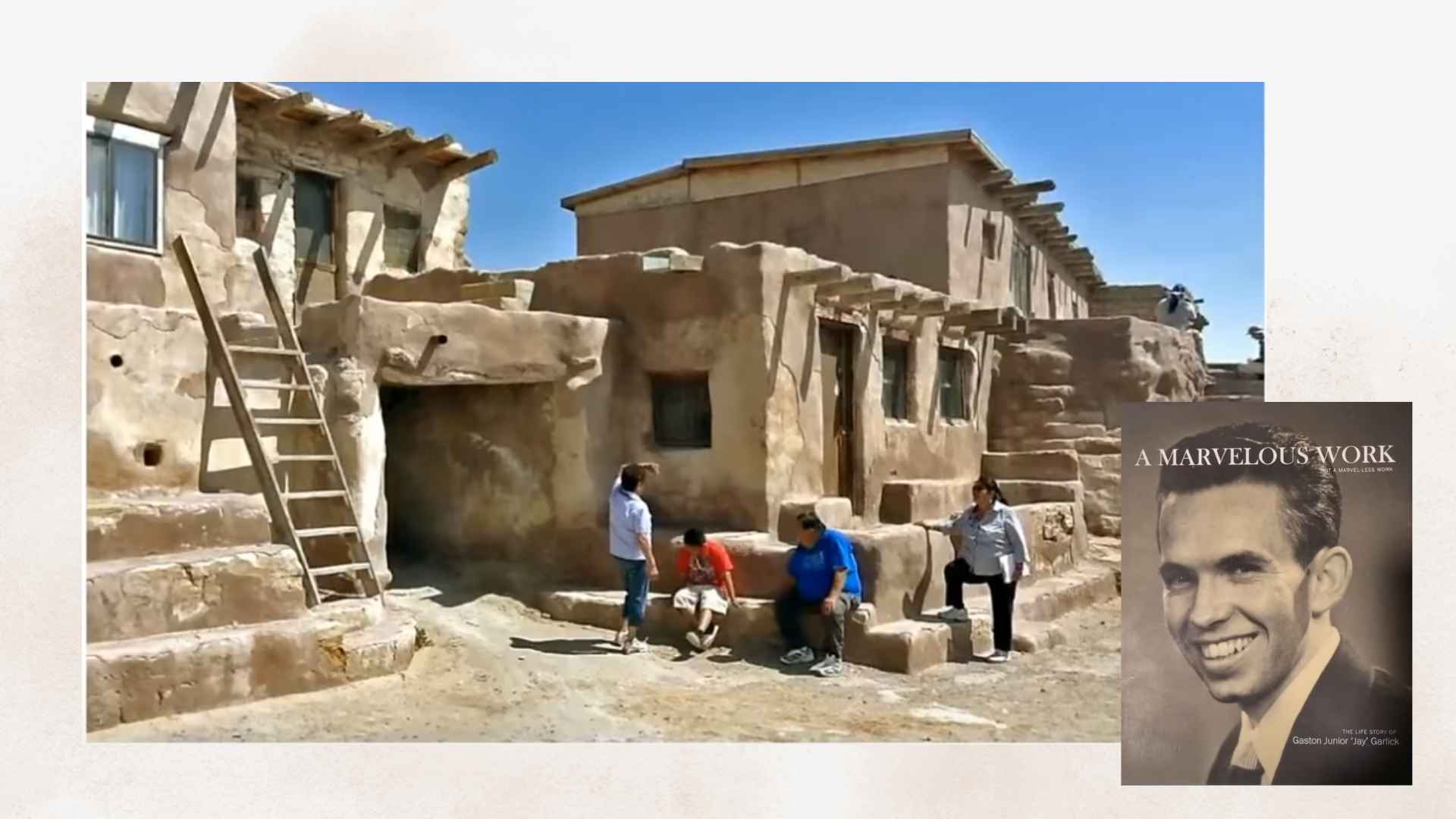
Nibley first visited the Hopi Mesa soon after joining the BYU faculty in 1946. Ten years and several visits later, he was finally permitted to see one of the sacred engraved Hopi stones. Virgil Bushman lived in Nibley’s ward and facilitated his trip to the reservation. Virgil Bushman worked with Jay Garlic, a successful real estate agent who owned a brand new station wagon and was my former bishop.
Nibley, Bushman, and Garlic went down to Arizona in 1957, and this account comes from Jay’s very excellent 2001 autobiography entitled A Marvelous Work. This is what he had to say:
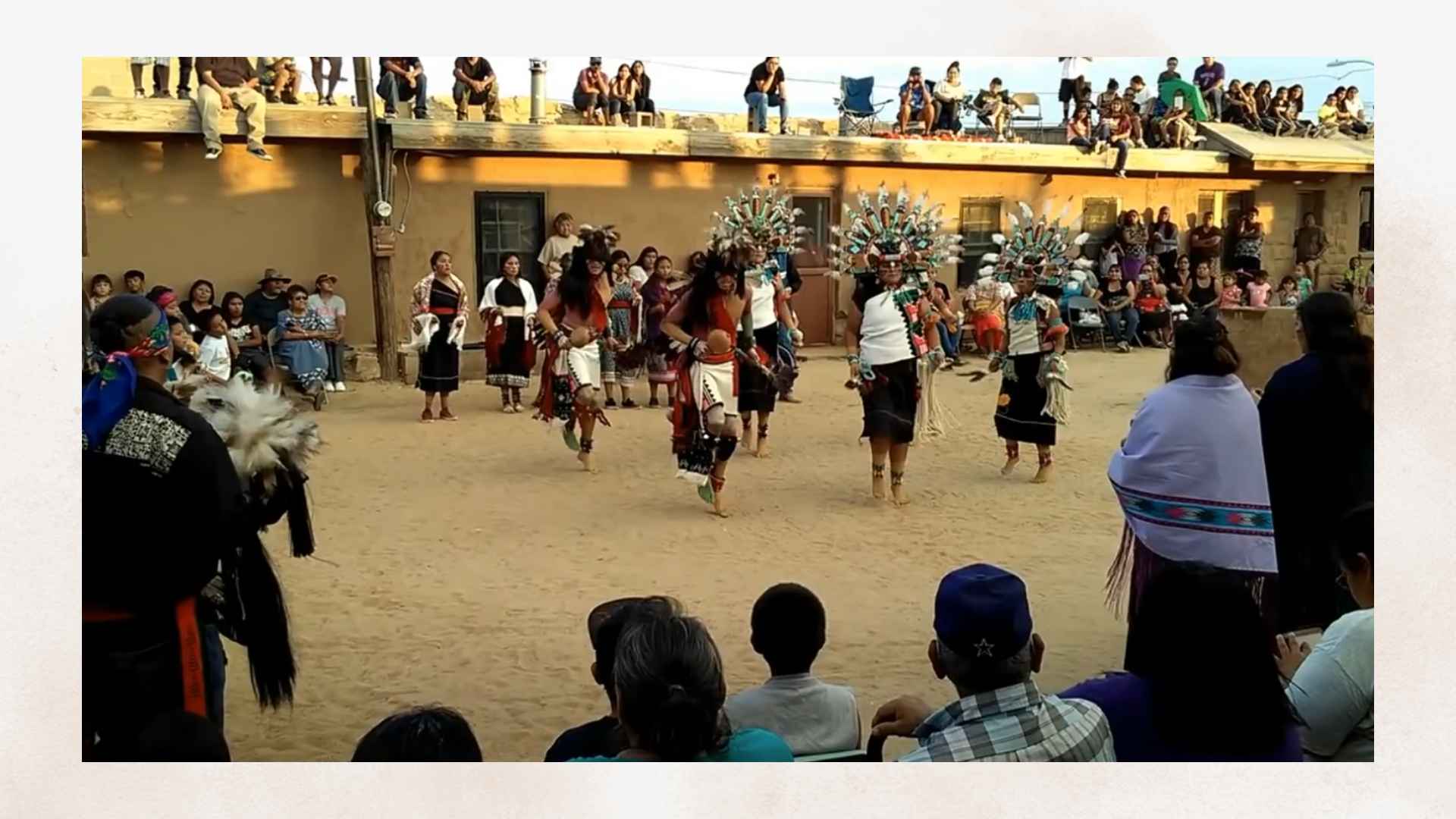
The chief of the Hopis was very feeble, so his daughter was in charge. Mr. Bushman went in to see the daughter and reminded her that their tradition states someone will come to translate the record. And he said, ‘I brought the man who can do it.’ But she said, ‘No, no, just come back.’ Brother Nibley then went in with the very same response. She wasn’t mean about it; she just said, ‘No.’ They tried to tell her we had driven 700 miles to be there, but she just repeated, ‘No, no, just come back again.’
“So then I said, ‘Well, let me try.’ I was the last to go in. I had a half dollar in my pocket. As I walked in, I set it down on the table and I said, ‘If I give you this, can we see the record?’ She said, ‘Sure.’ She brought out an oblong package about 11 by 17 inches in size wrapped in a dish towel and placed it on the table in front of Brother Nibley. It was about a 1-inch thick stone tablet with engravings on it. I was standing behind him looking down at it.
Answered Prayers
I was surprised at how very precise this writing was. The letters looked almost as if they were printed; they were just so nice and neat in a row. I know there were arrows going all the way up one side of the record and coming down on the other side of the page. I remember that Brother Nibley said that meant prayers were going up and prayers were being answered. But we weren’t able to look at it for very long. It was kind of like those nickel machines; our time was up. So the daughter came and scooped it up and took back the record.
“We joked that if we gave her another 50 cents, could we have more time? Nibley visited the Hopi several more times, including a 1968 trip with Egyptologist Klaus Baer. He was privileged to see the sacred engraved Hopi stones one more time, as well as the Prophecy Rock petroglyphs. His last trip to the Hopi mesas was in 1996.
The last time I saw him was in 2003 when Jack Welch and I visited Hugh and Phyllis in their home. I wanted to know if there was anything he’d seen among the Hopi that he considered authentic phonetic writing, and he said no. What he’d seen were pictograms, albeit very neatly executed.”
Nibley’s Opinion on the Location of The Book of Mormon
Unreliable information appears from time to time, claiming that Hugh Nibley believed the Book of Mormon took place in what is today the United States of America. This is a lie spread by an irrational faction within the Church, who cherry-picked data in support of a lucrative private agenda.
In fact, Nibley, from the early 1980s to his death, was a strong supporter of FARMS and the work of John L Sorenson.
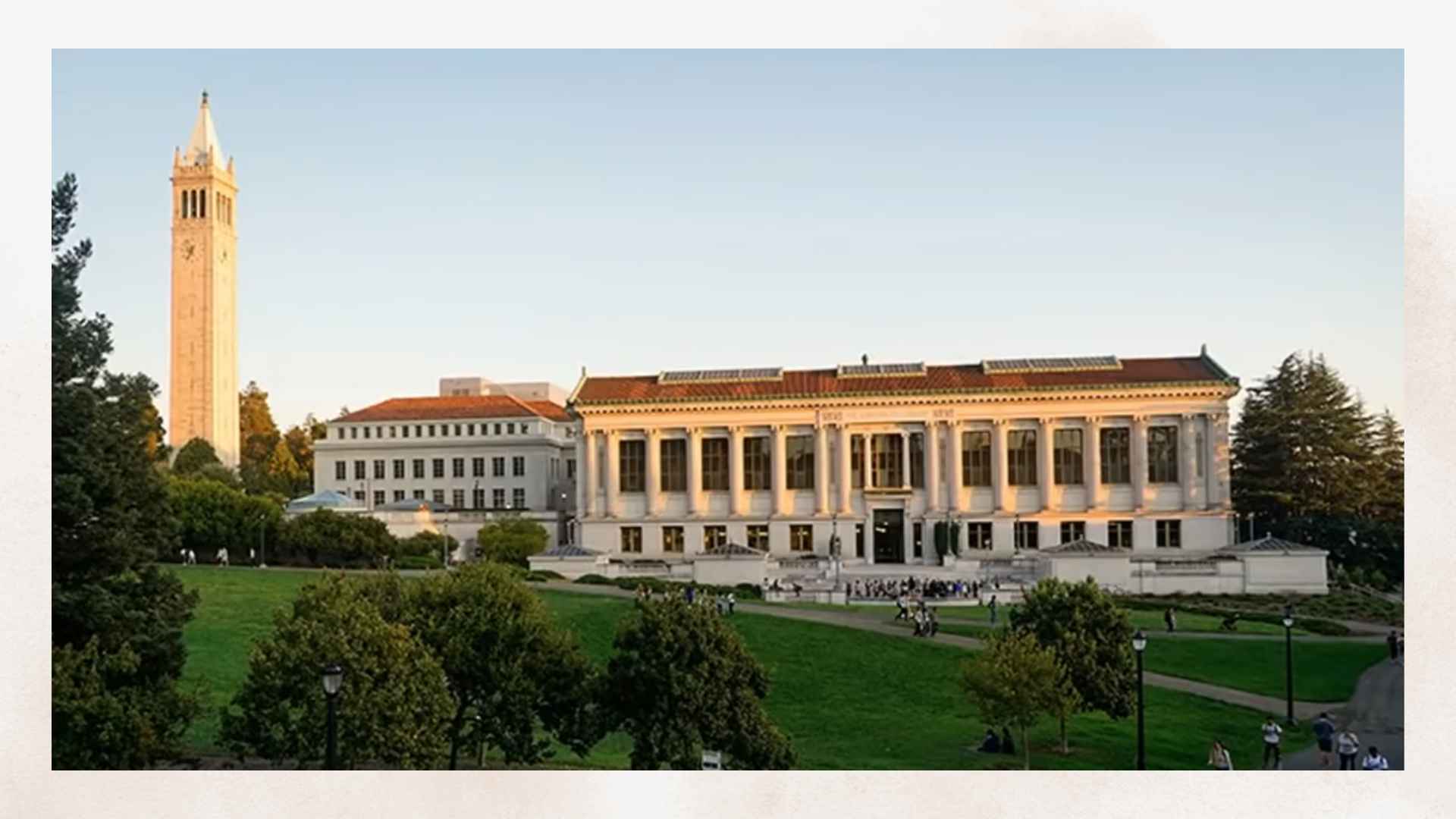
While Hugh Nibley was earning his PhD at Berkeley from 1934 to 1938, he was accompanied by Milton R. Hunter, who earned his PhD in 1935, and Wells Jakeman, who earned his PhD in 1938, and Thomas Stewart Ferguson who earned his BS in 1937 and LLB in 1942.
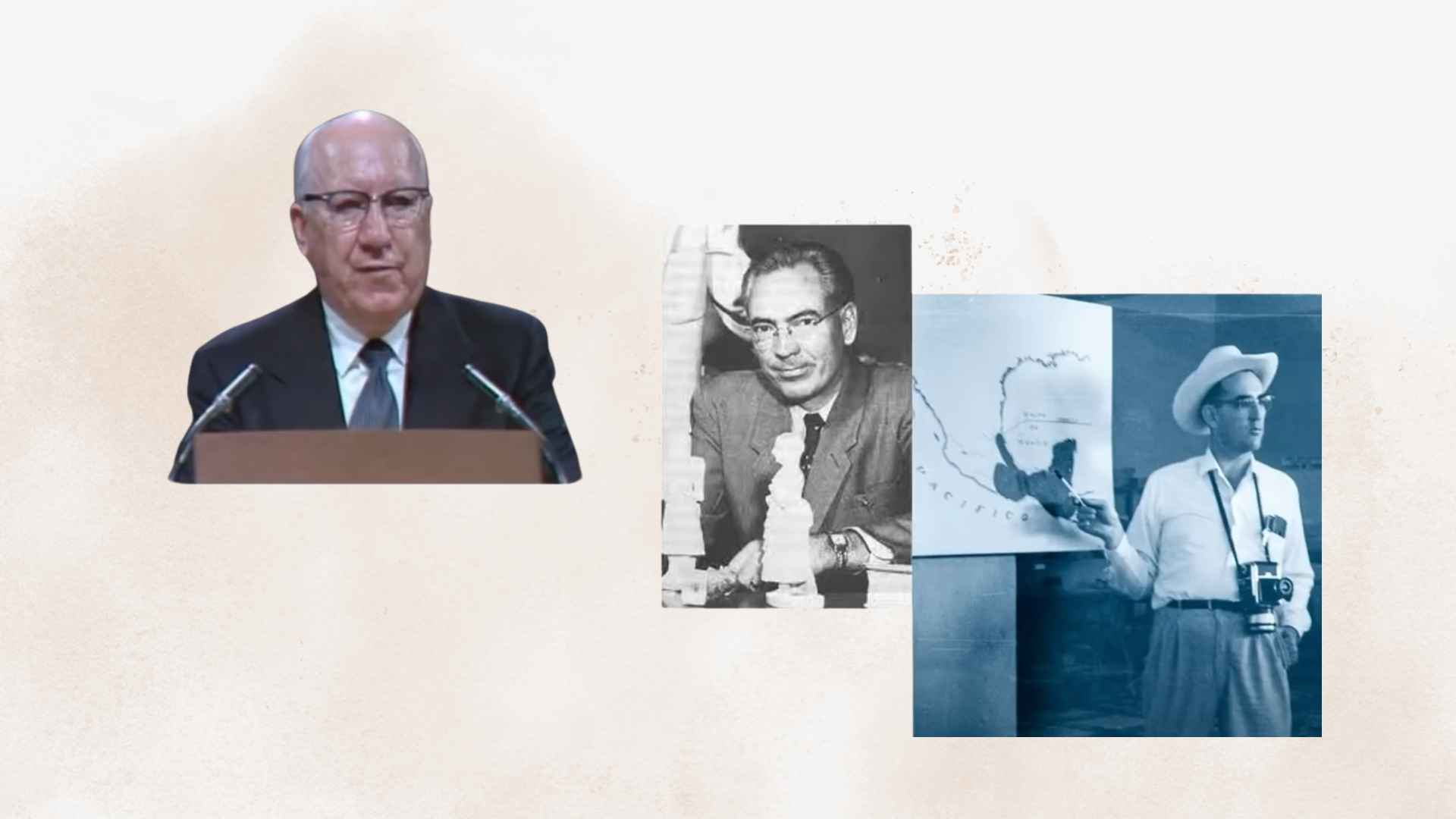
Jake, the one in the middle, formed the “Itsan Society,” which briefly included Nibley, Hunter, and Ferguson, and they worked through the textual support for and the implications of Jakeman’s limited Tehuantepec theory of Book of Mormon geography.
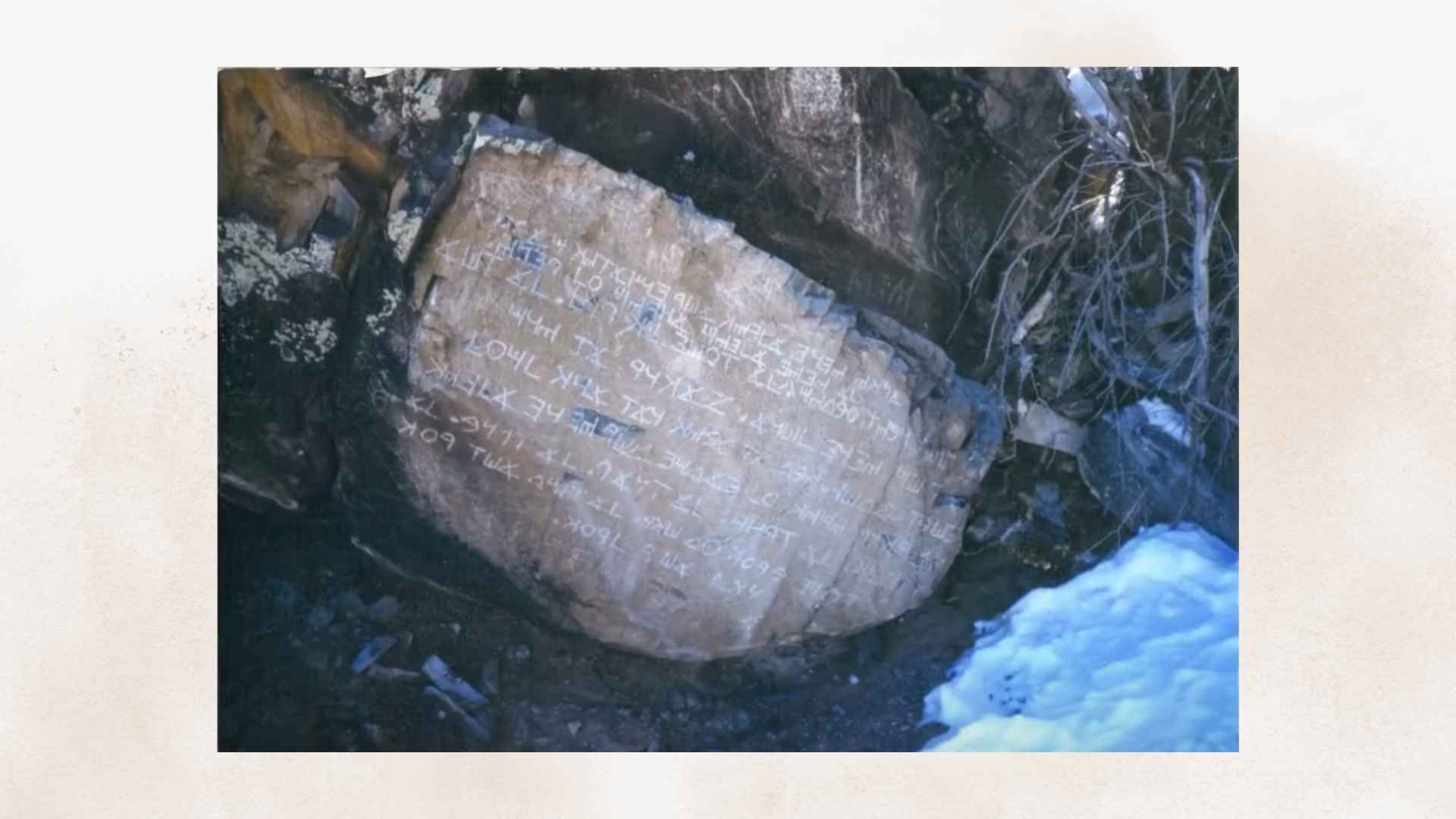
In the Fall of 1954, Milton R. Hunter took Sydney Sperry, Hugh Nibley, John L. Sorenson, and Welby Ricks to visit the Las Lunas Decalogue Stone, 25 miles south of Albuquerque. Sperry and Nibley pronounced it a fake based on the Hebrew inscriptions. Sorenson pronounced it a fake based on the ambient archaeology. As the group was leaving, Ricks overheard the two locals who’d arranged the meeting talking. One asked the other, ‘Do you think they bought it?’ Parenthetically, that’s how frauds and hoaxes work. One of these days I will make you a presentation on frauds and hoaxes in the world of the Book of Mormon, because there have been hundreds. There is always a motive.
Nibley, already respectful of Sperry’s scholarship, was beginning to develop confidence in Sorenson’s judgment.
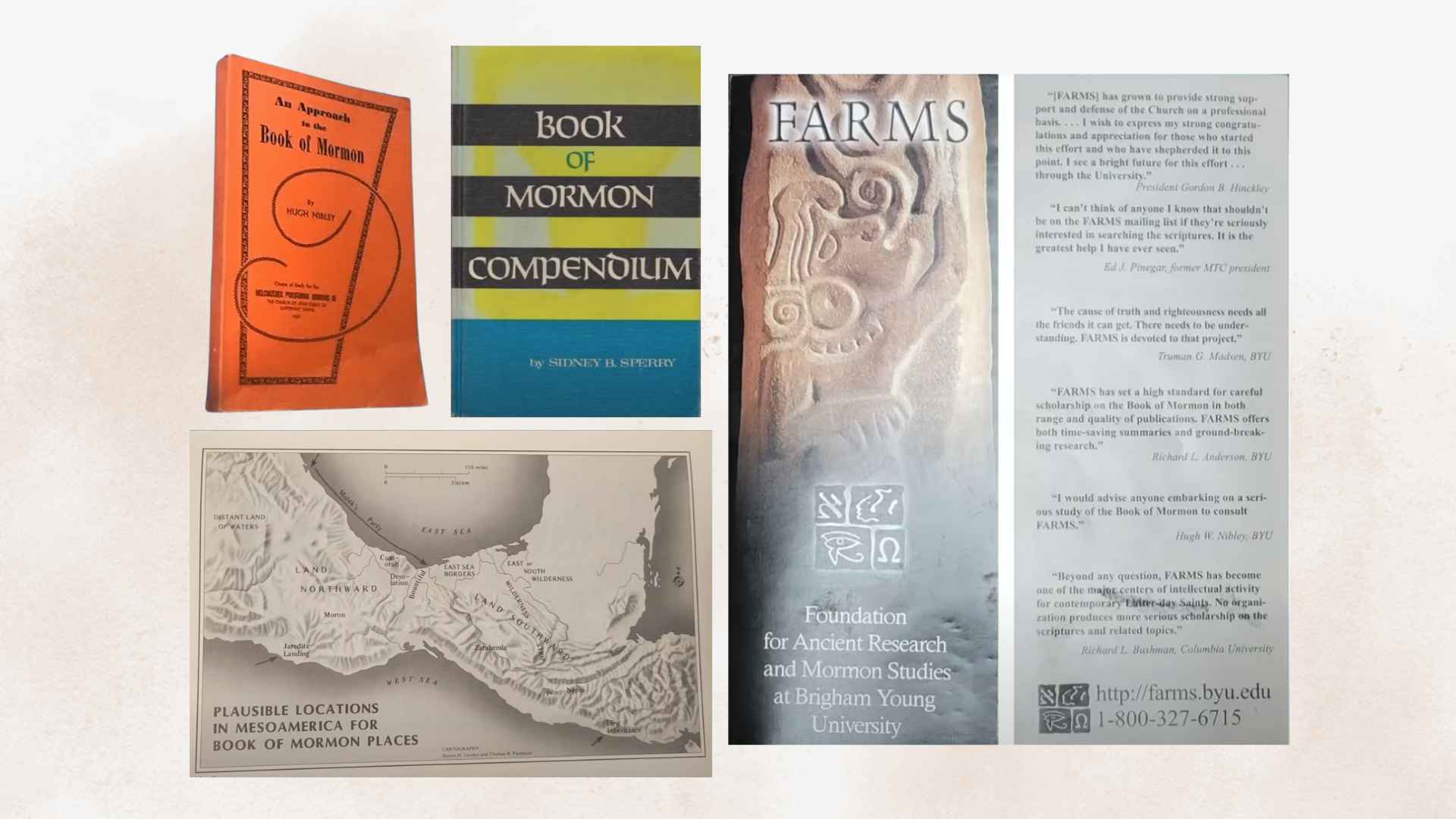
Central America
In 1957, in An Approach to the Book of Mormon, Nibley wrote: ‘It’s our conviction that proof of the performance does lie in Central America.’ The Millennial Star from November 1962 reports a challenge that Nibley often shared, daring his audience to produce a book as marvelous as the Book of Mormon with its detailed descriptions of life in ancient Central America. In 1967, and since Cumorah, Nibley again talked about the Book of Mormon setting in Central America.
In 1968, Bookcraft published Sperry’s Book of Mormon Compendium. Pages 447-451 of that work contain a monograph entitled “Were There Two Cumorahs?” In it, Sperry lays out the reasons that he finally concluded, over Joseph Fielding Smith’s strong objections, that the Nephite text requires a Rama-Cumorah battlefield thousands of miles distant from the Cumorah repository in upstate New York.
Sperry consulted with Nibley as he worked out this issue. While I was Paul Cheesman’s research assistant in the 1970s, we had a discussion one day with Hugh who expressed satisfaction that Sperry, at the end of his career, had finally come around to his (Nibley’s) and Sorensen’s point of view on this matter.
FARMS
In 1980, after Jack and Jeannie Welch had moved from Los Angeles to Provo, John Sorensen and I, supported by Jack, as the early officers of FARMS, consulted with Nibley on occasion. Nibley thought highly of Jack’s work and was thrilled that Sorensen was on our team. Nibley considered Sorensen the ablest Book of Mormon New World scholar in the Church. Gordon Thomasson soon joined the FARMS’ inner circle. Thomasson had been Nibley’s research assistant, and for years we proudly published an endorsement from Nibley on FARMS literature. I would advise anyone considering a serious study of the Book of Mormon to consult FARMS.
In 1985, Sorensen’s An Ancient American Setting for the Book of Mormon came off the press. I immediately hand-delivered a copy to Nibley. His eyes lit up as I gave the book to him. “At last,” he said, “something I can sink my teeth into.”
He really liked the maps that John and I had worked on at the University of Utah Cartography Labs.
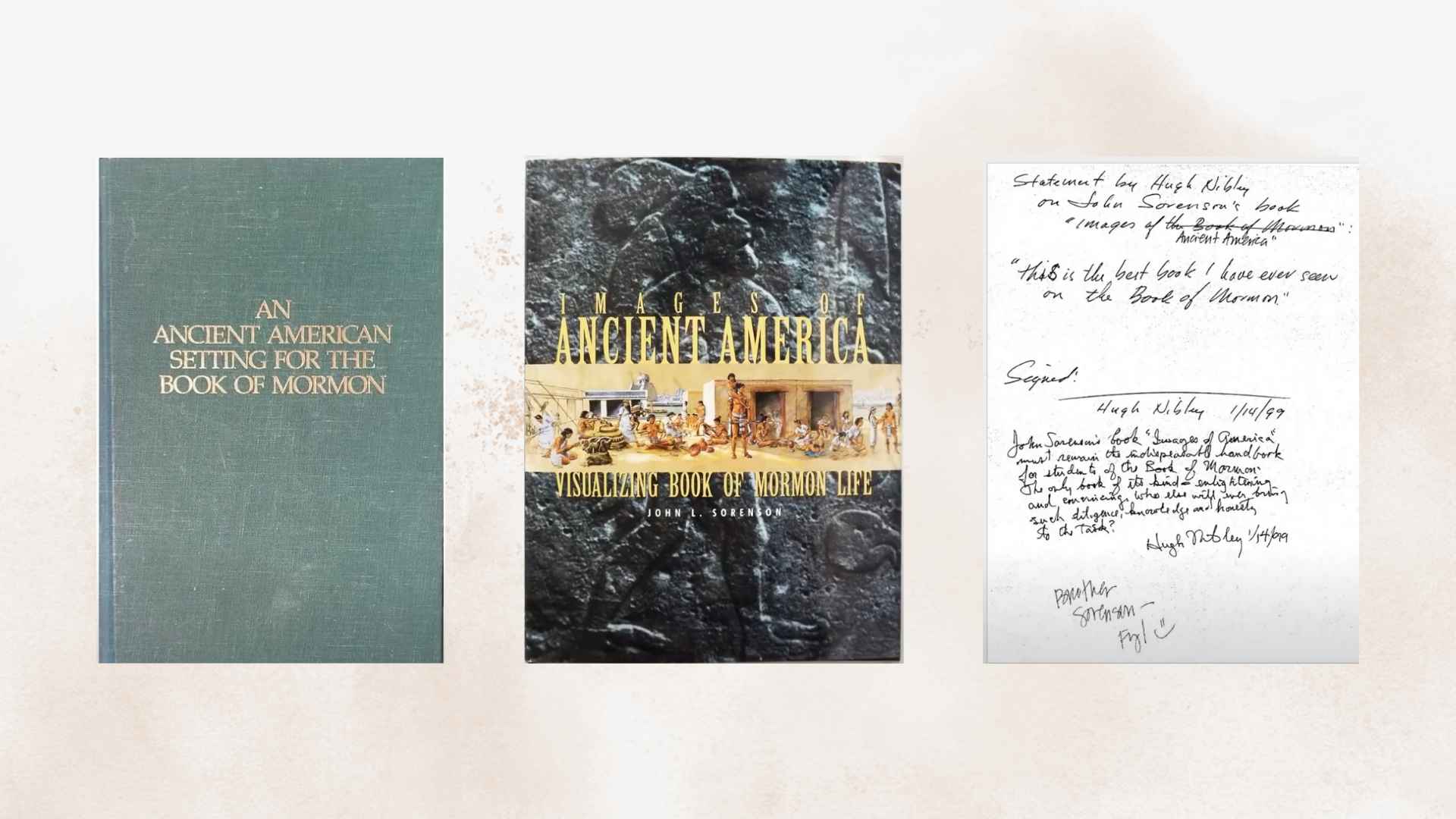
Endorsement
After Sorenson published Images of Ancient America–Visualizing Book of Mormon Life in 1998, Nibley wrote an endorsement:
“This is the best book I’ve ever seen on the Book of Mormon. John Sorensen’s book, Images of America, must remain the indispensable handbook for students of the Book of Mormon, the only book of its kind, enlightening and convincing. Who else will ever bring such diligence, knowledge, and honesty to the task?’
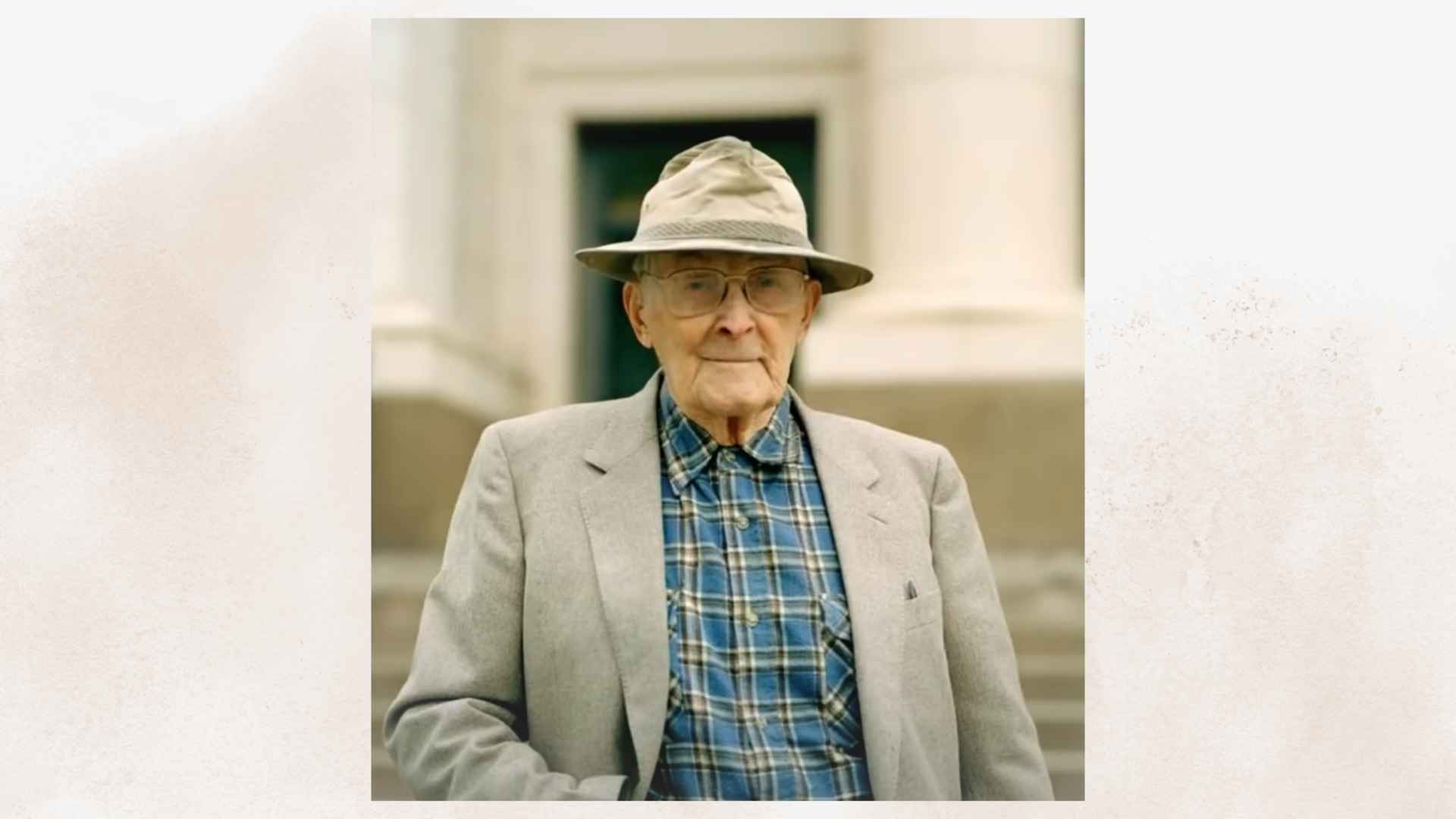
My last visit with Hugh was in 2003. We talked about his visits to Mexico and the Hopi villages. Nibley reiterated his belief that the Book of Mormon took place in Mesoamerica, with echoes and remnants filtering up into the native cultures of the continental United States.
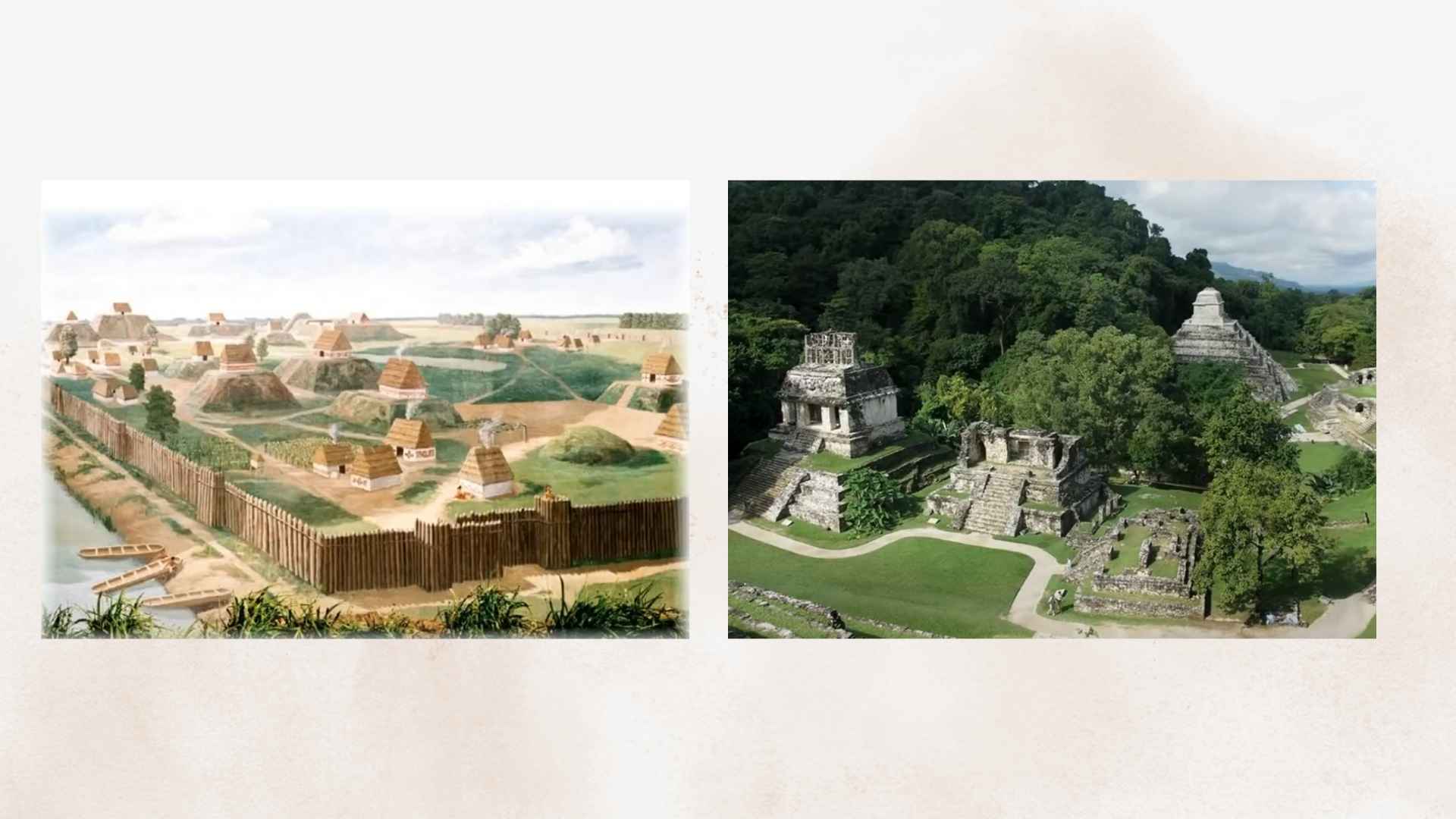
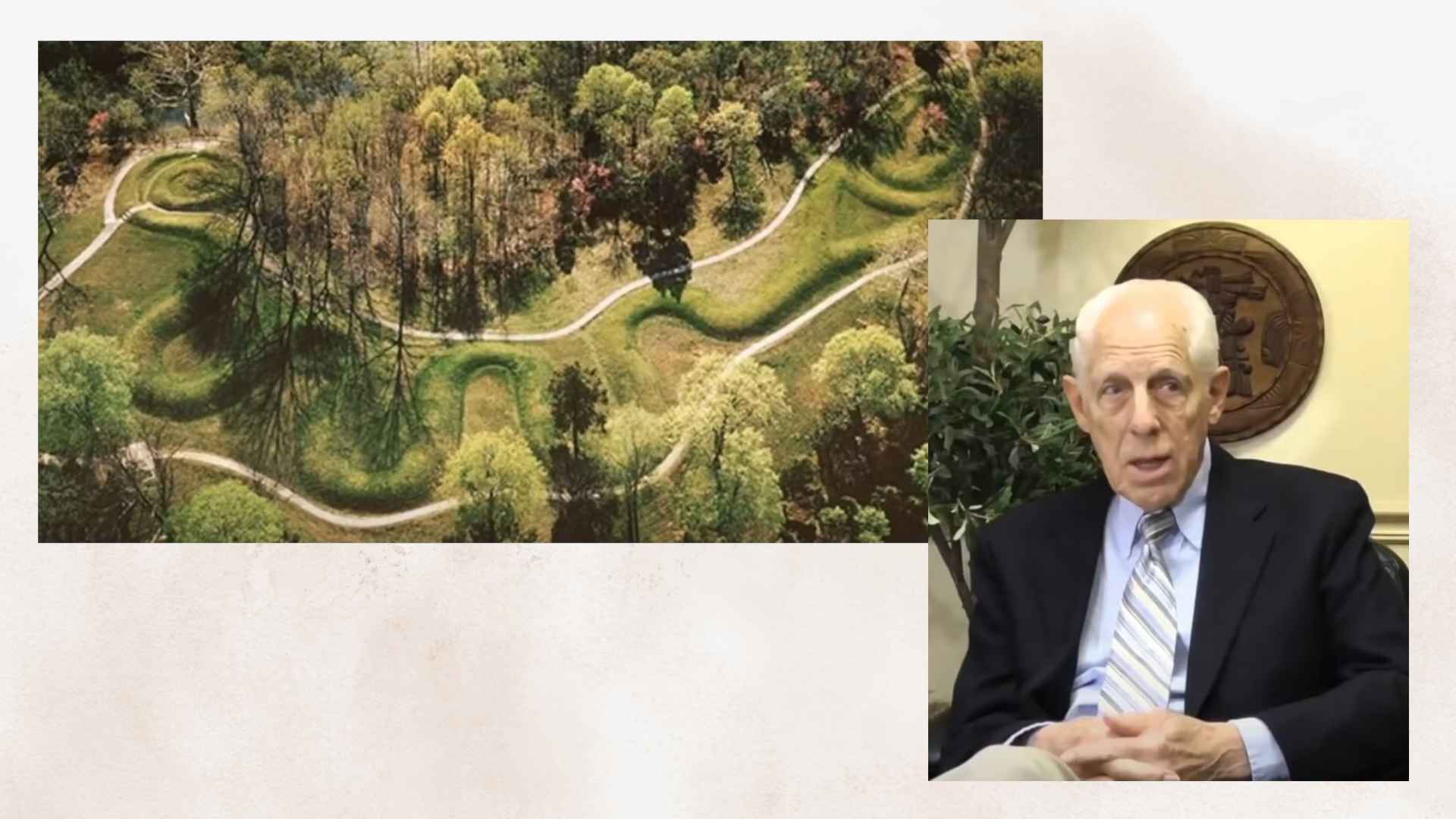
From time to time, Hugh compared the righteous Nephites to the mound builders and said their apostate Nephite and Lamanite neighbors would have been the ones to have built the lavish ruins that tourists flocked to today in Mexico and Central America.
But on the fundamental question of Book of Mormon study, Nibley, throughout his life, believed the Nephite text happened primarily in Mesoamerica.
Spiritual Nibley
So Nibley was a polymath. He was a naturalist, he was an anthropologist, he was a Mesoamericanist. But that’s not who Nibley was. To get the essence of Hugh Nibley, you’ve got to understand this man was a prophet.
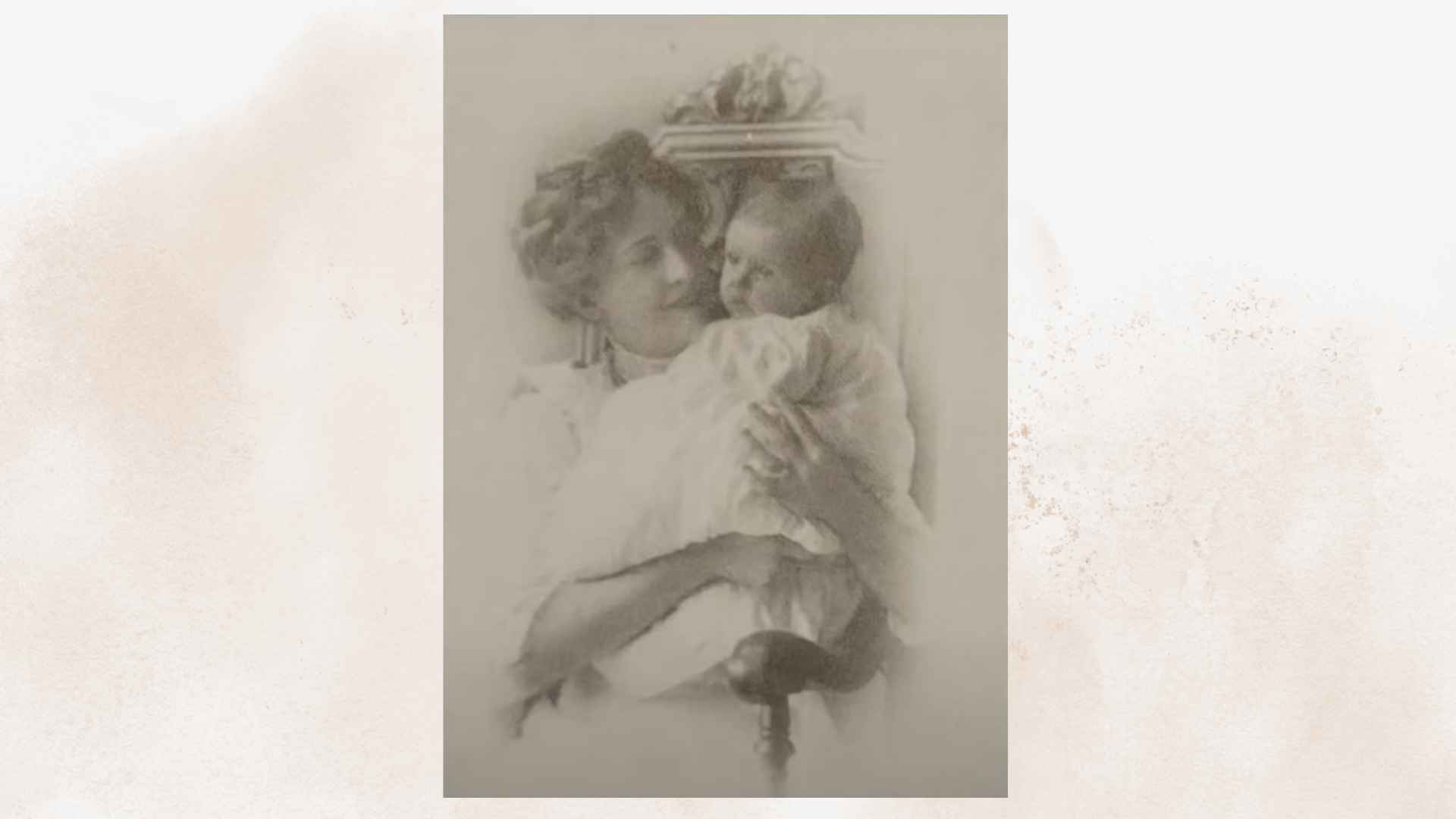
Before Hugh was born, his mother, Agnes Sloan Nibley, received a blessing from John R. Winder, who at that time was in the Salt Lake Temple presidency and a counselor to President Joseph F. Smith.
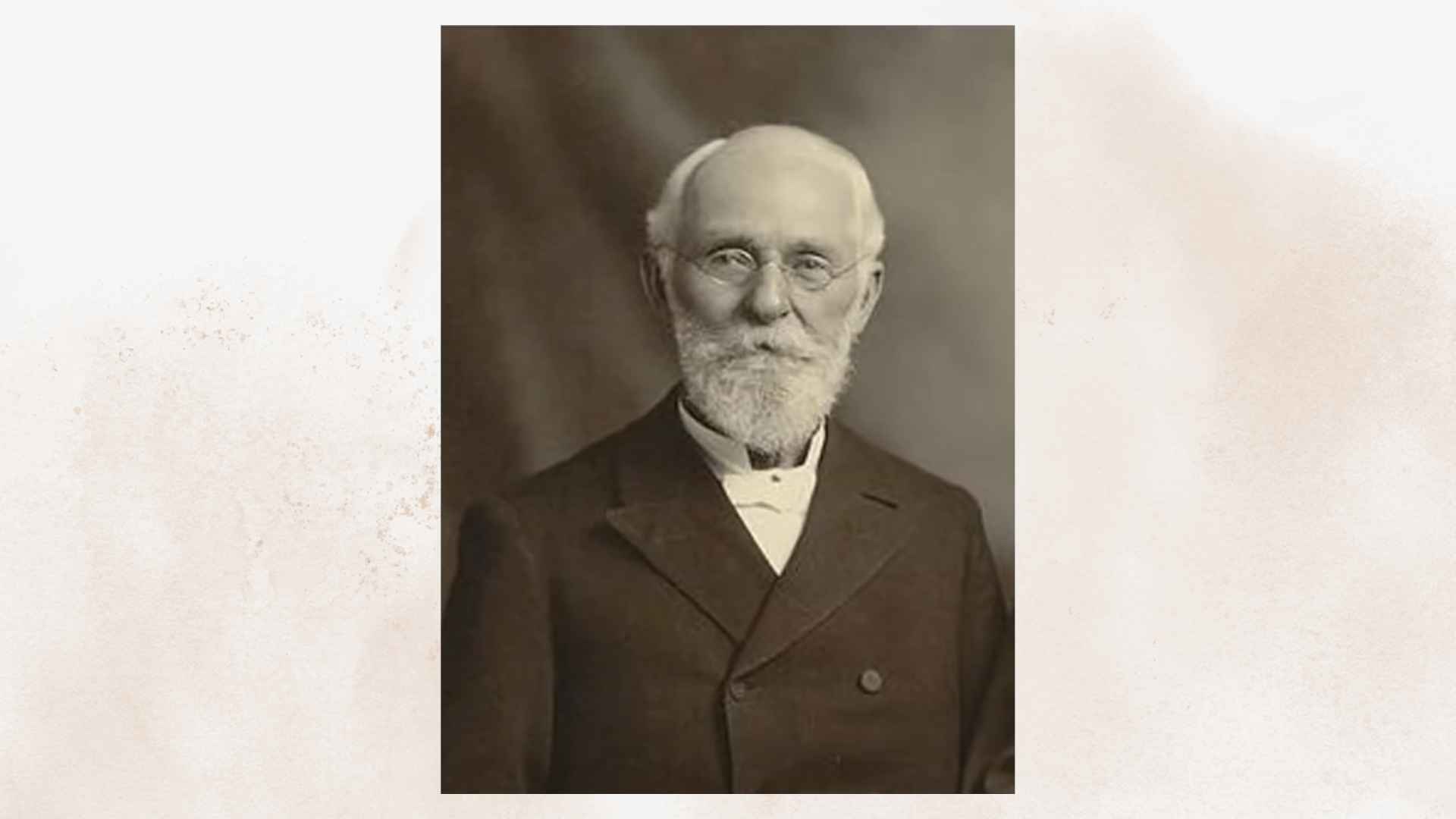
And in that blessing, Sister Nibley came to know that the child she was carrying would play an important role in the kingdom. John R. Winder died on March 27, 1910, the very same day that Hugh Winder Nibley was born. And now you know why his middle name was Winder.

It was December 1936 when Hugh Nibley was ushered temporarily into the spirit world. He was fond of quoting Joseph Smith: “Could you gaze into heaven five minutes, you would know more than you would by reading all that was ever written on the subject.” When a person spends time beyond the veil and then returns back to share what they’ve learned with the rest of us, that person is a de facto prophet.
Spiritual Experiences
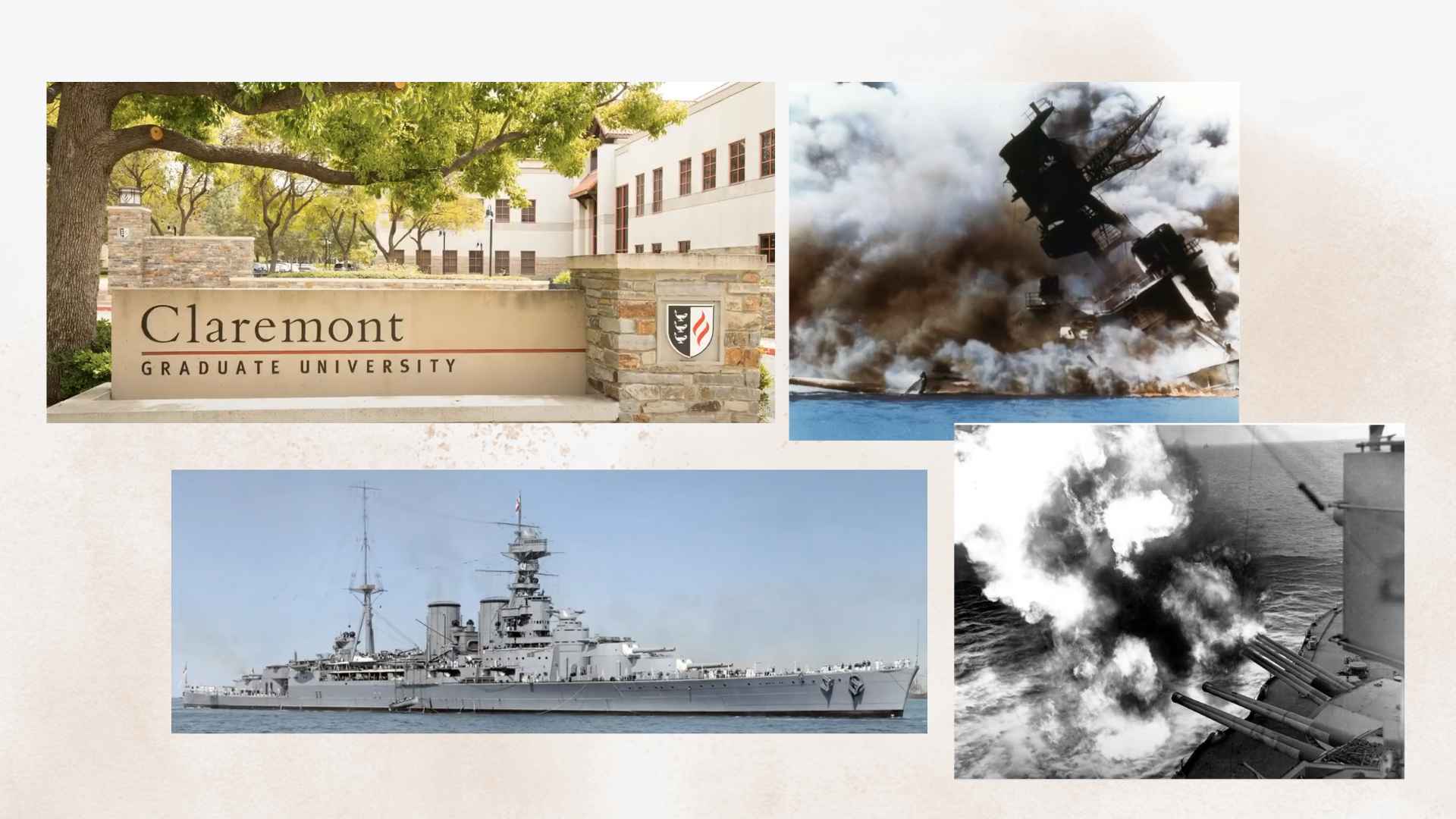
While he was teaching at Claremont, Nibley saw the sinking of the HMS Hood, the most powerful battleship of the British fleet, in a vivid 5am dream. The German Bismarck sank the Hood in only three minutes on May 24th of ’41, and only three of her 1,814 crew survived. It is the single biggest loss of life in the history of the Royal Navy.
A few months later, again in another vivid 5am dream, Nibley saw the sinking of USS Arizona at Pearl Harbor.
While on the Claremont faculty, Nibley became close to college president Russell M. Story, and on the morning of March 29, 1942, Nibley looked up and President Story was at the foot of his bed. When he got to school later that day, he learned that President Story had died during the night.
While at Claremont, Nibley saw the sinking of the USS Corry off Utah Beach in a dream, and then on June 6th of ’44, Hugh was alongside the Corry and saw it go down just as he had witnessed in his dream. The Corry was the U.S. Navy’s only major loss on D-Day.
Wartime
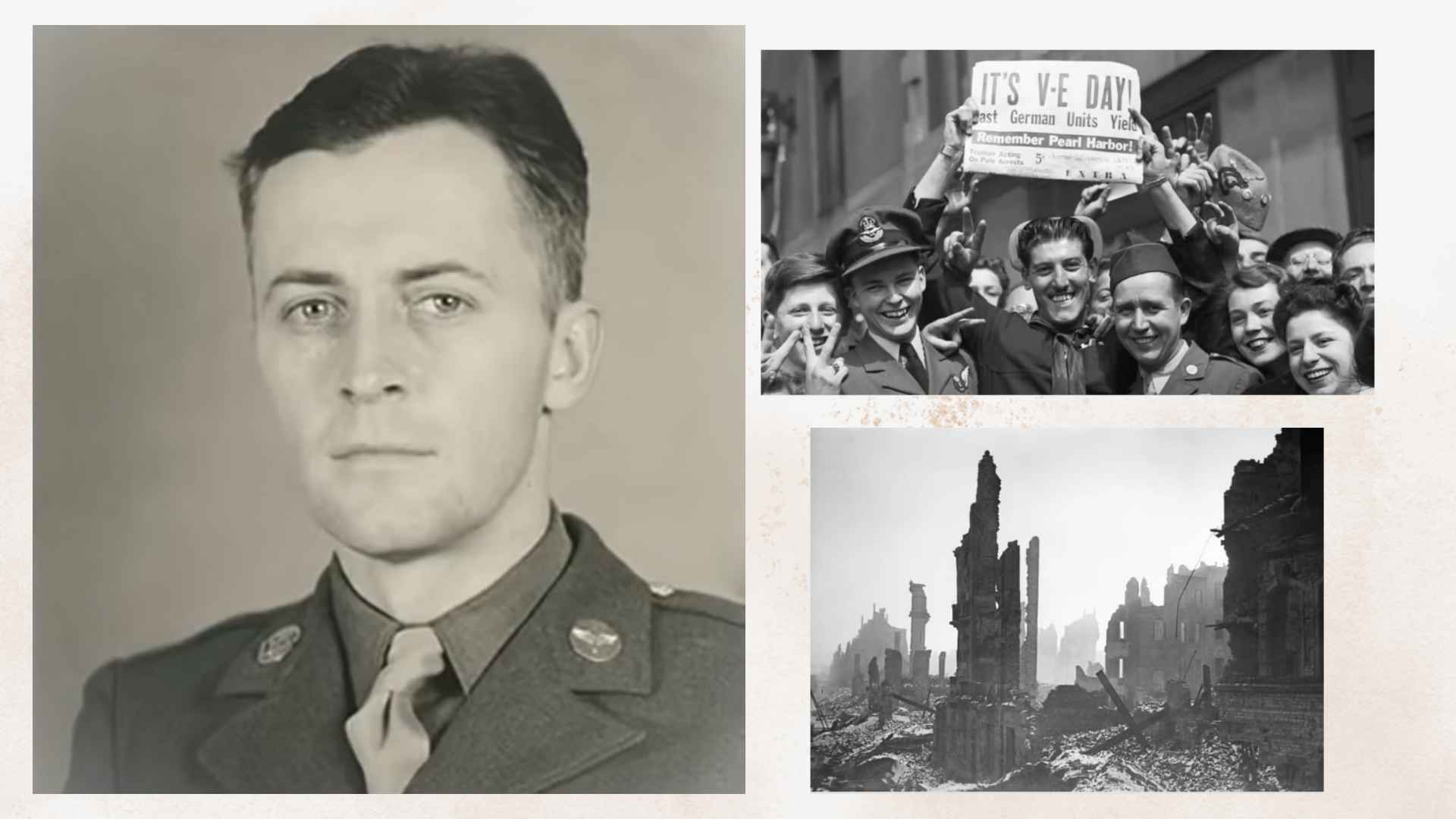
As he participated in the liberation of Europe as a member of the 101st Airborne, Hugh relied on his patriarchal blessing, which he carried with him. In his words, “It had been carried out so beautifully up to then, so I said, well, just keep going; we have a labor to perform.”
In May of 1944, Hugh wrote in his journal that the war in Europe would end on May 7th of 1945. The Germans unconditionally surrendered in Reims, France, on May 7th of 1945, and the next day, the 8th, was VE-Day.
In 1929, he was on his mission in Karlsruhe, Germany. He preached at a butcher shop and warned the people that God would send fire from heaven. A woman came out of the shop brandishing a meat cleaver and yelled, “Don’t you tell us we’re going to be destroyed by fire from heaven.” In late June of 1945, Nibley was driving a jeep through Karlsruhe. He came to the burned-out framework of the door to that very butcher shop. The entire city of Karlsruhe lay in ruins, a victim of the British firebombing.
Extreme Faith
In August of 1952, Hugh and Phyllis’s oldest daughter, Christina, suffered from pneumonia. Her father gave her a priesthood blessing and promised a miraculous cure. In a letter to his friend Paul Springer, Nibley said, “Within a few hours, that nipper was healthier than she’s ever been. The alleviation was instantaneous.” And then he added, “I have never known this power to fail.” Hugh Nibley, as his biographer and son-in-law Boyd Peterson, expresses so beautifully, expected miracles. Nibley had the kind of faith that literally does move mountains.
In 1967, he was working in his office in the old Joseph Smith Building. He suddenly dropped his book and ran down the hill from campus. He found his and Phyllis’s youngest daughter, three-year-old Zion, about to tumble into an irrigation ditch.
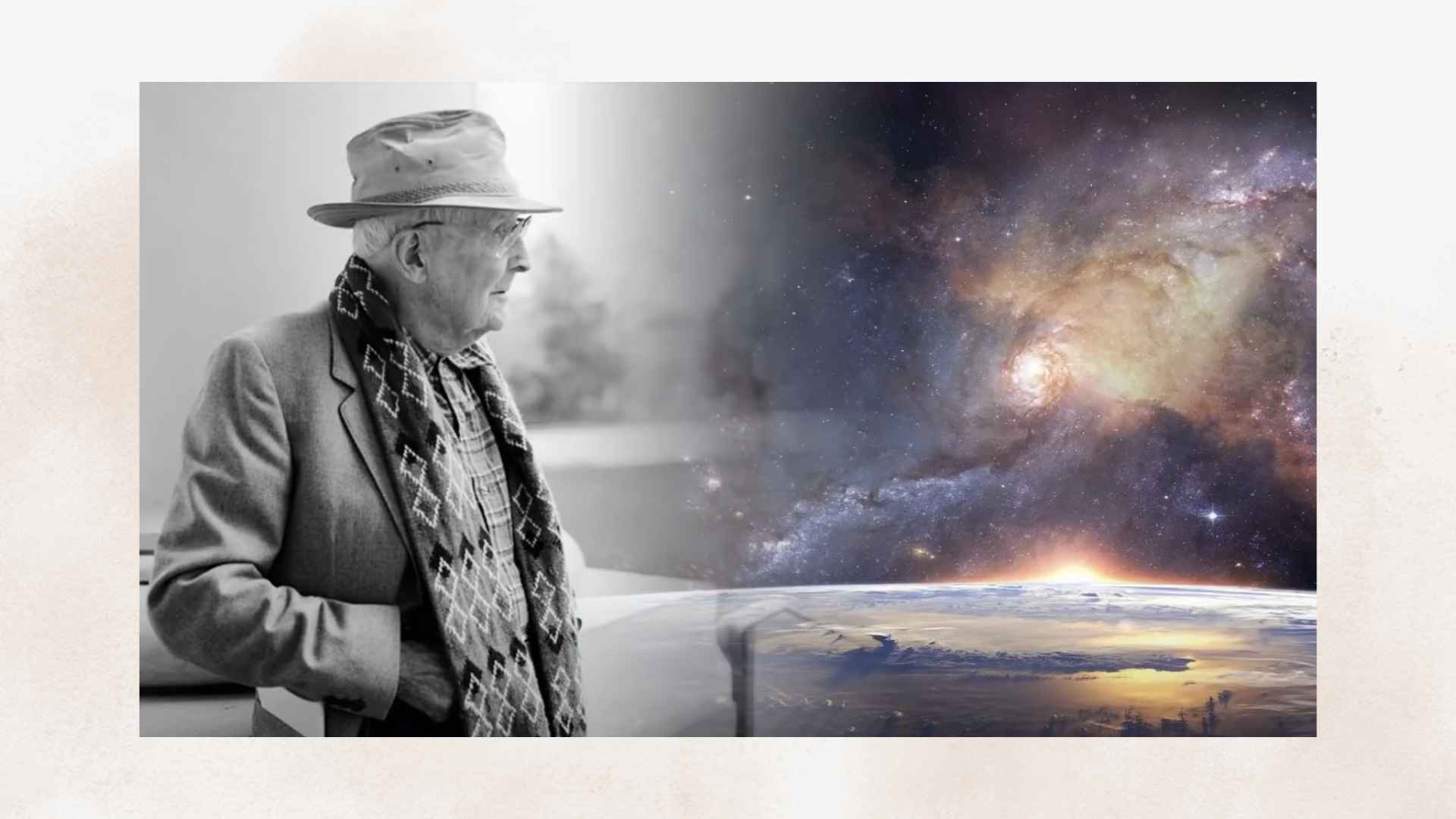
Nibley was permitted to visit the spirit world one more time, this time near the end of his life, and it was a great comfort to him. As he reported to Brett Hall, who directed FARMS in that era, FARMS was heavily involved in Nibley’s affairs toward the end of his life, as many people, particularly Michael Rhodes, worked to get One Eternal Round finally published five years after his death.
And as a prophet, what did he teach? Well, what do any prophets teach in any dispensation? They call us to repentance. And for that reason, we hate them.
We’re on this earth to learn two things, this is Nibley’s mantra: repent and forgive. The angels envy us our ability to repent, and if I master these two things, I am following in the footsteps of the great Hugh Nibley, and that is why he is one of my most unforgettable characters.
Nibley’s Legacy
Truman Madsen’s original title for his religious study center Hugh Nibley compendium was The Nibley Legacy. When the book was actually published, it was Nibley on the Timely and the Timeless because Hugh objected to the word “legacy.” It’s now been 15 years since Hugh departed this life, so perhaps he’ll not mind if we take a look at some of the elements of his legacy.
In 1981, soon after Jack Welch brought farms to Provo, we had a planning meeting in the Smoot Administration Building on BYU campus. About 20 people were present, and we laid out an ambitious agenda for the next 10 years. We wanted to get the scholars in the Church working on scriptural projects to communicate with each other. FARMS ended up facilitating that. We wanted to get scholars not of our faith working on our scriptural canon, and the Nibley Fellowship Program made that happen. The Collected Works of Hugh Nibley got the green light on that day, and the Encyclopedia of Mormonism was contemplated. A massively hyperlinked set of scriptures was envisioned, although the technology to do that in 1981 did not exist.
By the end of the decade of the 1980s, every goal that we established in that meeting in 1981 was well along completion, except for the hyperlink scriptures, which was technology-dependent.
Collected Works
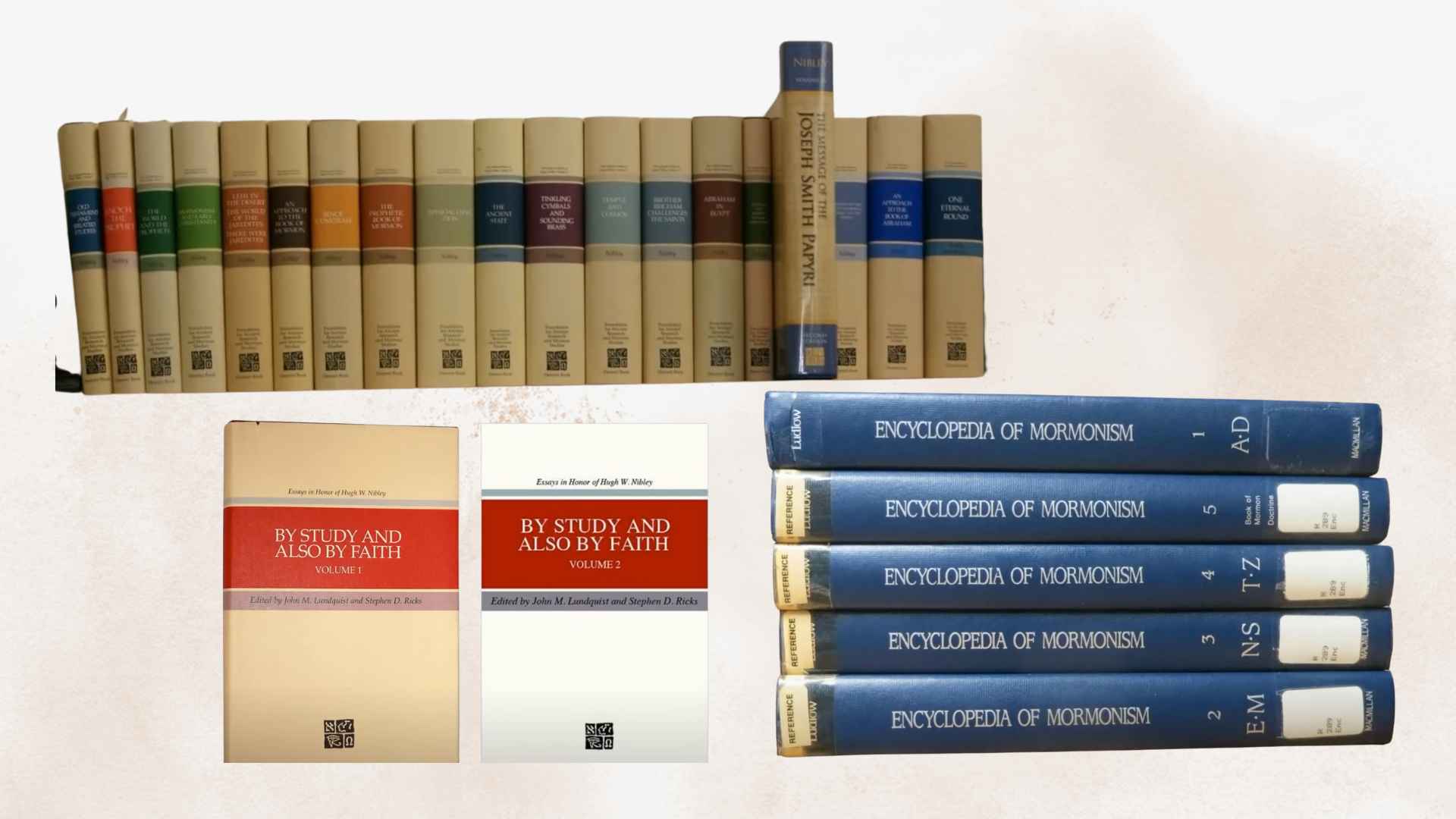
The first four Collected Works volumes and what would eventually become a nineteen-volume set appeared in 1986-1987. Volumes 18 and 19 appeared 24 years later in 2010, five years after Nibley’s birth. This was a 24-year project. The Collected Works was a massive undertaking. It was the largest publishing project in the history of the Church up to that point in time and it set the example for even more ambitious projects to come, such as the Joseph Smith Papers today.
Why did we think the Collected Works were worth this much time and effort? Because Nibley had helped most of us get through college and get through graduate school with our testimonies intact, and we wanted his voice to remain relevant for the rising generation. And I’m proud to say this 19-volume set remains in print today.
The two festschrift volumes, By Study and Also By Faith, honor essays in honor of Nibley, headed by John Lundquist and Stephen Ricks, were printed to look like the Collective Works series. So, overachieving Nibleyophiles such as Lou Midgley, such as Shirley Ricks, such as Gary Gillum, and a host of other luminaries, actually have 21 volumes on their shelf as opposed to just the standard 19.
Further Reading
The Encyclopedia of Mormonism appeared in 1992. In the 1981 planning meeting, we thought it should be like the Catholic Encyclopedia, like the Encyclopedia Judaica, and so, of course, we fully expected it to be published by Macmillan, which turned out to be the case.
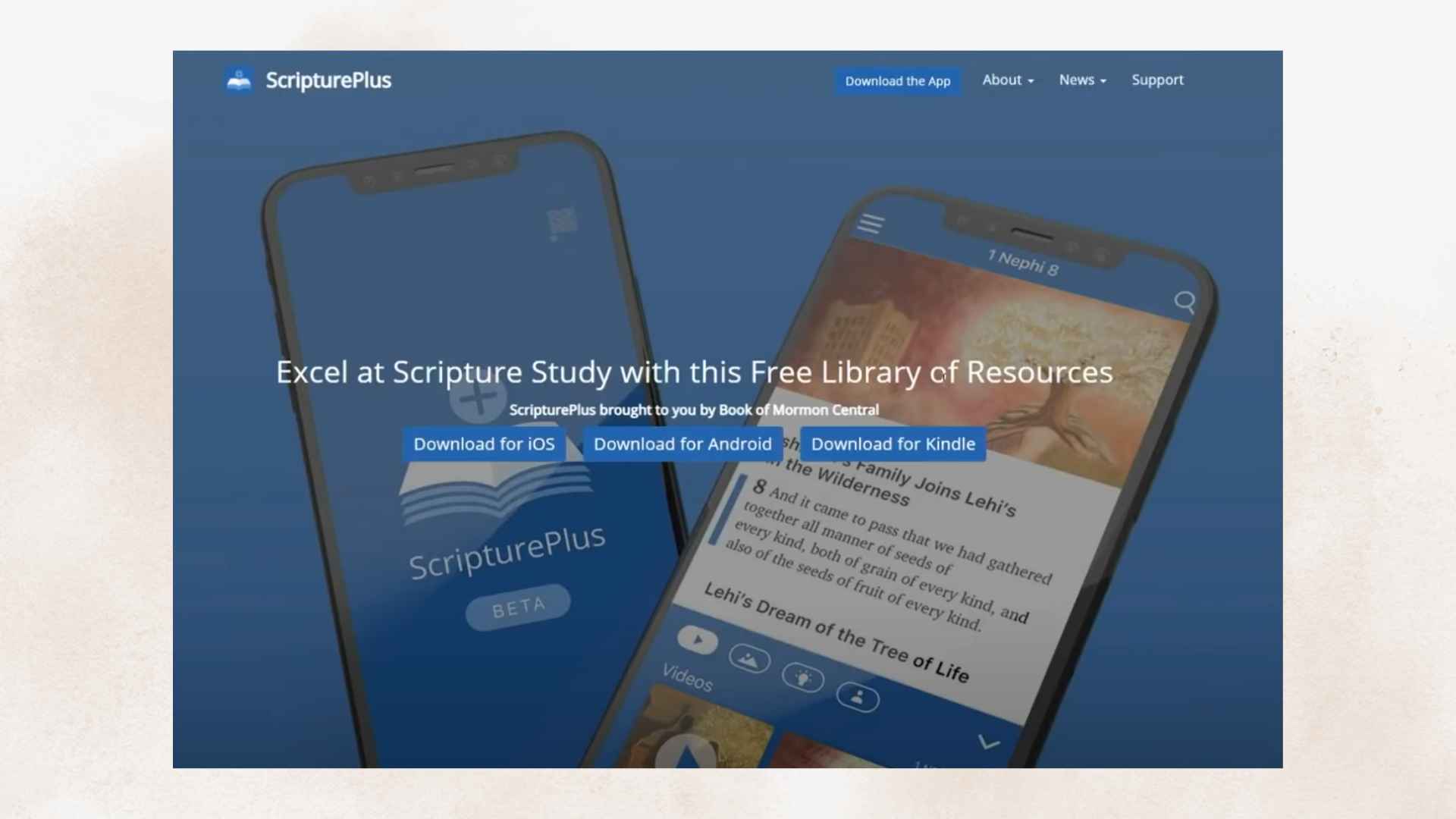
And what of that massively hyperlinked scripture idea that in 1981 was just a glint in the eye of Gordon Thomasson and Bob Smith and myself? Well, Scripture Plus finally appeared in September of 2019. It’s available free of charge on both Android and iOS, and it runs in both English and Spanish. We have more than a hundred thousand active users all over the world, and it has revolutionized scripture study.
Scripture Plus allows you to go from one verse to some enrichment material including commentary, quotations, images, videos, 3D tours, etc., then back to the next verse with just a few taps. This virtuous cycle of verse, enrichment material, another verse, more enrichment material, has proven to be profoundly enlightening to most students. Version two of Scripture Plus is now in development, and it will allow hyperlinking enrichment material at the word or the phrase level, in addition to the verse level. And this will facilitate dictionaries and concordances, in addition to personal study notes and highlighting.
Exploring Nibley Through Literature
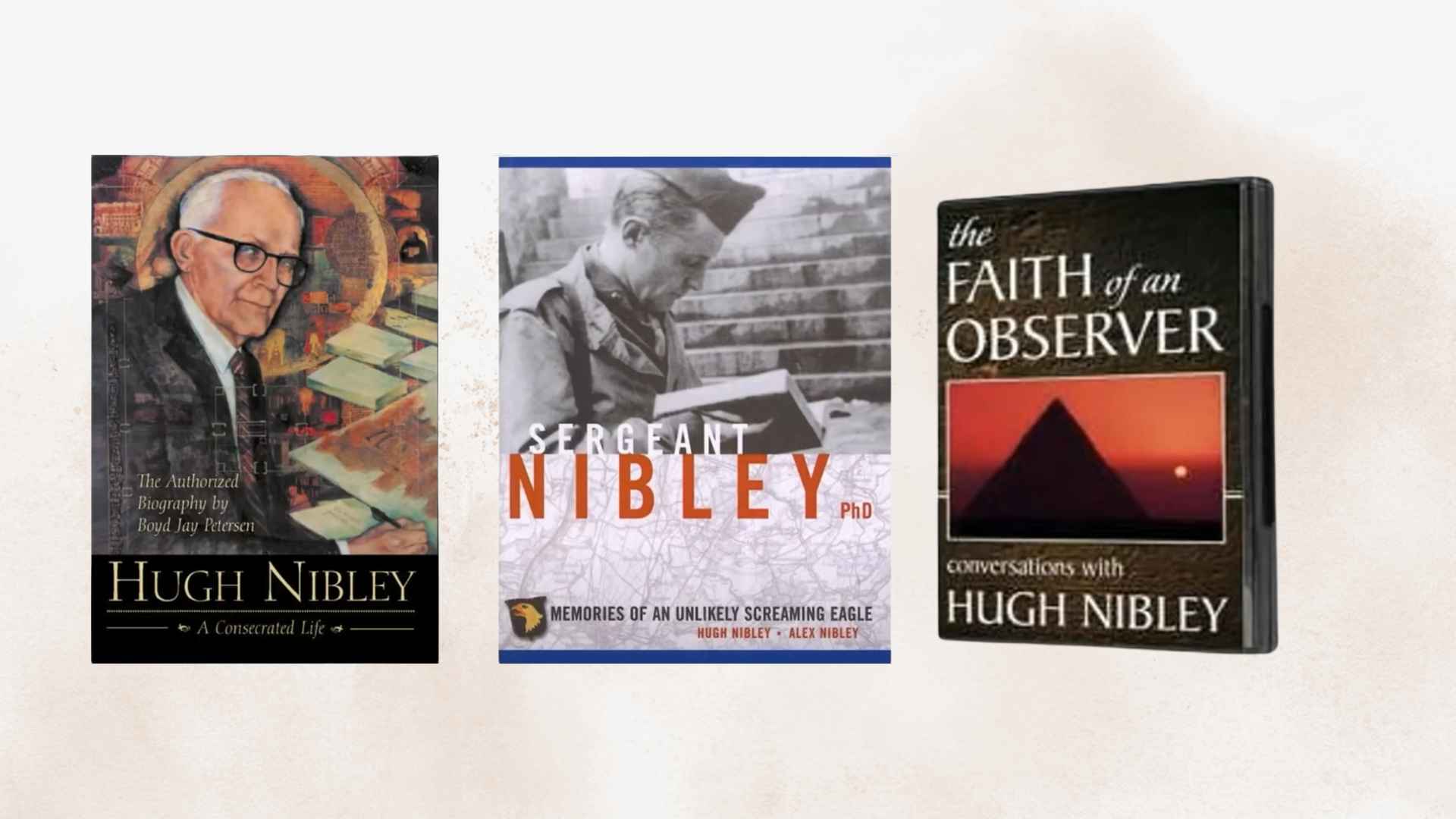
In addition to the 19 Collected Works by Nibley, there are three very good books about Nibley, of course. We’ve almost all read Hugh Nibley: A Consecrated Life by Zina’s husband, Boyd Jay Peterson, published in 2002. This is the authorized biography, and it’s excellent. And then of course, many of us have read Sergeant Nibley PhD: The Memories of an Unlikely Screaming Eagle, the war memoir written by Hugh’s youngest son, Alex, which was published in 2006.
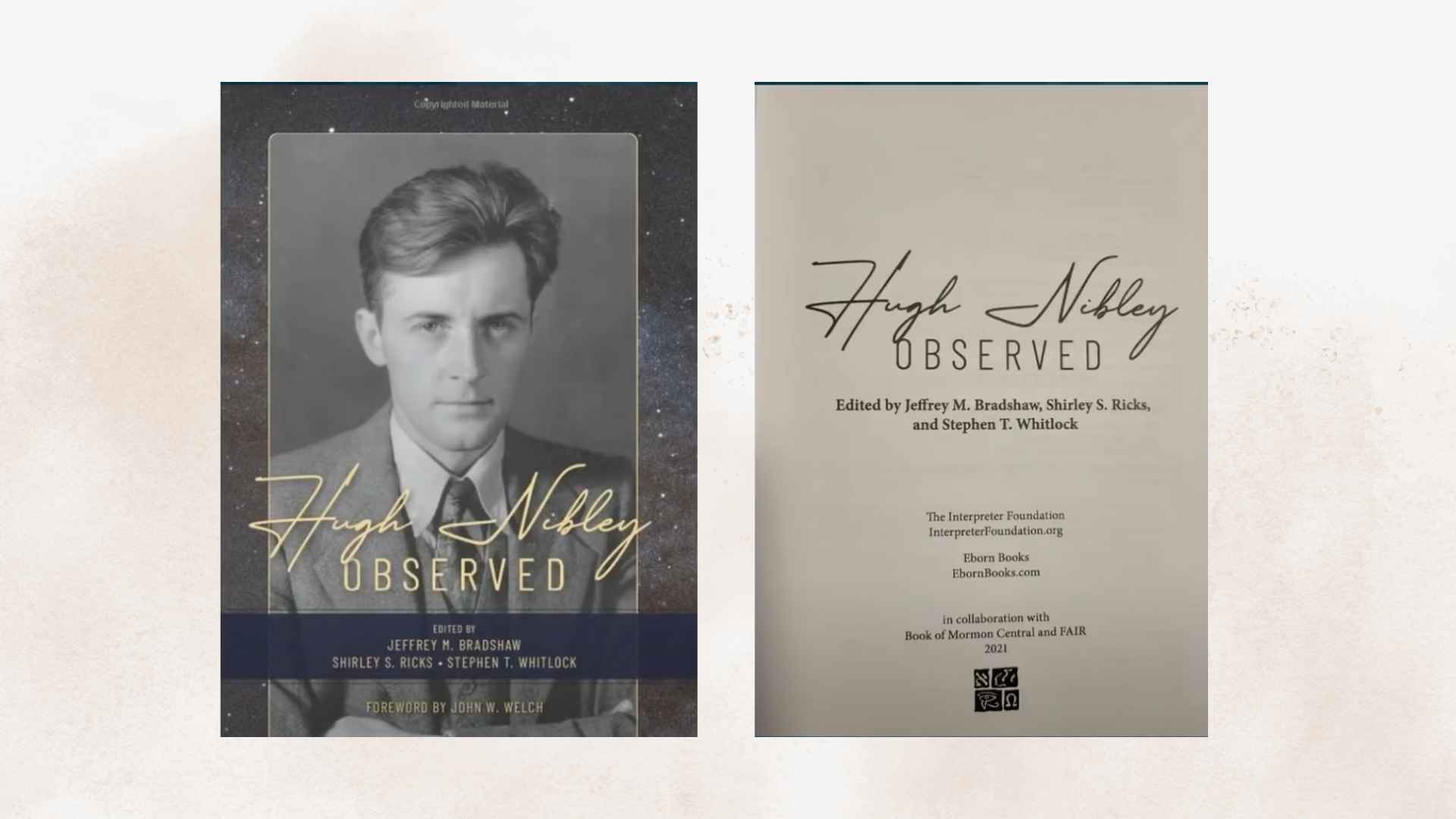
And now, in 2021, we have the wonderful new Hugh Nibley Observed, edited by Jeff Bradshaw, Shirley Ricks, and Stephen Whitlock, with a forward by Jack Welch. Copies are available today, I understand, out in the Fair Bookstore.
The title Hugh Nibley Observed is a play on the terrific documentary film entitled Faith of an Observer: Conversations with Hugh Nibley, co-produced by BYU and FARMS in 1985. And when that film came out, many of us thought it was the best cinematic production we’d ever seen come out of BYU. Alex Nibley, Brian Capener, Peter Johnson, Sterling Van Wagenen were some of the key members of that production team. The best copy of Faith of an Observer currently online is on the Doctrine and Covenants Central YouTube channel.
The Legacy of Farms and its Spiritual Descendants
Hugh Nibley Observed is published by the Interpreter Foundation in collaboration with Book of Mormon Central and FAIR, and you’ll notice that it bears the FARMS logo. Jack Welch owns the FARMS logo; we use it throughout the Book of Mormon Central organization, and Jack has agreed to permit its use on certain high-value book titles going forward.
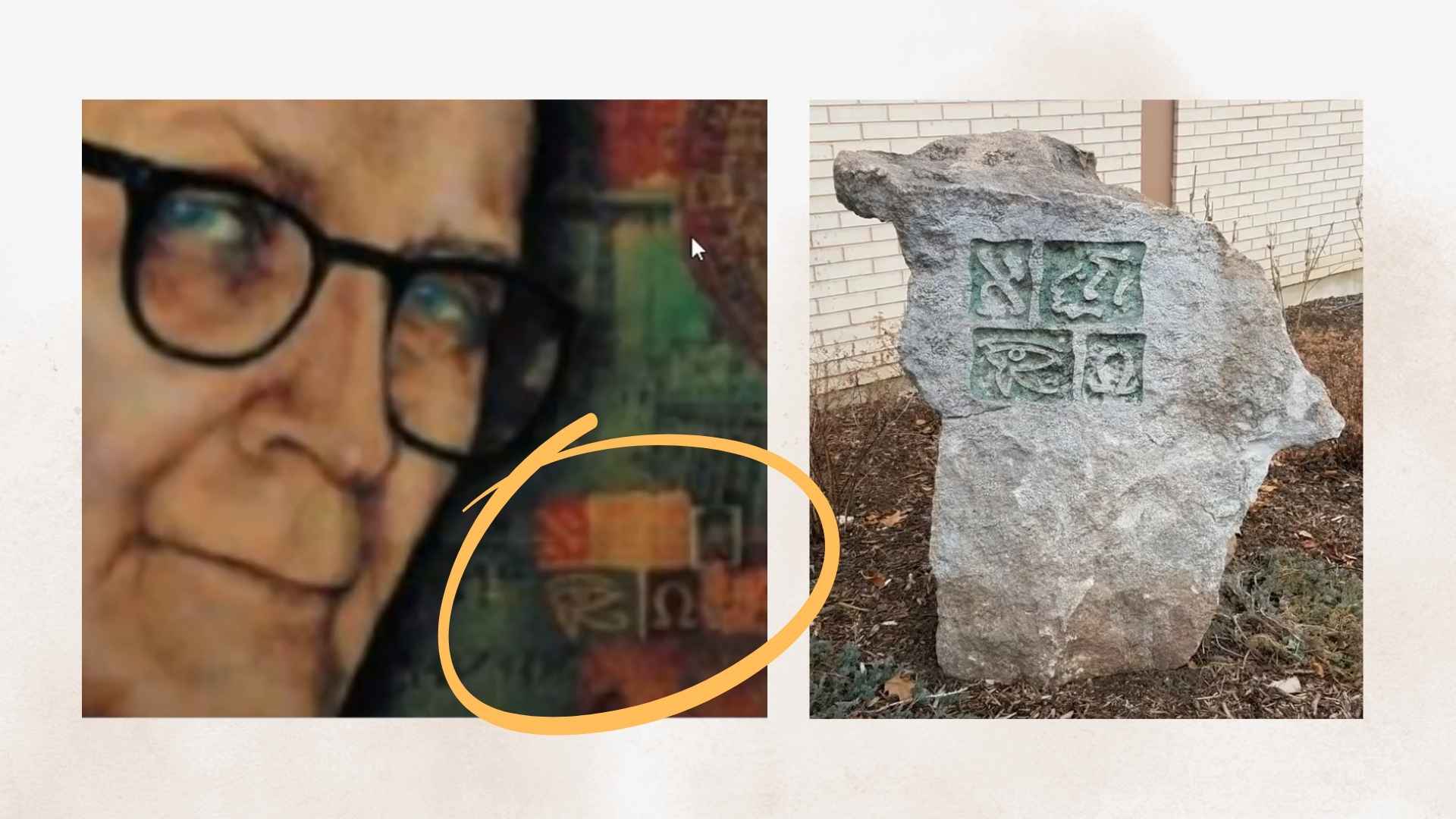
Speaking of the FARMS logo, you’ll notice the Egyptian and Greek blocks from the FARMS logo on the portrait of Nibley by Rebecca Everett that hangs in the Hugh Nibley Ancient Studies Reading Room in the Harold B. Lee Library today, just right down sort of off to the left of Hugh’s glasses. FARMS, which was founded in 1979, was acquired by BYU in 2002 and then disincorporated in 2006.
The Maxwell Institute for Religious Scholarship is its lineal descendant.
FAIR, founded in 1997; Interpreter, founded in 2012; and Book of Mormon Central, founded in 2015, are all perpetuating the Farms’ vision as its spiritual descendants.
The FARMS rock that stood on or near BYU campus for decades is now in the back parking lot of the Book of Mormon Central office in Springville.
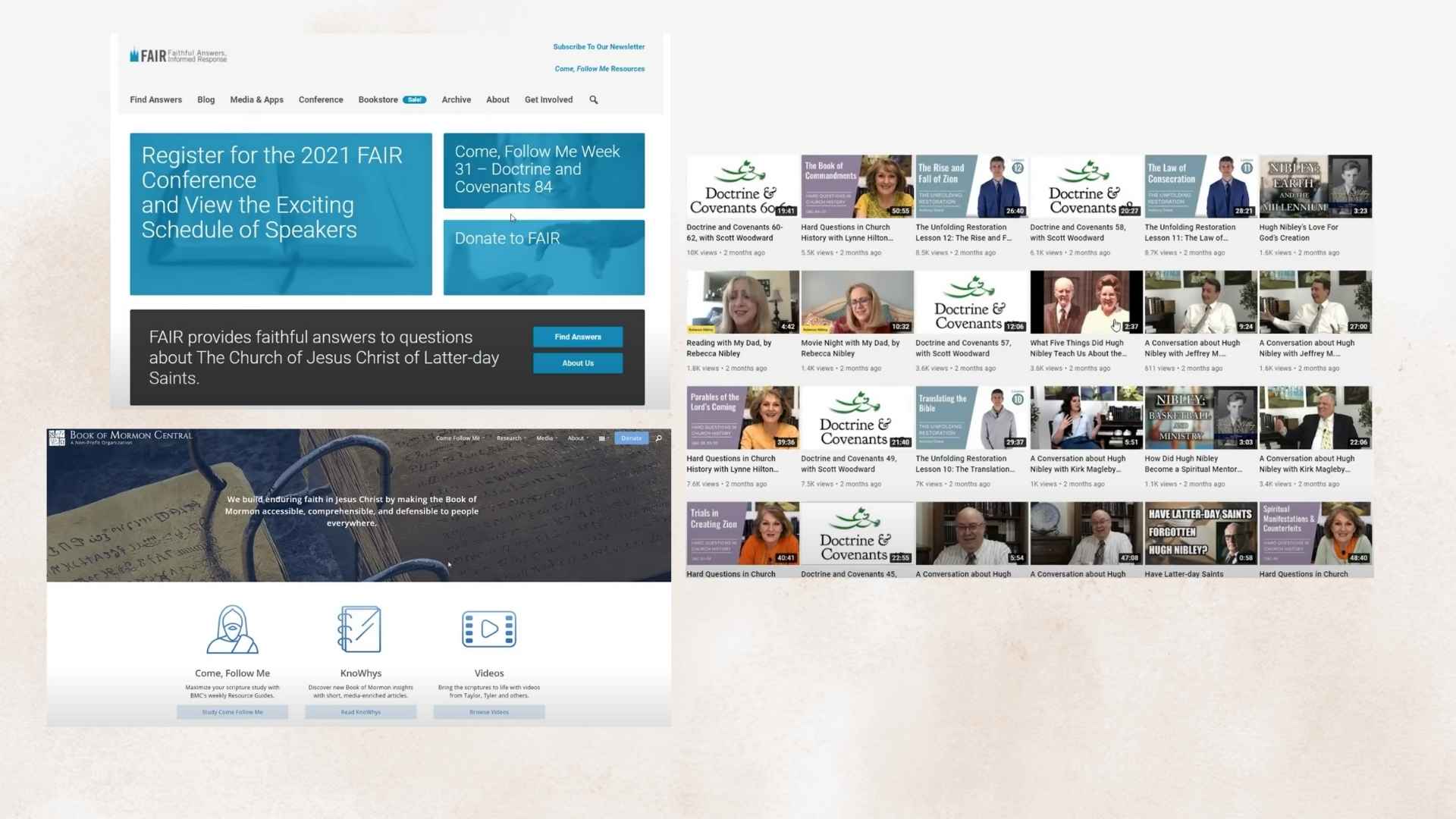
Most of the material FARMS published over the years is now available online free of charge in the Book Mormon Central archive. Jeff Bradshaw’s presentation here in this conference will share some more details about a tremendous new asset, a new comprehensive bibliography of Hugh Nibley material.
Hugh Nibley Observed
As part of the Hugh Nibley Observed project, we’ve posted 23 videos on the Doctrine and Covenants Central YouTube channel featuring various contributors sharing insights and personal stories about Nibley. For instance, the middle daughter, Rebecca, shares tender stories about reading with her father and going to the movies with her dad.
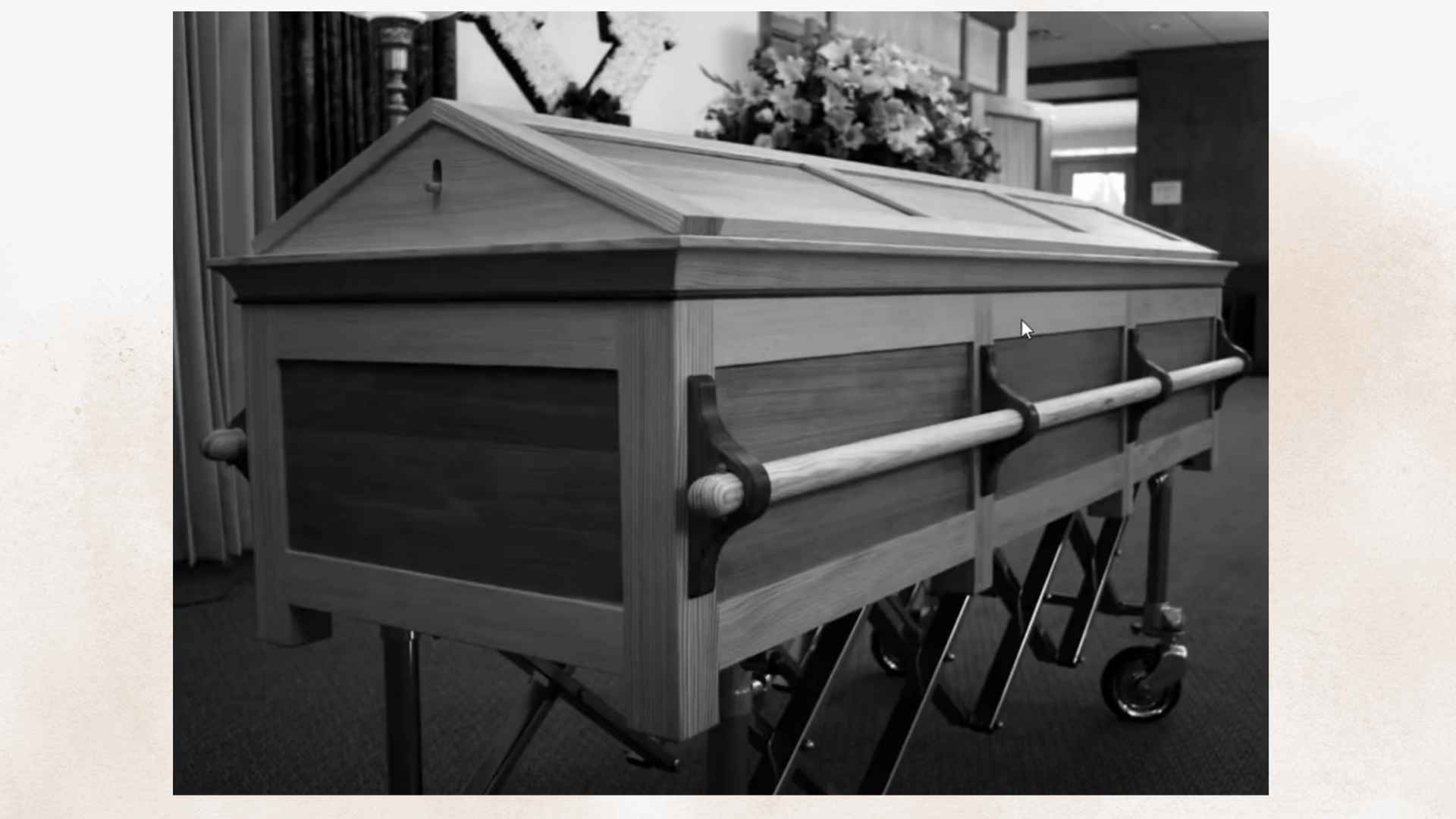
Some of my favorite parts of the Hugh Nibley Observed book are the talks given at his funeral. Those of us who were in the Provo Tabernacle that day will always cherish the memory of that joyous event. Even in death, Hugh Nibley was unforgettable.
Building Upon Nibley’s Legacy
So where do we go from here? What are we doing with the legacy that Nibley left us?
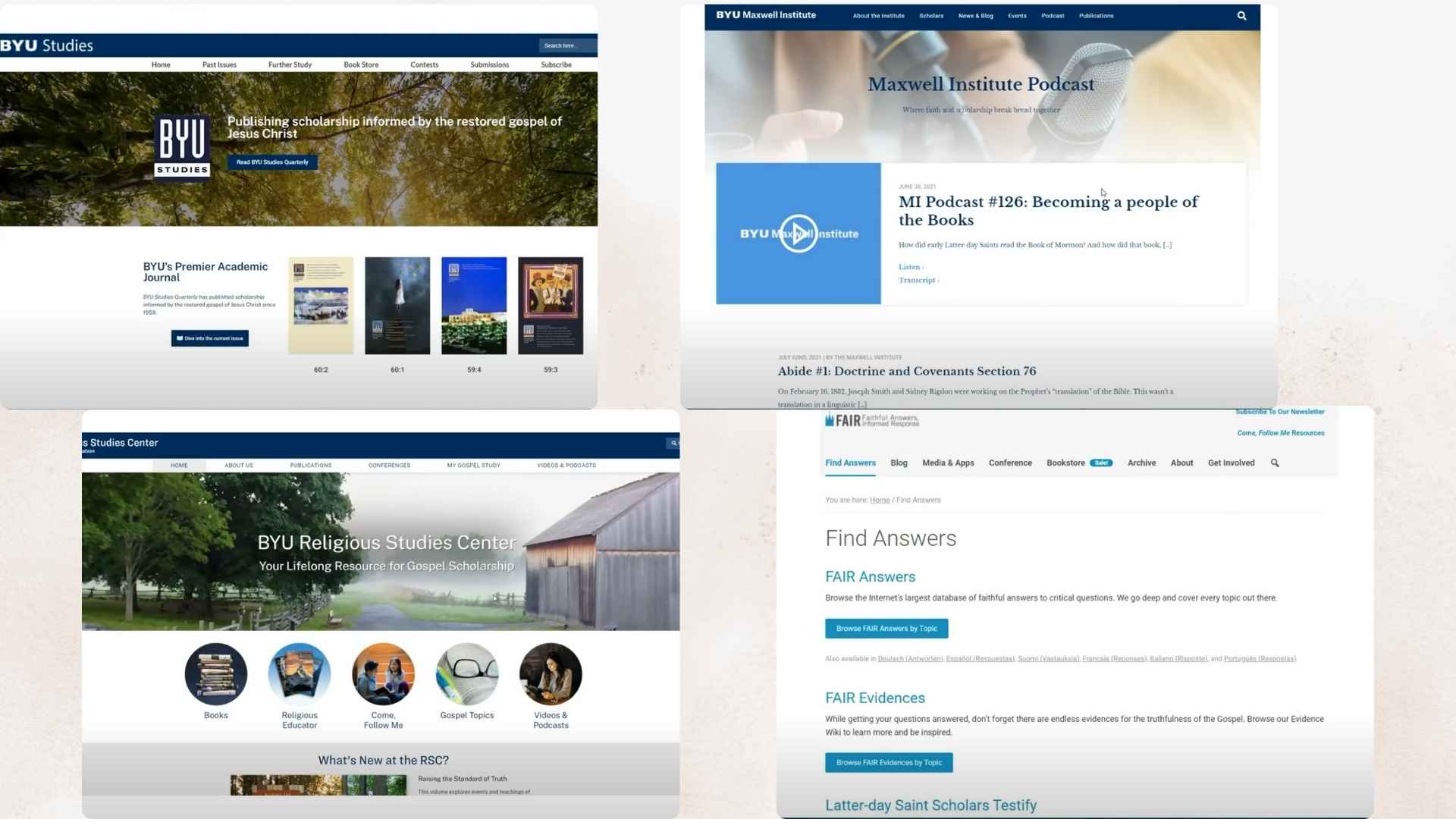
The institutional Church’s Come Follow Me program of systematic gospel study coordinated across auxiliaries and constituencies is a tremendous innovation.
It’s been gratifying to see a wellspring of grassroots support for this initiative and a plethora of content producers actively helping Latter-day Saints engage with this weekly material. Personally, I am currently serving a Church service mission with the Priesthood and Family Department, helping to build an ecosystem around Come Follow Me and the Church’s gospel studies tools, such as the Gospel Library app and the exciting new Gospel for Kids app.
BYU Studies, the Religious Studies Center, and the Maxwell Institute continue to publish solid material. FAIR is becoming more focused, modern, and effective.
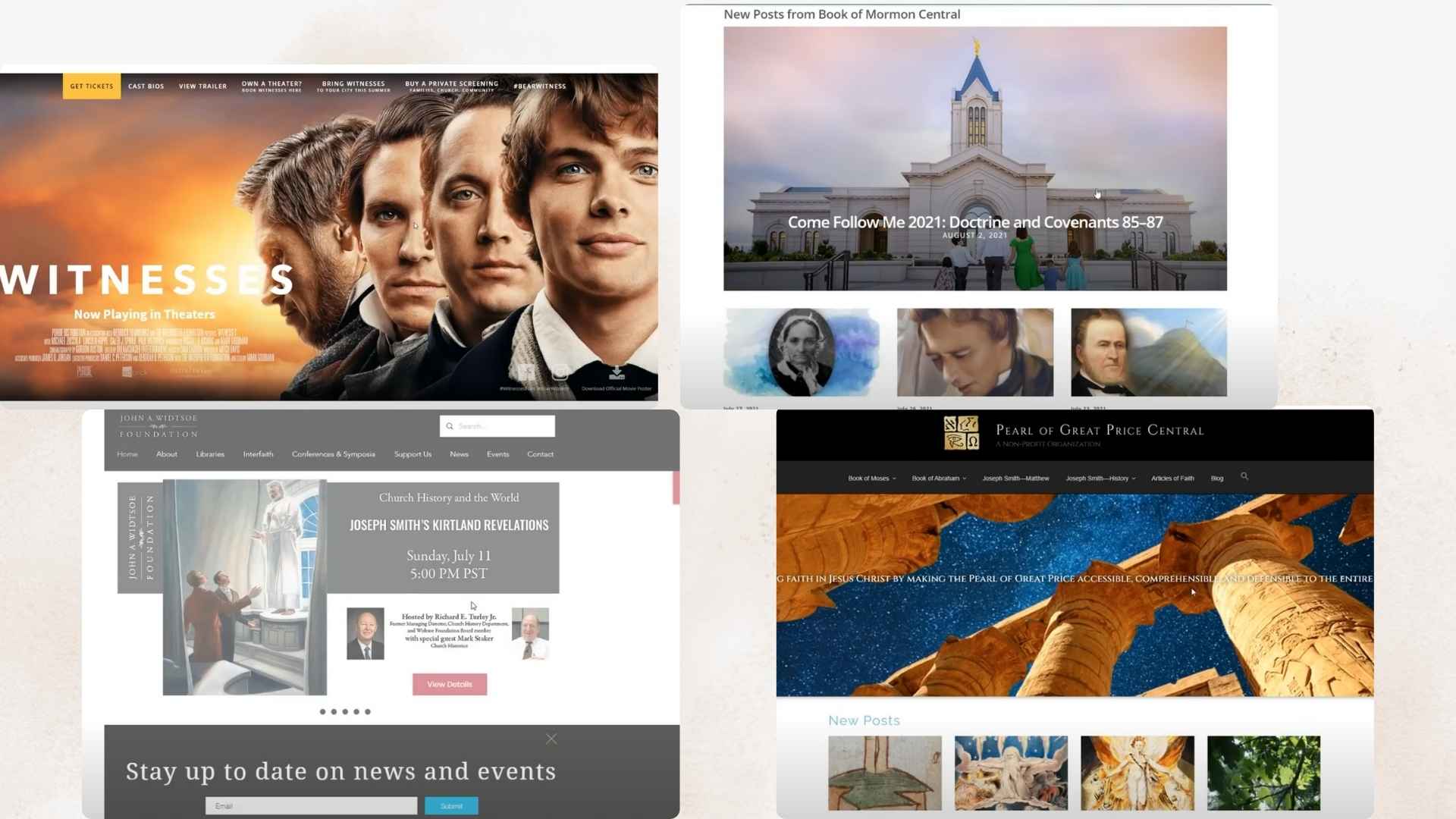
Interpreter is growing, strengthening, and diversifying. The John A. Widtsoe Foundation is coming on strong in Southern California. I’m blessed to be Book of Mormon Central’s Executive Director. We have 40 employees in five countries. We currently engage one million unique people every week in three languages. In addition to Book of Mormon Central and Doctrine Covenant Central, we have Pearl of Great Price Central, Evidence Central, and Seminary Central.
Additional Resources
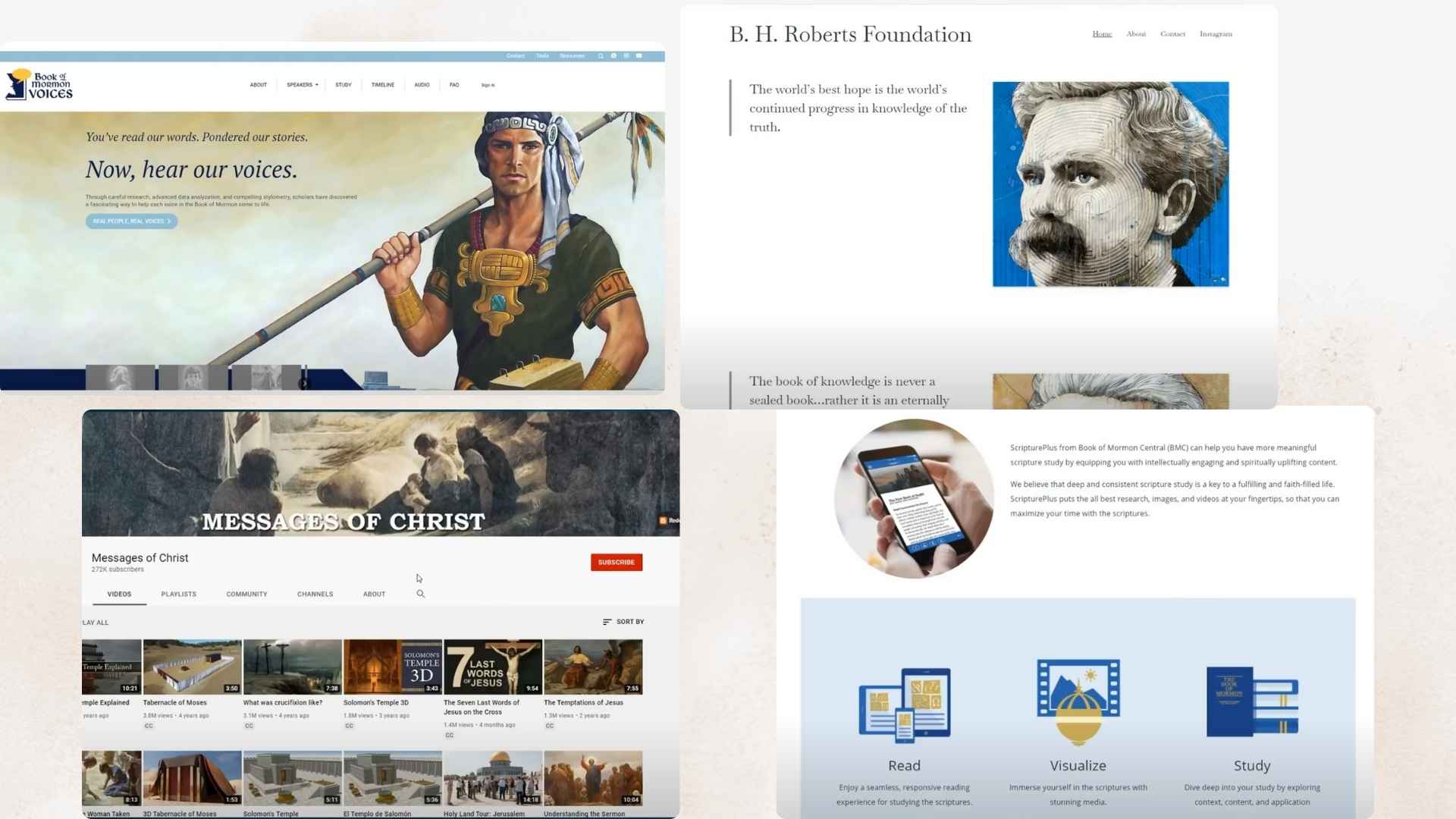
Book of Mormon Voices is coming. You’ll be introduced to Evidence Central and Book of Mormon Voices in the next two sessions this morning.
And Messages of Christ is our offering to those not of our faith. Some of the videos on this particular channel have more than three million views.
And there are some new kids on the block.
The BH Roberts Foundation will begin making significant waves very soon.
Scripture Plus, or Book of Mormon Central, is a terrific way to feast on the words of Christ. Serious students of the scriptures love it. But what about the millions of Latter-day Saints who simply do not make scripture study part of their daily routine? If a person does not voluntarily come to the scriptures, is it possible we could send the scriptures to them? Well, the answer is yes. With today’s push technology on mobile devices, we can literally send the scriptures to anyone who’s willing.
Enter the Come Follow Me Foundation affiliated with Book of Mormon Central.
The new Come Follow Me app currently going viral around the Church is a nearly foolproof way to spend five quality minutes with the scriptures in a daily devotional that quickly becomes habitual. This has been written, devised, designed by psychologists, by specialists in online user experience, and this is quite an app.
Conclusion
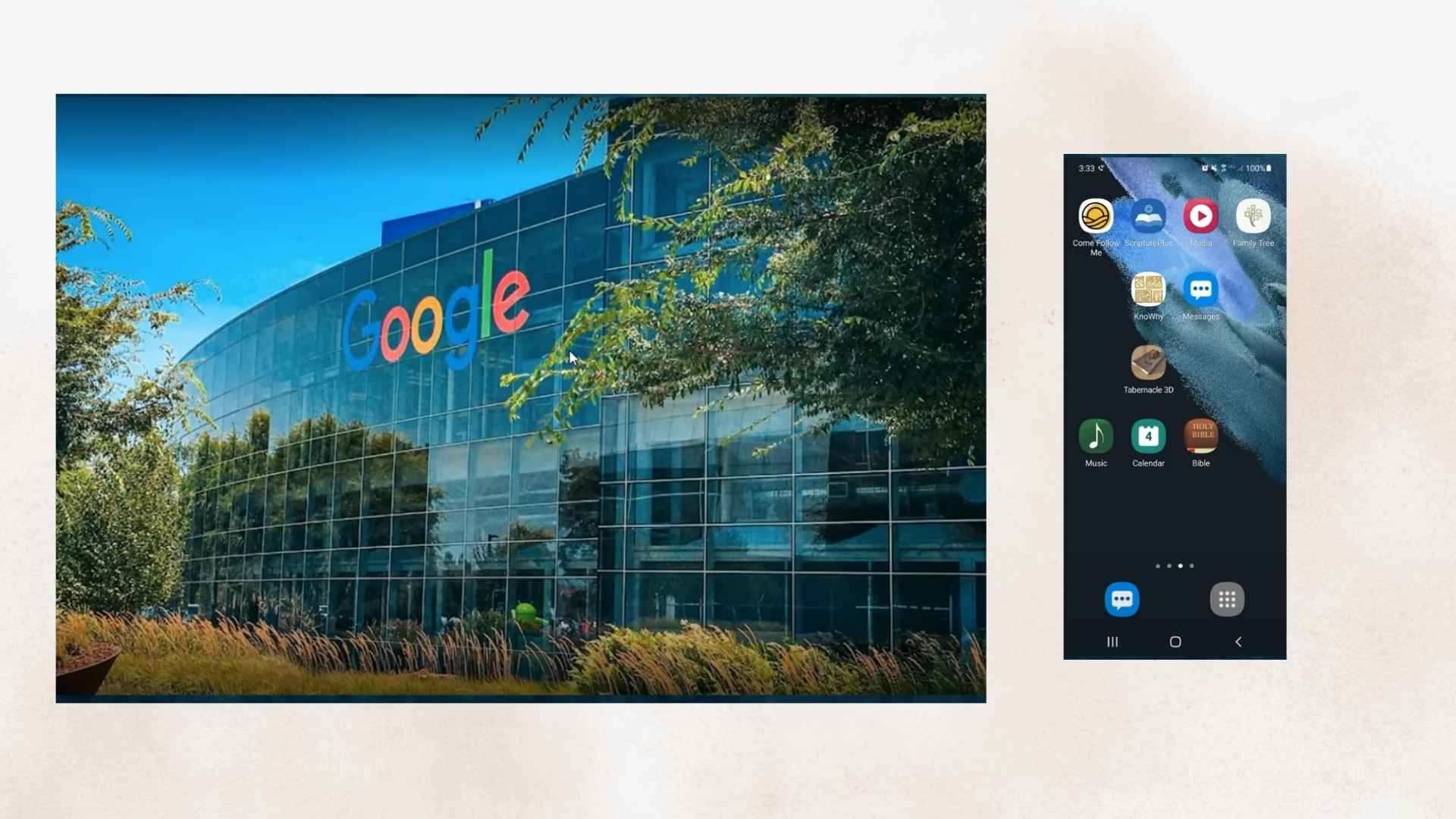
On Friday, March 9th of 2018, I led a team from Book of Mormon Central to Google headquarters in Mountain View. Elders Anderson and Bednar had been there just a couple of weeks before. As he realized that Google has eight different products, each with over a billion users worldwide, Elder Bednar said, “We in the Church need to raise our sights and increase our expectations.” In our case, we asked the assembled Googlers a simple question: if you wanted to get the Book of Mormon in front of hundreds of millions of people around the world who would read it and cherish it, what would you do?
And the consensus came back: build an app. With a popular Scripture Plus app and the even more popular Come Follow Me app, we’re now beginning to realize what the Googlers meant.
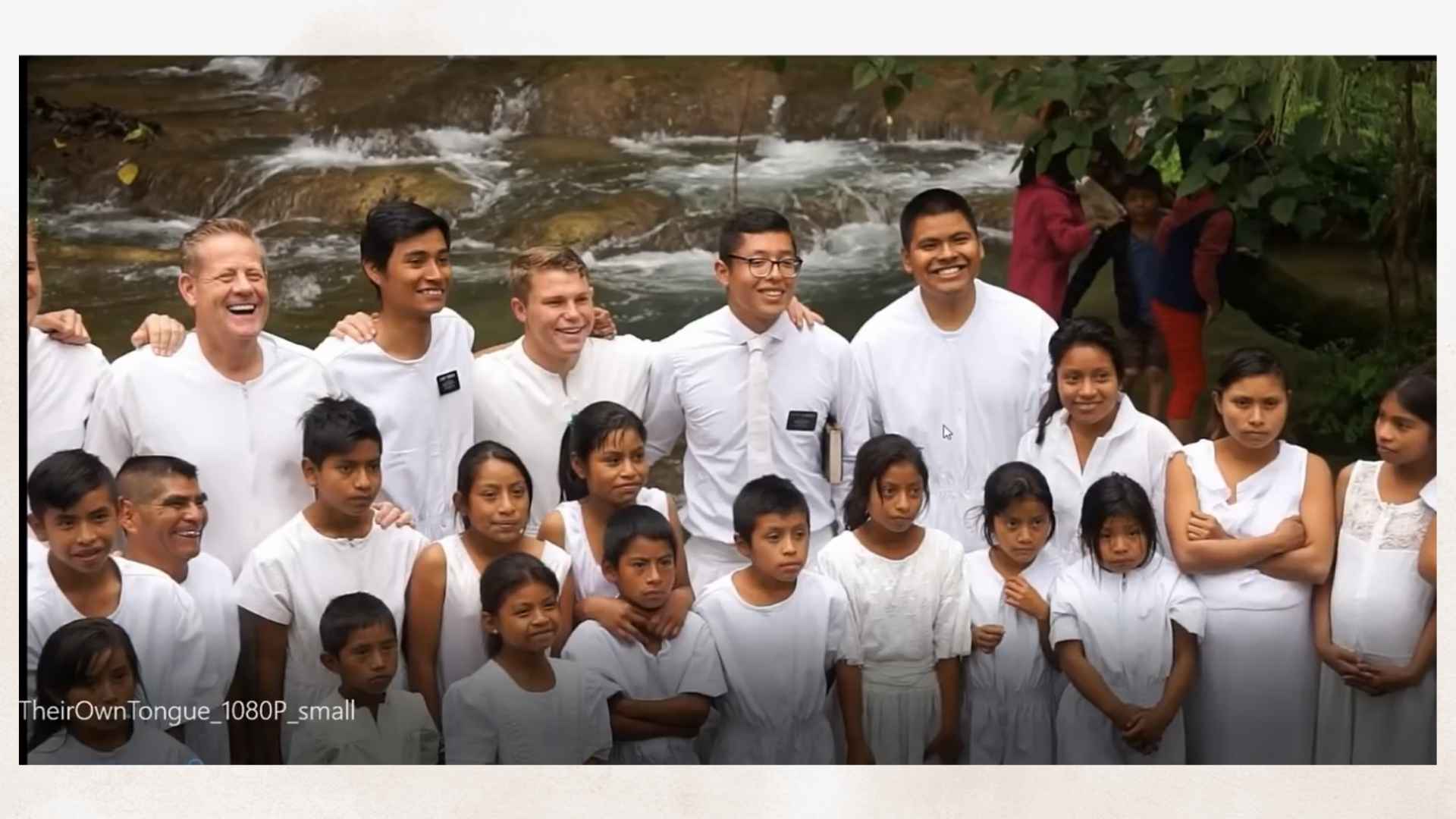
And I’ll share one more heartwarming story. The Church’s Book of Mormon videos are officially translated into 15 languages, but that leaves out many people. If you’re not literate, for instance, these videos are a great way to absorb the spirit of the Book of Mormon even if you can’t read the words. As we speak, hundreds of copies of the Book of Mormon videos dubbed into Tseltal Mayan are circulated among the Saints and their friends in the Los Altos Highlands of Chiapas, Mexico. The Tseltal Mayan project has been so successful as a joint venture between Escalara Foundation and Book of Mormon Central that Tulsi Mayan is now underway, and K’iche’, Mam, Quechua, Aymara, and numerous other Native American languages are on deck. I hope Hugh appreciates where all of this is going.
Scott Gordon:
Thank you so much for that wonderful description of Hugh Nibley’s life and experiences. I have a question that I’ve always had, and I don’t think you know the answer to it, but I’m going to ask it anyway. How many languages did Hugh Nibley speak anyway?
Kirk Magelby:
Well, he publicly acknowledged 16. The question becomes what was a language? I mean, how much command do you have to have of a language in order to include it? And he was able to do some level of work in at least a dozen more. Some people say as many as 20 more. But once you get a person that skilled, and someone who is that adept at language, things tend to come, patterns seem to make sense. But the reliable number that he referred to over and over again was 16.
Scott Gordon:
What do you think Hugh Nibley would think of Book of Mormon studies today?
Kirk Magelby:
Well, Hugh would be disappointed at some of the routes that contemporary academics have taken us. The notion that we have to be politically correct on college campuses today, the fact that diversity, equity, and inclusion are the highest and greatest values that academic institutions value above all else, the fact that we’re going back and trying to rewrite history to just to be politically correct, he would not appreciate that in the least. In fact, he’d have apocalyptic things to say about such things as toppling statues and renaming buildings and so forth.
On the other hand, as I’ve tried to share in the presentation, I believe Hugh would be thrilled and delighted at the ways that Book of Mormon scholarship and Pearl of Great Price scholarship, and gospel scholarship in general are now being democratized and made available all over the world.
I’ll give you one little quick example. We had a report come in from one of the mission presidents in Argentina. The most powerful Come Follow Me presentation in English is Tyler Griffin and Taylor Halverson on the Book Mormon Central YouTube channel. But the most powerful presentation in Spanish is Pepe Valle on the Book Mormon Central Spanish YouTube channel. And this mission president in Argentina said, “During the pandemic, since we couldn’t have people come to church and yet they had to go to church before they get baptized, so he said, ‘Okay, you guys watch 10 weeks of Pepe Valle on YouTube and that’ll count for having gone to church.’ So we were thrilled. We sort of chalked that one up to okay, we’re doing some good in the world.
This sort of global democratization, I think he would be thrilled with. I’ll give you one other example. This also came back from Argentina. There is a little branch down there in the town of Tucuman in the mountains of Argentina, and a fellow came back from there and said, “You know what? The Spanish version of Scripture Plus is the way they do Priesthood Meeting, the way they do Relief Society, the way they are doing gospel doctrine in this little branch that I think would thrill you.
Scott Gordon:
So I have one more question for you, which is, Hugh Nibley, you know, he was a while ago, so why should Latter-day Saints today study Nibley and how outdated is his work?
Kirk Magelby:
Hugh Nibley was a prophet; the words of prophets age gracefully compared to most other corpora of texts. Much of Hugh’s work is very much in his setting. It’s coming out of the Depression, it’s coming out of World War II, it’s coming out of the ’50s and so forth. But then the Book of Mormon is coming out of Mesoamerica in the pre-Classic times, and in some cases, we can go to Captain Moroni and say, “This is 75 BC, and we know some things are happening on the ground in this part of the world in 75 BC.” So as long as setting is taken into account, I believe Nibley’s words will last forever. I mean, there are some things that just do not go out of style. Prophets have been calling us to repentance forever, and he was a particularly adept caller to repentance.
Scott Gordon:
Thank you so much for your time and your efforts. I do have one more thing for the audience. I’m going to do something I wasn’t planning on, but all those who studied under Nibley or took a class from Nibley or anything in the audience, could you please stand? Okay, let me see that. That’s our crowd there. So let me add one other thing. Anyone who’s read one of Nibley’s works, please? So he’s had an impact.
So with that, thank you very much, Kirk. Thank you.
coming soon…
Why don’t we have definitive archaeological evidence for all Book of Mormon locations?
Kirk explains the difficulties of archaeological research and how many ancient sites remain undiscovered or misidentified.
How can geography in the Book of Mormon be reconciled with modern maps?
Emphasizes the importance of understanding ancient travel patterns, naming conventions, and geographical shifts over time.
Demonstrating the consistency of Book of Mormon descriptions with Mesoamerican geography.
Providing faithful frameworks for understanding Book of Mormon geography amidst scholarly debates.
Encouraging further research and open-mindedness within faithful contexts.
Share this article
