Summary
Dan Peterson explores how we often only grasp the significance of historical events in hindsight. He draws inspiration from Søren Kierkegaard’s idea that life can only be understood backwards, though it must be lived forwards. Peterson reflects on the idea of providence and divine patterns, using examples from history, including biblical figures and the early Latter-day Saints, to emphasize how events that seemed insignificant or chaotic at the time often reveal larger purposes later. He introduces his upcoming film project Six Days in August, which explores the leadership succession crisis following Joseph Smith’s death, and those experiences that prepared Brigham Young and the Twelve to lead the Church.
This talk was given at the 2023 FAIR Annual Conference at the Experience Event Center in Provo, Utah on August 2, 2023.

Dr. Daniel C. Peterson is president of the Interpreter Foundation and a former professor of Islamic studies and Arabic at BYU. He has been a prominent voice in Latter-day Saint scholarship, producing films such as Witnesses and Undaunted and contributing extensively to apologetics, interfaith dialogue, and religious education.
Transcript
Introduction by Scott Gordon
We’re doing something completely different this year, which may come as a bit of a shock. For the past 21 years, Dan Peterson has always been the final speaker at our conference. To shake things up, Dan is our first speaker this year.
Dan Peterson is the president of the Interpreter Foundation, which publishes the online periodical Interpreter: A Journal of Latter-day Saint Faith and Scholarship, produces books, convenes conferences, and sponsors a weekly radio program. He and his wife are executive producers of the 2021 theatrical film Witnesses and served in the same capacity for its 2022 docudrama sequel Undaunted: Witnesses of the Book of Mormon. There’s much more to his bio, which you can read on the website fairlatterdaysaints.org. And with that, I’m going to turn the time over to Daniel C. Peterson.
Presentation by Dan Peterson
Well, it’s good to be here, although it’s a little weird to be speaking at this time. I’m usually not awake before noon! Despite the appearance of the title slide, I’m not going to be giving this pa-Ruski, so let’s just move ahead.
A Recap of Theatrical Endeavors
As was mentioned, I was involved in the film project Witnesses, which is almost finished. I hope many of you have seen the theatrical film Witnesses, and if not, I hope you’ll watch the docudrama Undaunted.
Originally, we intended to produce the docudrama first, and the theatrical film came as a bit of an afterthought. The film was designed to build up to the documentary or docudrama, which involves interviews and additional footage, covering not just the Three Witnesses but also the Eight Witnesses and unofficial witnesses.
I hope some of you have also seen the short features we’ve made available online, including on The Interpreter website. These “Insights” videos are typically 7 to 12 minutes long and are free to watch. They address questions about the witnesses and respond to issues raised by them.
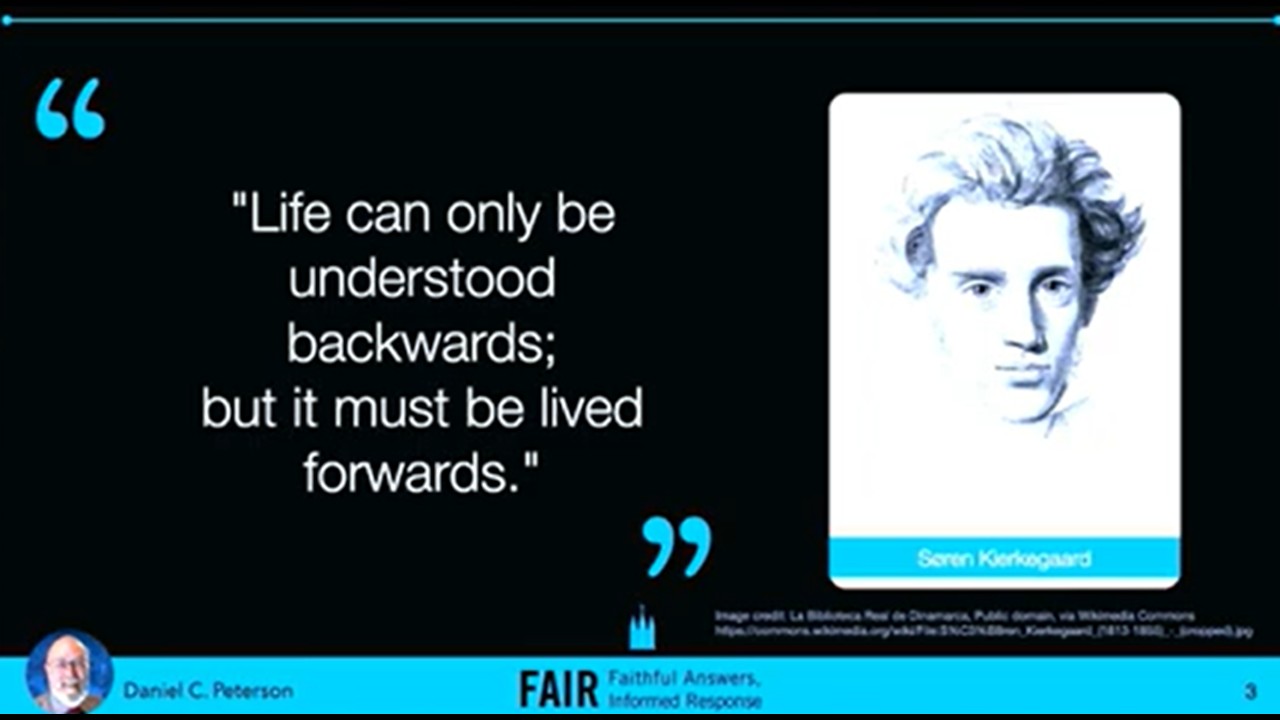
But today, I want to talk about something a little different. It’s related to another film project, and the theme is inspired by the Danish philosopher Søren Kierkegaard. He said,
Life can only be understood backwards, but it must be lived forwards.”
I think that’s true. We often understand the significance of events only in retrospect, which is why we are encouraged to keep journals and write autobiographies. When we look back, we see how things that seemed small at the time had a major impact on our lives.
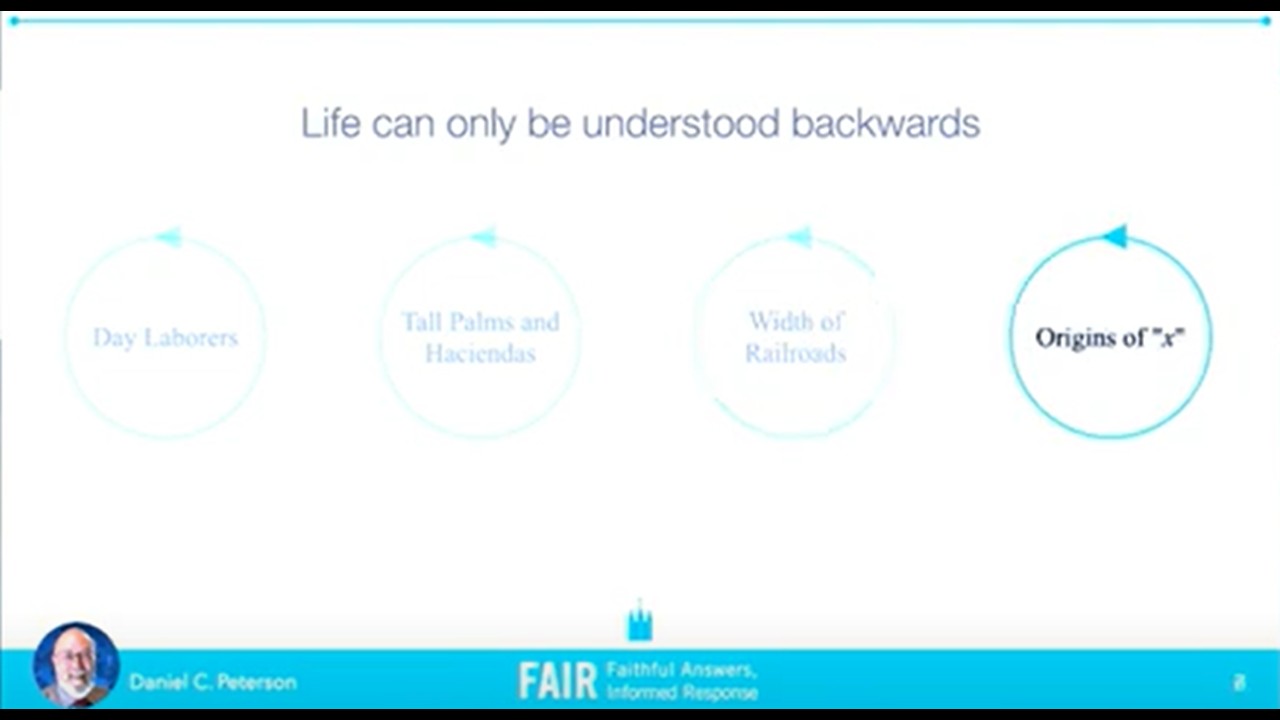
That’s a little of what I want to talk about today, in connection with our new film project. I like to explore the origin stories of things, how we got to where we are today. I’ll give four quick examples that show this and try to be quick.
Personal Examples of Understanding Life Backwards
While I was at UCLA, I remember one day noticing—actually, I noticed several days in a row on my commute up to campus —that there were a group of day laborers gathering in a really posh area of West L.A., among the skyscrapers.
I remember thinking to myself, probably a little bit negatively—I shouldn’t confess this, my online critics will have a field day with this one—but I thought, “Well, the area is kind of going downhill a little bit. You’ve got all these people gathered out there, hiring themselves out for day labor.”
Shortly thereafter, I learned something really interesting: they had been gathering there since a century before, when that area, which is now West Los Angeles, was bean fields.
There were agricultural laborers who would meet on that very spot, and they just kept meeting there as the skyscrapers went up around them. So now, the nature of their day labor had changed—they were working in houses, gardens, and lawns, not in bean fields.
Another one I was told while we were staying there—I’m not sure if this is true—but growing up in Southern California, I noticed there were a lot of places where tall palm trees were lined up in double rows, or a row on each side of a street, going down for a block or two.
Someone told me, “You know what those are? In many cases, those were once the entryways to haciendas. The carriageway is no longer there, the hacienda is long forgotten, and it’s now a suburban area. But those palm trees outdate all of that.” That was very interesting to me.
Now, here’s a question. Why are railroads the width they are? It’s purely arbitrary. Carriage makers made carriages of a certain width, and when they began making railroad carriages, they began to make the rails that distance apart because that was the length of the axles they normally used.
Or, another one that interests me as an Arabist: the origin of the letter “X” as a symbol for unknown quantities. You know, “solve for x,” “x marks the spot,” or “Brand X,” or whatever it is.
It turns out that’s an artifact of translation from Arabic to Spanish in the Middle Ages. The letter “X” used to represent the sound “sha” in Spanish, which represented the Arabic word “shai,” which means “thing” or “something.” Now, nobody remembers that today for the most part, but there’s a story behind “X.” You know, why isn’t it “Z”? Why isn’t it “B”? Why not “A” or “Alpha” or something like that?
So, you can often understand things in retrospect when you look back and think, “Ah, that’s how we got here.”
Scriptural Example of Understanding Life Backwards
Now, a really good example of understanding life backwards is Joseph of Egypt
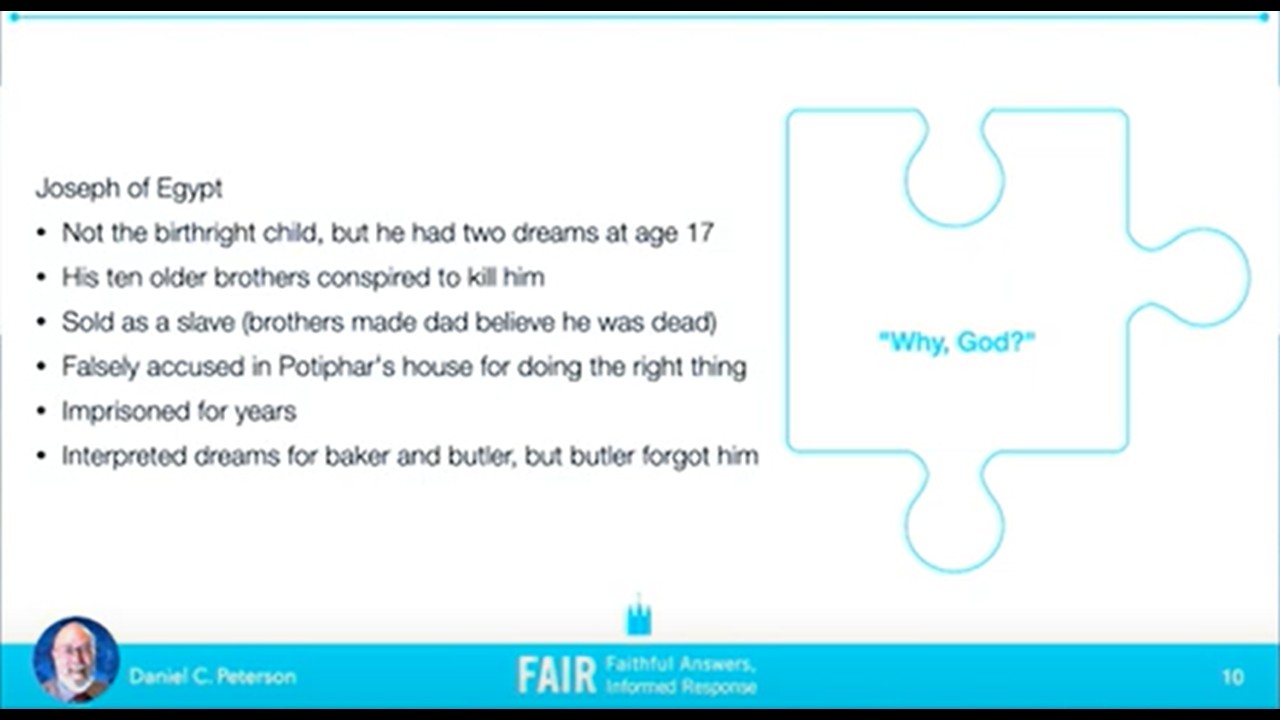
Joseph had a really rough life, and I’m sure there were times when he wondered,
God, why? Why is this happening to me? I’ve tried to live a good life, but why is this happening to me?”
All sorts of things happened to him, and he must have asked that question from time to time. But it was only in retrospect that he could understand it.
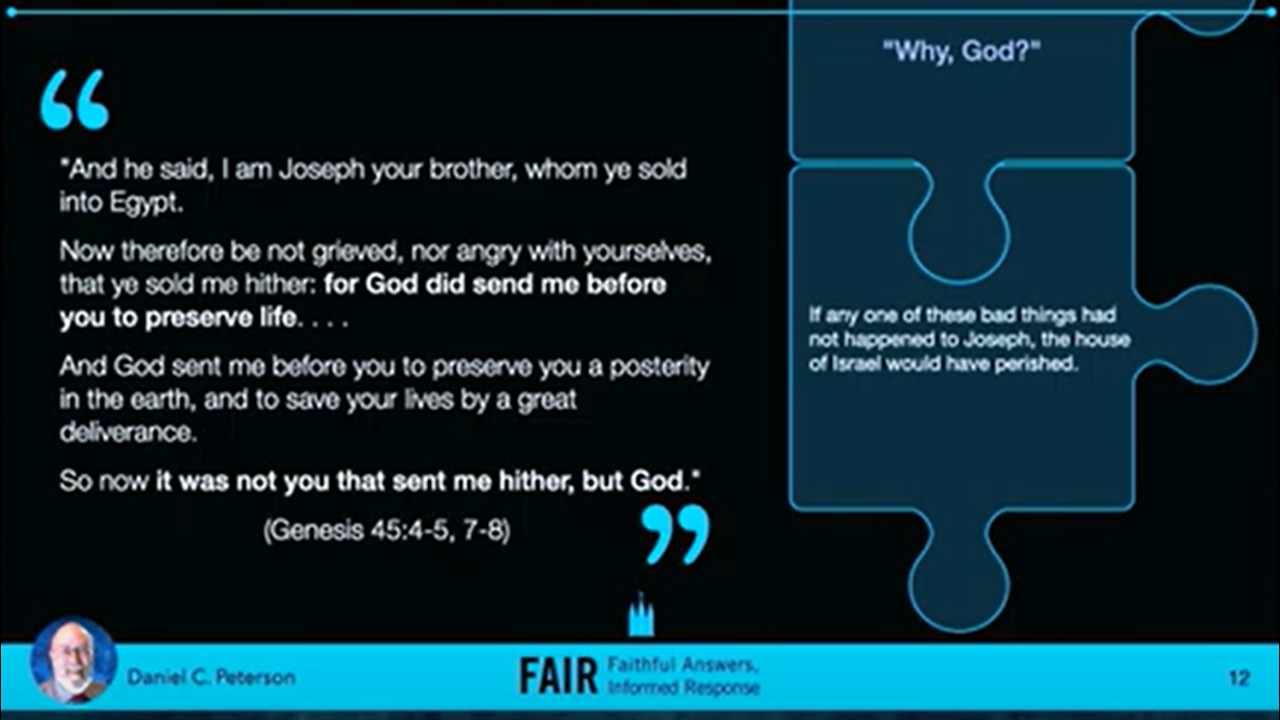
This is what he says: “I am Joseph, your brother.”
Remember, he’s introducing himself to his brothers who don’t know who he is. He’s a ruler of Egypt, right?
“Whom ye sold into Egypt. Now therefore be not grieved nor angry with yourselves that ye sold me hither, for God did send me before you to preserve life. And God sent me before you to preserve your posterity in the earth, and to save your lives by a great deliverance. So now it was not you that sent me hither, but God.”
It’s a very ironic, very kind way of putting it, because they did not mean to serve the purposes of God in selling Joseph into slavery. But nevertheless, that was the impact. And we can often see that either God is the great master chess player, making things work out to our benefit, or He actually plans them in advance.
You think of the Joseph Smith Senior family, being moved by disaster after disaster after disaster, to get them close to what we now know is the repository of the plates. Had they been in Pennsylvania still, or Vermont, or who knows where, the story might have looked very, very different than it did.
Succession in the Presidency–Looking Backwards
Okay, now I’m saying this to sort of introduce the thought processes that, for me, are going into our next film project.
This won’t be about the film project, but sort of outlining some of the ideas that I have for it. We’re calling it Six Days in August.
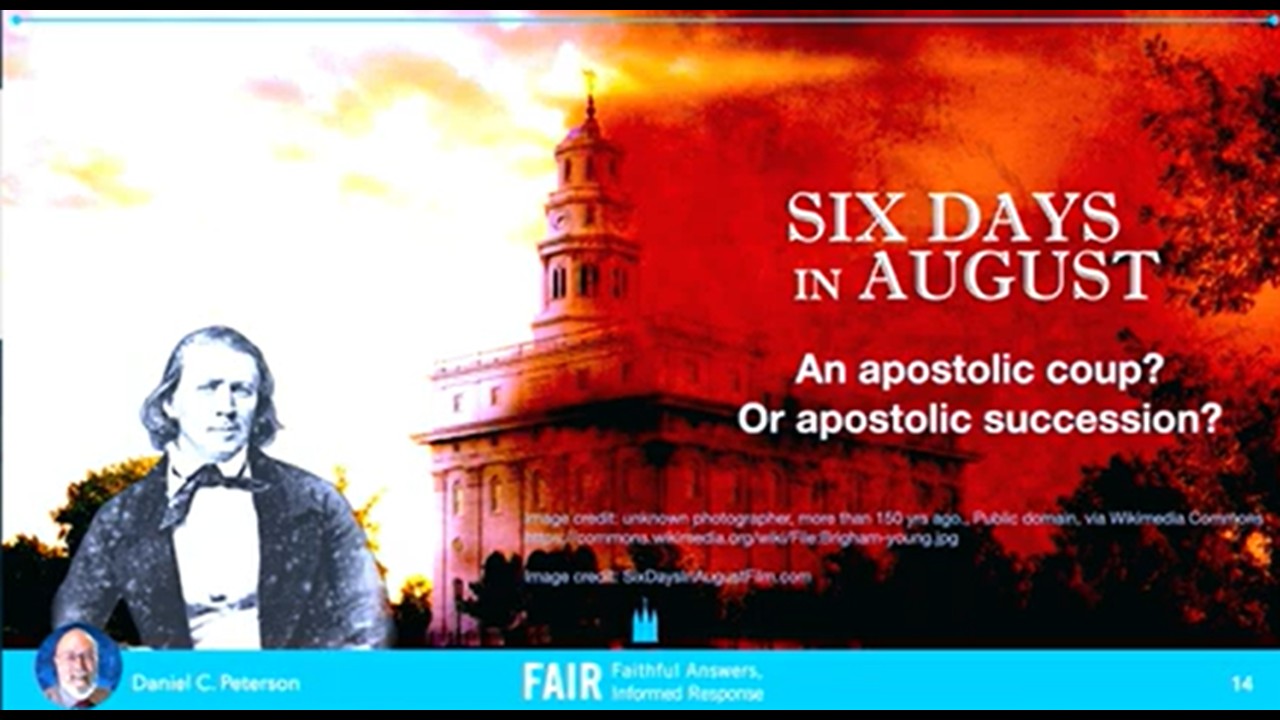
This refers to the time in Nauvoo when you have a confrontation between Sidney Rigdon and the Twelve about the future leadership of the Church. They’d just gone through this terrible crisis of the assassination of Joseph Smith.
Now, there are people today—and I’m hearing them, even members of the Church—and this disturbs me. It disturbs me a great deal. Members of the Church have come to me and said, “You know, my wife and I have concluded”—I’m thinking of a returned mission president in this case—“that Brigham Young was not the Lord’s choice to lead the Church, that it was a kind of apostolic coup, that the Twelve took over the Church, but it shouldn’t have been them.” And I’m wondering, so who do you think it should have been?
Do you think it should have been James Strang? Some of you know that my hope in the movie was to have Pee-wee Herman play James Strang. My hopes have now been dashed.
So, I’m not a big James Strang fan, but the idea is that the Twelve were legitimate. Now, I’ve asked some of those people, “Think about the implications. Do you know what you’re saying here? You’re saying the leadership of the Church ever since the death of Joseph Smith has been illegitimate. I don’t know what candidate you favor, but the ones that took over the Church, you say, were not legitimate.”
You might like Russell M. Nelson—I hope you do—but do you not realize you’ve just cut off the branch upon which he sits? Every president of the Church has been illegitimate since 1844.
Every Temple presidency, every Temple ordinance, every Apostle called—the whole system—has been illegitimate, done under authority that was not divinely approved. Now, I’ve gotten to talk with some of them, and I think, “Okay, now I understand a little bit more.” For some of them, at least, this is not a bug; it’s a feature. They don’t like the current leadership of the Church and want to get rid of them. They don’t like Brigham Young—things that he said, things that he did. Now, just chuck him; he was the wrong guy anyway.
And I say, “Well, okay, so what about President Nelson?”
“Well, he’s a communist,” they say. “He’s involved with the United Nations, and he got the shot.”
So, you know, he’s not the legitimate president of the Church. He’s the prophet who tells lies, the lies that Isaiah foretold. He’s a real prophet, they say, but basically, he tells lies.
This is a Serious Issue
Well, I began to think, “This is a really serious issue.” So, here’s the thought process that I’m going through in a project that, for me at least, is designed not only to entertain and tell a story—which is a really important story and helps people to understand it better—but to outline a case, implicitly in the narrative and more explicitly in the docudrama, for the legitimacy of the succession of the Twelve.
I start off by trying to show how the Twelve were prepared for the role that they would play.
Zion’s Camp
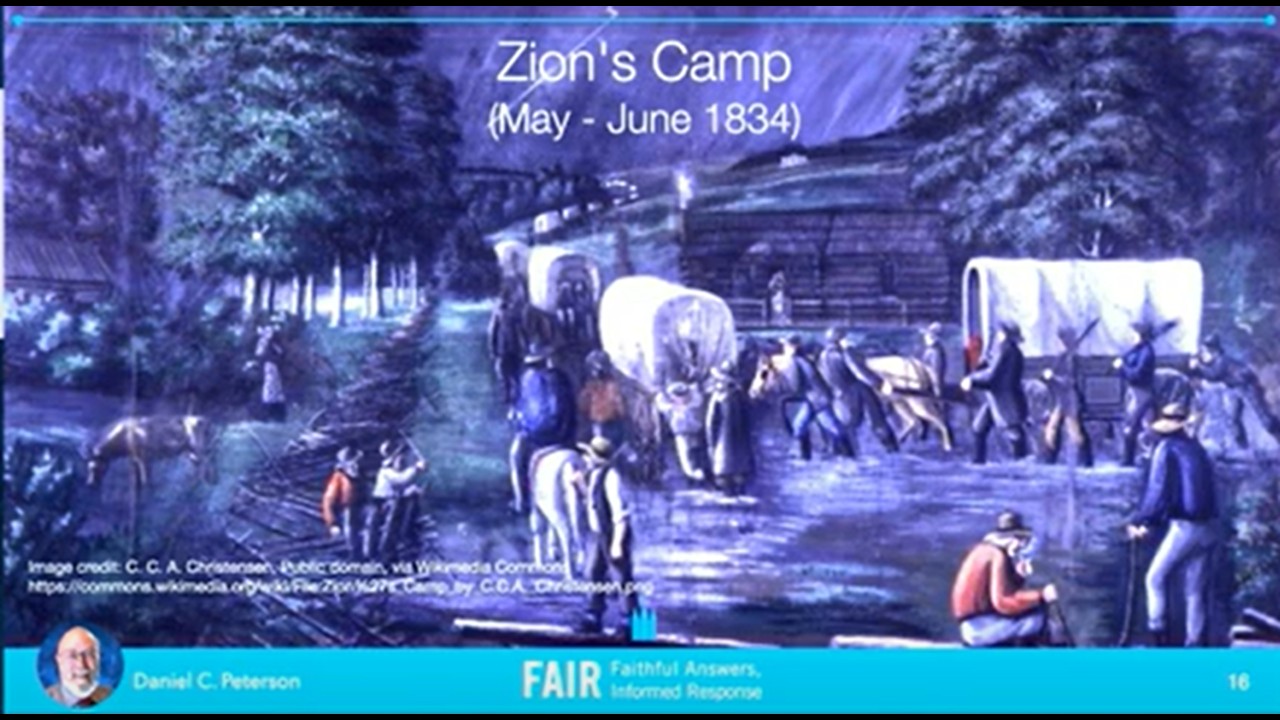
For example, one of the first places we see this preparation as a factor is in Zion’s Camp, which was originally not called Zion’s Camp, but the Camp of Israel. It served as a proving ground, a testing ground for future Church leaders. Here again, life can only be understood backwards. The Quorum of the Twelve was chosen by the Three Witnesses after Zion’s Camp.
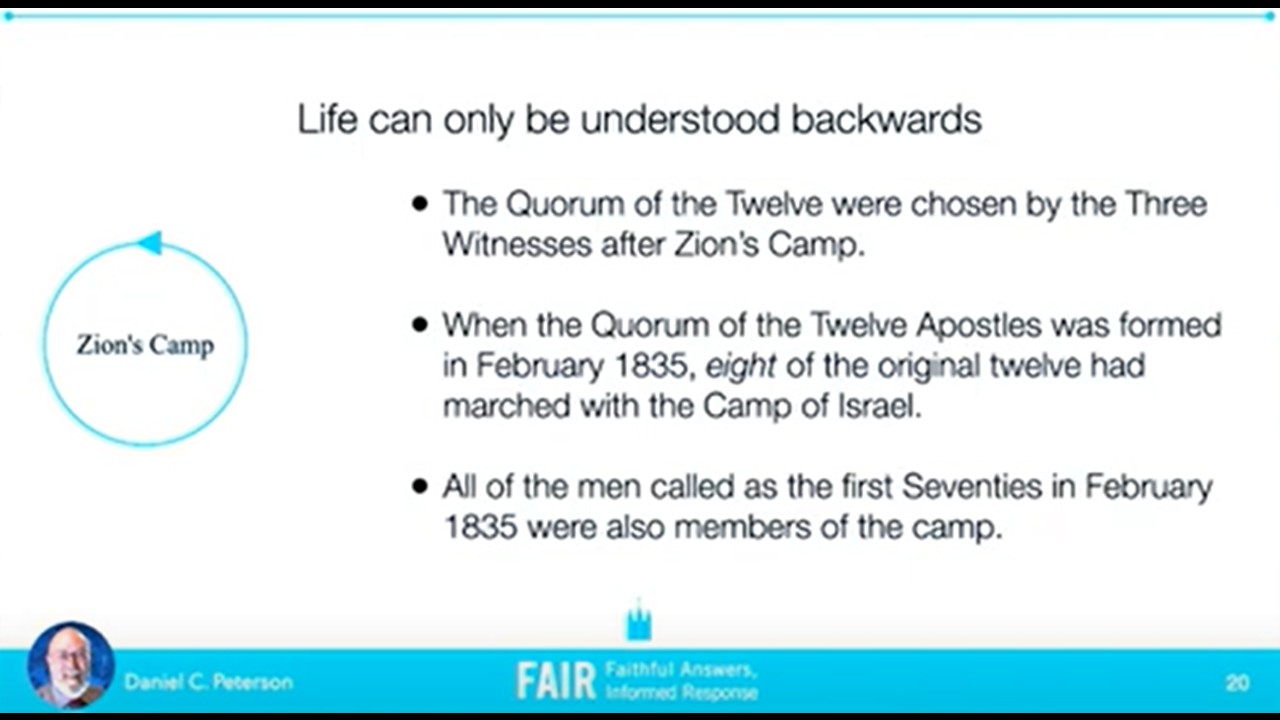
Here’s a way of linking the two film projects too. By the way, the Three Witnesses chose the Twelve, all right? When the Quorum of the Twelve Apostles was formed in February of 1835, eight of the original twelve had marched with the Camp of Israel.
All of the people who were called to the Seventy in February of 1835 were members of the camp. I don’t think that is coincidental.
Saints’ Evacuation from Missouri
Another place where the preparation of the Twelve comes into play, I think, is in the evacuation of the Saints from Missouri to Illinois in the winter of 1838–39. Up to this point, the Quorum of the Twelve had been a fairly unstable body. If you read the history, men had been called, they’d fallen away, and it just hadn’t come together as a quorum yet.
Thomas Marsh
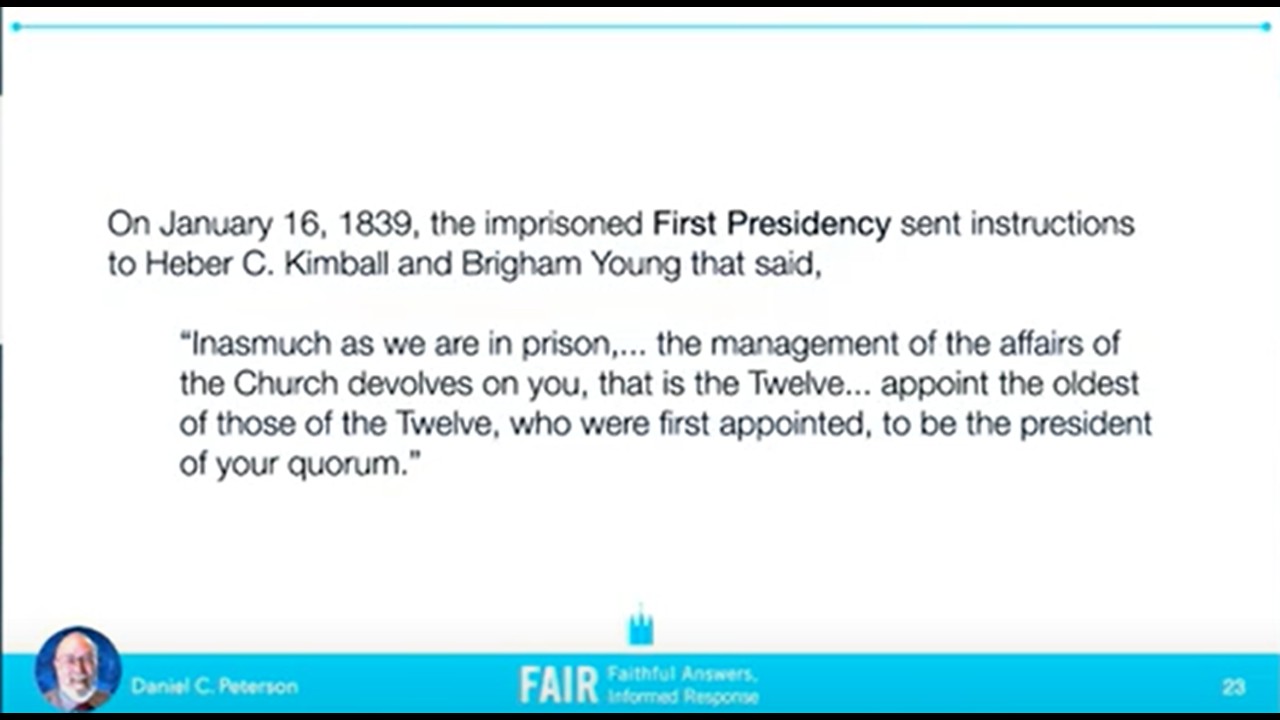
In fact, crucially, Thomas Marsh withdrew from his involvement in the Quorum of the Twelve and the Church in October of 1838—a very crucial time when the Church needed leadership. So, what happened? Well, this is significant. On January 16, 1839, in the depth of winter, the First Presidency, who were in Liberty Jail, sent instructions to Heber C. Kimball and Brigham Young that read:
Quorum’s Management of Church Affairs
“Inasmuch as we are in prison, the management of the affairs of the Church devolves on you”—that is, the Twelve. “Appoint the oldest of those of the Twelve who were first appointed to be the president of your quorum.” This is how Brigham Young ends up as the president after Thomas Marsh’s departure.
Now, this doesn’t seem like a big thing, maybe, but it is. When the Quorum of the Twelve was first established, it was a traveling High Council—a missionary High Council with its focus outside the Church. There was a High Council, and only one, inside the Church that ran the domestic internal affairs of the Church. Here, you have the Twelve stepping into a role to manage the emigration of the Saints from Missouri to Illinois.
That, I think, is crucial. And, boy, now it’s really sensitive. I didn’t even mean to change it, but I think that’s crucial. You see the Twelve beginning to change their function, and we’ll see that more as we move on.
Missions to England
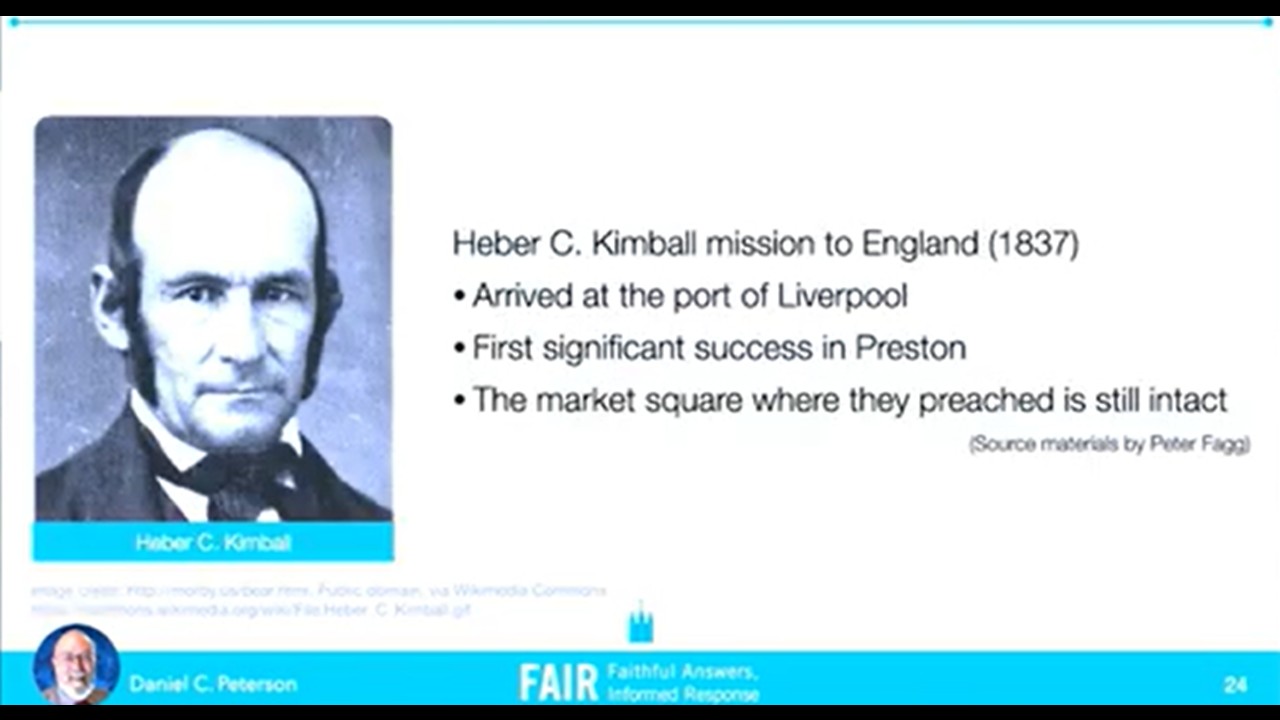
Then, another crucial thing is Heber C. Kimball’s mission to England and the subsequent mission of the entire Twelve to England. He went in 1837, arrived at the port of Liverpool, but his first successes were in Preston. Some of you have been there; it’s a spectacularly important Church site. The area around Preston and the Market Square, where they preached—and where, by the way, President Hinckley also preached—is still intact there.
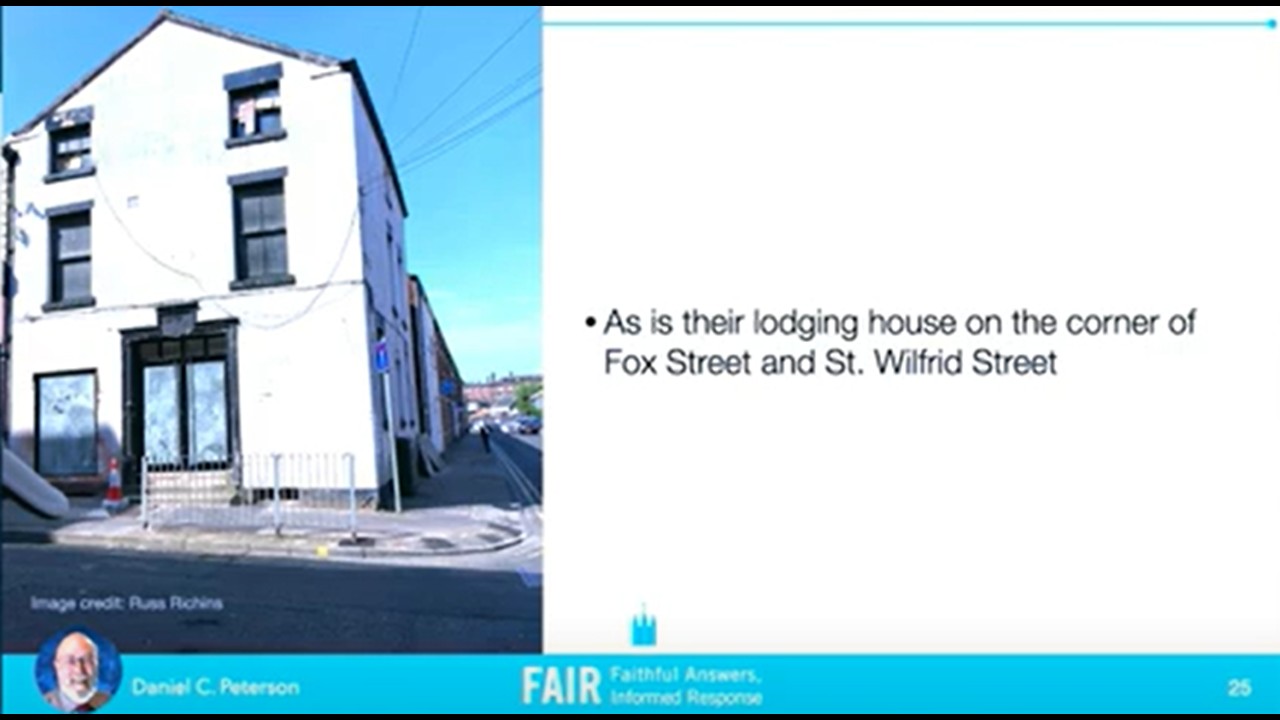
But one of the most interesting things that’s still intact in Preston is a house, this lodging house on the corner of Fox Street and Saint Wilfred Street. It’s amazing that it’s still there. It was there in 1837—I don’t know how old it was then—and it’s kind of derelict now. It’s been up for sale on various occasions.
I am one of those who really wish that somebody would buy this house and preserve it. I don’t want it to be destroyed, but you’ll see why the Church is reluctant to buy this house.
Encounters With Darkness
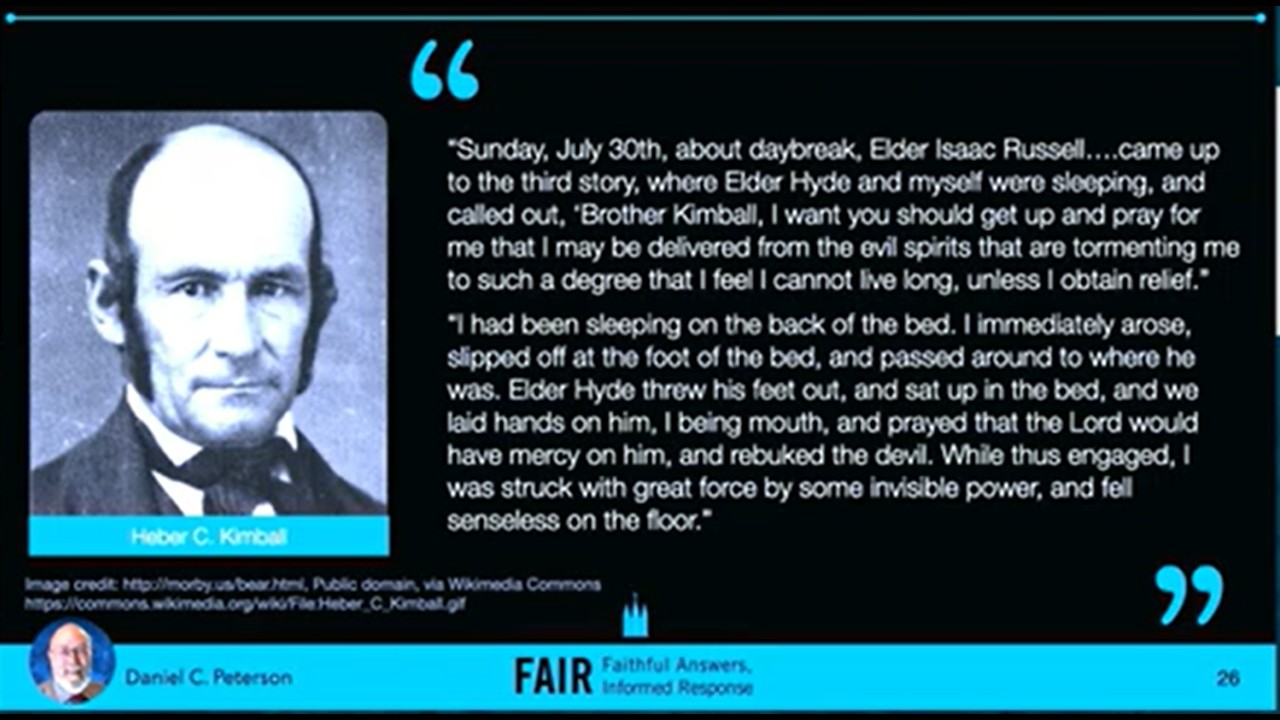
I’ll read to you the account of what happened there, which I’m spending more time on than I probably should, but I like it. I’m using a collation of materials by a British Latter-day Saint guide and historian by the name of Peter Fagg, whom I really, really like.
This is Heber C. Kimball: “Sunday, July 30th, about daybreak, Elder Isaac Russell came up to the third story where Elder Hyde and myself were sleeping and called out, ‘Brother Kimball, I want you to get up and pray for me that I may be delivered from the evil spirits that are tormenting me to such a degree that I feel I cannot live long unless I attain relief.'”
“I had been sleeping on the back of the bed. I immediately rose, slipped off at the foot of the bed, and passed around to where he was. Elder Hyde threw his feet out and sat up in the bed, and we laid hands on him—I being mouth—and prayed that the Lord would have mercy on him and rebuke the devil. While thus engaged, I was struck with great force by some invisible power and fell senseless on the floor.”
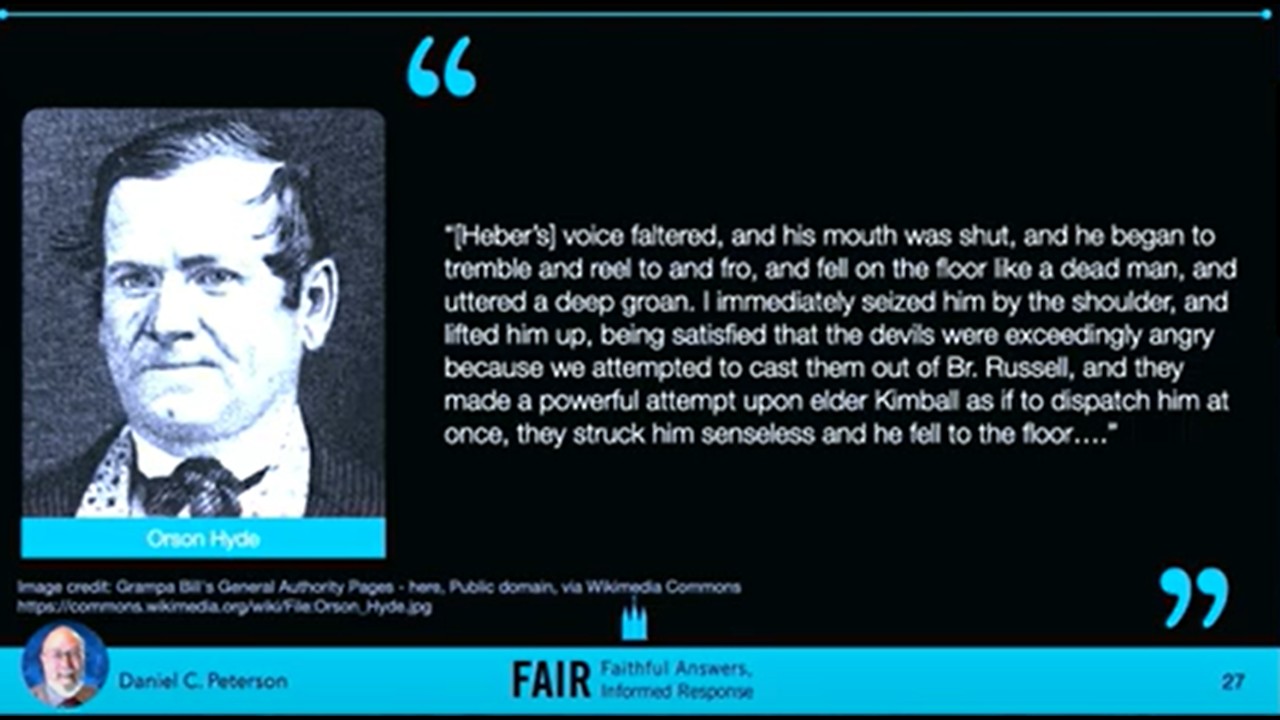
Okay, Orson Hyde says: “Heber’s voice faltered, and his mouth was shut. He began to tremble and reel to and fro and fell on the floor like a dead man and added a deep groan. I immediately seized him by the shoulder and lifted him up, being satisfied that the devils were exceedingly angry because we attempted to cast them out of Brother Russell, and they made a powerful attempt upon Elder Kimball, as if to dispatch him at once. They struck him senseless, and he fell to the floor.”
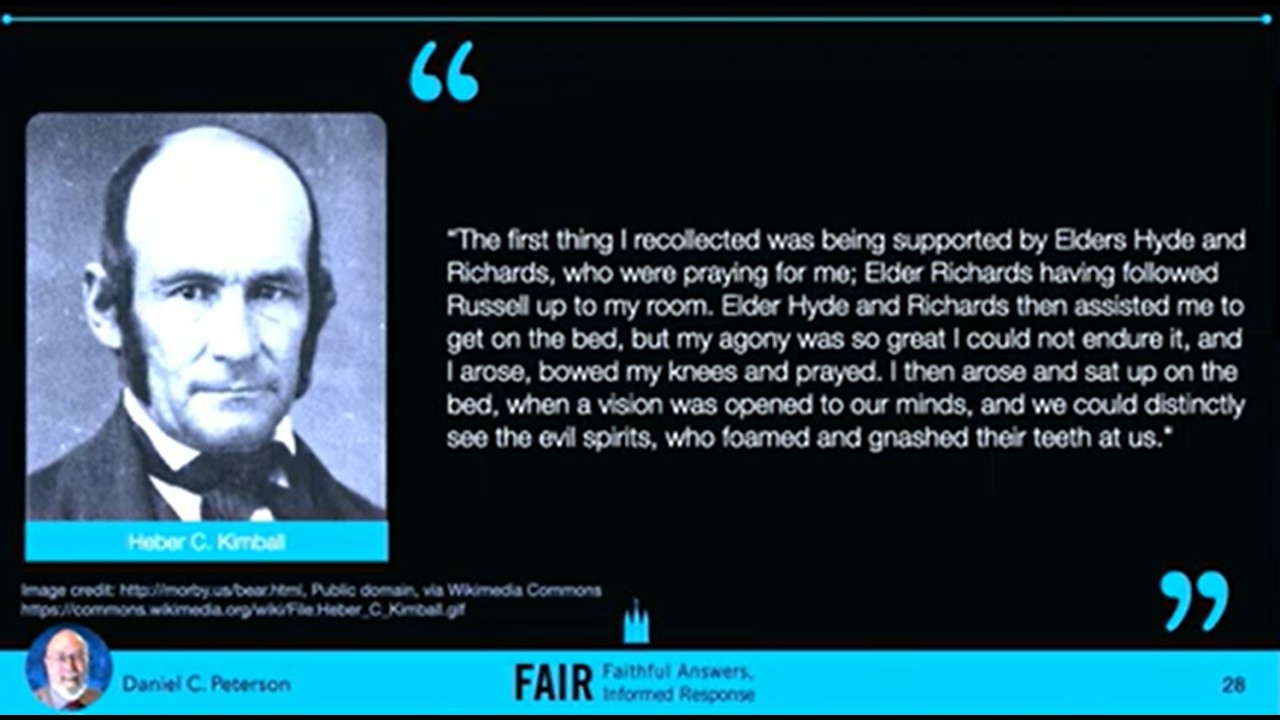
So, back to Heber C. Kimball and his account. To me, this is interesting because you have multiple witnesses to this event.
The first thing I recollected was being supported by Elders Hyde and Richards, who were praying for me, Elder Richards having followed Russell up to my room. Elder Hyde and Richards then assisted me to get on the bed, but my agony was so great I could not endure it, and I rose, bowed my knees, and prayed. I then arose and sat up on the bed when a vision was opened to our minds—our minds, by the way—and we could distinctly see the evil spirits who foamed and gnashed their teeth at us.
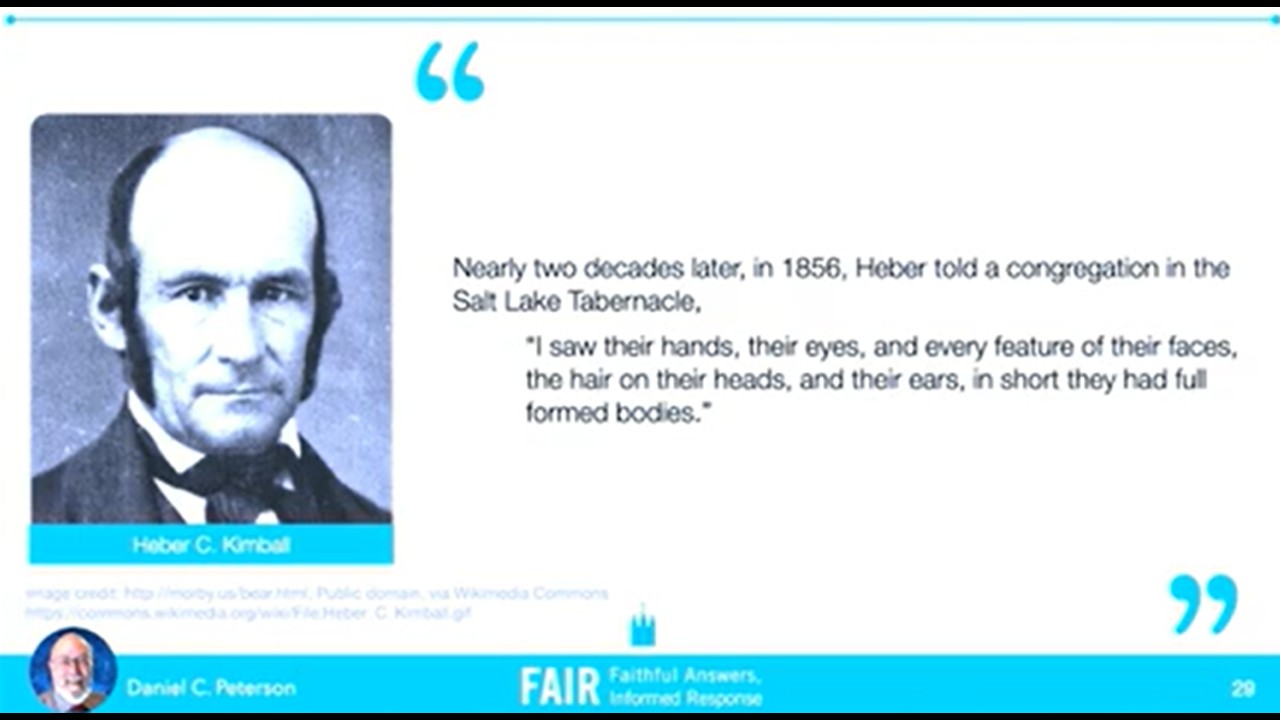
Nearly two decades later, Heber told the congregation in Salt Lake, in the Tabernacle,
I saw their hands, their eyes, and every feature of their faces—the hair on their heads and their ears. In short, they had fully formed bodies.”
He continues his account:
We gazed upon them for about an hour and a half by Willard’s watch.” So this is not a slight, fleeting thing. “We were not looking towards the window, but towards the wall. Space appeared before us, and we saw the devils coming in legions with their leaders, who came within a few feet of us. They came towards us like armies rushing to battle. They appeared to be men of full stature, possessing every form and feature of men in the flesh, who were angry and desperate. And I,” that is, Heber C. Kimball, “shall never forget the vindictive malignity depicted on their countenances as they looked me in the eye. Any attempt to paint the scene that presented itself, or portray their malice and enmity, would be vain. I perspired exceedingly, my clothes becoming as wet as if I had been taken out of the river. I felt excessive pain and was in the greatest distress for some time.”
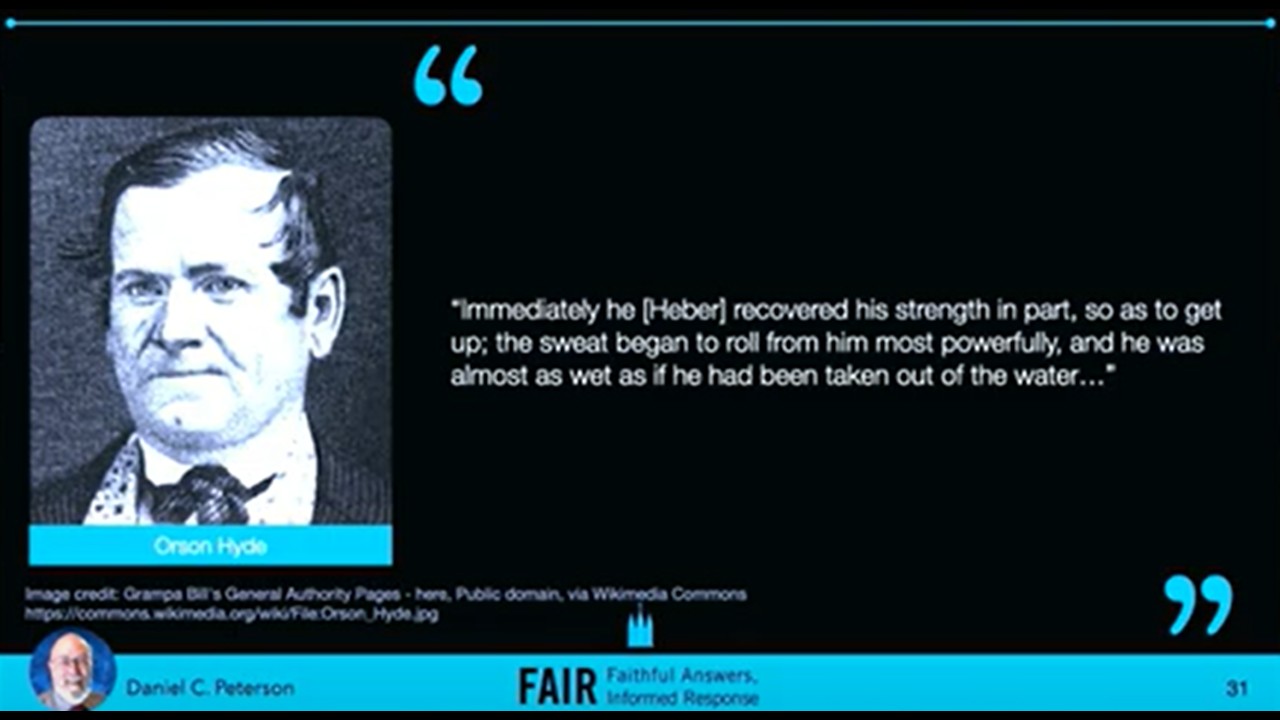
Immediately Heber recovered his strength in part, enough to get up. The sweat began to roll from him most powerfully, and it was almost as if he had been taken out of the river.”
“We distinctly heard those spirits talk and express their wrath and hellish designs against us.”
“We could very sensibly hear the evil spirits rage and foam out their shame.”
Then Joseph Fielding, who was not there but heard the story shortly thereafter, said
They could hear a sound from them—that is, the evil spirits—like the grating of teeth quite plainly.”
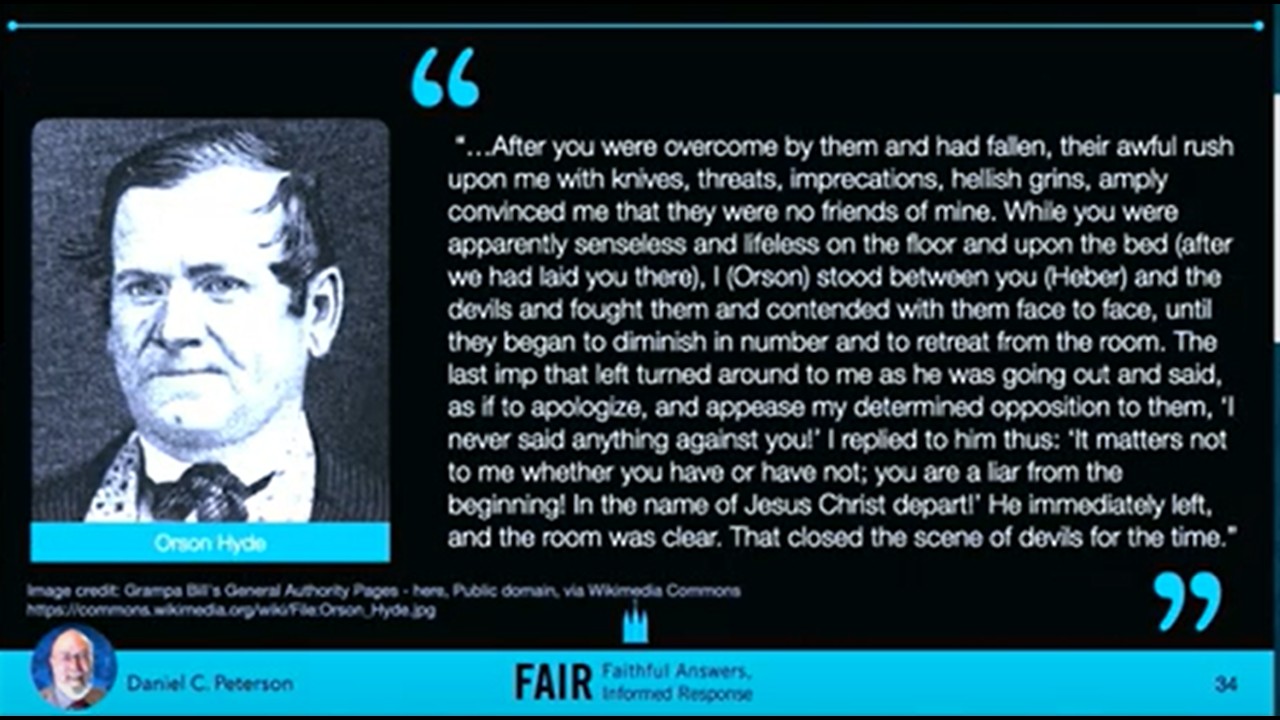
Orson Hyde, addressing Heber C. Kimball—
(I’m going on at length on this because I find this a very interesting story, as it’s not a theophany or an angelophany; it’s a diabolophony or a satanophony or something like that. But that has implications.
If there is an unseen world with these sorts of beings, then there’s evidence there for something else, it seems to me. It’s much more positive.)
After you were overcome by them and had fallen. Their awful rush upon me, with knives, threats, imprecations, and hellish grins, amply convinced me that they were no friends of mine. While you were apparently senseless and lifeless on the floor and upon the bed after we had laid you there, I, [Orson,] stood between you, Heber, and the devils, and fought them and contended with them face to face until they began to diminish in number and to retreat from the room. The last imp that left turned around to me as he was going out and said, as if to apologize and appease my determined opposition to them, ‘I never said anything against you.’
I replied to him thus: ‘It matters not to me whether you have or have not; you’re a liar from the beginning. In the name of Jesus Christ, depart.’ He immediately left, and the room was clear. That closed the scene of devils for the time.”
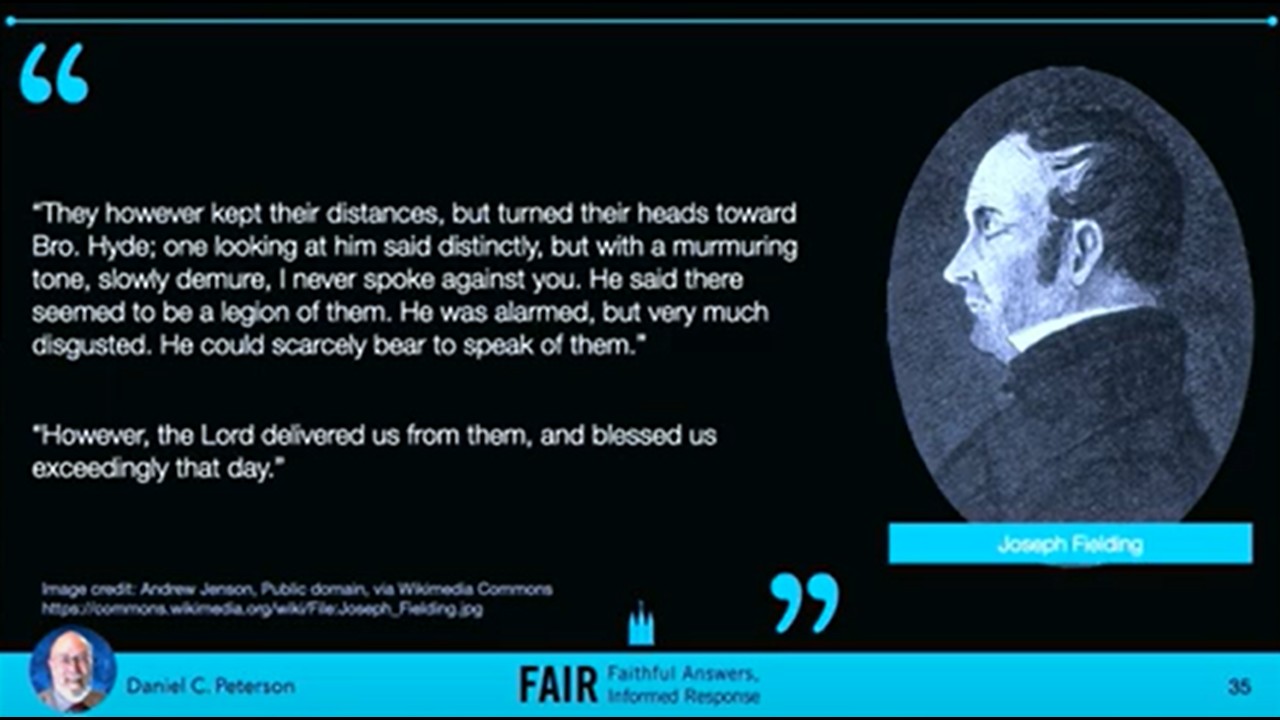
Joseph Fielding comments on that:
They, however, kept their distance, but turned their heads toward Brother Hyde. One, looking at him, said distinctly, but with a murmuring tone, slowly and demurely, ‘I never spoke against you.’ He said there seemed to be a legion of them. He was alone, very much disgusted. He could scarcely bear to speak of them. However, the Lord delivered us from them and blessed us exceedingly that day.”
So one of the very first to hear about it, so there is a contemporary witness for this, was Vilate Kimball. Heber wrote a few words to his wife about the matter, and Brother Joseph called upon her for the letter and said
It was a choice jewel, and a testimony that the gospel was planted in a strange land.”
Back to Joseph Fielding—who wasn’t, as I say, present, but he wrote in his journal, “Upon the whole, we got considerable instruction from the maneuvers of the devil. The spirit of the devil produces confusion, disorder, and misery. The spirit of God produces calmness, order, and happiness. If we never before knew that there were evil spirits, we did now.”
And I think that’s a really important thing for them to know. C.S. Lewis said at one point that the devil welcomes an agnostic and a magician with equal enthusiasm. Someone who doesn’t believe there’s a devil, and someone who’s unhealthily obsessed with the devil—either one can be turned to his purposes.
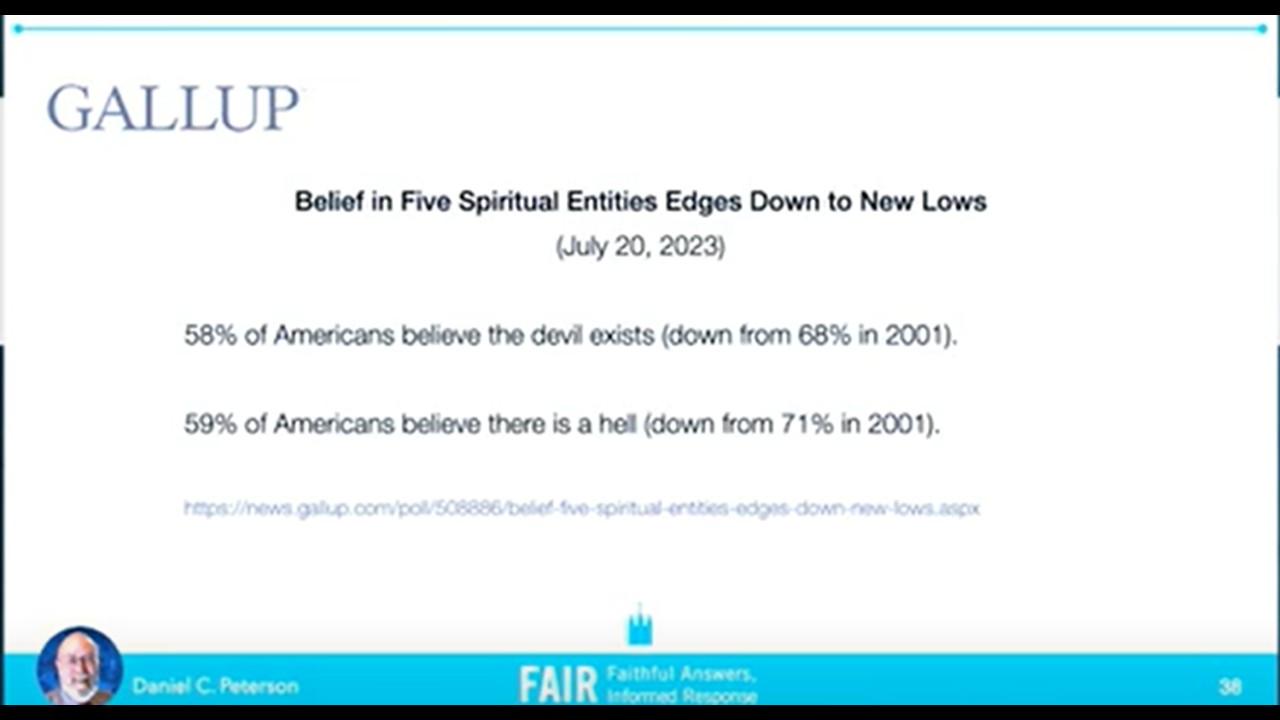
Later on, Joseph Smith responded to this, but first, I want to make a little side commentary about a Gallup poll that was recently taken. It turns out that faith, or belief, in the devil is very tightly linked with belief in God. People who cease to believe in God obviously begin to disbelieve in the devil, and vice versa.
These are related ideas: if you know there’s a devil, you have good reason to believe there’s a God. If you once grant that there is a kind of supernatural or beyond-natural realm beyond this world, then that opens it all up.
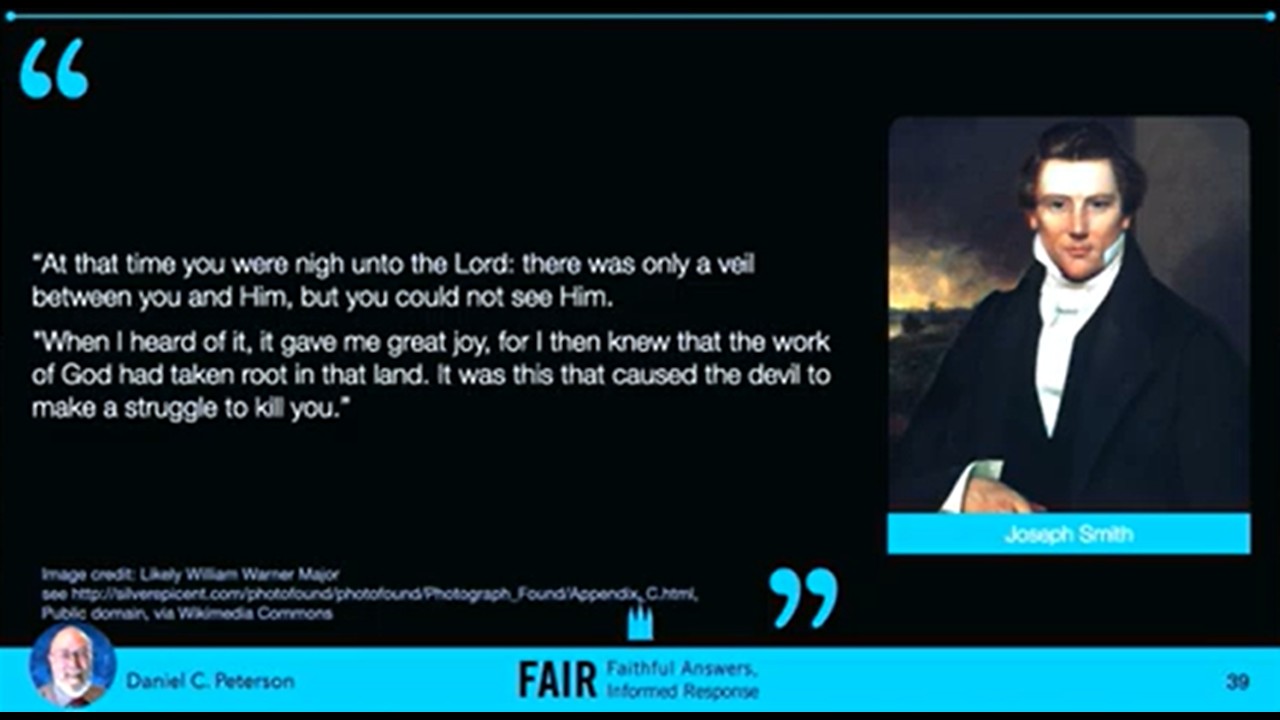
Now, when Joseph Smith heard about the missionaries’ experiences, he was surprisingly positive about it. At that time, he said, “You are nigh unto the Lord; there was only a veil between you and Him, but you could not see Him. When I heard of it, it gave me great joy, for I then knew that the work of God had taken root in that land. It was this that caused the devil to make a struggle to kill you.”
And I would say that that really is true. Think about the opening of every dispensation: Adam in the garden, Adam and Eve in the garden, Joseph Smith in the Sacred Grove, Jesus being tempted in the wilderness, Moses in the book of Moses. When a dispensation starts, when something big is about to happen, the devil shows up—either in person or by his emissaries.
Encounters With the Spirit
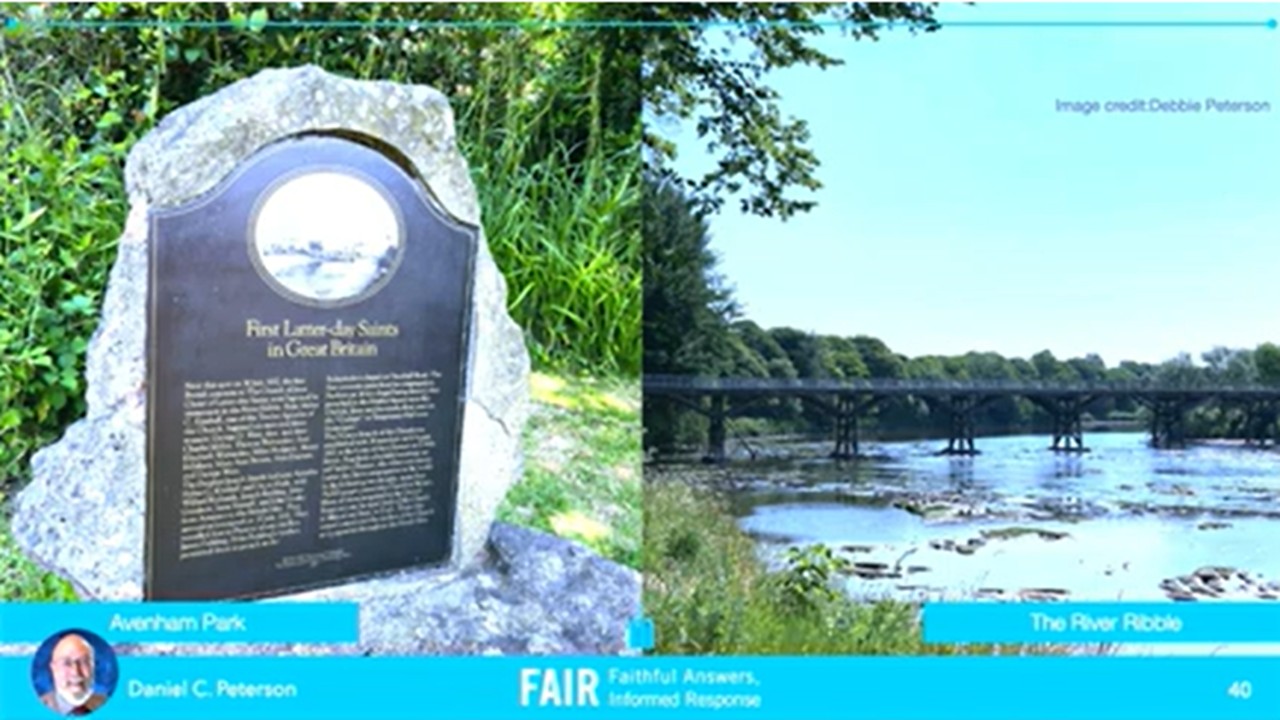
Alright, so nearby, near that house, is Avenham Park, which is a really beautiful area of green trees and so on. It borders the River Ribble, where the very first Latter-day Saint baptisms were performed in England. This is a really important place, and people like William Clayton and George Watt—other really important early Latter-day Saints—come from this area. There are plaques and monuments around the area dedicated to those early Latter-day Saints, and it’s recognized by the city administration there.

Up the river valley are several towns that are important: Chatburn and Downham, shown here. This is the best picture we could find. There are better pictures from up by the church.
Some of you have been there, looked down the road, and it’s a beautiful village that looks much the same way it must have looked in the days of Heber C. Kimball, who was told by the people in Preston, “Don’t bother going there; they’re all godless.” He baptized almost everybody in the town.
They were godless in the sense that they did not like the Church of England, and they weren’t going to the other churches. They weren’t satisfied by them, but they loved the gospel as preached by Brother Kimball. In the background there, you can see Pendle Hill—just a little bit of it. We’ll see that in the next slide.
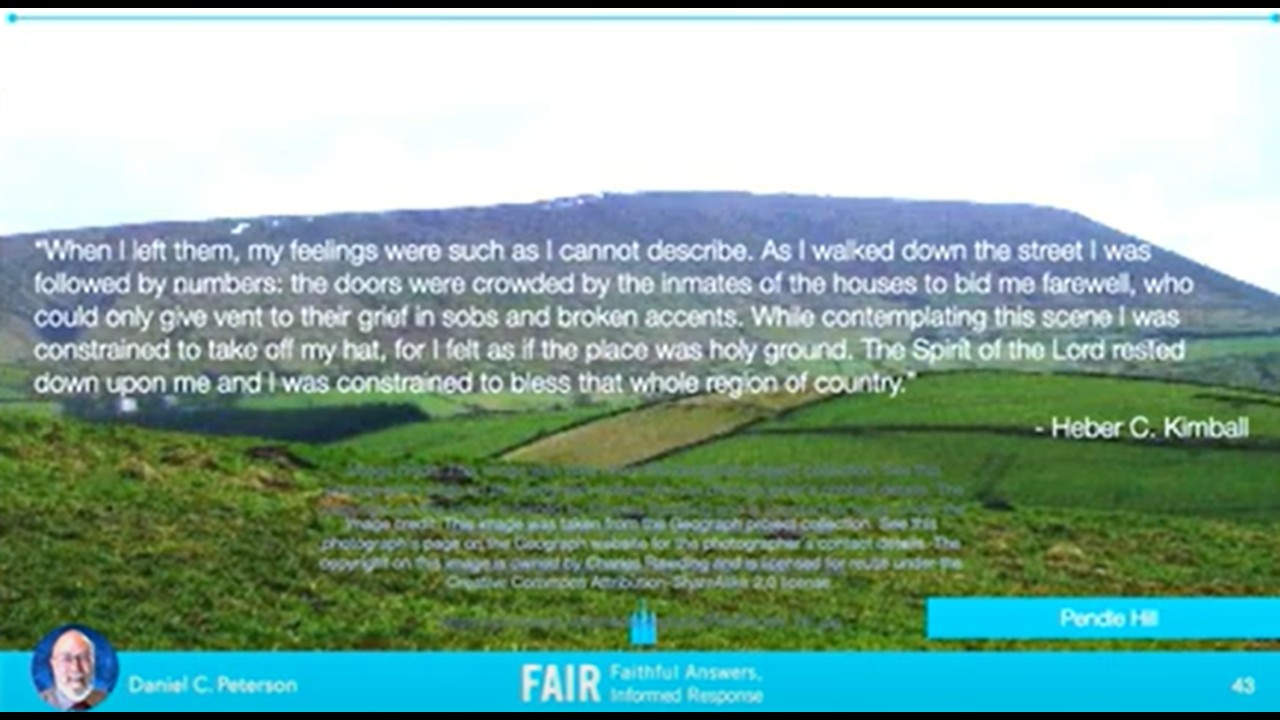
I want to tell the story a little bit in the docudrama portion of the “Six Days in August” project. For now, though, I want to concentrate on a particular aspect of this episode in Downham, and it’ll be the sort of good counterpart to the satanic thing I’ve already told you.
In April 1838, when he’s about to leave and go home to America, Brother Kimball went back for a farewell visit to Downham and Chatburn. Now, this hill looms over Downham. It’s just outside the town, and the response of the people there moved him deeply. He said,
When I left them, my feelings were such as I cannot describe. As I walked down the street, I was followed by numbers. The doors were crowded by the inmates of the houses to bid me farewell, who could only give vent to their grief in sobs and broken accents.
While contemplating the scene, I was constrained to take off my hat, for I felt as if the place was holy ground. The Spirit of the Lord rested down upon me, and I was constrained to bless that whole region of country.”
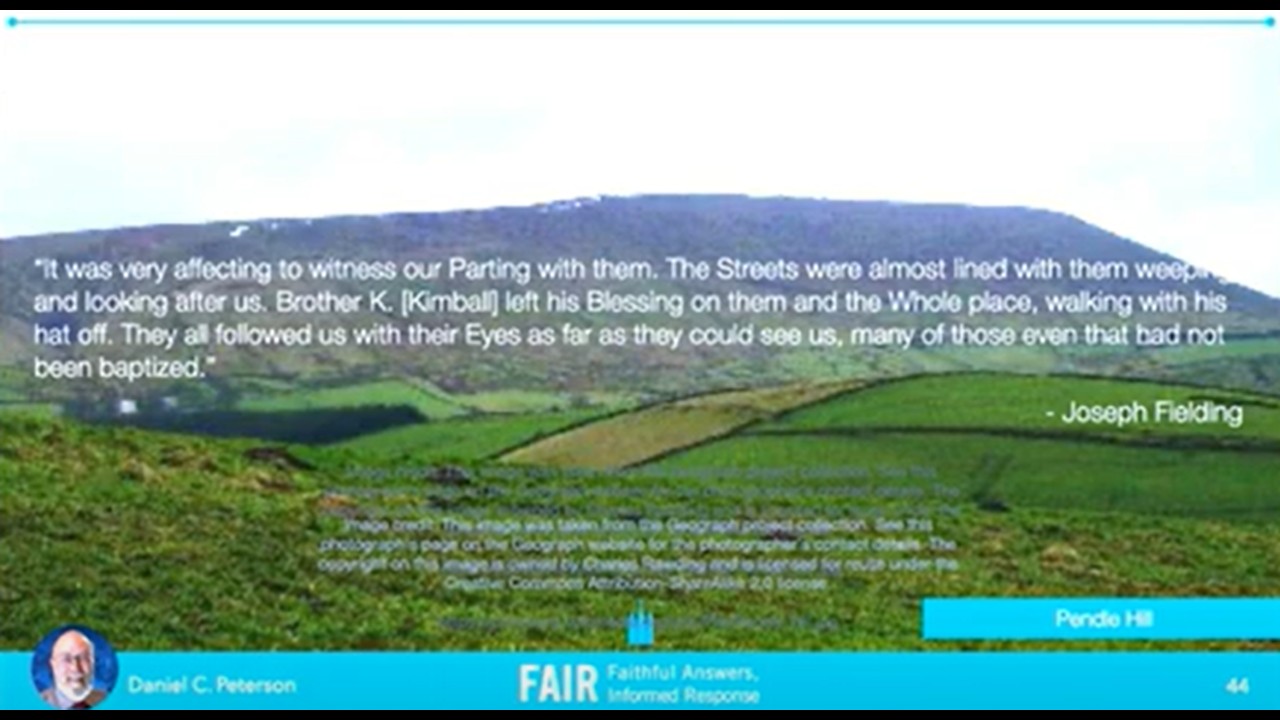
He had tremendous success in that area. Joseph Fielding was also there with Elder Kimball, and he said,
It was very affecting to witness our parting with them. The streets were almost lined with them, weeping and looking after us. Brother Kimball left his blessing on them, the whole place, walking with his hat off. They all followed us with their eyes as far as they could see, many of those even that had not been baptized.”
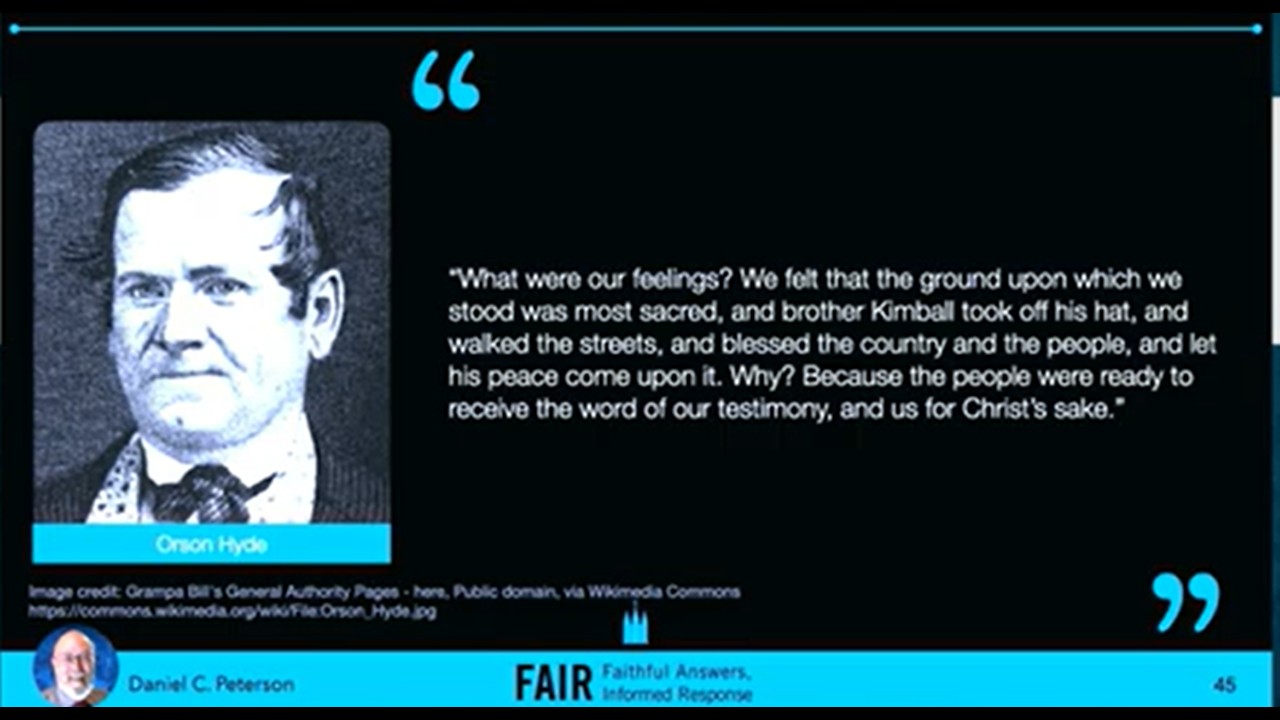
Orson Hyde talks about this in 1853 in general conference:
What were our feelings? We fell to the ground upon which we stood—it was most sacred—and Brother Kimball took off his hat, walked the streets, and blessed the country and the people, and let his peace come upon it. Why? Because the people were ready to receive the word of our testimony, and us for Christ’s sake.”
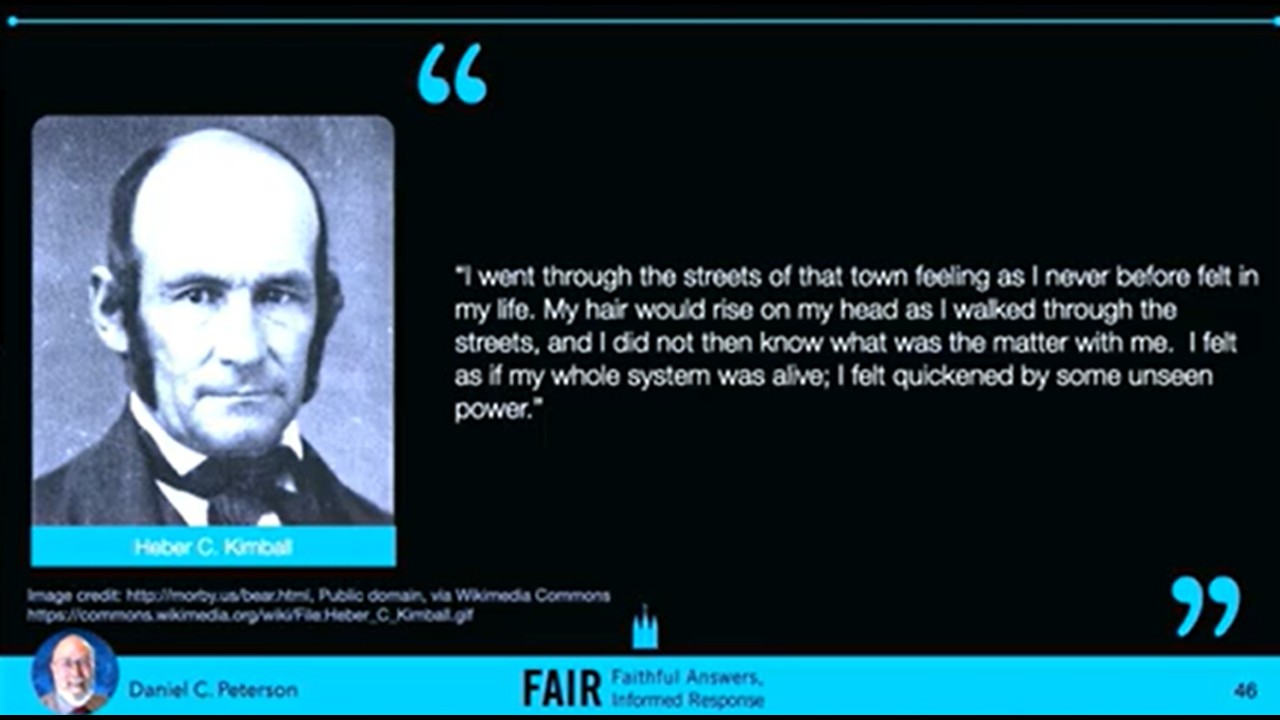
In 1857, Elder Kimball remembered that visit and said this:
I went through the streets of that town feeling as I never before felt in my life. My hair would rise on my head.” (This image was obviously taken after that.)
As I walked through the streets, I did not then know what was the matter with me. I felt as if my whole system was alive. I felt quickened by some unseen power.”
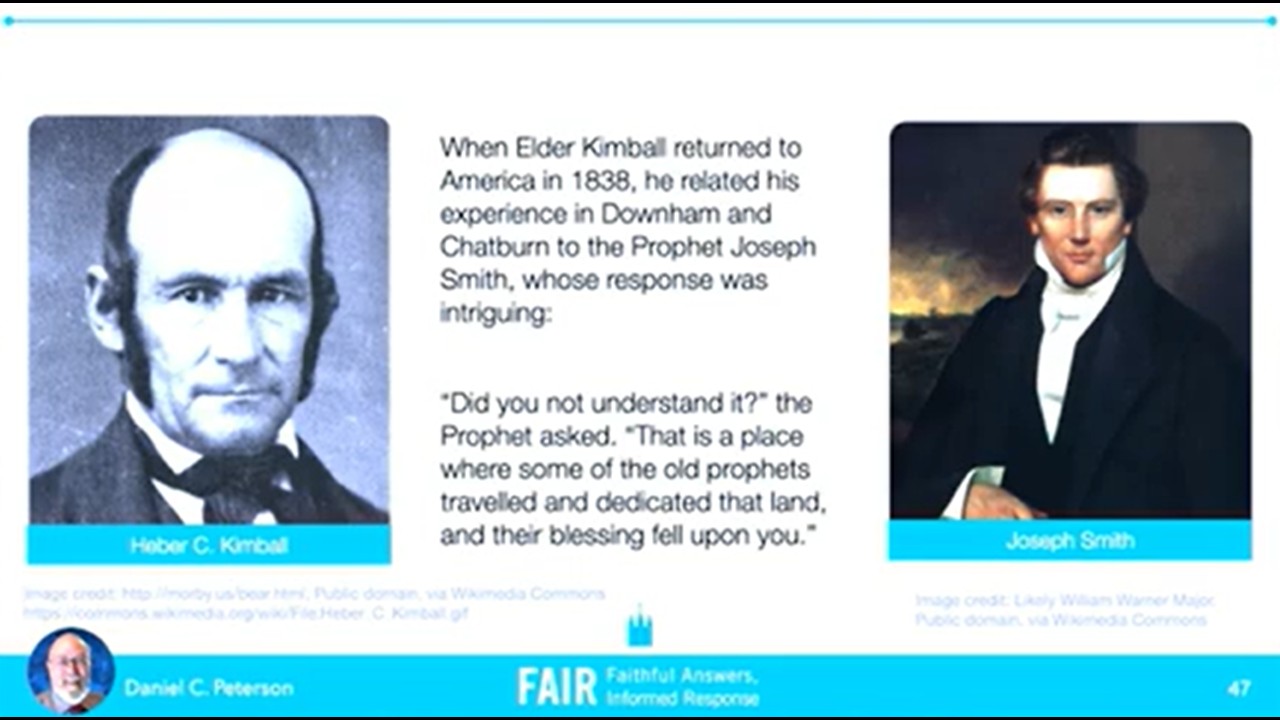
When he came back to America in 1838, he related his experience in Downham and Chatburn to the Prophet Joseph Smith. His response was again intriguing.
“Did you not understand it?” the prophet asked. “That is a place where some of the old prophets traveled and dedicated that land, and their blessing fell upon you now.”
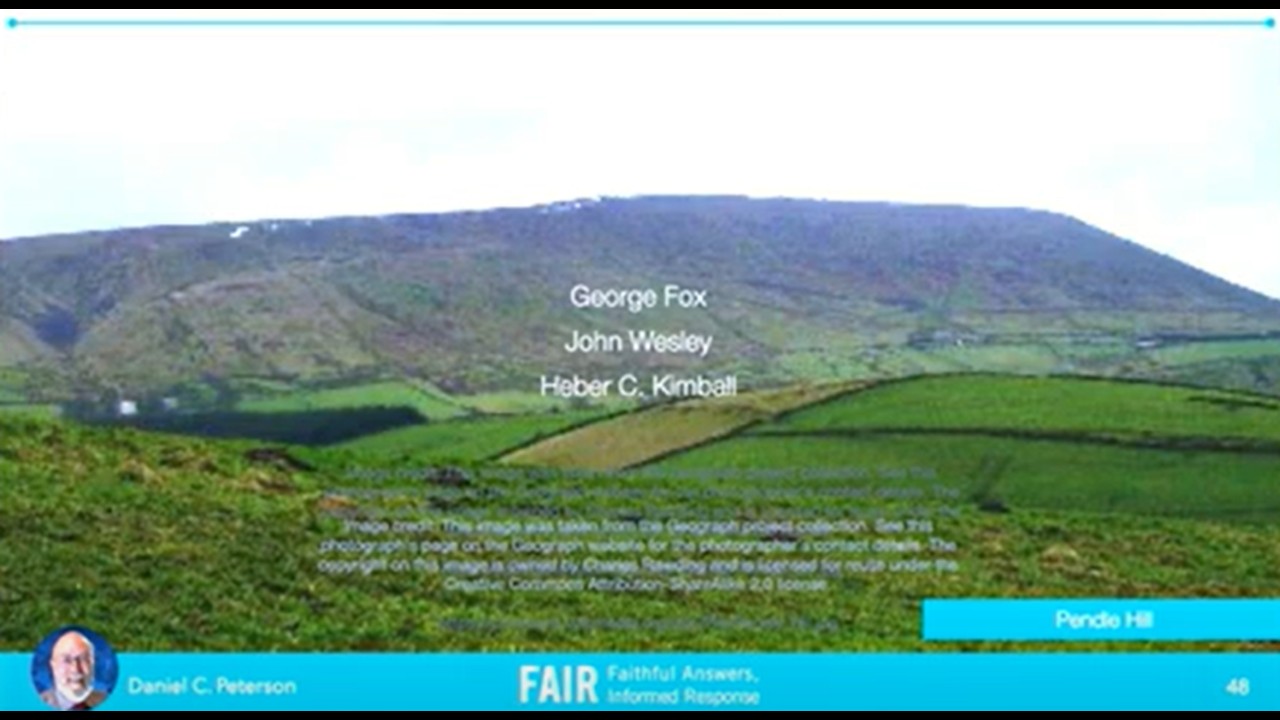
So I want to come back to Pendle Hill. One day, I think in 1652, as far as I can tell, George Fox, the founder of the Quaker movement (the Society of Friends), climbed up Pendle Hill, and he saw what seems to have been a vision. He said it was of people in white raiment coming to the Lord—a great people to be gathered. This event and his reaction to it led to the founding of the Quaker movement.
Then John Wesley, in the 18th century, came to the area, the founder of Methodism (which he never intended to be a distinct denomination), and he said he visited Pendle Hill and felt himself exceptionally moved spiritually. There was something different about this place as he worked in the villages and among the people at its base.
I’ll give you a couple of other examples. There actually is a witch story associated with the Pendle witches from earlier than Fox or Wesley. There’s something uncanny about this hill.
I’ll say something else: I was told on one visit there that when Elder Holland was the area president—there was no temple in Preston yet—he would go to Downham when he had a particularly difficult issue to wrestle with, and he would pray in the woods there near Downham at the base of Pendle Hill because he felt that was a temple-like place.
Once, he was there praying about something and heard a rustle in the bushes a little bit away. It was the local stake president, who was also there praying about a very difficult issue. It was a place they felt was very different, and when Elder Holland was asked to choose the site for the Preston Temple, that’s where he went to receive confirmation from the Lord that it was the place for it to be.
So it’s a really interesting place. Heber C. Kimball may not have been wrong in imagining things when he thought that this was holy ground.
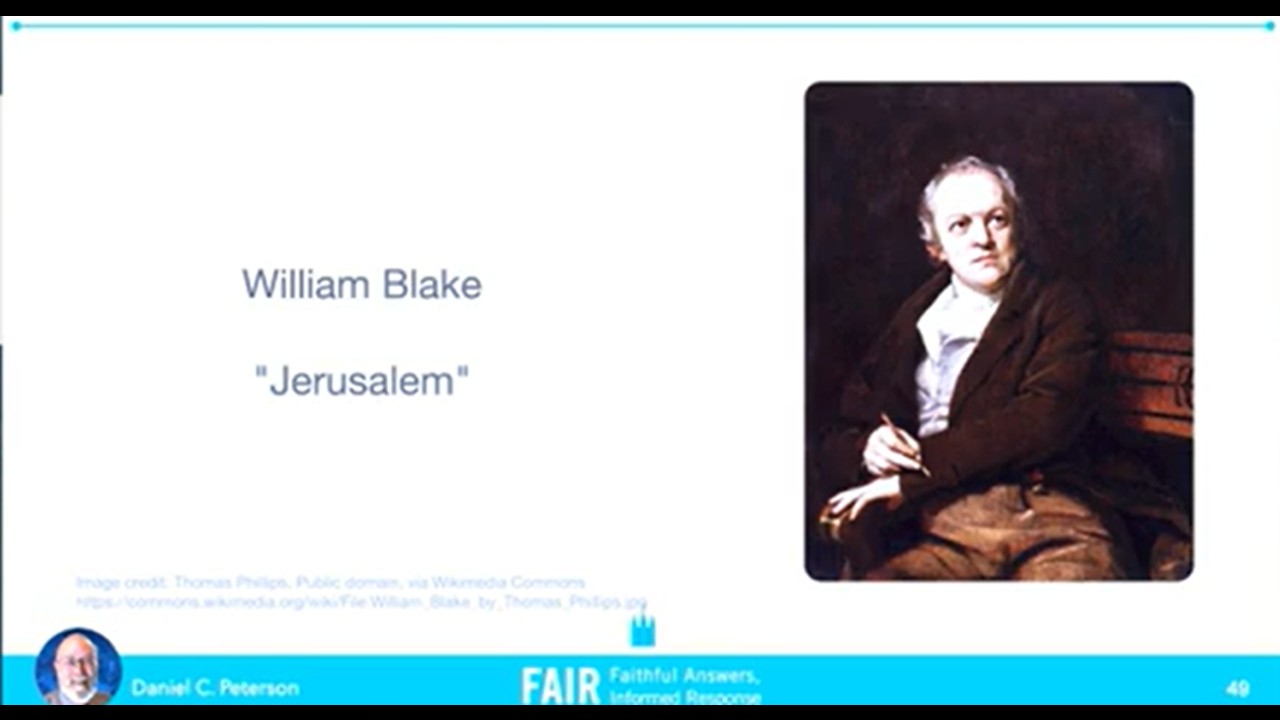
I want to draw on a famous song for that—William Blake’s Jerusalem. William Blake wrote this in 1808, and it was set to music in 1916 by Sir Hubert Parry. I was actually going to try to include music here for you, but I thought it might mess up the online version, or we might run into copyright issues. Then I thought of singing it, but I’m not going to.
But this song, Jerusalem, is like the unofficial national anthem of England. George VI actually said at one point (and he had an interest in this question) that he preferred Jerusalem as a national anthem to God Save the King. Kind of interesting for a king to say that!
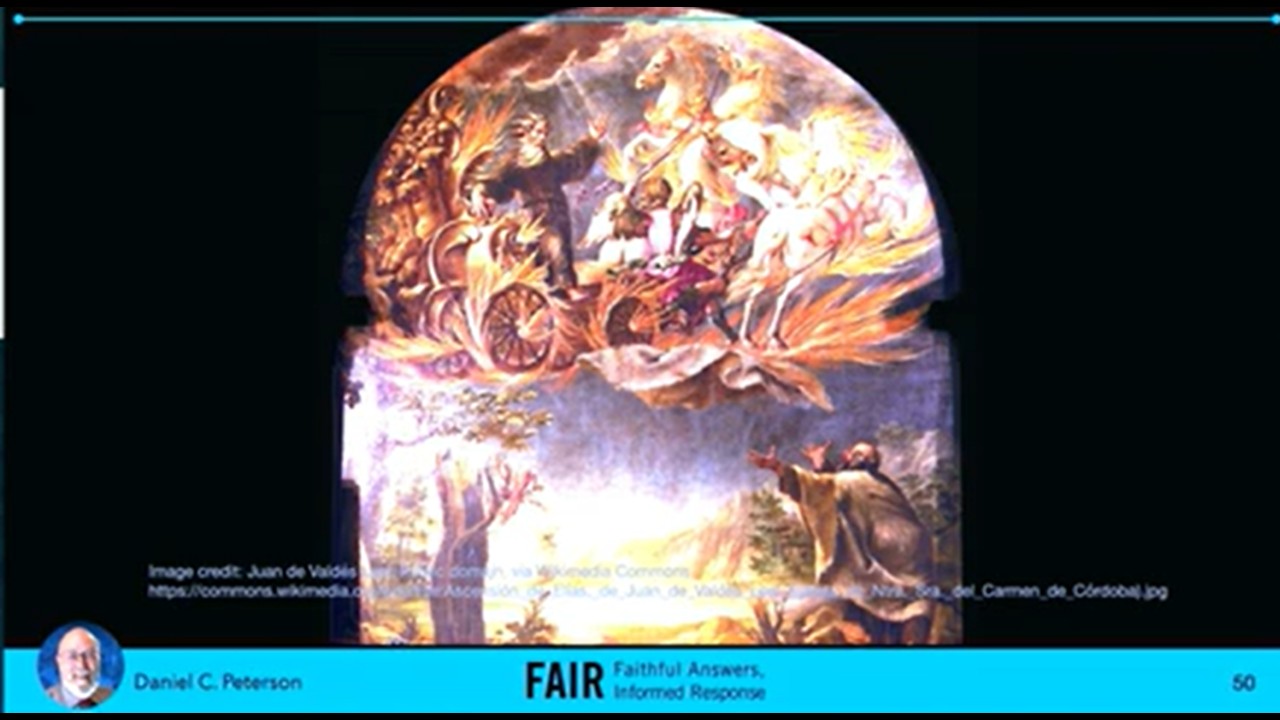
This is a song you may be familiar with—I hope you are. If you’re not, look it up and listen to it; it’s a really beautiful song. Everybody in England knows this song. It has to do with Elijah and his chariots of fire.
In fact, it shows up and is sung at the end of the film Chariots of Fire. If you’ve ever seen that movie, watch it again and see that. Here are the lyrics, and they’re about Christianity having been in England in ancient times:
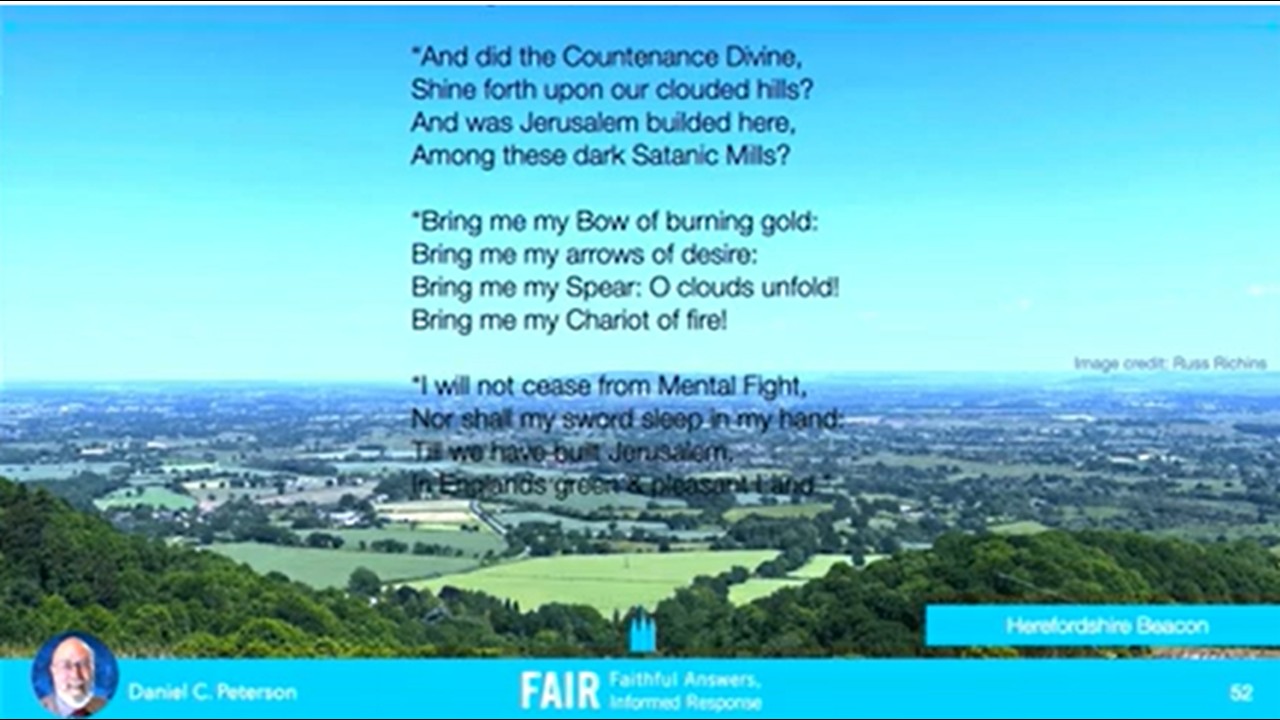
And did those feet in ancient time
Walk upon England’s mountains green?
And was the holy Lamb of God
On England’s pleasant pastures seen?
And did the Countenance Divine
Shine forth upon our clouded hills?
And was Jerusalem builded here
Among these dark Satanic mills?
Bring me my bow of burning gold!
Bring me my arrows of desire!
Bring me my spear! O clouds, unfold!
Bring me my chariot of fire!
I will not cease from mental fight,
Nor shall my sword sleep in my hand,
Till we have built Jerusalem
In England’s green and pleasant land.
More Missions in England
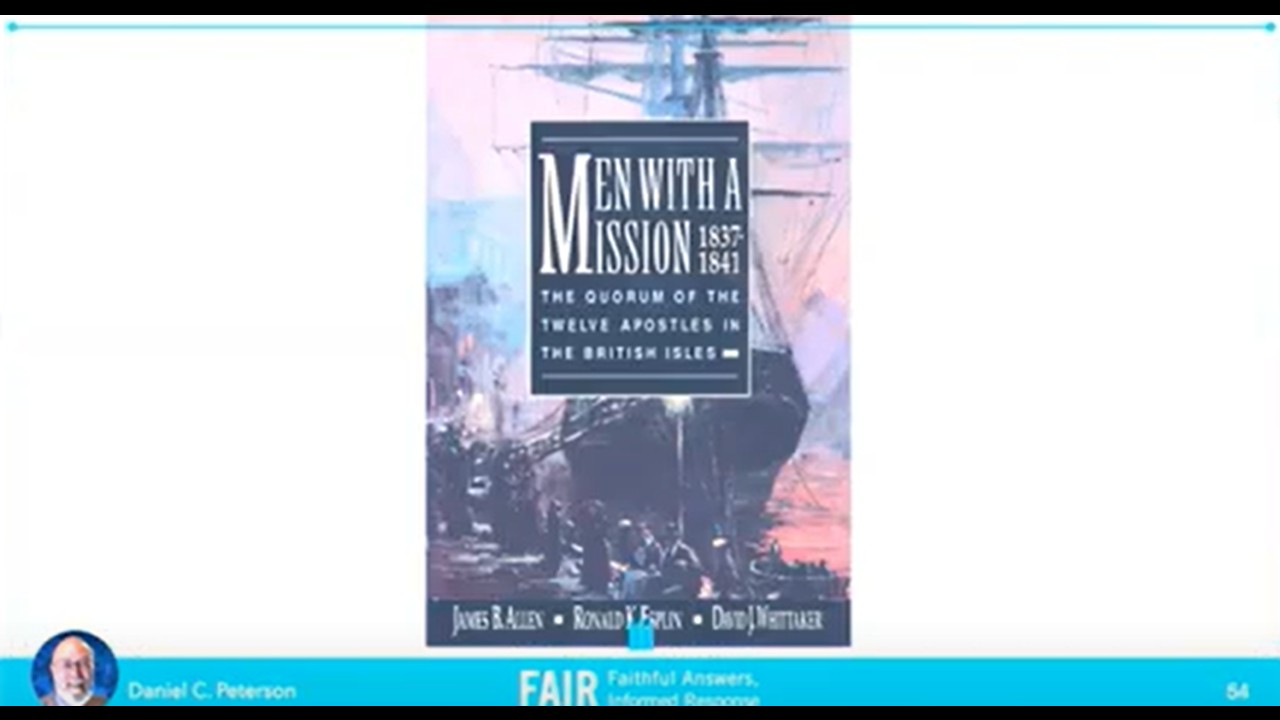
Well, that was Heber C. Kimball’s first mission to England—the first arrival of the Saints in England. Now I want to talk about the second mission. There’s a wonderful book written about these two missions that I recommend to you, called Men with a Mission by Jim Allen, Ron Esplin, and David Whitaker.
It’s wonderfully done, and this is a really important thing. It’s crucial, again, to my argument that the Twelve were being prepared for their role. Eight members of the Twelve went to England, to the British Isles, on their mission, and Orson Hyde spent some time there en route to and from Jerusalem.
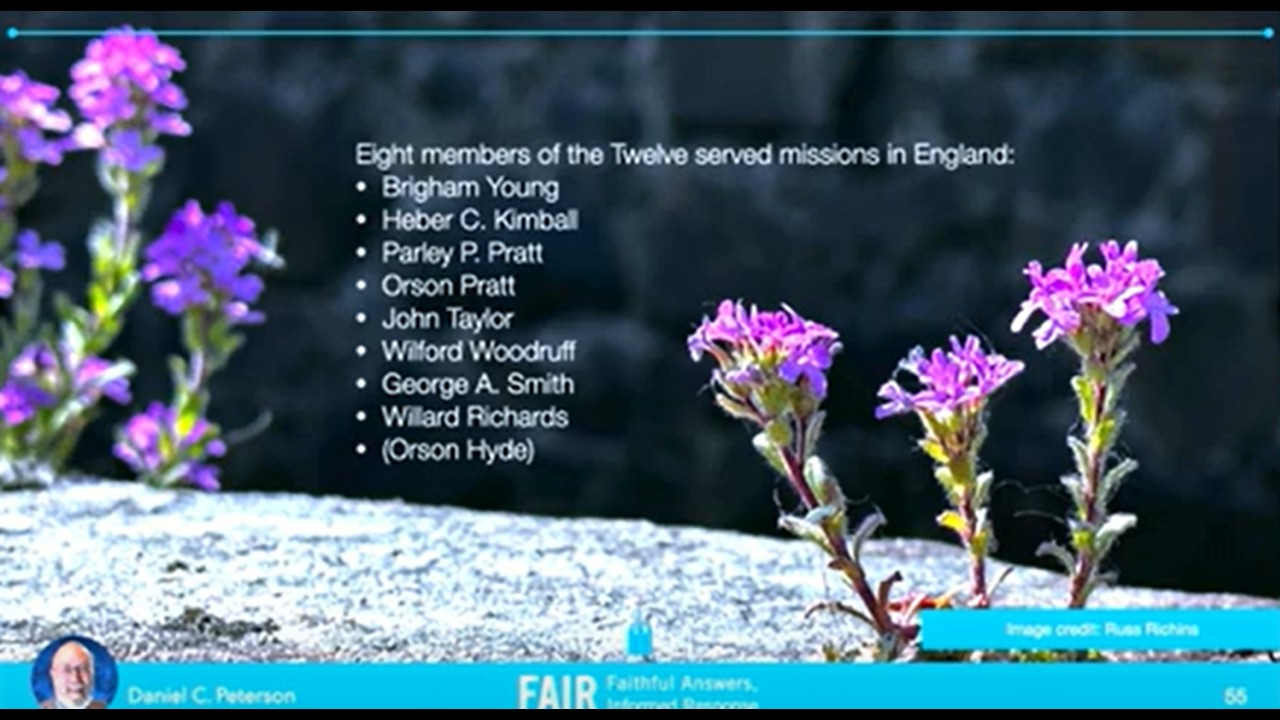
During that time, there’s a book by Eugene England that I also recommend called Brother Brigham, which is a very sympathetic portrayal of Brigham Young. He notes, reading the journals of the Brethren who served there, that Brigham had become president simply because he was the oldest.
Thomas Marsh had been excommunicated, and Brigham Young succeeded him because he was the senior Apostle. But gradually, in England, they began to refer to him as the President. He became the President—he already was, in fact—and now, by rule de jure, I guess I should say, and de facto, he really became the president. They recognized his unique leadership qualities, and that, I think, is important.
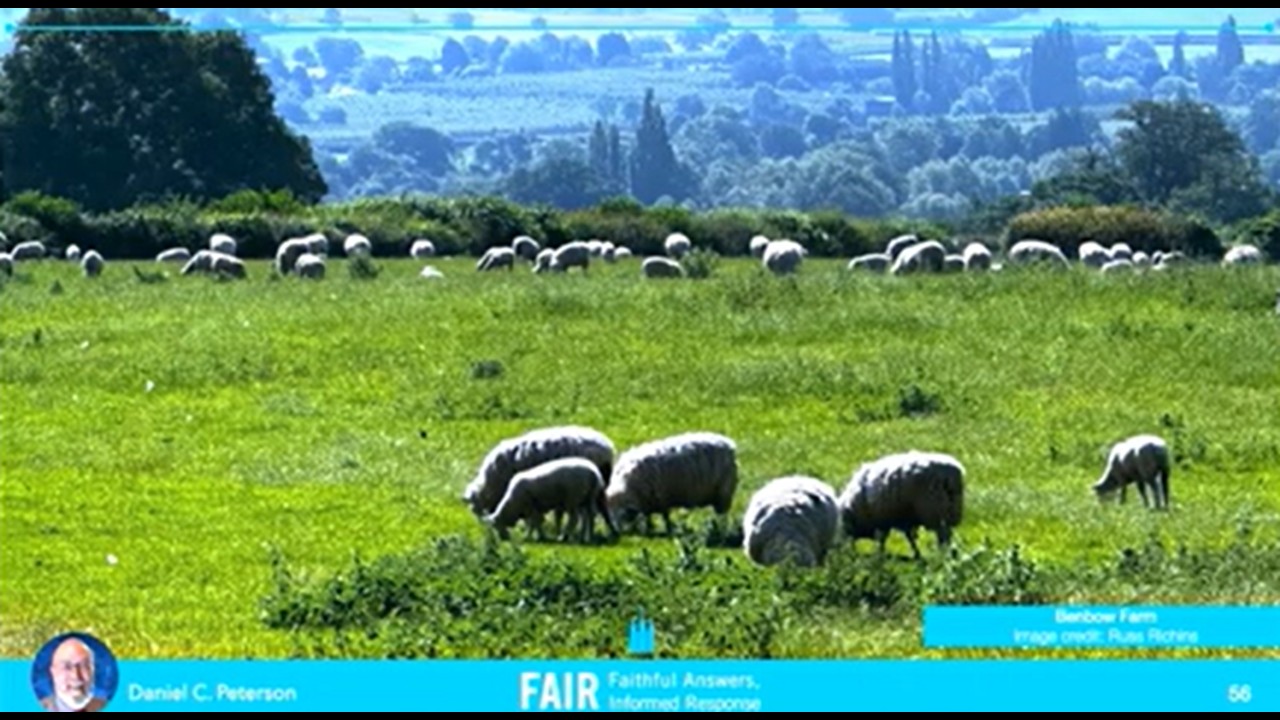
They had a great deal of success there. I have a scene here coming up from the John Benbow Farm. Some of you know that story about the remarkable success of Wilford Woodruff there, converting the United Brethren.

If we go to the Gadfield Elm Chapel next—this is one of the oldest buildings in the Church, not built by us; it belonged to the United Brethren and was taken over by the Latter-day Saints. It is still owned by the Church.
To get in, there’s no one there, but you have to work a little combination. The clues are all questions from scripture and LDS history, so if you haven’t kept up on your scriptures and Church history, you won’t get into that building.
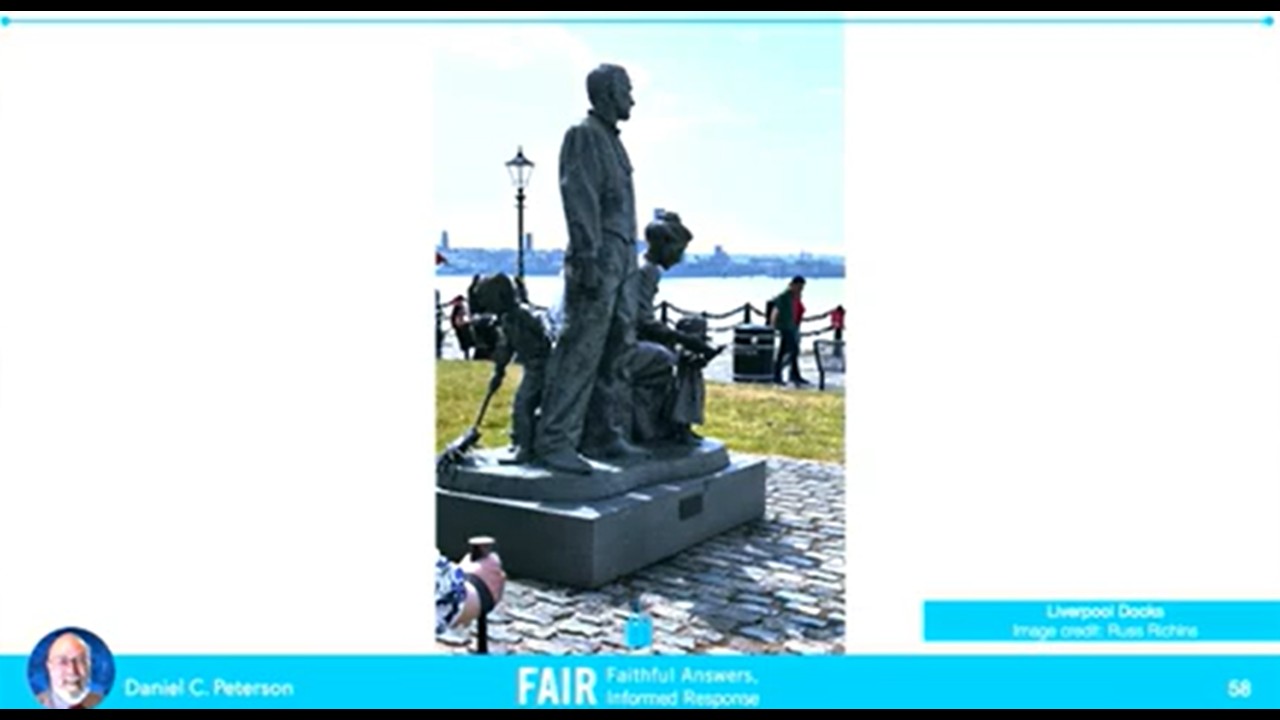
And then there’s this statue on the Royal Albert Docks in Liverpool, dedicated to the memory of the Latter-day Saint emigrants who went through that port, not only from England but from Scandinavia and the rest of Europe.
Change in the Status of the Twelve
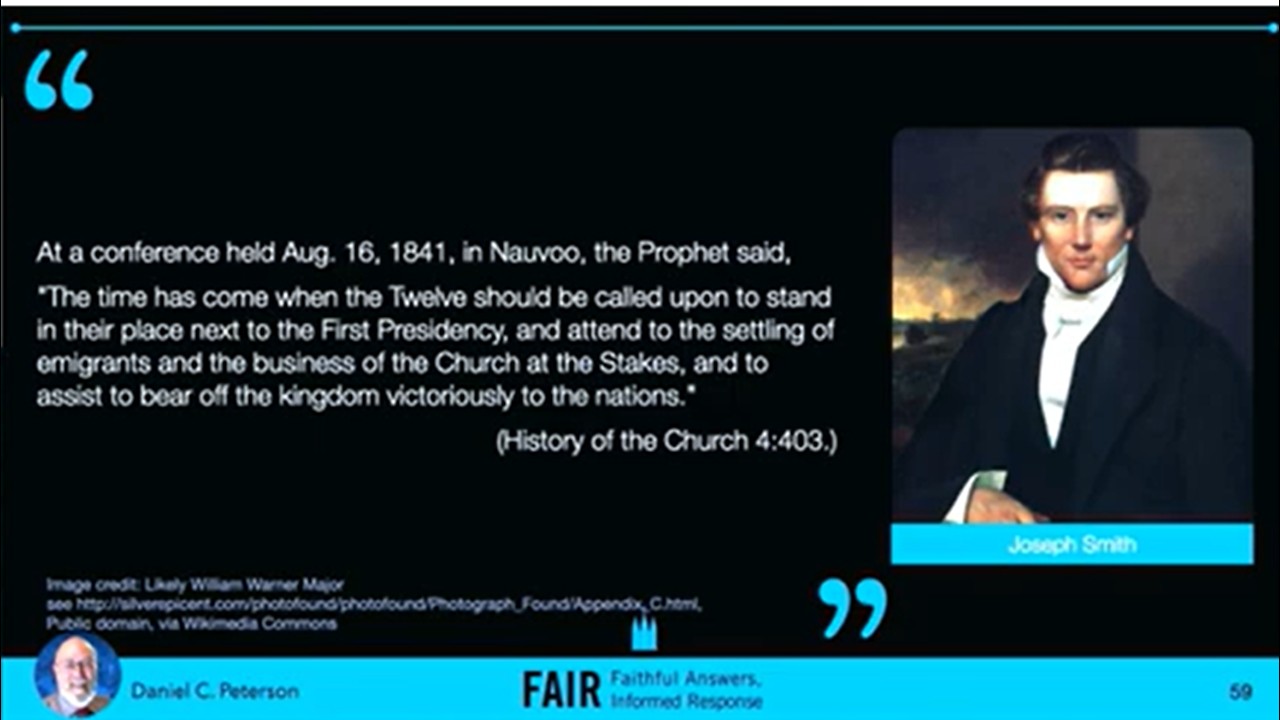
Now, crucially, there’s a change in the status of the Twelve thereafter. At a conference held on August 16, 1841, in Nauvoo, the Prophet said,
The time has come when the Twelve should be called upon to stand in their place next to the First Presidency and attend to the settling of immigrants and the business of the Church at the stakes—that is, within the Church—and to assist to bear off the Kingdom victoriously to the nations.”
This is crucial. Joseph recognized, I think, that there’s something different now about the Quorum of the Twelve. They really are ready to take their position as the Quorum second in authority to the Quorum of the First Presidency.
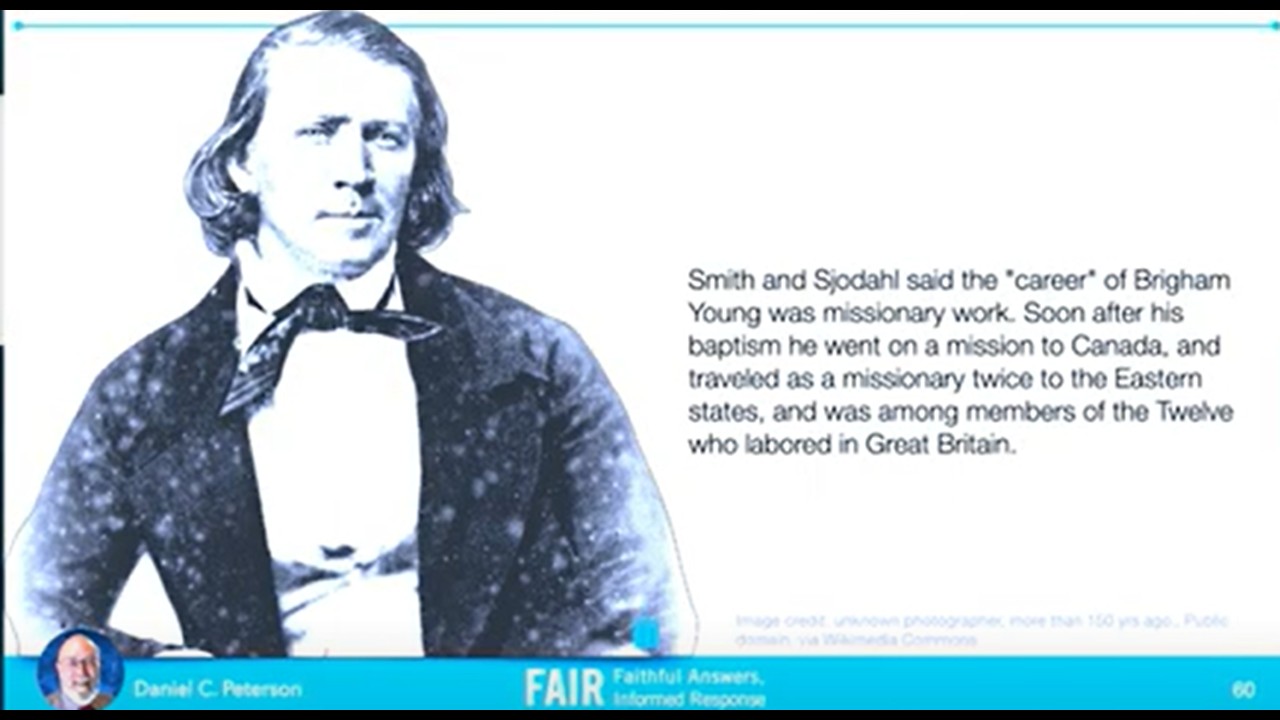
Interestingly enough, Smith and Swedal, in their commentary on the Doctrine and Covenants, say that Brigham Young was a missionary. He had gone on a mission to Canada and traveled as a missionary twice to the eastern states. He was among those who labored in Great Britain.
But in Section 126, the Lord commends him for his labors and affirms, “It is no more required at your hand to leave your family as in times past, for your offering is acceptable to me.” His role is changing. He will be at Church headquarters now as the leader of the Twelve, and that’s his role thereafter.
I think you see a really distinct thing going on here. We do understand that Brigham Young began to be asked by the Prophet, when the Prophet was unavailable, to lead meetings, preside over gatherings, and so on. He had never done that before, as far as I know.
Conferral of the Keys
Then, a really important moment is the conferral of the keys.
And I think a really valuable contribution on this issue has been the book that has recently been produced by Jeffrey Bradshaw, which is about Emer Harris, the brother of Martin Harris and Dennis and Lot Harris. One of the important things about that is that Denison Lot Harris remembered the day when the Prophet Joseph Smith conferred the keys on the Twelve, and he gives it a probable date: the 26th of March, 1844.
It’s interesting because the other testimonials have all come from the men who were in that meeting, members of the Twelve. But they could be accused of being self-interested, right? “The Prophet gave us the authority to lead the Church.” Well, if you believe it was an apostolic coup, of course, they would say that, right?
But Denison Harris, who was there, remembered Joseph saying, “This day I’m going to roll this kingdom off my shoulders onto the shoulders of these, my brethren, for them to preach the gospel and gather Israel, and build up the kingdom upon the foundation which I have laid.”
And then, at that important meeting, Wilford Woodruff says later—this is what he said:
I, Wilford Woodruff, being the last man living in the flesh who was present upon that occasion, feel it a duty I owe to the Church of Jesus Christ of Latter-day Saints, to the house of Israel, and to the whole world to bear this, my last testimony to all nations. That in the winter of 1843-44, (in fact, the spring of 1844, I think,) Joseph Smith, the Prophet of God, called the Twelve Apostles together in the city of Nauvoo and spent many days with us in giving our endowments”
—so he’s talking about a lengthier period—
“and teaching us those glorious principles which God had revealed to him. And upon one occasion, he stood upon his feet in our midst for nearly three hours, declaring unto us the great and last dispensation which God had set His hand to perform upon the earth in these last days. The room was filled as with consuming fire, the Prophet was clothed upon with much of the power of God, and his face shone and was transparently clear. He closed that speech—never to be forgotten in time or in eternity—with the following language.”
(Remember, Wilford was a great journal keeper.)
Brethren, I have had great sorrow of heart for fear that I might be taken from the earth with the keys of the Kingdom of God upon me without sealing them upon the heads of other men. God has sealed upon my head all of the keys of the Kingdom of God necessary for organizing and building up the Church, Zion, and the Kingdom of God upon the earth, and to prepare the Saints for the coming of the Son of Man.
Now, brethren, I thank God I have lived to see the day that I’ve been able to give you your endowments. I have now sealed upon your heads all the powers of the Aaronic and Melchizedek priesthoods and apostleship, with all the keys and powers thereof, which God has sealed upon me.
I now roll off the labor, burden, and care of this Church and Kingdom of God upon your shoulders. I now commend you, in the name of the Lord Jesus Christ, to round up your shoulders and bear off this Church and Kingdom of God before heaven and earth, and before God, angels, and men. And if you don’t do it, you will be damned.”
“The same Spirit that filled the room at that time burns my bosom while I record this testimony,”
President Woodruff says.
And the Prophet of God appointed no one else but the Twelve Apostles to stand at the head of the Church and direct its affairs.”
Richard Holtzapfel comments on this:
There is another important source about this monumental gathering. We’re not yet to Leonard Arrington, which may be the earliest written document describing the meeting, although it is unknown exactly when it was composed. It could have been written as early as September 1844. Speaking of that meeting, the Twelve recalled, “Joseph Smith seemed somewhat depressed in spirit and took the liberty to open his heart to us concerning his presentiments of the future.”
The document then records what the Prophet said on that occasion:
Joseph told the Twelve, ‘The Lord bids me hasten the work in which we are engaged.’ The Prophet did not want the keys and powers to be lost upon the earth, so he placed them upon the heads of the Twelve. Upon the shoulders of the Twelve must the responsibility of leading this Church henceforth rest until you shall appoint others to succeed you.
Your enemies cannot kill you all at once, and should any of you be killed, you can lay your hands upon others and fill up the Quorum. Thus, can this power on these keys be perpetuated on the earth.”
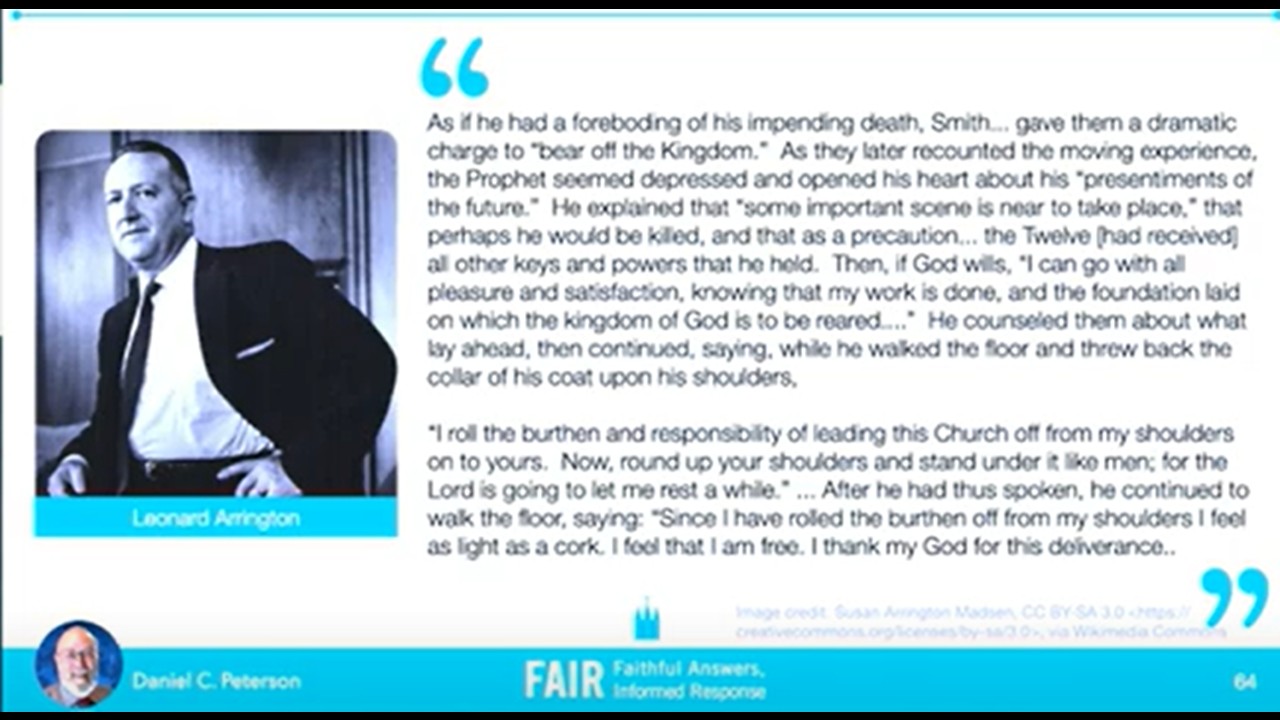
Leonard Arrington had this to say: “As if he had a foreboding of his impending death, Smith gave them a dramatic charge to bear off the Kingdom. As they recounted the moving experience, the Prophet seemed pressed and opened his heart about his presentiments of the future.
He explained that some important scene is near to take place—that perhaps he would be killed—and that as a precaution, the Twelve had received all the keys and powers that he held.
Then, if God wills, I can go with all pleasure and satisfaction, knowing that my work is done and the foundation laid on which the Kingdom of God is to be reared.”
He counseled them about what lay ahead, then continued, saying while he walked about the floor,
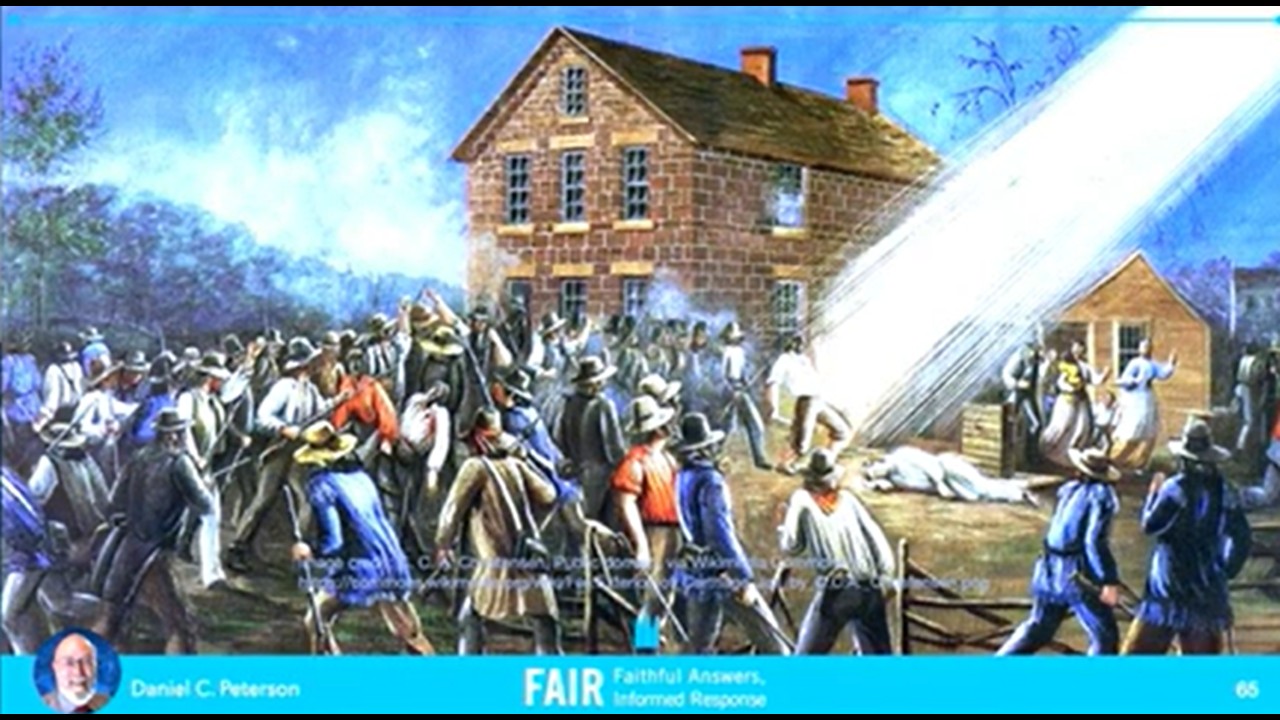
I rolled the burden and responsibility of leading this Church off from my shoulders onto yours. Now round up your shoulders and stand under it like men, for the Lord is going to let me rest a while.” After he thus spoke, he continued to walk the floor, saying, “Since I’ve rolled the burden off from my shoulders, I feel as light as a cork. I feel that I’m free. I thank my God for this deliverance.”
Three months later, Joseph Smith and Hyrum Smith were killed at Carthage Jail—two of the three members of the First Presidency.
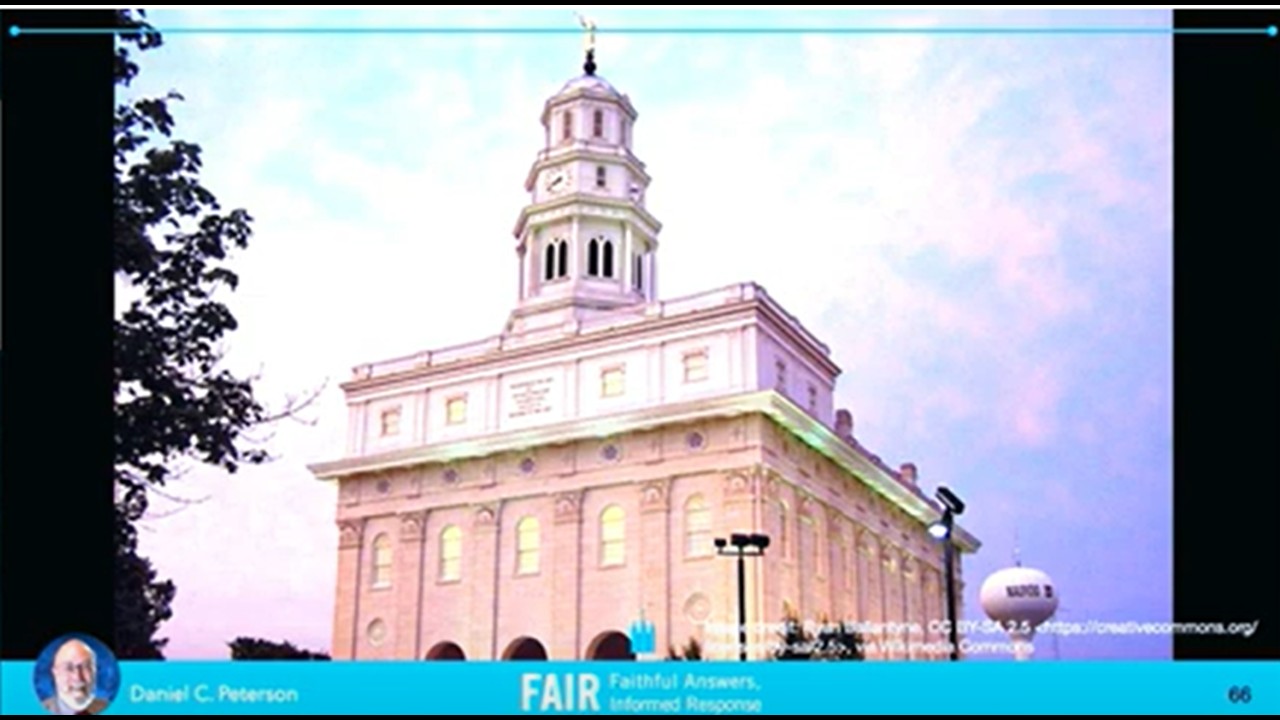
Cases for Succession
In response to this, the Twelve returned to Nauvoo. Sidney Rigdon, who had been off in Pittsburgh, returned to Nauvoo, and there is the famous meeting of the Saints in Nauvoo where Sidney Rigdon gives his case for himself as the guardian of the Church.
And then the Twelve, represented by Brigham Young, give their case. You know many of you about the miraculous event that many reported later seeing there, by which they knew that Brigham Young was the successor.
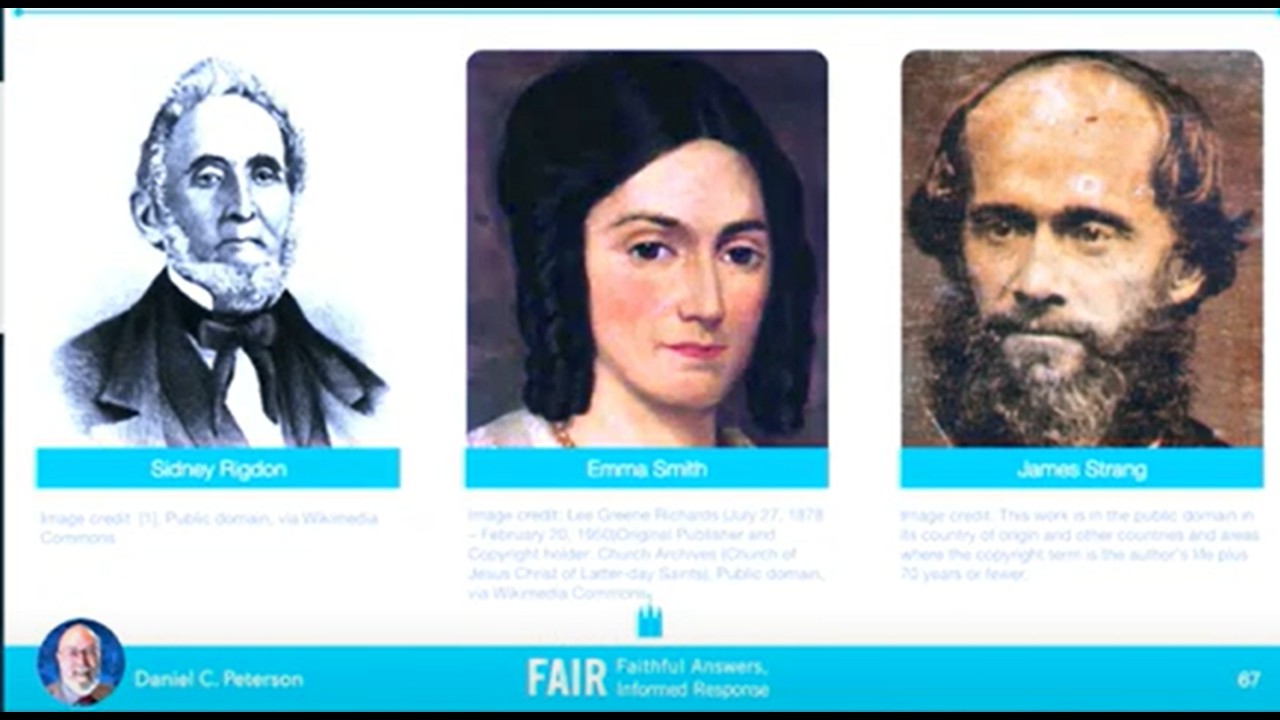
Now I want to close with just a couple of quick comments, because I’m actually in negative 56 seconds. I have one person that I know and have had some encounters with online, who is a kind of “Strangite,” I think—very, very vocal. He is convinced that Six Days in August is going to be an anti-Strang film. Well, it isn’t going to be. Strang won’t even show up in it because he’s not important in those six days in August; he shows up later, so he’s not a factor. So, no Pee-wee Herman there.
In the docudrama, we probably will have to talk about him, but it’s not going to be an overtly anti-Strang film. I’ll let you in on a secret: I’m a member of The Church of Jesus Christ of Latter-day Saints. I believe that the Twelve were the legitimate successors of Joseph Smith. I’m not going to hide that. When I say the proper sum of two plus two is four, and you have five, I’m not against you—I’m just saying it actually is four, okay?
So, I believe that the Twelve were the proper successors of Joseph Smith, and we’re going to try to illustrate that without being propagandistic about it—just by telling the story as it happened. It’s not going to be an anti-Emma film either, and I want that to be clear. I grew up—maybe some of you did too—hearing Emma really bad-mouthed. I don’t think it’s fair. Emma went through a lot, and she did what she did. I think she was wrong, but she was trying to serve her family, and so on and so forth. And she was tired. She was just tired.
So, we’re not going to attack Emma Smith. We’re not going to attack the Reorganized Church or the Community of Christ either. But yes, I do think they’re wrong. I don’t hide that. We’re not neutral on this. None of the people I’m working with are neutral on this question. Is it anti-RLDS? Only in the most trivial sense, that we think they got the sum wrong, okay? But that’s all.
Conclusion
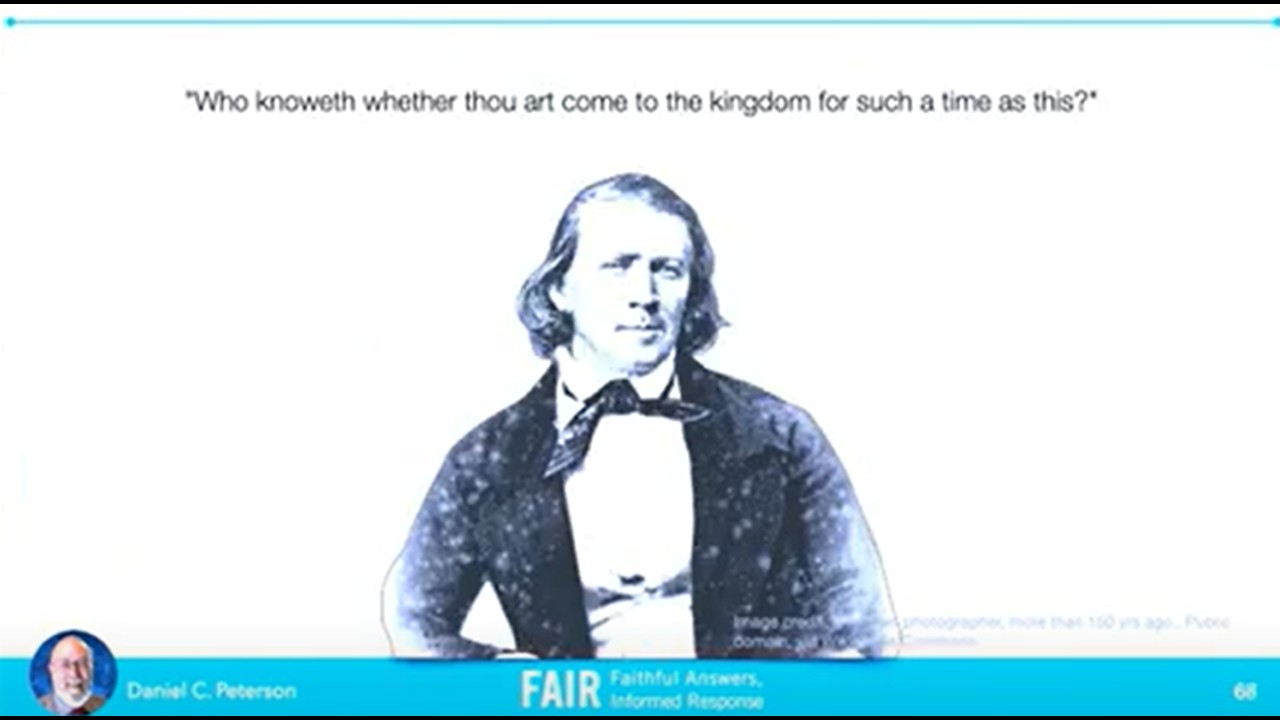
I do believe that Brigham Young was the divinely chosen leader, and the Twelve were the divinely chosen leaders. It took about three years for Brigham to actually be sustained, for a new First Presidency to be organized.
In the old days, prior to Lorenzo Snow, they didn’t do it immediately—they always waited for a while. But Brigham Young eventually did become president, and I think the question to be asked in this case, looking back—understanding history backwards—is the question that is asked in Esther 4:14 about Esther, who showed up in the Royal Court of Persia at a time when the Jews were under threat. She was Jewish, and the question is put to her: “Who knoweth whether thou art come to the kingdom for such a time as this?”
I think Brigham Young was put in the kingdom for such a time as the one he found himself in. And that’s the story we’re going to tell.
Thank you.
Audience Q&A
No Q&A was offered.
Endnotes & Summary
coming soon…
All Talks by This Speaker
coming soon…
Talk Details
- Date Presented: August 2, 2023
- Duration: 48:45 minutes
- Event/Conference: 2023 FAIR Annual Conference
- Topics Covered:
Common Concerns Addressed
coming soon…
Apologetic Focus
coming soon…
Explore Further
coming soon…
Share this article
