Assumption of a Mesoamerican Geographic Model for the Book of Mormon
The title of my presentation is The Mesoamerican Urim and Thummim. And as the title suggests, I assume a Mesoamerican geographic model for the Book of Mormon. So get that out of the way already.
The Finding of the the Plates and Interpreters
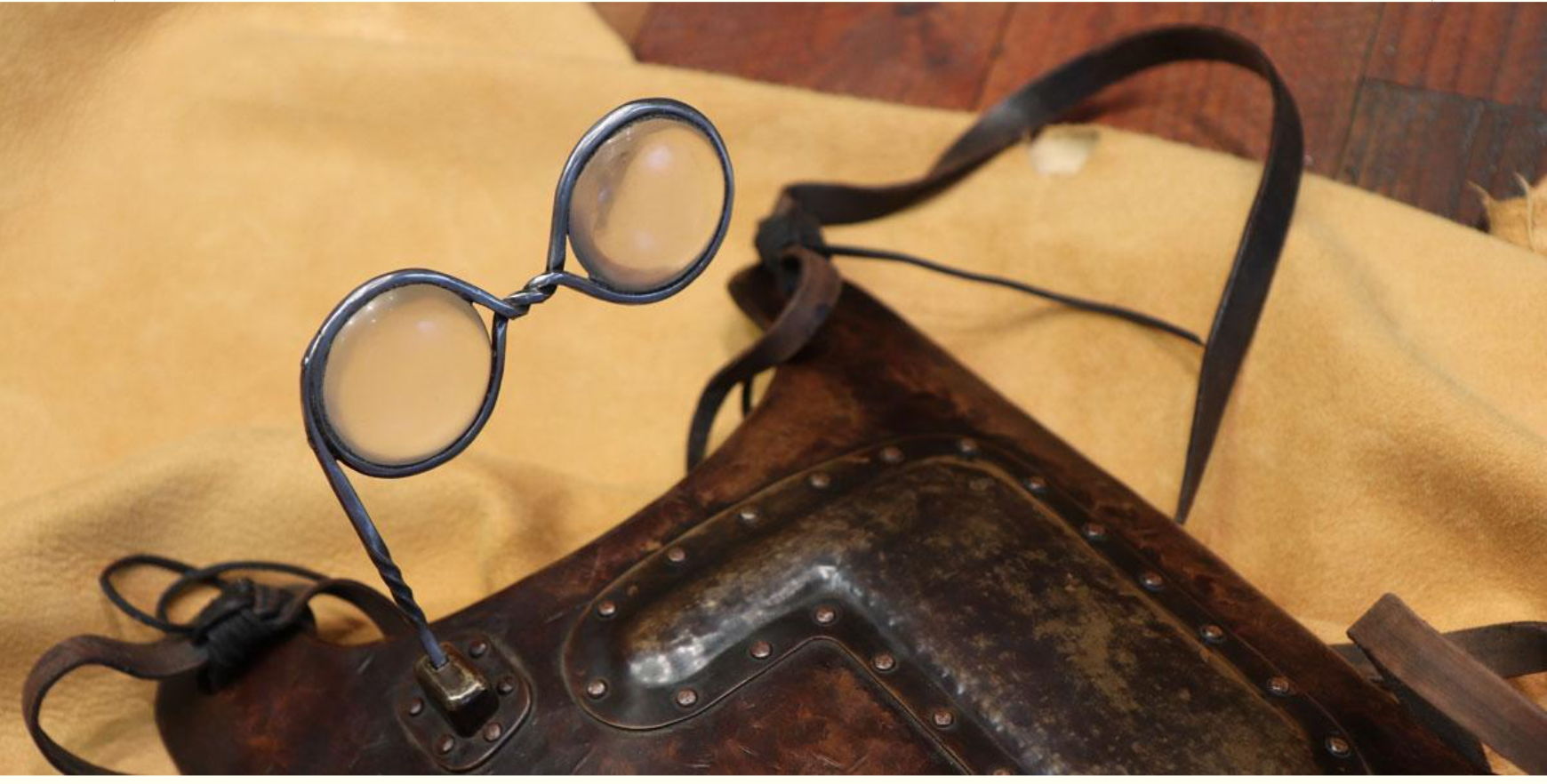
Joseph Smith, when he opened the stone box, what he found inside, obviously, was the plates, the breastplate, and what was called by the Nephites as the interpreters, and the early latter day Saints referred to sometimes as spectacles. And this was the device that Joseph Smith used to translate the Book of Mormon plates before he started using his seer stone.

The arguments I’m about to present were originally part of a chapter in my book Rethinking Revelation, and the Human Element in Scripture.
And then I distilled this down into a booklet form for those people that didn’t want to read through the entire book and just get it. And so I put it all into a book called A Mesoamerican Urim and Thummim, which was a volume in the little three part series that I’m working on, just on the book of Mormon.
I will argue in this presentation that the Nephite interpreters, which, like I said, were known as the urim and thummim to some to the early Latter-day Saints, originated from ritual scrying traditions consistent with those found among ancient New World shamans.
What Did the Interpreters Look Like?
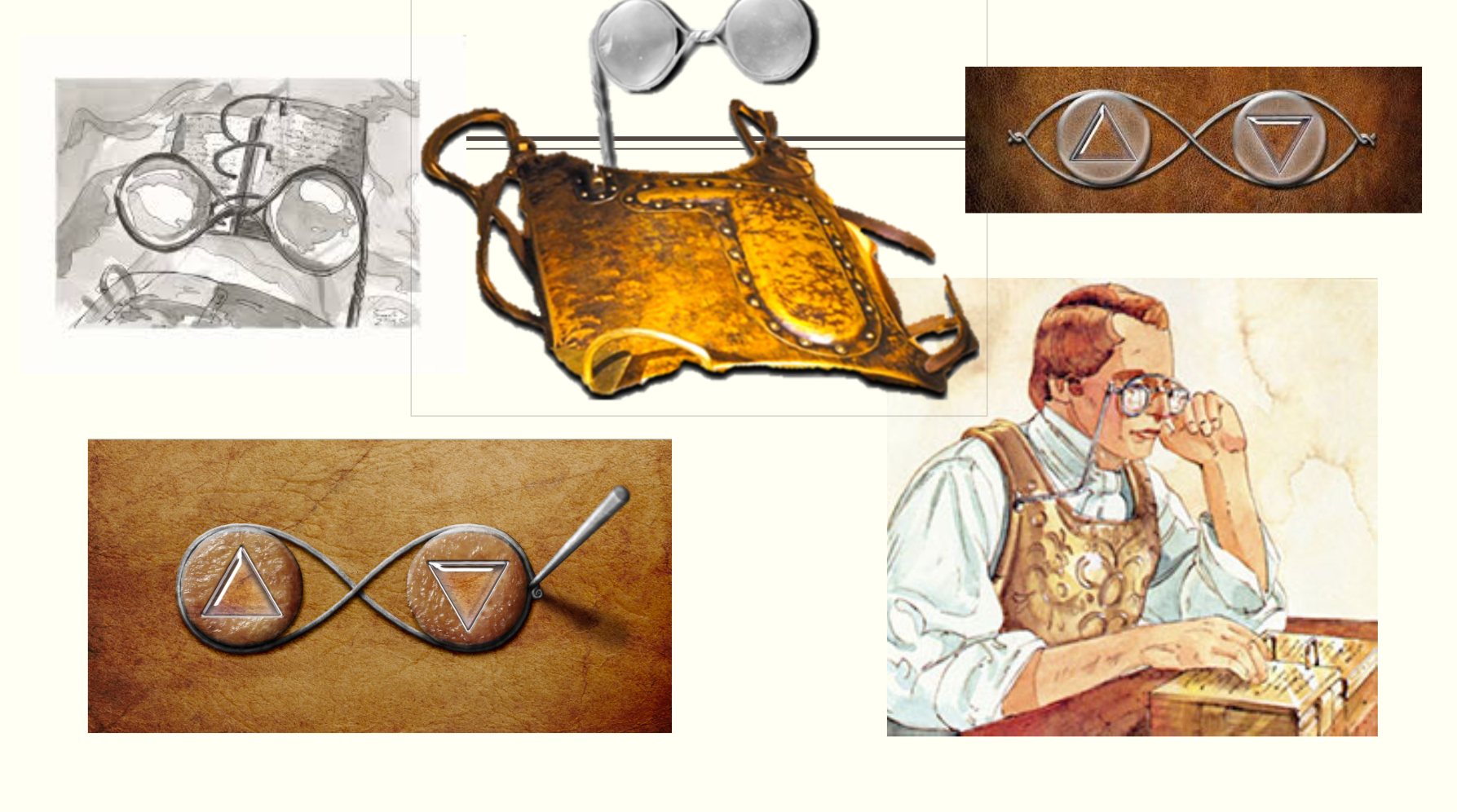
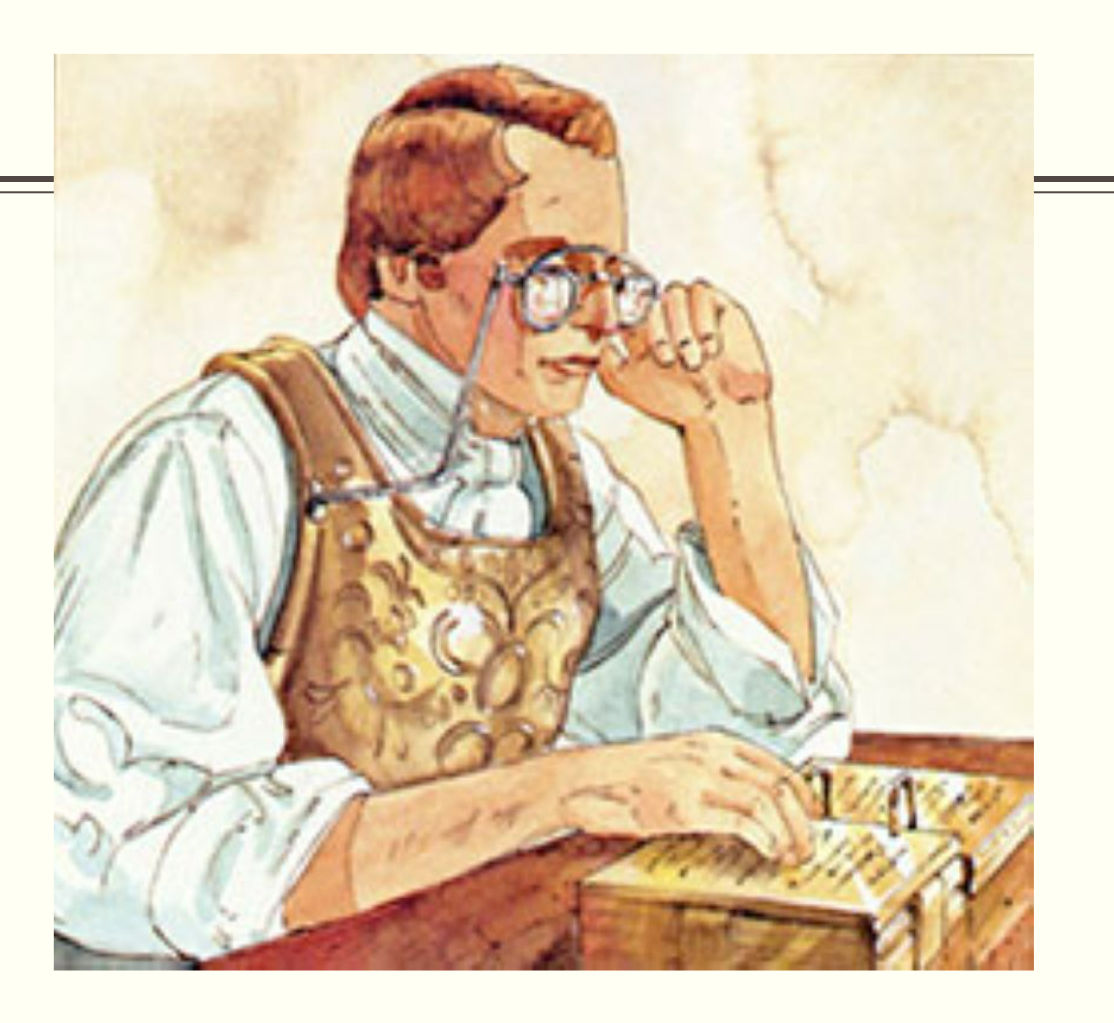
Now, what did the interpreters look like? There’s been a lot of speculation. We don’t really know. There’s been some interesting theories and possibilities. Don Bradley, in his wonderful book, The Lost 116 Pages (I highly recommend it), suggests that perhaps because they were referred to as looking like old fashioned spectacles, that they looked like lorgnettes, which are the eyeglasses from, earlier times, that were even older probably than Joseph Smith’s day. And perhaps even folding ones.
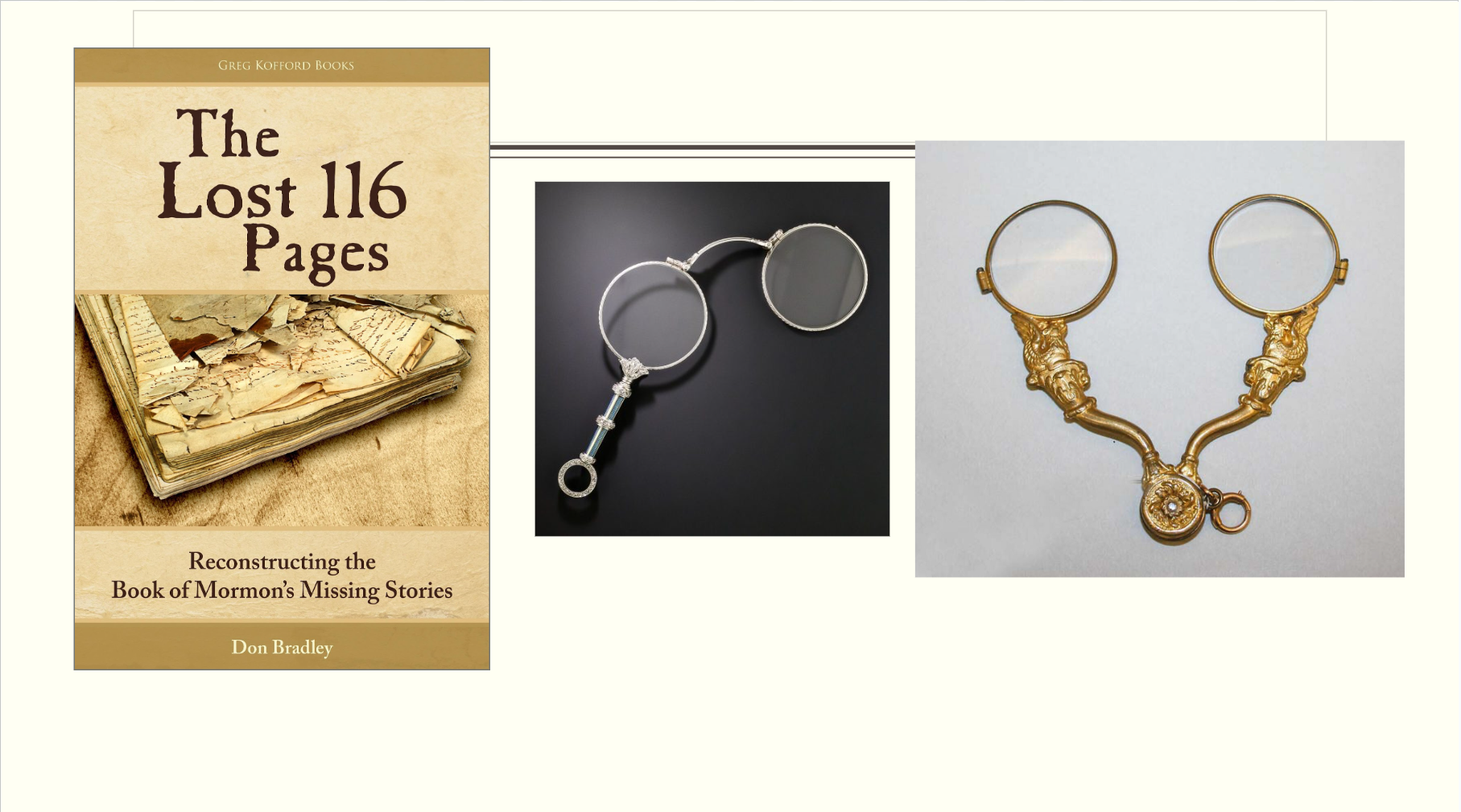
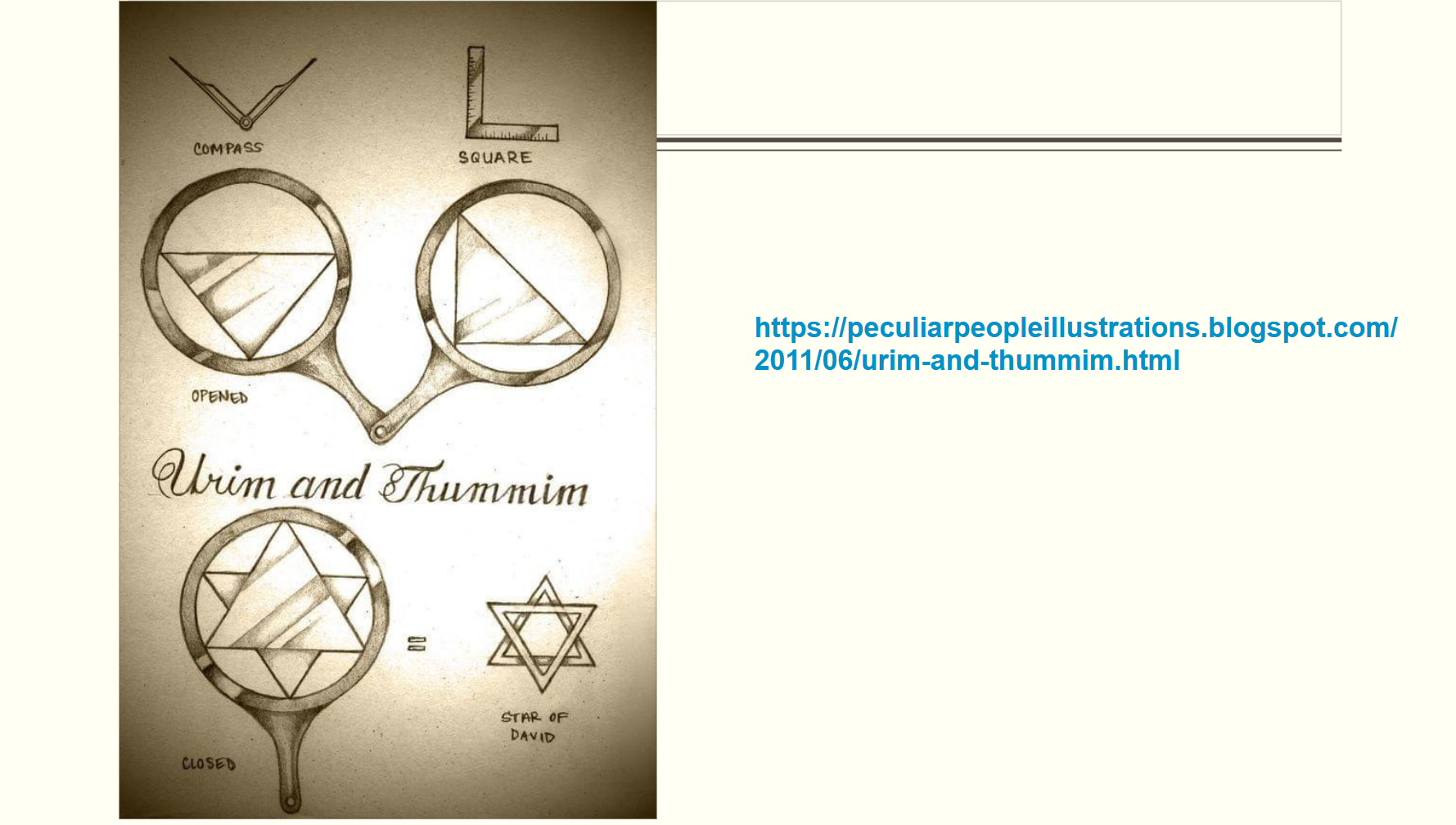
He gives an argument how they might have been shaped like this, and, it’s possible that’s how it is. In respect to Don, I disagree with how these might have looked and work this way. And Don might have a rebuttal to my position on it.
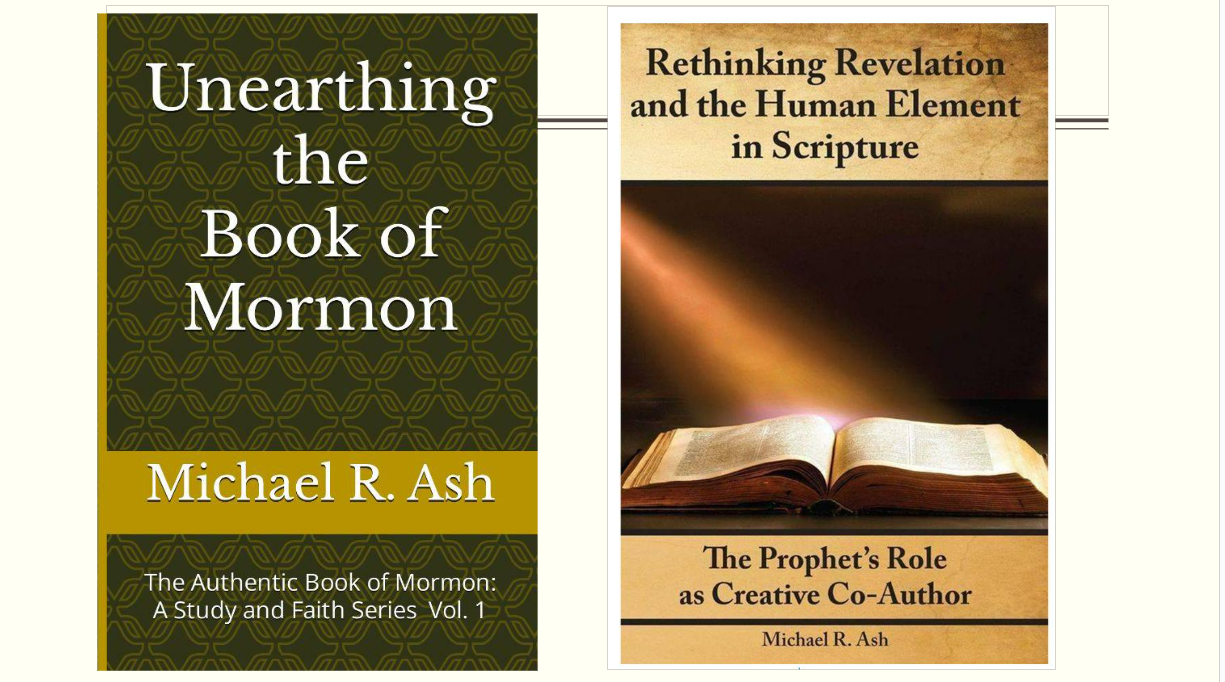
But in both my book, Unearthing the Book of Mormon, and my book Rethinking Revelation, I present arguments why I think that that doesn’t account for how the spectacles would have looked.
Martin Harris described the interpreters. He said:
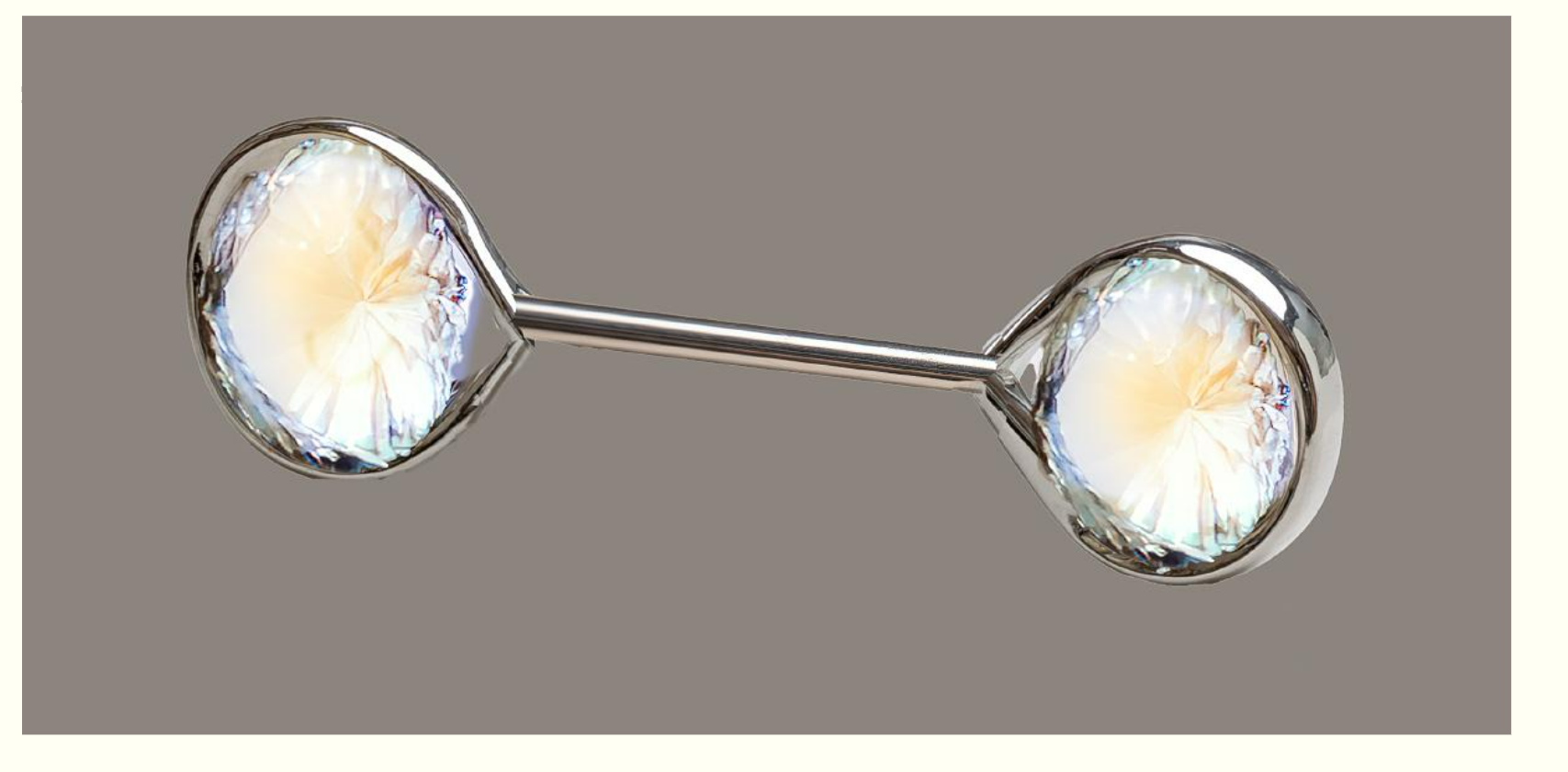
The two stones set in a bow of silver were about two inches in diameter, perfectly round and about 5/8 of an inch thick at the center, but not so thick at the edges where they came into the bow.
They were joined by a round bar of silver, about 3/8 of an inch in diameter and about four inches long, which with the two stones would make eight inches.
What Did the Interpreters Look Like?
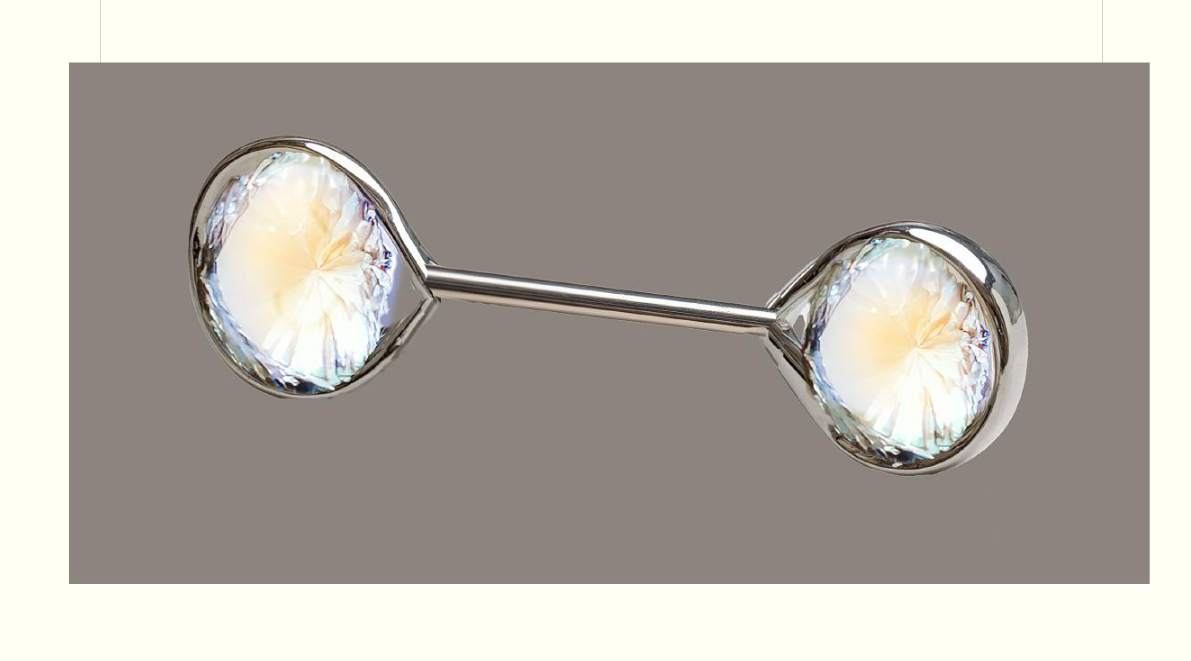
Here’s kind of an AI Photoshop creation I made of how they might have looked, not including the rod that might have extended to the breastplate.That would have been a little bit harder to create in my quick rendition of this. But I think that that’s, in a real rough context, how they might have actually worked. They still would have looked like spectacles to some degree to the early Latter- day Saints in the overall shape, and that’s the way they referred to them. But they couldn’t have been worn on the face, and that’s why Joseph Smith struggled with them. In fact, he didn’t use them that way. He disassembled them and put them into his hat.
Scrying–Divining with Reflective Surfaces
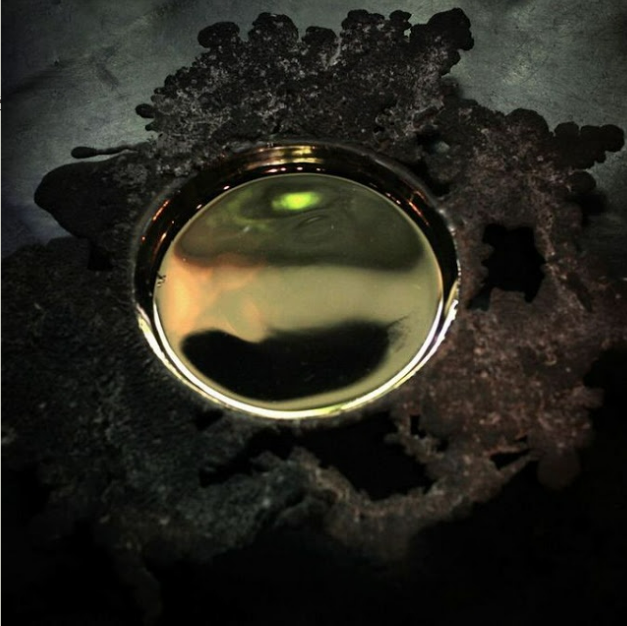
So it’s possible that the root of that design or type might have been found in some of the practices of early scrying techniques. The practice of scryer divining with reflective surfaces was widespread in antiquity and persisted into Joseph Smith’s cultural milieu.
Among Mesoamerican and southwestern indigenous groups, diviners often gazed into water filled bowls to access the spiritual realms. And similar techniques were used across various nations, including ancient Egypt.
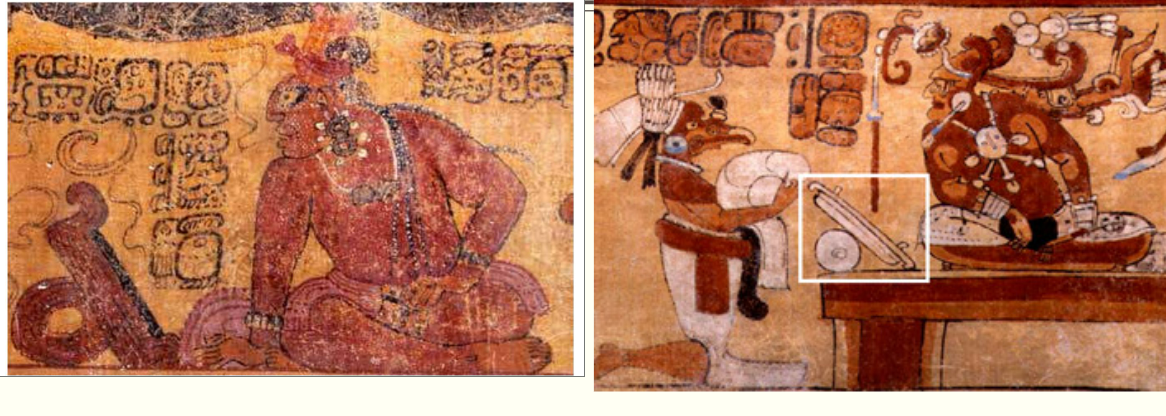
The earliest and most enduring form of scrying involved observing the surface of still water in natural basins, such as ponds or lakes. However, because of the practical limitations of accessing water, more portable alternatives, scrying mirrors, emerged.
These devices, dating back to 6200 BC, were also utilized by the Sumerians, Egyptians, Olmecs, Mayan, Greeks, Chinese, and others. In Mesoamerica, divining mirrors were not only widespread but ritually significant.
The Use of Mirrors in Scrying
At many classic Mayan sites, mirrors were often placed in bowls to mimic luminous water pools. These reflective devices were believed to reveal past and future events, and served as tools of spiritual visions for shamans. In Mesoamerican practice, shiners were viewed from a distance, often propped on stands or held by attendants. Shamans would gaze into these reflective devices at arm’s length. Again, not wearing the spectacles on the eyes.
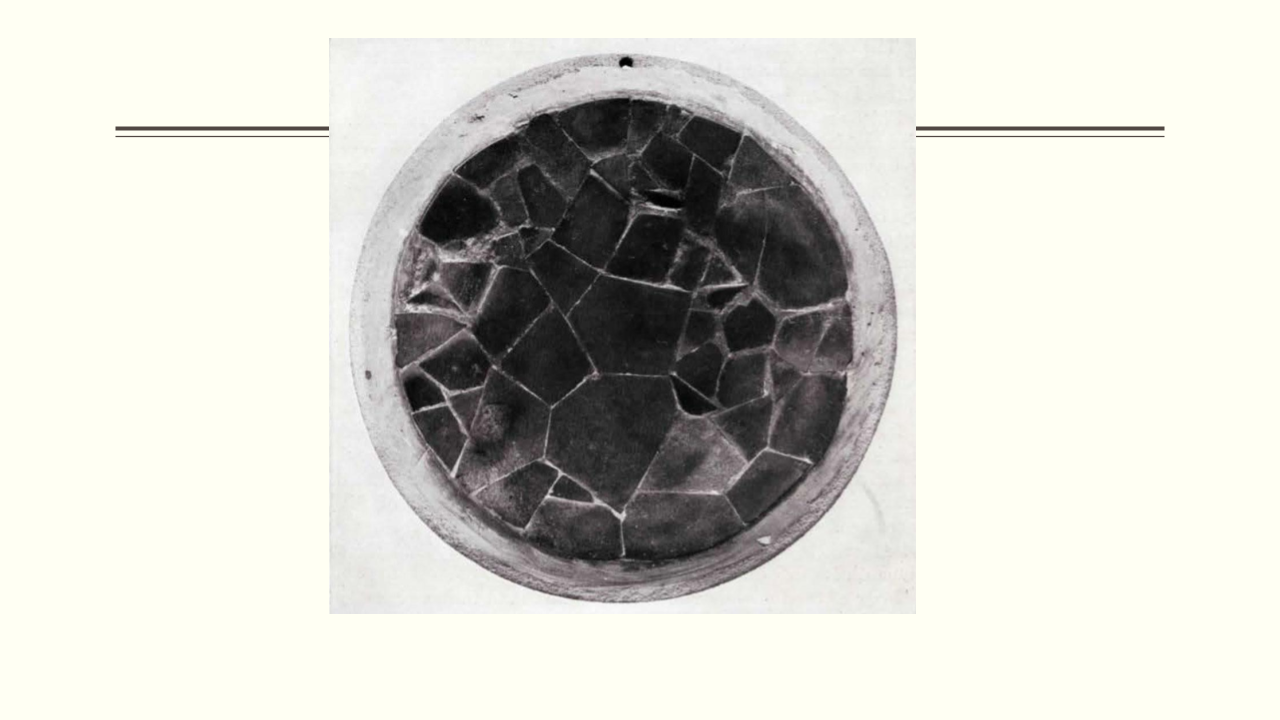
Mesoamerican mirrors were typically crafted from pyrite or obsidian mosaics set in circular wooden frames, sometimes reinforced with copper, gold or tumbaga. And if you’re familiar with that, that’s what some scholars theorize the Book of Mormon plates might have been made out of, or something similar to that.

The Use of Other Reflective Media in Scrying
Beyond mirrors, mesoamericans revered a broader category of reflective media, in what one scholar describes as the reflective surface complex. In this worldview, many luminous surfaces symbolized the liminal threshold between the natural and supernatural realms.
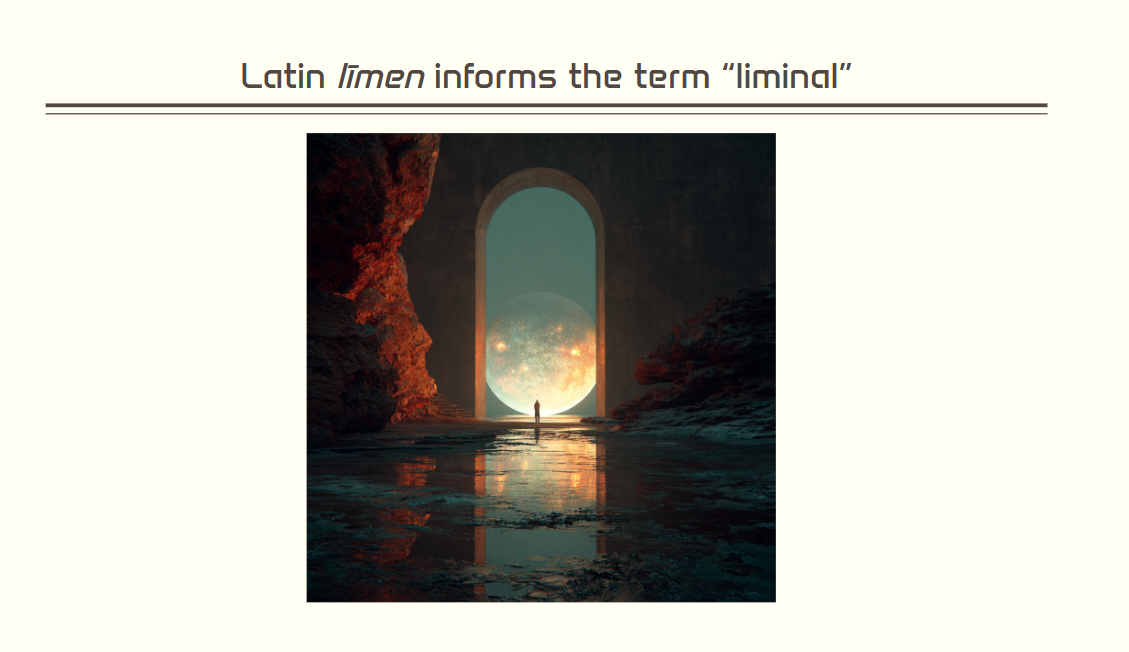
The Latin root limen informs the term liminal, meaning threshold and denotes a space that straddles ordinary perception and sacred revelation. A liminal portal would then refer to a bridge or gateway that straddles the world of mortality, as well as the supernatural. In the Maya worldview, the mirror represented an archetype or broader domain of shiny surfaces that had the potential to access the liminal or supernatural worlds.
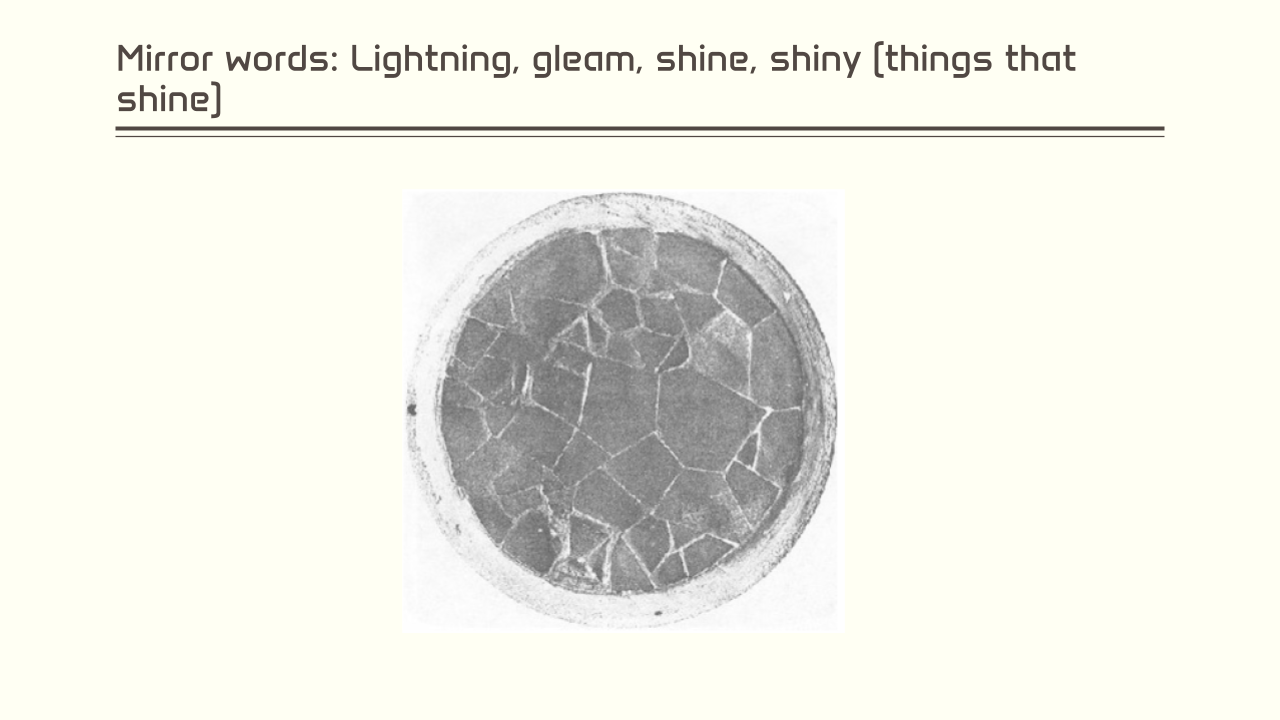
Mirror words for modern and conquest period Mayan dialects, for instance, are rooted in expressions such as lightning, glean and shine. One translation for mirror glyphs at a Mayan archeological site is shiner.
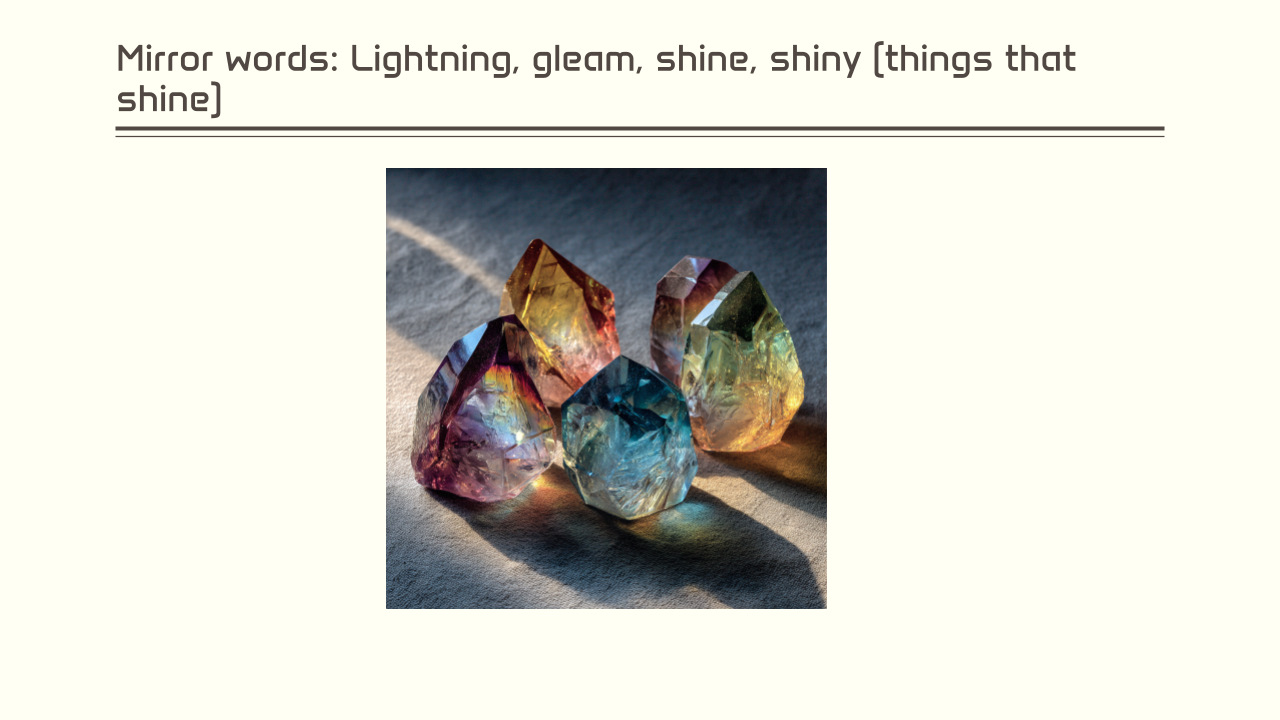
It refers to something shiny, resplendent. Modern Native American shamans also refer to the divinatory mirrors with the word that means “things that shine”, a word that includes crystal, water and glass, as well as various types of shiny stone such as jade, obsidian, and crystal.
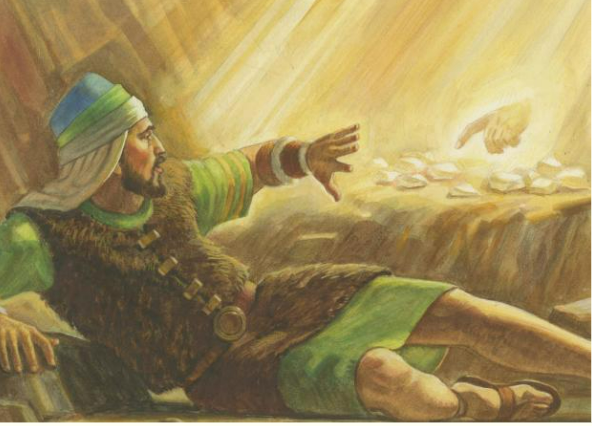
We recall that those stones prepared by the brother of Jared were touched by God to shine forth in the darkness in the barges when they were building the barges to cross the ocean.
Early Descriptions of the Interpreter Stones
“Accounts from early Latter-day Saint figures describe the interpreter stones as transparent, reflective, or luminous–”glass,” “diamond,” crystal,” “white,” “clear,” or “polished marble with a brief few gray streaks.” Some, like David Whitmer, said the stones were “opaque except to Joseph’s prophetic vision.” In another interview, he called them “whitish.” Lucy Mack Smith described them as “three-cornered diamonds set in glass,” likely based on a tactile memory rather than direct observation.
Despite inconsistencies, a consensus emerges: the stones were probably smooth, excluding Lucy Mack Smith’s statement, were probably smooth, shiny and semi opaque to transparent. Their sacred character likely stemmed from both their appearance and function. While I suspect the stones were roundish and smooth, and that Lucy was misremembering what she felt, (she didn’t see the stones) it’s possible that, per Lucy’s description, the stones were triangular shaped, or they were topped with triangular shapes, or that they had facets.
Possible Minerals Used for the Interpreter Stones
Potential candidates for the Nephite interpreters include jade, obsidian and quartz crystal, and they fit these descriptions. They were often rare, sacred, or imported in Mesoamerican trade, further elevating the ritual value. Things that were brought in from the outside were seen to have not only more value, but maybe more sacred value. They were exotic and had otherworldly characteristics to them.
Jade
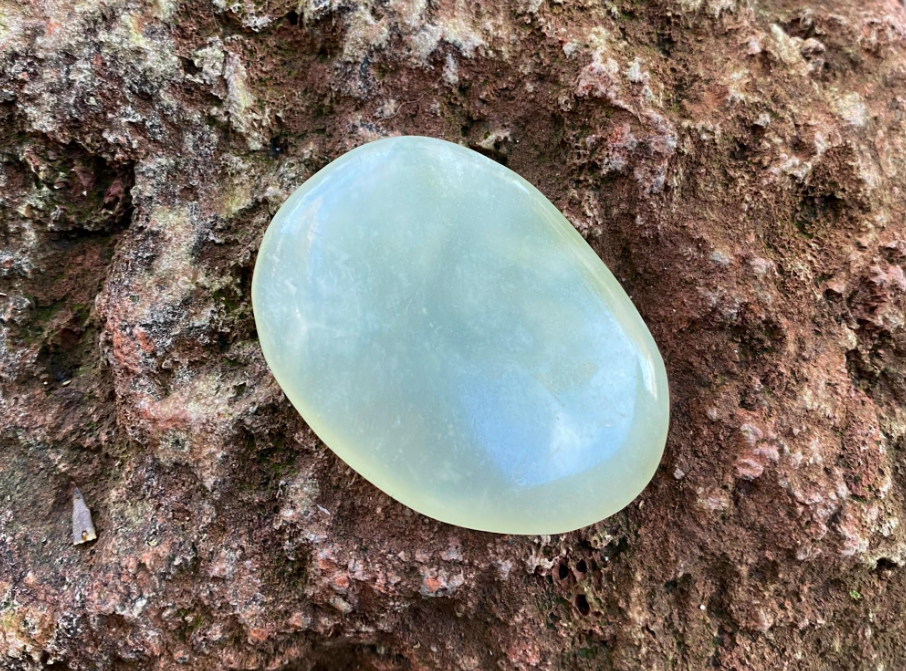
So let’s start with jade. Jadeite, a rare mineral that’s only found in perhaps eight locations in the world, including Guatemala, which is right in the proposed Book of Mormon setting for the Mesoamerican, model, and it was deeply symbolic in Mesoamerica. The Maya, for instance, associated jade with water, divination, and sacred value. Their glyph for water was a jade bead. Though often green, jade can also be blue, white, or grayish, and when polished it gains translucency and glass-like luster. For the Maya, translucent jade mirrored the depths of still water, evoking introspective and spiritual reflection. Jade was frequently associated with shiners and divination, and jade was often found alongside mirrors and burials.
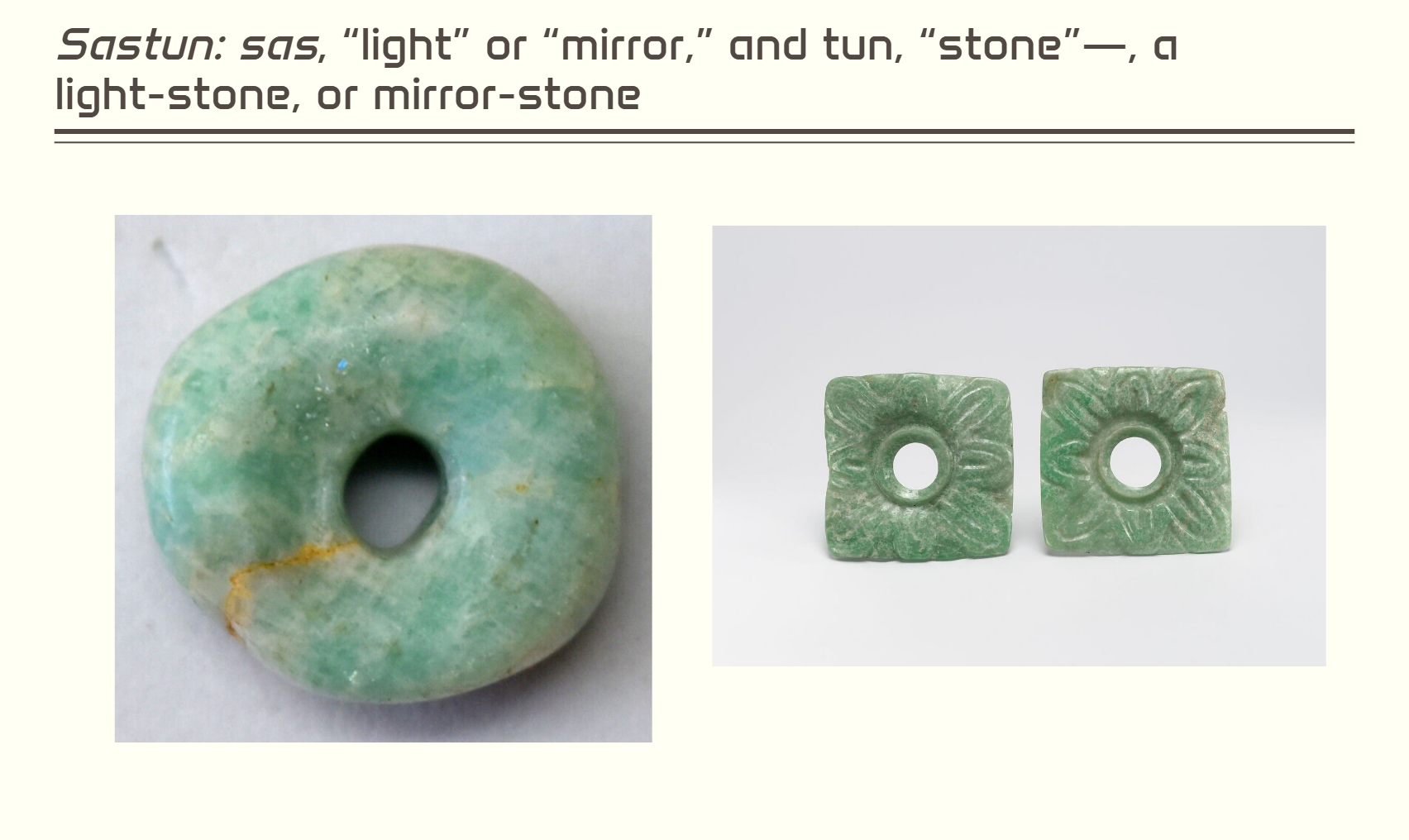
Some pieces of jade were prized for their divinatory powers. Thus jade spheres found in one ancient Mayan temple was immediately identified as the divinatory sastun. The word sastun comes from sas, meaning light or mirror, and tun, meaning stone. So, a light stone or mirror stone. Mayan shamans use them as divination tools.
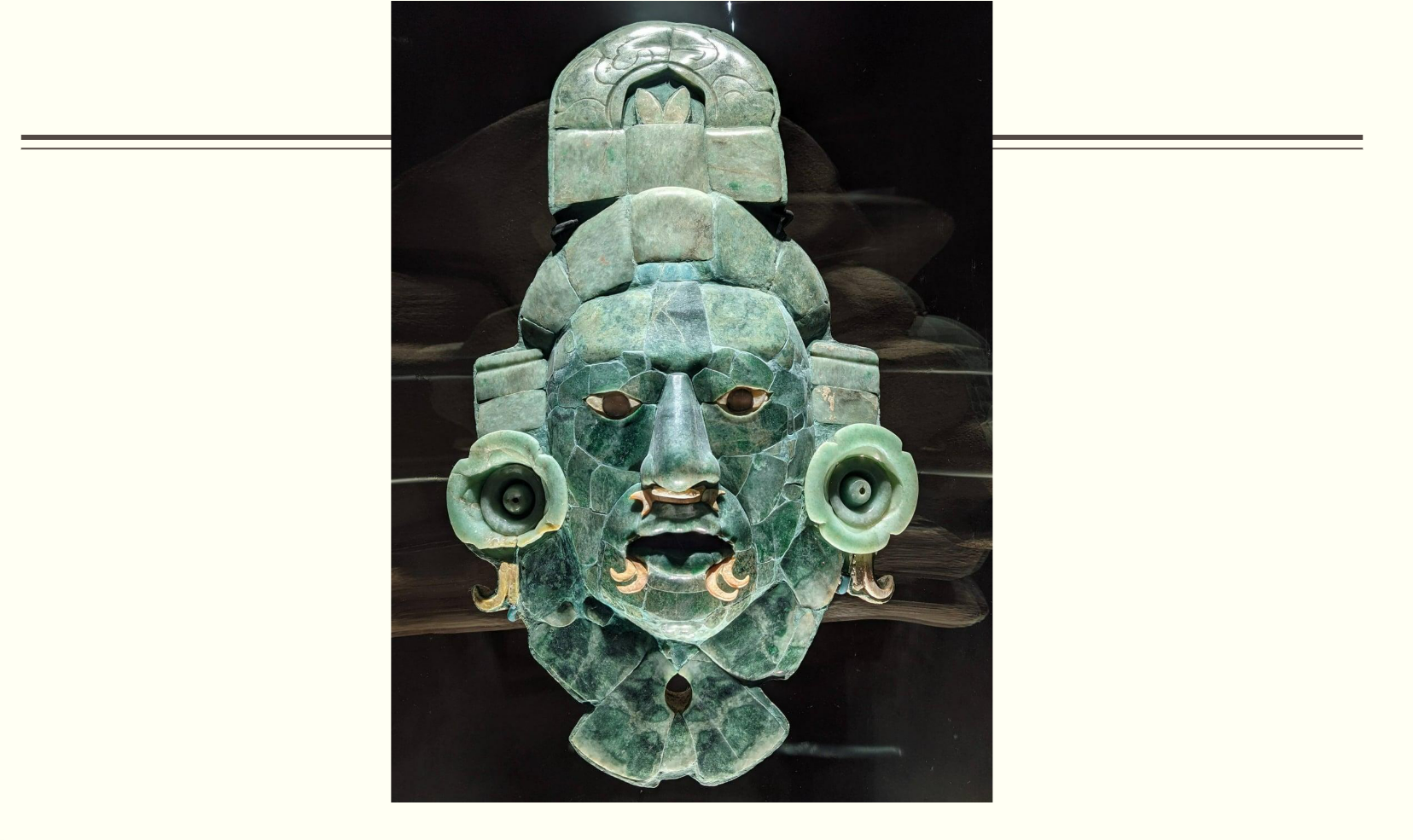
Jade was often used during ceremonies held to commemorate deified ancestors, and in the ritual conjuring of supernatural forces and gods. Identified at times as “the breath of life,” jade was used to form ornaments, and in ritual ceremonies, and often played a crucial role in mediating between humans, gods, and ancestors att the Mesoamerican axis mundi.
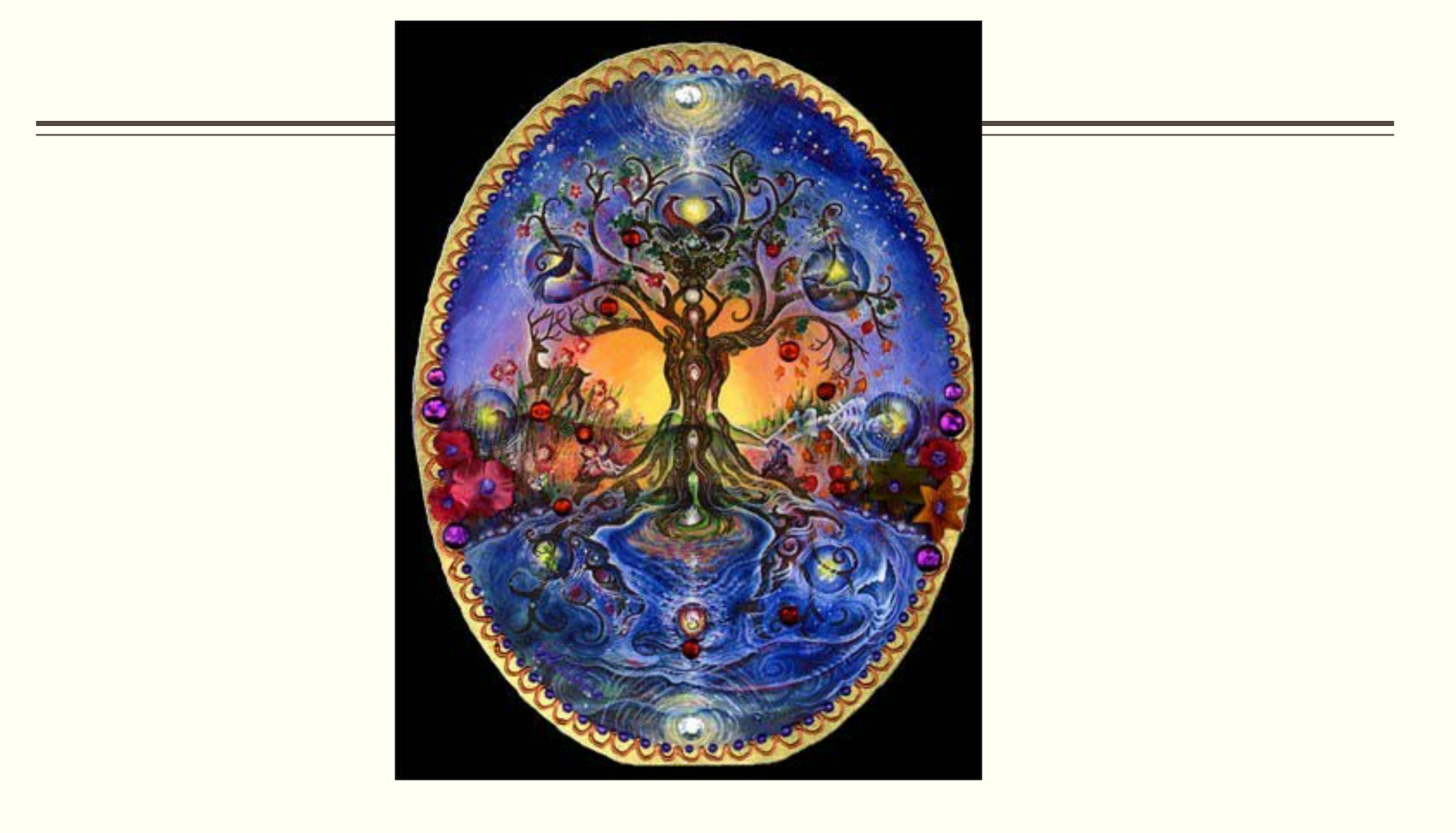
Axis Mundi–Connecting Heaven and Earth
The axis mundi, and this is something we find pretty much throughout the world, is basically a point where heaven and earth come together, is often symbolized by a tree that goes down to the underworld of the dead, and then up to the, world, the living, then up to the sky, that ties in the heavens. So this was seen as a possible axis mundi. In other words, connecting heaven and earth with mortals and the deceased and everything else. This has some interesting temple symbolism going on.
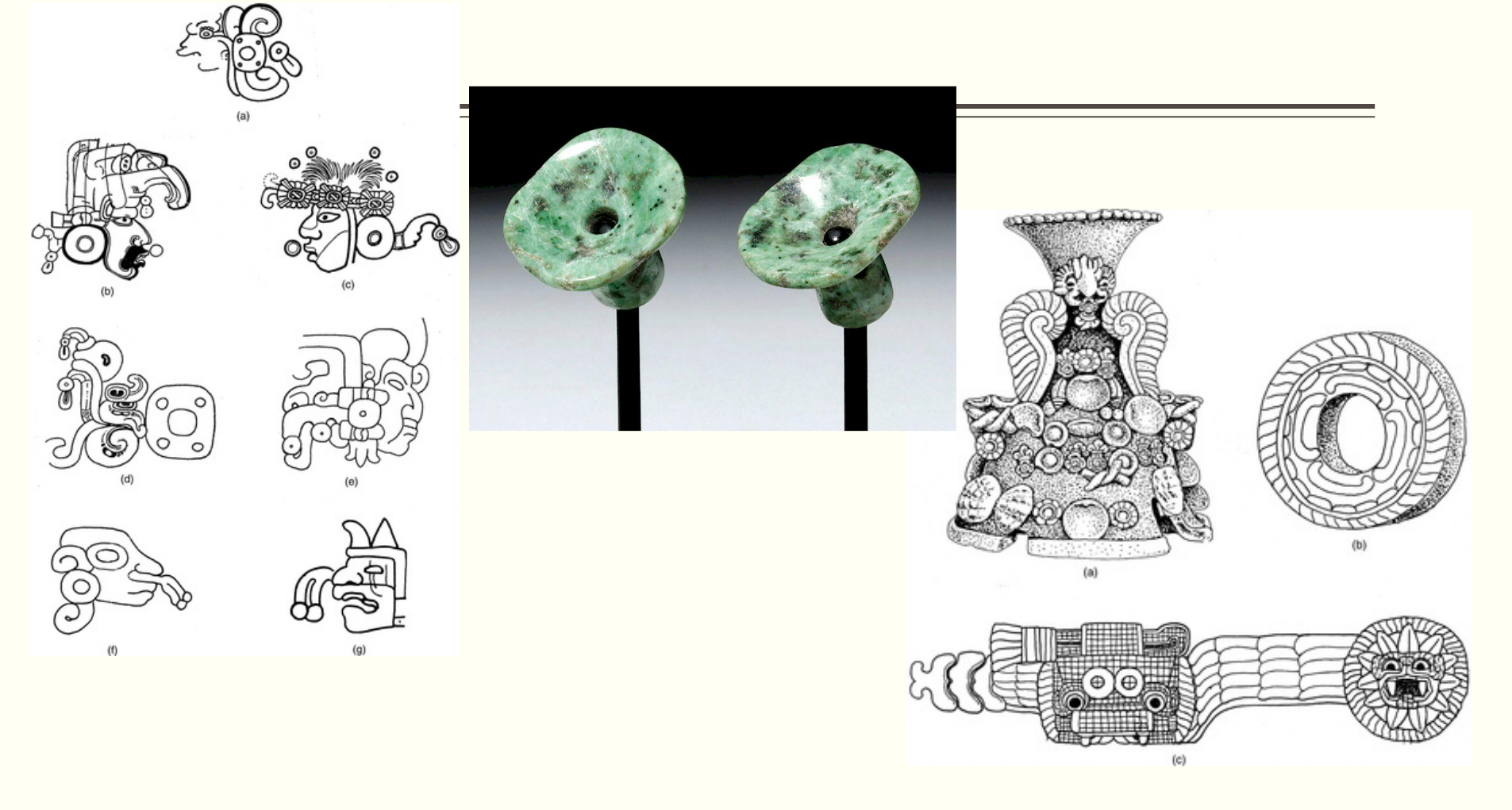
Artistic depictions show serpents, symbols of wind and breath, emerging from jade ear spools, emphasizing the idea of conjured spirit through speech breath. Speech and breath are closely related phenomena in Mesoamerican thought, and denote the conjuring of supernatural beings and ancestors. In classic Mayan rituals of conjuring, gods and ancestors were symbolically exhaled and conjured from pairs of massive ear spools placed at the end of ceremonial bars. Sometimes easier spools were worn on other parts of the body, such the chest or abdomen.
Now I should note that there have not been any of these found where jade is encompassed in metal, separated by a ceremonial bar. But there’s a symbolism that’s going on here, which we’ll talk about later on that could tie in to that earlier depiction that I propose of what the interpreters might have looked like.
Obsidian
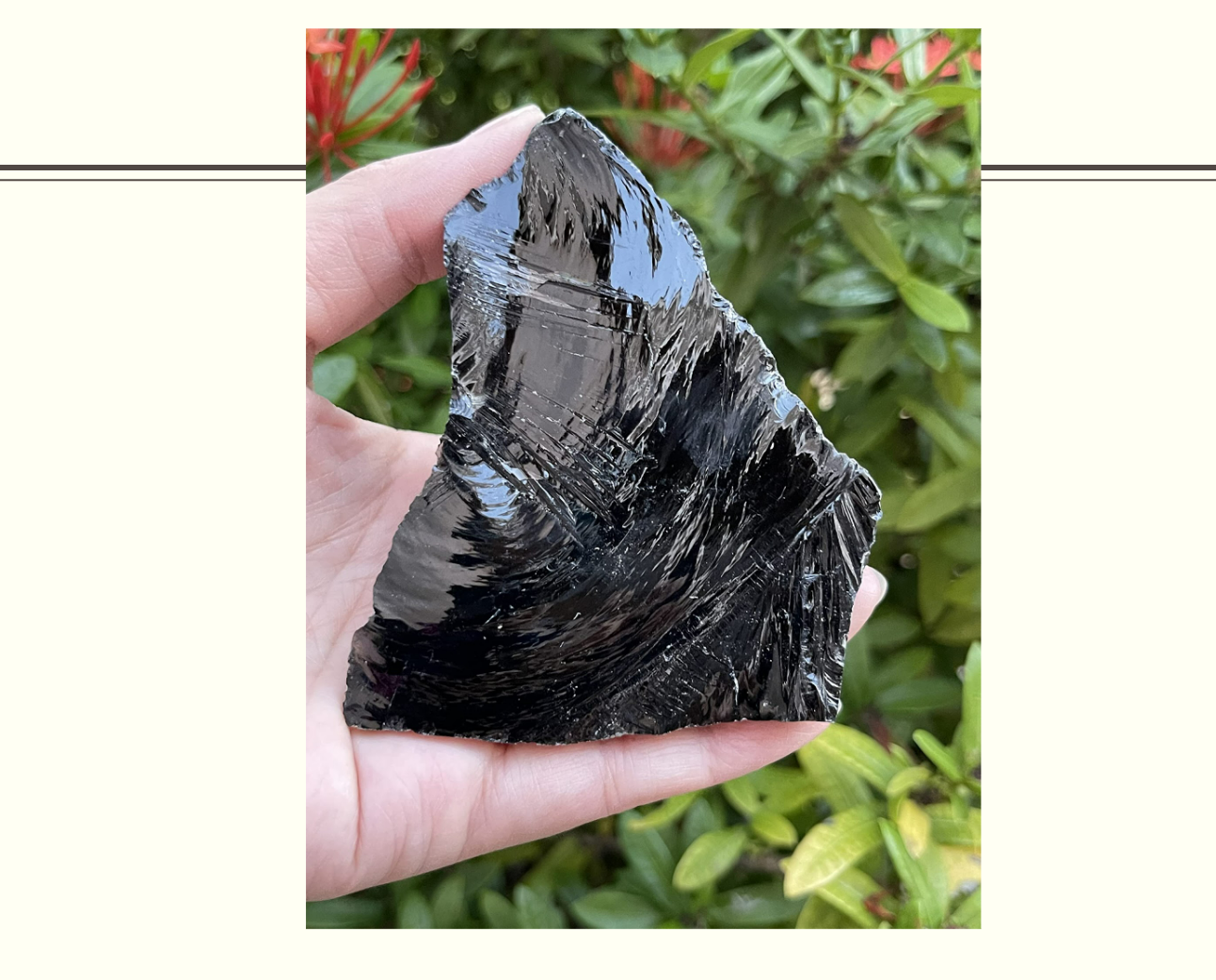
So let’s skip to obsidian and obsidian-like. Another likely material was also widely revered and traded across Mesoamerica. Like jade, it was fashioned into jewelry and religious objects, including mirrors composed of dark obsidian shards mounted to wooden bases. Obsidian was also sometimes mounted into ear spools. Though typically black or brown, obsidian can appear red, gray, or even translucent, depending on its source.
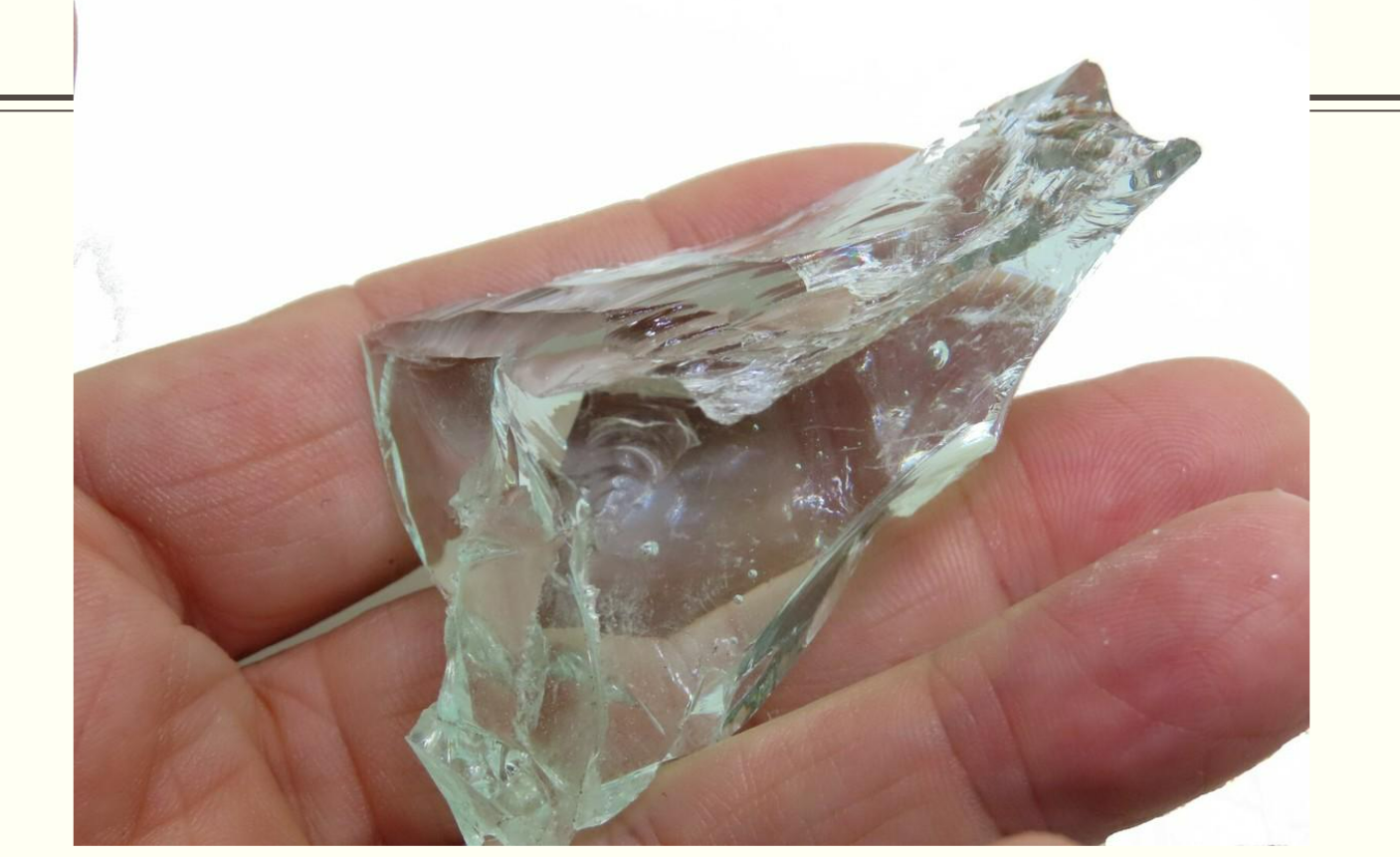
The obsidian in one deposit in El Salvador, again, Book of Mormon lands and geography that I accept, is translucent or transparent. Colorless or near colorless obsidian has been found in deposits in Peru, New Mexico, and Mexico.It’s possible the interpreters were made of clear, translucent obsidian.
Quartz Crystal
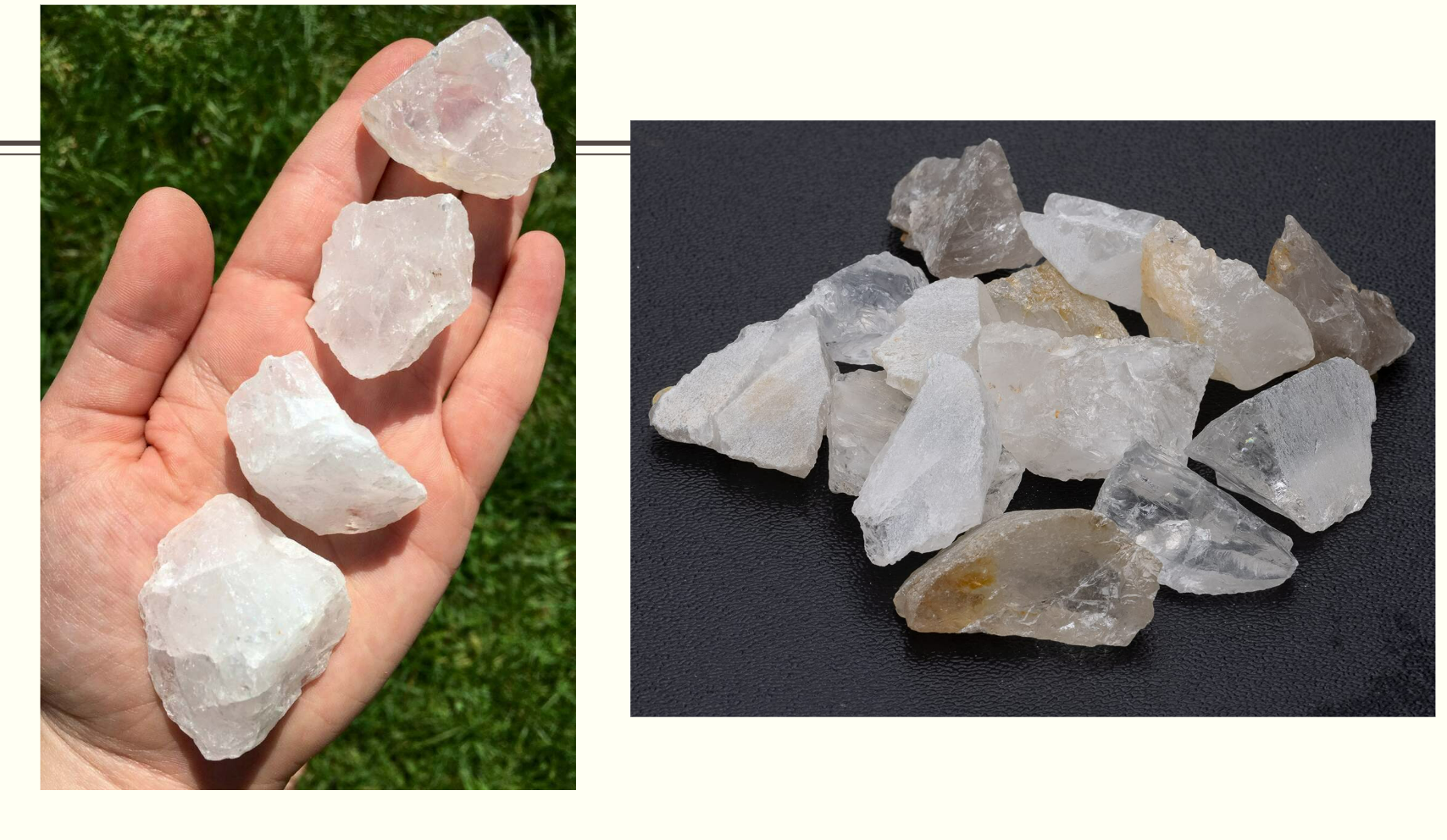
Then lastly, you have quartz crystal. It’s another strong candidate. Their dazzling characteristics have long attracted ritual use across cultures.
Given the association between water and divination, it’s notable that the word crystal derives from the Greek term for frozen water or ice. Crystals have served as tools for scrying and spirit contact, and are found in Mesoamerican archeological contexts. Modern Maya shamans still use them, referring them to saqabaj, which are basically white or clear stones.
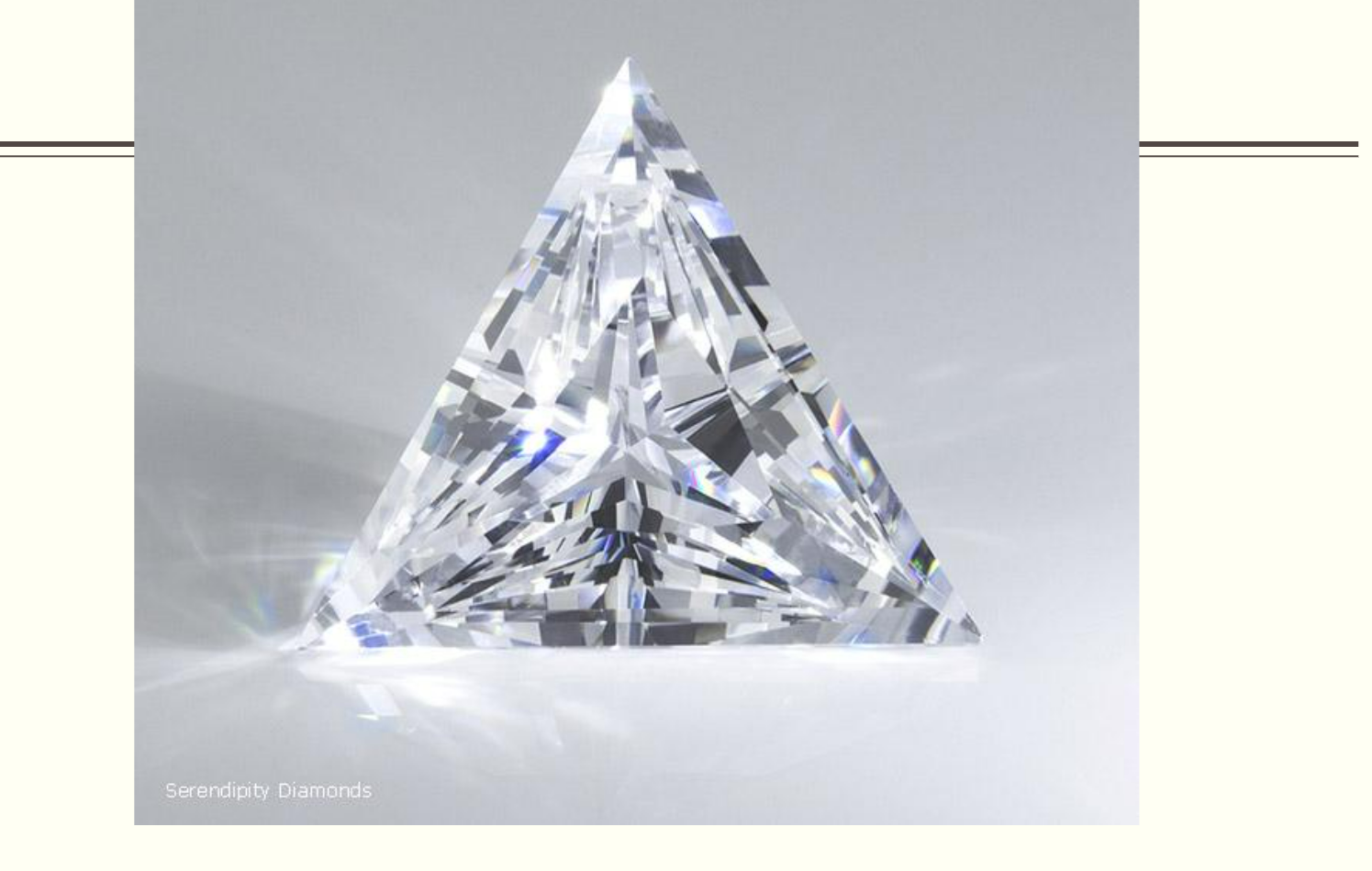
Although Lucy Mack Smith described the interpreters as three cornered diamonds, she likely never saw them directly and was recalling their shape from memory many years later. Crystals are typically transparent or translucent, and possess naturally occurring hexagonal geometries, not three sided, but hexagonal. But if Lucy’s description was accurate, the stones could have been cut into angular forms for symbolic purposes.
In Maya cosmology, a three cornered jade stone is associated with a primordial maize spirit, an element of creation mythology. While such a connection might be fanciful, it is not unreasonable to assume that if Lucy was correct about the interpreter stones being three cornered, they might have been intentionally cut in a shape to symbolize a larger Mesoamerican construct.
Using Two “Shiners” or Interpreter Stones
One of the possibly unique aspects of the Nephite interpreters is that the device consists of two shiners, which is part of the reason they resemble spectacles. Well, there were two stones in the Nephite spectacles. Joseph disassembled them and put one in a darkened hat, as he would with his treasure digging stone. So while Joseph and his contemporaries originally contextualized interpreters for spectacles because they looked somewhat like them, Joseph eventually recontextualized them to fit his treasure digging seer stones which were not utilized like spectacles.
It is typically assumed that Mesoamerican shamans used a single mirror or shiner during the rituals. However, this is not something we can say definitively because the archeology can’t tell us if more than one shiner was used. Iconographic evidence often shows figures with multiple shiners. Many ancient Mayan stelae, for example, depict figures who are wearing or otherwise associated with two or more mirror glyph-like elements. As noted earlier, you have the jade ear spools connected by a ceremonial bar.
Complementary Opposites

The theme of complementary opposites is common in Mesoamerican mythology.
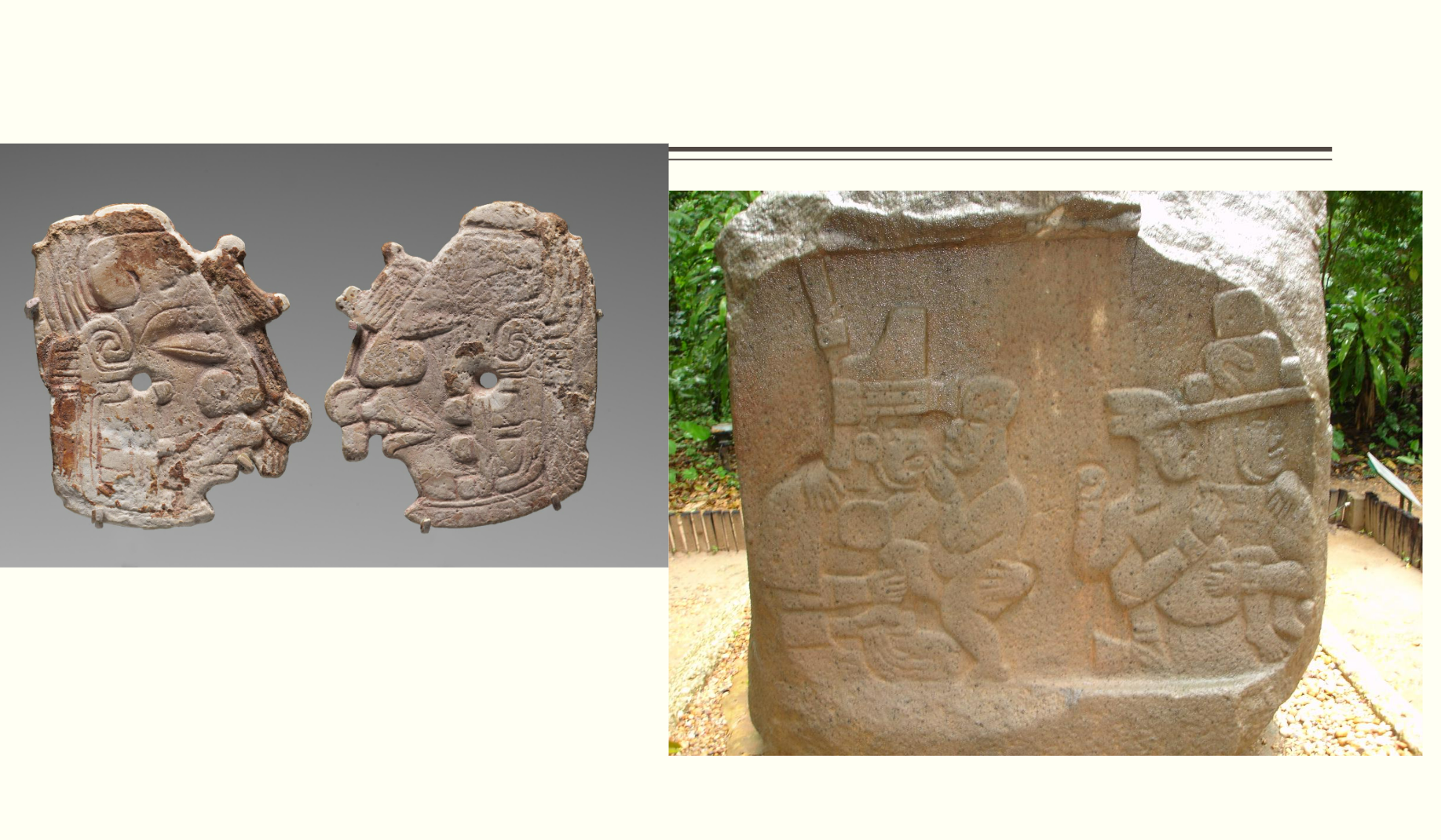
Examples in archeology and ethnographic record, myths of twins and sibling pairs are common. Although represented as twins or siblings, they are almost always utilized in iconography and mythology to represent connected opposites. The idea of contrasting duality, where the two halves of each pairing are independent and yet connected to one another, is vital to the Mesoamerican way of thinking. Twin or sibling figures in Mesoamerican mythology symbolize opposing but complementary forces.
Mirrors associated with deities reflect this opposition.
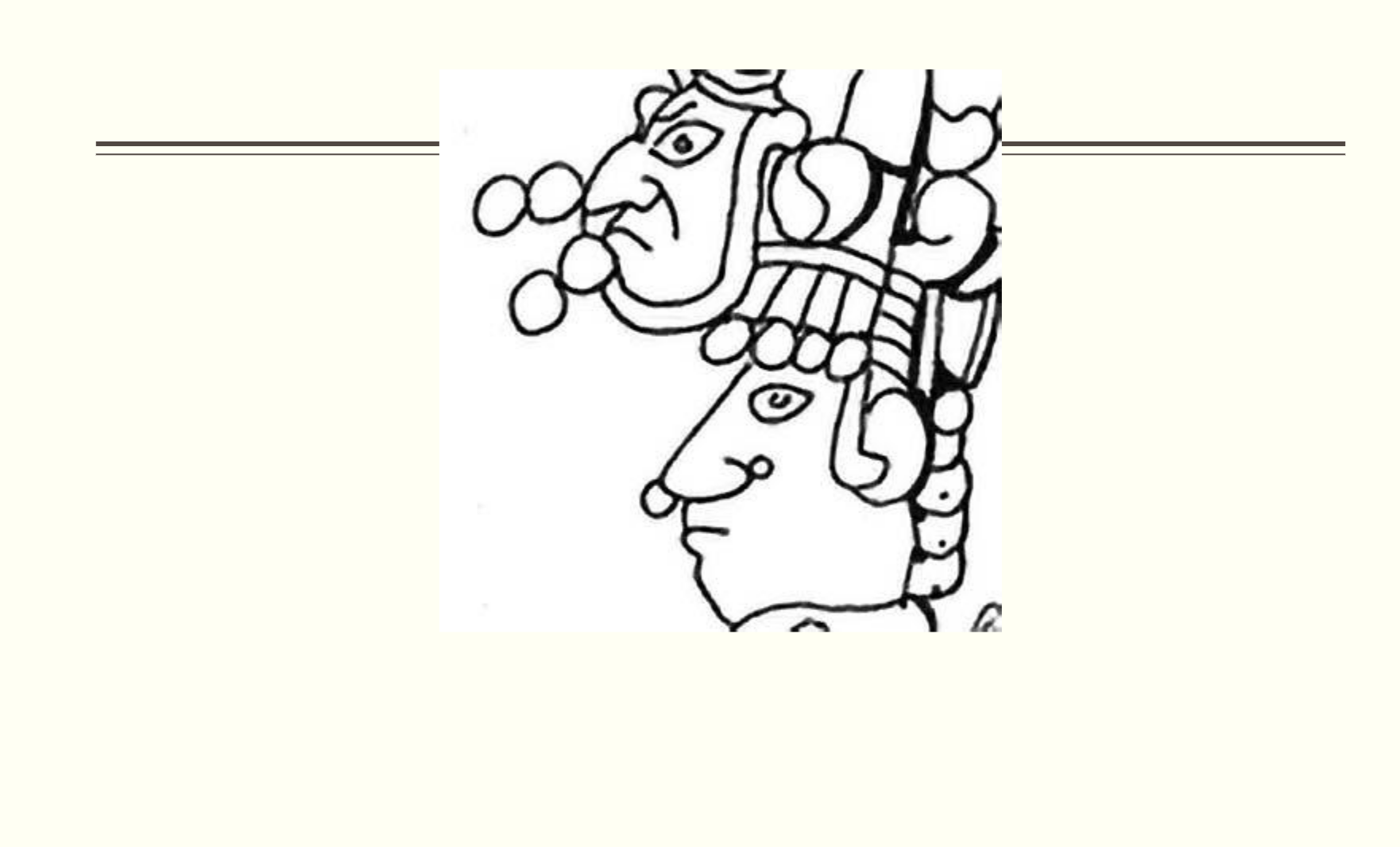
The jester god linked to kingship was often symbolized by a light mirror, possibly pyrite, while God K, tied to lineage, was represented by a dark mirror. So we had a light and dark mirror–the opposites–possibly obsidian.
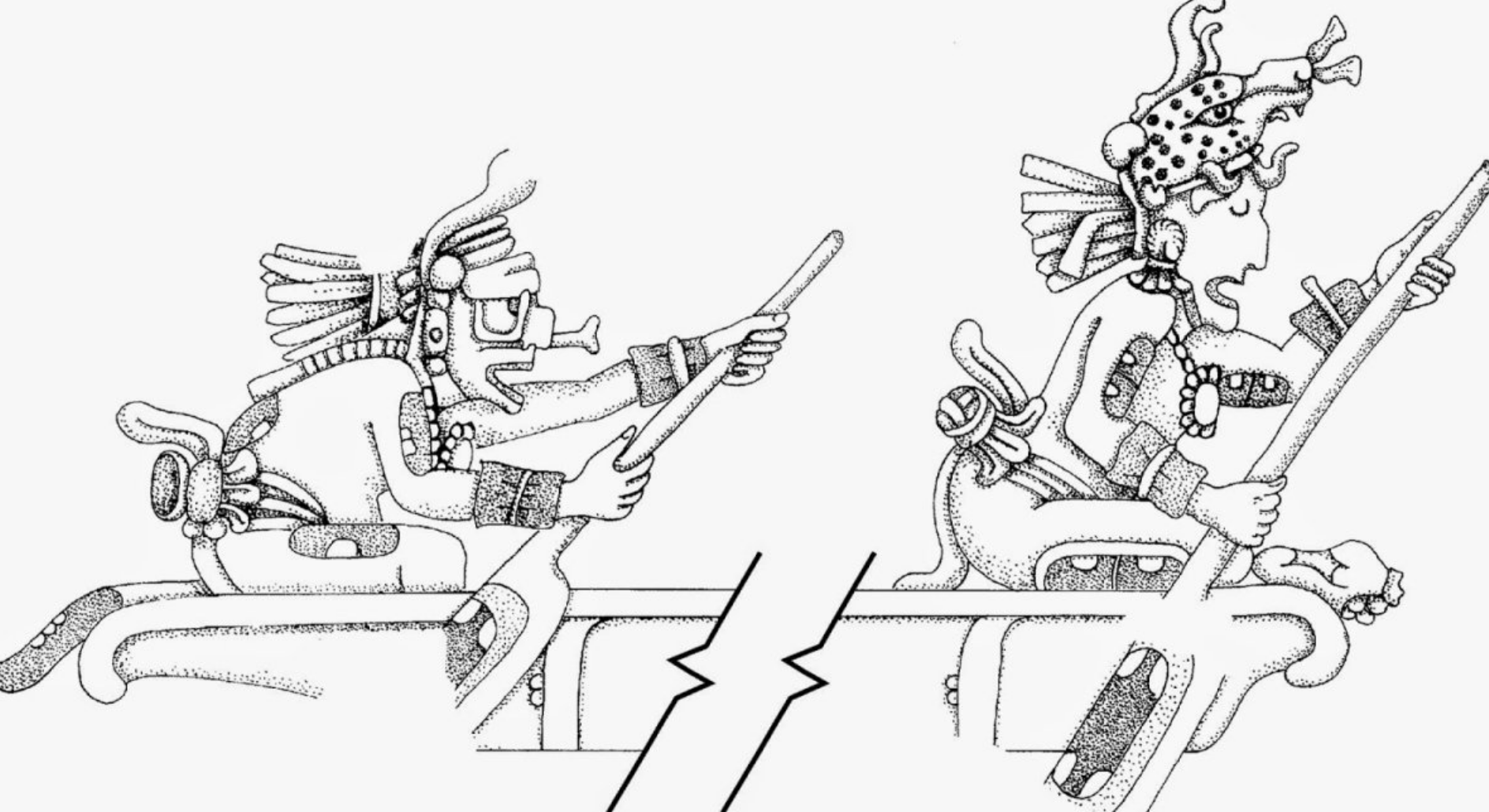
Similarly, the paddler God, its varying entities, personify the sun’s journey through day and night. Glyphs like nin, the brightness of the day, the sun, which is the light shiner, and akbal, the brightness of the sun, and is the dark shiner, reinforce this symbolic binary. So we see that in these twins and these gods, there’s this binary source of light and dark going on there. We’re going to come back to that.
Breastplates
Let’s talk for a minute about the breastplate. Mesoamerican shiners were both portable and wearable. Mirrors often had holes to allow suspension from the neck, chest, back or head. Artistic depictions show shiners incorporated into headdresses. Breastplates were worn on the abdomen. Those worn on the forehead likely signified divine authority or kingship, while those on the torso symbolized the womb-like center of the cosmos, and they’re often symbolized by caves–another note we’re going to come back to.
Given this, the Nephite interpreters were likely not intended as facial wear, like spectacles, but as part of a sacred dress mounted on the head, chest, or abdomen. This possibility is reinforced by reports that the interpreters were attached to a breastplate.
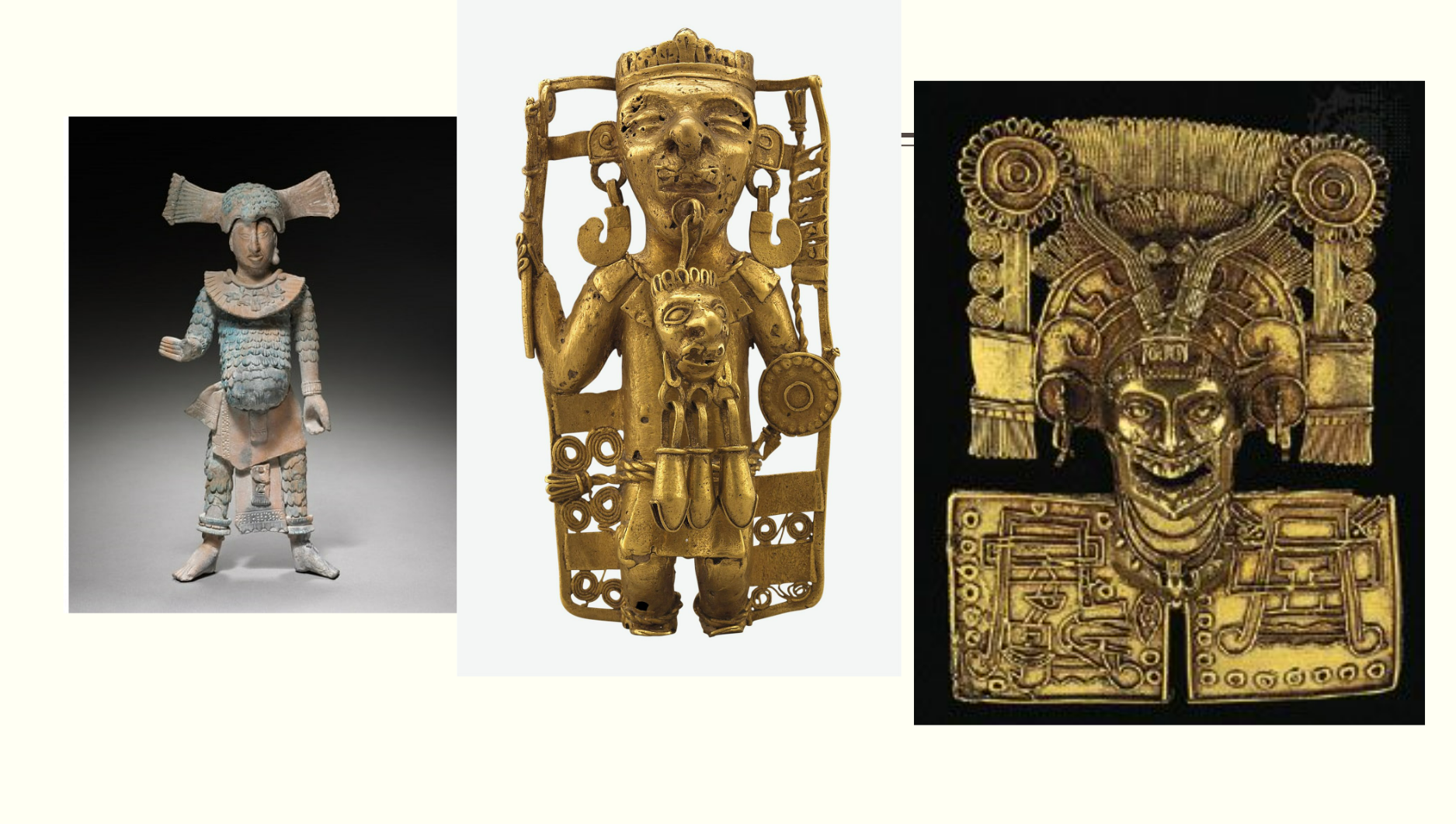
Early Latter-day Saints sources, including William Smith, claimed that interpreters were affixed to a rod which attached to a breastplate worn over the heart. The pocket configuration allowed the device to be stored and used in a specific ritual posture. Such design parallels Mesoamerican depictions of breastplates, often adorned with reflective elements and may draw upon Old World parallels, like the Israelite High priest breastplate, which held the Urim and Thummim near the heart for revelatory purposes.
Breastplates in Mesoamerica
Breastplates were widespread in ancient Mesoamerica, crafted from various materials, including jade, turtle shell, and gold. Shiners were often worn on the chest or abdomen, and in Maya iconography, frequently depict reflective breastplate devices.
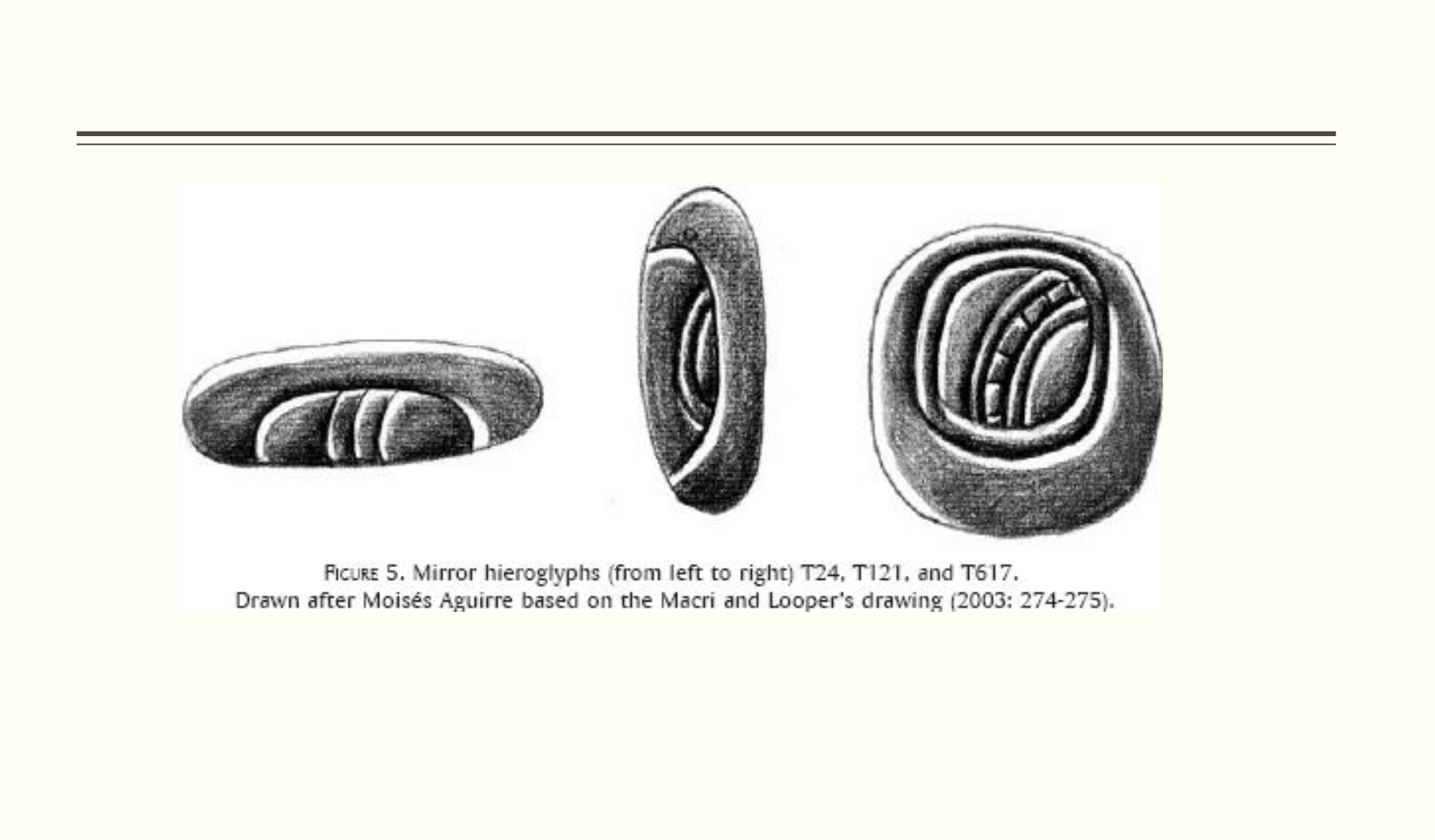
Scholars categorize Mayan iconography by various named elements as a method to help translate the meaning of the symbols.
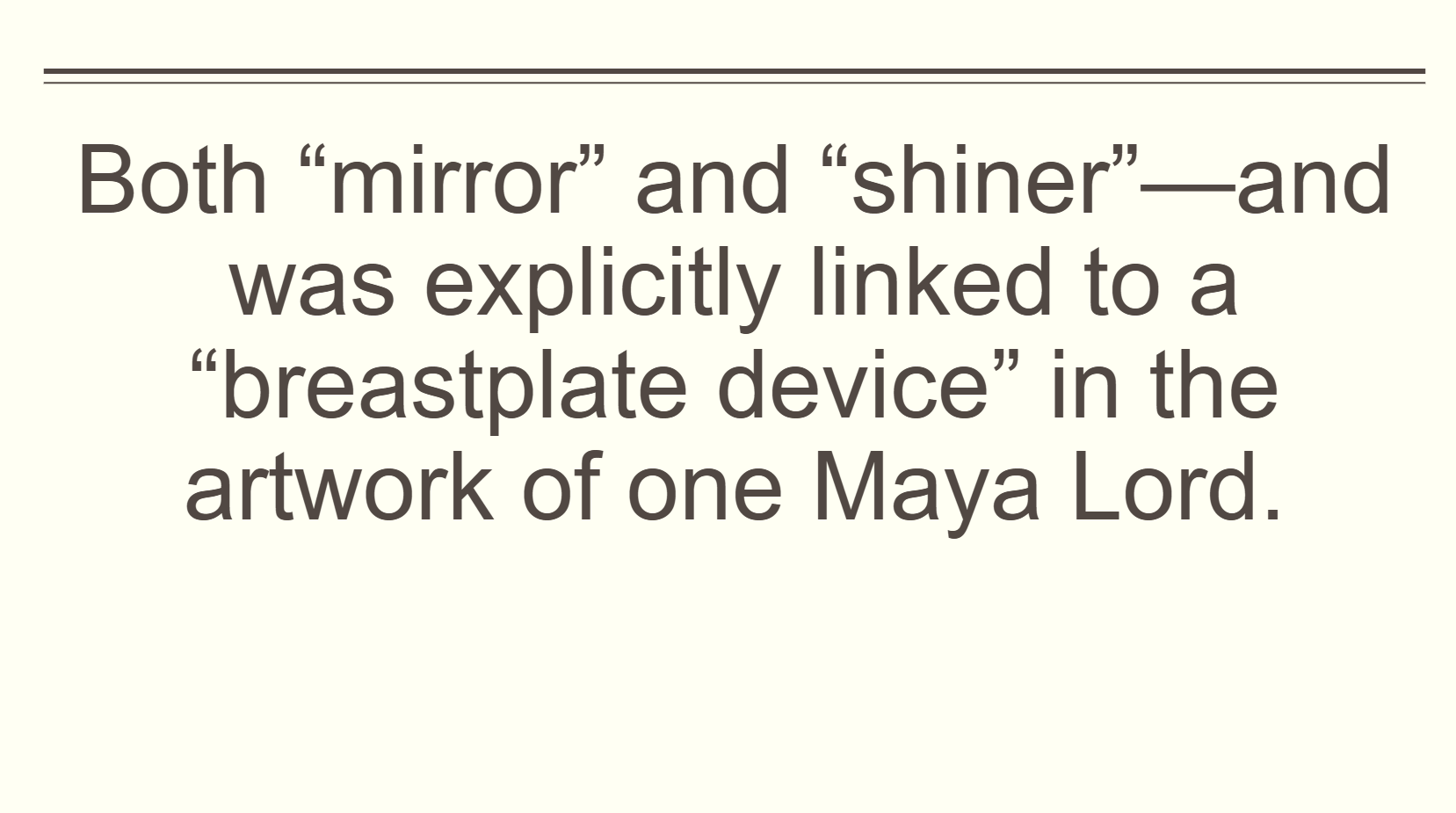
The meaning for the element that means mirror and shiner was the same and was explicitly linked to a breastplate device in the artwork of one Maya lord. Likewise, the fact that Moroni included the breastplate with the interpreter stones suggests some meaningful connection between the Nephite shiners and the breastplate.
Breastplates in Ancient Israelite Worship
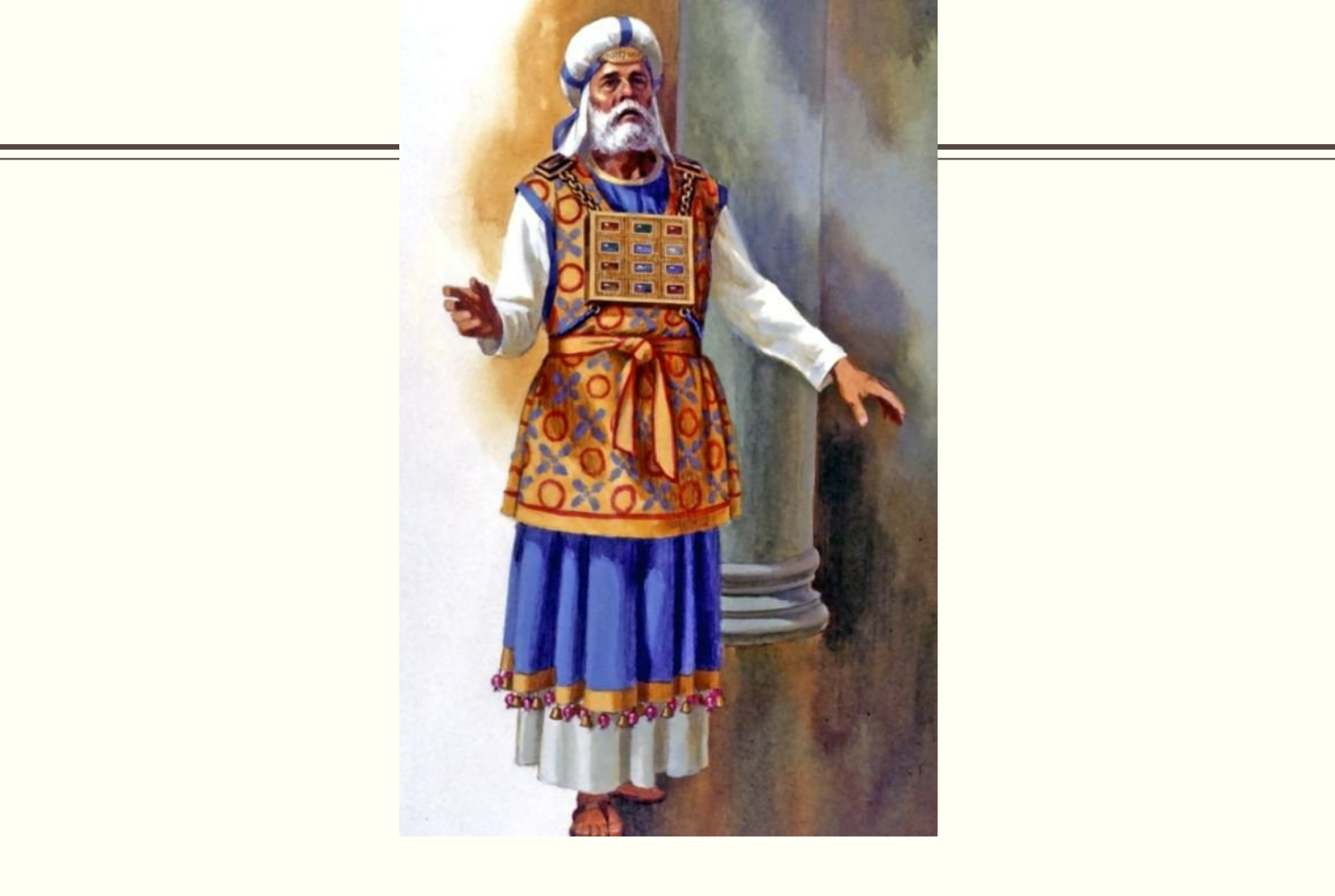
In ancient Israelite practice, the Urim and Thummim were worn over the heart and housed in a pouch beneath a high priest breastplate. This was more than a practical placement. It symbolized revelation penetrating the heart, the seed of divine understanding. Revelation was sought only when the device was worn near the heart. Mesoamerican shamans also wore pictorial shiners suspended by the neck and were attached to a larger breastplate.
Lucy Mack Smith described the Nephite breastplate as extending from the neck to the stomach, consistent with Mesoamerican tunic adornments. Thus, the interpreter stones, jade, obsidian, or crystal may have been part of an elaborate pictorial assembly designed for revelatory ritual.
Caves as Ports Between Man and the Divine–Association with Shiners
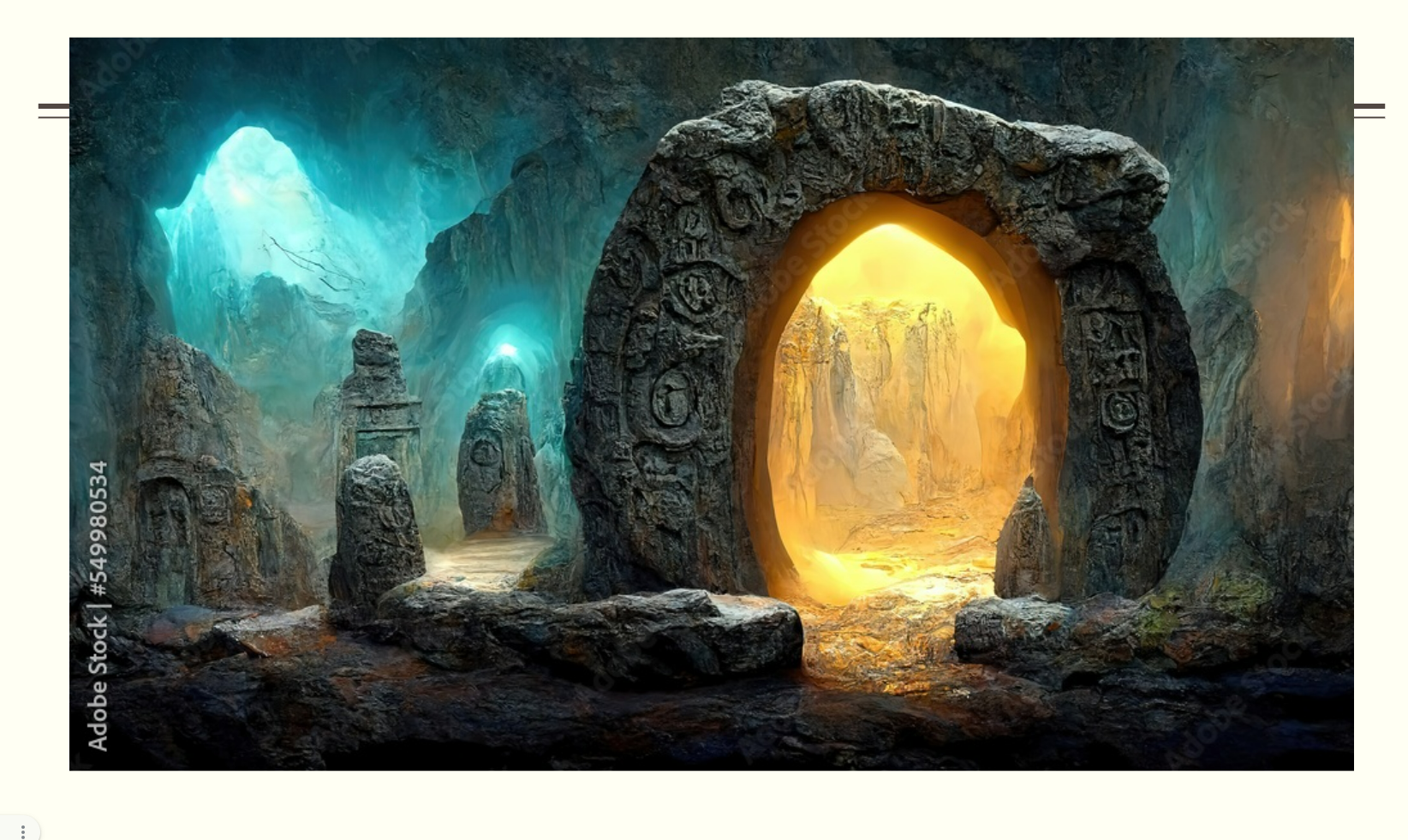
Ancient Mesoamericans typically associated caves with ports that would bridge the space between humans and the divine. Almost like we find in modern temples. These openings into the Earth supposedly served as gateways to the Earth’s womb or navel, and the world of the dead or divine. Here, shamans could open a portal to the underworld, linking the living community simultaneously with the ancestors and with the earth.
This is an important topic I talk a lot about in my book, Rethinking Revelation: us being linked backwards in time to the covenant people and forwards in time as well.
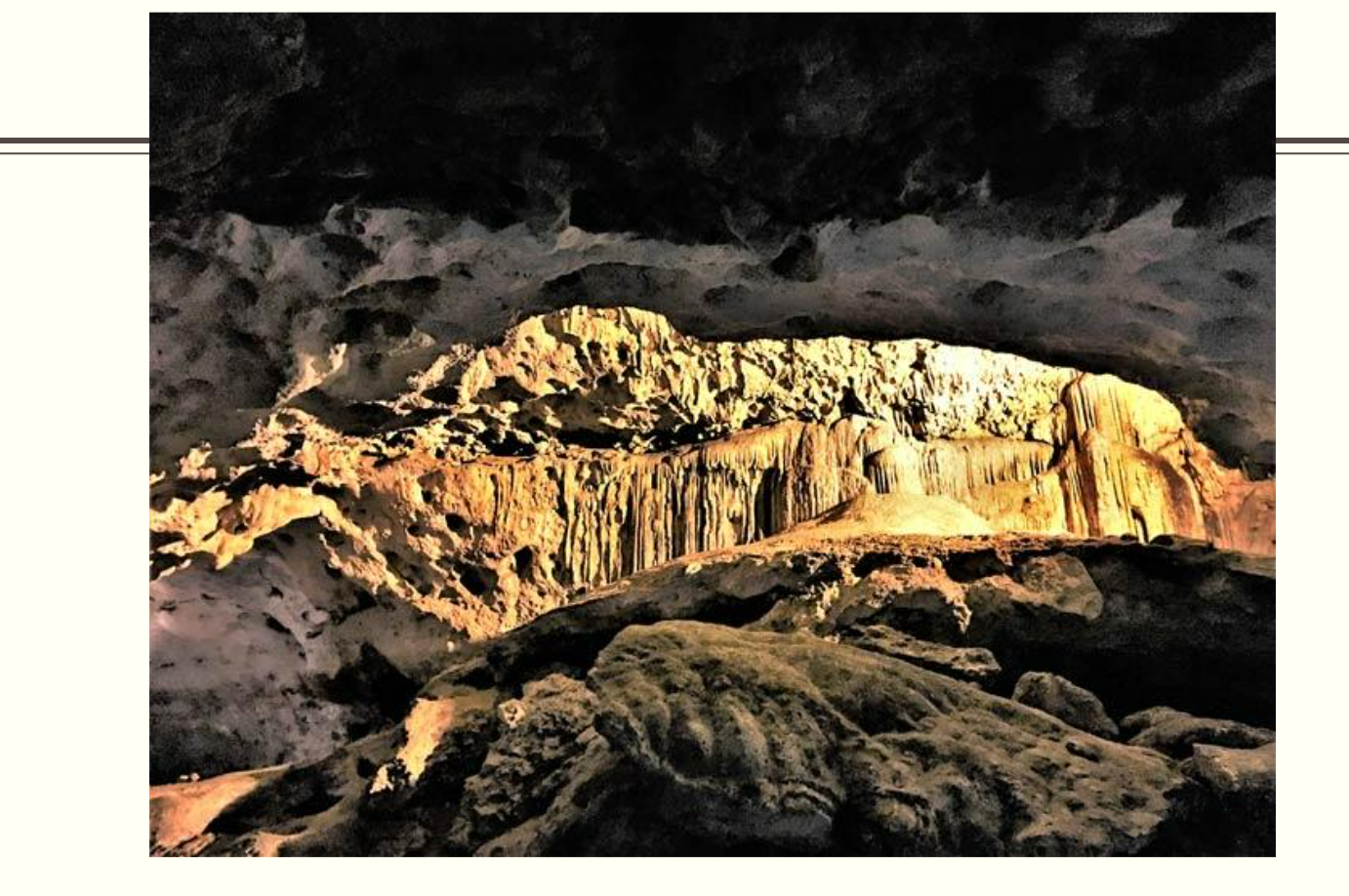
Because caves were understood to be a gateway to the other world, it’s not surprising to see caves linked with shiners or mirrors. By representing a world that can be looked through but not passed through, mirrors and shiners were often understood as caves or passageways for the supernatural.
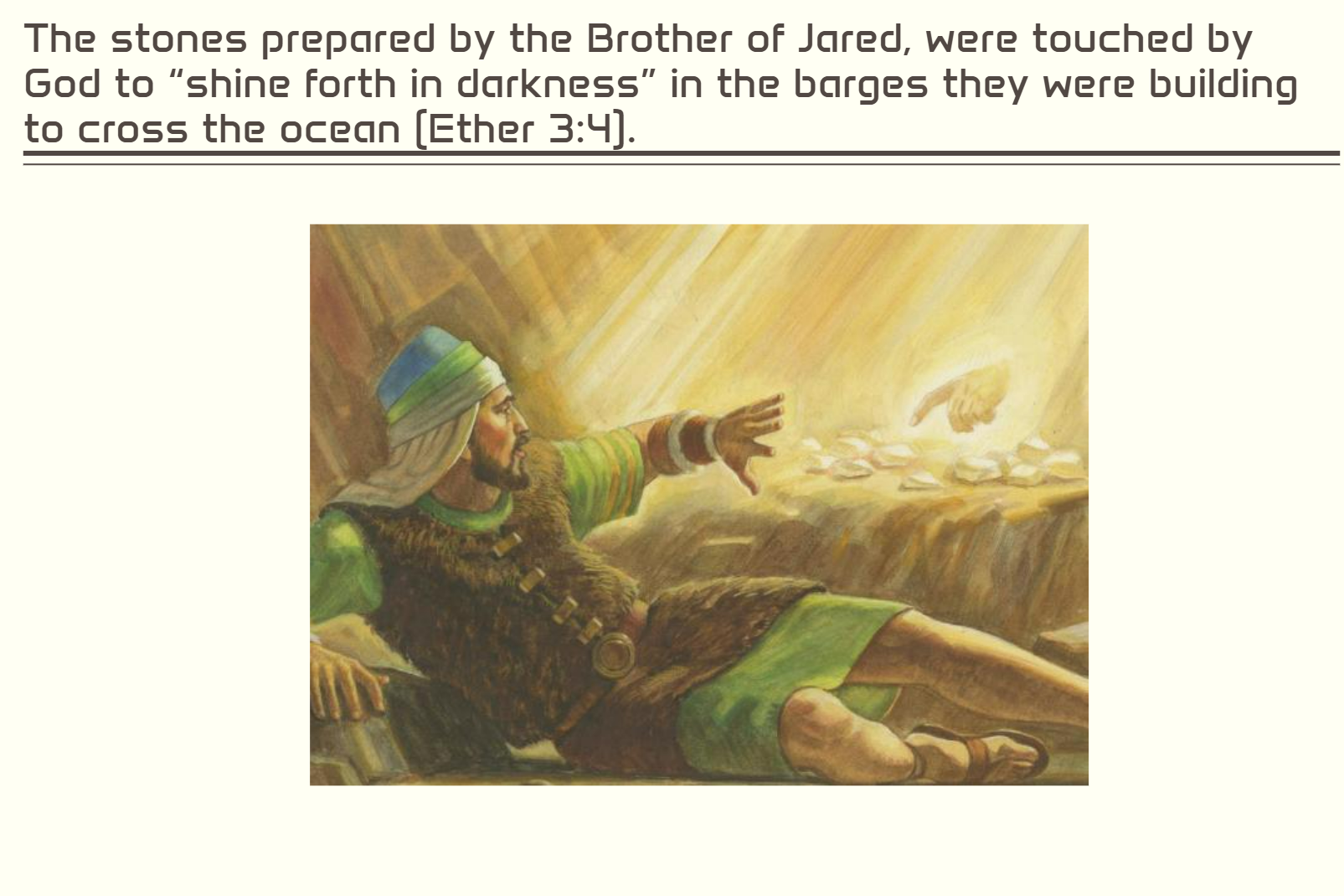
The brother of Jared’s vision on Mount Shelem, where the Lord touched lumen stones and the veil was lifted, resonates with Mesoamerican concepts of sacred space, liminality, and divine contact through shining media. The similarities between the sacred space shiners and a portal through which the dark past finds a familiar home in general Mesoamerican religious concepts.
Cultural Recontextualization through Time
Although the Brother of Jared’s narrative was rooted in the Old World, I believe the account was reinterpreted within a Nephite Mesoamerican framework, by subsequent Nephite generations. So what I argue, and again, I do this in my book Rethinking Revelation mostly, is that by the time the Book of Mormon was written, things had changed. We’ve gone through thousands of years of Mesoamerican life.
- And we recontextualize things,
- Joseph Smith would have recontextualized things,
- the Nephites would have recontextualized things according to the world that they knew.
So I think that they were describing the world that they knew. And of course, we read into it (and I think Joseph Smith read into it when he translated it) more of a biblical setting than maybe it would have come out if a scholar had done. It would have been the same story, but it might have a different flavor.
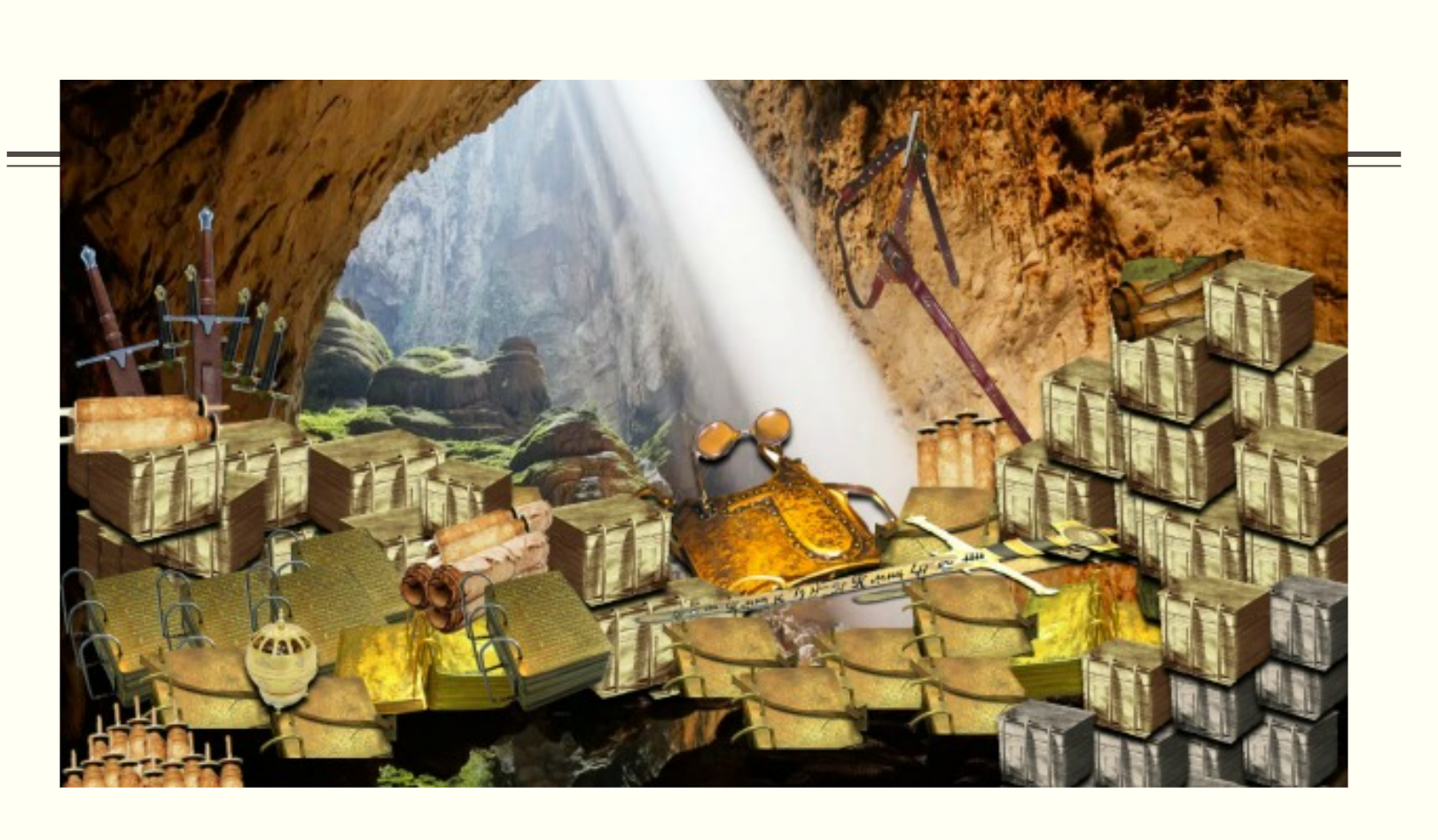
It is noteworthy that multiple second hand accounts claim Joseph Smith returned the plates to a cave in the Hill Cumorah, where he and Oliver reportedly saw piles of metal records and precious stones. Whether literary or visionary, the cave, as an archive, reflects ancient ritual sensibilities.
Scribes/Books and Shiners
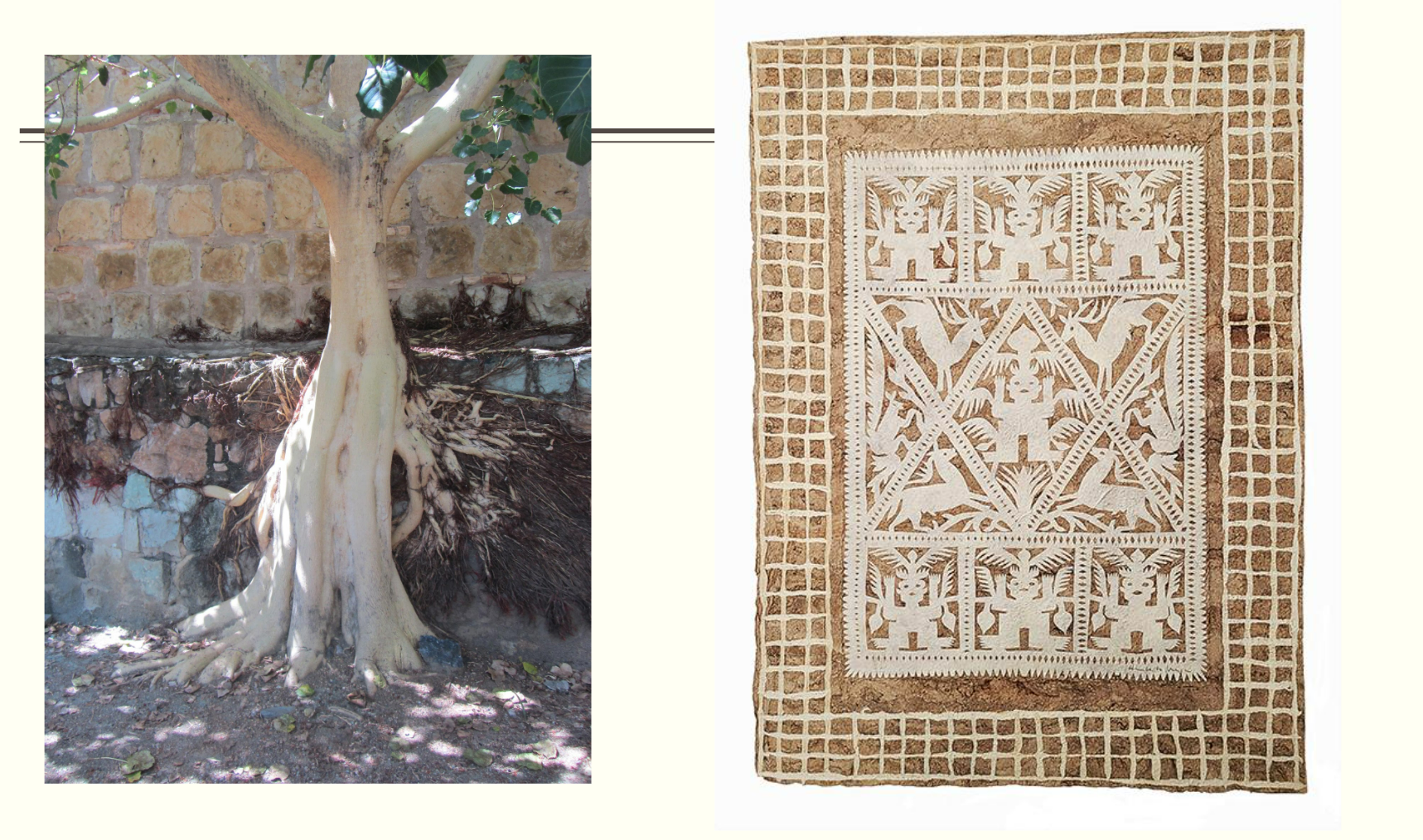
Mesoamerican iconography often links scribes to the number tree, a cosmological symbol that represented the amate tree, which was the source of paper bark codices where they got the book.
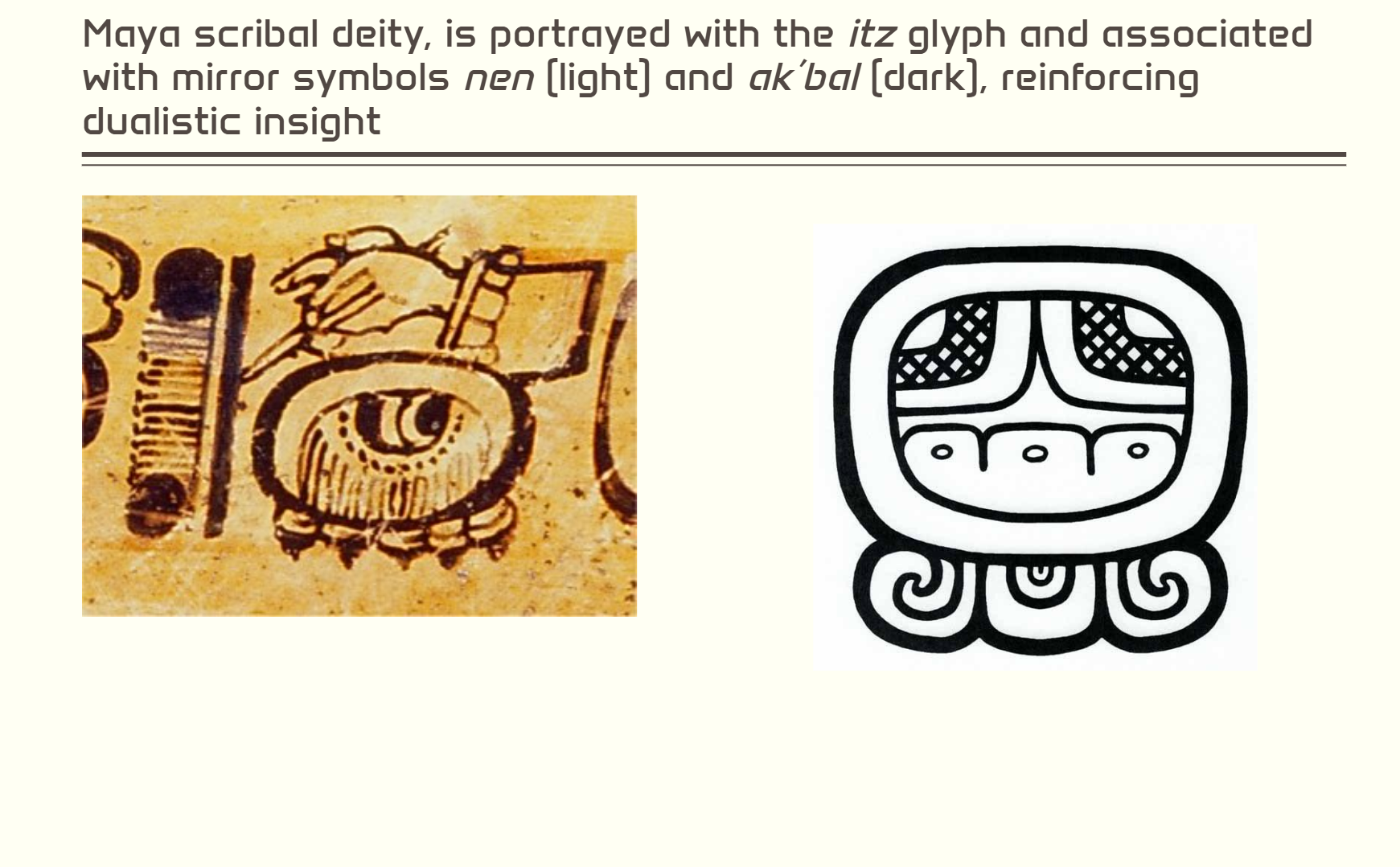
The Itzamna, which is God D, was a Mayan scribal deity, and he’s portrayed with its glyph and associated with the mirror symbols for light and dark. So we have a Mayan god who’s a scribe, making books, that’s tied to some sort of mirror that’s light and dark. Again, this dualistic or complementary opposition. Mayan scribes held prestigious titles, including Ah ts’ib, which means artist wise or keeper of the Holy book. As a detail in Rethinking Revelation, sacred texts were frequently transmitted orally. Performers memorized elaborate narratives using repetition and parallelism.
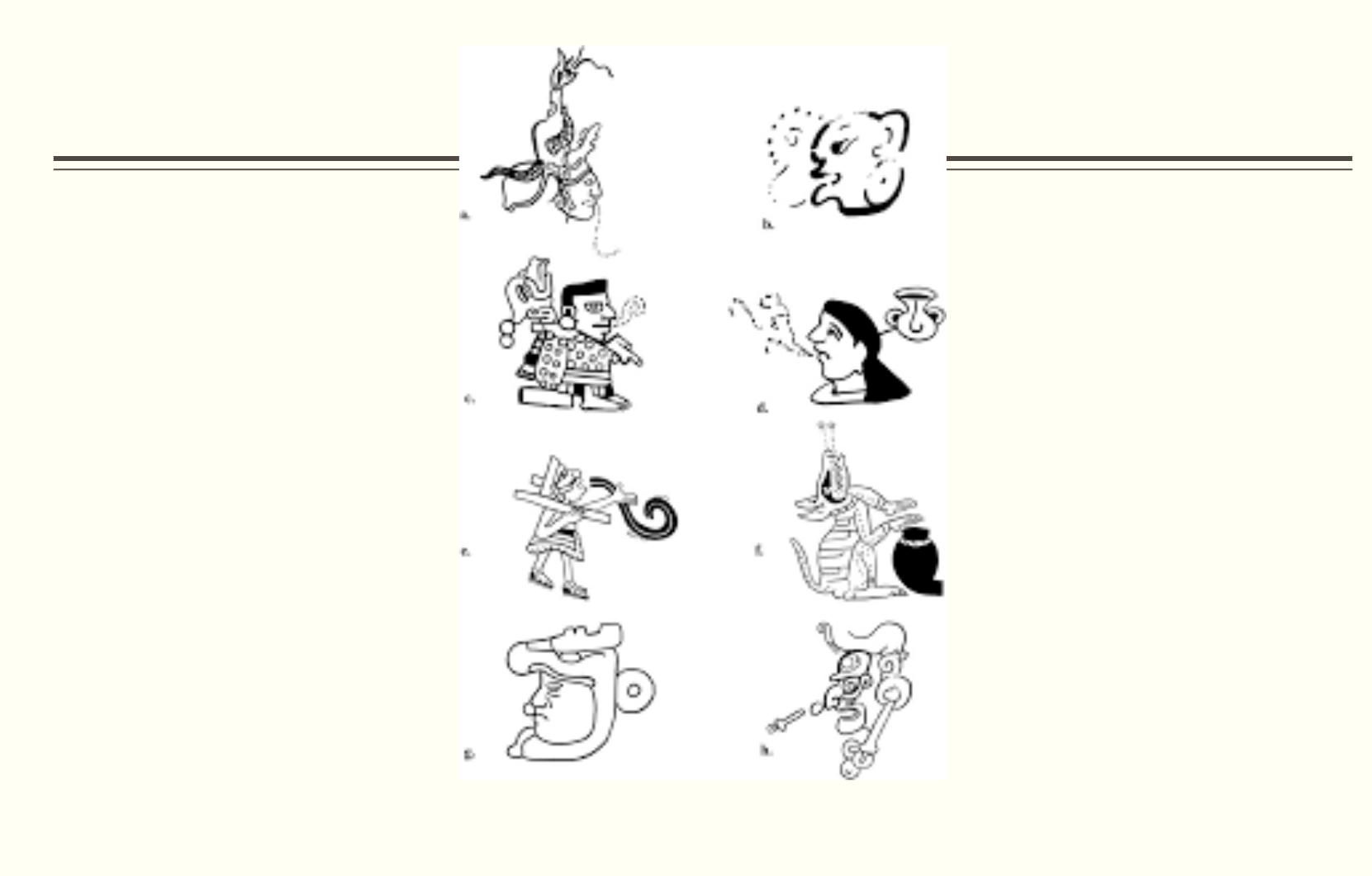
Mesoamerican art depicts speech scrolls emerging from the mouths of speakers, often shown alongside shiners. These visual pairings suggest shiner served as medium for divine communication, bridging human and other world voices.
Joseph Smith Looking into a Hat with a Rock (Shiner)
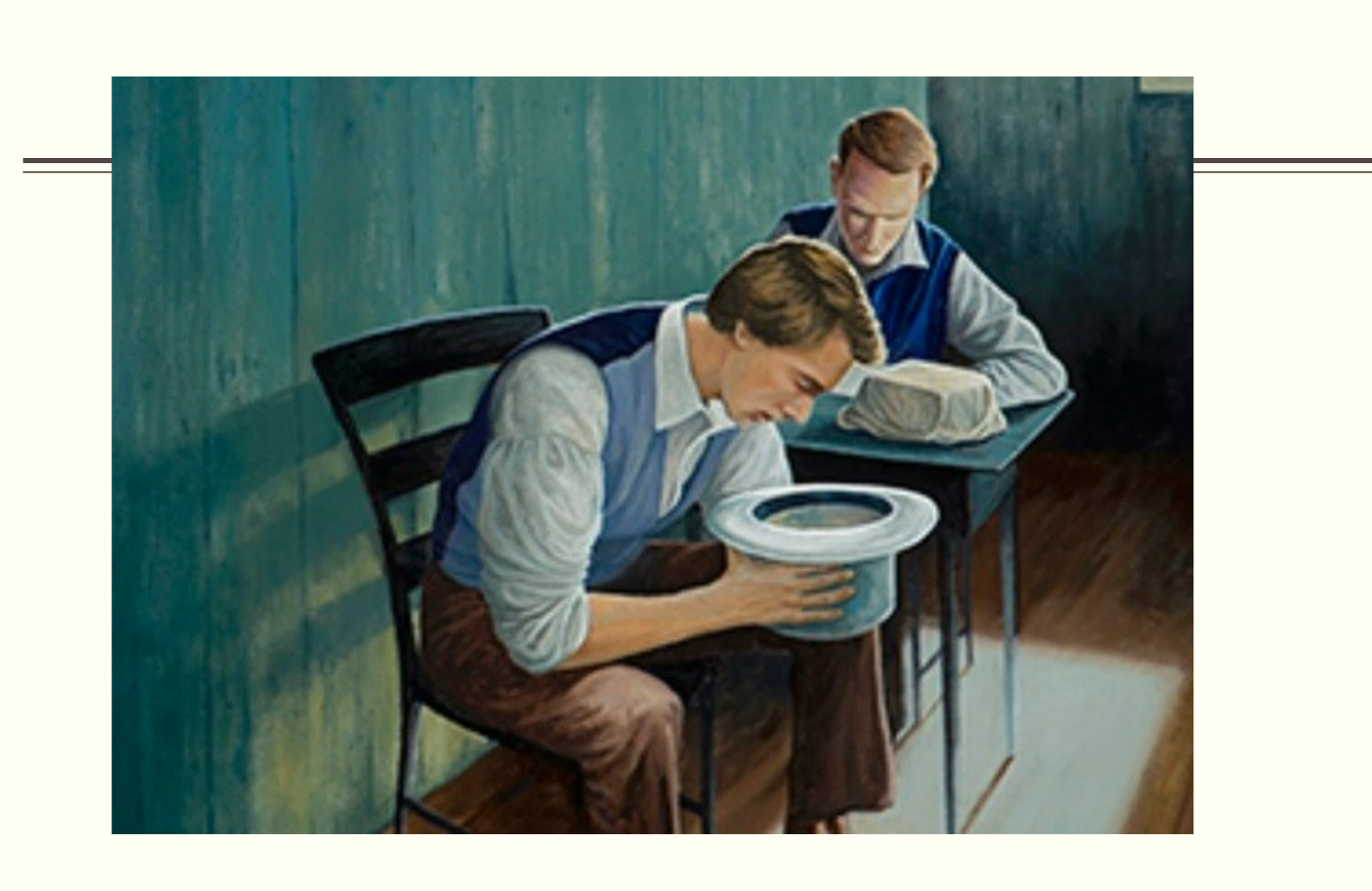
We recall that the Book of Mormon was dictated orally from Joseph to Oliver, while Joseph looked into the shiner.
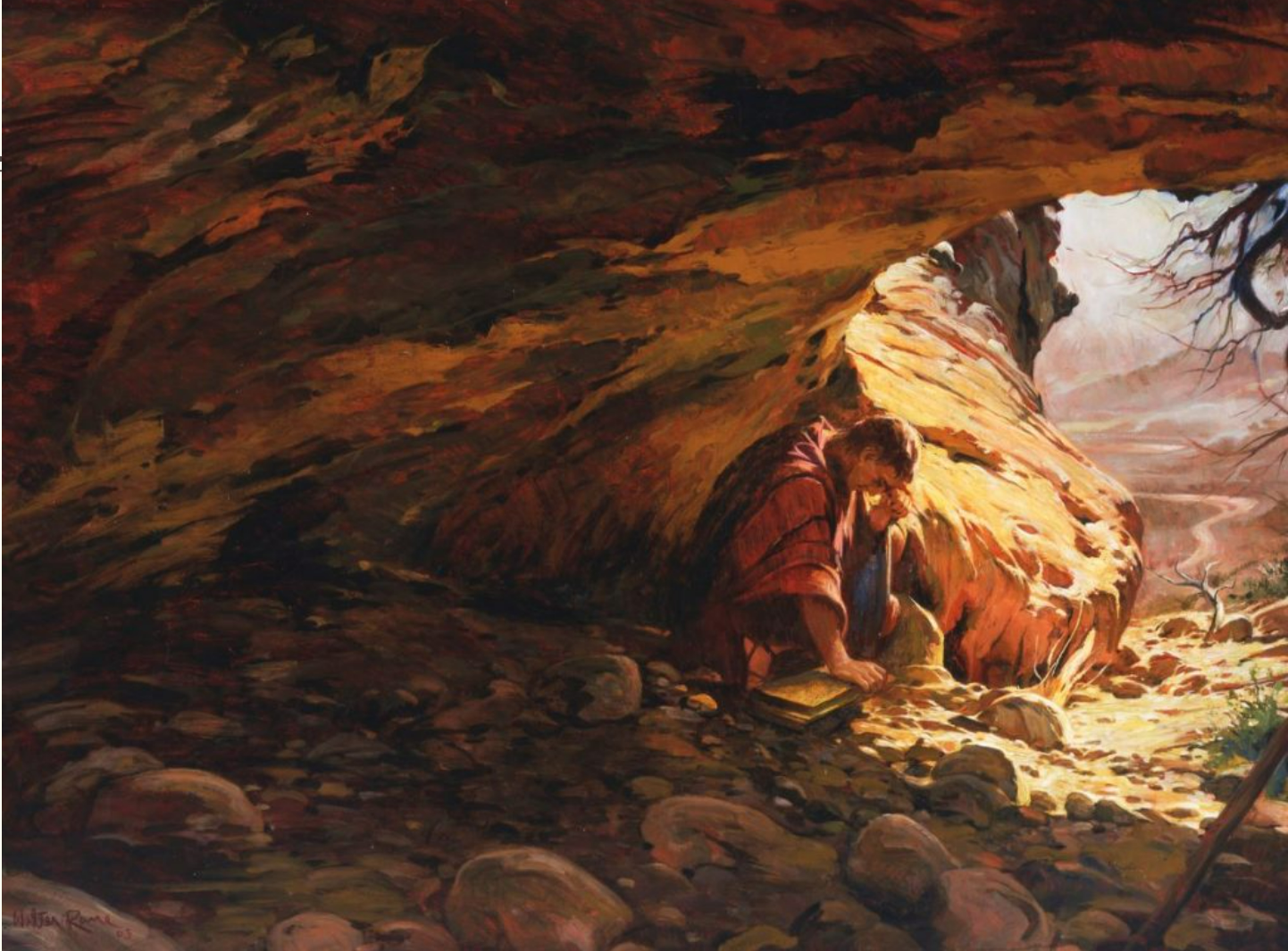
Some studies suggest fascinating relationships between Maya would-be-kings, scribes, caves, and shiners. Mayan scribes’ workshops were imagined as caves, a place of creation and transformation. And of course the cave is symbolic of, again, the entry in the other world. Well, it’s interesting that Ether was writing in the “cavity of a rock,” which maybe ties to this archetype.
Maya scribes who recorded the history of the rulers of people were often shamans who utilized ritual shiners. They functioned as priests, historians, and artists, and occasionally rose to kingship. Nephi and Mosiah I similarly embody both prophetic and royal authority, linking scribe and spiritual roles.
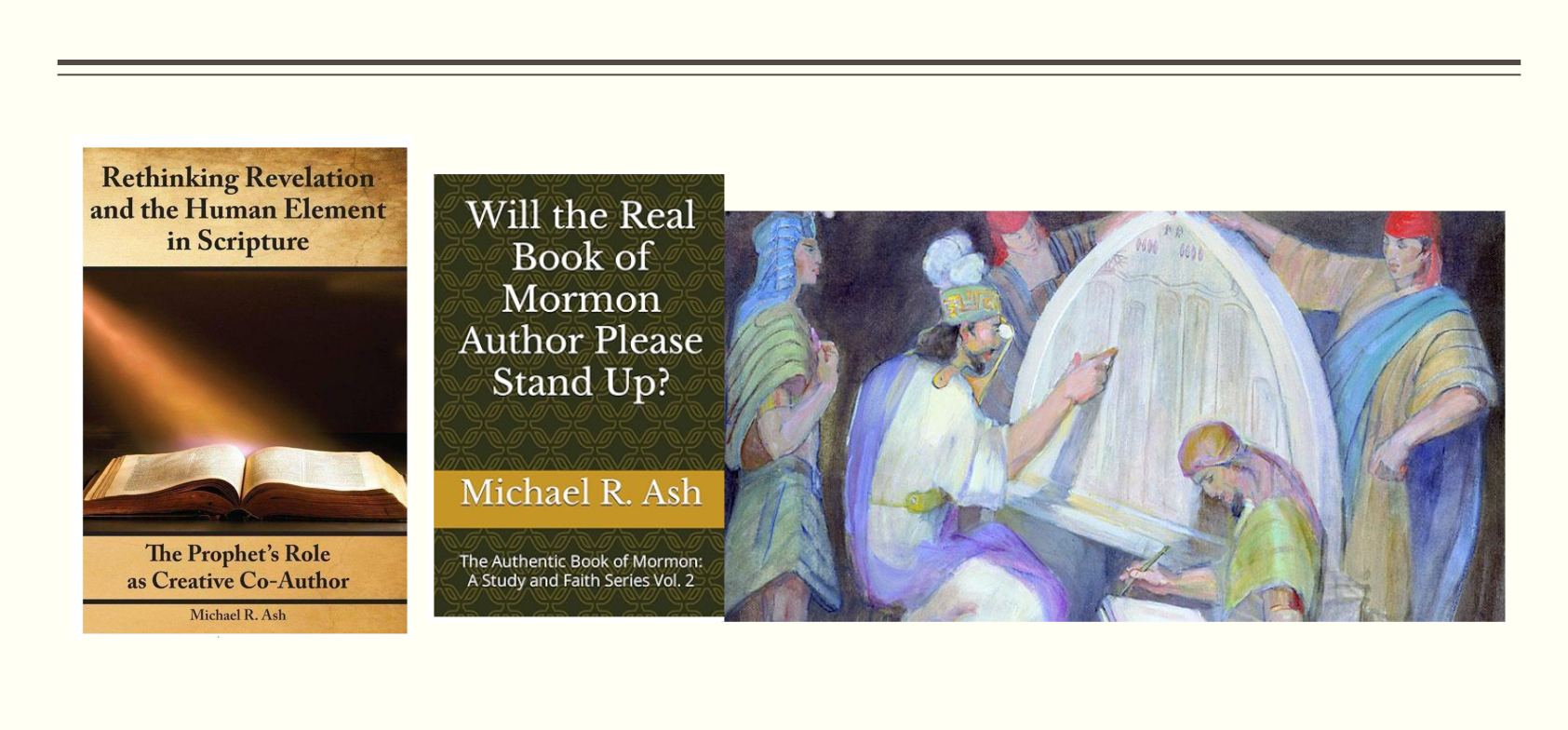
Maya rulers were seen as divinely sanctioned intermediaries who possessed ritual artifacts, often reflective, and validating their power. As I argue in my book Rethinking Revelation and in volume two of my Book of Mormon series, Will the real Book of Mormon Author Please Stand Up, King Mosiah I was likely the first Nephite king to acquire the brother of Jared’s interpreter stones. Or at least as I argue, and I won’t go into this, there may be a Mesoamerican likening of those archetypal stones. The acquisition of shiners likely symbolized divine approval and validated his authoritative position as king.
Scribes not only transmitted myth, but often restructured narratives during cultural crises in order to reinforce social cohesion and political legitimacy. As creators of a collective memory, they acted as sacred mediators. Scribes were often not only mediums for other world powers, but could help codify and validate elite lineages during a time of cultural chaos.
Light and Dark–Urim and Thummim
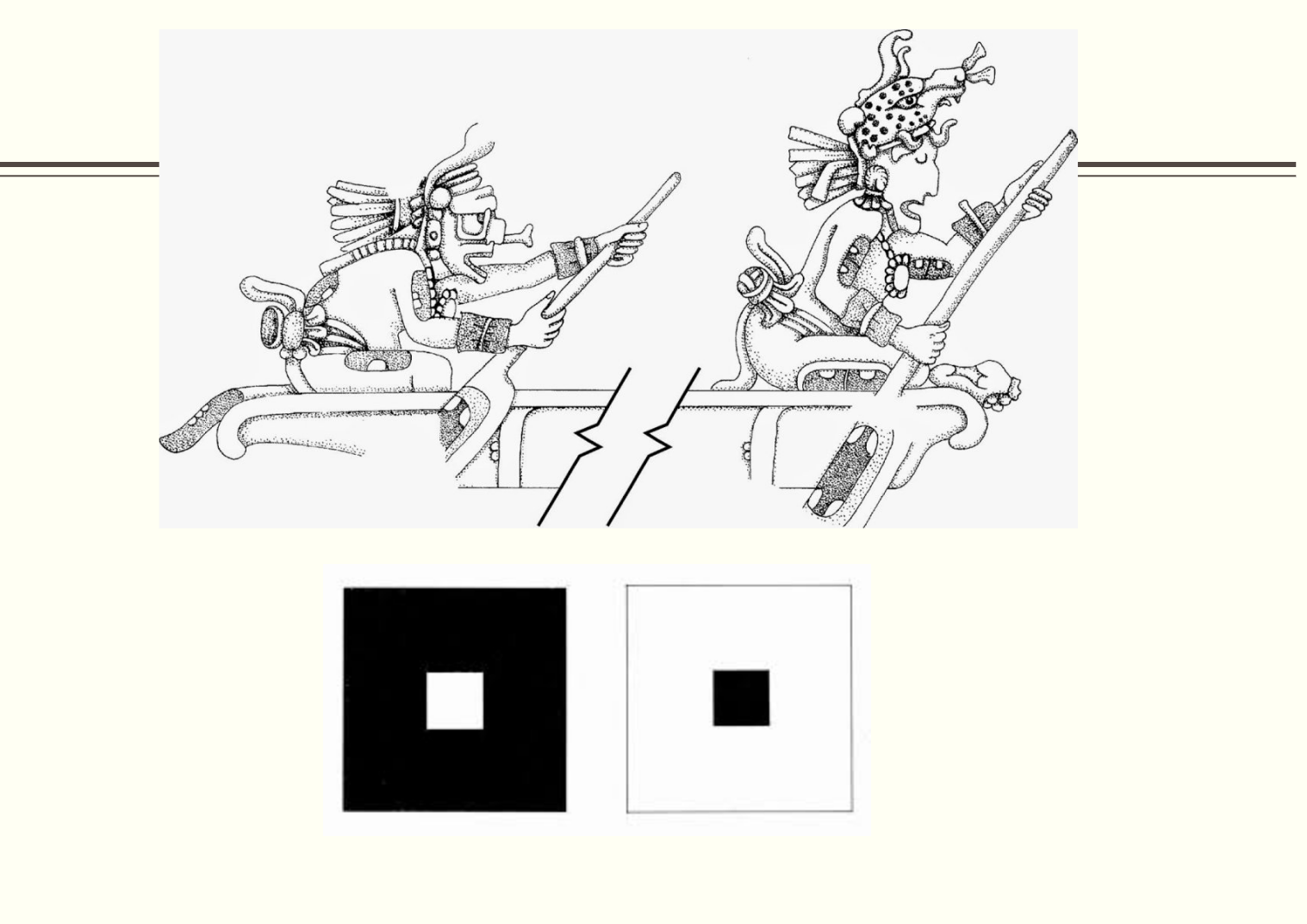
So let’s talk about the light and dark here again. Mesoamerican glyphs often depict mirrors as symbols of complementary opposites, bright and dark, night and day. And this is identified in the paddler gods and in many other areas of Mesoamerican symbology.
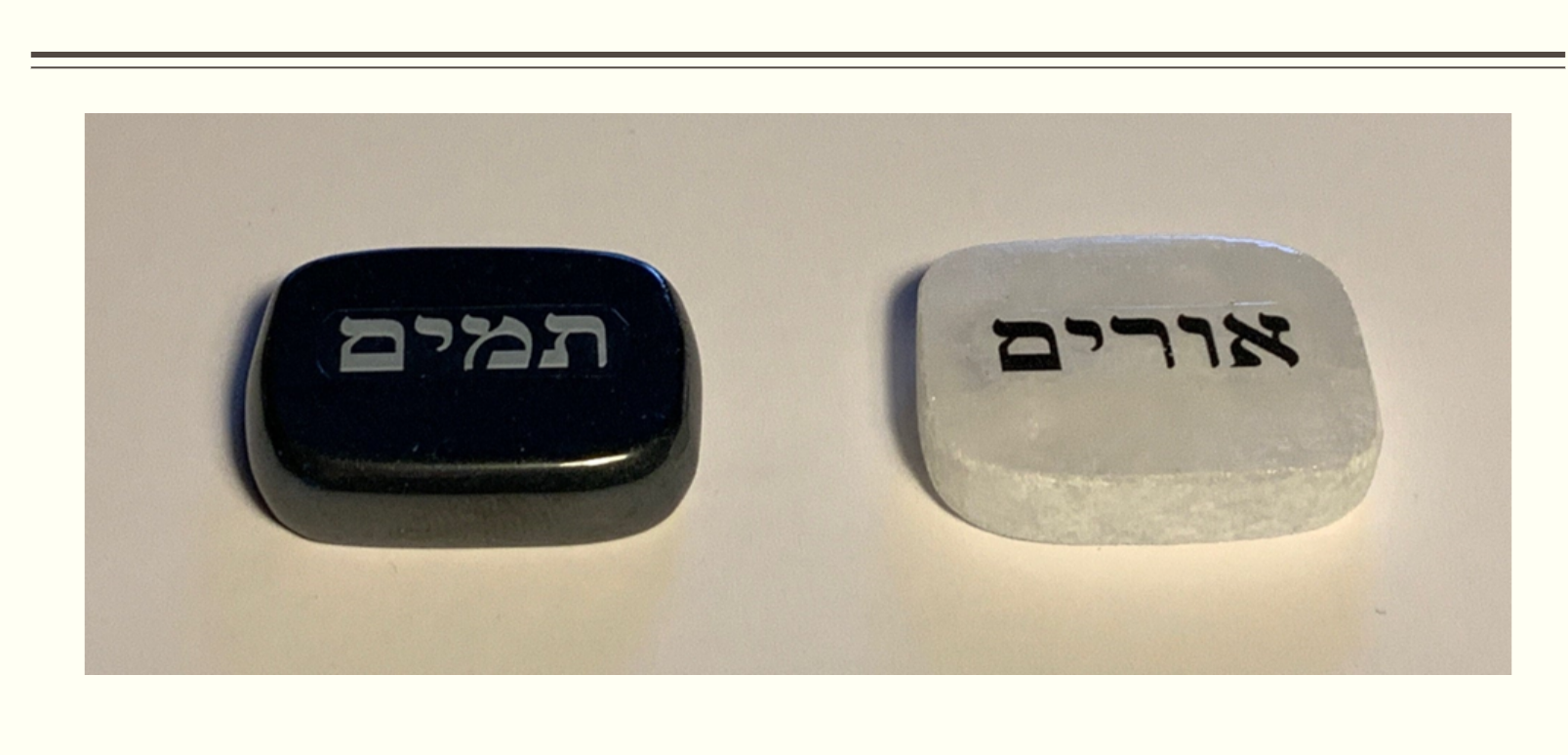
This binary symbol aligns intriguingly with the Israelite Urim and Thummim, which scholars traditionally translate as “light and perfection.”
Urim–Light
The term Urim derives from the Hebrew root meaning light, fire, illumination. Some traditions hold that the Urim glowed in response to divine affirmation. Similarly, Mesoamerican shiners were linked to fire and spiritual insight, serving as metaphorical flames through which divine answers emerged.
Thummim–Dark, Opaque, Sealed Up
Thummim is a more enigmatic word. While often translated as perfection or completeness, linguistic analysts suggest that the root tmm is associated with sealed, obscured, veiled, or dark. While we typically think of darkness as lacking enough illumination to see clearly, darkness could refer to the opaqueness of a stone or its inability to allow light transmission.
Some related stems likewise signified “to be clogged up,” “to extract,” or “to make opaque.” The stem frequently suggests an action that prevents, blocks, obstructs, or even hides something, such as an opaqueness which prevents access to a vision.
It’s interesting, therefore, to note that the Hebrew word contained the Hebrew stem
tmm includes verbs that translate as “sealed up” or “impede access,” particularly to maintain purity or sacredness. In this light, Thummim might indicate not just perfection, but a protective concealment–an intentional opaqueness or barrier to unauthorized vision.
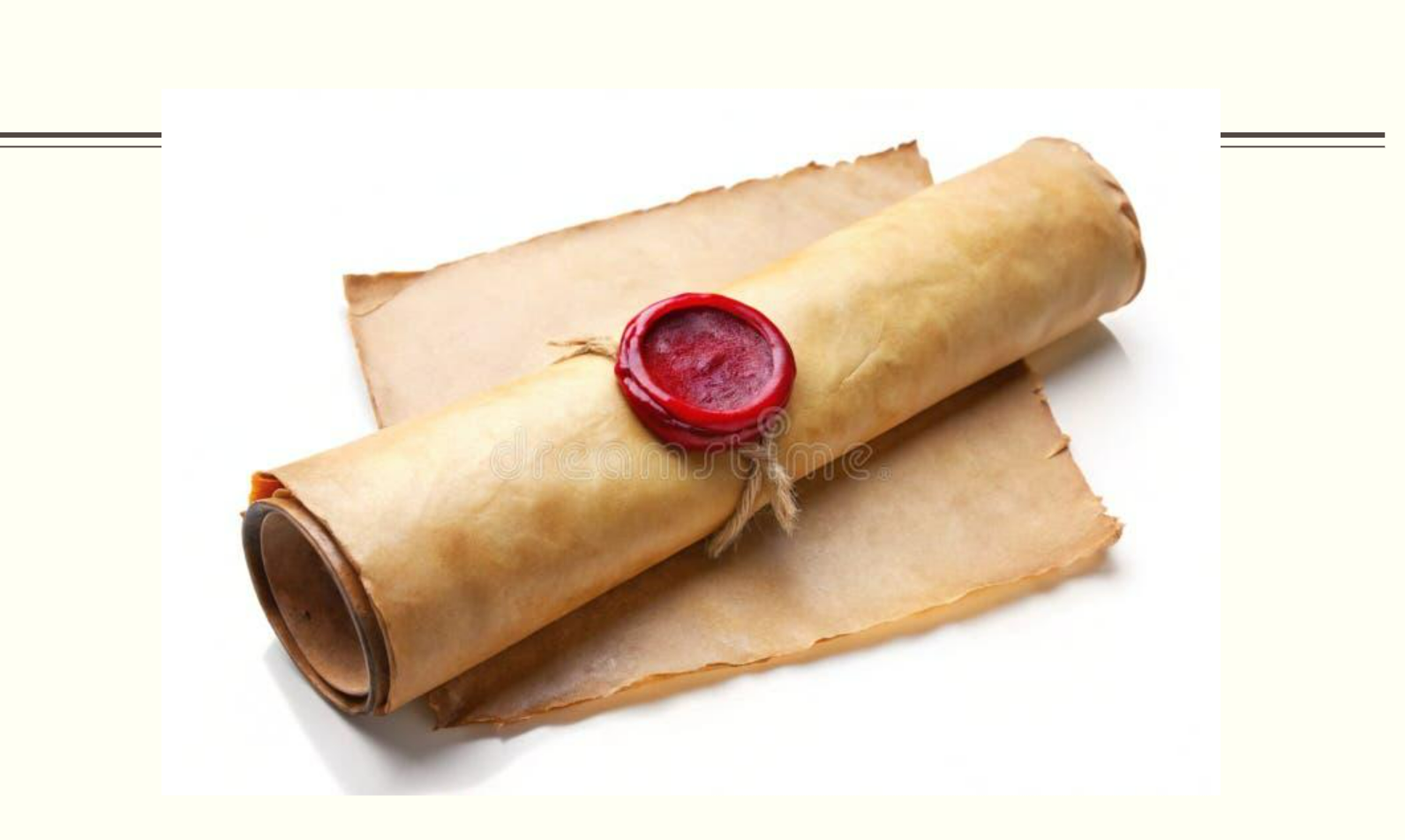
Sealed things, as explained in one of my other papers, are secured away not only from unauthorized inspection, but to ensure their purity and integrity. The Nephite interpreters were given to Joseph so he could unseal the record.
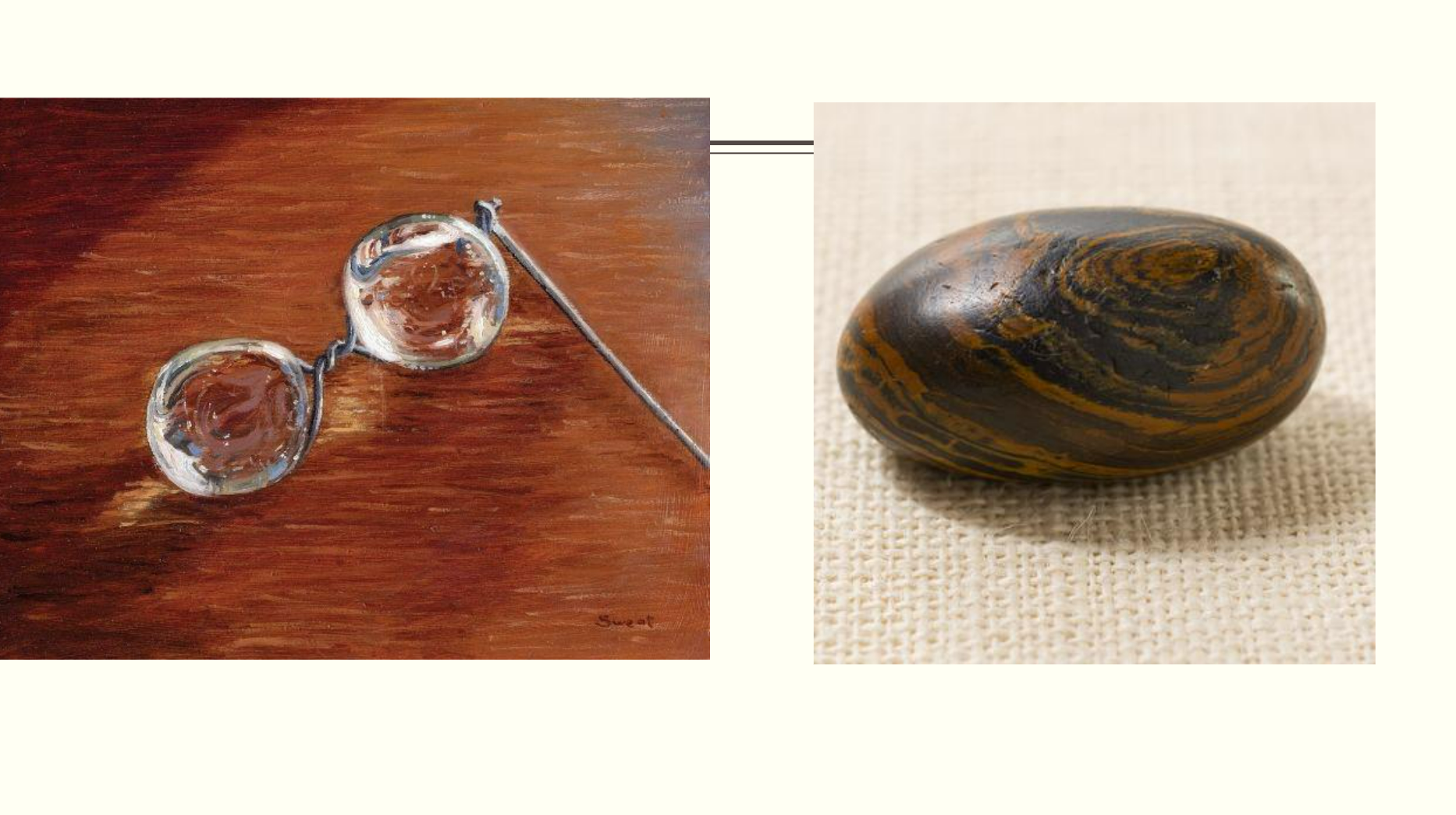
Without the interpreters or a seer stone, the translation plates would have remained hidden or obstructed from unauthorized viewing.
Two Stones with Different Qualities
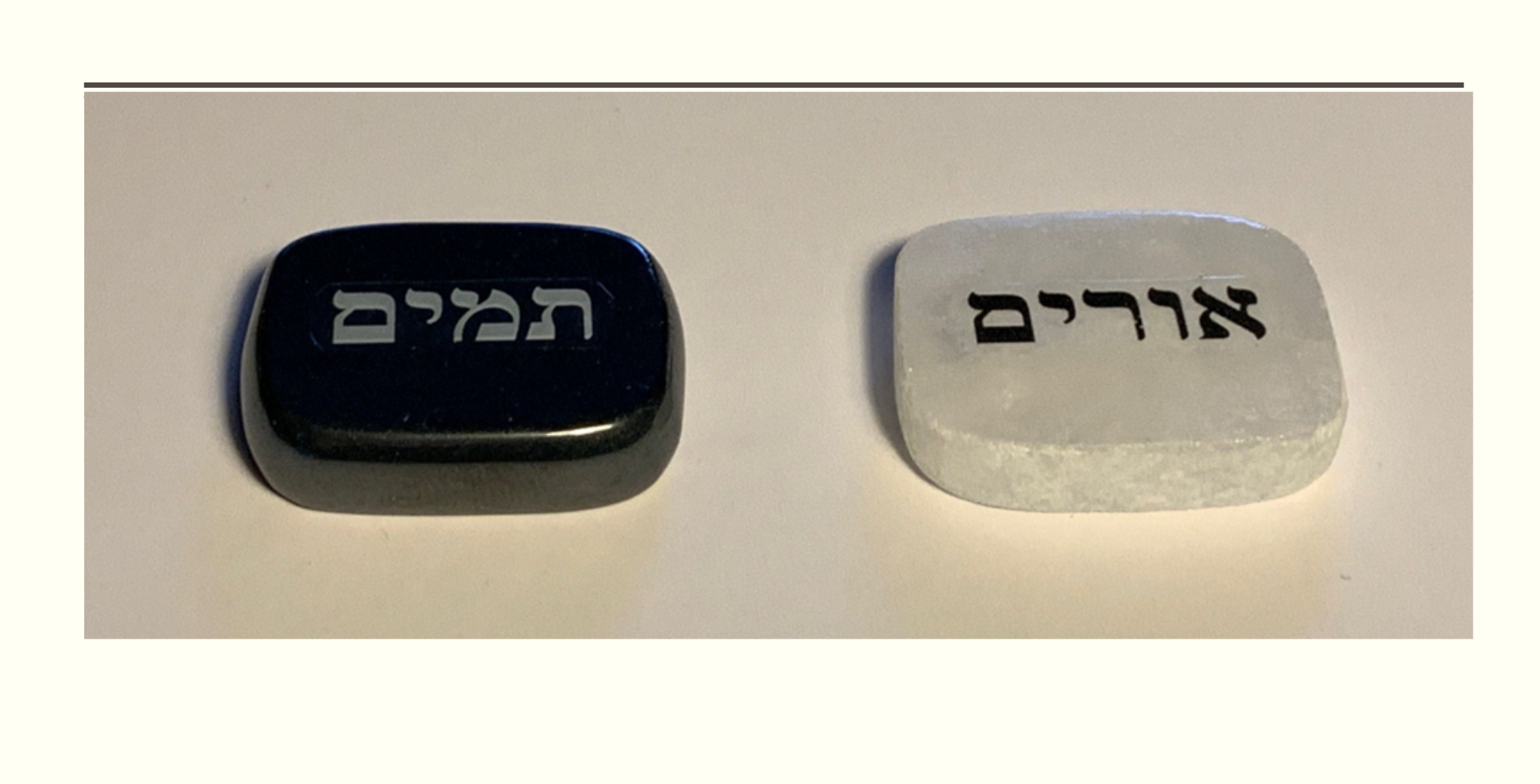
Given the opposing meaning of Urim and Thummim, several scholars argue that the term referred to a set of contrasting divinatory stones, possibly black and white, and which produce binary responses, like yes or no. These stones functioned as ancient lots. So you had a desirable stone, undesirable stone.
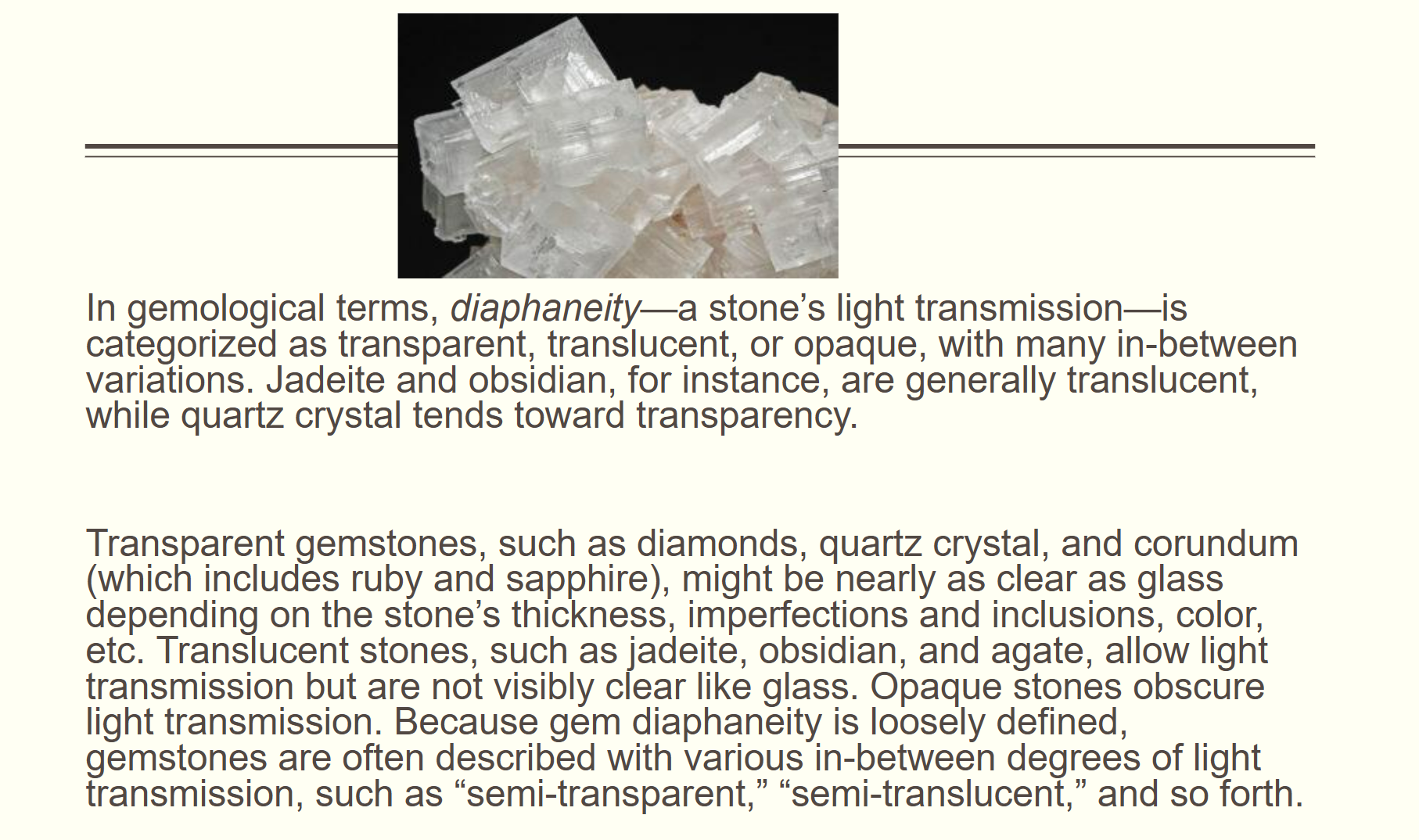
In gemological terms, a stone’s light transmission is categorized by whether it’s transparent, translucent, or opaque, and variations between. Jadeite and obsidian, for instance, are generally translucent, while quartz crystal tends to be more transparent. Transparent stones such as diamonds, quartz, gems, and corundum (like ruby and sapphire) might be nearly as clear as glass, depending on the stone’s thickness, imperfections, inclusions, color.
Translucent stones like jadeite, obsidian, agate, allow light transmission, but not visibly clear, like glass. Opaque stones obscure light transmission because they don’t have the right properties to allow as much transmission through.
Some scholars argue that one of the 12 stones in the Hebrew Urim and Thummim was known as soham, a word possibly derived from a word that means “darker, cloudy,” and could indicate whether the stone was clear or cloudy.
And as noted, more than one scholar also suggested the Hebrew tmm is a root that means to be shut up or sealed. So it could refer to a stone’s light transmission. Doesn’t necessarily mean it’s black and white.
Possibilities: Interpreting Stones
Descriptions of the interpreter stones varied among early witnesses, likely because of the differences in lighting, circumstance, and individual perception. A stones’ brilliance, its shine, depends on both transmitted and reflected light; meaning the stone might appear more or less transparent, translucent or opaque, depending on its context. This could explain why some described the interpreters as clear, light or white–which white could actually mean dark in this sense, because white would be opaque. It wouldn’t let light transmission through. It’s dark, it’s sealing up the light.
The Jaredite stones were described as white and clear, a phrasing that appears at odds with light and dark. Yet both refer to levels of translucency. Usually, we will not refer to white stone as dark, but a white stone would be dark if it lacked translucency. Our English opaque, for instance, comes from the Latin opacus, which means dark, obscure, or impervious to the rays of light. Symbolically, and even descriptively, in terms of light transmission, clear and white stones could be called light and dark stones. The slight visual difference, which might only be fully perceivable in the right light, may not have been nuanced enough to warrant a different description upon cursory inspection.
It’s also possible the interpreter stones were distinctly different gems. Maybe one was near translucent jadeite and the other was nearly transparent quartz crystal. While some witnesses to the interpreter stones may have seen them with more or less shine than others, the difference between stone one and two might actually mean difference in translucency. The difference may not have been immediately noticeable under superficial examination, and so maybe they weren’t compelled to describe a mismatch.
Dark and Light at Once
Some Mesoamerican shiners were intentionally made from iridescent materials that appear dark and light at once. This duality resonates with early Jewish traditions, where the Urim and Thummim changed appearance in response to divine questions; shining brightly for affirmation or dulling when negative.
A stone’s luster, the degree of surface reflectivity, also affects how it is perceived. The luster indicates how shiny a brilliant stone is. A stone’s luster can also affect the perception of transparency. So the top four gemstones that have luster, with adamantine, pearl, they have a breakdown in different jewelry grades. And of course, none of this would have been known, probably to Joseph Smith. But all of these types of luster would have fit the three stones that I’m talking about.
Possible Symbolic Meaning of “Urim and Thummim”
Perhaps the translation of Urim and Thummim as “white and black” or “illuminating dark” meant something else, perhaps something symbolic. This has been suggested for Mesoamerican mirrors as well.
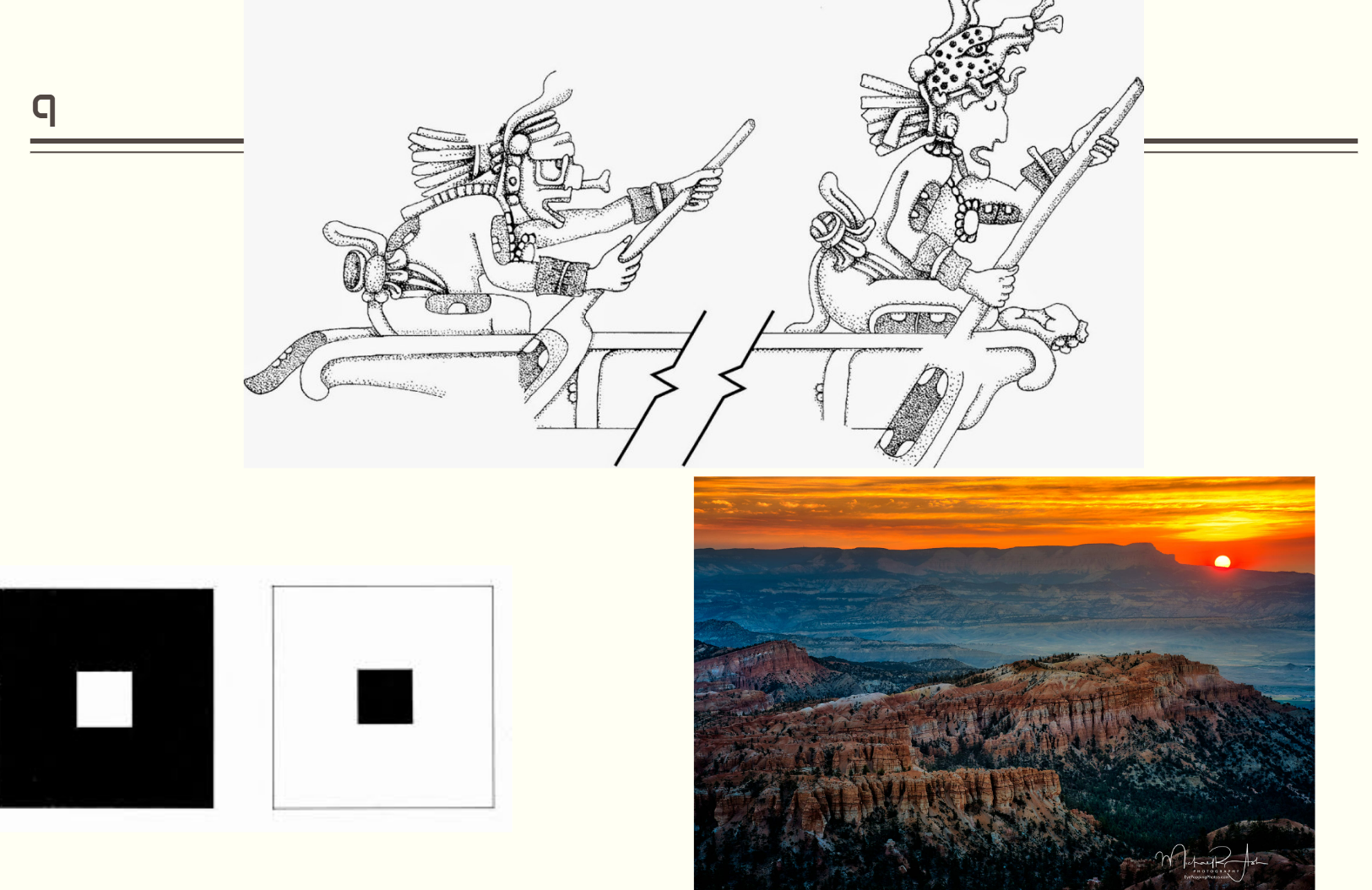
The Mayan paddler gods, for instance, were associated with the symbol. It’s light, dark as well as sunrise, sunset; sunrise begins the day and sunset begins the night.
So likewise Urim refers to light, fire, illumination, perhaps the bright shiners of ancient Mesoamerica, while some of them appear to be associated with darkness, like dark shiners. It’s possible, therefore, that Urim might signify beginning, morning sunrise, where Thummim, night or perfection, finishing the cycle. Evidence suggests that the Urim and Thummim represented two sets of complementary objects, or elements that were light and dark. And like I said, perfection.
It’s worth remembering, though, that Jesus, the most perfect being referred to himself as the Alpha and Omega, the beginning and end, so we can have that completion from one to the other.

Some scholars claim that the Chinese yin–yang is similar to the Urim and Thummim, and that the Israelite divining rods represented light and dark. And some arguments dispute that, but nevertheless, we see some interesting similarities there.
Sacred Bundles
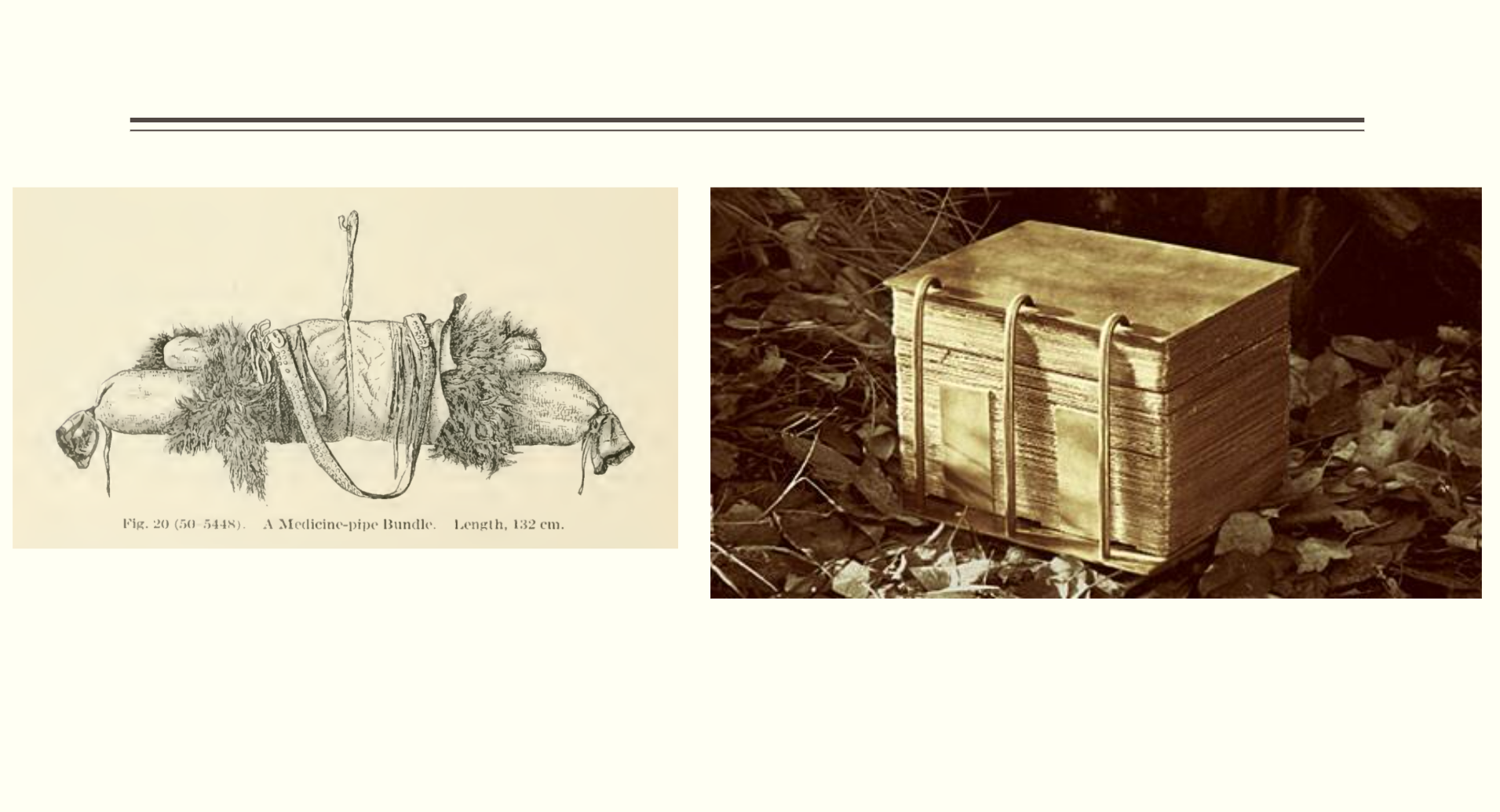
Okay, let’s talk about one more aspect, and that’s sacred bundles. In Mesoamerican cultures, sacred artifacts were often bundled or wrapped in cloth or bark and bound with knotted cords, symbolically representing states of potentiality such as a child within a womb. This bundling imbued items with sanctity, transforming them from ordinary objects into vessels of divine presence. So it was the bundling act that made them sacred. And what do you do when something’s bundled? You’re sealing it up.
Gold Plates in a Stone Box and with D-Shaped Rings
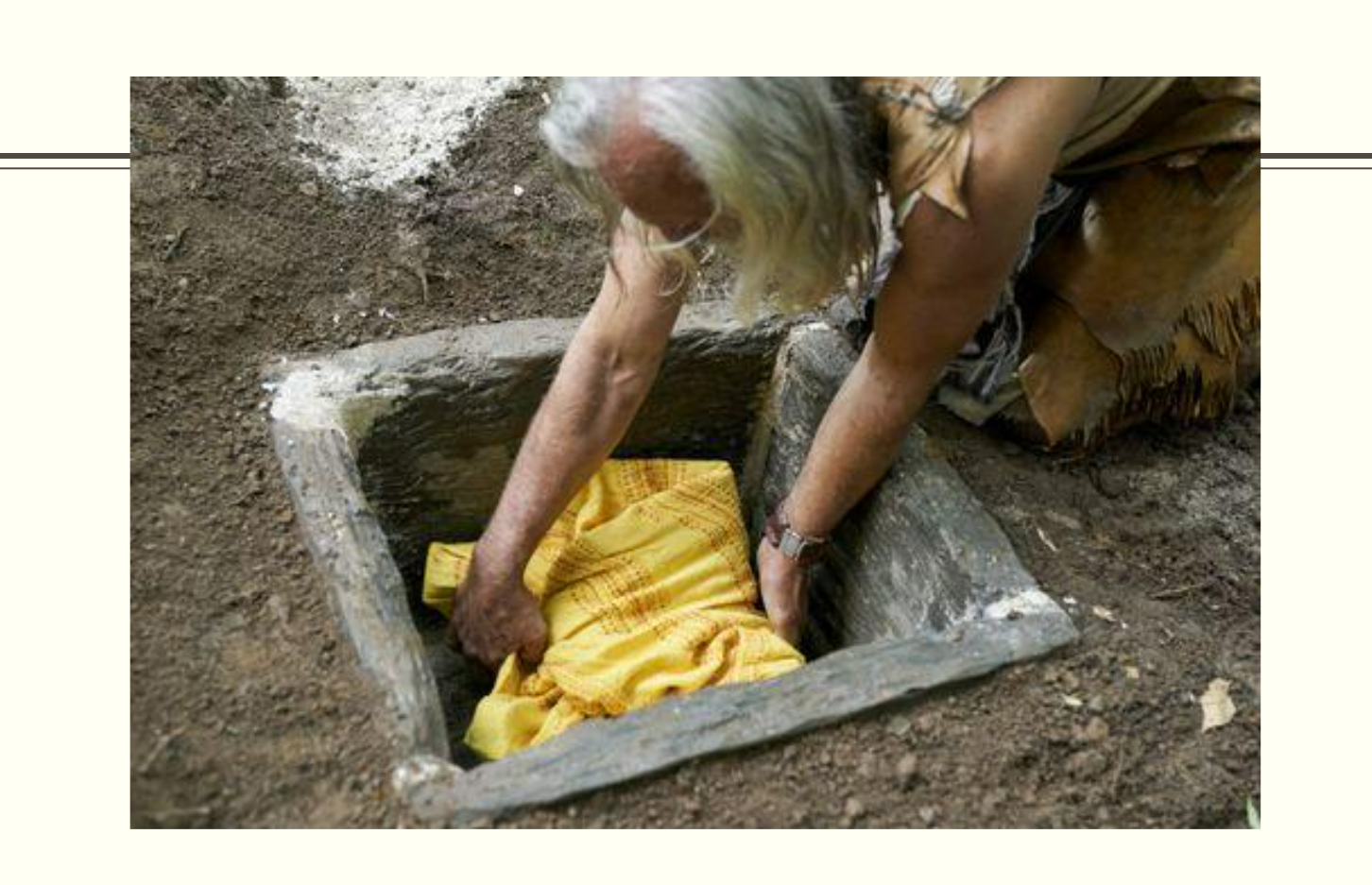
The D-shaped rings around the Nephite plates may mirror these symbolic cords. Securing sacred knowledge within classic Mayan art depicts bundles of wrap cloth, but sometimes include chests, or wooden boxes, covered in textiles.
The Book of Mormon, similarly enclosed in a buried stone box, echoed this motif. Though a stone box and a cave differ, both reflect a Mesoamerican tradition of interring sacred relics underground, and in the Mixtec practice of storing royal bundles in caves believed to be portals to the divine.
When we recall the possibility that the Nephite interpreters were constructed of jade, it’s interesting to note the following: In Mayan, ikatz, which often translates as “cargo bundle” or” burden,” it is often denoted by iconography that depicts cloth bundles that hold jade tributes. In fact, Kerry Hull, LDS archeologist, Mesoamerican specialist, suggests that ikatz bundles are linked directly to jade holders.
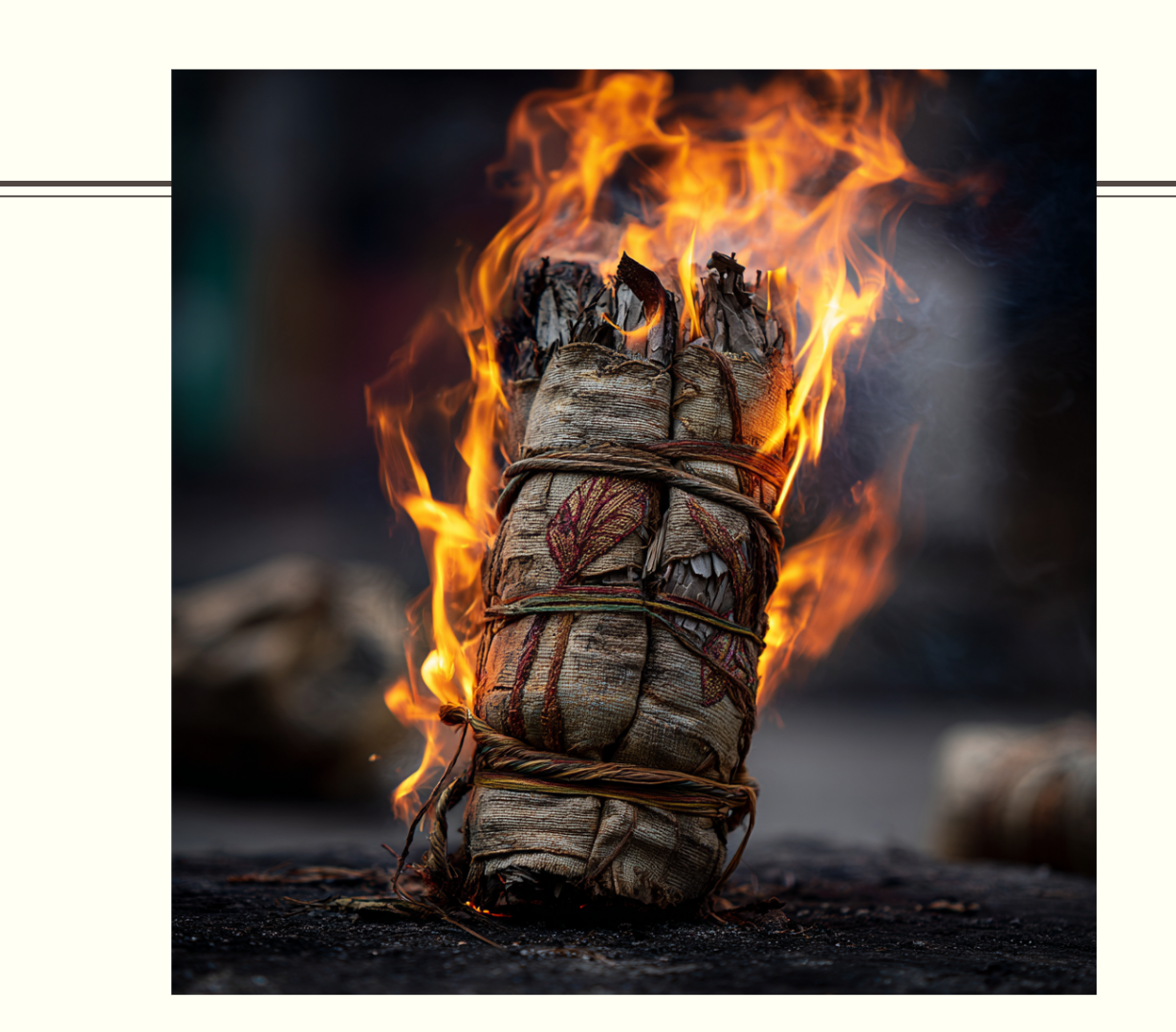
Another account refers to the contents of sacred bundles that contain the heart of God the Father, a bead of precious stone. Sometimes the bundles are described as wrapped fireness of heat or bundles of flames. An interesting description, since both the Israelite Urim and Thummim and Mesoamerican mirrors were sometimes equated with fire.
Ark of the Covenant as a Bundle
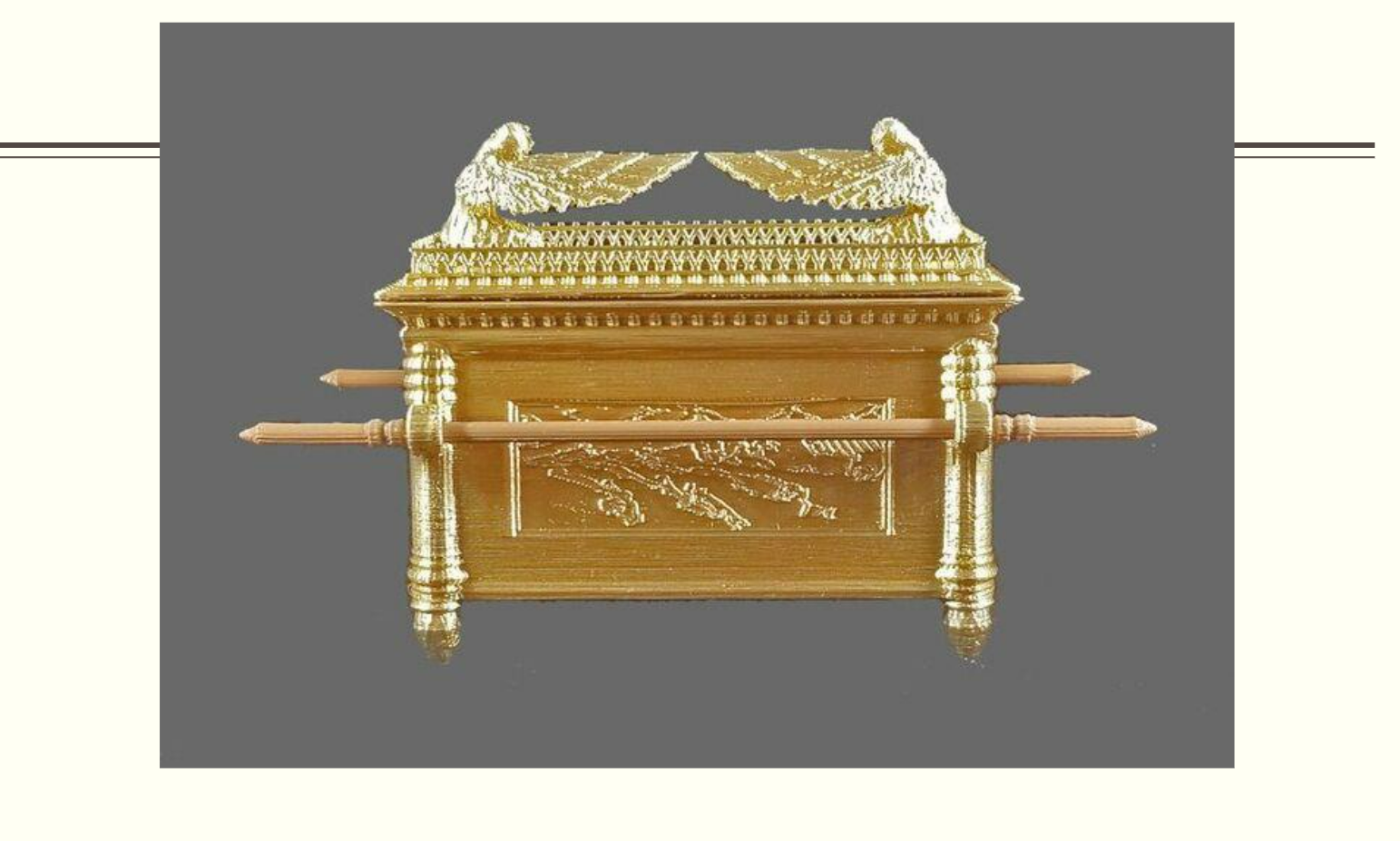
Then we cannot overlook the possible parallel to the Old Testament Ark of the Covenant. We don’t know if the Nephite prophets were familiar with the Israelite ark, it’s not mentioned in the Book of Mormon, however, it seems logical that Lehi might have known about this when they fled Jerusalem. If Lehi was familiar with their Ark, and if he passed that knowledge on to his progeny, subsequent Nephite prophets might have recontextualized the ark according to the binding rituals of Mesoamerican culture.
One Spanish writer, Fray Diego Duran, of the 16th century wrote of three important books of the history religion calendar of the pre-Hispanic Aztecs, describing a cloth covered wooden coffer that contains some small items. Duran characterized the sacred bundle as very much like the Ark of the Covenant.
So likewise, one 20th Century scholar describes a Popol Vuh bundle of flames as sort of a cloth covered ark with mysterious contents. To the Nephites, the ark might have served as a bundle to encase the Word of God as written on the stone tablets.
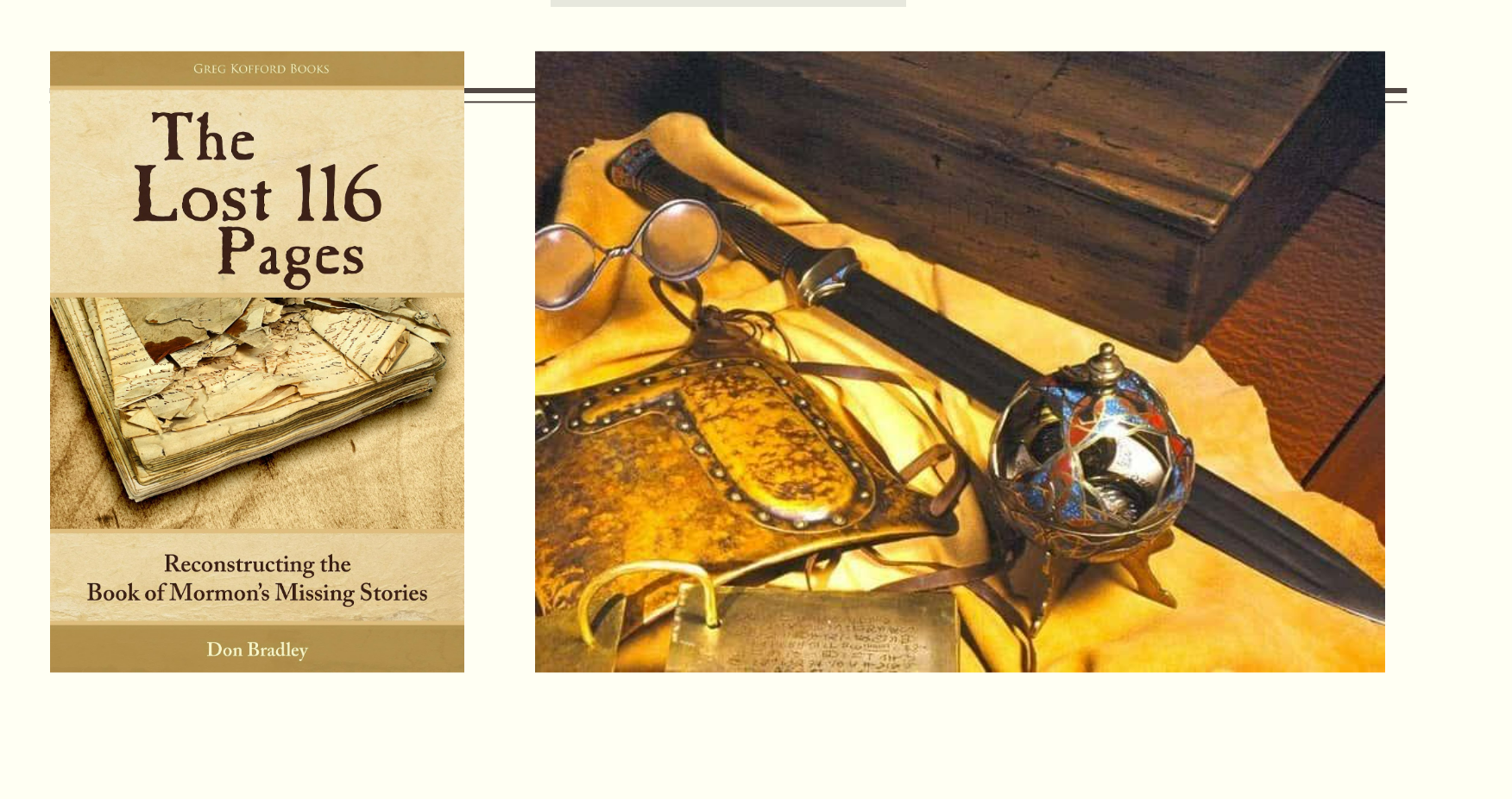
Don Bradley convincingly argues that the Nephites, as the New Israelites, possessed their own ark, which housed the parallel relics to the biblical heirlooms, such as the Liahona, the Jaredite breastplate, the interpreters, the sword of Laban.
Other Items in Sacred Bundles
Weapons
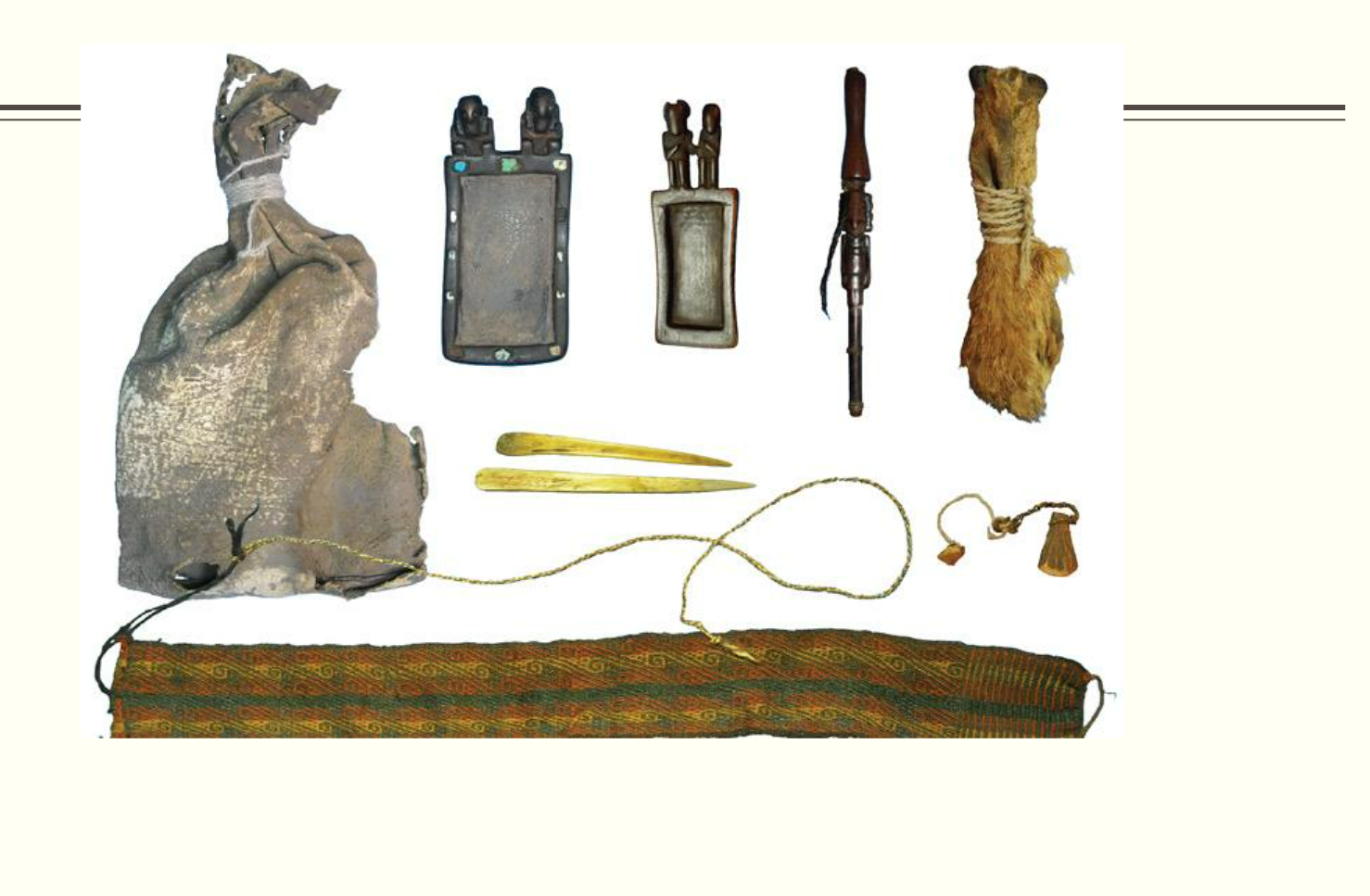
So there were other things included in this bundle of various things. Weapons were sometimes associated with this bundle. It depicts sacrificial axes. And sometimes they were symbolic, but real axes have been found in some of the bundles. And, they’re often a symbol of authority and power and connected to deity.
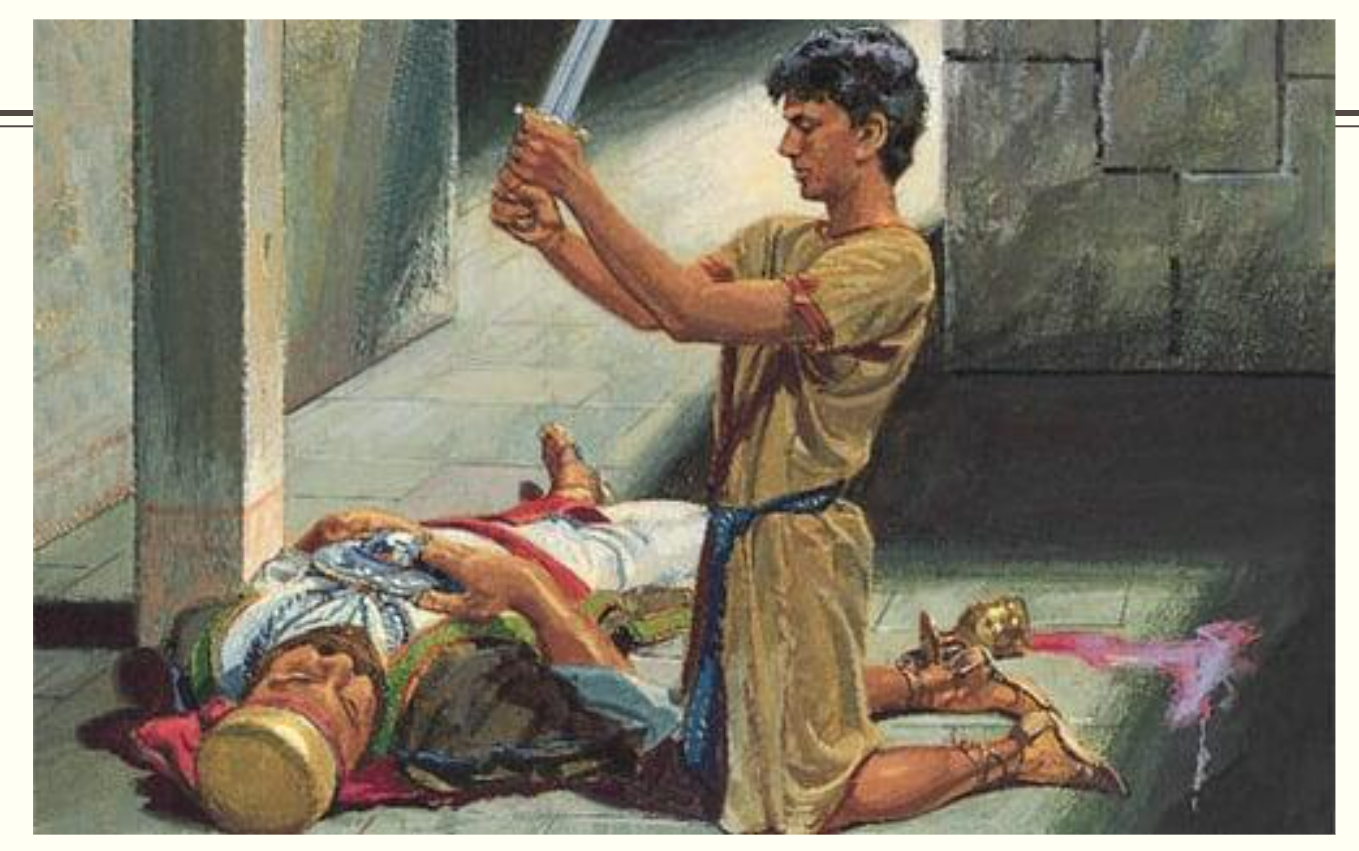
In at least a few instances, the axes are tied to decapitation rituals, which brings back memories. So we’ve got the sword of Laban with a decapitation that’s maybe connected to Moroni’s bundle.
It’s also important to understand that the Maya often viewed their leaders as gods or demigods. Bundling, explains two scholars, extended to the mortuary practices and were conceptually linked to themes of lineage, continuity, and ancestor worship.
Ritual Attire
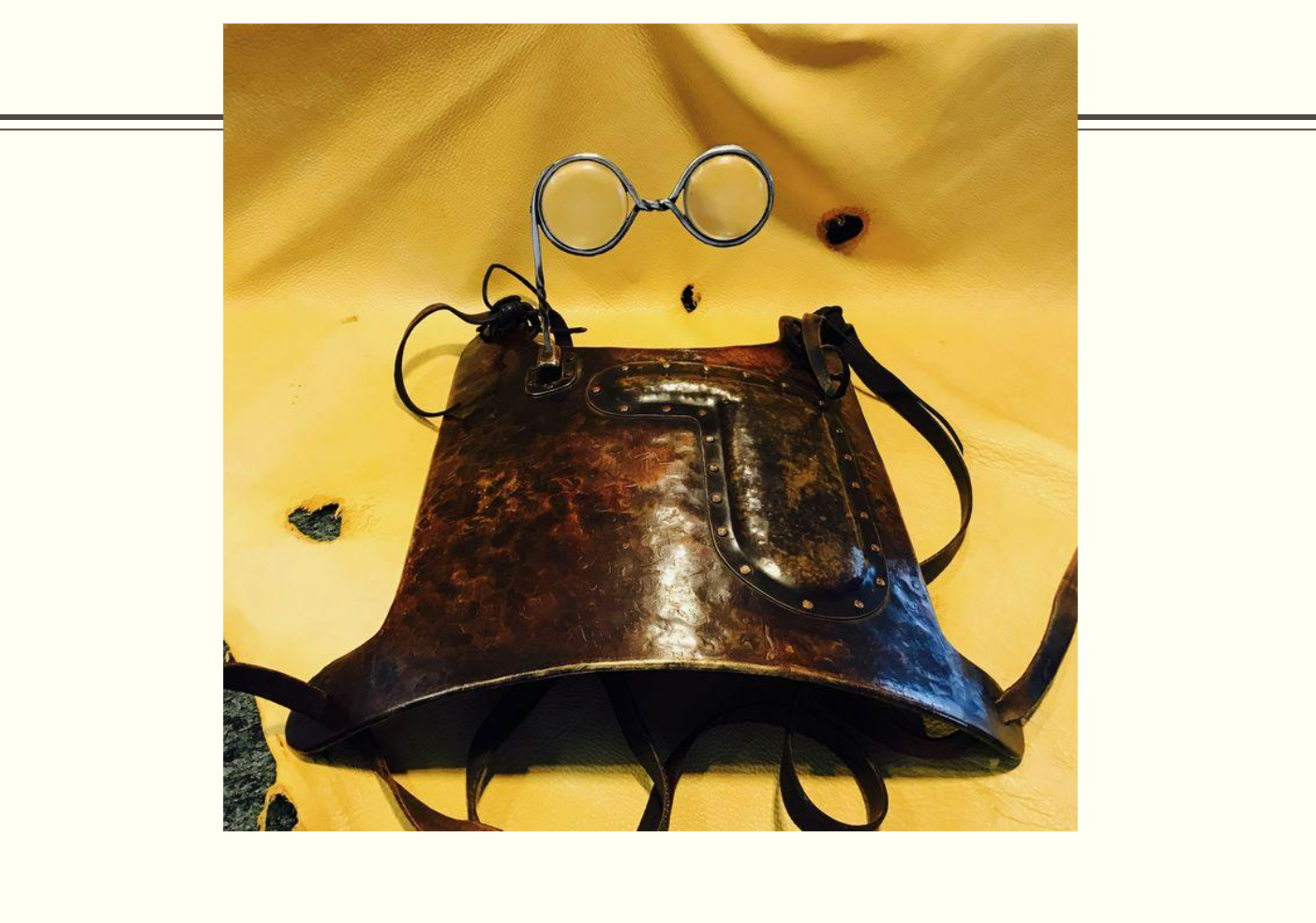
Many members have probably wondered why Moroni included the breastplate in the stone box. As far as we know, Joseph never used the breastplate, even though he might have thought it worked somehow like the Urim and Thummim breastplate of Israelite priests. But I suggest there’s more going on there. Sacred bundles often contain the ritual attire of gods and divine kings, garments and regalia worn by shamans impersonating deities during ceremonies. Since kings and shamans often impersonate deities and sacred rituals, deity bundles contained costumes and adornments which could be worn by the mortals who perform the sacred rituals.
In early Mesoamerican cultural practice, wearing the proper attire was seen as requisite to opening the supernatural portal. Ritual dress was essential for accessing the divine. In this light, the Nephite breastplate is part of the ritual attire. So it is with the shiners. It was more than symbolic, it was required to open the portal, a sacred axis mundi connecting the prophets to God.
I believe that Moroni included the breastplate in the stone box. Because in his worldview the article of clothing was a necessary element in the bundle’s contents. In Nephite Mesoamerican thought, a proper ritual attire might have been required by any future prophet. So he included it in there because he thought he’d probably need it.
Opening Seals
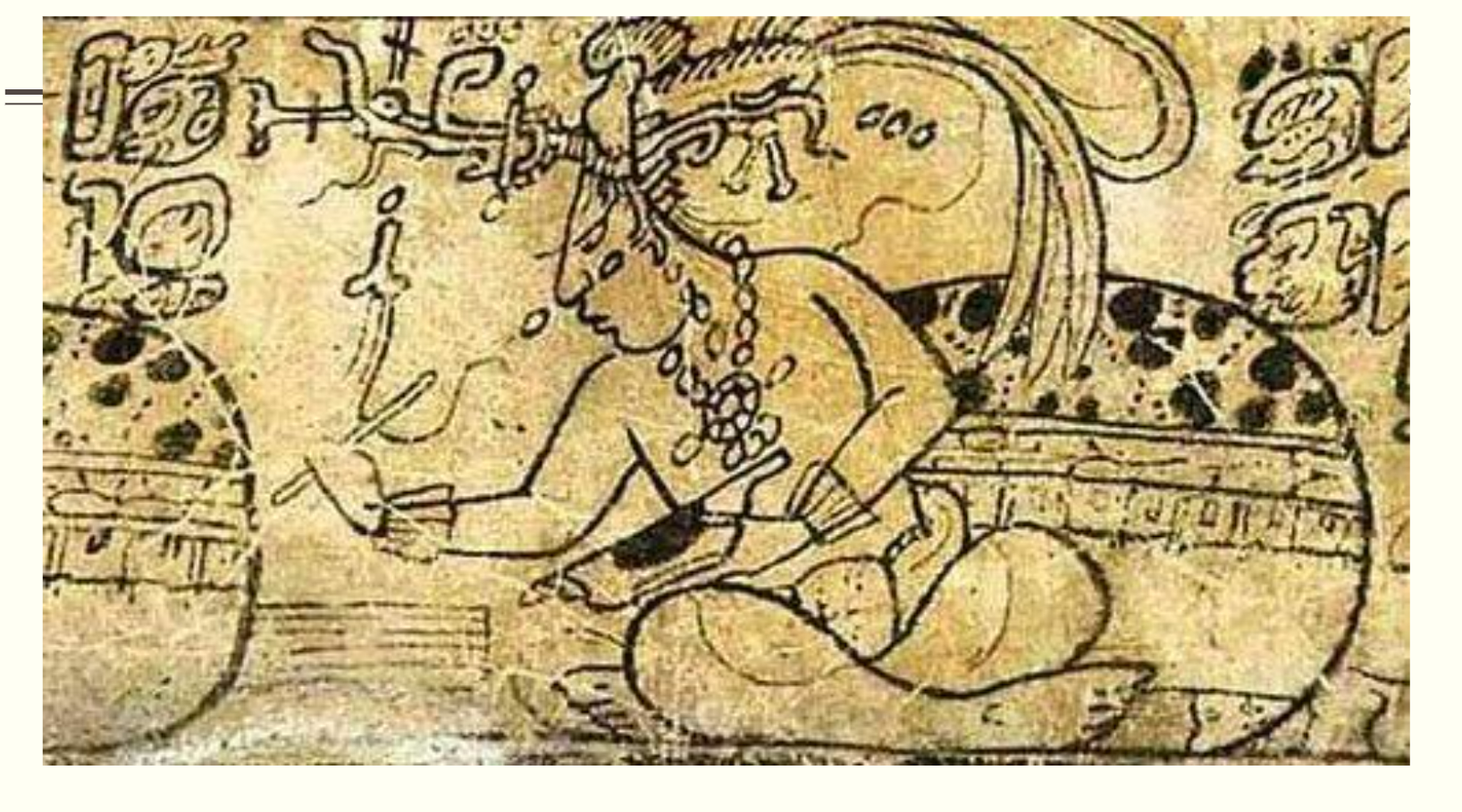
I’m going to quickly jump on one other thing that I think is important here, and that’s breaking the seal. Closing up the bundle seal was a ritual experience for the Mayan; opening was ritual to the Mayan as well. In fact, they would sometimes wrap stelae that were engraved with things to keep them holy, to make them sacred. That’s why they sealed it up. He was to identify and ratify this as important property. They were tied to lineage.
And, of course, you know, Laman and Lemuel were outraged when Nephi had possession of the brass plates and stuff from the lineage.
The sacred bundles tend to be open in states of transition. So very important things that were going on in the world. The bundles were understood to protect the sacred. And while the unwrapping ceremony was often calculated to denote political or religious control, in ancient Mesoamerica they were not at liberty to unwrap the bundle any time they wanted. The ritualized opening of bundles was a major ritual event that offered the only possible access to the bundle’s contents.
Mesoamerican art depicted the opening of some of these bundles.
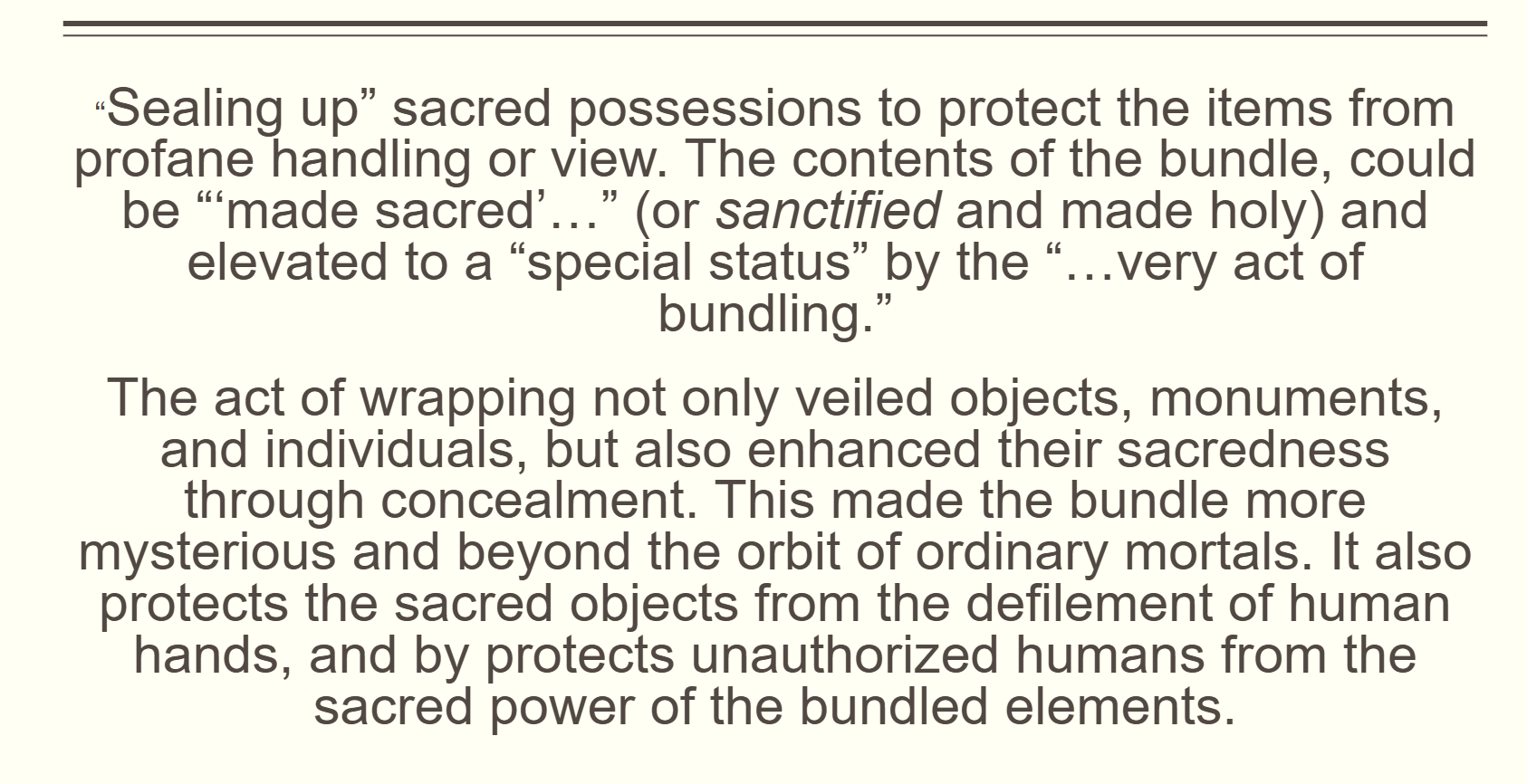
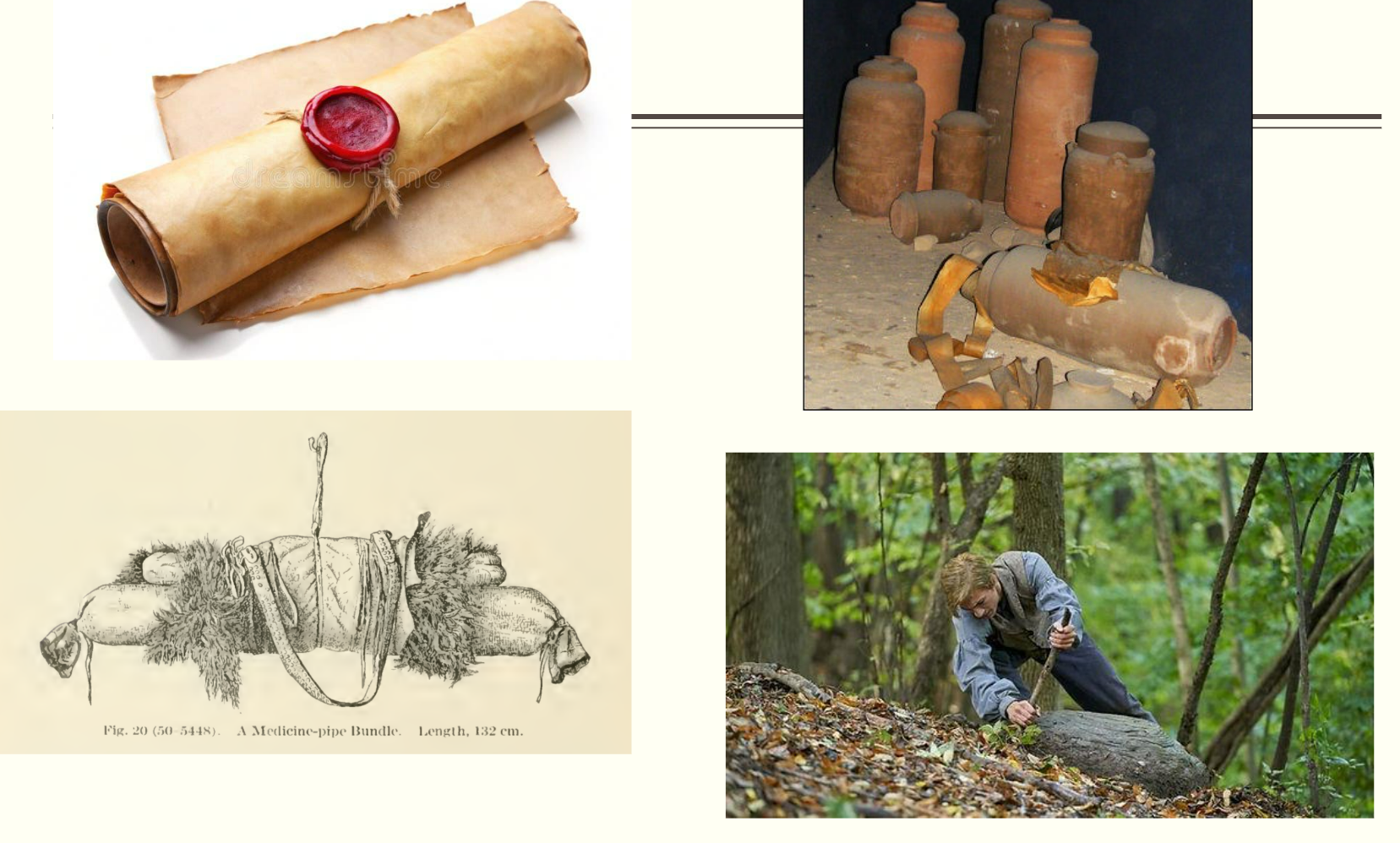
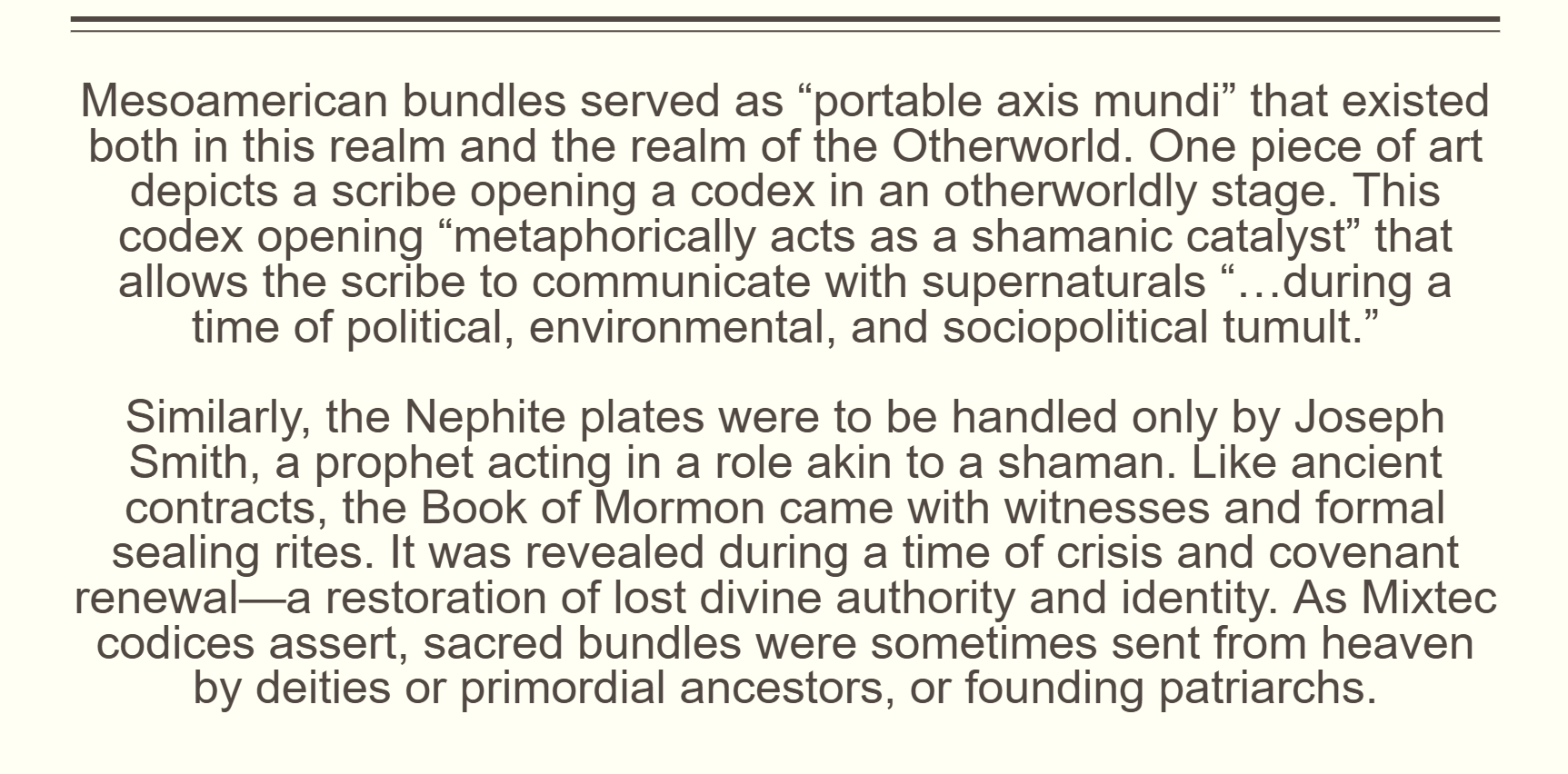
And this is showing other bundles throughout the world. I mean, why do they put scrolls in jars and so forth?
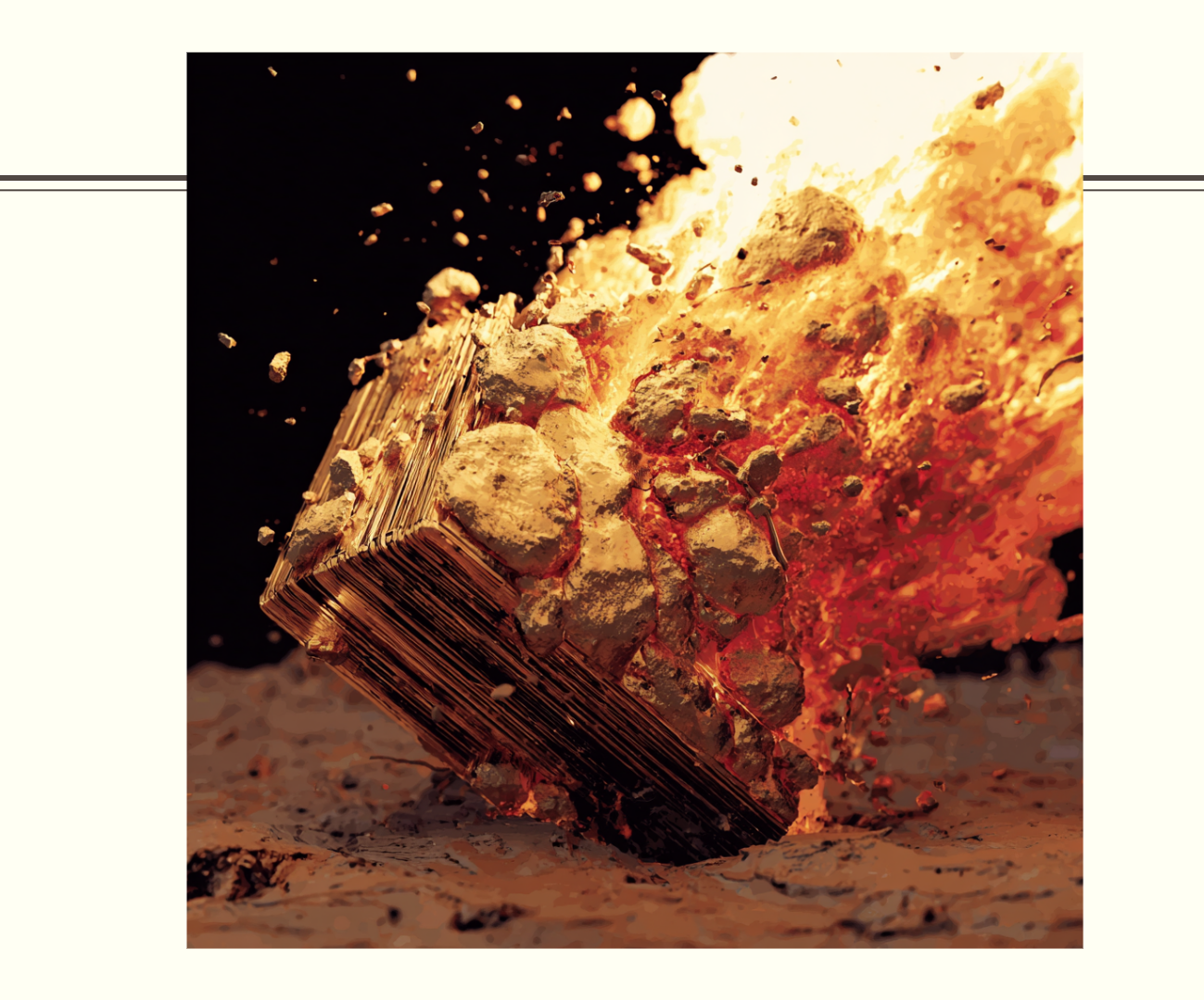
That the bundles appeared to explode when opened up, that’s how important this was. It was like, life changing.
Mesoamerican Bundles as Axis Mundi
Mesoamerican bundles served as portable axis mundi. They existed between the realm of the Otherworld and the modern world, connecting the worlds together.
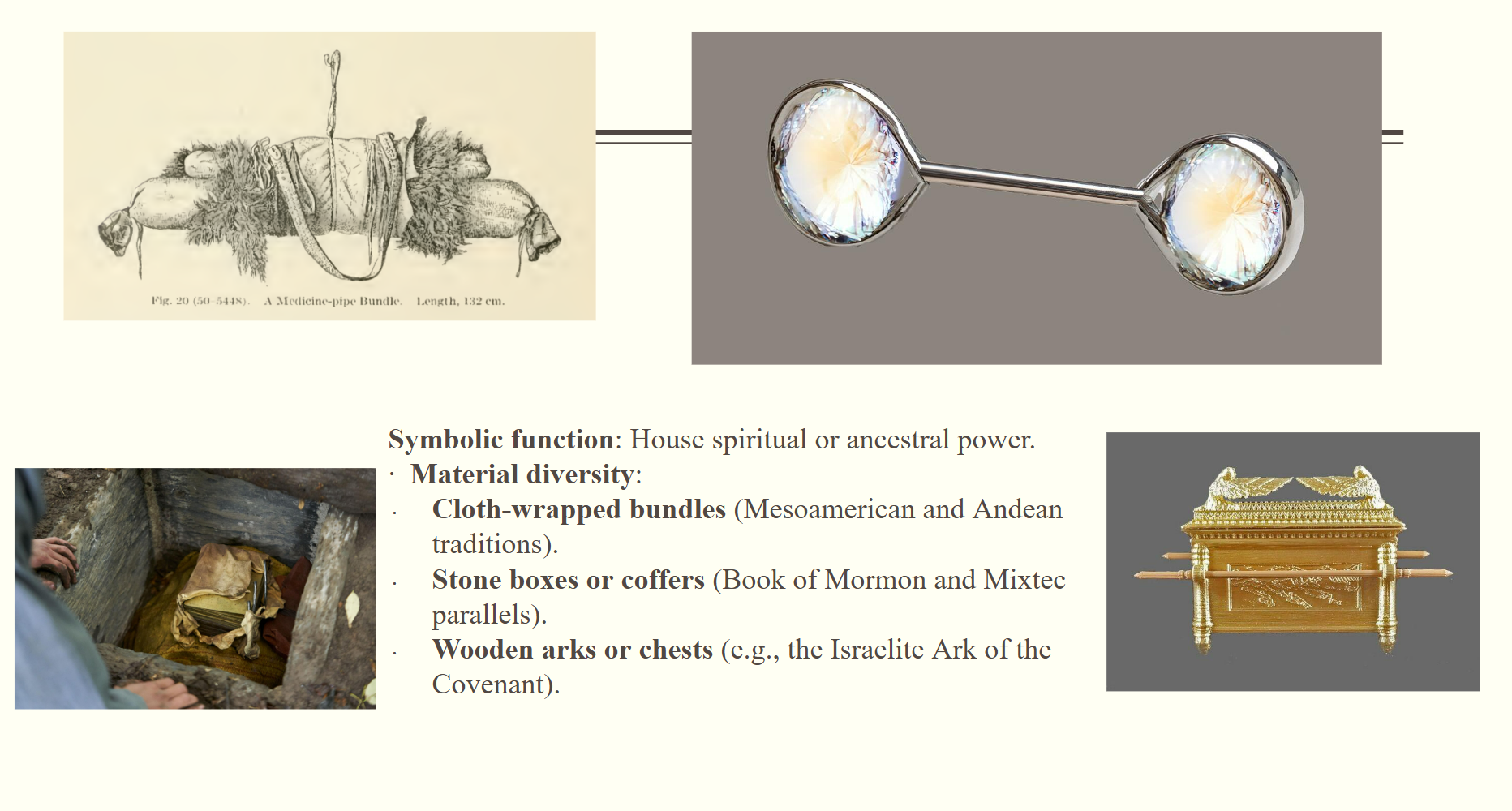
There’s again, maybe some examples of the bundles. We have the wrapping of the metal around the interpreter stones that would have served as a bundle as well. So it falls into theme with that.
Comparisons Between Shiners and the Interpreters
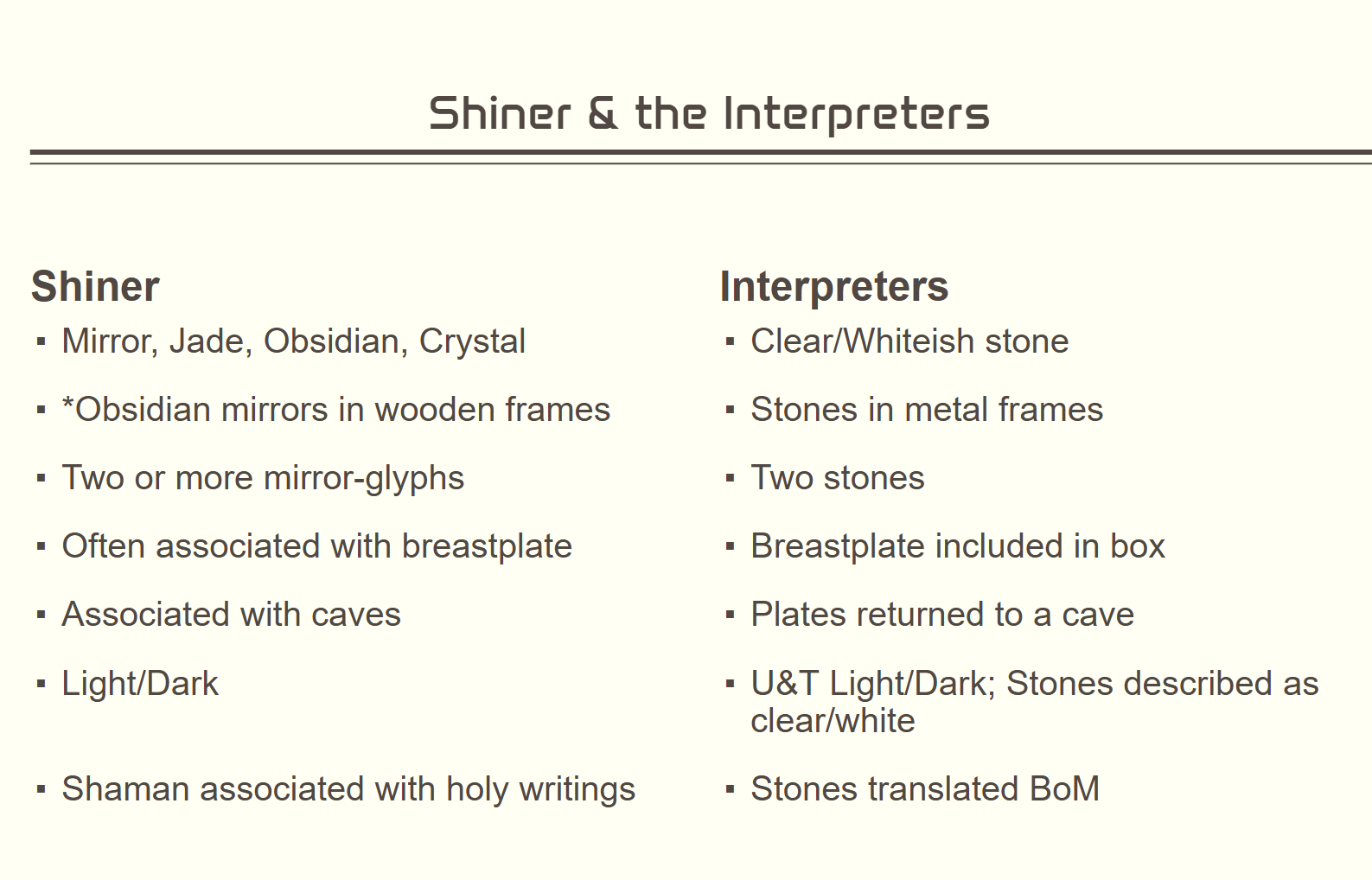
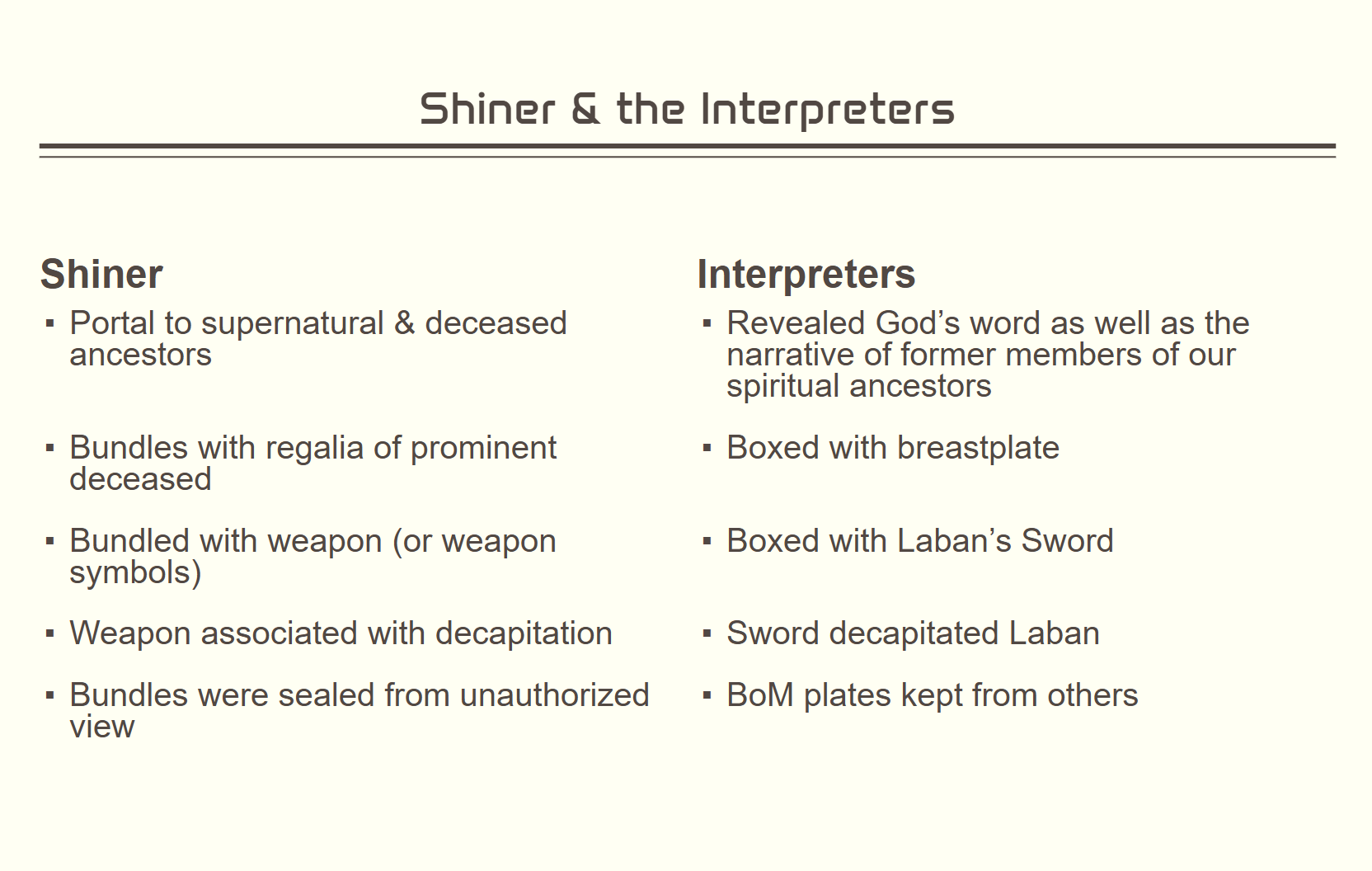
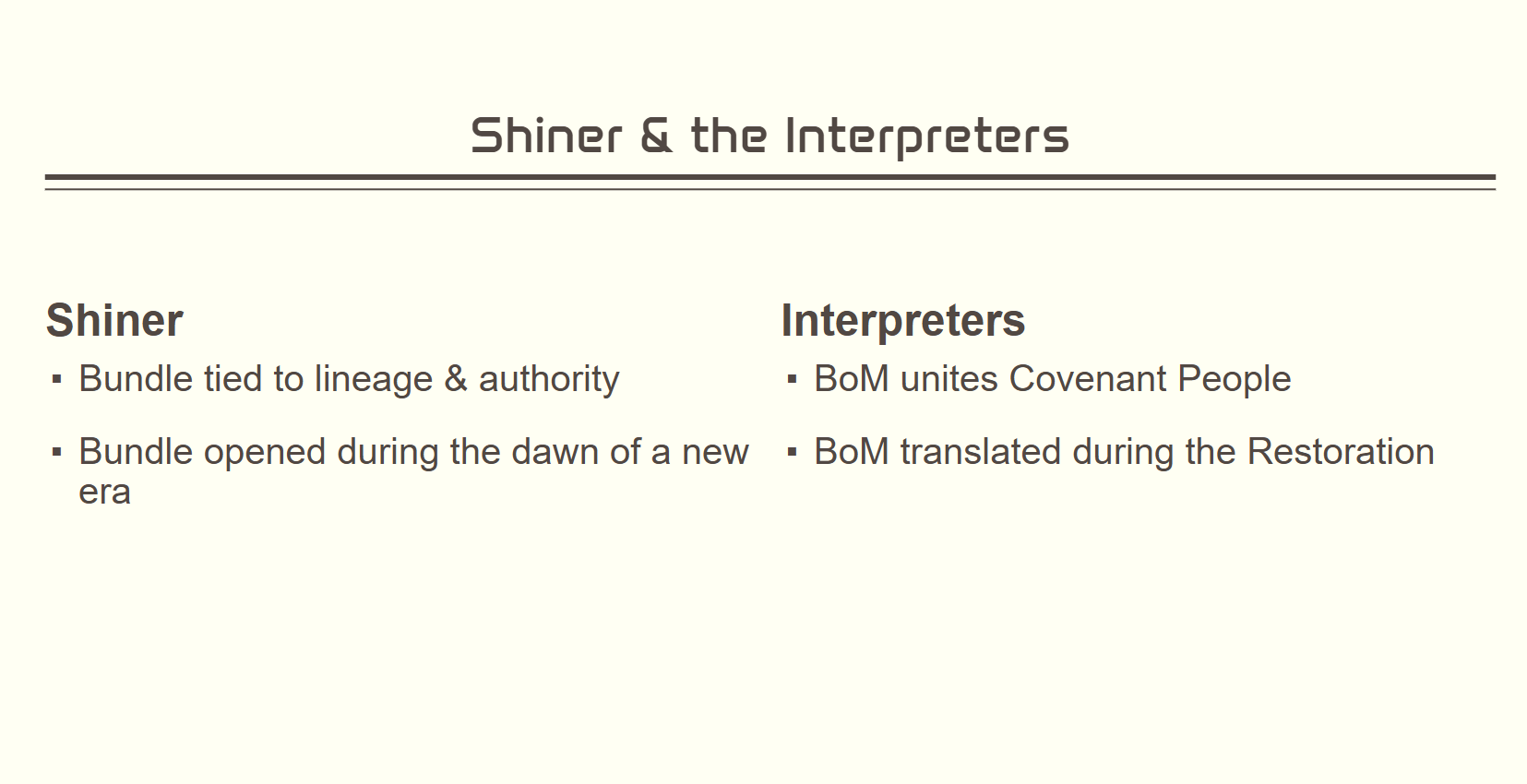
But there’s some of the comparisons between the shiners and the interpreters. A couple of pages on that.

Joseph Smith’s Reception of the Plates
And then just lastly, Joseph Smith’s reception of the plates from Moroni. A celestial ancestor follows this tradition. Moroni, a founding patriarch of the Nephites civilization, becomes the transmitter of divine knowledge to modern Israel. Through divinely appointed means, Joseph broke the seal, unbundled the sacred artifacts, and opened a revelatory portal. This act restored the lost narratives and reconnected scattered remnants of God’s covenant people.
Breaking the Seal of the New Covenant
D&C 84 talks about how the early Latter-day Saints were under condemnation of not taking the covenant seriously. And that’s exactly what happened with the Book of Mormon, it was breaking that seal.
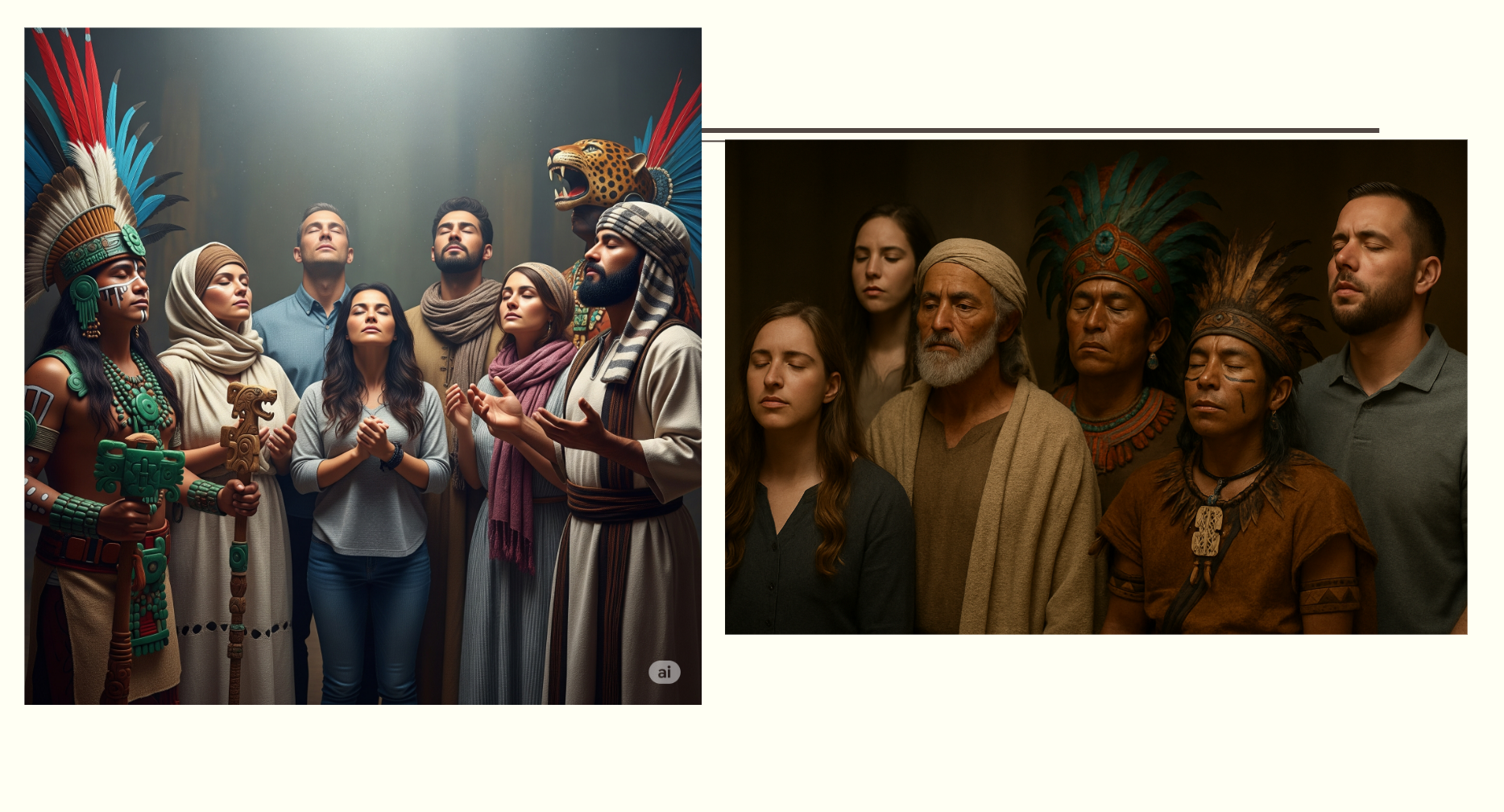
God’s people share a sanctified narrative that binds them to each other and God. The translation of the Book of Mormon richly opened, sanctified, and shared that divine narrative. Modern members of God’s covenant people are given the opportunity to ritually remember the divine covenant narrative by reading, studying, and internalizing the Book of Mormon. The book, in turn, has the power to change the receiver’s heart to align with Christ. I say this in Jesus’ name, Amen.
TOPICS
- Book of Mormon Interpreters
- Mesoamerican Shiners
- Sealed Bundles or Documents
- Urim and Thummim
- Book of Mormon Translation
- Rock in a Hat
