
FAIR is a non-profit organization dedicated to providing well-documented answers to criticisms of the doctrine, practice, and history of The Church of Jesus Christ of Latter-day Saints.
FAIR › Scripture Study Resources: Supplement Your Come, Follow Me Study › Study Resources for the Old Testament & Pearl of Great Price › Week 26 Hear Thou in Heaven Their Prayer
2 Samuel 11-12; 1 Kings 3; 6-9; 11
David’s actions with Bathsheba show how attempting to conceal sin leads to deeper spiritual and relational consequences (2 Samuel 11). The Lord sees all, and unresolved sin hardens the heart and disrupts our peace. Recognizing this helps learners understand why honesty before God is essential to spiritual health.
When the prophet Nathan confronted David, David humbly acknowledged, “I have sinned against the Lord” (2 Samuel 12:13). His response demonstrates that repentance begins with humility and accountability. Though consequences may remain, God’s mercy restores our relationship with Him and allows us to move forward with a softened heart and renewed purpose.
Solomon’s request for “an understanding heart” (1 Kings 3:9) pleased the Lord because he desired to serve others well rather than seek personal gain. This teaches that when we ask for wisdom to bless others and fulfill our responsibilities, God is eager to guide us. Seeking divine wisdom strengthens our decision-making and aligns our desires with God’s will.
Later in life, Solomon allowed his heart to be drawn away from the Lord (1 Kings 11:4), demonstrating that wisdom must be continually nourished through faithfulness. Even those who have received great spiritual blessings must remain vigilant and devoted. This reminds learners that enduring discipleship requires consistency, humility, and continual reliance on the Lord.
Solomon’s construction of the temple (1 Kings 6) represented a covenant relationship between God and Israel. The temple served as a physical reminder that God desires to dwell among His people when they live righteously. Today, sacred spaces and personal holiness invite God’s presence into our lives and homes.
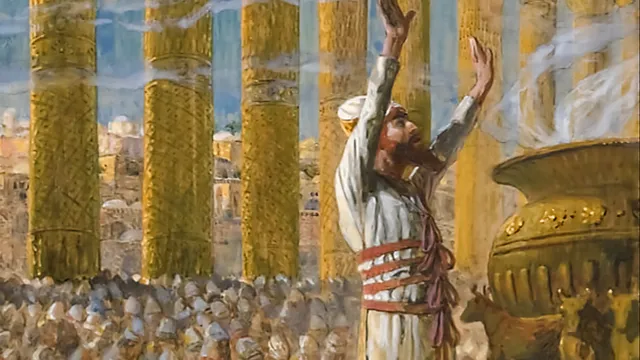
Solomon prayed that the Lord would “hear thou in heaven” the prayers of His people (1 Kings 8:30), emphasizing God’s attentiveness to individual and collective petitions. This teaches that prayer invites divine help, forgiveness, and guidance. As learners understand God’s willingness to hear them, their faith in prayer deepens and their relationship with Him grows.
Israel had transitioned from a loose confederation of tribes to a centralized kingdom. David established Jerusalem as the political and spiritual center, and Solomon expanded Israel’s influence, wealth, and building projects—including the temple. These chapters show both the spiritual heights and moral struggles of Israel’s greatest kings.
If you have questions on this week’s reading, please email your questions to us here.
Practical solutions for someone in faith crisis:
Action Step: Set aside time each night to prayerfully review your day and ask for forgiveness and strength to improve.
The experience of David in 2 Samuel 11–12 shows that humility and honesty before God bring healing and renewed spiritual strength. Regular repentance softens the heart and keeps us aligned with God’s will. As we turn to the Lord consistently, we become more receptive to His guidance and peace.
Encouraging Thought:
The Lord sees potential in us we do not yet see in ourselves. When we repent, we allow Him to shape us into who we can become.
Action Step: Pray specifically for understanding and guidance before acting on major choices.
Solomon was blessed when he asked God for wisdom to serve others (1 Kings 3). Seeking divine guidance helps us avoid unnecessary mistakes and align our decisions with eternal priorities. It invites clarity and peace that cannot come from relying on our own understanding alone.
Encouraging Thought:
God is eager to guide those who sincerely desire to do good. When we seek wisdom for the right reasons, He enlarges our understanding.
Solomon’s temple prayer in 1 Kings 8 teaches that God hears sincere prayers offered in faith. Consistent communication with God strengthens our relationship with Him and invites guidance, comfort, and forgiveness. Over time, regular prayer builds spiritual confidence and trust in the Lord.
Encouraging Thought:
Objective: Help learners understand the power of sincere repentance and God’s mercy.
Paper, pens, a small mirror (optional), scriptures
Activity Steps:
Follow-Up Question: How does understanding God’s mercy change the way we view our mistakes?
Objective: Encourage learners to seek God’s wisdom in everyday decisions.
Two jars or containers, slips of paper, pens
Activity Steps:
Introduction (5 min): Label one jar “My Understanding” and the other “God’s Wisdom.” Ask learners to name situations where decisions are hard and place them in the jars.
Scripture Discussion (5 min): Read 1 Kings 3:5–12 and discuss why Solomon asked for wisdom instead of riches or power. Explore how God responded to his righteous desire.
Application (5 min): Invite learners to choose one current decision and write a short prayer asking for wisdom. Encourage them to seek God’s guidance during the week.
Follow-Up Question: What changes when we seek God’s wisdom before acting instead of after?
Objective: Help learners deepen faith that God hears and answers sincere prayer.
Index cards, pencils, a small box or bowl
Activity Steps:
Introduction (5 min): Ask: “When do people usually pray most sincerely?” Briefly discuss how prayer connects us to heaven in any circumstance.
Scripture Discussion (5 min): Read portions of Solomon’s temple prayer in 1 Kings 8:28–30. Discuss what these verses teach about God listening to His people.
Application (5 min): Invite learners to write a personal prayer or concern on an index card and place it in the box as a symbol of offering it to God. Encourage them to watch during the week for ways God responds.
Follow-Up Question: How have you seen or felt that God hears your prayers, even in small ways?
1 Kings 8:27–30 — God hears sincere prayer
For the Strength of Youth — Applying gospel principles in daily decisions
Gospel Library — Access to scriptures, manuals, and study tools for personal and family study
FAIR is a non-profit organization dedicated to providing well-documented answers to criticisms of the doctrine, practice, and history of The Church of Jesus Christ of Latter-day Saints.
We are a volunteer organization. We invite you to give back.
Donate Now