
In his October 2025 General Conference address, “The Atoning Love of Jesus Christ,” Neil L. Andersen testifies that the Savior’s Atonement is not only central to God’s plan, but personally powerful in every life.
He teaches that both forgiveness and healing are found through Jesus Christ, no matter the depth of sin or suffering.
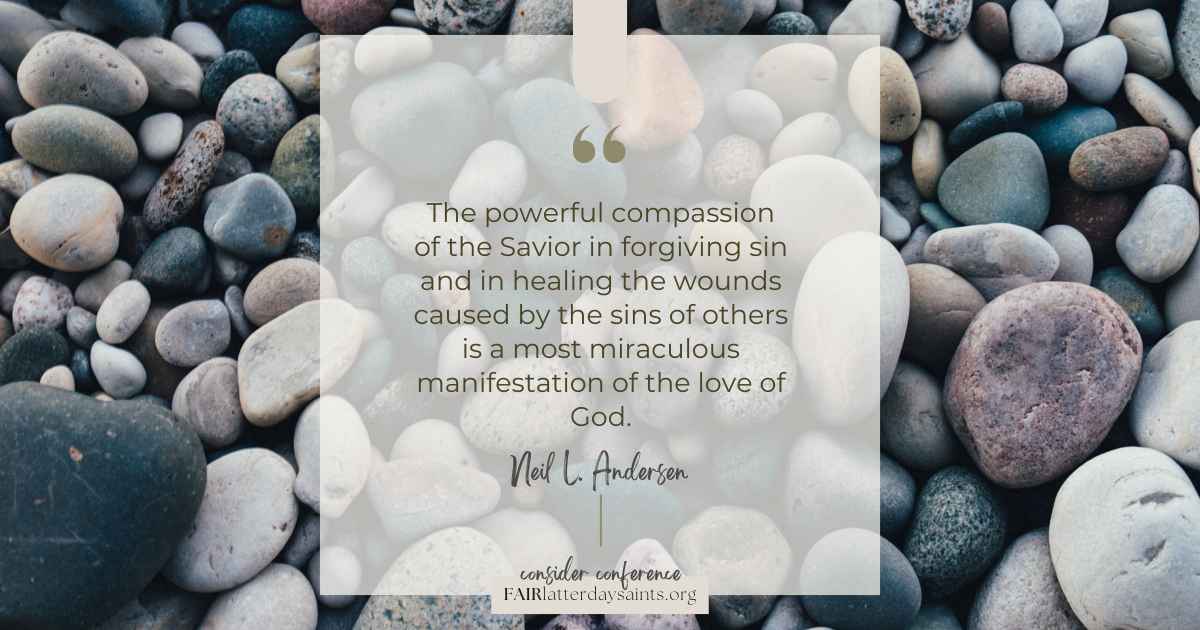
The powerful compassion of the Savior in forgiving sin and in healing the wounds caused by the sins of others is a most miraculous manifestation of the love of God.
This divine compassion reaches in two directions. It offers hope to those seeking forgiveness and comfort to those carrying the pain caused by others.
Common Criticism: “Some mistakes or wounds are too serious to fully heal or be forgiven.”
Serious sin can feel permanent, and deep emotional wounds can seem beyond repair. Many struggle to believe that complete forgiveness or lasting healing is truly possible.
Fallacy at Work: Limits on Divine Grace
This belief assumes that certain sins or injuries fall outside the reach of Christ’s Atonement. It places limits on what divine power can accomplish.
Elder Andersen’s Correction: Christ’s Atonement Is Sufficient
Elder Andersen teaches that the Savior’s Atonement fully addresses both sin and suffering. Forgiveness is real, and healing is possible.
He emphasizes that this help comes as individuals turn to Christ with faith, humility, and a willingness to change. Forgiveness is not earned through perfection, but received through His grace.
He also teaches that healing comes through the same source. The Savior understands every sorrow and has power to bring peace, even when circumstances remain unchanged.
Solution:
The Atonement of Jesus Christ is not limited in reach. As individuals turn toward Him, they can receive both forgiveness and healing.
Living Apologetics: Grace That Restores
Elder Andersen’s message addresses two deeply personal questions. Can I really be forgiven? Can I really be healed?
His answer to both is yes, through Jesus Christ.
For those seeking forgiveness, he describes a path that includes:
- Turning away from sin
- Being honest with God and others
- Making restitution where possible
- Trusting the Lord’s timing
He teaches that forgiveness may come gradually, requiring patience and continued faith.
For those who have been hurt, he offers assurance that the Savior knows their suffering personally. Christ has the power to bring peace, comfort, and eventual healing.
 Practical Apologetic Use

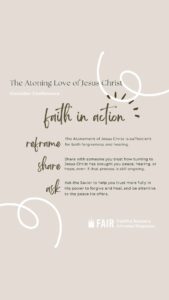
- If someone says: “I’ve done too much to be forgiven.”
You can respond: “Elder Andersen teaches that Christ’s Atonement is sufficient for every sincere effort to repent.” - If someone says: “I don’t think I’ll ever heal.”
You can respond: “He also teaches that the Savior can heal even the deepest wounds, though that healing may take time.”
Ways to Apply Today
1️⃣ Consider one area of your life where you need the Savior’s help, and consciously turn that need over to Him in prayer today.
2️⃣ Speak honestly in prayer about your needs, struggles, or pain.
3️⃣ Trust the Lord’s timing as He works in your life.
Keep This Talk With You
Elder Andersen testifies that the Savior’s love is constant and personal. Through His Atonement, burdens can be lifted, guilt can be removed, and sorrow can be transformed.
Even when answers do not come immediately, the promise remains sure.
The Savior knows you. He loves you. He has the power to lift you.
Where do I need to trust more fully in the Savior’s power to forgive or heal in my life right now?
The Consider Conference series by FAIR offers an in-depth look at recent General Conference talks to help members of the Church of Jesus Christ of Latter-day Saints navigate common questions, misunderstandings, and criticisms. Each post provides doctrinal insights, historical context, and practical ways to apply gospel principles in everyday conversations. Through this series, we hope to equip readers with faith-promoting resources that encourage thoughtful reflection, respectful dialogue, and a stronger foundation in gospel truths, fostering both personal conviction and meaningful discussions with others.
