• Skip to primary navigation
  • Skip to main content
  • Skip to primary sidebar
  • Skip to footer

FAIR

  • Find Answers
  • Blog
  • Media & Apps
  • Conference
  • Bookstore
  • Archive
  • About
  • Get Involved
  • Search

Testimonies

David D. Peck

The Glory of God is Intelligence, the Revelation of God is Love

Over the course of my life, I have come to appreciate the love God holds for humankind as expressed in a formal statement authored by the First Presidency of the Church of Jesus Christ of Latter-day Saints dated February 15, 1978, entitled “God’s Love for All Mankind.”i This important official statement made by the governing quorum of the Church clarifies truths that form a central part of my testimony: God is our Father, God provides authority and covenant whereby we may bind ourselves to Him, God provides prophetic guidance to His children. The statement says:
Based upon ancient and modern revelation, The Church of Jesus Christ of Latter-day Saints gladly teaches and declares the Christian doctrine that all men and women are brothers and sisters, not only by blood relationship from common mortal progenitors but also as literal spirit children of an Eternal Father.

This guidance takes the form of revelation concerning correct doctrinal and ritual, but also comes in the form of revealed moral instruction. I believe that the Church of Jesus Christ of Latter-day Saints alone possesses the priesthood authority to perform covenant ritual, and the prophetic keys necessary to reveal pure doctrine. The uniqueness of the Church in terms of ritual and doctrine is complimented by a broader connection it shares with faiths around the world regarding moral issues. God has been, and always is, a source of moral light and truth, a guide to happiness for all humans, no matter when they lived, no matter where they lived. This is made clear in the same First Presidency statement:

The great religious leaders of the world such as Mohammed, Confucius, and the Reformers, as well as philosophers including Socrates, Plato, and others, received a portion of God’s light. Moral truths were given to them by God to enlighten whole nations and to bring a higher level of understanding to individuals.

As a student of humanity (as an historian and observer of peoples) I have come to deeply appreciate the great moral contributions made by philosophers and religious leaders throughout the history of humankind. The life of an academic, the life of the intellect, is deeply rewarding. I have the privilege of surveying the great conversation carried on by thinkers, teachers, and prophets from the remote past down to the present, in which individuals and societies struggle over and over again to answer fundamental questions of existence: What am I? How can I find meaning and happiness in my life? What is justice, and how can I help establish it? What are my responsibilities to myself, to my family, and to my neighbors both near and far? I have profited greatly from studying how Muhammad, Confucius, Socrates, Plato and many other persons struggled to find meaningful answers to the questions of existence. To me they are prophets of morality who have helped to clarify and compliment the moral teachings of my own religion. Having read their teachings over the years of my academic training and my teaching career, I cannot express a testimony that does not include them as well as the great teachers and prophets in my own tradition such as Joseph Smith, Paul, Moroni, Abraham, Ruth, Mary, and others. Truly all of these teachers were moral prophets who were given truths by God to enlighten whole nations and to bring a higher level of understanding to individuals.

A conversation I had with Saalim, my Coptic landlord in Mohandaseen (Cairo) in November of 2004 comes to mind: “how much better the world would be if all people lived the best teachings of their religion.” If the moral heritage of Buddha, Confucius, Muhammad, Socrates, and many other moral prophets were practiced with pure intent of heart I believe that we would enjoy greater happiness throughout the world. This requires the establishment of a common worldview in which we accept and celebrate the goodness of our neighbors and in which I, as an individual, take the initiative in loving and respecting others, whether or not they are of my faith. I have learned this lesson from such diverse sources as,

Lao Tze: “Cultivate virtue in your own person, and it becomes a genuine part of you; cultivate it in the family, and it will abide; cultivate it in the community and it will live and grow; cultivate it in the state and it will flourish abundantly; cultivate it in the world and it will become universal…. How do I know about the world? By what is within me.” sup>ii

Buddha: “All men tremble at punishment, all men fear death; remember that you are like unto them, and do not kill, nor cause slaughter.”iii

Muhammad: “No one of you is a believer until he desires for his brother that which he desires for himself.”iv

Confucius: “Now the man of perfect virtue, wishing to be established himself, seeks also to establish others; wishing to be enlarged himself, he seeks also to enlarge others.”v

Plato: “Now goods are of two kinds: there are human and there are divine goods, and the human hang upon the divine; and the state which attains the greater, at the same time acquires the lesser, or, not having the greater, has neither.”vi

Gordon B. Hinckley: “Be respectful of the opinions and feelings of other people. Recognize their virtues; don’t look for their faults. Look for their strengths and their virtues, and you will find strength and virtues that will be helpful in your own life.”vii

A combination of the teachings and covenants of my faith, and academic studies that introduced me to the profound teachings of such moral prophets, has led me to two conclusions. First, loving God is the origin of meaning in mortality, and, second, love of others is the origin of happiness and contentment in this life. God is, among other things, the Great Academic, the Student of all things, and the Instructor in all truth. God’s great intelligence is one of the sources of his godhood, as expressed in a revelation given to Joseph Smith, “The Glory of God is intelligence, or, in other words, light and truth” (Doctrine and Covenants 93:36).

If the glory of God is intelligence, then I have discovered over the course of my life that the revelation of God is love. My love of God must turn outward toward my neighbor, on an individual level, with what Christ called “the least of these thy brethren” and sisters (Matt. 25:40), as my beloved object. This teaching is also included in the February 15, 1978 First Presidency statement:

Our message therefore is one of special love and concern for the eternal welfare of all men and women, regardless of religious belief, race or nationality, knowing that we are truly brothers and sisters because we are sons and daughters of the same Eternal Father.

The study of the Middle East and of Islam, spanning more than thirty years of my life, together with my experience living among Muslims, helps me comprehend that the love of fellow humans is best expressed at the level of the individual. I have a diary of the teachings I have received from my interaction with Muslims, my friends of another faith, many of whom are moral prophets in their own right. I would like to share one story that illustrates how blessed I have been to associate with friends of other faiths, and the important moral truths I have learned from them.

In December of 2004 I took my family to the Giza pyramids. I had already visited the site with my wife, and while she gave our children and my father a tour, I took the opportunity to converse with my driver, Mr. Ahmed al-Sharifi, a devout Muslim and friend. The day was clear enough that I could discern the silhouette of the step-pyramid of Djoser to the south, in distant Saqqara, built around 2630 B.C. The pyramids of the fourth dynasty, the Great Pyramid of Giza among them, were next to me. My eyes wandered from this plateau out to the Nile valley, across Cairo toward the Muqattam hills, while I reflected on the history of Egypt from pharaonic times to the present. I was moved by the thought that I could stand in a single spot and view the monuments of nearly five thousand years of human history.

I turned to Mr. Ahmed and asked, “what is it like to live in a place like this, where the march of human history surrounds you so strikingly?”

His eyes searched the valley as mine had, and in a few moments he said, min at-turaab, ila at-turaab, “from the dust, to the dust.” He was right. The monuments of human greatness were crumbling before our eyes, had we the power to discern the gradual process of erosion and decay.

This troubled me, and I asked, “If all this will pass into dust, is there nothing that endures?”

Pointing to himself he simply said, nafsii, “my soul.” Then pointing at me, and then gesturing outward at the broad and fertile Nile plain and the great city of Cairo and its millions of inhabitants he said, Nafsuk, nafsuhu, nafsuha, “your soul, his soul, her soul.”

The very economy of language he employed and nuanced meanings in Arabic, moved me to a new level of awareness of who I was, where I was, and the multitudes of individual humans that surrounded me. “All the years of study, all the time spent abroad, all the books read, all of that prepared me for this moment,” I thought. This was the moment when the fruits of prolonged academic study combined with years of Church membership and my love of God to confirm the truths I already knew, and bring them more fully into my consciousness: “Behold, this is my work and my glory, to bring to pass the immortality and eternal live of man (Moses 1:39)”—if possible, of every individual that has lived, lives, or will live on this planet.

My academic life, my intellectual life, my spiritual life, my Church life, and my travels brought me to see and know that “the worth of souls is great in the sight of God” (Doctrine and Covenants 18:10), and that if I “bring, save it be one soul” into the Kingdom of God, how great will be my joy (Doctrine and Covenants 18:15-16). I am increasingly committed to using my academic studies and experience to help me love humans at every level, in every place, and in every time, to focus on my soul, your soul, his soul, and her soul. I thank God that I have had the learning and experience, in Church, in school, and abroad among my fellow pilgrims-in-mortality, that leads me to know that God is love, and that I am happiest when I follow His example in loving all humankind collectively and individually.

———
Sources

i “Statement of the First Presidency regarding God’s Love for All Mankind,” Feb. 15, 1978. This statement is referenced in an April, 2006 General Conference talk given by President James E. Faust, entitled “The Restoration of All Things,” at http://www.lds.org/conference/talk/display/0,5232,23-1-602-21,00.html
ii Tao The Ching, John C.H. Wu, transl. (St. John’s University Press, 1961; reprinted by Barnes & Noble, 1997), 111.
iii Given the ubiquity of internet access, I have tried to use web-based translations as much as is possible for the reader’s convenience. http://www.fullbooks.com/The-Dhammapada.html .
iv http://ahadith.co.uk/nawawis40hadith.php, no. 13.
v http://www.fullbooks.com/THE-CHINESE-CLASSICS-CONFUCIAN-ANALECTS1.html.
vi http://classics.mit.edu/Plato/laws.1.i.html.
vii Quoted in James A. Toronto, “An LDS Perspective of Muhammad, Ensign, August 2000, 51.

—————————————————

David D. Peck received a Juris Doctor degree from the S. J. Quinney College of Law at the University of Utah (1988), and a Ph.D. in the history of the modern Middle East from the University of Utah (2003). Dr. Peck practiced law full time in Utah, Idaho, and Hawaii from 1988 through 1995, leaving active practice to accept a position at Brigham Young University-Idaho. He teaches courses on diverse subjects as reflected in his educational and professional background including U.S. constitutional history and law and the history of the Middle East. Dr. Peck has contributed articles to the Oxford Encyclopedia of the Modern World on the Mixed Courts of Egypt and on Edward Said’s theory of Orientalism. In addition to textbook publications, his writing often focuses on making world religious traditions more accessible to a Mormon audience, e.g., “Mormonism and Eastern Mysticism,” Dialogue: a Journal of Mormon Thought, vol. 21 no. 2 (Summer 1988), “Chaining the Demons, Liberating the Soul: Fasting in Islam,” Perspectives: Expressing Mind & Spirit, vol. 4 no. 2 (Autumn, 2004), “The Rites of Shiva: Joy and Rejoicing in Your Posterity,” Perspectives: Expressing Mind & Spirit, vol. 8, no. 1 (Spring, 2008), and “Lights Amid the Darkness: Creating the Canon of the New Testament,” Perspectives: Expressing Mind & Spirit, vol. 8, no. 2 (Autumn, 2008). He studied Arabic in Egypt and Tunisia. Dr. Peck has been awarded a Fulbright Lecture Fellowship to India for 2010-2011. He is currently President of the BYU-Idaho Faculty Association.

Posted April 2010

Cherry Bushman Silver

To me, a satisfying faith requires a theology that answers the ultimate questions of life. I can embrace Latter-day Saint teachings with enthusiasm because they 1) promote an on-going quest for knowledge from many sources and a seeking of truth wherever it can be found, 2) depict a high ultimate state for humankind and encourage individual effort to optimize our mortal lives, 3) welcome expansion and adaptation where necessary, 4) promote personal encounters with deity, and 5) blend a respect for authority with the need for individuals to receive their own witness from the Holy Ghost.
There is no monopoly on revelation within the Church: it is available for women and men alike, for children and for mature people. Latter-day Saints often express their faith in simple language, but I find that heartfelt experiences usually lie behind their words. Fortunately people who receive inspiration and recognize little—and big– miracles in their daily walk feel a responsibility to testify of God’s hand in their lives.

Religion needs to influence our lives on several planes: spiritual, mental, and social, with attention also to our physical well being. Adherence to religious beliefs should lift people beyond their selfish pursuits to unite in reaching higher common goals.

I was pleased this year when leaders acknowledged humanitarian outreach as part of the basic mission of the Church of Jesus Christ of Latter-day Saints along with spreading the gospel, perfecting the saints, and redeeming the dead. No great fanfare was made of this addition, just a statement of its natural inclusion in the restored religion of Jesus Christ. In such a way, Church leaders have responded to inspiration and committed resources to meet world needs beyond their own membership. My own part has been to join my husband and several friends in incorporating a non-profit Women’s Research Institute. Its aim is to support significant research affecting the lives of women and families. At its core is a program called “Peaceabilities,” a plan prepared by two noted women psychologists to motivate children to select peaceful ways of negotiating differences rather than reacting violently. Such an approach to peace over violence suggests Isaiah’s prophecy of the Messiah: “because he had done no violence, neither was any deceit in his mouth, . . . the pleasure of the LORD shall prosper in his hand” (Isaiah 53: 9-10).

As a young adult, I became convinced that a person can be happily settled in a place or organization if he or she has meaningful work to do, compatible and stimulating companions, and a cause to serve. Religious faith often provides those components. This was true for me as my parents moved us from Oregon to Utah, as I went to graduate school in Massachusetts, then as I married and lived in Colorado, California, West Africa, Washington, and back in Utah.

Living on a plantation in Africa for two and a half years, our family carried our religious practices with us. Holding the Melchizedek Priesthood, my husband Barnard was given authorization to conduct church meetings in our home. We held sacrament meetings in our living room with Barnard blessing and passing the emblems of the Lord’s supper. We parents and our two young children gave talks each Sunday. There was much to learn from creating a miniature church in the home. In addition to private services we opened our doors to neighborhood children on Sunday mornings. Barnard taught the life of Christ to older children who came to join in what they called “Silver’s mass.” I directed stories and songs for the younger children, all in French. We remember this period of religious life in the hinterland as abundant in benefits. It was a period of learning and serving. On a more profound level during that African experience, we knew that our lives were directed and that many times we were saved from danger through divine intervention.

Bolstered by these experiences, Barnard and I have since served a proselyting mission in Côte d’Ivoire and Zaire, worked in the Salt Lake City Inner City Mission, and are now teaching inmates at the Utah State Prison. It is rewarding to reach across ethnic and cultural differences and study together, seeing how the gospel of Jesus Christ and the uplifting philosophy of the Latter-day Saints can change lives.

Currently I help direct the Mormon Women’s History Initiative Team (MWHIT), a group of scholars from around the country who promote high quality research on Mormon women’s history. We sponsor panels at conferences. We offer an award for the best undergraduate paper in the BYU history department on this topic and are considering a prize for the best published essay to be given at the Mormon History Association (MHA) annually. We maintain an informal database of work in progress and have hosted community events where authors have presented major new works on Mormon women. At our annual breakfast in May about eighty researchers in women’s history, both amateurs and professional, informally discuss their projects with great enthusiasm.

This volunteer work, I believe, nicely represents the Mormon ethic applied to the quest for knowledge. It means doing something of our own free will to bring to pass righteousness, in this case honoring women and their life contributions. It involves connections with the historic past which Latter-day Saints respect. It bridges from individual choice and effort to generous sharing of results with families and the community of believers. Finally all concerned are rewarded by stimulating association with fellow researchers. Since we gather for breakfast, we also fulfill the Mormon custom of serving refreshments at most major events.

A satisfying religion must also permit debating issues that are not easily handled. Early on my student friends and I were concerned with the meshing of science and religion. We tussled with the effect of the principle of evolution on scriptural accounts of creation. We looked at theories of the origins of the universe. Later civil rights became a priority, when we had to justify or reject the Church position before 1978 on blacks and the priesthood. Protests during the 1975 International Women’s Year caused re-evaluation of the place of women in the Church. Questions concerning Latter-day Saint history have long engaged serious thinkers. Political correctness and attitudes toward same-sex marriage challenge traditional religious positions now.

In my philosophy of religion, God honors our agency and encourages us to work though such issues. We can study, debate, clarify our viewpoints, and thereby increase our understanding. We do not have to condemn or boycott. Patience usually brings progress. Divine promptings nudge both Church leaders and individual members toward better methods and motives. We believe that leaders in this lay church are called of God, not because they are perfect, but because they will respond to inspiration and move toward better results than we could ever reach as unguided mortals.

I hope it is clear that I feel privileged to be a member of the Church of Jesus Christ of Latter-day Saints because of its rational theology and its acknowledgment of divine power coming to humankind through personal inspiration as well as through priesthood authority and ordinances. I admire its people, its traditions, its history, and its possibilities. The gospel of Jesus Christ poses paradoxes that require continual study and probing. As taught by the Latter-day Saints, this gospel also ultimately brings reassurance and purpose beyond any other way of life I have encountered.

—————————————————–

Cherry Bushman Silver earned a PhD in English literature from Harvard University and is currently a research historian, annotating forty-five years of diaries written by Emmeline B. Wells (1828–1921), Latter-day Saint editor and woman’s leader.

Ugo A. Perego

I love truth and I love life. These few words encompass the gratitude I feel for what I know and what I have. They reflect years of experimenting upon the eternal principles of faith and hope in the redeeming power of my Lord and Savior Jesus Christ. Although it is universal, I feel His atonement very close to home. The excitement of being alive is what gets me up every morning and the light of truth from the Lord is the standard I use to measure each day. Knowing that my Father in Heaven lives and that He cares about me is a reassuring thought that echoes a critical call to personal duty: “To visit the fatherless and widows in their afflictions, and to keep [myself] unspotted from the world” (James 1:27). Religion to me is an expression of love, service, and mutual understanding. Many great men throughout the centuries, regardless of their background, ethnicity, or dogma have promoted a message of peace and acceptance with a common goal to inspire humankind to live up to their divine potential. I humbly embrace this same view with a personal conviction that the Church of Jesus Christ of Latter-day Saints (the LDS Church) has the keys, ordinances, principles, doctrines, and teachings to help me reach that same potential. More importantly, I recognize in the LDS Church the authority to preach the true Savior, Redeemer of all humankind.
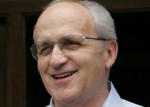
I started attending the LDS Church when I was only six years old. The missionaries miraculously found their way to our small apartment in northern Italy and were able to teach my parents about the message of the restored gospel. In the months that followed, both of my parents were baptized and began attending the small branch of Monza, near Milan. I still remember vividly the meetings, with a few faithful members gathered in a tiny moldy basement a considerable distance from our home. The contrast between what claimed to be “the only true and living church upon the face of the whole earth” (Doctrine and Covenants 1:30) and the beautiful buildings of the Catholic Church that were found almost at every corner called for some early reflections on the meaning of knowing that something could be true beyond the perception of the physical senses. Additionally, although attending the LDS Church, my parents enlisted me in a private elementary school run by a group of Catholic nuns. Looking back, I gladly welcome their decision as it gave me another opportunity to be reminded on a daily basis of the reality of being in the world, but not of the world. It was not an issue of self-righteousness, but an additional invitation to reflect on the concept of religious diversity at a very young age. I believe that these early experiences planted a seed in my heart that contributed to the development of a personal testimony that continued through the years. I am also grateful to have had the opportunity to experience all that the Primary, Young Men, and seminary programs had to offer, while at the same time living most of my daily life in the “mission field.” Although being different from my peers was not my first choice, the principles of the Gospel of Jesus Christ provided that iron rod that helped me through my teen years all the way to the day I decided to serve a full-time mission. As a young man, I soon realized that my attitude, involvement, and work played a fundamental role in the way I felt about my membership. It was not a matter of what the church could offer me, but instead of what I could do to contribute to the Kingdom. The LDS Church’s greatest gift to me has been to show me the meaning of being a true Christian. It became self-evident that keeping the commandments and serving others brought peace and joy, while the opposite often left me confused and worried.

Gradually, through the years, the truths of the restored Gospel as found in the LDS scriptural canon (particularly the Book of Mormon), the account of the First Vision, the prophetic calling of Joseph Smith, and the reality of a living prophet guiding Christ’s church in our days brought great comfort to my soul. These truths simply make more sense to me than they do not. As an adult, and being involved in the scientific and academic community, I have been often asked by many of my associates how I could hold strong to my beliefs when the scientific evidence seemed to clearly demonstrate the opposite. That seed of faith and spiritual knowledge that was planted in my heart when I was a young boy has eventually fully grown into a large tree, a safe haven that has never let me down. Science came at a later stage of my life and has contributed a new and exciting dimension where I can explore the mysteries of life using alternative methods. My spiritual and academic approach to life contributed to a greater appreciation for God’s creations, the meaning of life, and the quest for intelligence. Personal testimony comes from living a righteous life; scholarship comes from testing hypotheses through the scientific method. I feel blessed to have the opportunity to compare my findings and re-evaluate truths based on both methods. As many have said before, I expect my faith to tell me the purpose of life and science to help understand how it came to be. I have never felt that one could be a threat to the other.

Milestones of my life are probably more important to me and my personal testimony than they are to those reading my words. I know my life was a miracle and I don’t expect others to view it the same way. The following are just a list of events that greatly contributed to my spiritual and secular formation, each one characterized by significant individuals who greatly influenced my life and provided me with excellent opportunities.

The decision to serve a full-time mission was not an easy one. I cannot remember anyone going on a mission from my Italian home branch. Most of the leaders were converts to the LDS church and I did not feel much pressure about making such a decision. I had good employment, my own apartment, and a girl I deeply loved. Life seemed pretty good for a twenty-year-old. However, I felt emptiness. As I knelt in prayer in those days, I knew I needed to do something more. When I was almost twenty-two years old, I left everything I had to serve the Lord. I was called to the California Sacramento Mission, perhaps the most distant place on earth from my hometown. It took me a while to adjust to the language and culture, but eventually my love for the people I was working with in the mission field produced the change of heart I was so much in need of. I was amazed by the fact that at times we might need something so badly but are too busy or too distracted to know what it could be. Serving others was a gift to me, not the other way around. I grew in love for God’s children and for His church in a way that I never thought was possible. Moreover, I was exposed to the fatherly and loving influence of my mission president, Jerry Roundy, whose dedicated teaching efforts promoted in me excitement in studying the written word of God, as well as discovering an intense desire to pursue a higher education after my mission. It was because of him and the help of a few other wonderful people I met in the California Sacramento Mission that I eventually ended up at Brigham Young University in Provo, Utah. I don’t think things happen by chance. I strongly believe that good desires and hard work are often rewarded with opportunities. I consider myself a regular person, having been blessed with both an insatiable curiosity and the possibility to satisfy it through the process of learning. My testimony of the Savior and the restored Gospel grew exponentially both as a full-time missionary and during my college years.

At BYU I worked toward and received bachelor’s and master’s degrees in Health Sciences. I was still able to manage completion of both degrees in less than five years, notwithstanding such “distractions” as numerous religion courses taken, a semester studying Old and New Testament at the BYU Jerusalem Center, and the Seminary Teaching training program. My experience with the scriptures during those years was comparable to that of a black and white photo that was gradually filled with lively colors and real eternal perspective. I already knew that without good deeds our faith in the Savior is dead (James 2:17), but those were the years where the words in the standard works were coming to life as never before, completed with numerous service opportunities available through BYU. The spiritual and social formation during the college years played a pivotal role in my life, more so than the expectations I had from seeking a career with the academic degrees I was pursuing.

During my graduate time, I began working for Dr. Scott R. Woodward, a professor of Molecular Biology with a thing for dinosaurs, Egyptian mummies, and the Dead Sea Scrolls. Originally, I simply asked him if I could volunteer my time in his lab, but he had something else for me to do: collecting 100,000 human DNA samples worldwide with corresponding genealogical records! That was the beginning of my involvement in the field of molecular science, which continued with a doctorate degree in human genetics with Professor Antonio Torroni at the University of Pavia in Italy. Dr. Woodward and Professor Torroni provided me with an important window on the world measured by the scientific method. This was a great change for me, particularly with all the orthodox and quite literal interpretation of the scriptures I received as a BYU student. However, rather than create confusion, I gladly took the challenge of finding personal ways to reconcile theological and scientific truths. As Moses once recorded, I felt that the man in me was truly nothing without divine intervention (Moses 1: 10). I humbly realized that the phrase “the glory of God is intelligence” (D&C 93:36) perhaps meant the infinite gap between God’s omniscience and humankind minuscule and very limited understanding of . . . pretty much everything. There is so much yet to discover and there are so many erroneous conclusions to be drawn. And yet, in His great wisdom, our Father allows us to learn new things based on our experiments and on our errors, resulting in greater light and truth to benefit all His children. Science and religion are quite fascinating. They are like brothers who wrestle with each other all the time, but at the end they cannot be without each other. They are two complementary chests filled with treasures of infinite knowledge. Most importantly, they require a significant degree of responsibility, as God allows men and women to partake regularly of the absolute truths He has already mastered with the hope that we do some good with it.

I don’t know what I ever did to live such a blessed life, including the gift of so many years of formal education. I promised myself I would never take for granted the spiritual and secular endowment I was given and that I would do whatever I can to demonstrate my gratitude through meaningful service and hard work. When asked for an opinion based on my personal research work about topics such as the biblical account of the creation, Adam and Eve, Noah’s flood, the historicity of the Book of Mormon, etc. I strive with all my heart to provide an objective and yet edifying answer that can help others know that a reconciliation between scientific and spiritual evidence is indeed possible. Although I don’t consider addressing such topics part of my main research focus, I made the decision long ago to share my personal perspective with those who are honestly seeking to understand. I don’t pretend to have any exact answer, but I find fascinating that Heavenly Father would allow for so many gray areas for His children to think through as we wait for the day when all truths concerning this earth will eventually be revealed (Doctrine and Covenants 101:32-34).

—————————————————-

Ugo A. Perego, a native of Milan, Italy, received a BSc and an MSc in Health Sciences at Brigham Young University (Provo, Utah) and a PhD in Human Genetics at the University of Pavia (Pavia, Italy). His dissertation focused on the origin of Native Americans through the analysis of complete mitochondrial DNA genomes. He is currently a Senior Researcher and the Director of Operations for the non-profit Sorenson Molecular Genealogy Foundation located in Salt Lake City, Utah. Ugo’s research focus can be divided into three main areas: population genetics, mainly through the employment of uniparental markers to study the expansion times and migration routes followed by our early ancestors; genetic genealogy, combining traditional pedigree data with information encoded in our DNA for the purpose of reconstructing family histories and identifying lost relationships; science and religion, with a particular emphasis on using molecular data to answer questions from LDS history, ethics, the concept of race, evolution versus creation, DNA and the Book of Mormon, and the like. Ugo has given nearly 150 lectures worldwide, as well as authored and co-authored numerous publications on the above-mentioned topics. Ugo, his wife, and their four children reside in the Salt Lake City area.

Posted April 2010

M. Gary Hadfield

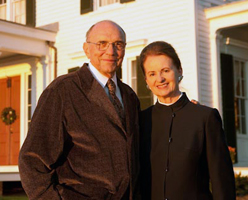
Gary and Kathy Hadfield at Winterham Plantation, Amelia, VA (Photo by John Henley)

My Testimony, as an Academician, of God and of the Church of Jesus Christ of Latter-day Saints

The human brain stands as the ultimate witness of God’s handiwork—with its billions of neurons, even more supporting cells, and hundreds of neurotransmitters. We will never figure out the complete wiring diagram. The complexity of the brain’s interconnections remains staggering. Yet it is this very complexity that makes it possible for God to govern the universe, using His own brain (1). “The Glory of God is intelligence” (2).

And it is our brain that makes it possible for us, the sons and daughters of God, to be creators and doers in our own right. For example, Michelangelo’s masterpiece, painted on the ceiling of the Sistine Chapel, contains an image of God touching the finger of Adam, “endowing him with intelligence.” Closer scrutiny reveals that the depiction of Elohim, with its associated angels and Mother Eve, represents in fact the medial aspect of the human brain, as seen when the two hemispheres are separated (3). Michelangelo became an expert anatomist, having dissected several cadavers to create realistic human figures.

My own fascination with the brain’s structure impelled me to become a neuropathologist, a physician trained in morbid anatomy, one who deals with diseases of the nervous system in the laboratory. As a budding trainee, I was presented early on with the following intriguing case: A middle-aged man had undergone uncomplicated surgery for a routine hernia repair, but, while recovering, he strained forcefully to reestablish his urinary flow. The increase in blood pressure, thus produced, resulted in a brainstem hemorrhage. This left him with flexor rigidity (arms bent at the elbows and hands at the wrists. The lower extremities are likewise involved). Soon after this episode, he died. At autopsy, we found a ruptured aneurysm in a brainstem artery that accounted for his stroke. The bleeding had destroyed and compressed critical neural tissues that ultimately led to his death.

The brainstem connects the cerebrum (the brain proper) to the spinal cord. It is highly complex, because it contains major pathways leaving the brain, others returning to it from the body, and the nuclei and nerve fibers of several cranial nerves that serve the eye muscles, the facial muscles, the ears, and other important organs. It also serves as a center for vital functions that control heart rate, blood pressure, and respiration, and it assumes several other important roles.

In fact, the brainstem is so vital to life, that it receives an extra rich supply of blood. This helps ensure survival of the individual even should the rest of one’s brain become severely damaged due to impaired blood flow. The patient may then live on in a vegetative, comatose state. So the brainstem’s hardiness becomes a mixed blessing.

But we had a dilemma on our hands: damage to the upper brainstem normally produces “extensor rigidity,” with the arms and legs outstretched, instead of “flexor rigidity.” The latter normally occurs following damage to the motor cortex in the cerebrum, not brainstem lesions. We have all witnessed flexor (decorticate) rigidity—in friends, family or strangers suffering cerebral damage from strokes. Most of us have also seen victims of cerebral palsy with flexor rigidity, apparent after birth, where there has been insufficient blood flow to the motor cortex during gestation and/or delivery. We feet pity and sorrow when viewing the paralyzed limbs of patients afflicted with flexor rigidity. In extreme cases, the arms, legs, hands, and feet are all curled up, distorted, and stiff. Extensor rigidity occurs more rarely, and most readers will not have encountered this condition firsthand.

My mentor, Dr. Harry Zimmerman, father of American neuropathology (at Montefiore Hospital and Albert Einstein School of Medicine in the Bronx, the doctor who autopsied Einstein’s brain), referred me to Dr. Fred Mettler, neuroanatomist at Columbia University (Manhattan), to solve the apparent dichotomy between the clinical findings and the neuropathology of this rare case. Together with Daniel Sax, the neurologist on the case, we published an explanation for this atypical picture (4).

I feel it was Providential to be assigned this case. It forced me to study the anatomy and physiology of the brainstem in depth, one of the most intricate and involved parts of the nervous system. In an already esoteric field, I may be one of the few Mormon neuropathologists, if not the only one. So when I read again the story of Shiz in the Book of Mormon, alarm bells went off.

“…when they had all fallen by the sword, save it were Coriantumr and Shiz, behold Shiz had fainted with the loss of blood. And it came to pass that when Coriantumr had leaned upon his sword, that he rested a little, he smote off the head of Shiz. And it came to pass that after he had smitten off the head of Shiz, that Shiz raised up on his hands and fell: and after that he had struggled for breath, he died. And it came to pass that Coriantumr fell to the earth, and became as if he had no life” (5).

Critics of the Book of Mormon have had a field day laughing at this “absurd” account. The event obviously astonished both Ether and Mormon, who chronicled it. Mormon had served as the commanding officer of huge armies for three score years, and had witnessed wholesale slaughter on the battlefield. Head injuries must have been rampant. But he singled out this extraordinary occurrence to include in his abridgement. Perhaps Ether and Mormon had concluded that Shiz’s last- minute “pushup,” sans caput, was due to an unconquerable spirit, an unwillingness to die. This amazing event must have appeared supernatural to them.

But the account makes perfect anatomic sense. Coriantumr was exhausted, with barely enough strength left to dispatch his arch enemy, Shiz, commander of the opposing army. If Coriantumr’s stroke strayed through the base of Shiz’s skull—due to impaired control of his sword—instead of through the small of Shiz’s neck, it may well have cut through the upper brainstem, instead of severing the spinal cord. The resulting classic extensor rigidity would cause Shiz to raise up on his arms, then fall as he exsanguinated.

The blood pouring into his trachea would help enhance the eerie sound of “struggling for breath.” For just as brainstem reflex activity would force the extensor muscles in Shiz’s extremities to contract and elevate his frame, it would also cause his rib cage to expand and contract automatically, as it does in all of us when we are sleeping, or not trying to control our breathing, which is most of the time. This unconscious respiratory reflex is controlled by the lower brainstem.

“And it came to pass that after he had smitten off the head of Shiz, that Shiz raised up on his hands and fell: and after that he had struggled for breath, he died.” This single sentence, a simple footnote comment made in passing by ancient writers, stands dramatically apart in its own right, providing elegant scientific proof that the Book of Mormon is true. When I connected the dots raised by this statement with well known brain anatomy and physiology, I felt as if struck by lightning.

This fascinating evidence must confound even the most jaded and skeptical Book of Mormon critic. Why? Because in a single sentence, Ether has captured not only one, but two major reflex actions mediated by the brainstem. So if this were the only sentence in the Book of Mormon, it would provide ample proof that the book was true. For neither Ether (the author), nor Mormon (the abridger) nor Joseph Smith (the translator) knew anything about the brainstem or its physiology!

It was Sherrington who first described extensor (decerebrate) rigidity following brainstem lesions (6), some 68 years after the Book of Mormon was published. His classic experiments in cats and monkeys, and similar neurological findings identified in humans by several workers (4 see refs.), all confirm that extensor rigidity remains the classic product of upper brainstem sectioning and damage (except in a few rare cases, like mine). And only “A half century ago, ideas about control of breathing were in their infancy, and serious investigation into the area had just begun,” which ultimately proved the brainstem to be the control center for respiration (7). This was about the time I was entering medical school.

I highlighted the case of Shiz in a work entitled “Neuropathology and the Scriptures,” published in BYU Studies (8). In this essay, I also discussed other cases of nervous system trauma and diseases reported in Holy Writ, principally the Old Testament.

At the end of my thirty-three-year career as a medical school professor of neuropathology, I decided to attend one last scientific conference: the Society for Neuroscience Annual Meeting in New Orleans, 2003. I had felt impressed to go at the last minute, though I had not submitted an abstract. Consider my wonder and surprise when I encountered a poster presentation, mounted by Canadian neuroscientists, which recounted the history of a French priest who had been guillotined some two centuries ago, but who got up and walked a few steps after losing his head (9). Just imagine the consternation and fear this produced in the spectators! This exotic case bolsters the account of Shiz, of coordinated muscular activity after decapitation, though the priest was obviously relying on spinal cord reflexes rather than brainstem control.

In a related vein, I fondly remember my Grandmother Hadfield’s chicken dinners, processed from beginning to end with her own hands. I watched her wring the hen’s neck, cut off its head, pluck the feathers, clean the bird and cut the meat up into frying pieces or smaller morsels for “chicken and dumplings,” a “dish to die for” (pun intended). “Running around like a chicken with its head cut off” (aided by spinal reflexes) is something I have witnessed firsthand.

Though the incident of Shiz in the Book of Mormon helps confirm my faith in the volume’s veracity, it is only one of the overwhelming physical evidences of its truth (10). But the real witness emanates from the Holy Ghost, which witness I experienced before my academic career began, as a young missionary assigned to France. The direct answers I received in facing the challenges set before me, I find incontrovertible. Since then I have been guided by many signs and witnesses of a personal nature (11).

Let me share one event with you, since it is related to neuropathology One fall afternoon, I was a participant in a hayride at the farm of our former stake president (now patriarch), Glade Knight, our host and the owner of the Slate River Ranch in Buckingham Co., located in rural south-side Virginia. The flatbed wagon trailer, pulled by a tractor, was loaded with a dozen passengers and several heavy bales of hay. Without warning, a young boy sitting next to me grabbed a lonely remaining corn stalk left standing in the field. It pulled him off the wagon before I could grab him. I watched in horror as the rear wagon wheel ran directly over his head. I feared a fractured skull and a crushed brain inside it.

I shouted to President Knight to stop the tractor. He sized up the problem immediately and ran back to us. The boy was convulsing and his eyes were rolling back in his head. Glade handed me a bottle of consecrated oil, set aside for the healing of the sick, and asked me to anoint the young man’s head. Then he gave him a priesthood blessing. We rushed him to the hospital, but imaging studies revealed no brain or skull injuries, and he recovered completely.

I wish to leave you with my firm testimony that God lives and that the Church of Jesus Christ of Latter-day Saints represents his authorized church, fully restored as it existed perfectly in New Testament times, with the same Priesthood power to administer the church and heal the sick. To me, “The New World Testament,” the Book of Mormon, provides unquestionable evidence of that restoration. But it is the Holy Ghost bearing witness of the tome’s truth, when I read it, that seals my testimony.

References
1. Summerhays, J.T. The Cosmic Mind: The Blueprint of Our Potential, Meridian Magazine, 2006
2. Doctrine and Covenants 93:36
3. Meshberger, F.L.: An interpretation of Michelangelo’s Creation of Adam Based on Neuroanatomy, J. Amer. Med. Assoc. 264 (1990) 1837-41.
4. Hadfield, M.G., Mettler, F.A. and Sax, D.S.: Flexor Rigidity: Report of a Case of Pontine Tegmental Hemorrhage Due to Vascular Malformation, Arch. Neurol. 19(5) (1968} 467-471
5. Book of Mormon: Ether 15:29-32
6. Sherrington, C.S.: Decerebrate Rigidity and Reflex Coordination of Movements., J. Physiol. 22 (1898) 319—332
7. Remmers, J.E. and Lahiri, S. Regulating the Ventilatory Pump, A Splendid Control System Prone to Fail During Sleep Am. J. Respir. Crit. Care Med., Volume 157, Number 4, April 1998, S95-S100
8. Hadfield, M.G.: Neuropathology and the Scriptures, BYU Studies 33, no. 2 (1993) 313-328
9. Olry, R. and Martinoli, M (BioChem., Univ. du Québec, Trois-Rivières, PQ Canada): Neurophysiology and Guillotine in Marchioness of Créqui’s Memoirs: Dr Séguret’s Experiments on Beheaded People., Poster Presentation M.22.3, History of Neuroscience, Society for Neuroscience Annual Meeting, 2003
10. Parry, D.W., Peterson, D.C. and Welch, J.W. (eds.): Echoes and Evidences of the Book of Mormon, BYU/FARMS, 2002.
11. The Powhatan Saints: Testimonies and Conversion Stories, compiled by The Powhatan Ward Activities Committee, M.G. Hadfield, Chairman, Richmond Virginia Midlothian Stake Library

—————————————————

Dr. M. Gary Hadfield received academic degrees from Weber College (Ogden, AA ‘55), BYU (Provo, BA—French and Pre med ‘60) and the University of Utah School of Medicine (SLC, MD ‘64). He pursued an internship and residency in general pathology at Cornell University—New York Hospital (Manhattan ’64—‘66), then Neuropathology at Montefiore Hospital/Einstein School of Medicine (The Bronx ‘66—‘68) and finally post-doctoral training in neurochemistry at NYU—Bellevue Hospital (Manhattan’68—’70). He is an emeritus professor of pathology (neuropathology) at Virginia Commonwealth University Health Sciences School of Medicine/ Medical College of Virginia, Richmond, VA, where he taught and practiced from 1970—2003. His major research interests included the effect of neuroactive drugs of abuse on catecholamine neurotransmitter systems in the rodent brain and electron microscopy of human brain diseases, resulting in over sixty peer-reviewed publications and numerous abstracts. He has been active in leadership and teaching positions in the Church of Jesus Christ of Latter-day Saints throughout his adult life and formerly served as an LDS representative to the Virginia Council of Churches. He currently owns and operates Winterham Plantation, a historic bed and breakfast inn located in Amelia, VA. His wife, Kathleen Halverson Hadfield, is an anthropologist (BA, U. of Utah), art historian, and art broker. The Hadfields have four children and 20 grandchildren. They have restored three historic properties and placed them on the National Register: Winterham, Dykeland (their private residence, also in Amelia, VA), and a pioneer home in Provo, Utah (The Johnson-Hansen House), used by their children when they attended BYU. Gary’s avocations are piano playing/recording and dabbling in foreign languages.

Posted April 2010

Gary C. Lawrence

So . . . when did the dew form on the leaf?
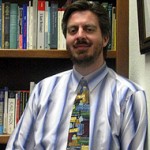
When I can answer that age-old question, I’ll give you an answer as to when I obtained a testimony that The Church of Jesus Christ of Latter-day Saints is the re-established original Christian church, and that Christ – Jesus of Nazareth – is indeed the Son of God.

Did it grow from logic? Yes.

Did it grow from feelings? Yes.

Did it grow from something even deeper than that? Unequivocally yes.

But it was years before I could adequately articulate it even to myself, and I still can’t demonstrate it conclusively to a person who chooses to view all things through his surface intellect alone.

In short, it’s something that has to be experienced to be understood.

My Stanford Days

Even though I had served a mission for the Church and had graduated from BYU, it took five years in graduate school at Stanford for me to recognize how deep my testimony had become.

Those were wonderful days, surrounded and challenged by twenty-three bright fellow students. I loved the mental tussles and the invigorating debates – which are easy to come by when you’re the only Mormon, the only Republican, and the only conservative in the department.

But it all played out on a shallow plane. Something was missing.

Feelings? Spiritual stirrings? Impossible in an intellectual setting, pal. Can’t be objectively dissected, measured, demonstrated – you know the drill.

Despite it all, I knew that I understood things that defied an objective proof – and that intellectual prowess by itself was insufficient to explain it.

There had to be more to us than our logical brain. Or even our emotional brain.

There had to be a deeper intellect at work.

Whence, Why, Whither

I don’t recall the first time I heard that God is the Father of our spirits – that He created us spiritually (yes, arms and legs, head and feet . . . and brain) before we were sent to earth to inhabit a mortal body. All I knew as I grew up was that I knew it was right. It was familiar to me and it made sense. And knowing where we came from is a prerequisite to working through the questions that have occupied philosophers for centuries – why we’re here and where we’re going.

I mulled those concepts a lot. If we lived with God before we were sent to this earth, what did we do all day long? Play on our lyres? Skip stones on some celestial pond? Bounce from cloud to cloud?

No, we were learning. Conversations for sure. Maybe classrooms. Progressing. Trying to emulate our Father.

And then, we Mormons believe, a curtain was drawn across our memories of that pre-earthly existence, so that this earth life, intentionally designed so things would go wrong, could be a test.

Hmmm. So if we had 13+ billion years of learning, where might all that knowledge be stored today? Back upstairs in some safe-deposit box?

No. We brought it with us, somehow imprinted on our spiritual DNA.

Connecting the Dots

Can we tap into that trove of knowledge here? Absolutely. But it cannot be done with our surface intellect alone.

Some neuroscientists have distinguished between the rational brain and the emotional brain, and have demonstrated that the emotional brain can recognize patterns more quickly than can the rational brain – the quarterback who senses more than he can articulate that it would not be wise to throw to his tight end, or the British sailor in the first Gulf War who felt that the blip on his radar was a Silkworm missile and not a friendly returning A-6 and shot it down, thus saving the battleship USS Missouri, because things “didn’t feel right.”

So if there is a more discerning emotional mind behind the rational mind, what might be behind even that? And how deep does it go?

My experiences convince me that we have at least three levels of intellect – a logical brain, an emotional brain, and a spiritual brain. We discover truths at each level by connecting the dots, by recognizing patterns that coincide with other patterns we have previously satisfied ourselves are true.

While the workings of the logical brain allow us to objectively demonstrate to others what we deduced to be true, truths at the emotional and spiritual level must be experienced. They cannot be objectively proved to an outsider who has not experienced the patterns or connected the dots for himself.

In my own case, why did new statements and claims strike me as familiar when they had never been grist for my rational mind? Why did certain patterns almost scream, “True, by dang” even before I could explain why? Why did statements, principles and insights strike me as things that I have always known? To use an overworked word, why did they resonate?

It is because they were patterns I had already seen in another sphere.

They came with me to this frail existence, and though they are buried on the spiritual side of my three-and-a-half pound hunk of gray matter, they pop through often enough to tell me that there is so much more truth waiting to be learned (actually re-learned) if I push beyond today’s intellectualism, as it is currently championed.

Aristotle said that an eye for similarities is the mark of genius. It necessarily follows that anyone can become a spiritual genius by learning how to recognize the eternal truths that are already inside us.

That’s the beauty of intellect in the spiritual dimension; a high traditional IQ is not a pre-requisite.

Comprehending

We use the word logic to describe the process of the rational brain.

We use the word feelings to describe the process of the emotional brain.

But neither word does justice to the product of the spiritual brain. The best word for this intellectual process is comprehension.

Logic, feelings, comprehension. All appropriate in their sphere, but in the eternal scheme of things I describe them as the puny, the interesting, and the deep.

When dots get connected on this deep intellectual spiritual plane, words and even symbols are rarely the transferring mechanism, but rather a silent wholesale transfer of knowing as if in a flash of inspiration. One minute, comprehension eludes us, and in the next minute the vistas of eternity on the topic of our inquiry are opened to us. We see, we grasp, we discern, we sense, we feel … we know. Some have even used the word taste to describe it. We simply comprehend as spirit connects with spirit – as what was learned in the spirit world is manifest to our understanding in this world.

Learn it there, comprehend it here – the things the finite mind alone cannot wrap itself around.

Dig Deeper

To my intellectual friends of high mental megahertz: You assume that the logical mind is man’s dominant power. In reality it is only the beginning of the power of learning and comprehension that the whole man – mind, feelings and spirit – can possess.

Sadly, too many of you are comfortable staying on the finite plane and never invest the effort and purity of thought that are necessary to progress to the infinite plane.

You have been here for a few decades and have accomplished noteworthy things with your brain. You have read, studied, discussed, debated and manipulated concepts until there’s bovine migration, all of which have led to insights and discoveries. This is good and laudable as God intended. Congratulations.

But you cannot stop on this surface plane, no matter how interesting you may think it is. If you haven’t experienced the spiritual-intellectual process, you’re in for a treat – which may be the reason why Mormons with advanced degrees will be more religiously active and faithful than similarly educated men and women in other religions.

The God of this universe expects you and me and all of His children to go beyond the rational and emotional minds and deepen our intellectual efforts. God invites us to work on this profound spiritual-intellectual plane so that someday we may achieve His goal for us – to comprehend all things, past, present and future, just as He does.

It’s fun, it’s exhilarating, it’s challenging and it’s amazingly satisfying. Once you experience it, you’ll never again condescendingly view the spiritual as inferior to your brand of intellectualism.

—————————————————-

Gary C. Lawrence is a California pollster who has spent thirty-five years studying the opinions and behaviors of the American public and the author of the 2008 book How Americans View Mormonism: Seven Steps to Improve Our Image. He received his B.A. at BYU and a Ph.D. from Stanford University.

Dr. Lawrence has served in many callings in the Church, including missionary to southern Germany, early morning seminary teacher, bishop, and ordinance worker in the Newport Beach Temple. He and his wife, Jan, have four children and four grandchildren.

Posted April 2010

Russell Arben Fox

I have wondered if I have a testimony for as long, I think, as I have been aware of how my fellow Saints around me use the word. I am, for better or worse, an intellectual—and moreover, a doubting and debating one. Statements of all sorts regularly strike me as dubious, and demand further explanation. The statements I’d heard in sacrament meeting talks and testimonies since I was a little child—“I know the church is true” and the like—were no exception; what is it, I wondered, which entails such knowledge, and how do you know if you have it? So I kept my ears open; I asked questions; I studied. The answers, of course, varied greatly; parents and teachers and seminary manuals and Deseret Books publications and general conference talks would speak of a burning in the bosom (Luke 24:32), a peace of mind (Mosiah 4:3), a conviction of truth (John 15:26), a spiritual whispering (1 Kings 19:12), etc. But whatever the terminology, there was almost always—or at least so it seems to me today, as I reconstruct events and arguments (both internal and with others) from over the decades—some reference to or assumption of revelation or intuitive realization: some moment or process of insight, whether pure nous or directly from God. Once we “give place” in our hearts to the possibility that the prophetic claims of Joseph Smith, or the history of the Book of Mormon, or the scripture stories about the Atonement of Jesus Christ, may in fact be real and true, there will come a time (assuming we are striving earnestly and righteously, two huge caveats all their own) when this seed will “begin to swell” within us, to “enlighten [our] understanding” about that which we initially merely “desire” to know the truth of (Alma 32:27-28). Whatever it is, then, I came to accept that a testimony is a gift, something recognized or received or planted within us, a confirmation or a connection that comes to a person, granting them something that wasn’t there before.
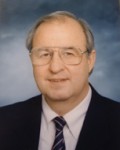
At some point, as I continued to grow and study and debate and doubt, I also realized that the language of testimony needn’t be so tied to propositional knowledge: the presumably objective facts of Smith’s spiritual authority, the Book of Mormon’s authenticity, the Atonement’s reality. It could be tied to the simple feelings of fellowship which come along with being a practicing member of the community. There came a point when I realized that it wouldn’t have surprised me if such was the case for a great majority of my fellow Mormons—indeed, I am still of such a mind. (Recognizing that I identify with a community, with its obligations and its blessings, stands much more importantly in my thinking today than being able detail and relate to all doctrinal aspects of that community.) But that realization initially didn’t do much to change my thinking, when it first came to me years ago, since whatever else I thought of the matter, it seemed plain to me that as a committed member of the church I couldn’t discount what other members of the community meant when they used the word “testimony.” And their use of it troubled me. Because through my youth and missionary work, through my young adulthood and marriage, through becoming a father and a scholar, it seemed to me almost certain that I didn’t have one.

Almost certain, I should emphasize, for it has also always seemed to me (or at least, it had always seemed so by the time I had figured out a language and had developed enough of a self-awareness to be able to even ask myself this question) quite possible that I had received or recognized something, but had talked myself out of it. I seemed to be good at that, endlessly talking to myself, and that troubled me even more. For in fact I had had experiences—very rare and idiosyncratic experiences, to be sure, but experiences nonetheless (a lost wedding ring which was found following a heartfelt prayer is one that sticks in my mind)—that made me wonder if I hadn’t heard something, felt something, had something confirmed to me . . . but then the doubts would return, doubts attached to the same sins I’d struggled with for years, doubts that would loom up in my thinking as a confirmation of themselves. If I really had recognized within myself or received from God a testimony, wouldn’t I know it? Thus, with frustration and confusion and not a little bitterness, I came over the years to suspect that the gift of a testimony just wasn’t, for whatever reason, going to be mine.

So what changed, in the end? Perhaps nothing changed—I still am unclear as to whether, through all my church service and prayers and scripture study and occasional and careful speaking on fast Sundays, I have ever experienced or felt or heard something that would let me know, for a surety, the truthfulness of Joseph Smith’s prophetic claims, or of the Book of Mormon’s historicity, or the actuality of Christ’s Atonement. But I have also learned to attend to and appreciate other gifts . . . and perhaps that appreciation does constitute a change, after all.

For you see, I actually do know—with a knowledge which I have learned to identify as discursive and hermeneutic, something known not through revelation or insight, but through dialogue, experience, reflection, and interpretation—that I have one spiritual gift, or perhaps two (they’re related, I believe). My patriarchal blessing describes it as a gift of wisdom (D&C 46:17), but to me the truer description of my gift comes a couple of verses earlier in the revelation: while to some it is given to know “that Jesus Christ is the Son of God, and that he was crucified for the sins of the world,” it is my lot, I think, to rather believe the words of those who have that knowledge (vs. 13-14), even if it is not something I may ever be blessed with myself.

My conclusion, in other words, is that I have the gift of believing—which is not the same as knowing, but a gift which I have come to feel more and more grateful to be in possession of all the same. While I am uncertain and doubtful as to any direct influence the divine has had in my own life (and, indeed, am often highly—though I hope also tactfully!—critical of the details of many accounts of such influence which populate our culture), I do not fundamentally doubt the possible truth of any of them. I am open to the supernatural; the idea that an omniscient God may take interest in the life of an ordinary individual such as myself seems perfectly plausible. I have tried the atheistic route, and it was a failure: I simply couldn’t pretend to myself that I didn’t believe something, that I didn’t suffer from a sehnsucht or longing for that which I sensed was plainly there, despite my inability to actually apprehend any of it. In short, certainty eludes me, but credibility comes easily. When I see men and women whom I know to be good and loving and intelligent people testify that they have found truth through the priesthood ordinances elaborated by Joseph Smith, or a relationship with God through the words of the Book of Mormon, or healing through seeking the Atonement through prayer, fasting, and compassionate service in the church, I can see no reason to dispute them. I believe them: I believe the words of my father, my wife, and so many teachers and neighbors and missionaries and friends I have been blessed with. While I don’t think I have within me any great conviction that they are all right, it doesn’t strike me as at all possible that they are all wrong. The way I even frame such questions arises from the community I am part of, and while embracing a community does not mean agreeing with every single part of it, it does mean acknowledging that one’s identity is not wholly separable from the beliefs which it conveys.

Such belief probably sounds somewhat indiscriminate, and perhaps it is to a degree. How do I distinguish the value I attach to the beliefs which arise from my own affective relationships to parents and teachers and friends and spouse from those which may arise for someone else whose loving environment differs from mine—a Catholic environment, a Buddhist one, a secular one? In truth, I do not. This is not to say I do not assess the beliefs I encounter in light of my own, and vice-versa; as Charles Taylor has argued, it is a central feature of all moral reasoning to subject our moral and spiritual intuitions to a “strong evaluation,” to comparative “discriminations of right or wrong, better or worse, higher or lower” (Sources of the Self [1992], pg. 4). I do engage in such judgments, all the time, and the resulting evaluations and distinctions make me, I hope, a better—perhaps even a truer—believer, more capable of expressing, and defending, the grounds and implications of that which seems eminently believable about those convictions others have testified to me of. But I cannot pretend that such evaluations amount to the ability to confidently assert a radical epistemological distinction on the part of my own beliefs over and above all others. Ultimately, the most I can say is that non-Mormon beliefs are not my own, and so I debate with and doubt them (though sometimes, upon consideration, I find sympathy with them as well) from the point of view of a tradition I am affectively—and happily—attached to.

That my beliefs are tied up with identity and attachment does not, I think, reduce their value or force. A willingness to Socratically struggle (with oneself and with others) over one’s received beliefs is not the same as relativism. Socrates himself was no sophist: he was a realist, in the sense that he never appeared to feel that there wasn’t something real to all his constant talking, even if he could never articulate it with certainty (indeed, even if, as was recorded, the most he was ever sure of was that he “knew nothing”). Socrates spoke of his daimon; we might speak of a sort of holistic intuition, or to borrow from the German romantic tradition, of verstehen. When describing King Solomon’s wisdom, the Old Testament record curiously speaks of not only his knowledge, but of his “largeness of heart” (1 Kings 4:29)—which I take to mean not simply his sympathy for others’ claims, but his capacity to believe what it was they said.

The fact that I can get all philosophical about what I suspect to be my most fundamental spiritual condition shouldn’t be taken to mean that I consider it to be an excellent one, as I don’t. Frankly, I’d much rather have conviction. I’d like to be able to speak—as so many I love and have learned from have themselves spoken—with certainty about this thing that I felt, these words which I heard, this miracle which I witnessed, this truth revealed to them. Being critical is often a drag, especially when one’s criticism so often ends up becoming self-criticism. (“You say you doubt that’s true, but don’t you also doubt your doubts?”) So I still pray for confirmation and revelation . . . though admittedly far less often than I used to, as my contemplation of the implications of my gift for believing, a believing which goes hand in hand with debating and doubting, has brought more contentment into my life as the years have gone by. As I reflect upon those I’ve known whose lack of conviction has led them away from the church, and think about how much my children need to see their parents grounded in something, I treasure the fact that somehow or another I am gifted with a naive belief in the Restoration, and the gospel of Christ.

In fact naivete, properly understood, is probably the best way to express all this. Paul Ricoeur described it as a “second naivete,” one which calls us across the “desert of criticism” and makes possible a certain kind of belief in or intuition of the reality of the sacred (The Symbolism of Evil [1967], pg. 349). To Ricoeur such naivete was a function of hermeneutics—which, it is worth noting, was originally a theological (indeed a pneumatological) endeavor, concerned with the role of spirit, or spirits, in the text or symbol or world. While I realize that it is dangerous to wish for things—as you may get what you desire—I still wish that I could be one of those who see and feel, with great immediacy, such spirits. But in any case, I’m glad that I believe they’re there.

—————————————————

Russell Arben Fox is the husband of Melissa Madsen Fox, with whom he has four children, all daughters. He assumes the possibility that this could be part of some humorous act of compensation visited upon him by a loving God, to make up for having been brought up in a devout Mormon family of nine children, seven of whom were (or at least had to be for the sake of survival) loud and occasionally violent boys. He has lived in South Korea, where he served a mission for the Church of Jesus Christ of Latter-day Saints, and in Germany, where he was pursuing dissertation research, as well as in seven different states.

Russell graduated from Brigham Young University with a BA in political science (with minors in philosophy and journalism) in 1993; he followed that by earning an MA in International and Area Studies (focusing on East Asian political thought) from BYU’s David M. Kennedy Center in 1994. Then he and Melissa left to Washington DC for a six-year jaunt through graduate school, ending with Russell receiving a PhD in political philosophy (with a minor field in world politics) from Catholic University of America in 2001, where he wrote a dissertation which explored the writings of Johann Gottfried Herder and Charles Taylor on the metaphysical presumptions of communitarian thought. Following his graduation, he taught at Mississippi State University, Arkansas State University, and Western Illinois University, before settling into his current (and, he intends, final) position as director of the political science program at Friends University, a small non-denominational Christian liberal arts college in Wichita, Kansas.

Russell’s areas of teaching range over the whole discipline of political science, with particular interests in American government and political history, comparative politics and political thought (particularly focusing on East Asia and Confucian philosophy), Western political theory and ideologies, radical and democratic theories of political economy, and constitutional law. His research work has touched on several of these topics and beyond, extending into Mormon history and culture, education policy, and bicycling (which he makes his primary mode of transportation). His publications include: “Bicycling and Simplicity,” in Cycling and Philosophy, edited by Jesús Ilundáin-Agurruza and Michael W. Austin (London: Blackwell Publishing, forthcoming); “Getting Your Hands Dirty: Notes on How Mormons (and Everyone) Should Work,” The Mormon Review (November 10, 2009); “The Church and the Public Square(s): A Book Review of God and Country: Politics in Utah,” SquareTwo, Vol. 2 No. 1 (Spring 2009); “Activity and Communal Authority: Localist Lessons from Puritan and Confucian Communities,” Philosophy East and West 58 (January 2008): 36-59; “Making Public Education Popular,” review of Michael W. Apple, Educating the “Right” Way (New York: RoutledgeFalmer, 2001),Theory and Research in Education 5 (July 2007): 133-142; “On Metaphysics and Nationality: The Rival Enlightenments of Kant and Herder,” American Behavioral Scientist 49 (January 2006): 716-732; “Understanding Herder,” review of F.M. Barnard, Herder on Nationality, Humanity, and History (Montreal & Kingston: McGill-Queen’s University Press, 2003), The Review of Politics 66 (Summer 2004): 513-515; “Communitarians for Education–But Whose?” The Responsive Community (Fall 2003): 92-95; “J.G. Herder on Language and the Metaphysics of National Community,” The Review of Politics 65 (Spring 2003): 237-262; “Can Theorists Make Time For Belief?,” in Vocations of Political Theory, edited by Jason Frank and John Tambornino (Minneapolis: University of Minnesota Press, 2000), 93-117; “Confucianism and Communitarianism in a Liberal Democratic World,” in Border Crossings: Toward a Comparative Political Theory, edited by Fred Dallmayr (Lanham, MD: Lexington Books, 1999), 185-211; “‘Tending’ and ‘Intending’ a Nation: Conflicting Visions of American National Identity,” Polity 31 (Summer 1999): 561-586; and “Confucian and Communitarian Responses to Liberal Democracy,” The Review of Politics 59 (Summer 1997): 561-592.

Posted April 2010

David J. Whittaker

When I was a sophomore in high school, my family lived about twenty-five miles from the town in which the school was located. This meant a long bus ride to and from school each day, a ride made even longer because of all the stops along the way. This was not too tiresome for me; the ride was through a scenic canyon, and there was always friendly conversation with fellow students. The only real problem came because of my participation in high school athletics—particularly basketball—which required after school practices and necessitated some creativity in getting home in the evenings.
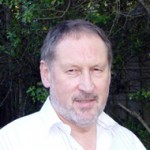
There was the Greyhound bus, but it cost money, and it would only drop me off on the major highway about one mile away from my hometown. In the winter months this was particularly troublesome, but it did prevent hitchhiking, an alternative my parents forbade.

Fortunately my father was the branch president of our local Latter-day Saint congregation, and our chapel was near the high school. For a variety of reasons, the chapel proved to be a convenient rendezvous during the week. It was while walking to the chapel one evening following basketball practice that I experienced my first and most powerful spiritual confirmation about the Book of Mormon.

Walking from the gym to our chapel covered about a quarter of a mile. Leaving the locker room, I walked across the south end of the football field, across a segment of the track, up a slight incline to a cement walk, then across a street and on to the chapel lawn. It was between the football field and the street that I experienced what I would describe as an overwhelming spiritual presence that conveyed to my heart and mind that the Book of Mormon was a true record of Christ and his prophets and that this volume was exactly what Joseph Smith claimed it was. I saw no lights, no personages, heard no audible sounds, but felt a strong presence external to myself. I date my own testimony of the Book of Mormon from this experience in 1960.

I have reflected on this singular experience many times since. It has both comforted and afflicted me in the years since. For one thing, I had not read the Book of Mormon either seriously or prayerfully prior to this experience. While my parents had no doubt used its stories in family home evening settings, and surely my Sunday School and priesthood teachers had also exposed me to its messages, I had not personally or substantially studied its contents. While I do remember reading selected pages in Hugh Nibley’s An Approach to the Book of Mormon from my father’s library, and while my subsequent scholarly and devotional time with the volume have deepened and enlarged my testimony of its contents and messages, I truly had not begun my spiritual quest in the usual way.

I also discovered that, at least for me, there was a profound difference between knowing something is true and knowing what it means. Thus I have never doubted the truthfulness of the Book of Mormon (or Joseph Smith’s calling), but have spent much of my life since trying to grasp its meaning, trying to understand and apply its messages. While this has proved a great comfort to me spiritually, I am also afflicted by knowing that this is not enough. I must continually search and probe its contents for meaning, in addition to the constant need to put its teachings into practice in my life. For me this has meant surety on the foundational level of faith, but it has demanded a pilgrimage of the mind and the heart as I seek its deeper import and application.

For many of my friends the process was somewhat reversed. Their testimony of the Book of Mormon came only after long and hard searching and prayer. For them the spiritual experience was confirmation; for me it was more origination, beginning my quest, as it was. While I have had additional spiritual experiences with the volume since, it was the initial witness that was foundational for my faith. Its messages of a personal savior, of His love, of His atonement, of His personal visit to the New World, have continued to enlighten my life. With Nephi, I knew in my youth that “God loveth his children,” but “I did not know the meaning of all things.” (1 Nephi 11:17)

I do not know why it came this way to me. I do not think I was especially worthy or spiritual. In fact, I was really neither at that age. And the Lord must have known that I would not always sustain a life worthy of such an experience. Yet it was real, and it continues to sustain and enlighten my religious pilgrimage.

I did not begin a serious study of LDS history until my college years. I received my B.A., M.A. and Ph.D. degrees in American history. Having as an anchor the early spiritual witness, it was natural for me to probe and dig into Mormon history. It was in a BYU history course taught by Russel B. Swensen on the history of classical Greece that he told the class that we ought not to be allowed to graduate from BYU if we had not read Leonard Arrington’s Great Basin Kingdom. I had not heard of this volume and since I respected Swensen, I searched for a copy to purchase. I read it in just a few days. It was, for me, another pivotal experience. Among other things, it suggested that LDS history could be studied as more than just religious history, that the Mormon experience was the story of putting faith in prophetic leadership into action in the real world; that in Mormonism there could be no real separation between the spiritual and the temporal. I learned that prophets could experiment with sugar beets and still be prophets. This opened new ways of looking at my own faith as well as into the history of my Church. It was another kind of spiritual experience.

Early in my studies two ideas helped to shape my understanding of Mormon history. The first was the Mormon notion of dispensations; the second came with the older notion of horizontal and vertical revelation.

It was my study of the Doctrine and Covenants, the Restoration handbook, and the manuscripts relating to Joseph Smith that led me to seriously consider the first. If, as Mormons believe, God had instituted and directed restorations of authority, knowledge, and lost scripture following the various apostasies through human history, it would seem that truth, while mixed with error, was to be found in the larger information environment in various cultures throughout history if we just looked for it. Hence, the command to “study out of the best books” (which I do not believe referred only to the scriptures) to find truth took on a deeper meaning; God, it seemed, did not generally volunteer information if it was already available to those who could find it on their own. Of course, this did not alleviate the need to confirm its truthfulness by seeking confirmation by the Spirit of what we found (and always supplemented with our access to the restored truths and living priesthood authority), but it did suggest revelation was as much confirmation as origination.

For much of my academic life I have been a teacher, first in the Institute program of the Church Educational System in Southern California and later in the Department of Church History and Doctrine and in the Department of History at BYU. Teachers, I came to understand, were not primarily deliverers of neatly packaged bundles of truth; insight and revelation, it seemed, requires a curious and searching student. In the scriptures, the revelatory verbs were active: disciples were to knock, seek, and ask at heaven’s door. Much of the real burden of learning lies with the student, not the teacher. In Mormonism, even prophets and apostles are students. Hence, pilot programs and the commandment to “study it out in our minds” (D&C 9:7-9) as we in the Church keep refining the process (as well as the questions) of learning the key lessons of mortality before returning to our Heavenly home. When confronted with challenges, not always from his critics, Jesus responded with a question: Where goest thou? (Moses 4:15) How readest thou? (Luke 10:26) How is it ye do not understand? (Matt. 8:21) How think ye? (Matt. 18:12) Have ye not read this scripture? (Mark 12:10) Who was the neighbor? (Luke 10:36) Wilt thou go away also? (John 6:67) What could I have done more? (Jacob 5:47) I certainly agree with Dennis Rasmussen [The Lord’s Question (1985)] that responding to the Lord’s questions is among the most valuable ways to get at the truth and meaning of life.

Given the assumptions of Mormon religious claims regarding visions, angels, and heavenly books, it would be inaccurate to only treat the temporal realm and to ignore the spiritual or divine aspects of that experience. Mormons are somewhat unique (Jews could be a possible exception) in their divine directives commanding true disciples to be students. Nephi worried over those who “will not search knowledge nor understand great knowledge.” (2 Nephi 32:7) In Mormonism, I came to understand that learning could be an act of worship, especially if we approached the task with humility and a child-like willingness to be taught. I would later discover that Brigham Young, as Joseph Smith’s greatest disciple, taught that we will never stop learning unless we apostatize (Journal of Discourses, 3:203). Abraham, the Father of the Faithful, understood the essential and eternal connection between knowledge and righteousness (Abraham 1:2). I do not believe that all knowledge is of the same value; clearly knowledge of eternal things is the most critical.

Thus, an important part of my obedience to the command of seeking knowledge “out of the best books” sent me early in my life into the growing bibliography of published research on Mormon history. I have spent a considerable amount of my professional life in locating and reading the literature on Latter-day Saint history. A number of my own publications deal with Mormon historiographyl, sources which I discovered could be uneven in quality and quite polemic. My dissertation on early Mormon pamphleteering focused on the literature the Latter-day Saints produced in their own defense during the Church’s formative years. My interest in Mormon print culture has thus formed a central core to my own academic research and publishing. But my academic and bibliographical work was never divorced from the manuscript records of the Mormon past, because all serious students must go to the original sources. Students of the Mormon experience are both challenged and rewarded by the large number of manuscripts that document all aspects of that experience; challenged because no one person can possibly read everything, but rewarded because there are mountains of documents that can help better understand just about every episode in that history. I found in my years of reading original sources that there was a deep spiritual core to the events described in the records of Mormon history; to ignore this, I felt, would be to distort the Latter-day Saint experience.

I received my first reader’s card to the Henry E. Huntington Library in 1968 and I have spent over forty years researching Mormon history in various libraries located in both the United States and England. My main professional assignment since the early 1980s has been as the Curator of Mormon and Western Manuscripts in the L. Tom Perry Special Collections in the Harold B. Lee Library at BYU. While I have not read every Mormon manuscript, I have read a significant number of them. I am continually amazed at both the human (temporal) and divine (spiritual) dimensions of Mormon history. Human in the sense that these records reveal the strengths and weakness of the moral condition we all experience. Anger, jealousy, intolerance, prejudice, ignorance, violence, and greed are in these records; but there is also love and forgiveness, as well as quiet and gentle accounts of pioneering, of loneliness and sorrow at the loss of loved ones, of worship and of missionary service throughout the world. There are answered prayers and a deep confidence in the promises of eternal family covenant relationships; of testimonies of the certainty of the love of God and the promises of the Resurrection; there are also records of patient waiting for “further light and knowledge” in a world where we will not have all the answers because we must live by faith. In the study of these records I have found a kind of personal fulfillment of the great wisdom of Alma’s counsel to his son Helaman regarding record keeping: these records were to be kept to “enlarge the memory of this people.” (Alma 37:8) Remembering is critical for both personal and cultural identity.

From the Greek word “teks” we have derived our words ‘textile’, ‘texture’, ‘text’. The idea of weaving (it was the craft of Zeus), or binding is a very ancient one. Historical stories (written as well as oral) assist individuals to find their place in the universe; the telling of stories is to weave meaning into the lives of people and their communities. From my earliest spiritual experience, I have felt this kind of connection to a broader tapestry. I have come to believe through my study and understanding of the Gospel of Jesus Christ, as well as of the life and mission of Joseph Smith and its unfolding story in the narratives of Mormon history, that we have access to the most complete loom which can give organization and meaning to our world. I believe that Latter-day Saints have the only satisfying answer to the issue posed years ago by Edna St. Vincent Millay: “Upon this gifted age, in its dark hour, rains from the sky a meteoric shower of facts . . . They lie unquestioned, uncombined. Wisdom enough to leech us of our ills is daily spun; but there exists no loom to weave it into fabric.”

——————————————————

Born in Lakeview, Oregon, David J. Whittaker earned a B.A. from Brigham Young University, an M.A from California State University at Northridge, and a Ph.D. from Brigham Young University, where he serves as Senior Librarian and Curator of Mormon and Western Americana and holds an appointment in the Department of History.

Dr. Whittaker has curated several library exhibits and served as historical advisor for films on Mormon history, and is the author, co-author, editor, or co-editor of numerous books, book chapters, articles, and book reviews. These include Tinkling Cymbals and Sounding Brass: The Art of Telling Tales about Joseph Smith and Brigham Young, volume 11 of the Collected Works of Hugh Nibley (Salt Lake City and Provo: Deseret Book and FARMS, 1991); with James B. Allen and Ronald K. Esplin, Men with a Mission: The Quorum of the Twelve Apostles in the British Isles, 1837-1841 (Salt Lake City: Deseret Book, 1992 [1997, 2009]); Mormon Americana: A Guide to Sources and Collections in the United States (Provo: BYU Studies, 1995), winner of the 1996 Dwight L. Smith Award for the Best Bibliographic or Research Work on Western History from the Western History Association; with James B. Allen and Ronald W. Walker, Studies in Mormon History, 1830-1997: An Indexed Bibliography (Urbana: University of Illinois Press, 2000), which won a special citation from the Mormon History Association; Mormon History (Urbana and London: University of Illinois Press, 2001); and various guides to the holdings of the British Library on Mormon and Western American history.

Dr. Whittaker served as a member of the board of directors of the Society for the History of Authorship, Reading and Publishing (SHARP) 1999-2007, and as president of the Mormon History Association 1995-1996. He is a coeditor of a forthcoming volume (Volume One, History Series) in the Joseph Smith Papers to be issued by the LDS Church.

He and his wife, the former Linda Struhs, are the parents of four children and the grandparents of nine.

Posted April 2010

Barry Brocas

I am a convert to the Church of Jesus Christ of Latter-day Saints. I was just on fifteen years old when I joined the Church. I believe that for a fifteen-year-old I was rather philosophical and sought answers to the great questions of life, such as: ”What is the meaning and purpose of life?’

In the Church of Jesus Christ of Latter-day Saints and its gospel teachings I found the answers to these questions—answers that made sense—and a model of existence that was consistent within itself and harmonious with the world as I knew it. I realised that the Church of Jesus Christ of Latter-day Saints could truly justify its claim to be a restoration of the church that Jesus Christ established on the Earth nearly 2000 years ago. The Church greatly expanded my mind and continues to do so over fifty years later.

I have found the teachings of the Church to be profoundly deep, and on many levels of spiritual and intellectual thought. The Church is rich in intellectual and academic scholars. Their studies and research give even greater credence to the claim that the Church is truly the restored church of Jesus Christ and its leaders hold His true priesthood on this Earth. The great minds of the Church have opened my mind and raised me to a greater level of understanding and belief in the Lord Jesus Christ than I had otherwise been able to reach. I consider myself fortunate to live in a time when an irresistible amount of evidence for the truthfulness of the Book of Mormon and the reality of Joseph Smith as a prophet of God is available to us. The teachings of the Church have indeed been placed on a solid foundation.

My thirty-five years as a teacher of university courses also taught me a great deal about both my subject of mathematics education and about people and how they learn. Through the study of mathematics and physics and the laws that govern this universe I came to stand in awe of the master mathematician and scientist who planned and created this Earth that we might enjoy mortality. I also learned the futility of applying purely human reasoning to spiritual matters. Arguments whose axioms exclude the possibility of the existence of God or of events not explicable by scientific observation are guaranteed to also exclude answers to spiritual questions.

Joining the (LDS) Church was like stepping out of the darkness and into the light. For Latter-day Saints life is an endless search for truth and light. Education and learning are fundamental facets of the Church. I was privileged to spend my professional life as a teacher of teachers, knowing that the learning that I shared with them would influence not only this generation, but generations to come.

The Apostle Paul wrote that in the last days mankind would be “ever learning and never able to come to a knowledge of the truth”. When the light of the gospel quickens our intellect we can be ever learning and come to a knowledge of the truth. I am and will be forever grateful for the learning and knowledge that I have received along the path that I have trodden.

My studies and teaching in the area of mathematics have taught me to think in logical ways. I have found that applying these ways to studying the gospel has been very helpful. I see no conflict between the genuine truths of the academic world and the teachings of the Church of Jesus Christ of Latter-day Saints. I have come to believe that there is room in the gospel for all truth.

————————————————-

Barry Brocas has qualifications in mathematics, surveying, and teaching and spent the majority of his professional life as a lecturer in mathematics education at a New Zealand college of education. As such he has had leadership roles in both his subject area and in administration, including being head of department. After retiring from the position of Senior Lecturer in Mathematics Education at Massey University in 2005, he was commissioned by the New Zealand Ministry of Education to write material for teachers for the Ministry’s website, and to write a mathematics curriculum and teaching guide for the Tokelau Islands.

Posted April 2010

Wendy Ulrich

A good friend who is also a member of the LDS Church was visiting me recently, and her visit happened to fall on what members of the Church commonly refer to as fast Sunday. On the first Sunday of each month we are encouraged to fast—to forgo food and drink for approximately twenty-four hours and donate the money we would normally have spent on food to those in need. We are also encouraged to use this period of fasting to strengthen our church community, petition God for those we love, and draw closer to Him. As my friend and I approached the end of our fast, a tender, bright contentment and stillness settled in my soul. My friend, acknowledging a similar feeling, said, “I’m so grateful to have been taught to fast. I never would have thought this up on my own.”

I too would never have thought up fasting on my own. In fact I fasted many times before I saw any spiritual benefit in the practice, and I can still go through the motions of fasting without feeling much of anything except hungry. But increasingly I notice that sincere fasting and prayer brings a particular peace into my life that seems to come in no other way. I feel more fully myself, more grounded in my relationship with God, more sensitive to spiritual impressions, more genuine in my relationships with others when I fast.

Like exercise (something else I never would have thought up on my own), fasting can be difficult for me and doesn’t necessarily yield immediate results or satisfaction. I think of another acquaintance, a spiritual woman who heard of the LDS practice of fasting and decided to try it. Her assessment was, “I’ll never do that again! That was ridiculously hard, and all I got out of it was cranky and hungry.” Fasting is definitely an acquired taste, and it helps to have social support, an expectation from an early age that one can succeed, and testimonials of the spiritual benefits that can come from fasting to help a person persist in this practice long enough to contact the finely-tuned spiritual experiences that can come once the hurdles of physical discomfort are cleared. It is still challenging for me to fast in such a way as to allow these experiences to surface, but I am grateful to have been taught to fast.

People from many faith traditions fast and pray; these are hardly unique ideas. But they are one part of a broad lifestyle of spiritual commitment that has led me to feel, recognize, and value the Spirit of God. The teachings of the LDS Church awakened me to the possibility that a fallible, ordinary woman can come to know God, and have shown me a path to get there. That path includes many elements that, like fasting, I never would have thought up on my own. In fact, some of those elements have been not only unlikely but at first troubling. I have had to remind myself that Jesus’s teachings were also troubling at times, even to those who knew Him best. But I have been on the path long enough now to say with confidence that it has led me to the One I have sought.

Like many people who have longed for a close and loving relationship with God and more regular access to spiritual impressions and direction, I used to wonder why God seemed so distant when I wanted so much to be close to Him. In recent years I have increasingly realized that I have been the one who has kept Him far away, not so much by my disobedience as by my restlessness, my distractibility, my impatience, my blindness, and, especially, my fear. Intimacy is hard enough to tolerate in human relationships, where closeness reminds us of just how vulnerable we are, how often we have been disappointed and hurt, how much we have to lose. God, for me at least, has been even harder to let in than people. The LDS Church teaches without apology that God can be found, that He wants to be found, and that ordinary people can reach Him. Fasting, praying, studying scriptural texts, paying tithes and offerings, ordering one’s life and relationships, serving other people in systematic ways, and a host of other aspects of what it means to try to live as a disciple of Christ, a saint – these are the spiritual disciplines that have helped me gain the spiritual muscle I needed in order to tolerate God’s closeness.

In the Church of Jesus Christ of Latter-day Saints I have found much that has challenged my scientific and scholarly training, my common sense, my somewhat liberal inclinations, and my personal comfort. I have experienced periods of doubt, dissatisfaction, disillusionment, and disapproval. Still, I have come to love the Church. I love the comprehensiveness of its doctrine, the scope of its charitable service, and the goodness of so many of its people. But I especially love the hope that it holds out to me that sincere people who are willing to submit to the Lord’s tutoring can receive the Holy Ghost and be changed and sanctified by His influence. I have felt that influence teach me, change me, lead me to understand and receive the atonement of Jesus Christ, and prepare me to seek and endure the consuming fire of God’s love. I believe there are many paths that sincere people may follow to increase their spirituality and faith. My experience has been with this path, and it has led me to God. Because I believe Jesus Christ’s teaching that He is the way, the truth, and the life, and that no one comes to the Father but by Christ, I trust this path to be of Him.

————————————————–

Wendy Ulrich holds a Ph.D. in psychology and education from the University of Michigan and an M.B.A. from the University of California, Los Angeles. She has been a practicing psychologist for over twenty years, and is a former president of the Association of Mormon Counselors and Psychotherapists. She is the founder of Sixteen Stones Center for Growth (sixteenstones.net), a group of mental health professionals committed to enhancing the spiritual and emotional resilience of LDS women and their loved ones. She is author of Forgiving Ourselves: Getting Back Up When We Let Ourselves Down (2008, Deseret Book); Weakness is Not Sin: The Liberating Distinction that Awakens our Strengths (2009, Deseret Book); and, with her husband Dave Ulrich, The Why of Work: How Great Leaders Build Abundant Organizations that Deliver Value (2010, McGraw Hill; thewhyofwork.com). They have three children.

Posted April 2010

John S. Tanner

The following message for the Easter weekend (and, simultaneously, for the weekend of the annual general conference of The Church of Jesus Christ of Latter-day Saints) was sent to all members of the Brigham Young University faculty on the evening of Friday, 2 April 2010. We reproduce it here with the kind permission of Professor Tanner.

Treasure in Earthen Vessels

A couple weeks ago I was invited to sustain a new bishop—a long-time neighbor and home teacher. Tomorrow we will be privileged to sustain the General Authorities of the Church. When I engage in this time-honored practice of sustaining Church officers, whether a bishop or the Brethren, I often recall a scripture from Second Corinthians: “But we have this treasure in earthen vessels, that the excellency of the power may be of God, and not of us” (4:7).

“Treasures in earthen vessels.” This image acknowledges what the Lord’s servants have always acknowledged: namely, that they are mortals like the rest of us, with normal human flaws and limitations. As King Benjamin said to his people when he gathered them for the equivalent of an ancient general conference: “I have not commanded you to come up hither . . . that you should think that I am of myself more than a mortal man. But I am like as yourselves, subject to all manner of infirmities in body and mind” (Mosiah 2: 10-11).

We do not worship or idolize our leaders. We sustain them, which means “hold up.” We are instructed to uphold them with our “confidence, faith, and prayer” (D&C 107:22), “in their weakness” (D&C 1:24). I sometimes think of Joshua holding up Moses’ arms during the battle as I raise my arm to the square.

At the same time, these earthen vessels are the oracles of God for us. The Lord proclaims his gospel by “the weak and the simple” (D&C 1:23). He entrusts this treasure to earthen vessels “that the excellency of the power may be of God, and not of us.”

This principle of earthen vessels reminds me of a story from the life of Karl G. Maeser recounted many years ago at BYU by President Packer. As one who likes to hike, I have often recounted this story to my family when we have made our way across a mountain track, guided only by cairns.

On one occasion he [Karl G. Maeser] was leading a party of young missionaries across the Alps. As they slowly ascended the steep slope, he looked back and saw a row of sticks thrust into the glacial snow to mark the one safe path across the otherwise treacherous mountains.

Something about those sticks impressed him, and halting the company of missionaries he gestured toward them and said, “Brethren, there stands the priesthood. They are just common sticks like the rest of us—some of them may even seem to be a little crooked, but the position they hold makes them what they are. If we step aside from the path they mark, we are lost.” (“Follow the Brethren” Boyd K. Packer, BYU, March 23, 1965)

The Brethren are not the only earthen vessels through whom we receive the treasures of heaven. This Easter weekend we remember the treasure we have received from one who chose to “dwell in a tabernacle of clay,” that he might “suffer temptations, and pain of body, hunger, thirst, and fatigue, even more than man can suffer, except it be unto death” (Mosiah 3:5,7). Many in Jesus’ own day dismissed him as a mere man. After all, they knew his brothers and sisters. They knew his carpenter father and his inconsequential hometown of Nazareth. He was easy to dismiss. For as Isaiah predicted, Jesus “hath no form nor comeliness . . . there is no beauty that we should desire him.” Hence he was “despised and rejected of men” (Is. 53:2-3).

Yet through this lowly, humble, earthen vessel, the world received an inestimable treasure. How blessed we are that the Savior condescended to take “upon him the form of a servant, and was made in the likeness of men. And being found in fashion as a man, he humbled himself, and became obedient unto death, even the death of the cross” (Phil 2:7-8). This weekend, I am grateful to sustain, and be sustained by, the many treasures God has given us in earthen vessels.

————————————————

John S. Tanner has served as Academic Vice President of Brigham Young University since June 1, 2004. Prior to this, he served as Associate Academic Vice President in two previous BYU administrations, as well as chair of the English Department, the largest department on campus. In these assignments he has drafted foundational documents and policies for the university, such as “The Aims of a BYU Education” and the “Statement on Academic Freedom at BYU.” He has also led the university in a number of initiatives. These have resulted in significant improvements in teaching, learning, and scholarship at BYU while containing costs.

Professor Tanner received a BA in English from Brigham Young University in 1974 (magna cum laude and Highest Honors), and a Ph.D. from the University of California at Berkeley in 1980. He was an assistant professor at The Florida State University before coming to BYU, where he holds the rank of Professor of English. He has also been a Senior Fulbright Lecturer in Brazil.

Professor Tanner’s first professional love is teaching. He is the recipient of several teaching awards, along with other academic honors. He has taught undergraduate and graduate courses in literature, composition, religion, and the history of civilization.

As a scholar, Dr. Tanner specializes in Early Modern English literature, with an emphasis on religious writers of the period, particularly John Milton. His book Anxiety in Eden (Oxford University Press) was named best work of the year by the Milton Society of America in 1992. Dr. Tanner has also published numerous scholarly articles on religion and literature. His literary scholarship ranges from theological reflections on the problem of evil in the Book of Job to philosophical analyses of freedom in the works of Kierkegaard and of C. S. Lewis. In addition, Dr. Tanner has published scholarly articles on LDS topics and has edited an academic journal in Medieval and Renaissance Studies.

Dr. Tanner is also the author of many personal essays on educational and devotional topics. In addition, he has published poetry, including hymn texts. One of his hymns appears in the LDS hymnal. More recently, he has been involved in several media productions, both radio and film.

John Tanner was raised in Southern California, one of a large and happy family of thirteen children. He served an LDS mission to Brazil and subsequently has served in many church callings. He is married to Susan Winder Tanner, the former Young Women General President for The Church of Jesus Christ of Latter-day Saints. They are the parents of five children and grandparents of twelve.

Posted April 2010

  • « Go to Previous Page
  • Page 1
  • Interim pages omitted …
  • Page 34
  • Page 35
  • Page 36
  • Page 37
  • Page 38
  • Interim pages omitted …
  • Page 44
  • Go to Next Page »

Primary Sidebar

Faithful Study Resources for Come, Follow Me

Subscribe to Blog

Enter your email address:

Subscribe to Podcast

Podcast icon
Subscribe to podcast in iTunes
Subscribe to podcast elsewhere
Listen with FAIR app
Android app on Google Play Download on the App Store

Pages

  • Blog Guidelines

FAIR Latest

  • Come, Follow Me with FAIR – Exodus 1–6 – Part 1 – Autumn Dickson
  • The Atoning Love of Jesus Christ
  • Come, Follow Me with FAIR – Genesis 42–50 – Part 2 – Autumn Dickson
  • Come, Follow Me with FAIR – Genesis 42–50 – Jennifer Roach Lees
  • Come, Follow Me with FAIR – Genesis 42–50 – Part 1 – Autumn Dickson

Blog Categories

Recent Comments

  • Sister Truelove on Humble Souls at Altars Kneel
  • Antonio Moreno on Forsake Not Your Own Mercy
  • Wayne on Come, Follow Me with FAIR – Genesis 12–17; Abraham 1–2 – Part 1 – Autumn Dickson
  • Tanya Alltop on Be Reconciled to God 
  • Darci Larson on Adorned with the Virtue of Temperance

Archives

Follow Us

  • Facebook
  • Twitter
  • iTunes
  • YouTube
Android app on Google Play Download on the App Store

Footer

FairMormon Logo

FAIR is a non-profit organization dedicated to providing well-documented answers to criticisms of the doctrine, practice, and history of The Church of Jesus Christ of Latter-day Saints.

Donate to FAIR

We are a volunteer organization. We invite you to give back.

Donate Now

Site Footer