• Skip to primary navigation
  • Skip to main content
  • Skip to primary sidebar
  • Skip to footer

FAIR

  • Find Answers
  • Blog
  • Media & Apps
  • Conference
  • Bookstore
  • Archive
  • About
  • Get Involved
  • Search

Doctrine

A Plea to Seminary Teachers and Parents

March 31, 2015 by Laura Hales

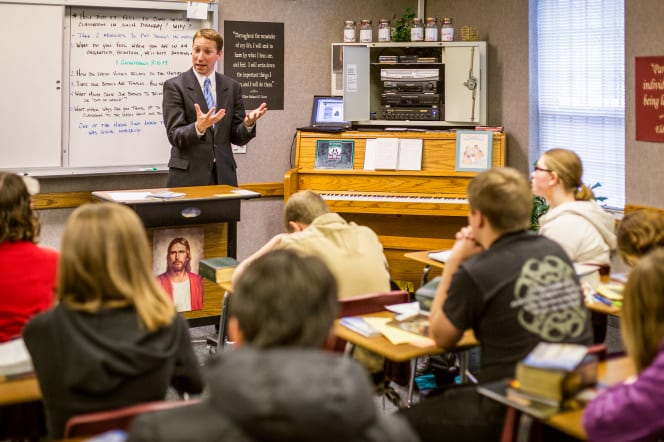
seminary-class-1112861-galleryOver the last several years, the LDS Church history department has become increasingly open about the Church’s history. This can be seen in the work made available by the Joseph Smith Paper’s Project and in the recent release of several milestone Gospel Topics essays, especially those on the practice of polygamy by members of the LDS Church during the nineteenth century.

In an unanticipated and exciting step in the right direction, the LDS Church has now decided to teach this information in seminary classes. Parents can view the lessons on D&C 132 and the discussion of Joseph Smith’s practice of polygamy on the lds.org website under seminary lessons here and temple-marriage-766624-galleryhere.

I urge parents to not only read the lessons but also discuss them together as a family. These lessons are carefully written to emphasize those aspects of the section dedicated to eternal marriage and can serve as a basic introduction to the early practice of polygamy in Nauvoo.

From these lessons, students will be taught about eternal marriage, the zenith doctrine of the Restoration. Then they will be taught that God commanded Joseph Smith to establish polygamy as part of the restitution of all things, he married many women, and it was a trial for both Joseph and Emma Smith. It was also a trial for other early polygamists who were reluctant to participate. Fortunately, this was a temporary commandment that was removed in 1890. These are not easy topics to discuss or understand, but avoiding them will not make them go away.

An Op Ed piece written by Kristy Money, a member of the Ordain Woman board, was published in the Salt Lake Tribune on Sunday, March 29, encouraging the boycott of these lessons by seminary teachers and parents. This seems like a step backwards if we want to be open about our past. In urging nonparticipation, she listed several concerns. Interestingly, what I read in the lessons was quite different from the references in Ms. Money’s essay.

Students will not be taught God commanded Joseph to marry teenagers, which is good because there is no evidence that he was ever commanded to marry teenaged brides, even though he did.

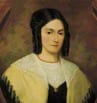
Students will not be taught that Joseph married women without Emma’s knowledge. Parents may, emma-hale-smith-155871-thumbnailhowever, want to discuss this with their children, as the LDS Gospel Topics essay on Nauvoo polygamy covers this concern.

The lesson does not teach that “if a man simply ‘desires a virgin,’ he has a God-given right to take her as a plural wife,” despite the opinion of his first wife. This is a simplified contortion of complicated doctrine, and it is best that students learn it as worded in the revelation instead of how it is interpreted from critics or spun on the Internet.

The lesson does not teach the only reason polygamy was practiced was to raise righteous seed. It is listed as one of the reasons “as part of the restitution of all things.” The Gospel Topics essays also mention it being a customized trial for the Saints of that time. Parents may want to discuss these other reasons with their children.

Ms. Money contends that “sexual predators have been using these rationalizations to seduce girls long before the church recently published them.” If this is the case, then, as parents, we need to do all we can to make sure our teenagers are properly informed of what the historical record showsportrait-family-941042-gallery regarding Joseph’s institution of polygamy and its limited practice, so they will not fall prey to such reprehensible acts out of ignorance. D&C 132 explicitly condemns sexual relations outside of the bounds of marriage.

The LDS Church is to be commended for their continual efforts to increase dialogue regarding challenging topics. As members, let’s own our genuine past and study our canonized scripture. Protecting our children includes teaching them truth, so when they encounter misinformation they can recognize it as error. As parents and their children discuss these deep doctrines and difficult aspects of history, they can move toward a better understanding of Joseph Smith’s practice of polygamy.

Laura Harris Hales is the mother of a seminary student and the co-author of Joseph Smith’s Polygamy: Toward a Better Understanding (Kofford Books, 2015).

Filed Under: Doctrine, LDS History, LDS Scriptures, Polygamy Tagged With: Doctrine and Covenants, Emma Smith, Joseph Smith, Kristy Money, Ordain Women, Polygamy, Section 132, seminary

4th Watch 19: Why are Mormons prejudiced?

March 12, 2015 by Ned Scarisbrick

https://media.blubrry.com/mormonfaircast/www.fairlatterdaysaints.org/wp-content/uploads/2015/03/4th-Watch-19-Pod.mp3

Podcast: Download (36.8MB)

Subscribe: RSS

4thWatch SmallLike all human begins we have our own personal preferences about everything in life.  There are things, people, ideas and places that we may like and prefer that others dislike that have nothing to do with being prejudiced.  When it comes to real prejudice we need to define what we are talking about.

In this podcast Brother Scarisbrick relates how our understanding of different times and cultural norms can change as we gain further light and knowledge.

As always the views and opinions expressed in the podcast may not reflect or represent those of the Church of Jesus Christ of Latter-day Saints or that of FairMormon.

Filed Under: Anti-Mormon critics, Apologetics, Chastity, Conversion, Doctrine, Evidences, Faith Crisis, General, Hosts, LDS Culture, Marriage, Ned Scarisbrick, Philosophy, Podcast, Politics, pornography, Power of Testimony, Racial Issues Tagged With: predjudice

4th Watch 18: OCD and addiction recovery

January 29, 2015 by Ned Scarisbrick

https://media.blubrry.com/mormonfaircast/www.fairlatterdaysaints.org/wp-content/uploads/2015/01/4th-Watch-18-pod.mp3

Podcast: Download (46.2MB)

Subscribe: RSS

4thWatch SmallThis is the third and final podcast in this series on physiological issues from a practical standpoint.  We all have our own interpretations of how the world works and in this episode we evaluate how our personal understanding of life can become clouded by debilitating addictions and what we can do to about them.

Obsessives compulsive disorder is another difficulty that some of us may encounter within ourselves, friends and loved ones.  The ability to stay focused is a valuable trait in many aspects of our lives but we can fall into the valley of despair if we become obsessed or out of balance in our perspectives.  Our good brother Ned offers several observations in the first part of this podcast that can help someone who may be struggling with this issue to seek that proper balance in life and the gospel of Jesus Christ.

In the second section of this episode brother Scarisbrick interviews Mark from the LDS addiction recovery program of the Church of Jesus Christ of Latter-day Saints. His personal testimony concerning the nature of addiction is a moving story about the Savior’s love for each one of us.  You can view Marks video on the Church’s official web site here.

As always the views and opinions expressed in this podcast may not represent those of the Church of Jesus Christ of Latter-day Saints or that of FairMormon.

Filed Under: Chastity, Doctrine, Evidences, Faith Crisis, General, Hosts, LDS Culture, Ned Scarisbrick, Philosophy, Podcast, pornography, Power of Testimony Tagged With: Addiction Recovery, OCD, Pornography

Fair Issues 76: How were the languages confounded at the tower of Babel?

January 4, 2015 by Ned Scarisbrick

https://media.blubrry.com/mormonfaircast/www.fairlatterdaysaints.org/wp-content/uploads/2015/01/Fair-Issues-76-pod.mp3

Podcast: Download (11.0MB)

Subscribe: RSS

MAIn this episode Mike explores several possibilities that may have resulted in the confounding of languages as recorded in the Book of Ether and in the Old Testament of the Bible.

The full text of this article can be found at Deseret News online.

Brother Ash is author of the book Shaken Faith Syndrome: Strengthening One’s Testimony in the Face of Criticism and Doubt, as well as the book, of Faith and Reason: 80 Evidences Supporting the Prophet Joseph Smith. Both books are available for purchase online through the FairMormon Bookstore. Tell your friends about the Mormon Fair-Cast. Share a link on your Facebook page and help increase the popularity of the Mormon Fair-Cast by subscribing to this podcast in iTunes, and by rating it and writing a review.

The views and opinions expressed in the podcast may not reflect those of the Church of Jesus Christ of Latter-day Saints or that of FairMormon
 

Filed Under: Apologetics, Bible, Book of Mormon, Doctrine, Evidences, Fair Issues, Faith Crisis, General, Hosts, Joseph Smith, Michael R. Ash, Mormon Voices, Ned Scarisbrick, Podcast

Mormon Fair-cast 330: #9 Is the Bible an authentic source of truth?

December 18, 2014 by Ned Scarisbrick

https://media.blubrry.com/mormonfaircast/www.fairlatterdaysaints.org/wp-content/uploads/2014/12/KT_AUTH-OR-BIBLE_9-POD.mp3

Podcast: Download (39.9MB)

Subscribe: RSS

i-believe-podcast-karen-239x300In the concluding podcast of this series Karen talks about the prophecies of Jesus. The scriptures consist of 66 books, with over 40 authors, [and] were recorded over a span of 1500 years; they contain heavy prophetic threads. If we just think about a few books—take Daniel, written 500 years before Christ, and the meticulous descriptions of the rise and fall of the empire of Alexander the Great. This just makes us marvel at the consistencies of those prophecies. How about Zachariah, who in advance truly describes the crucifixion of Christ; and Isaiah, of course, writes of how Christ would suffer. Through these miraculous and historical writings, we really come to see the perfect person of Jesus Christ. Dave, welcome. Let’s set the stage for reviewing and sorting through some of these prophecies.

You can find the complete transcript at ibelievepodcast.com.

This series of podcasts were produced by the “I Believe” podcast group. They are used by permission of Karen Trifiletti the author of this work.

As always the view and opinions expressed in this podcast may not represent those of the Church of Jesus Christ of Latter-day Saint or that of FairMormon


Filed Under: Apologetics, Bible, Conversion, Doctrine, Early Christianity, Evidences, Faith Crisis, General, Mormon Voices, Podcast, Power of Testimony

Articles of Faith: Samuel M. Brown – First Principles and Ordinances (Book)

December 8, 2014 by NickGalieti

https://media.blubrry.com/mormonfaircast/www.fairlatterdaysaints.org/wp-content/uploads/2014/12/AOF-SamuelBrown.mp3

Podcast: Download (73.8MB)

Subscribe: RSS

headshot-MikeStack-2014-09-24-art-background-croppedSAMUEL M. BROWN is Assistant Professor of Pulmonary and Critical Care Medicine and Medical Ethics and Humanities at the University of Utah and an intensive care physician in the Shock Trauma ICU at Intermountain Medical Center. His award-winning book In Heaven as It Is on Earth: Joseph Smith and the Early  Mormon Conquest of Death was published by Oxford University Press in 2012. He is also translator of Aleksandr Men’s Son of Man: The Story of Christ and Christianity. Here is here today to talk about his book First Principles and Ordinances: The Fourth Article of Faith in Light of the Temple being published by the Neal A. Maxwell Institute for Religious Scholarship.

Questions addressed in this interview:

Your book addresses, among other things, the topic of faith, but your journey through your own faith crisis becomes an important backdrop for your perspective as a writer. Perhaps you could give the cliff notes version of that to set the stage.

Your book is part of the Living Faith Book Series that is being put out by the Maxwell Institute at BYU. As I understand the series as a whole, and therefore part of the feel and function of your book, is the reconciliation of faith and knowledge which is particularly notable challenge some are having in discourse about Mormonism. How do you seek to approach the challenge of reconciling faith and knowledge with your book?

There is a statement that opens the promotional one-sheet that I received on your book that was quite gripping and thought provoking. I don’t know if you wrote it or if it was someone with the publishing side of this effort, but I want to share it and give you a chance to expound upon that in context of your book: “Familiarity can lead to a kind of blindness in life and in religion. The first principles and ordinances of the Latter-day Saint gospel are particularly at risk for misunderstanding through such familiar neglect.”

While not set up in such a way that it addresses critical questions that some may have about the church, there is a sort of positive apologetic angle, almost devotional feel to your book. Is that a fair assessment?

Your book addresses active faith initially. This is something that I have been studying and feeling for years now so it was nice to see some confirmation in your writings to that idea. You speak of two main models of faith at least the way Latter-day Saints talk about Faith, what are those two models?

Filed Under: Articles of Faith, Doctrine, Hosts, Nick Galieti, Podcast Tagged With: Baptism, faith, Prodigal Son, repentance, Temple

Mormon Fair-cast 319: #8, Is the Bible an authentic source of truth?

November 20, 2014 by Ned Scarisbrick

https://media.blubrry.com/mormonfaircast/www.fairlatterdaysaints.org/wp-content/uploads/2014/11/KT_AUTH-OR-BIBLE_8-POD.mp3

Podcast: Download (27.2MB)

Subscribe: RSS

i-believe-podcast-karen-239x300D.M. Johnson and I are back in this second-to-last podcast on the authenticity of the Bible. Today, we discuss undersigned coincidences. Undersigned coincidences are events or things in the Bible that could be coincidental, but there are just so many that they add up to real, compelling evidence.

As D.M. explains, “It becomes a little bit ridiculous to insist that all of these things are just purely happening by luck or some kind of random circumstance.”

We’ve got plenty of examples of such undersigned coincidences, from both inside and outside the Bible, including:

  • Jesus healing the sick;

  • The apostles keeping silent after the events on the Mount of Transfiguration;

  • And Jesus feeding the 500.

Jesus heals a woman.

We invite you to join us on this podcast, and again, to read and study the Bible for yourself. It truly is God’s word.

You can find the complete transcript at ibelievepodcast.com.

Read more: http://ibelievepodcast.com/1825/8-points-authenticity-bible-undesigned-coincidences-8-9#ixzz3JdTQNCy4

This series of podcasts were produced by the “I Believe” podcast group. They are used by permission of Karen Trifiletti the author of this work.

As always the view and opinions expressed in this podcast may not represent those of the Church of Jesus Christ of Latter-day Saint or that of FairMormon

Filed Under: Apologetics, Bible, Conversion, Doctrine, Early Christianity, Evidences, Faith Crisis, General, Mormon Voices, Podcast, Power of Testimony

Mormon fair-cast 307: #6, Is the Bible an authentic source of truth?

October 30, 2014 by Ned Scarisbrick

https://media.blubrry.com/mormonfaircast/www.fairlatterdaysaints.org/wp-content/uploads/2014/10/KT_AUTH-OF_BIBLE_6-POD.mp3

Podcast: Download (59.8MB)

Subscribe: RSS

i-believe-podcast-karen-239x300This is the sixth installment on the authenticity of the Bible series of podcasts.

Many scholars, skeptics, and Bible students alike may wonder about the authorship of the four Gospels: were they really written by Matthew, Mark, Luke, and John? How old are they really? How accurate are the versions we have today–after 2000 years? D.M. Johnson and I are back discussing these very issues relating to the eyewitness testimony in the Gospels. They talk about the following points: ◾How ancient writers recorded biographies; ◾Why it’s important to be intellectually consistent; ◾Differences between the Gnostic and Canonical Gospels; ◾Why legendary development didn’t happen in the four Gospels; ◾Why the “telephone myth” of how we got the New Testament isn’t accurate; ◾Evidence that Matthew, Mark, Luke, and John are the actual authors of their gospels. Please join us for this sixth installment on the authenticity of the Bible!

The full transcript of this podcast can be found here.

This series of podcasts were produced by the “I Believe” podcast group. They are used by permission of Karen Trifiletti the author of this work.

As always the view and opinions expressed in this podcast may not represent those of the Church of Jesus Christ of Latter-day Saint or that of FairMormon


Filed Under: Anti-Mormon critics, Bible, Dead Sea Scrolls, Doctrine, Early Christianity, Evidences, Faith Crisis, General, Interfaith Dialogue, Mormon Voices, Podcast, Power of Testimony

Book Review: A Refuge from the Storm: The Priesthood, the Family, the Church

October 28, 2014 by Trevor Holyoak

A Refuge from the StormTitle: A Refuge from the Storm: The Priesthood, the Family, the Church
Author: Boyd K. Packer
Publisher: Deseret Book Company
Genre: Nonfiction
Year Published: 2014
Number of Pages: 224
Binding: Hardcover and Deseret Bookshelf eBook
ISBN13: 978-1609079833
Price: $25.99

Reviewed by Trevor Holyoak

Boyd K. Packer is, of course, the president of the Quorum of the Twelve Apostles of The Church of Jesus Christ of Latter-day Saints. As a general authority in the church for over 50 years, he has given many talks on the priesthood, the family, and the Church. This book is a collection of 24 of them. Many of the talks are from General Conference, but there are also some from other meetings, such as Worldwide Leadership Training, firesides, BYU Women’s Conference, and a seminar for new mission presidents. While most of the talks are available online, there are a few that are not readily available outside this book.

I was initially a little disappointed to find that this was a collection of talks and not something newly written (other than perhaps the introduction) like many other books by general authorities. But as I began to look through it, I realized that the talks (even those given decades ago) apply more to the situation the world is in today than they did when they were given. They were prophetic.

The book begins by explaining its purpose: “The gospel of Jesus Christ enables individuals to become exalted by being part of eternal families. The gospel contains the purpose, the doctrine, and the plan. The priesthood is the power and the authority. The Church has the means and the organization. The exalted, eternal family is the end of the gospel plan. In this book, we will discuss those three interconnected elements of the gospel: the priesthood, the family, and the Church” (pages ix-x). The remainder of the book is divided into three parts along those elements, with the repeating underlying message that “The ultimate end of all activity in the Church is that a man and his wife and their children might be happy at home, protected by the principles and laws of the gospel, sealed safely in the covenants of the everlasting priesthood” (page 25).

I will give an example from each section, and let the book speak for itself. In 1992, he gave some instruction that is particularly relevant today regarding the priesthood: “There are some things about the priesthood that every elder should know if he is to understand how the Church is governed to have things right before the Lord. There are principles and precepts and rules which are often overlooked and seldom taught. Some of these principles are found in the scriptures, others in the handbooks. Some of them are not found in either. They are found in the Church. You might call them traditions, but they are more than that. They are revelations which came when the Brethren of the past assembled themselves, agreed upon His word, and offered their prayers of faith. The Lord then showed them what to do. They received by revelation…These are things we do to have things right before the Lord” (pages 3-4).

He said this about The Proclamation on the Family in a Worldwide Leadership Training Broadcast in 2008: “A proclamation in the Church is a significant, major announcement. Very few of them have been issued from the beginning of the Church. They are significant; they are revelatory…It is scripturelike in its power. When you wonder why we are the way we are and why we do the things we do and why we will not do some of the things that we will not do, you can find the authority for that in this proclamation on the family. There are times when we are accused of being intolerant because we won’t accept and do the things that are supposed to be the norm in society. Well, the things we won’t do, we won’t do. And the things we won’t do, we can’t do, because the standard we follow is given of Him. As we examine this proclamation more closely, see if you don’t see in it the issues that are foremost in society, in politics, in government, in religion now that are causing the most concern and difficulty. You’ll find answers there – and they are the answers of the Church” (page 87).

In General Conference, October, 2006, he explained part of the role of the Church: “The principles of the gospel life we follow are based on doctrine, and the standards accord with the principles. We are bound to the standards by covenant, as administered through the ordinances of the gospel by those who have received priesthood and the keys of authority. Those faithful Brethren were not free, and we are not free, to alter the standards or to ignore them. We must live by them…If we are doing the best we can, we should not become discouraged. When we fall short, as we do, or stumble, which we might, there is always the remedy of repentance and forgiveness…Some suppose that our high standards will repel growth. It is just the opposite. High standards are a magnet. We are all children of God, drawn to the truth and to good…Those who come out of the world into the Church, keep the commandments, honor the priesthood, and enter into activity have found the refuge” (pages 150-153).

As I read this book, my testimony of Boyd K. Packer as a prophet, seer, and revelator has grown, as has my conviction that this is God’s church, and my understanding of the things I need to improve on as a priesthood holder, husband, and father. I highly recommend it to anyone that seeks a better understanding of their place within God’s plan and wishes to find their “refuge from the storm.”

Filed Under: Book reviews, Chastity, Doctrine, Politics, Temples

4th Watch 17: A Broken Vessel – What is anxiety and PTSD?

October 18, 2014 by Ned Scarisbrick

https://media.blubrry.com/mormonfaircast/www.fairlatterdaysaints.org/wp-content/uploads/2014/10/4th-Watch-17-Pod.mp3

Podcast: Download (32.4MB)

Subscribe: RSS

4thWatch SmallIn the last podcast I talked about depression and now add anxiety and PTSD will be added to the mix of mental and emotional issues we may have to deal with in this life.

These issues can cause cognitive dissonance in our relationship with the Lord and His Church and create unintended consequences from our perceptions of world.  We often don’t see the world the way it is.  We see it more as we are.  If we are viewing our life as full of danger and threats it may be because we have experienced events in our lives that foster those feelings.

In this podcast we look at possible causes of anxiety and post traumatic stress and the counsel we have received from Elder Jeffery R. Holland of the counsel of the twelve apostles.

The book “When Bad Things Happen to Good People” by Harold S. Kushner along with other books he has written is available here.

As always the views and opinions expressed in this podcast may not reflect those of the Church of Jesus Christ of Latter-day Saints or that or FairMormon


Filed Under: Anti-Mormon critics, Apologetics, Conversion, Doctrine, Evidences, Faith Crisis, General, Hosts, Joseph Smith, LDS Culture, Mormon Voices, Philosophy, Podcast

  • « Go to Previous Page
  • Page 1
  • Interim pages omitted …
  • Page 13
  • Page 14
  • Page 15
  • Page 16
  • Page 17
  • Interim pages omitted …
  • Page 22
  • Go to Next Page »

Primary Sidebar

Faithful Study Resources for Come, Follow Me

Subscribe to Blog

Enter your email address:

Subscribe to Podcast

Podcast icon
Subscribe to podcast in iTunes
Subscribe to podcast elsewhere
Listen with FAIR app
Android app on Google Play Download on the App Store

Pages

  • Blog Guidelines

FAIR Latest

  • Come, Follow Me with FAIR – Judges 2–4; 6–8; 13–16 – Part 1 – Autumn Dickson
  • He Is Risen
  • Come, Follow Me with FAIR – Joshua 1–8; 23–24 – Part 2 – Autumn Dickson
  • 2026 Small Plates of Nephi Conference
  • Come, Follow Me with FAIR – Joshua 1–8; 23–24 – Jennifer Roach Lees

Blog Categories

Recent Comments

  • Guerry Green on Come, Follow Me with FAIR – Exodus 7–13 – Part 1 – Autumn Dickson
  • Antonio Moreno on Taking on the Name of Jesus Christ
  • Sister Truelove on Humble Souls at Altars Kneel
  • Antonio Moreno on Forsake Not Your Own Mercy
  • Wayne on Come, Follow Me with FAIR – Genesis 12–17; Abraham 1–2 – Part 1 – Autumn Dickson

Archives

Follow Us

  • Facebook
  • Twitter
  • iTunes
  • YouTube
Android app on Google Play Download on the App Store

Footer

FairMormon Logo

FAIR is a non-profit organization dedicated to providing well-documented answers to criticisms of the doctrine, practice, and history of The Church of Jesus Christ of Latter-day Saints.

Donate to FAIR

We are a volunteer organization. We invite you to give back.

Donate Now

Site Footer