• Skip to primary navigation
  • Skip to main content
  • Skip to primary sidebar
  • Skip to footer

FAIR

  • Find Answers
  • Blog
  • Media & Apps
  • Conference
  • Bookstore
  • Archive
  • About
  • Get Involved
  • Search

Testimonies

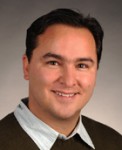
T. Heath Ogden

“I am a happy seeker.” This is the final thought I leave with my students after discussing how science issues (like organic or biological evolution) and other ways of knowing (like religion or spiritual communication) can co-exist. Seek is defined as: to try to locate or discover; search for; to endeavor to obtain or reach. So what I really mean is that I am happy to look for truth, good ideas, well supported theories, etc., wherever they may be found. I understand that in this search I may come across untruth, bad ideas, insufficiently supported theories, etc. As a seeker, I simply accept the good ideas and I discard the bad ones. This idea isn’t mine; Dr. Henry Eyring proposed that all we really need to do is “find out what the truth is,” and that is what I seek to do.
I am an evolutionary biologist. Therefore, instead of generalizing how I reconcile my religious and spiritual views with all of science. I am going to attempt to discuss perhaps the most controversial subject, biological evolution, including human evolution. I am often asked, “Do you believe in Evolution?” Now before I tell you how I answer this, I recognize that this question may mean many different things to many different people. So I always answer with two parts. Part 1 is very short: “No, I do not believe in evolution,” I say and wait just a second or two for the words to register and for confusion to set in (as their knowledge that I am an evolutionary biologist and teach evolution usually provokes the question in the first place). Then Part 2: I state that “I accept evolution based on the body of evidence that supports it.” By this time, it is necessary to explain what I mean. Thus, depending on the circumstances and situation, my approach may start to differ, but usually includes a combination of the arguments below.

Evolution as a Scientific Theory: Scientists, in my view, look for patterns or phenomena in nature (observations) and try to explain the way that the pattern or phenomenon came about (hypotheses). This plausible explanation is supported or refuted, but not absolutely proven true. If it continues to be a good idea, it will likely continue to gain more support by further testing. It will be combined with other good ideas that have been similarly tested, until the sum of the tested hypotheses and supporting data becomes a theory. Side note: A theory is the end point of scientific explanation. Nothing is better. A theory is as good as it gets. (Sorry, laws and facts, you just don’t cut it.) So the idea that evolution is “just a theory” is simply a misunderstanding of how science proceeds. Assigning this type of colloquial definition to “theory” as a belief or guess that can guide one’s behavior is not what we mean in science. Rather, scientific theories are the endpoints or “the crown of science” (Harré, 1986), and no one is better than a king or queen (the crown bearers) in a kingdom.

Evolution is the best explanation for the diversity of life that has inhabited this planet. No other idea does a better job at putting together all observations and evidences of life’s differences and patterns than evolution. Evolution is sometimes misunderstood because it is both a process and an outcome. The process of evolution ensues by way of five main mechanisms: 1) Natural Selection, which was first described by Charles Darwin; 2) Mutation; 3) Genetic Drift; 4) Gene flow; and 5) Non-random mating. The result of these five mechanisms brings about the pattern of evolution, descent with modification, best represented by the great tree of life (not to be confused with the tree of life from the Garden of Eden, although it is interesting how well the name fits for both ideas).

Reconciling Doctrine with Theory: It would seem that there are some apparent conflicts between evolution and the LDS Church’s doctrine, particularly in regards to the origin of man. I believe that most of these conflicts result from a lack of understanding of the Church’s official position on a doctrine, or because of a misunderstanding of evolutionary science. As far as I can tell, all official doctrines of the Church completely align with the parts of evolutionary theory that are well supported and accepted by the majority of serious biological scientists. So what is an official position of the Church? I suspect that in regards to evolution and the origin of man, the BYU Evolution Packet comes as close as you can get. Sometimes I remind students that what they thought was the official position may not be, and just because someone said it in Sunday School, Institute, Stake Conference, General Conference (although I think that leaders are now more careful about what they say in this venue), or the Ensign, it may not be an official position of the Church. Most reasonable folks embrace this idea. I believe that whenever you have good (or true) doctrine and good science they will be compatible, because, in my opinion, all truth is the same truth. Conflicts, in my worldview, rise to the surface because of bad doctrine and good science, bad science and good doctrine, or bad science and bad doctrine. So when there are apparent conflicts, I am happy to seek to find the truth, and I don’t care which side wins, because I am really only interested in accepting and believing truths.

Human Evolution: I believe that “man is the literal offspring of God” and I completely accept that Homo sapiens evolved from a common ancestor with chimpanzees about 7-8 million years ago. I believe that I am a child of God. This is not because Heavenly Father is the biological father of my physical body (or that of any other human being, with the sole exception of the only begotten, Jesus Christ), but rather because he is the father of my spirit. I believe that Adam as Michael (the name associated to his spirit body) was the literal offspring of God for the same reason. I do not know when Adam and Eve lived on this Earth. However, I accept that their physical bodies are united to all other life on this planet in a great tree of life. In other words, all of life, from the smallest bacteria to humans, is related and united by descent with modification. The evidences that support this idea are astounding. For example (and these numbers vary depending on how it is calculated), human DNA is ~98% similar to chimpanzee DNA and 75% similar to mouse DNA. Around 60% of the DNA found in the fruit fly genome (which is considerably smaller than ours) is shared with human DNA. As one compares our genome with more distantly related organisms the similarity decreases, as expected. I could go on and on with more examples, but I’ll just give one more. Human beings (and all animals for that matter) actually have two genomes; a nuclear and a mitochondrial. Our mitochondrial genome is actually more closely related (similar) to the complete genome of certain types of bacteria than it is to any of our nuclear DNA. What does this mean? Well, I accept that ~1.5 billion years ago, aerobic bacteria made their way inside of an early eukaryotic cell via endocytosis and that, after many years of co-evolution with the host cell, they evolved into mitochondria (this is known as endosymbiotic theory). Now I can’t seem to see any reason for a Deity to go out of His way to put patterns like similarity of DNA or bacteria genomes inside us, if our physical bodies actually came from a special creative act. That just doesn’t make sense to me. For these and a multitude of other evidences, I accept the process and result of billions of years of evolution. At the same time, I have received multiple spiritual witnesses that I am a child of God, that He lives, and that I can have an eternal relationship with Him and with my loved ones.

So I will continue to be a “happy seeker” as I search for truth. I will accept the fact that we don’t know everything in science or in religion. Hopefully, I can be humble and accept when I am wrong, and be happy to embrace the right.

If you wish to keep reading, a more personal narrative of my background is found below and it may give you a better idea of why I accept and believe the way I do. If not, I think the take-home message should just be that it’s OK to just keep seeking out the good ideas and discarding bad ones.

I didn’t always think this way. In fact, I might say I was pretty closed-minded in my first year of college and on my mission. For example, I remember teaching numerous times that there was no way that there could have been death before the fall. Oh how I wish I could go back re-think and re-say many of my words. Nevertheless, here are a number of experiences that have shaped and are still shaping my current view.

I graduated from high school with the goal of going to BYU for undergraduate studies and then on to medical school to become an orthopedic surgeon. I had broken my hand in the Alta High School’s gymnasium doing a full back layout, which ended up being about a ¾ layout and a broken metacarpal on my middle finger of my right hand. I was amazed by the x-ray showing the screws traversing the small bone with the spiral fracture.

During my first semester at BYU I decided to take human anatomy from Kent Van de Graaff. I remember that at some point in the semester, he invited students to come to a meeting about the possibilities of academia as a future. I went to the meeting and for the first time I seriously considered becoming a professor at some university. Actually, I think I thought that maybe on the side of my medical practice, I might teach some courses for a university, just a part time gig. One semester of “true blue” and then I was off to my mission in Concepción, Chile. I fell in love with teaching the gospel, and I realized that teaching anything is better than selling carpet (sorry, Dad!). I returned to BYU and continued my B.S in zoology, still thinking I might want to be a doctor and teacher. I was deeply impressed with Duane Jeffrey and his candidness about teaching evolution, science, and how they fit in with LDS theology. After another year at school, it happened: I met and fell in love with my sweetheart and soon-to-be physician, and I thought that one MD would be enough. And so, after finishing my B.S degree, I married her, moved to Chile and began a master’s degree in zoology. I was fortunate to meet and eventually work with Luis E. Parra, from the Universidad de Concepción. My master’s thesis dealt with the natural history of a number of moths living in southern Chile. I thoroughly enjoyed my time in Chile; I really started to learn to think for myself.

Nearing the end of my master’s, I was now sure that I wanted to work in academia, and so I began a search for a PhD program and advisor. I happened to notice a relatively new faculty member at BYU, Michael Whiting, who was doing some amazing work in insect molecular systematics. I applied and interviewed, and despite my non-stellar grades and GRE scores, he took a chance on me. We moved the family to Provo and I chose to focus my dissertation on the phylogeny and evolution of the basal winged insects (mayflies, dragonflies, and damselflies) and their implications for the origin of insect flight. These years shaped my worldview even more and I confirmed that teaching and research is what I really wanted to do with my life. After a postdoc in bioinformatics with Michael Rosenberg at ASU, I worked for three years as a visiting assistant professor at ISU in Pocatello, ID (my wife completed her residency training to be able to practice medicine in the States during this time). Since then I have been at Utah Valley University, where I teach courses in the biology department such as general biology, evolution, entomology, bioinformatics, and molecular evolution and bioinformatics.

During my professional training I have always tried to maintain my activity level in the church and in the gospel. I have tried to fulfill all the callings I have been given to the best of my ability and with the help of the Lord. I am certain that Joseph Smith saw what he saw, that he received the priesthood authority to carry out eternal ordinances, that Jesus is the Christ, and that God is my spiritual Father. That certainty does not come from empirical evidence, or data, or experimentation; rather, the non-replicable feelings of the Holy Ghost have witnessed to my soul that these things are true. I thank the Lord for my eternal companion, children, parents, family, and friends, who have helped to shape me as a “seeker” of truth.

————————————————

T. Heath Ogden is an assistant professor of biology at Utah Valley University. He was a visiting assistant professor at Idaho State University from 2006 to 2009.

Professor Ogden earned a B.S. in zoology from Brigham Young University, and then went on to earn an M.S. “with mention” in the same subject from the Universidad de Concepción (Concepción, Chile; Luis E. Parra, advisor) and a Ph.D. in integrative biology with an emphasis in molecular systematics from BYU (Michael F. Whiting, advisor). From January 2005 through June 2006, he performed postdoctoral research in computational genomics and bioinformatics with Michael Rosenberg at Arizona State University.

Dr. Ogden’s work has appeared in such journals as Transactions of the American Fisheries Society, Systematic Entomology, Zootaxa, Cladistics, Annals of the Entomological Society of America, Molecular Phylogenetics and Evolution, Entomologische Abhandlungen, Argia, Mayfly Newsletter, and the Revista Chilena de Historia Natural, as well as in Sequence Alignment: Methods, Models, Concepts, and Strategies, ed. M.S. Rosenberg (Berkeley: University of California Press: 2009).

Posted September 2010

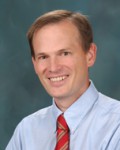
Todd K. Moon

I believe in God and in His son Jesus Christ as Lord and Creator, Redeemer of the living and the dead, and personal Savior, and that God continues to care for and interact with us, His children. I believe in grace through Jesus Christ. I believe in the Church of Jesus Christ of Latter Day Saints as a divinely sanctioned and directed church. I believe that Joseph Smith was a man called of God to a work of restoration, and that the Book of Mormon was translated by Joseph Smith from ancient documents and contains the word of God.

How I would explain why I hold these beliefs depends on the background of those I am addressing.

To those who are believers and Christian: From time to time I have had opportunity to have lengthy religious discussions with colleagues and students of other faiths. I usually depart from such discussions impressed by the knowledge, devotion, faith, and spirit of grace I feel in these people, and I leave feeling spiritually taught, deepened and broadened. I rejoice that active, brave, devoted faith continues across Christianity!

But these discussions also often point out to me doctrines supporting my faith that answer nuanced questions emerging in “mainstream Christianity.” From the point of view of understanding our relationship to God, I feel that the doctrines of the restored gospel offer insight and motivating explanation. To my friends who walk in the light of traditional faiths I want to say, How wonderful is your faith! I learn from it, I rejoice in it. But there are yet more reasons to believe!

I find that the doctrines of the restored gospel are the most broadly compatible with New Testament teachings of any church I have met, providing explanations and context for doctrines—such as grace, righteous living, resurrection, priesthood, post-mortal existence, the Holy Spirit, and revelation—which accord with scripture and thoughtful contemplation. The doctrines of the restored gospel are also consonant with the Old Testament in ways I have not seen among other Christian faiths. These doctrines and teachings not only provide an explanation for why the world is, but how it can be a better place. And the organization of the Church begins to provide ways to move forward toward that place.

I find that the Book of Mormon helps me further understand the mission of Jesus Christ. His role as redeemer and savior and His mortal birth to a virgin mother are all clarified by the voice of this witness. “We talk of Christ, we rejoice in Christ, we preach of Christ, we prophesy of Christ,” because we “know that it is by grace that we are saved, after all we can do” (2 Nephi 25). How satisfying it is to know that God’s mouth is not only not stopped, but that throughout history God has watched and cared for peoples in more places than one. That revelation has not ceased is a potent and important thing to me: Why should a loving father cease to communicate with his children in a fundamental and important way, especially when confusion and strife are clearly evident among them?

It is satisfying to me that questions of deep import may be clarified by the light of revelation. The views of the eternities provided by the prophet Joseph Smith and his successors help me understand the purpose of Creation and my place in it. It is this light of revelation that was wanting when right-minded, conscientious reformers set about to restore Christianity to its primitive, pristine principles, and the absence of that light which has led to the continuing splintering of the Christian world. That light of revelation was re-kindled when Joseph Smith prayed seeking wisdom, which initiated the restoration.

In addition to these reasonable things which reassure my head, and more importantly, I feel confirming warmth and reassurance which I attribute to the witness of the Holy Spirit when I prayerfully study scriptures both ancient and modern, and when I strive to live a life of correct behavior and service. I think I have tasted (if only slightly) something of the love that God has for us His children. I have experienced and witnessed the transforming power of faith in Christ. I have countless affirmations from the Holy Spirit—flashes of confirmation, warm nudges—that teach and confirm my faith.

To those who are disinclined to believe in God: I find order, complexity, and richness in both the physical world and the living world that surpass the explanations and probabilities supplied by the current scientific models. Perhaps mine is just another testimony of the “argument from complexity”: complex things exist, so a God must exist to have made them—combined with C.S. Lewis’s “Universal moral law exists, to there must be some lawgiver.” But against these, the only answers science has to offer are ultimately based upon the “argument of a long time span,” beautifully and persuasively, but not ultimately convincingly, expressed: the world has been around long enough that there has been time for things to become as they are. Despite science’s attempt to explain the world’s complexity by a long time-span, there is still so much that seems inherently unexplained and unexplainable by science. Scientists who categorically posit that there is no God or no higher organizing force seem to me to acting as much from a principle of their faith as the Christian believers act from theirs.

For example, in the human realm I perceive a volition or will evident in the actions of man unaccounted for by any theory, but impossible to ignore. The philosophers have noticed that we have free will, and more recently cognitive scientists and artificial intelligencers have run against it on a pragmatic level. Our best attempts at artificial intelligence run aground against the absence of free will in our software. Any simulations of free will must necessarily involve some kind of simulated random actions, but random is not the same as free. (It may be that some day such techniques will achieve a simulated free will. But that is an article of faith built on sandier ground than a belief in an immortal soul.) I attribute our volition to our God-sanctioned eternal selves.

I support with full mind and conscience the efforts of science to provide rational explanations for all aspects of the world. But I posit that all reasonable hypotheses merit consideration and investigation. Removal of a class of hypotheses—such as the hypothesis of God (or some such force) —seems inconsistently unscientific to me.

More personally, I sense an influence in my life that gives me a strong internal sense that I am known personally by God and that he has an interest in the kind of person that I become and the kind of service I render. This sense becomes a belief in God that leads me to seek meaning in the world, which for me has best been found through the teachings of Jesus Christ and His followers.

In a time of deep trouble, I have received the clear message: Be still, and know that I am God.

—————————————————

Todd K. Moon is a professor of Electrical and Computer Engineering and head of that department at Utah State University.

Posted September 2010

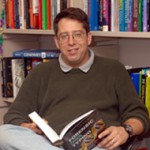
Joseph William Stucki

I have a colleague who once asked me how I could believe in God when the scientific method has provided so much evidence against the existence of a higher power. I was rather surprised by his comment. My response, which I thought should be obvious to any scientist, was that if we follow the scientific method of hypothesis formulation and testing, the most absurd hypothesis that a scientist could make is that the Earth and the universe just happened by chance. It has too much order and detail to have come about without the guidance of some force that science has yet to identify. I also mentioned that science overlooks a vast array of evidence by denying or ignoring spiritual evidences.
Through my career I have studied minerals and water in clays, soils, and sediments. The more I learn, the more I realize that I (and I believe science in general) know only the smallest fraction of all that is to be known about the Earth, the life that is upon it, and the vast expanse of the Universe. One need look no further than water, one of the simplest of all molecules—H2O—to recognize the genius in nature. All other known liquid substances become more dense (heavier per unit volume) when they are frozen or turn to their solid form. But water is different; it becomes less dense or lighter when it freezes. Were this not true, ice that forms during winter on rivers, lakes, and oceans would sink to the bottom rather than float, and would remain there forever, being shielded by the overlying water from the warming sun of summer. The Earth would freeze over. Another example of the wonder of water is that it can form “loose” bonds (called hydrogen bonds) with other water molecules. When three water molecules are thus joined, they match exactly the surface configuration of oxygen ions, which form the surfaces of clay minerals (clay minerals are ubiquitous in soils, sediments, and geologic deposits), which in turn causes the water to become well associated with the mineral surfaces. This association (known as epitaxy) lowers the freezing temperature of the water film that coats the mineral surfaces to 50 degrees below zero or more, thus causing this water fraction to remain unfrozen in the soil even in the depths of the coldest winters. This enables dormant plants and organisms to survive the winter. Is such order in something as lowly as “dirt” achieved by chance, or does it signify a greater intelligence in its design? This evidence leads my scientific mind to believe that the latter is more likely to be true than the former.

My faith and belief in God, however, are not based on the scientific evidence; they are only reinforced by it. Through experience I have learned, for example, that when I pray in faith, God answers my prayers. This has strengthened my faith. His answers come in various forms and at various times. I have felt and heard that still small voice spoken of in scriptures, and have recognized truth revealed by it. I have a great feeling of gratitude for the Gift of the Holy Ghost, for the comfort and inspiration it provides me. In some matters my faith has been sustained so much and so consistently that it leads me to say with confidence that it will always be so. Paraphrasing President Gordon B. Hinckley, my faith is secured by these things that I know.

————————————————

Born in Rexburg, Idaho, Joseph William Stucki was educated at Ricks College, Brigham Young University (B.S., chemistry), Utah State University (M.S., soil chemistry), and Purdue University (Ph.D., physical chemistry of clays and soils). He joined the faculty of the University of Illinois in 1976, and is now Emeritus Professor of Clay Colloid Chemistry there.

The author of roughly 130 articles in peer-reviewed scientific journals, Dr. Stucki has served since 2008 as editor-in-chief of The Clay Minerals Society, publisher of Clays and Clay Minerals. He is a fellow of both the Soil Science Society of America and the American Society of Agronomy, a Marilyn and Sturgis W. Bailey Distinguished Member of The Clay Minerals Society, an Honorary Fellow of the Mineralogical Society of Great Britain and Ireland and the winner of that society’s George Brown Lecture Award, and an Honorary University Professor of Natural Science at the Federal University of Minas Gerais, Belo Horizonte, Brazil.

In the Church of Jesus Christ of Latter-day Saints, Dr. Stucki served as a missionary in Brazil for two years, as bishop of the Champaign Illinois Second Ward for six years, and as president of the Champaign Illinois Stake for nine years, and currently serves as second counselor in the presidency of the St. Louis Missouri Temple.

Professor Stucki and his wife, the former Penny Jo Nickel, were married in the Salt Lake Temple. They are the parents of six children and the grandparents of seventeen. He served for fifteen years on the local public school board, including one term as secretary of the board and two terms as its president.

Posted September 2010

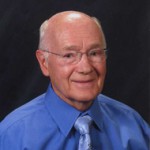
John M. Butler

I love to read and, over the past thirty-five years, have likely read in excess of two thousand books. In addition, I have had the privilege of writing three books so far (and plan to write several more) that are attempts to define my scientific field of forensic DNA analysis. Continual learning has always been a way of life since I was raised in a home with parents who were both educators. I am grateful to live in the information age when knowledge covers the earth and is now easily available with a few keystrokes. I hope that I can always put the knowledge I gain to good use.
The book I have studied most intently in my life is the Book of Mormon. I first read it as a teenager and have read and re-read its powerful passages dozens of times. As an inquisitive scientist who grew up in the “Show Me” state of Missouri, I have always been one who liked to study and understand the background for every subject I approached. While a full-time missionary in Boston, Massachusetts, I was exposed to attempts to challenge the authenticity of the Book of Mormon and to the use of intellectual arguments to discredit Joseph Smith and the origins of the church he restored. These challenges led me to study the history of Joseph Smith and the Church of Jesus Christ of Latter-day Saints. Thus began an enjoyable lifetime of learning and gospel study.

The Book of Mormon is the foundation of my testimony. A study of its pages reveals details and structure too complex for a twenty-three-year-old farm boy to have created in the spring of 1829. I believe it to be of ancient origin—written by inspired prophets in the ancient Americas for our benefit today. Its message has important applications for us. While imperfect people exist today as they have since the Church was organized in 1830, the organization and its head, our Savior Jesus Christ, are perfect. The primary message of the Book of Mormon is to invite us to come unto Christ and to learn and live His gospel. I have served in a variety of positions within the Church, including five years as a bishop, and know from personal experience that revelation is real and can truly bless people’s lives. God loves His children and speaks to us today on a personal level and through a living prophet.

Scholarship comes from a desire to master information on a particular subject and involves intense study with careful attention to detail. The depths of a topic under investigation are plumbed through diligent research and hard work. Often after a great deal of effort, the final product is usually a scholarly publication or presentation. Having gone through this process many, many times in my professional career on numerous topics, I would suggest that a testimony of the Gospel of Jesus Christ is subject to the same requirements: desire, diligence, and devotion to data collection and analysis, and the due process of time. For those with a desire to learn, the data are available. And most importantly, the Source is citable—“by the power of the Holy Ghost, [you] may know the truth of all things” (Moroni 10:5).

————————————————–

John M. Butler holds a B.S. in chemistry from Brigham Young University and a Ph.D. in analytical chemistry from the University of Virginia and is an internationally renowned scientist specializing in forensic applications of DNA. He has written over 100 scientific articles along with three widely used text books, holds two U.S. patents, and is an editor for the top journal in his field. He has been an invited speaker on five continents and serves on a number of DNA advisory committees. Dr. Butler and his wife Terilynne are parents of six children—all of whom have been proven to be theirs through DNA testing. [Note: The opinions expressed here are his own and do not represent the U.S. Department of Commerce, the National Institute of Standards and Technology, or the Church of Jesus Christ of Latter-day Saints.]

Posted September 2010

Lynn H. Slaugh

It was never intended that we should prove scientifically the existence of our Savior and our Father in Heaven. Nevertheless, there are numerous observations that certainly proclaim a divine creator. Many have observed and marveled at the amazing ORDER and complexity of living things, especially man, and have taken this to be a strong indicator of a divine, all-powerful creator. The beginning and the sustaining of life certainly could not have been via spontaneous, self-initiated events.

A recent event in my own life has, without doubt, cemented my firm conviction of the divine origin of life and our existence on this beautiful earth. One night while sleeping, I was suddenly awakened by a single word “ENTROPY” coming to my mind. I had never before thought about entropy in the present context of creation, but had, in the distant past, as a research chemist, recognized the entropy effect on chemical reactions. Entropy is a principle/law of thermodynamics that, in simplified terms, means that any process taking place, without intervention, will naturally go to a DISORGANIZED state. There are complex mathematical expressions of this principle, but a couple of mundane examples illustrate: a man’s garage will most often be disorganized unless intervention takes place. And, of course, the same tendency is true for a teenager’s bedroom. Thus, without a creator, and if creation events had been left to proceed without divine influence, only disorganization would have resulted. Since our world and all of its living entities (mankind, animals, plant life, etc) are highly ORGANIZED, one can only conclude that all of these creations did not occur spontaneously, but must have resulted from God’s directive power. The church organization, gospel principles, etc., and etc. are all examples of highly ORGANIZED systems, and thus thermodynamically (entropy) favored.

For me personally, having received this gratuitous prompting has strengthened my testimony greatly. I have not searched the literature to see if others have had similar thoughts. Personally, I know that the Savior has placed the gospel on the earth and ORGANIZED the true church.

—————————————————-

Lynn H. Slaugh graduated from Brigham Young University with a B.S. in chemistry in 1952, going on to earn a Ph.D. in chemistry from the University of Washington, in Seattle, in 1956. From 1956 to 1998, he conducted exploratory research with Shell Co. He is the inventor of two commercial industrial processes (and contributed to others), the author of 162 U.S. patents as well as several hundred foreign patents, the author of twenty-nine publications in various scientific journals, and the recipient of the American Chemical Society Award in Industrial Chemistry for 1995.

Posted September 2010

Dan Wotherspoon

Finding Balance

Although it wasn’t until college that I was actually able to name it, my mind has always been drawn to the quest for the “grand theory of everything.” Given this propensity, it’s perfect that I was born within Mormonism with its bold and expansive views of God, the eternities, and who we are. It’s perfect, also, that I was born to good, curious, engaged parents who valued ideas and always encouraged my theory-making.

Being oriented toward grand theory made many parts of my schooling and early church life easier, for I was always listening for how this or that idea or fact fit into the big scheme of things. As a result, I naturally thought “in context” and was always able to expand on whatever I was being asked to recall—something that impressed both my school and church teachers. Everything came easy for me.

The drawback of a quick mind that is wired to pay attention to the big picture is that it is easy to forget the importance of day-to-day things. In my late teens and early twenties I fell (and still too easily fall) into that trap. I became undisciplined, fell out of the prayer habit, and neglected to live the wisdom taught in the scriptures that I could still so impressively spout. Hypocrisy became my new game—one I played successfully for a while but which I could not sustain. Before long, I was spiraling out of control, and everyone knew it.

As I’ve shared in more detail in several personal essays, I was invited by an aunt and uncle to live with their family and get away from friends and influences that had a powerful hold on me. Living in a great home with an amazing, fun family slowly allowed the better parts of me to reassert their influence. About eight months into my new life I took up a challenge to read the Book of Mormon. In those pages, I got reacquainted with Alma, the younger, and the sons of Mosiah, for whom I felt a powerful kinship. If they could turn their lives around and be of good service to the world, maybe so could I. Two months after that I acted on a crazy prompting to see if it perhaps wasn’t too late to serve an LDS mission. A few months later, I was flying to Seattle at nearly twenty-four years of age.

Post-mission I attended BYU and taught for several years at the Missionary Training Center and was poised for a career in the Church Education System. At this same time, however, my innate need to explore life’s ultimate questions had led me to major in philosophy and to become enthralled with the immense variety of the world’s thought systems and religions, and these interests (along with the discovery that I had difficulty relating to teenagers, who for some reason just didn’t seem as fascinated by “truth” as I was!) led me to decide to pursue more schooling instead. I did a master’s degree in religious studies at Arizona State University and then a doctorate in religion (with a philosophy of religion and theology emphasis) at the Claremont Graduate School (now Claremont Graduate University).

I loved being in school and exploring all the questions I’d been fascinated by my entire life, but as I allowed the power of the various theories I was studying to sink in, the certainties that I brought with me into my schooling fell—painfully—by the wayside. Since most of these certainties were deeply entwined with my Mormonism and the spiritual experiences I’d had within LDS contexts, as I began to deconstruct everything I’d ever felt sure about within the gospel I seriously wondered whether I would ever be able to stay within Mormonism’s fold. During my struggles to reorient myself in this new world in which everything I’d held “sacred” now felt human-made, I felt alienated from other members of my church, and the supportive community I’d found there now seemed like a distant memory. Did anyone else think about these things? Who can I talk to?

Blessedly I made a friend in Arizona who modeled for me both the life of the mind and patience with the institutional church. More than anything else, he helped me simply to slow down and seek longer views and see if I could come to grant the grace to my church and all its fallibilities that I was so willing to give to other religious traditions while still seeing them as offering vital things to the world. He also pointed me to Dialogue and Sunstone, and I soon found additional models of spiritual maturity (as well as immaturity, from which I learned as well) and conversation partners among those who wrote for those publications and participated in Sunstone symposia and the conferences of other LDS scholarly organizations. It was a slow and unsteady walk, but also a richly blessed one, that led me a dozen years after I began graduate school to become Sunstone’s editor and the executive director of its foundation.

Although all during my graduate school years I thought I was headed for a university career, I’m glad things took the turn they did. Whereas schooling allowed me to fully play out my “grand theory” leanings (my major fascination during these years was Process Theology—the most serious attempt in the last two centuries at creating a metaphysic that can handle everything!), my work at Sunstone forced me to stay grounded, to explore my pastoral gifts, and to focus on tire-meets-the-road issues. Given my lifelong propensity for tripping off into the cosmos in pursuit of understanding the biggest context there is, I very much need to be pulled back to earth, to my family, to my neighborhood, to my ward members. The key point in Eugene England’s classic essay “Why the Church Is As True As the Gospel” is that the church with its lay leadership and geographically drawn boundaries forces us to serve and work with others who may not “get” us or who we probably would never choose to associate closely with if left to our own choice, making it a most excellent “school of love.” My time at Sunstone led me to fully believe this and, though not always pleasant, to even welcome this new type of school into my life as much as I had the other.

I’m grateful for my wide and high explorations of philosophy, theology, physics, metaphysics, psychology, and the world’s great traditions. Although I haven’t found specific language that can fully “capture” what I sense to be absolutely true about the universe and its purposes, I have landed squarely in the camp that says it has to do with “soul making” and compassion. I believe we’re here to learn love and to be willing to see and feel and honor the chaos and complexity and suffering we encounter—in the world, in ourselves, and in the others around us—and even as we do this to still affirm that there’s peace and joy to be found and then work to bring these into fuller realization. I’m also grateful for my local and grounded and challenging associations in my family, wards, and other relationships. The Mormonism I love best encourages me to pursue to their fullest extent both of these parts of my soul and, better than anything else I have found, to seek a balance between them. I think I will stick it out. I have a lot more to learn.

——————————————————–

Dan Wotherspoon is a free-lance writer, editor, and manager whose most recent projects include the creation of the website for the Eugene England Foundation (http://www.eugeneengland.org) and serving as director of communications for the Foundation for InterReligious Diplomacy (http://fidweb.org/) and co-writing with its president, Charles Randall Paul, a book titled Fighting about God: Why We Do It and How to Do It Better. For the eight years prior to that, he served as editor of Sunstone magazine and director of the Sunstone Education Foundation, and he now serves on its board of directors. Since its inception, he has been an active participant in the work and development of the Society for Mormon Philosophy and Theology, currently serving on its board, as a secretary for its executive committee, and as an associate editor of Element, the society’s journal. In September 2010, Wotherspoon will also join long-time friend and associate John Dehlin as a host and producer of the Mormon Stories podcast (http://mormonstories.org).

Wotherspoon has a Ph.D. in religion from the Claremont Graduate School, where he wrote his dissertation on theological resources within Mormonism for affirming a robust environmental sensibility. He also has an M.A. in religious studies from Arizona State University, where he focused on world religions and ritual studies, ultimately writing his thesis on theories of ritual empowerment. He also has a B.A. in philosophy with a minor in classical civilizations from Brigham Young University.

Wotherspoon and his wife Lorri are about to celebrate their silver wedding anniversary. They have two children, Alex (23) and Hope (16), and live in Tooele, Utah. He is currently soliciting additional writing, editing, and project management clients and can be reached by email at [email protected].

Posted September 2010

D. Morgan Davis

DMorganDavisThe proposition of putting one’s religious convictions out on the Internet for everyone to read may seem ill-advised to some, particularly to those in the humanities where one’s politics and ideological commitments, it is fairly argued, are inseparable from one’s research and academic output. I recognize that there are some departments where to be an avowed believer in any faith system will bring one’s intellectual bonafides into question. I also recognize that I work at an institution where almost the opposite is the case. At BYU we are expected to be examples of the believers to the students who attend here and to our colleagues everywhere. To a cynic, this means that the sincerity of a BYU academic cannot be vouched for; there are other motives—addiction to a monthly income not least among them—that might be adduced to account for my orthodoxy and -praxy, such as they are. To the secularist, if I bear my testimony I am confessing that I have a profoundly irrational world-view; to the cynic, if I bear my testimony I am just trying to keep my job at BYU.
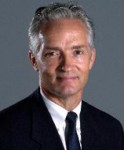
So, here is my testimony, in all of its craven naïveté.

I know that I have a Heavenly Father who loves me and knows me personally. I have faith in Him and the plan that He has revealed for me and all of His children to become like Him. I know that He sent His Son to show the way and to redeem me to Himself if I am willing to be redeemed. I have felt His love and His drawing me to Him by the power of His Holy Spirit, whose presence is real and palpable to me. My experiences with the Holy Spirit are like immovable pillars in my life. When I have been reluctant to believe or to obey, they have been obstacles to my unbelief; I cannot get around what I know I have felt and experienced of God’s loving reality. When I have needed help and courage to try intimidating things, they have served like anchors to my soul.

The story of how I came to know these things and other fixtures of my personal faith is an embarrassment of predictability. I grew up in the faith, born in Utah. Some of my earliest memories are of being taught “of goodly parents” that my life had a purpose, designed by God, and that there were certain mile-stones along the way to which I should strive: baptism and confirmation, receiving the Aaronic Priesthood, receiving the Melchizedek Priesthood, serving a full-time mission, and marrying for eternity in an LDS temple. I accomplished each of those goals basically on schedule.

Along the way, beginning at about the age of seven, I read the scriptures faithfully. I remember getting up at 6:00 in the morning regularly to read my Book of Mormon by the big bookcase in our basement. I remember puzzling my way through phrases like “great and abominable church” and the passages of Isaiah, which seemed opaque to me. I remember my mother recommending an article by Bruce R. McConkie on how to read Isaiah, which I studied at the top of a guava tree at a park near our home in Manila, where we were living at about the time I received the Aaronic Priesthood. I remember reflecting on the complexity of the Book of Mormon, which made J.R.R. Tolkien’s Lord of the Rings, which I also read that summer, seem like a child’s bedtime story; and I thought, “there is no way that someone could have made this all up.” I still think that—more now than ever. (After all, I am now a member of the Neal A. Maxwell Institute for Religious Scholarship at BYU.)

I was called on a mission to Guatemala and served there for two years where I learned to love the language and the people and the scriptures even more. When I returned home, I enrolled at BYU where I met my wife (at church in the Clyde building). We married in the Idaho Falls Temple, just as each of our parents had, and began our family without delay while I was still in graduate school at the University of Texas. We are now the parents of six good children and have served in numerous callings in a number of wards where we have always been blessed by our association with the the Saints.

For a cynic, this is the most utterly predictable thing that he or she has ever read. I offer no defense. It is. I also offer no apology, however. If a life that reads like the textbook scenario from How to be a Utah Mormon is the price I shall have had to pay for what I have learned of God’s love and of His plan for me and those I love, I am thankful for the chance to pay it. I’m sorry it makes for such boring reading. But there it is.

What I can’t—or maybe it is more honest to say won’t—give here, are some of the details that might serve to complicate this bland biography and infuse it with a little more interest. Why not? Why do I leave them out? Because I believe that certain things only ought to be shared one on one when the time is right. What is really going on in anyone’s life no matter how unremarkable it may seem on the surface is, in the end, pretty special, even sacred. That is a secret that wise people know and that—shall we say—”not-wise” people have no part in.

I know that each of us is a child of a loving Father in Heaven. He sent His Son to be the gate and the way back into His presence. The Holy Ghost bears witness of these things and of much more when we have the faith to open up to Him. The Scriptures have become both stranger and truer to me over time. I rejoice in the space they create for me to choose either to doubt or to believe. I choose to believe and have come to know in many instances that they teach the truth. I have had experiences that have assured me that God’s power is real and that it is manifest on the earth through the ministry of living prophets and in His holy temples.

And I know that God is love. For now, for here, that is all I have to say.

—————————————————-

A native of Utah, D. Morgan Davis has also lived and studied in the Philippines, Israel and the West Bank, and Egypt. He served as a missionary for the Church of Jesus Christ of Latter-day Saints for two years in Guatemala. He holds an undergraduate degree in Near Eastern studies from Brigham Young University, a master’s degree in history from the University of Texas at Austin, and a Ph.D. in Arabic language and literature from the University of Utah (2005).

Dr. Davis is the director of the Middle Eastern Texts Initiative at Brigham Young University’s Neal A. Maxwell Institute for Religious Scholarship, where he evaluates, edits, and supervises the publication of classical Middle Eastern works of philosophy, theology, mysticism, and science. The texts are produced in their original languages of (Arabic, Hebrew, Syriac, etc.), together with English translations on facing pages. He has been involved with the initiative since its inception.

His areas of research interest include world religions; Islamic origins, literature, and culture; and the history of religion.

An avid traveler, runner, hiker, and mountain biker, and an occasional tenor soloist, Dr. Davis is married to the former Kristina Nelson, and they are the parents of four sons and two daughters.

Posted September 2010

Ralph C. Hancock

I hesitate to advance my testimony as a “scholar” as if it should have more authority than that of someone who wouldn’t claim to be a scholar—say, my sister or my neighbor, faithful and thoughtful people whose testimonies certainly weigh at least as much as mine. But I suppose that, just as soldiers or healthcare-givers or basketball players or any others who share some significant range of experience might benefit from communing on the relation of their work to their religious grounding, so there is no reason why “we scholars” (as Nietzsche refers to us) should not help each other get clearer on the relation of our profession to our confession.

I would not know how to divide my own pursuit of truth into two very distinct parts—say, “faith” and “reason.” Reason would have no purchase on reality if it were not grounded in, or did not arise from, insights or intuitions—including “revelations”—in no way reducible to mere logic or reproducible by some formal and universal method. To live purely by reason, if it means anything, can only mean to be masters and possessors of the meaning of our own existence, and clearly we are not such masters. To live by the light of “science” alone is a non-starter, too, since science, as we moderns understand it, refuses, almost by definition, the question of meaning and purpose. Modern science claims at once to be value-free and to be autonomous or self-governing, and (as Philippe Bénéton has pointed out in Equality by Default) it cannot have it both ways. So the purposes by which we live necessarily exceed our methodical grasp. Philosophy thus cannot dispense entirely with poetry, as Plato well knew, but as many of his successors have forgotten.

At the same time, a truth revealed by a higher power could not be truth for us if it did not address us as rational beings—by which I do not mean philosophers or scientists, but simply speaking beings who make our way in life only by understanding (more or less) the persons and things we deal with as part of some larger whole. Here I agree with Joseph Smith and Brigham Young, notably, as well as with Thomas Aquinas and his followers, that we cannot honor our God-given natures without seeking to know the Truth and to live by it. And to know it is not simply to “feel” it or to obey it (though obedience is essential, is primary), but to understand, to seek articulation, to serve God—how did Thomas More put it in the movie?—“in the tangle of our minds.” We are aware, as rational beings, of being parts of a larger whole that we know somehow to be meaningful but that is always escaping our grasp. The Spirit of Truth that is in us recognizes intimations of truth “out of the best books” as well as in those most weighty words revealed to prophets.

But how can we verify the authority of prophets? If such a problem could be solved by some impersonal formal method, then it would not depend upon the purification of the soul of the seeker. Augustine singled out the Socratic-Platonic school of philosophy for praise because it accepted the obligation implicit in the unity of moral and intellectual purification. The truths of Eternal Life are not such as can be received by any and all regardless of character or intention. The truth is gradually unveiled to us “according to the heed and diligence” that we give to what has already been imparted to us (Alma 12:9). Holy truths are not the kind of data that we can first receive and then afterwards decide whether we find it convenient to live by them. This is to say that, if we refuse to offer our own pride and our own projects as sacrifices on the altar of Truth and demand to receive “information” on our own terms, then we will not truly be able to receive such truths and they will only tend to our damnation.

I cannot neatly separate, in my own imperfect striving towards what is good and true, the confidence that I gain from rational evidence from the promptings of the Spirit. I suppose if I were asked to unpack and organize the foundations of my testimony (as this worthy web project seems to require of me), then I might lay them out as follows: 1- Atheistic materialism is shallow, self-contradictory and false. There is a meaning and order to the way things are that cannot be accounted for by the random action of matter in motion, or whatever is the latest scientific expression of meaningless materialistic necessity. And so we must seek some account of the meaning of things that connects the way things are with human purposes, with love and with agency; 2- Among all philosophies and religions, Christianity (a) is the most compelling account of such meaning (the surprising and yet rationally powerful notion of God who gives himself to save the world) and is (b) well-attested by reliable historical witnesses; 3- Latter-day Saint (a) teaching is the richest (notably in its seamless integration of Law and Grace and its response to universal longings for enduring bonds of kinship) and its (b) Church organization is the wisest and most effective among Christian bodies. Moreover, (c) its divine origins are supremely well-attested by (i) reliable historical witnesses and by (ii) the massive, insuperable fact of the existence of the Book of Mormon.

Each of these points would require explanation and would invite much argumentation, which I will not attempt to address here. Since this last point regarding the simple existence of that substantial text we call the Book of Mormon indicates what seems to me the most striking and accessible evidence available, allow me to quote from a letter I wrote, along with friends Daniel Peterson and Matthew Holland, to First Things magazine a couple of years ago:

The recent date of the appearance of this record [The Book of Mormon] seems to [some] to detract from its authority in comparison with “manuscripts containing one or more gospels that date to within just a few centuries” of Jesus’ time, and “some evidence … that goes back to within just a few decades … of the crucifixion and resurrection of Jesus.” But . . . the Book of Mormon . . . is a substantial text (500+ pages) whose internal complexity and coherence are rarely appreciated, even by Latter-day Saints. It includes a dozen or so distinct prophetic voices, interweaves many diverse historical strands, richly depicts a foreign civilization (or two or three of them) including diverse cultural and other features (detailed geography, sophisticated warfare, a complex monetary system, etc.), contains a powerful and many-faceted Christian teaching that is consonant with but not simply identical to teachings of the Bible or of the Christian tradition, and often does so in surpassingly beautiful language—and all this in a volume of English prose of determinate content that no one doubts came into existence during a brief and definite period not quite 180 years ago. The book exists—a brute fact—and is easily available for anyone’s inspection. Mark Twain dismissed it as “chloroform in print,” but of course it was not written for Twain’s entertainment, and the fact that what he looked at in it bored him does little to account for its existence, even if we set aside the compelling quality of its teachings. Anyone with a stake in the veracity of Christ’s message and the reality of his mission might consider the significance of the sheer existence of this text: For if, by any chance, it is what it claims to be, then we are indeed in possession of “another witness of Christ” that truly assures us, independent of doubts arising out of the long, complex, and clouded history of the biblical manuscripts or from the distance of the events they narrate, of the reality of the living Christ.

[Some] pass over . . . the direct and well-attested statements [of 11 witnesses], never renounced even in the face of powerful incentives. . . . Would such testimony in favor of Luke’s gospel not be welcome, even if two thousand years old? [Would we] so easily dismiss the eleven faithful apostolic witnesses to the resurrection of Christ? But we refer readers again to the text itself. How is one to account for it? The more one knows about it, the harder it is to accept any of the alternative theories of its inauthentic production, if indeed there is even a serious contender left in this field. Anyone is free to read the book, to study it prayerfully, and perhaps to begin to appreciate the rich articulation of its parts within a consistent whole, and then, if so inclined, to propose some theory of its origins. Indeed, any reader who is at all open to the possibility of God’s intervention in human affairs in modern as well as ancient times is free to consider the possibility that we, today, have been given a powerful and beautiful new witness of Christ’s reality for all people of all climes and all epochs—that is, the possibility that he holds in his hands an ancient text translated by an unlearned young man by the gift and power of God.

But again, evidence of the kind represented by the brute fact of the existence of the Book of Mormon can only open the door to the kind of knowledge that can guide our lives and eventually exalt us. We have to walk through that door, and then through the next, and then all the others that God opens for us as we seek the kind of knowledge that cannot be separated from the keeping of sacred covenants.

My confidence in the Restored Gospel is thus rooted in an ongoing, unfolding experience that is both spiritual and intellectual: I find that my heart and my mind expand as I keep covenants and seek knowledge by inviting the Lord to strip me of vanity. “Here’s my heart, oh, take it, seal it!” While still a teenager I remember reading in section 76 of the Doctrine and Covenants this testimony of Joseph Smith and Sidney Rigdon: “That he lives! For we saw him, even on the right hand of God; and we heard the voice bearing record that he is the Only Begotten of the Father.” It occurred to me then that this was a true testimony and that this changed everything, that this was a truth that claimed my existence. This conviction has not impeded my wide-ranging reflections on the great questions of the Western philosophical tradition, but on the contrary has nourished them and, in ways I’m still learning to articulate, has been nourished by them. I have experienced what the prophet Alma promises as the fruit of faith in Jesus Christ: “. . . is not this real? I say unto you, Yea, because it is light, and whatsoever is light, is good because it is discernible . . . ” (Alma 32: 34; my emphasis).

How grateful I am for the real and discernible goods to which the Church of Jesus Christ of Latter-day Saints has opened my heart, mind, and soul! Though “my heart groaneth because of my sins; nevertheless, I know in whom I have trusted . . . Oh Lord, I have trusted in thee and I will trust in thee forever. I will not put my trust in the arm of flesh; for I know that cursed is he that putteth his trust in the arm of flesh” (2 Nephi 4: 19, 34).

—————————————————–

Ralph C. Hancock earned his B.A. (summa cum laude) from Brigham Young University and his M.A. and Ph.D. from Harvard University, all in political science. Prior to joining the faculty at Brigham Young University, where he is now a professor of political science, he taught at Hillsdale College in Michigan (1982-1986) and the University of Idaho (1986-1987). He has also been a visiting professor in the law faculty at the University of Rennes, in France (during the spring of 1991 and 1999), and a visiting scholar at Liberty Fund, Inc., in Indianapolis, Indiana (2001-2002).

Among Professor Hancock’s numerous publications are Calvin and the Foundations of Modern Politics (Cornell University Press, 1989); The Legacy of the French Revolution (Rowman & Littlefield, 1996; edited, with Gary Lambert); Just and Holy Principles (Simon & Schuster, 1998; edited); America, the West, and Liberal Education (Rowman & Littlefield, 1999; edited); Philippe Bénéton, Equality by Default: An Essay on Modernity as Confinement (ISI Books, 2004; translated); Alain Besançon, A Century of Horrors: On Communism, Nazism, and the Uniqueness of the Shoah (ISI Books, 2007; translated, with Nathanael Hancock); chapters in a number of books; and reviews, translations, and articles, in both English and French, in Perspectives on Political Science, City Journal, Pensée Politique, Confluences, Political Science Reviewer, Policy Review, Modern Age, Review of Politics, First Things, and Claremont Review.

Dr. Hancock is the founder and director of the John Adams Center for the Study of Faith, Philosophy, and Public Affairs (http://www.johnadamscenter.com/about/ralph-hancock/). He is also a founder of the LDS Web journal SquareTwo (http://squaretwo.org/) and a member of its editorial board. His current focus is on meaning and the limits of philosophy in relation to politics, ethics, and religion, as well as on the thought of Alexis de Tocqueville, Martin Heidegger, Leo Strauss, and Emmanuel Levinas. His The Responsibility of Reason: Theory and Practice in a Liberal-Democratic Age, which examines the meaning and the limits of reason, will be published later this year by Rowman & Littlefield.

Posted August 2010

Ellwyn R. Stoddard

My graduate training as a scientist began in 1954. Since that time I have been a frequent contributor to more than a dozen scientific disciplines. As a scientist, I am bound by procedural truth-seeking systems and research designs that include basic assumptions similar to those made in the pursuit of religious truths. These include:

  1. The world is knowable (i.e., understood through man’s physical senses).
  2. Its attributes and representations can be abstracted for discussion (i.e., oak trees can be pictured and discussed as concepts rather than being present in the classroom).
  3. Within a scientific framework, causal and associative relationships are logically inferred from cases, experimental conclusions, and other data.

Outside this somewhat limited intellectual territory of scientific inquiry are spheres of beauty, poetry, the arts, and normative standards of right and wrong. Evidence of the power of faith is explained by revelations of ancient and modern prophets. And although science speculates as to the relationship of light, mass, and energy, it is left to normative truth to explain each of their origins and ultimate purposes.

Just as I have tested the accuracy of scientific conclusions, I have likewise examined for myself the doctrines and moral principles of the Church of Jesus Christ of Latter-day Saints (the Mormon Church) as an active Church member. Through prayerful study and examination of sacred scriptures (revelations of ancient and modern prophets), I now testify of the existence of a living and loving Heavenly Father who is interested in all of his sons and daughters here upon the Earth. I know of his goodness and kindness. I understand his Plan of Happiness, which provides us a way back into his presence—with the aid of Jesus Christ’s atonement. This Plan, designed prior to the foundation of this World, contains provisions for binding righteous family members together throughout eternity and allows each of God’s mortal sons and daughters the potential to become like him.

The scientific world of orderly laws and outcomes is not foreign to members of the Church of Jesus Christ of Latter-day Saints. The Restored Gospel of Jesus Christ outlines eternal laws and ordinances that result in divine blessings promised for those who obey his laws. Those who live righteously have been given God’s divine promises of blessings, salvation, and exaltation. The joy promised by this plan causes those who have it to want to share it with others. All persons who search for peace and never-ending family relationships should examine this message further. It is a Pearl of Great Price.

———————————————–

Ellwyn R. Stoddard received his Ph.D. from Michigan State University in 1961, and is now a professor emeritus of sociology and anthropology at the University of Texas at El Paso (UTEP). He received UTEP’s Distinguished Faculty Award for Research in 1990.

Dr. Stoddard is an expert on the culture of the U.S.-Mexican borderlands and is the founder of the Association of Borderland Scholars. He is, moreover, the author or co-author of roughly a hundred publications, including Conceptual Models of Human Behavior in Disaster (1968); Mexican Americans (1973 [1981]; with Richard L. Nostrand and Jonathan P. West, Borderlands Sourcebook: A Guide to the Literature on Northern Mexico and the American Southwest (1983, winner of the 1984 Southwest Book Award); with John Hedderson, Patterns of Poverty along the U.S.-Mexico Border (1987); Maquila: Assembly Plants in Northern Mexico (1987); U.S.-Mexico Borderlands Issues: The Bi-National Boundary, Immigration and Economic Policies (2001); U.S.-Mexico Borderlands Studies: Multidisciplinary Perspectives and Concepts (2002); U.S.-Mexico Borderlands as a Multi-Cultural Region (2005).

Professor Stoddard and his wife have nine children and twenty-three grandchildren.

Posted August 2010

James O. Mason

How I Received My Testimony of Christ

Some seem to acquire faith almost naturally as they grow up. For me, gaining strong faith was somewhat of a struggle. I was born of goodly parents and raised in a Christian home where I was taught about the Savior. When I reached college age, however, my faith was not strong enough to enable me to feel comfortable teaching and testifying to others. This unbelief led me to turn down my bishop’s invitation to serve as a missionary.

After one of our interviews, the bishop pointedly asked if I was going to live my entire life without knowing if Jesus was really the resurrected Lord. The bishop made it quite clear that it was up to me to do something about my lack of faith and encouraged me to make it a matter of urgent study and prayer.

Unfortunately, my desire was weak and I was unwilling to commit the needed time and effort. As a university student, however, I soon found myself increasingly exposed to philosophical and scientific information that appeared on the surface to be inconsistent with faith in God. Simultaneously, I was confronted with choices relating to Christian standards of behavior. I realized that I really did need to know, once and for all, whether the teachings of Jesus Christ were true. If the answer were “yes,” my lifestyle would need to be consistent with those teachings. Therefore, I did not register for the next quarter’s university classes. I then devoted several months to an intense and careful period of studying the Bible (Old and New Testaments), the Book of Mormon, the Doctrine and Covenants, and the Pearl of Great Price. Frequently, during my reading, I knelt down asking God to help me understand and to let me know whether the events relating to the crucifixion and marvelous resurrection of the Lord and the plan of exaltation established by God for all His sons and daughters living on Earth were true.

The fulfillment of the promise in the Book of Mormon that the Lord would “manifest the truth of it unto me by the power of the Holy Ghost” did not occur immediately. Although I found consistency and hope in the scriptures, I did not have a witness by the Spirit regarding their veracity.

I attended a fast and testimony meeting one Sunday, when I was well into my scriptural research. I sat there listening to a sister bear testimony of the reality of the Lord’s resurrection and the mercy and power of His atoning sacrifice. I remember thinking to myself as she sat down, “If only I could say that!” But before I realized it, I was standing up. I had indescribable feelings of peace in my mind. The impressions were so powerful that I felt my hair was standing on end. Indeed, “the Spirit of God like a fire was burning.” Under the influence of that marvelous Spirit, I testified that the Book of Mormon is the word of God; that Jesus, the living Christ, is my Redeemer; and that Joseph Smith was and is a modern-day prophet who was divinely empowered to re-establish the original Christian Church, complete with correct doctrine and authority. I knew without any doubt that these things were true.

The same overpowering experience that I felt that morning in testimony meeting has been repeated from time to time throughout the years. My faith and appreciation for the Savior’s love has continued to grow ever since that day.

Whatever worthwhile contribution I may have made to society I attribute to the influence of this same guiding Spirit. That Spirit of truth has assisted me at home and at work. There is no reason that strong faith and science cannot coexist.

I had help from the Lord doing research for my doctor of public health degree at the Harvard School of Public Health. On many occasions, my investigation would come to a fork in the road. Sometimes it was more than a fork; many possible avenues would present themselves. Most of these were blind alleys, however, that would only consume time and not lead to my final destination. When important decisions were necessary I would make them a matter of sincere prayer. I acknowledge that insight, far beyond my own ability, was often the result of a simple prayer. This help enabled me to rapidly complete an acceptable thesis project. I give inspiration the credit; my main contribution was hard work. This same inspiration has also assisted me in clinical practice. Prayer, at critical times when I cared for seriously ill patients, often led to approaches and ideas that positively and significantly affected clinical outcomes.

Many significant professional decisions I was called upon to make in my work were based upon objective, well-controlled science and the confirmation of the Spirit. There is a Spirit of truth. It acts upon people of all religious persuasions, living in every country, to improve the lot of mankind. This Spirit influenced courageous persons like Christopher Columbus, the signers of the Declaration of Independence, and those crafting the Constitution of the United States. This Spirit touches great authors, artists, and composers. It inspires men and woman with inquiring minds to bring forth inventions that affect transportation, communications, energy, electronics, and all other walks of modern life.

The Church of Jesus Christ of Latter-day Saints encourages members to get involved. The glory of God is intelligence. “And truth is knowledge of things as they are, and as they were and as they are to come” (D&C 93:24). True science and true religion are never in conflict. My faith in a living God and a saving Christ is strengthened by my participation in the sciences. My work in the sciences is encouraged and enhanced by my faith.

——————————————————–

Jim Mason is a former head of the United States Public Health Service and the Centers for Disease Control and Prevention. He served as the President and CEO of Avalon Health Care, Inc.; as an Adjunct Professor of Health Sciences, Brigham Young University; and as a member of the following boards and foundations: Avalon Health Care, Inc., Agronomics International, Davis Behavioral Health, Mental Health Resource Foundation, and Utahns for Better Dental Health. From 1994 until 1999, he oversaw the religious and humanitarian activities of the Church of Jesus Christ of Latter-day Saints throughout sub-Saharan Africa. He served as Vice President for Planning and Development and as Professor, Department of Preventive Medicine and Biometrics, Uniformed Services University of the Health Sciences, during 1993. From 1989 until 1993, he was Assistant Secretary for Health in the United States Department of Health and Human Services, being nominated to that position by President George W. Bush and confirmed by the United States Senate. He also served as the United States delegate to the World Health Organization (WHO) from 1990 until 1993.

Dr. Mason served from 1983 until 1989 as the director of the Centers for Disease Control and Prevention (CDC) and as the administrator of the Agency for Toxic Substances and Disease Registry (ATSDR) in Atlanta, Georgia, and as Acting Surgeon General of the United States from 1989 to 1990. Prior to that, he served as the executive director of the Utah Department of Health, with responsibilities for public health and health care financing, from 1979 until 1983. He was associate professor and chair of the Division of Community Medicine in the Department of Family and Community Medicine at the University of Utah College of Medicine from 1978 until 1979. He directed the multiple hospital health care corporation owned by the Church of Jesus Christ of Latter-day Saints from 1970 until 1975. These hospitals were spun off from the Church to become Intermountain Health Care.

Dr. Mason was born in 1930 in Salt Lake City, Utah, and received B.A. and M.D. degrees from the University of Utah in 1954 and 1958. He then received M.P.H. and Dr.P.H. degrees from Harvard University in 1963 and 1967. He served an internship in medicine (Osler Service) at the Johns Hopkins Hospital in Baltimore and was a resident in Internal Medicine at Peter Bent Brigham Hospital, Harvard Medical Service, in Boston. He is certified in General Preventive Medicine by the American Board of Preventive Medicine.

He is married to the former Marie Smith and they are the parents of seven children, with twenty-four grandchildren and seventeen great-grandchildren. The Masons have lived in Farmington, Utah, for the past ten years, since his 2000 release from the Second Quorum of the Seventy of the Church of Jesus Christ of Latter-day Saints, to which he had been called in 1994. From 2000 to 2003, Dr. Mason presided over the Bountiful Utah Temple.

Posted August 2010

  • « Go to Previous Page
  • Page 1
  • Interim pages omitted …
  • Page 27
  • Page 28
  • Page 29
  • Page 30
  • Page 31
  • Interim pages omitted …
  • Page 44
  • Go to Next Page »

Primary Sidebar

Faithful Study Resources for Come, Follow Me

Subscribe to Blog

Enter your email address:

Subscribe to Podcast

Podcast icon
Subscribe to podcast in iTunes
Subscribe to podcast elsewhere
Listen with FAIR app
Android app on Google Play Download on the App Store

Pages

  • Blog Guidelines

FAIR Latest

  • Come, Follow Me with FAIR – Exodus 1–6 – Jennifer Roach Lees
  • Come, Follow Me with FAIR – Exodus 1–6 – Part 1 – Autumn Dickson
  • The Atoning Love of Jesus Christ
  • Come, Follow Me with FAIR – Genesis 42–50 – Part 2 – Autumn Dickson
  • Come, Follow Me with FAIR – Genesis 42–50 – Jennifer Roach Lees

Blog Categories

Recent Comments

  • Sister Truelove on Humble Souls at Altars Kneel
  • Antonio Moreno on Forsake Not Your Own Mercy
  • Wayne on Come, Follow Me with FAIR – Genesis 12–17; Abraham 1–2 – Part 1 – Autumn Dickson
  • Tanya Alltop on Be Reconciled to God 
  • Darci Larson on Adorned with the Virtue of Temperance

Archives

Follow Us

  • Facebook
  • Twitter
  • iTunes
  • YouTube
Android app on Google Play Download on the App Store

Footer

FairMormon Logo

FAIR is a non-profit organization dedicated to providing well-documented answers to criticisms of the doctrine, practice, and history of The Church of Jesus Christ of Latter-day Saints.

Donate to FAIR

We are a volunteer organization. We invite you to give back.

Donate Now

Site Footer