• Skip to primary navigation
  • Skip to main content
  • Skip to primary sidebar
  • Skip to footer

FAIR

  • Find Answers
  • Blog
  • Media & Apps
  • Conference
  • Bookstore
  • Archive
  • About
  • Get Involved
  • Search

Doctrine

The Strange Saga of a False Prophet: Charles W. Stayner, Orson F. Whitney, and George Q. Cannon

July 17, 2018 by Trevor Holyoak

Cross-posted from Truth Will Prevail

by Dennis B. Horne

            We now look as far as history allows into the lives and doings of three largely forgotten men (and their associates), to tell a story of strange doctrine, misplaced loyalty, and exasperated concern.

            In 1881, Bishop Orson F. Whitney was called on a mission to England, where his assignment was to preach the gospel as a proselyting missionary for several months, and then move into the main mission office in Liverpool, where he would become the sub-editor of the Millennial Star. In this capacity he would take over for the departing sub-editor, Charles W. Stayner. Unbeknownst to most in his day and ours, Charles Stayner was a self-proclaimed prophet and seer, who evidently had a very magnetic personality, enabling him to persuade Bishop/Elder Whitney, and also many of the other missionaries serving there, that he was a prophet of God that would someday lead the Church.

            The below diary entries and historical sources unfold as much as I know of Stayner’s (and his disciples) beliefs and actions in life. Bishop Whitney was the most prominent among them and had the best contacts with the senior leadership of the Church. For those who have not read my biography of Elder Whitney, after thorough study of his diaries, I came to realize that because of a susceptibility to flattery, difficulty coping with serious depression, and a hungry mind that thirsted for heavenly knowledge almost to a fault, Whitney was particularly vulnerable to Stayner’s claims. Beyond that, I cannot say why one as gifted and brilliant as Bishop Whitney would be so gullible as to accept Stayner’s strange doctrines and revelations. Stayner was not the only man to have a beguiling effect on Whitney during his lifetime, but he did have the most worrisome influence for the longest time—almost two decades.

            I present this material now for several reasons. Some of it (the entries from President George Q. Cannon’s diaries) has just recently become available after languishing in the First Presidencies vault for a hundred plus years. Further, most of the entries quoted below from Whitney’s diary are already published in my biography of his extraordinary life and are therefore not really new. But the main reason to narrate this unusual chronicle is because it tells a story that is repeating itself today in tragic ways. False prophets have arisen among us and should be recognized for what they are.

            In a similar manner to how Charles W. Stayner gathered disciples about him with the promise of great revelations and visitations and receiving high church positions, along with imparting special divine knowledge not had by others, Denver Snuffer is doing the same thing today. Whether we call them “Snufferites” or “the remnant” or some other label, this man is operating similarly (except in a digital internet age) to how Stayner worked, and is ensnaring some good faithful church members. [Read more…] about The Strange Saga of a False Prophet: Charles W. Stayner, Orson F. Whitney, and George Q. Cannon

Filed Under: Apostasy, Doctrine, LDS History, Prophets

Why Does “Holiness To the Lord” Appear on LDS Temples? (History, Meaning, and Purpose) (Gospel Doctrine Lesson 26A)

July 10, 2018 by Jeffrey M. Bradshaw

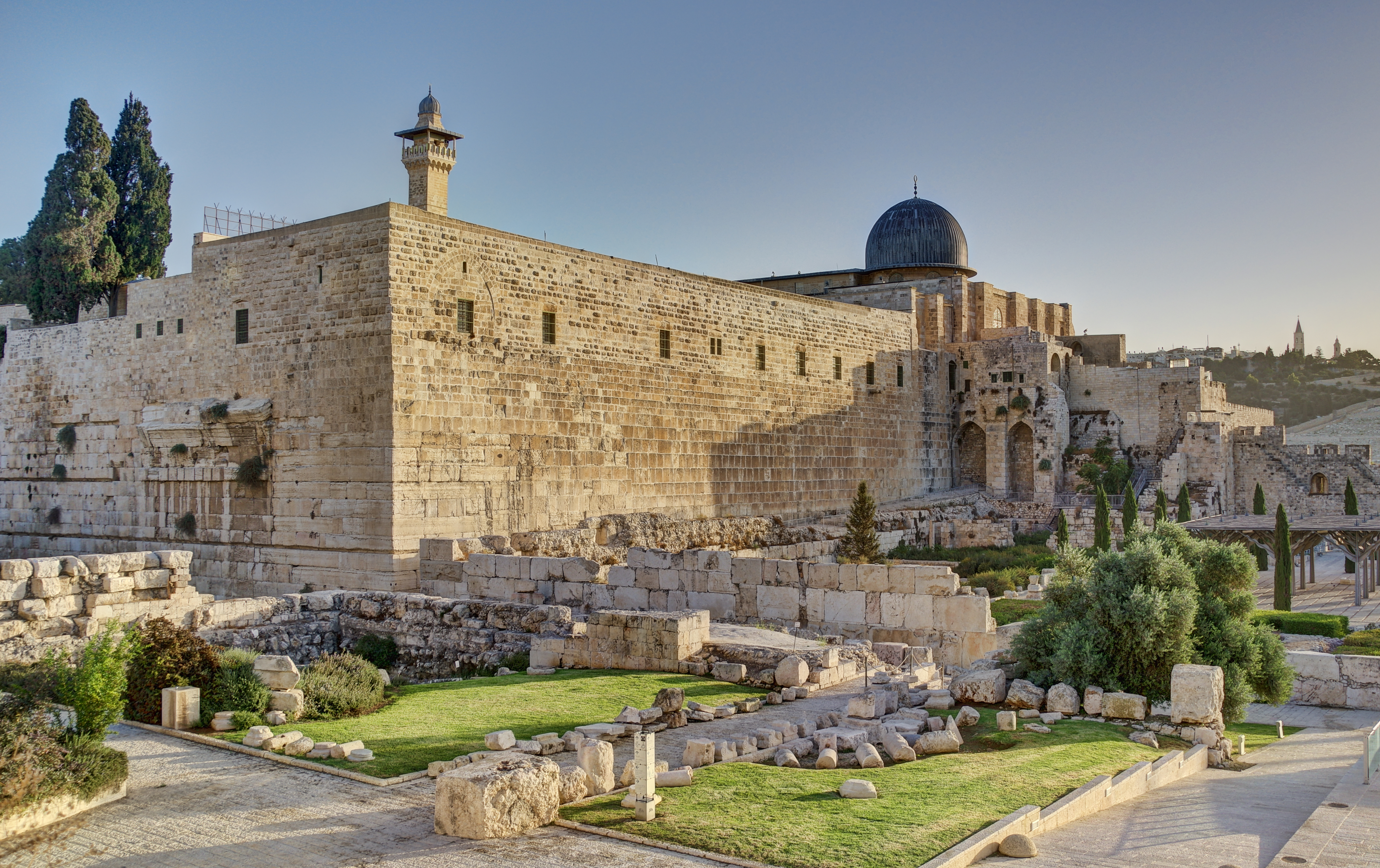
. Stephen T. Whitlock: View of the Jerusalem Archaeological Park (Ophel Walls site) from the southwest corner, 2017

An Old Testament KnoWhy relating to the reading assignment for Gospel Doctrine Lesson 26: King Solomon: Man of Wisdom, Man of Foolishness (1 Kings 3; 5-11) (JBOTL26A). A video version of this article is available on the FairMormon YouTube channel.

Note: Jeff and his wife, Kathleen, have just returned from their mission to the DR Congo. He will be presenting at the upcoming FairMormon 2018 Conference on “Stories of the Saints in the Democratic Republic of the Congo.” This series of Old Testament KnoWhy articles will resume sometime in the first half of August.

Question: Why does “Holiness to the Lord” appear on LDS temples? Was the phrase used on buildings anciently?

Summary:The Wikipedia article on LDS temples asserts that the phrase “Holiness to the Lord” was inscribed “on the Old Testament Temple of Solomon.” However, so far as we know, the phrase was never used as part of any ancient building. It is unique to modern temples. In this article we will address three questions:

  1. How did the practice of inscribing LDS temples with the words “Holiness to the Lord” begin?
  2. What was the meaning of the phrase in the Old Testament?
  3. What is the purpose of modern temples?

The full article may be found at the Interpreter Foundation website: KnoWhy OTL26A — Why Does “Holiness To the Lord” Appear on LDS Temples?

A video version of this article is available on the FairMormon YouTube channel


Filed Under: Bible, Doctrine, LDS History, Lesson Aids, Questions, Resources, Temples Tagged With: 1 Kings, Democratic Republic of the Congo, DR Congo Kinshasa Temple, Gospel Doctrine: Old Testament, Holiness, Holiness to the Lord, Law of Consecration, Solomon

Part 2 of 2: Why Is the Story of David and Bathsheba Significant? (Gospel Doctrine Lesson 24B)

June 30, 2018 by Jeffrey M. Bradshaw

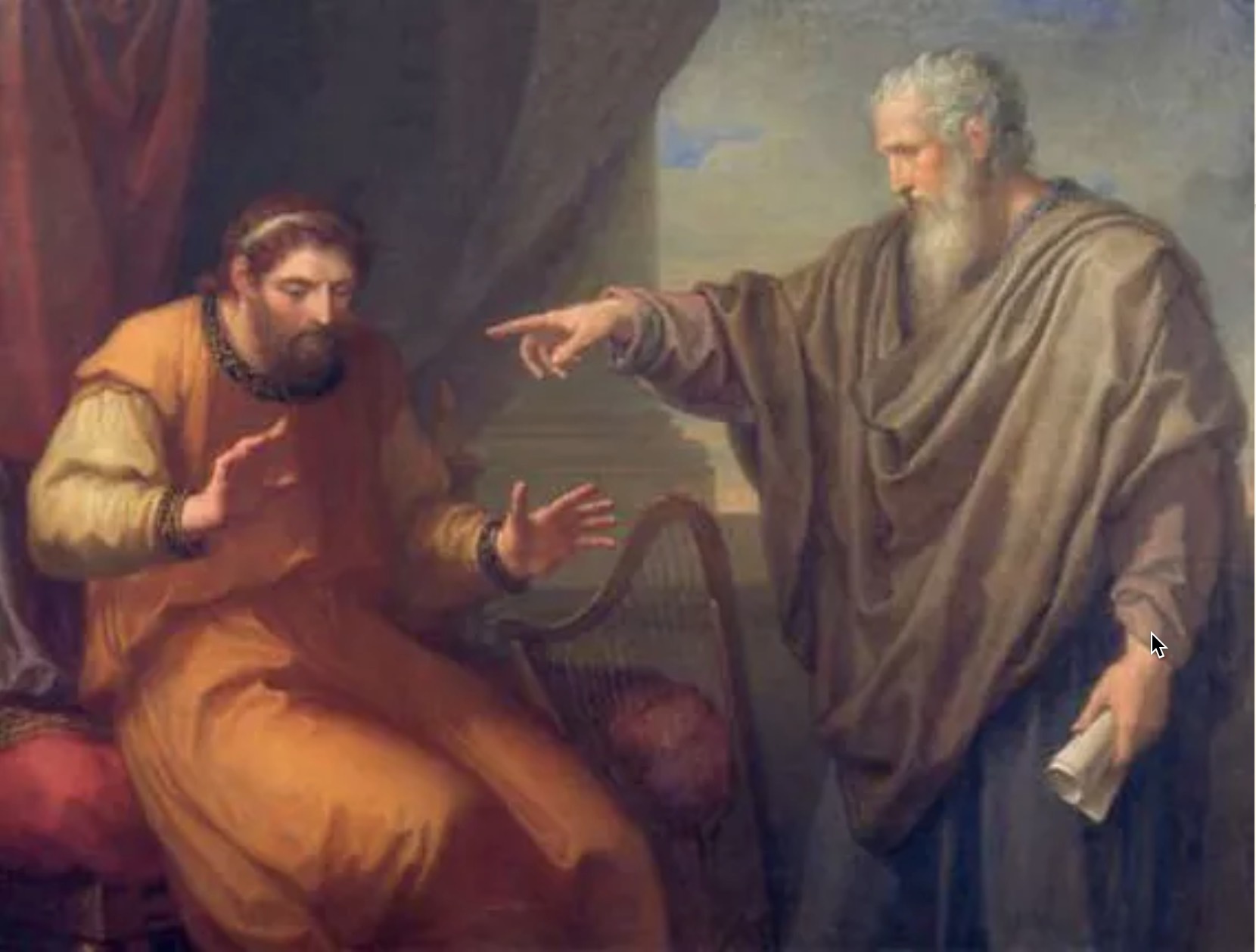
Angelika Kauffmann: “Thou Art the Man!”


An Old Testament KnoWhy relating to the reading assignment for Gospel Doctrine Lesson 24: “Create in Me a Clean Heart” (2 Samuel 11-12; Psalm 51) (JBOTL24B)

This article continues a detailed commentary begun in article JBOTL24A on 2 Samuel 11-12, the story of the fall of David. Robert Alter summarizes this tragic story as follows:

The Book of Samuel is one of those rare masterworks that … evinces an unblinking and abidingly instructive knowingness about man as a political animal in all his contradictions and venality and in all his susceptibility to the brutalization and the seductions of exercising power. And yet, David is more than a probing representation of the ambiguities of political power. He is also an affecting and troubling image of human destiny as husband and father and as a man moving from youth to prime to the decrepitude of old age. The great pivotal moment of the whole story in this regard is when he turns to his perplexed courtiers, after putting aside the trappings of mourning he had assumed for his ailing infant son, now dead, and says, ‘I am going to him. He will not come back to me.’ These … words … have no conceivable political motive[; they] give us a glimpse into his inwardness, revealing his sense of naked vulnerability to the inexorable mortality that is the fate of all humankind. For the rest of the story, we see David’s weakness and his bonds of intimate attachment in fluctuating conflict with the imperatives of power that drive him as a king surrounded by potential enemies and betrayers.

The full article may be found at the Interpreter Foundation website: KnoWhy OTL24B — Why Is the Story of David and Bathsheba Significant? (Part 2 of 2)


Filed Under: Bible, Chastity, Doctrine, Lesson Aids, Marriage, Polygamy, Questions, Resources, Women Tagged With: 2 Samuel, Adultery, Bathsheba, David, Gospel Doctrine: Old Testament, Murder, repentance, Unpardonable Sin

Part 1 of 2: Why Is the Story of David and Bathsheba Significant? (Gospel Doctrine Lesson 24A)

June 28, 2018 by Jeffrey M. Bradshaw

James Tissot: David Sees Bathsheba from the Roof

An Old Testament KnoWhy relating to the reading assignment for Gospel Doctrine Lesson 24: “Create in Me a Clean Heart” (2 Samuel 11-12; Psalm 51) (JBOTL24A)

Question: Why is the story of David and Bathsheba significant?

Summary: Chapters 11 and 12 of 2 Samuel are among the treasures of scripture. There are several reasons for their importance:

  • Historically, these chapters constitute the turning point that marks the end of the rise and the beginning of the fall of the house of David;
  • Doctrinally, the setting provides a context for discussions of the consequences of adultery and murder, and of abuses stemming from David and Solomon’s often politically motivated taking of “many wives and concubines”;
  • As a literary composition, we can experience and appreciate how an inspired and skilled author selectively presents details with incredible focus and economy of expression, thus revealing with exceptional clarity the central messages of the story;
  • As a tragic personal account of the steps leading to temptation and damning sin, we can draw moral lessons that can fortify and protect us against similar mistakes.

Because of the incredible richness of this account, it is best discussed verse by verse. Before entering into detailed commentary, three questions relating to the story will be discussed as background.

The full article may be found at the Interpreter Foundation website: KnoWhy OTL24A — Why Is the Story of David and Bathsheba Significant? (Part 1 of 2)

Filed Under: Bible, Chastity, Doctrine, Lesson Aids, Marriage, Polygamy, Questions, Resources, Women Tagged With: Adultery, Bathsheba, David, Gospel Doctrine: Old Testament, Murder, repentance, Unpardonable Sin

How Does the Book of Ruth Provide a Model for Marriage? (Gospel Doctrine Lesson 20A)

May 25, 2018 by Jeffrey M. Bradshaw

Ruth and Boaz on the Threshing Floor

An Old Testament KnoWhy relating to the reading assignment for Gospel Doctrine Lesson 20: “All the City … Doth Know That Thou Art a Virtuous Woman” (Ruth; 1 Samuel 1) (JBOTL20A)

Question: How does the book of Ruth provide a model for marriage?

Summary: According to an insightful presentation by Catholic Bible scholar Gary A. Anderson included in this week’s article, the book of Ruth establishes a model for marriage in three ways: “1. the love of God for Israel as a lens with which to examine the love between a husband and wife; 2. the relationship of the married couple to the larger network of family relations – marriage is not just an arrangement between two individuals; and 3. The necessary and non-negotiable linkage of conjugal love and procreation.” In making his arguments for Ruth as a biblical model of marriage, Anderson goes further, revealing selected temple themes that that are key to understanding the role of Boaz as a redeemer. Careful study of Ruth will reveal that its story of redemption concerns not only a family but also all of Israel, past and future.

The full article may be found at the Interpreter Foundation website: KnoWhy OTL20A — How Does the Book of Ruth Provide a Model for Marriage?

Filed Under: Bible, Chastity, Conversion, Doctrine, Lesson Aids, Marriage, Questions, Resources, Temples, Women Tagged With: Gospel Doctrine: Old Testament, Redeemer, Ruth

10 Questions with Dennis B. Horne

May 20, 2018 by Trevor Holyoak

Cross-posted from From the Desk of Kurt Manwaring

I recently had the privilege to interview Dennis B. Horne.

Horne is the author of many books, including Bruce R. McConkie: Highlights from his Life and Teachings, Latter Leaves in the Life of Lorenzo Snow, I Know He Lives: How 13 Special Witnesses Came to Know Christ, and Determining Doctrine. A Reference Guide For Evaluating Doctrinal Truth.

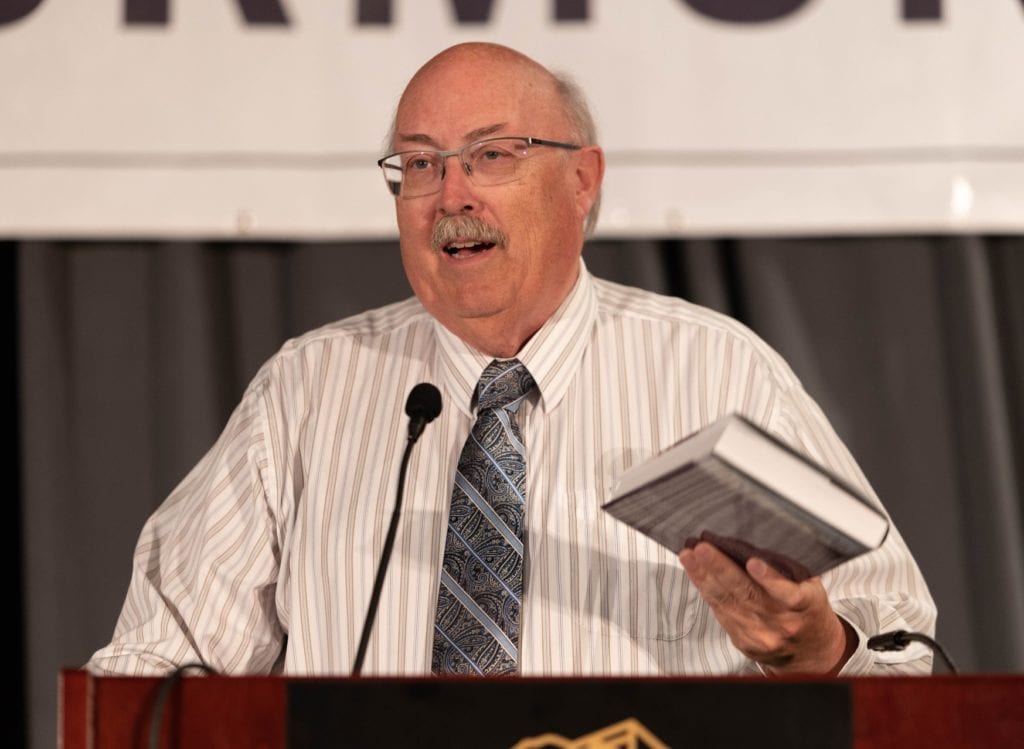
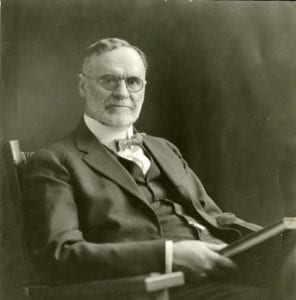
Dennis B. Horne, Photo provided by Dennis Horne.

Kurt Manwaring: Welcome! Before we begin, could you tell us a little bit about yourself and how you first got interested in writing about religious topics?

I am an independent researcher and author. I grew up in Bountiful, Utah, and served a mission to Independence Missouri. I obtained my bachelors from Weber State University in Communications with an emphasis in broadcasting. I spent some ten years, off and on, working for two local Salt Lake City television stations before I went to work for the LDS Church twenty years ago. I have two wonderful wives (one of them deceased and on the other side of the veil for the last twelve years) and three daughters.

The spark of interest I felt for church history and doctrine when I attended Seminary grew into a roaring fire while I served a mission. That is where I first heard the other missionaries speak so respectfully and reverently of Elder Bruce R. McConkie’s teachings and testimony. He had passed away just a few weeks before I graduated from high school, and I had not had the sense to pay attention to his final famous (April 1985) General Conference address at the time he delivered it. Following my mission, and on the side while pursuing my degree, I voraciously consumed Elder McConkie’s writings and those of the other great doctrinal thinkers and authorities of the Church. I even became a small-time collector of Mormon books when I could afford it. I began assembling my own files, filled with talks and articles related to church history and doctrine. These books and files became my main interest outside of gaining my secular education. Fortunately, I came under the influence of two knowledgeable and wise CES men, who gave me invaluable counsel in how to approach my gospel and historical studies: what to feast on; what to be wary of and why; what to study for proper perspective, and where to find the purest and sweetest doctrine.

These formative years in my twenties helped me avoid a serious crisis of faith, such as what has become something of a fad today. During the decade of the 1990s I felt, rightly or wrongly, that I might become knowledgeable enough to begin considering the possibility of doing some writing. I loved good Mormon books and soon developed the desire to contribute to the field myself. How little I knew how difficult that would be.

Kurt Manwaring: What do you do for work and what is your writing schedule like? [Read more…] about 10 Questions with Dennis B. Horne

Filed Under: Anti-Mormon critics, Apologetics, Chastity, Doctrine, Faith Crisis, First Vision, Homosexuality, LDS History, Perspective, Prophets, Questions, Resources, Temples, Testimonies Tagged With: Dennis B Horne

Why and How Should We Study the Old Testament? (Gospel Doctrine Lesson 19A)

May 15, 2018 by Jeffrey M. Bradshaw

Details of Saturn’s atmosphere and rings

An Old Testament KnoWhy relating to the reading assignment for Gospel Doctrine Lesson 19: The Reign of the Judges (Judges 2; 4; 6-7; 13-16) (JBOTL19A)

Question: The Bible account of Creation explains very little about the formation of the solar system or the biological origin of life. Archaeological evidence sometimes directly contradicts it, its laws of diet and purity seem irrelevant, and its prophecies are largely unintelligible. Why should I spend my time studying the Old Testament when I could be focusing my attention instead on up-to-date history and science or on the practical, ethical teachings of Jesus that teach us how we should live.

Summary: Having most recently discussed archaeological findings that relate to the books of Joshua and Judges, and having written prior to that on the historical context of the Exodus, I would now like to consider the larger question of why and how one might study the Old Testament. Specifically, in this article, I will explain why I think it is important to counterbalance the study of scripture in its historical and scientific context with traditional forms of scripture reading. First, it should not be forgotten that the Old Testament provides essential background not only for Jesus’ teachings on how we should live from day to day but also on His words about the meaning and purpose of life from an eternal perspective. Relatively little of the rest of scripture — whether ancient or modern — can be adequately understood without reference to its Old Testament backdrop. Sadly, given the common tendency today to treat the stories of the Old Testament as targets of humor and caricature (when they are not ignored altogether), it is difficult for some people to take them seriously. However, serious study of the Old Testament will reveal not merely tales of “piety or … inspiring adventures” but in addition carefully crafted narratives from a highly sophisticated culture that frequently preserve “deep memories” of doctrinal understanding. We do an injustice both to these marvelous records and to ourselves when we treat them merely as pseudo-science, botched history, or careless editorial paste-up jobs. A doctrinal perspective on the Old Testament should always remain central to our efforts to appreciate and understand it, even while acknowledging the significant enrichment that historical, scientific, and textual studies can provide in a secondary role.

The full article may be found at the Interpreter Foundation website: KnoWhy OTL19A — Why and How Should We Study the Old Testament?

See https://www.youtube.com/watch?v=aXiVXmUBqn0 for a 15-minute excerpt from the 1960’s church film “The Search for Truth” posted on the Interpreter channel. It contains an opening statement by President David O. McKay on the value of science and the search for truth, followed by perspectives from prominent scientists, including Henry Eyring.

Filed Under: Bible, Doctrine, Lesson Aids, Questions, Resources, Science, Temples Tagged With: archaeology, Creation, Gospel Doctrine: Old Testament, Historicity, origin of life, Scriptures

The Coming Revolution of Virtual Missionaries: Review of Books by Greg Trimble

May 3, 2018 by Trevor Holyoak

Available from the FairMormon Bookstore at 15% off

If I remember correctly, I first came across Greg Trimble’s blog by seeing his post “Quit Acting Like Christ Was Accepting of Everyone and Everything” shared by a friend on Facebook, apparently some time in 2014. I liked it enough that I shared it in a few places as well. He has since written a bunch of other posts that have also been shared widely, so most LDS people online are probably familiar with his name.

In the last year, Trimble has started publishing books. His first one, Dads Who Stay and Fight: How to Be a Hero to Your Family, showed up on Audible’s website, so I thought I’d give it a listen. It is a book about being a good father written by a young father, so it does have its weak spots. A lot of the chapters could have used fewer stories and more concrete examples. But there were some really good ones that made the whole thing worthwhile, in particular the ones on marriage, technology, and protecting your family from worldly influences.

A few months ago, I saw that he had published another book, The Coming Revolution Inside of Mormonism. I was curious enough about the title that I wanted to take a look at it, and I requested a review copy. When it arrived, it was accompanied by The Virtual Missionary: The Power of Your Digital Testimony, which had also recently been published. Since then, The Coming Revolution Inside of Mormonism has been retitled to The Cultural Evolution Inside of Mormonism, apparently because the original title had caused a lot of confusion. In order to avoid confusion here, I will refer to the book by its new title (and assume that none of the actual content has changed). [Read more…] about The Coming Revolution of Virtual Missionaries: Review of Books by Greg Trimble

Filed Under: Anti-Mormon critics, Apologetics, Atheism, Book of Mormon, Book reviews, Conversion, Doctrine, Faith Crisis, Interfaith Dialogue, Joseph Smith, LDS Culture, LDS History, Polygamy, Power of Testimony, Prophets, Questions, Resources, Temples, Testimonies Tagged With: blog, blogging, book review, digital missionary, Greg Trimble, Trevor Holyoak

What Are the Most Cited, Recited, and Misunderstood Verses in Deuteronomy? (Gospel Doctrine Lesson 17A)

May 1, 2018 by Jeffrey M. Bradshaw

“Shema‘ Yisrael” (“Hear, [O] Israel”) at the Knesset Menorah in Jerusalem

An Old Testament KnoWhyrelating to the reading assignment for Gospel Doctrine Lesson 17: “Beware Lest Thou Forget” (Deuteronomy 6; 8; 11; 32) (JBOTL17A)

Question: What are the most cited, recited, and misunderstood verses in Deuteronomy?

Summary: Without any doubt Deuteronomy 6:4-5 best fits this description:

  1. Hear, O Israel: The Lord our God is one Lord:
  2. And thou shalt love the Lord thy God with all thine heart, and with all thy soul, and with all thy might.

The wording of Deuteronomy 6:5 is echoed frequently in the Old and New Testaments, the Book of Mormon, and the Doctrine and Covenants It is recited twice daily by observant Jews. And, sadly, commentaries on this and related scriptural verses rarely explore in any depth the long history of Jewish interpretation of the Hebrew terms that lie behind the key English words: “one,” “heart,” “soul,” “might.” A solid understanding of what Jesus Christ called the “first and great commandment” will illuminate the meaning of the law of consecration, “the last and hardest requirement made of men in this life.”


The full article may be found at the Interpreter Foundation website: KnoWhy OTL17A — What Are the Most Cited, Recited, and Misunderstood Verses in Deuteronomy?

Filed Under: Bible, Doctrine, Lesson Aids, Questions, Resources, Temples Tagged With: Commandments, Deuteronomy, Gospel Doctrine: Old Testament, Law of Consecration, Moses, Shema

Book Review: The Melchizedek Priesthood: Understanding the Doctrine, Living the Principles

April 26, 2018 by Trevor Holyoak

Available from the FairMormon Bookstore at 10% off

There have been some General Conference talks in recent years about the priesthood that have really stuck out for me, such as “Healing the Sick” by Dallin H. Oaks in April 2010, and “The Price of Priesthood Power” by Russell M. Nelson in April 2016. As an elder in the Melchizedek Priesthood, they have been very instructional but have also left me wanting to know more about the priesthood and how to better exercise priesthood power. This book, by apostle Dale G. Renlund and his wife, Ruth Lybbert Renlund, goes a long way towards doing that.

It consists of two parts, titled “Foundations of the Priesthood” and “Doctrine of the Priesthood.” In the first part, it explains what priesthood is, its purpose, the offices and keys, and the oaths and covenants associated with it. The second part talks about putting the priesthood into action and becoming better priesthood holders. At the end of the book there is also a small section of “Chapter Summaries” that can serve as a review of the material contained in the book.

It begins by talking about what the priesthood is. “The offices of the Aaronic and Melchizedek Priesthood do not constitute all of God’s priesthood, His total power and authority. Brigham Young taught that there are many aspects of God’s total priesthood power and authority that are not delegated to men on earth… the authority and power to produce bodies and spirits, create kingdoms, and organize matter.” (pages 12-13) It talks about God’s priesthood power and authority being used on the earth even between New Testament times and the restoration of the priesthood through Joseph Smith. It also addresses the issues of people of African descent being denied priesthood blessings for a time, and priesthood offices only being open to males. “Women in the Church frequently exercise priesthood power and authority, though they are not ordained to priesthood offices.” (page 18) [Read more…] about Book Review: The Melchizedek Priesthood: Understanding the Doctrine, Living the Principles

Filed Under: Book reviews, Doctrine, Gender Issues, General Conference, Joseph Smith, LDS History, Racial Issues

  • « Go to Previous Page
  • Go to page 1
  • Interim pages omitted …
  • Go to page 10
  • Go to page 11
  • Go to page 12
  • Go to page 13
  • Go to page 14
  • Interim pages omitted …
  • Go to page 22
  • Go to Next Page »

Primary Sidebar

Faithful Study Resources for Come, Follow Me

Subscribe to Blog

Enter your email address:

Subscribe to Podcast

Podcast icon
Subscribe to podcast in iTunes
Subscribe to podcast elsewhere
Listen with FAIR app
Android app on Google Play Download on the App Store

Pages

  • Blog Guidelines

FAIR Latest

  • Come, Follow Me with FAIR – Genesis 1–2; Moses 2–3; Abraham 4–5 – Part 1 – Autumn Dickson
  • In Memoriam: Sarah Allen
  • Come, Follow Me with FAIR – Moses 1; Abraham 3 – Jennifer Roach Lees
  • Jesus Christ and Your New Beginning
  • Come, Follow Me with FAIR – Moses 1; Abraham 3 – Part 2 – Autumn Dickson

Blog Categories

Recent Comments

  • Alma on In Memoriam: Sarah Allen
  • Mike on In Memoriam: Sarah Allen
  • Will on In Memoriam: Sarah Allen
  • Natasha Swenson on In Memoriam: Sarah Allen
  • Buddy Cole on In Memoriam: Sarah Allen

Archives

Follow Us

  • Facebook
  • Twitter
  • iTunes
  • YouTube
Android app on Google Play Download on the App Store

Footer

FairMormon Logo

FAIR is a non-profit organization dedicated to providing well-documented answers to criticisms of the doctrine, practice, and history of The Church of Jesus Christ of Latter-day Saints.

Donate to FAIR

We are a volunteer organization. We invite you to give back.

Donate Now

Site Footer