• Skip to primary navigation
  • Skip to main content
  • Skip to primary sidebar
  • Skip to footer

FAIR

  • Find Answers
  • Blog
  • Media & Apps
  • Conference
  • Bookstore
  • Archive
  • About
  • Get Involved
  • Search

Testimonies

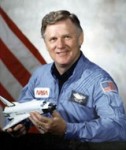
Trent D. Stephens

All my life, since I was very young, I have had three interests: religion, science, and medieval life. I grew up attending church with my mother and sisters. My father was not active in the Church until I was about twelve, and then he died of a stroke, brought on by a lifetime of cigarette smoking, when I was eighteen. My boyhood hero was Robin Hood, and I spent hours drawing pictures of knights and castles—when I should have been studying my spelling words. I decided that I wanted to become a scientist by the time I was in the eighth grade. I grew up learning—from my mother—to be skeptical of everything. She always taught me not to believe anything I hear and only half of what I read.

I have spent a lifetime wrestling with issues of religion and science. There are very few issues raised by “anti-Mormons” and others that I haven’t also considered. I was once seated at a table at a Sunstone Symposium signing copies of my book Evolution and Mormonism. A man came up to me out of the blue and said, “I have recently discovered that Jesus wasn’t a real person.” My response was, “So? I’ve heard that claim many times over many years.” I have always been one to “push the envelope,” I have always wanted to know why, and I have always sought a logical reason for what I was taught and what I believe. I believe that there are no real conflicts between science and religion. I believe that apparent conflicts exist because people misinterpret the data from science, religion, or, more often, both. I’m glad I live today. If the Inquisition were still in effect, I believe that there would be a fight between the religious right and the scientific left to see who gets to burn me at the stake. My set of beliefs on either side is by no means orthodox.

In all my questioning, however, I never rebelled against the Church. Because, at least in part, of my father’s ill health resulting from his cigarette smoking, I have always held firmly to the Word of Wisdom and have abhorred the use of any addictive substance. I have always marveled at the wisdom in the Word of Wisdom and have always believed that it is inspired in its origin. I have always understood the importance and value of following the moral standards of the Church. I have always believed that much of the misfortune and misery in the world results from people ignoring the Word of Wisdom and/or the moral standards taught by the Church. While these standards are not unique to The Church of Jesus Christ of Latter-day Saints, I believe that they are inspired, universal truths.

I have read the Book of Mormon somewhat over fifteen times (I lost track after fifteen) and I have wrestled many times with numerous questions surrounding the Book of Mormon. I have read much of the anti-Book of Mormon literature. I am a writer. I write every day. I am firmly convinced that no person, especially a young, relatively uneducated man, could have written that book. That doesn’t mean I don’t still have many questions about some of the specifics in the book. I believe that a person with no questions is a person who is not doing much thinking. While writing the book Who are the Children of Lehi? I became concerned with the wording of the Introduction to the Book of Mormon, which stated at that time that “the Lamanites . . . are the principal ancestors of the American Indians.” I was a bishop at the time, so I gave myself permission to take the issue up with my stake president. I pointed out that the Introduction was not a part of the original book but had been added long after its original publication, and that the phrase “principal ancestors of the American Indians” was the only statement that opponents of the Book of Mormon could point to that made such a claim; the Book of Mormon itself makes no such claim. He was a well-educated, thoughtful man, who answered me by saying that he had never thought of that issue before. He took the question to our area authority, who took the issue to the missionary committee. Both, according to the feedback I received from my stake president, had the same reaction as he had. It is heartening to read the current introduction to the Book of Mormon, which states that “the Lamanites . . . are among the ancestors of the American Indians” (emphasis added).

I have spent years wrestling with the issue of life after death, I have read many books and personal accounts on the subject, and I have had my own experiences with the world of spirits. I cannot say that all of my beliefs are orthodox nor that they are static. We—I at least—know so little about the spirit world that I am certain much of what I think I know is wrong. One thing I am convinced of is that the spirit world is real and that life after death is a reality. I am fascinated by the implication such a statement has for our understanding of the physics of light. I have wrestled my entire educated life with the concept of the resurrection and still do not understand a thing about it. From the perspective of a developmental biologist my list of questions is almost infinite. The fact that I do not understand the resurrection does not, however, mean that I do not believe in a resurrection. I believe that Christ was resurrected and that because of his resurrection we will also be resurrected. I don’t know what what I just said means, though, and I have no idea how it is going to happen. I firmly believe that if a person can live forever, whatever that means, eventually he or she may become omniscient and thus omnipotent. I look forward to that possibility.

I believe that, as frustrating as this concept is much of the time, faith is a principle of power. I have devoted much time and study to this principle but do not as yet understand it. I do believe that “Through faith we understand that the worlds were framed by the word of God, so that things which are seen were not made of things which do appear,” whatever that may mean. I believe that, for whatever reason, which I don’t think has ever been fully explained by God, “without faith it is impossible to please [God]…for he that cometh to God must believe that he is, and that he is a rewarder of them that diligently seek him” (Hebrews 11: 3, 6). I do believe that I don’t need to know everything to believe, but I also believe that we are not meant to believe blindly.

I believe, as a religious person, that God created the universe, the earth, and everything in them. I believe, as a scientist, that we can discover, at least in part, how he did it.

———————————————-

Trent Dee Stephens, Ph.D., is Professor of Anatomy and Embryology in the Department of Biological Sciences at Idaho State University and Clinical Professor in the Department of Oral Biology at the Creighton University School of Dentistry. He received a B.S. in microbiology and a B.S. in zoology from Brigham Young University in 1973, an M.S. in zoology from BYU in 1974, and a Ph.D. in anatomy from the University of Pennsylvania in 1977. He taught anatomy for four years in the medical and dental schools at the University of Washington (post-doc) and has been teaching anatomy and embryology in the dental program, dental hygiene program, and physician assistant program at Idaho State University since 1981. He was selected as the ISU Distinguished Teacher and as the Sigma Xi Jerome Bigalow Award recipient (for combining teaching and research) in 1992, and as an Outstanding Researcher in 2000. He was made an Honorary Member of the Golden Key International Honor Society in 2003, received the Lewison Award for Excellence in Teaching from the dental class of 2004, and was selected as the Outstanding Educator of the Year by the physician assistant class of 2004.

Trent has been actively involved in research into the developmental origins of vertebrate form for the past thirty years (beginning as an undergraduate), and has published over eighty-five scientific papers and books. His research has led to the conclusion that there are apparently many constraints on the developing embryo, which keep evolutionary change bounded within certain domains. He has published one textbook (Atlas of Human Embryology, 1980) and has coauthored thirteen others (all anatomy and physiology textbooks). He has also coauthored the books Dark Remedy: The Impact of Thalidomide and its Revival as a Vital Medicine (Perseus, 2001), Evolution and Mormonism: A Quest for Understanding (Signature, 2001), and Who are the Children of Lehi? (Kofford, 2007). He has established his own publishing company and has produced several books, including The Castle Builder’s Handbook and The Medieval Town Builder’s Handbook. He has his own website (buildmodelcastles.com) and is co-owner of the Party Palace in Pocatello.

Trent was born in Wendell, Idaho, in 1948, because the Gooding Hospital was closed for repair—the last of six children born to Ray and Phyllis Stephens. An older brother died in infancy and five sisters are living. He became an Eagle Scout in 1962, graduated from Raft River High School, in Malta, Idaho, in 1966, and started attending BYU that fall. He served in the Great Lakes Mission 1967-1969, and has since served in many church callings, including Sunday school teacher in several youth classes, Gospel Doctrine teacher in several wards, teacher development teacher, genealogy and family history teacher, temple preparation teacher, elders quorum instructor, and high priest group instructor. He has been elders quorum president in two wards and a high priest group leader. He has been service and activities chairman, Webelos leader, Cubmaster, assistant scoutmaster, scoutmaster, Varsity coach, and Explorer advisor. He has served as the district Boy Scout committee chairman for the Edahow District. He is a Woodbadge graduate, and was awarded the Silver Beaver in 1991. He has served as first counselor in a bishopric, and as bishop of both his home ward and a university (married student) ward. He has also served on a university stake high council and as a family history consultant. Trent and his wife Kathleen have five children and thirteen grandchildren; their youngest son, Sgt. Blake Christopher Stephens, was killed in Iraq on 8 May 2007.

Posted January 2010

James E. Faulconer

I’ve written the story of my conversion in several places, but it bears repeating here because it is at the heart of what it means for me to be who I am.

When I was a teenager living in San Antonio, Texas, my parents came into contact with Mormon missionaries through someone who worked with my father, an officer in the Medical Services Corps of the U. S. Army. At first I wasn’t interested. I already knew what I wanted to be in life (either a medical doctor or a Disciples of Christ minister). But my mother got me to attend a “cottage meeting” with the missionaries (and a pretty LDS girl, of course), and I became interested in talking with them. What began as an interest in talking with two nice young men about a topic I was interested in gradually turned into something else, until after many months I agreed to be baptized, as did my mother, father, and brother, and my maternal aunt who was living with us. But I can’t say that the something-else into which my interest had turned was conversion. (I speak, of course, only for myself.) I was ready to be baptized. It seemed like the right thing to do. But I had no particular conviction that Mormonism was true. I’d not prayed about that. I’d not read any more than the few pages from the Book of Mormon that the missionaries had marked, and I’d certainly not taken the admonition of Moroni 10:4 to heart. I was going along, and baptism seemed to be where we were headed.

Though my family had been studying with the missionaries for about a year and though we had finally agreed to be baptized, none of us had ever been to an LDS meeting. I’d been to a youth dance, but that is as much contact as we had with the Church except through the missionaries. Quite reasonably, the missionaries insisted that if we were going to be baptized, we needed to go to church at least once. So the Sunday before we were scheduled for baptism, the last Sunday in January 1962, we went to sacrament meeting in the San Antonio Second Ward.

I was surprised at the informality of the worship service. I was particularly surprised that those who officiated over the blessing and passing of the sacrament were so young. At the behest of our minister, I had once or twice taken part in distributing communion in our Disciples of Christ congregation, but that was unusual. Here everyone seemed to take that participation by young men, many several years younger than I, to be normal. I assumed (incorrectly I later learned) that it had something to do with the fact that Joseph Smith’s vision had occurred when he was young, fourteen. But apart from the informality of the meeting and the age of those officiating for the sacrament, I didn’t see much difference between my Protestant worship and Mormon worship.

That changed when the sacrament was passed to the congregation. In the Disciples of Christ, it was important that the Lord’s Supper was for all. In contrast, the missionaries had told my parents that for Latter-day Saints the sacrament is a token of baptismal covenants, so those not yet baptized don’t normally partake. But no one had told me. So when the bread reached me, I took a piece and ate it.

Immediately I was no longer an observer noting the strangeness of using ordinary bread rather than a wafer. As the bread touched my tongue I was overcome with a fulness of feeling that I had never had before. My chest swelled and burned. I felt incredible joy. I couldn’t help crying. The chapel we were in seemed filled with light. And, though I’d never before had that experience, without needing to think about it or analyze I knew what it was. It was a revelation that the Church of Jesus Christ of Latter-day Saints is what it claims to be, a restoration of the gospel and authority of Jesus Christ. I knew that Joseph Smith was a prophet called of God. Because of that I also knew that the Book of Mormon (which I had yet to read) was the word of God. Most of all I knew that I was to join myself to this church and to remain faithful to it.

That experience has been the touchstone of my religious life for almost fifty years. When I have had questions about our history or doctrine, or quibbles with my leaders, or frustrations with church programs, I have recalled that experience and it has brought me back to the truth: there are many things I do not understand; I make mistakes; others make mistakes; those who lead me are equally as human and at least as sincere as I am—and it remains true that I had that experience in San Antonio and that it defines my life. Whatever else is true, I must not deny that truth, neither by what I say nor by the life I live. I did not see a vision, but I understood what Joseph Smith meant when he said:

I have thought since, that I felt much like Paul, when he made his defense before King Agrippa, and related the account of the vision he had when he saw a light, and heard a voice; but still there were but few who believed him . . . . He had seen a vision, he knew he had, and all the persecution under heaven could not make it otherwise; and though they should persecute him unto death, yet he knew, and would know to his latest breath, that he had both seen a light and heard a voice speaking unto him, and all the world could not make him think or believe otherwise. (Joseph Smith-History 1:24)

My experience was not nearly as dramatic as that of Paul or of Joseph Smith, and I can’t recall ever being persecuted for my belief. But I share with them the fact that, though many things might be or become an issue, that founding experience is not.

As an academic, perhaps the most important consequence of my conversion has been confidence. I have not worried that pursuing this or that question would upset my world, somehow showing me that my membership in the Church of Jesus Christ of Latter-day Saints is a mistake or that the Book of Mormon is a fake or that Joseph Smith was a fraud. I can pursue my interest in twentieth-century and contemporary European philosophy without worrying that reading the work of Heidegger or Foucault or Derrida will expose me to something that will undermine my faith. And I can teach that work without worrying that my students’ faith will be undermined.

I sometimes do not know how to bring together what I believe to be true in philosophy and what I believe as a Mormon, but I don’t worry about that inability. I may discover that what I have found and believed in philosophy is wrong. Something I learn from a philosopher may cause me to change my mind about how to explain my Mormon beliefs. I may even change my mind about what my religious beliefs are. Or I may remain in a state of not knowing how the two relate. But I am comfortable with any of those possible outcomes, for my confidence remains firm that the Church of Jesus Christ of Latter-day Saints is what it claims to be, presently the only church on the earth organized by Jesus Christ and given his authority (which is not to say that it is the only church that receives his inspiration or the only place in which one can find true Christians or truth). Because of my experience in San Antonio many years ago—the revelation that Joseph Smith was indeed a prophet of God—my work in philosophy is free to go wherever it may without fear or restraint.

———————————————-

Born in Missouri to a military family, James E. Faulconer graduated from high school in Korea. He later returned to Korea as a missionary for the Church of Jesus Christ of Latter-day Saints. Today, Professor Faulconer (Ph.D., Pennsylvania State University) is a professor of philosophy at Brigham Young University, where, since 2008, he has also served as Richard L. Evans Professor of Religious Understanding. At BYU, he has chaired the Department of Philosophy and served as the dean of undergraduate studies. In addition, he has been a visiting professor at the Institute of Philosophy of the Catholic University of Leuven (“Louvain”) in Belgium, and spent a year on research leave at the Bibliothèque d’École Normale Supérieure, in Paris.

Dr. Faulconer is the author of Romans 1: Notes and Reflections (Provo, UT: FARMS, 1999) and Faith, Philosophy, Scripture (Provo, UT: Neal A. Maxwell Institute for Religious Scholarship, in press); the editor of Transcendence in Religion and Philosophy (Indianapolis: Indiana University Press, 2003); and the co-editor (with R. N. Williams) of Reconsidering Psychology: Perspectives from Contemporary Continental Philosophy (Pittsburgh: Duquesne University Press, 1990) and (with Mark W. Wrathall) of Appropriating Heidegger (Cambridge: Cambridge University Press, 2000). Recent articles include “Knowledge of the Other,” European Journal of Psychotherapy, Counseling, and Health 7/1-2 (March-June 2005): 49-63; “The Concept of Apostasy in the New Testament,” in Early Christians in Disarray: Contemporary LDS Perspectives on the Christian Apostasy, ed. Noel Reynolds (Provo, UT: FARMS, 2005), 133-162; “La perte de l’espoir,” in Expériences de la perte, ed. Michel Juffé (Paris: Presses Universitaires de France, 2005), 355-381; “On Scripture, or Idolatry versus True Religion,” in Discourses in Mormon Theology, ed. James M. McLachlan and Loyd Erickson (Salt Lake City: Greg Kofford Books, 2007), 247-264; “Myth and Religion: Theology as a Hermeneutic of Religious Experience” and “A Mormon View of Theology: Revelation and Reason,” in Mormonism in Dialogue with Contemporary Theologies, ed. David Paulsen (Atlanta: Mercer University Press, 2007). 423-435, 468-478; “Rethinking Theology: The Shadow of the Apocalypse,” FARMS Review 19/1 (2007): 175-199; “Why a Mormon Won’t Drink Coffee but Might Have a Coke: The Atheological Character of the LDS Church,” Element: A Journal of Mormon Philosophy and Theology 2/2 (Fall 2007): 21-37; “Remembrance,” FARMS Review 19/2 (2008): 71-87; “The Myth of the Modern; the Anti-myth of the Postmodern,” FARMS Review 2/1 (2008): 219-236; “The Past and Future Community: Abraham and Isaac; Sarah and Rebekah, . . . .” Levinas Studies 3 (2008): 79-100; “Theological and Philosophical Transcendence: Bodily Excess and the Word Made Flesh,” in Philosophical Concepts and Religious Metaphors: New Perspectives on Phenomenology and Theology, ed. Cristian Ciocan (Bucharest: Zeta Books, 2009), 223-235; “Truman Madsen, Architect,” Dialogue: A Journal of Mormon Thought 42/4 (Winter, 2009): 133-136; and “The Covenant of Community,” Levinas: On the Ruins of Totality (Vilnius, in press).

Posted January 2010

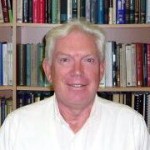
Masakazu Watabe

I have been invited to share my testimony on the Website, but I do so with tremendous trepidation and ample apprehension about its value because I believe that a testimony is personal and that one has to experience on his/her own to truly appreciate and understand what is meant through the symbols of language. Testimony, for me at least, is gratitude I feel for the wonderful pouring of blessings I have received from above in my life. I do testify boldly that I have experienced the presence and love of the Savior and confirmation of the validity of the restoration of the fullness of His gospel in my life and the fact that all the good things I have enjoyed in my life come from our loving Heavenly Father. The purpose of life I come to understand and joy I feel through the teachings of the restored gospel of Jesus Christ is what my life is all about and I hope to be able to explain accurately, though not completely, the conviction, gratitude, and faith which exist in my heart and mind through the symbols of language.
A noted brain researcher in Japan named Takeshi Yourou, who taught and researched at Tokyo University for over forty years, wrote a book called Baka no Kabe (The Wall of Stupidity). My understanding of the main point of his writing the book is that our brain is such that no one can be absolutely objective. Our brain is conditioned such that what we see and what we think are totally influenced by what our brain has experienced. For example, he shared the experience of showing a film on childbirth to medical students, and the male and female students had totally different reactions to the same film they watched. He goes on to say that even science, which many Japanese believe and trust to be true, is not completely reliable. Only God knows truth, and human beings are incapable of observing truth objectively because of the way our brain is put together. There lies the limitation or the wall of our human existence, and we live without realizing this fact.

I am not sure if he is a religious person but, regardless of his belief, it is a fact that our brains are limited in that they make us see things with the way they have been conditioned through earthly experiences. This claim explains why we have different cultures in the world and why people observe and think differently even though we see and experience the same thing. I believe we have different religions partly because of this limitation, and that people discuss, argue, and even fight because of the wall of stupidity.

As I grew up in a society pretty much dominated by non-believing people who trusted only in verifiable facts, I was deeply troubled around the time of my awakening age of intellectual growth. I remember distinctly one of my high school teachers in an ethics class posing this question: I hope we have no young men or women who still believe in fairy tales such as God, Christ, and angels, or do we? Having been raised in an LDS home with the stories of Joseph Smith, the Angel Moroni, the resurrected Jesus, and Peter, James, and John, as well as John the Baptist and others, I wondered if what I had been taught by my parents and Church leaders was nothing but mere fairy tales for children and not for a young man starting to grow out of childhood.

I was blessed with wise Church leaders in Japan when I was going through my transition time of awakening from my fairy-tale-like faith to a more science-oriented approach to life. As I was just starting to doubt if what I had been brought up with at home with the restored gospel might be due to my visionary and pure-hearted father who had accepted the restored gospel and whether what I was taught at school might be true, I was challenged by my branch president to go out to look at the stars every night for at least five minutes. Fortunately, around that time, our house was surrounded by fields and bushes where I could go to be alone, even though it was in the middle of a metropolis, Yokohama, and I used to go out for five minutes every night to look at the stars. Soon I discovered how to talk with Heavenly Father, and the spiritual experiences I had there are such that I could not deny the fact that Heavenly Father and Jesus live. For me, it was the resurrection of Jesus and his atonement for all mankind that challenged me to believe. Once I knew that he died for all of us and that he has risen and still lives, I did not have any problem accepting His and Heavenly Father’s appearing to Joseph Smith to restore their gospel here upon the earth. I have learned that this spiritual experience I had was for me personally and for what I must do in my life. The way I live should be a reflection of what I experienced then, and the details of His attributes and gospel are to be learned in my studies and experiences later. Although I have encountered many temptations to give up the gospel and have made many mistakes along the way, this experience I had alone in Yokohama has helped me throughout my life to follow His example and enjoy His embracing love.

In school, we are challenged and taught to think more analytically with concrete evidences and verifiable facts, which I have pursued in my own professional life. With this educational background, mostly in the academic discipline in Japan, I have always questioned and have been skeptical of people in the Church who would testify with the phrase, “I know….” In linguistics, knowing does not express a strong conviction. Knowing is what we call a fact verb, meaning you cannot know something you believe in, even with an unwavering or unshakeable faith, or, for that matter, it is not used to express your belief and opinions, however strongly you feel about your conviction. To say that I know means that I know as a fact through some concrete facts and verifiable evidences. When I was growing up in Japan we never used to bear testimony using the verb know in Japanese, but somehow some Church leaders in Japan must have taught and persuaded members to bear their testimonies with the verb know just as in English. This sounds so strange and sometimes even arrogant to those who are not familiar with Church vocabulary and customs.

However, over the course of my life, I have learned something interesting. Anyone who has studied Romance languages knows that there are two types of the verb know. The French word savoir has cognates in other Romance languages: sapere in Italian, sabier in Spanish, and saber in Portuguese. The Latin root is present even in English, in a familiar word such as Homo sapiens, “knowing or intelligent people.” The Latin sapere is intellectual wisdom or knowledge gained through mental exercises. On the other hand, to know through one’s experiences is connaître (French), conoscere (Italian), conocer (Spanish), and conhacer (Portuguese). To express knowing a person or having been in a place, the verbs of experience, the latter group, are used. The first group of knowing is used to express intellectual knowledge and not empirical knowledge, such as “I know of that person” (meaning that I am not acquainted with that person but, intellectually, I know who he/she is.)

For the sake of explaining myself, I am going to call the first group of knowing “intellectual knowledge,” as opposed to knowledge through experiences, “experimental knowledge.” When the Lord challenged us that life eternal is to know Him and His son Jesus Christ (Doctrine and Covenants 132:24), he probably meant experimental knowledge (see Mosiah 5:13; Alma 5:45-46; 26:22; Doctrine and Covenants 11:14; 93:28; 112:26) rather than intellectual knowledge. With experimental knowledge, a person must plant the seed and see it grow in order to know (Alma 32:26-43.) In this sense a person truly can know the truthfulness of the gospel even though he/she may not have full intellectual knowledge. I believe true testimony is a combination of both experimental and intellectual (see “I will tell you in your mind and in your heart,” in Doctrine and Covenants 8:2).

Although my testimony is based on personal experience that I had when I was young, and subsequent experiences have been to confirm and reassure my first experience, my intellectual seeking has not contradicted my spiritual experiences. Actually, it has augmented and supplemented my spiritual experiences, though intellectually I admit that there are still many questions.

Intellectually, one of the facts that this restored gospel helps me to understand is the universality of the gospel of Jesus Christ. I hope I do not offend people who are so caught up in the Judeo-Christian tradition only, but the gospel of Jesus Christ without the knowledge of the restoration of its fullness does not make sense to me. I cannot conceive that the Savior, the creator of this entire world, would create the world and provide the gospel without means for everyone to know Him and his teachings so as to attain eternal happiness. The Judeo-Christian tradition would become nothing but another philosophy and religion peculiar to the region and culture where it developed. However, the restoration of the fullness of Jesus Christ makes sense in the eternal and universal (not just in the universal sense of “the world today,” but including all of His creation from the beginning to whatever is to come—a real sense of Catholicism) nature of the plan of the Savior. President David O McKay relates a poignant experience of a Chinese student who heard about Christianity from a Christian minister.

A Chinese student, returning to his homeland, having graduated from one of our leading colleges, was in conversation with a Christian minister also en route to China. When this minister urged the truth that only through acceptance of Christ’s teachings can any man be saved, the intelligent Chinese said: “Then what about my ancestors who never had an opportunity to hear the name of Jesus?” The minister answered: “they are lost.” Said the student: “I will have nothing to do with a religion so unjust as to condemn to eternal punishment men and women who are just as noble as we, perhaps nobler, but who never had an opportunity to hear the name of Jesus.” (David O McKay, True to the Faith, pp. 21-22)

I do not think that even Joseph Smith realized the magnitude of the restoration when he first went to the grove to pray. My reading of his subsequent experiences is that the Lord revealed the restoration of the fullness one step at a time, and that the life of Joseph was somehow spared to complete the divine work. This gave the true meaning of the Judeo-Christian tradition in the realm of the entire plan, and our existence starts making sense rather than being just a part of arbitrary existence here upon the earth.

It is extremely interesting that the Lord sends Moroni to announce the restoration of the Priesthood by the hand of Elijah in the first revelation in this dispensation in 1823 (Doctrine and Covenants 2) and its meaning does not become completely clear until almost the end of Joseph’s mortal life in 1843 (Doctrine and Covenants 130, 131, and 132), after the restoration of baptism for the dead and after the temple ordinances were revealed (Doctrine and Covenants 124, 127, 128). We often emphasize the part of the priesthood as the power to act in His name as it was restored in 1829, but it is not only that but, probably more importantly, it is the power to become like him—and the smallest unit of the priesthood is a man and a woman together (Doctrine and Covenants 131, and Elder Dallin Oaks’s conference talk, October 2005). In this sense, Abrahamic covenants become a pattern of a more significant realization of eternal blessings promised to those who accept the Savior, rather than to be limited to the earthly blessings given to the patriarch of the people of that region at that time. To think that Joseph and Hyrum sealed their testimonies with their own blood gives appreciation for the magnitude or the significance of the restoration (Doctrine and Covenants 135). It is sobering to realize that Hyrum was so chosen because of the falling of the once so-ordained Oliver Cowdery (see Doctrine and Covenants 6:18; 20:2-3; 124:95).

These are a few fundamental facts, of many others that are part of my intellectual testimony of this gospel, but, as I have mentioned, these are to supplement the experimental knowledge of the restored gospel, which has grown significantly after so many proofs of testing and experimenting. What excites me about the restored gospel of Jesus Christ is that it encompasses any truth and all truth (Discourses of Brigham Young, p. 3). I find so many wonderful thoughts and principles taught in Shintoism, Buddhism, Taoism, and Confucianism that strike a chord with my understanding of the restored gospel. It is comforting for individuals interested to find out what is truth to know that the truths we find (of course with faith), or anything we find virtuous, lovely, or of good report or praiseworthy, is part of the restored gospel, and that we are admonished to seek after these things (The Articles of Faith, 13.)

John Steinbeck is reported to have said that a genius is a little boy chasing a butterfly up a mountain (theparisreview.org/media/4156_STEINBECK.pdf). I am not a genius, but I have lived my life chasing the Savior I discovered when I was a little boy in the fields and bushes of Yokohama. As I look back at the little hill I have climbed chasing after the Savior in this life, I can truly say that He lives and that I am grateful for His love and atonement. The resurrected Savior did appear to Joseph to restore His fullness of the gospel and has provided the way for all those, dead or alive or waiting to come to this earth, who believe in Him and learn and strive to be like Him, to have an opportunity to progress or continue to increase for eternity. If this little hill I have climbed is a glimpse of the eternal increase and blessings promised, it is worth continuing to climb, chasing after the love and example of the Savior. I am grateful for that experience that Heavenly Father gave a young unimportant boy like me in a tiny corner of His vineyard, and all the good things my family and I have enjoyed in our lives truly come from Him. Of this I testify.

—————————————————

Masakazu Watabe was born in Sendai, Japan, in 1947 and moved to Yokohama in 1958. He graduated from junior high school with the highest achievement test score of that school and was admitted to Yokohama Hiranuma High School, the top high school in the city, then, with a national scholarship from the Ministry of Education. In 1966, upon graduation from that high school, he passed the entrance examination for the National University of Tokyo Kyoiku (presently Tsukuba University), again with a national scholarship from the Ministry of Education given to top college students selected in a nation-wide competition.

He took a leave of absence from the national university and went to Brigham Young University. After studying at Brigham Young University for two years, in 1968, he decided to withdraw from the National University of Tokyo Kyoiku, and served in the Brazil Central Mission for the Church of Jesus Christ of Latter-day Saints. He returned to Brigham Young University in 1971, where he finished his BA in Portuguese Literature in 1972 and an MA in Linguistics in 1973.

He worked for the U.S. State Department intermittently as an escort interpreter in 1973 and 1974. He received his Ph.D. in Theoretical Linguistics from the University of Southern California in 1978. He taught English as a Second Language and Japanese at the University of Southern California and East Los Angeles College from 1973 to 1977 and then accepted a full time position at Brigham Young University in 1977, where he continues to teach Japanese as a professor.

While he has been teaching at Brigham Young University, he has served as the chair of the Department of Asian and Near Eastern Languages (1985-1992) and as coordinator of the College of Humanities Language Acquisition MA program (1997-2000.) He also directed the nationally and internationally acclaimed summer Japanese immersion programs at Indiana University and Middlebury College (1989-1990; 1991-2000.)

His publication and research specialty includes analyses of the Japanese and English languages, language teaching, and developing teaching and learning materials. He has authored several textbooks and CD materials being used in several colleges in the U.S. and in Japan.

In the Church, he has served as an instructor in various organizations, a member of quorum presidencies and group leadership, a bishop’s counselor, a bishop, a member of two stake presidencies, and a member of several high councils. He is most proud of his three children and their spouses, his fourteen grandchildren, and the numerous outstanding students he has taught over the years from all over the world.

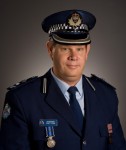
Grant Pitman

Testimony of Christ and the Restored Gospel

Elder Bruce Hafen of the Seventy described the early foundations of the Church of Jesus Christ of Latter-day Saints in Australia as a missionary church. My testimony of the Saviour, the Prophet Joseph Smith, the Book of Mormon and the restored Gospel had its genesis in a North Queensland town far from the centre of the Church in America. Goodly parents were converted to this new religion, which appeared in the town in the form of two missionaries and was the key for my developing testimony of eternal truths. As a young person in a missionary church, I learnt at an early age about the visitation of the Father and Son to the boy prophet Joseph, about the translation of the Book of Mormon, and that there was a living prophet on the earth today from my newly-converted parents and missionary teachings.
In my youth I wanted to know personally if this church and its doctrines were true. I diligently applied the test contained in the Book of Mormon, Moroni chapter 10, verses 4-5, which I had also studied in courses at seminary and Institute. As I prayed about the truths contained in the Book of Mormon, I knew within my mind and by the feelings of my heart and the experiences I had enjoyed as a member of the church that the Book of Mormon was true, that Christ lived, and that Joseph Smith was a true prophet. The Holy Ghost had answered my prayer and made manifest the truth of these things.

As result of this testimony, I served a mission in the southern States of Australia, where my testimony and knowledge of divine truths associated with the Church of Jesus Christ expanded and became part of my character and personal values. The presentations we gave to people wanting to know the truthfulness of the Church had been fully accepted by me as divine truths revealed by the power and influence of the Holy Ghost.

Presidents John Covey and Bruce Mitchell, my mission presidents, were mentors in my studies and growing testimonies concerning the infinite atoning sacrifice of Christ, the power of conversion by the Holy Ghost, the miraculous appearance of the Father and Son to the Prophet Joseph Smith, and the keystone of our religion—the Book of Mormon. This great missionary work that we were performing under President Spencer W. Kimball’s administration, who had asked us to “Lengthen our Stride,” was an important time of growth in my life. I had developed a strong testimony of the doctrine of Christ and how the doctrine applied to missionary work, which remains with me to this day.

My future academic studies and professional policing career were influenced by church leaders and my father. I should point out that, in Australia, academic studies and the career I had chosen were not considered compatible, both within the university and policing environment. The Dean of the Arts faculty questioned the enrolment details, and in particular my reasons for studying an Arts degree, my career option, and my involvement as a missionary in the church. When I applied to be a police officer, the selection panel questioned my religious beliefs and interests in education, and then recommended that I would not make a suitable applicant for policing. The decision of the panel was overturned by the Police Commissioner, who had known my father (who was then serving as a police officer).

Later in life, my profession experienced a major corruption scandal, and the inquiry outcomes recommended a major shift in educational and ethical standards for police officers. Both the academic studies and professional ethics I had undertaken in my early career were supported by my religious standards and beliefs. But, even after the reforms, I was often asked to explain or justify my religious beliefs and education interests. At the time, I had completed a masters thesis on police corruption and was studying for a doctorate on police commissioner and minister relationships. I was the only police officer in the organisation with major post-graduate qualifications.

As part of my justification, I often had to explain why I believed in Christ, the moral code I lived, and the health standard I adhered to. My responses have strengthened my testimony in the Church of Jesus Christ of Latter-day Saints. On another occasion, whilst recommending a policy initiative for improving education and training of police after the corruption inquiry, I was introduced to the Police Minister as a person who did not drink liquor, tea, or coffee, did not lie and was a religious man. I have had to literally live the Apostle Paul’s admonition, “For I am not ashamed of the Gospel of Christ for it is the power of God unto Salvation” – Romans chapter 1, verse 16.

In addition to my educational development and professional role, I have been asked to serve in many roles of responsibility in the Church involving the counselling of individuals and families in personal affairs. My testimony has helped others understand and develop their own testimonies of the Saviour’s Atonement and the restoration of the Gospel and the influence of temple covenants in their lives. I have developed an extensive understanding and testimony of the doctrines of salvation explained by the leading brethren of the church, the scriptures, and recognised church academies. My testimony has been elevated to new heights as I have been able to appreciate and more fully understand the atonement of Christ, the creation of the earth, the role of Adam and Eve, the power of the resurrection, the second coming of the Saviour, modern day church history, and the divine purposes of temples.

My role in my professional and church responsibilities has constantly brought me into the sphere and influence of many prominent politicians, academics, media, and interfaith representatives at a local and national level. My values and religiosity are the result of the doctrines of this Church. I have explained to all that I believe in Jesus Christ as the Son of God, the Saviour of the world, and as my personal Saviour. I try to model my life on his teachings and I commemorate Christ’s great atoning sacrifice by attending Sunday and temple worship services.

I believe in the Holy Bible and the Book of Mormon—an additional witness to the ministry of Christ—and in modern-day revelation. The Book of Mormon answers questions about the purpose of life. I regularly join with people of many faiths to address local community service and needs. This church that I belong to has a unique place in the Christian world as a restored Christianity and a latter-day church like the ancient church in Christ’s day, which was led by apostles, served by a lay ministry, and emphasized service and good works.

As a result of my beliefs, I support personal trustworthiness and integrity, the need for strong marriages and families, self-reliance and strong work ethic, education and self-improvement, healthy living and civic participation. I have been able to contribute to my country, church, community, and family with good ideas and practice, strong religious principles and moral values, principle-centred policy development and academic papers, to build a better community in Australia.

—————————————————

Grant Pitman is the executive manager of the Information and Communication Technology Command-Major Projects for the Queensland Police Service in Australia, and holds the rank of Acting Chief Superintendent. He also holds a Master of Administration degree and a Ph.D. in public policy from Griffith University.

His extensive professional service at national, state, and regional levels includes participation in numerous groups and committees, among them the Ipswich Economic Forum, the Brisbane Airport Emergency Planning Committee, the National Emergency Communications Working Group, the National Police Drug and Alcohol Task Force, and the Police Education Advisory Council (for which he was the executive officer). He has chaired several of these groups, including the South West Regional Traffic Committee (1994-1996), the Australasian Police Traffic Forum (2000-2002), the National Neighbourhood Watch Committee (2002-2003), and the District Disaster Management Group for Brisbane, Redland, and Pine Rivers Council (2004-2008), and he co-chaired the National Police Communications Group (2004-2008).

Dr. Pitman has been involved with many aspects of policing, such as disaster management, communications, traffic enforcement, auditing and finance, government policy development, education and human resources, and organizational reform. He has managed 300-1000 staff in the corporate services, operational support, and operational areas of the Queensland Police Service, involving budgets ranging from two to sixty million dollars, and has been the program manager for projects totaling over $200 million in funding. His experience includes managing major incidents such bomb threats, fires, industrial accidents, major crimes (e.g., shootings), and rallies, and he has conducted more than 120 internal disciplinary investigations. He won the Premier’s Award for Innovation in 2003 for his work on a mental health intervention program, and has received two police medals for long service (thirty-four years) and integrity.

An adjunct associate professor at the Queensland University of Technology and an adjunct senior lecturer at Griffith University, he has also lectured at two other universities and has published more than thirty articles on police education, public policy, and management, including items in the Australian Police Journal, the Australian Journal of Emergency Management, the International Journal of Police Science and Management, and Criminology Australia, as well as “Australian Police Education, Training and Professional Development,” in R. Broadhurst and S. Davies, Policing in Context: An Introduction to Police Work in Australia (Melbourne: Oxford University Press, 2009).

He and his wife are the parents of six children. He has held many responsible positions in the Church of Jesus Christ of Latter-day Saints, such as bishop and stake president, and he currently serves as the Multi Stake Director of Public Affairs for Queensland.

Posted January 2010

Ron Hellings

I am a skeptic. I know many people who are skeptics, but most of them are amateurs. I am a professional. It’s what I do for a living. I am a scientist, and a scientist needs to be skeptical. I don’t know if I am a scientist because I am a skeptic or if I am a skeptic because I am a scientist, but I am clearly both. I would rather risk disbelieving something that is true than believing something that is false. I don’t recommend this attitude, but I can’t help it. I just refuse to believe junk.
My reason for beginning this way is to make it clear that, when I say that I am sure that God exists, that conclusion is based only on the most solid of foundations and evidence. It is based on this: I have spoken to God in prayer, and he has answered me.

Several years ago, there was a space mission proposed jointly to NASA and to ESA (the European Space Agency). The goal of the mission was to test Einstein’s equivalence principle. I was the NASA study scientist for the mission. During the first few months of our work, I came to know my counterparts in ESA fairly well. For one early spring meeting, I booked myself into the small English bed and breakfast cottage that they had recommended, and where they were staying themselves. After the first day’s meetings, we came back to our cottage for a huge meal (and a pretty good one, by English standards), after which we retired to three large armchairs by the fire. My two friends sat with their whiskeys and I sat with my mineral water and we began to chat.

After a few minutes, one of them came up with a question for me, totally out of the blue. “Ronald,” he said (he always called me Ronald), “I know that you are an intelligent man and a good scientist. But I must tell you that I don’t know any other scientists who believe in God. How is it possible for an intelligent man like yourself to believe in God?”

I had, of course, spent a lifetime appreciating the impeccable logic and the internal and external evidences of the restored gospel, and my first impulse was to begin there. But the way I finally chose to answer surprised even me. My answer was basically the same statement I have given above. I have spoken to God in prayer, and he has answered me.

“This sounds to me like wishful thinking,” my friend said. “You want for there to be a God, so you have imagined that you have received an answer.”

I thought for a minute and then responded to him. “How do you know that I am speaking to you right now?” I asked. “Can you see the sound waves, or do you feel a tickling in your ears?”

“No,” they both answered.

“No,” I said. “What you are aware of is that words and ideas have come into your mind, words that you didn’t put there. They do not represent thoughts of your own and they did not come through your logic. You know that, and so you know that they must have come from someone else. And that’s the way it is when I receive answers to my prayers. The thoughts are there, they are clear, and they obviously did not come from myself.”

“I just find that hard to believe,” the ESA scientist said.

“That is because you were not there,” I answered. “If you had had the same experiences I have had, you would believe exactly the same things I do. You would have no choice. I have no choice. I was there. I know what I sensed, and I cannot pretend that it did not happen.”

My two friends did not become believers, because my experiences could never substitute for the experiences that they must have for themselves if they are ever to have a clue as to what I was talking about.

I once saw a bumper sticker that read “Faith is believing in something you know isn’t true.” That offends me. That is not what I mean by the term faith. It is not what most people mean by faith, and so it is a bad definition. I also do not understand people who say that they “choose” to believe something. I don’t think you can choose to believe. If I could choose to believe something, I would believe that I am the most intelligent man in America. That would feel good; I would like to believe that. But I can’t, because I know better. I can only believe things that I reasonably expect to be true.

Many people have asked me if my study of the universe has strengthened my faith in God, if seeing the immensity and the orderliness of the universe has helped prove God’s existence. I hope I do not offend anyone when I say that I have no idea what they’re talking about. The nearly perfect spherical shapes of the large heavenly bodies prove nothing except that gravity is a central force. The regularity of the motions of the planets is the simple result of gravity being conservative. And the stars and the galaxies look to me like they have been poured randomly out of a salt shaker. I see no miracles out there. They may be there, but I don’t see them. The miracles I see are in here, inside me and inside others who are led by God to acts of love and sacrifice. Those are amazing. They are the evidence for God.

I have heard people say that science and religion are two paths to truth. I do not believe that. There is only one path to truth, and to me it seems closer to science than it is to what passes for religion in most people. But it is not the scientific method. The only people I know who care about the scientific method are philosophers. Scientists don’t worry about it. What scientists do is what Karl Popper said in his cute definition of science: “Science is doing your damnedest with your mind – no holds barred.” The problem with science is not the process, but the artificial limits that most scientists put on the evidence they will accept. Evidence, they say, must be objective. This is a reasonable limitation, in a way, because the goal of science is not just to find truth, but also to communicate it. And you can only communicate things that others will understand through your common experience. But many scientists use this limitation on what they can communicate to others as the criterion for what they will accept for themselves. They will not seek a revelation because it would be a subjective evidence. So what? What a brain-numbing, truth-avoiding, closed-minded attitude this is! This is not doing your damnedest with your mind, no holds barred; it is setting up artificial rules that exclude a wealth of evidence and knowledge. This is bad science.

What is good science is the process described by Alma to the poor among the Zoramites:

27. But behold, if ye will awake and arouse your faculties, even to an experiment upon my words, and exercise a particle of faith, yea, even if ye can no more than desire to believe, let this desire work in you, even until ye believe in a manner that ye can give place for a portion of my words.

28. Now, we will compare the word unto a seed. Now, if ye give place, that a seed may be planted in your heart, behold, if it be a true seed, or a good seed, if ye do not cast it out by your unbelief, that ye will resist the Spirit of the Lord, behold, it will begin to swell within your breasts; and when you feel these swelling motions, ye will begin to say within yourselves—It must needs be that this is a good seed, or that the word is good, for it beginneth to enlarge my soul; yea, it beginneth to enlighten my understanding, yea, it beginneth to be delicious to me. [Alma 32: 27-28]

This is good science. It proposes an experiment and predicts the outcome. I will grant that the conditions (casting out by unbelief, resisting the Spirit) must be subjectively evaluated, as must the outcome. So, again, my experience cannot substitute for anyone else’s. But the testimony I bear is that it works. God is there. He will honor his prophets’ words. I promise.

————————————————

Ron Hellings was born and raised in Pasadena, California. After serving 2 1/2 years in the French East and Franco-Belgian missions, he returned to marry his sweetheart, Dee, and complete a BS in Physics at BYU, an MS at UCLA, and a PhD at Montana State University-Bozeman. He has taught Physics at Southern Oregon University, University of Nevada-Las Vegas, Cal Poly-Pomona, and Harvey Mudd College. Ron spent twenty-five years as a Research Scientist at NASA’s Jet Propulsion Laboratory before moving back to Bozeman in 2001 to work as a Research Professor in the Physics Department. For a period of three years during his time at Montana State University, he was actually on loan to NASA Headquarters in Washington DC to act as Program Scientist for the Astrophysics Theory Program. His research interests are alternative theories of gravity, experimental relativity, solar system dynamics, gravitational wave astronomy, pulsar timing, and relativistic cosmology. In the Church, Ron is basically a Gospel Doctrine teacher, having spent a total of 25 years in that calling in various wards. He has also recently served as bishop of the Bozeman University Ward. Ron and Dee have three married children and four grandchildren.

Posted January 2010

Philip D. LaFleur

Ever since my first real science class in primary school I knew I wanted to be a scientist. My first dream was to be a physician, but economics intruded, and I became a chemistry major at Idaho State. It was there that I became infatuated with radioactive materials, and the initial part of my career was spent in nuclear and radiochemistry. (I used to joke that moving into management was no big deal, since I was already used to working with instability). I have never been particularly bothered by seeming disconnects between science and religion. I certainly do not understand the actual creation mechanism(s); when I was teaching at BYU, I used to tell my students that, when I depart this earth, one of my first orders of business is going to be to find the Master Chemist and learn how all this happened.
Although there has been a perceived conflict between science and religion for centuries, the assault on religion has become both louder and more vituperative in the last decade or so. Authors such as Richard Dawkins (see, e.g., The Blind Watchmaker, The Selfish Gene, The God Delusion) and Christopher Hitchens (e.g., god is Not Great, The Portable Atheist) have embarked upon what appear to be personal crusades to “demonstrate” the fallacy and silliness of believers’ understanding of our relationship with deity. Their argument is, unfortunately, bolstered somewhat by the approach of some biblical literalists (e.g., the Creation Museum in Kentucky and the Creation Evidence Museum in Texas, in both of which dinosaurs and humans are shown as contemporaneous) and by religious extremists who perform horrendous acts, ostensibly in the name of deity. Their argument is that no thinking scientist should ever be able to believe in God. Of course, there are many scientists who would disagree with that. An excellent example is Francis Collins, currently the Director of the National Institutes of Health and previously the director of the human genome project, who wrote the book The Language of God. Recently Dawkins was the guest on the program “Radio West” (KUER, 11:00 AM), and Collins drives him a little nuts.

My personal take is that there are too many things that are tailor-made for us to exist for this to be accidental. One of my favorite examples is probably the most important chemical in the universe: water. Since we are surrounded by water, and are largely water ourselves, we too often do not appreciate just how magnificent this little molecule is. I will give just a couple of examples. Water is one of the very few chemicals whose maximum density is at a temperature (4 °C) above its freezing point (0 °C). This means that streams and ponds freeze from the top down, and not from the bottom up, making possible the winter survival of aquatic fauna. Water has a very high heat capacity, meaning that we can walk outside in summer without immediate heat stroke, or in winter without becoming icicles. Water also has a very high heat of vaporization, which makes it possible for us to keep our body temperature down on very hot days as we perspire. Water is a fantastic solvent, which allows the myriad chemical processes in our bodies to occur. The essentiality of water for life is demonstrated by the tons of money spent to discover if water is present on Mars, the moon, etc.

As we read in Moses 1 and Doctrine and Covenants 76, our earth is just one of God’s innumerable creations. Astronomers are now finding that lots of stars have planetary systems. We haven’t, and may never, find which stars have planets hospitable to life but, with our understanding of the scriptures, we know that they’re there.

The bottom line is that understanding science strengthens my testimony rather than weakens it. Knowing that God is our loving Father, who communicates with us through His chosen servants on earth, and that He sent His Son to be an infinite sacrifice for us leaves me much more awe-struck than does science (although I think science is pretty wonderful). In the name of Jesus Christ, Amen.

————————————————

Philip D. LaFleur was born in Anaconda, Montana, but grew up mostly in Idaho. He graduated from Idaho State College (now Idaho State University) with a major in chemistry, and then received an M.S. degree from the University of Idaho (M.S. Thesis: The Determination of Strontium-90 in Soils and Biological Materials) and a Ph.D. from the University of Michigan. The principal thrust of his dissertation was measuring the distribution of prompt X-rays (emitted in the first 700 nsec) from the slow-neutron fission of uranium-233, uranium-235, and plutonium-239. Secondarily, he developed rapid chemical separation methods (less than one minute) to examine short-lived fission products, primarily molybdenum isotopes. He also developed methodology for the production of sterile, pyrogen-free fluorine-18 in a cooperative research program with orthopedists at the University of Michigan Medical School. During his career he was employed at the U. S. Atomic Energy Commission, the National Bureau of Standards (NBS), and the Eastman Kodak Company. Following retirement, he taught chemistry at Brigham Young University for five years. After a few years as an active researcher, he moved into technical management, becoming the Director of the Center for Analytical Chemistry at NBS and the Director of the Analytical Technology Division in Imaging Research and Advanced Development at Kodak. He is the author or co-author of about 25 publications in learned journals, and is the editor of the book Accuracy in Trace Analysis: Sampling, Sample Handling, and Analysis (NBS Special Publication 422, two volumes, 1976). He received the Department of Commerce Silver (1972) and Gold (1979) medals for his work in the development of natural-matrix Standard Reference Materials and for the development of analytical technology. He has served as a member of the editorial advisory boards for the journals Analytica Chimica Acta and Analytical Chemistry. He delivered plenary lectures during the 1970s at the Inter-American Chemistry Conference in Mexico City and the Analytical Division of the Congress of the International Union of Pure and Applied Chemistry in Tokyo. He has been invited to speak at conferences and universities throughout the world, and has been the organizer and/or program chair of a number of symposia throughout his career.

Posted January 2010

Davis Bitton

With the kind permission of his widow, JoAn Bitton, we include, posthumously, something of the testimony of Professor Davis Bitton, an eminent Latter-day Saint historian and a dear friend to many. We are confident that he would have wished to contribute to this “Mormon Scholars Testify” Website.

In 1992, Dr. Bitton circulated this testimony of the Book of Mormon:

The thing that impresses me especially in going through the Book of Mormon this year is its relevance to our times. True, it was read with appreciation by the early converts in the 1830s, who must have found a message for themselves, and by every generation since then. But I find it hard to believe that it has ever spoken more directly to a situation than it does to our own.

Secularism has continued to advance. Religion is a taboo subject in the schools. The airwaves and movies are filled with a message of moral relativism: nothing is really good or bad, and we are out of bounds in judging the behavior or motives or others. Condoms distributed in classrooms. Switchblades and even guns showing up in the possession of even junior high school students. Drugs and sexual license rampant—in the inner cities especially, but also among the yuppies, and tolerated and found to be amusing by the media elite. Concern about moral decline is not new, of course, but never before have converging influences been so powerful and destructive.

The Book of Mormon lets us know what happens when a society loses its moorings, when the primary desires of people are for gain, when anything goes. It is a grim picture, this repeated description of those who persist in living “without God and Christ in the world.”

But of course the Book of Mormon holds out to us “a more excellent way.” Follow the Master, keep the commandments, meet together oft, pray always, have faith, hope, and charity, come unto Christ and be perfected in him—this wonderful gospel message comes across to all who have ears to hear. How grateful we must be if we are among those who still have the capacity to be touched and inspired by this glorious “voice from the dust”!

Davis Bitton passed away on Friday, 13 April 2007. The obituary that appeared in the Deseret Morning News on the following day, prepared by Professor Bitton himself roughly a decade before his passing, captured much about the man:

R. Davis Bitton 1930–2007. I, Ronald Davis Bitton, have moved on to the next stage of existence. As you read this, I am having a ball rejoining my parents and grandparents, uncles, aunts, cousins, and dear friends and associates I knew on earth. I am wide awake, no longer struggling with the narcolepsy that handicapped but did not defeat me, and cheerfully taking in the new state of affairs and accepting the callings that will occupy me there. It has been an abundant life. Growing up in Blackfoot, Idaho, where I was born on 22 February 1930, and on a farm in nearby Groveland, I never felt one moment of familial insecurity. My parents, Ronald Wayne and Lola Davis Bitton, loved me and did everything they could to see that I had opportunities, including piano lessons from age six. I learned to work in the house, in the yard, on the farm, and in local retail stores. I learned to write as a reporter for the Daily Bulletin. I remember enjoying a trip to the San Francisco world’s fair, fishing and hunting trips, scouting camps, and community concerts. I had great friends and was elected to several student offices. I learned to compete in softball and basketball. I joined a crack high school debating team. As a student at Brigham Young University, missionary in France, enlisted man in the U.S. Army, and graduate student at Princeton University, I felt myself growing in understanding. I went on to be a professor of history at the University of Texas at Austin, the University of California at Santa Barbara, and, for 29 years, the University of Utah, enjoying many congenial students and colleagues. I have presented papers at scholarly conventions and published articles and books. I have loved good food, good books, the out of doors, music, art, the dappled things. A nurturing home throughout my life has been the Church of Jesus Christ of Latter-day Saints. Bishops, stake presidents, teachers, mission presidents, and general authorities I have known have been people I could admire and follow. My own opportunities to serve have been numerous, starting at a very young age and including elders quorum president, counselor in a bishopric, member of the stake high council, and gospel doctrine teacher for many years. From 1972 to 1982 I served as assistant church historian. I have loved the hymns, the scriptures, the temple. I am grateful for Aunt Vilate Thiele, my mother’s sister, a steady friend; my other uncles and aunts on both sides; my brother John Boyd Bitton; my sisters Marilyn Bitton Lambson and Elaine Bitton Benson; wonderful nephews and nieces; children Ronald Bitton, Kelly Bitton Burdge, Timothy Bitton, Jill Cochran, Stephanie Ross, Debbie Callahan, Larry Morris, Judy Nauta, Earl Morris, Delbert Morris; their spouses; and 56 grandchildren and great-grandchildren, all of whom are to me a delight. Having learned the value of loyalty, I appreciated the affection and interest of my family as well as cherished friends. No one has been more important to me than my dear wife and companion JoAn, a woman loved by all who knew her. She rallied to my side, stood by me through thick and thin, grew with me, laughed with me, made good things happen, and, marvel of marvels, agreed to be my companion through time and all eternity. I have not lived a perfect life, but I have tried. And I know in whom I have trusted.

————————————————-

At the time of his death, Davis Bitton (Ph.D., Princeton University) was an emeritus professor of history at the University of Utah. He was a scholar of European history, having written, among other things, The French Nobility in Crisis, 1560–1640 (Stanford: Stanford University Press, 1969). But he was also deeply committed to the study of Mormon history, and, in addition to his duties at the University of Utah, served as assistant historian of the Church of Jesus Christ of Latter-day Saints and helped to found the Mormon History Association (MHA). He delivered numerous academic papers at the Association’s annual meetings and served as its president from 1971 to 1972. Author of a large number of articles, essays, and books, he won the MHA’s 1975 Best Article Award for “The Ritualization of Mormon History” (Utah Historical Quarterly 43/1 [1975]: 67–85) and “The Making of a Community: Blackfoot, Idaho, 1878 to 1910” (Idaho Yesterdays 19/1 [1975]: 2–17). He took the MHA’s 1977 Best Bibliography Award home for his Guide to Mormon Diaries and Autobiographies (Provo, UT: Brigham Young University Press, 1977). With Leonard J. Arrington, he wrote The Mormon Experience: A History of the Latter-day Saints (New York: Alfred A. Knopf, 1979). In 1999, he received the Association’s Best Book Award for George Q. Cannon: A Biography (Salt Lake City: Deseret Book, 1999). Particularly relevant to readers of this Website might be his essay “I Don’t Have a Testimony of the History of the Church,” FARMS Review 16/2 (2004): 337–54, and his editing of Mormons, Scripture, and the Ancient World: Studies in Honor of John L. Sorenson (Provo, UT: FARMS, 1998). Professor Bitton was notable for a remarkable wit, on display in such items as his critical review, late in his life, of something he had published as a newly-minted Ph.D decades before: Compare Davis Bitton, “Anti-Intellectualism in Mormon History,” Dialogue 1/3 (1966): 111–34, and “Mormon Anti-Intellectualism: A Reply,” FARMS Review 13/2 (2001): 59–62. An accomplished musician, he took first place in the Idaho state piano competition when he was a senior at Blackfoot High School and, commencing in 1954, studied piano in Paris for at least a year.

Posted January 2010

Larry St. Clair

Faith and Science as Ways of Knowing: Dealing With the Ostensible Conflicts

By design, mortality is intended to be an experience in uncertainty. Thus Alma, in teaching the poor among the Zoramites about “knowing,” said of faith:

Faith is not to have a perfect knowledge of things; therefore if ye have faith ye hope for things which are not seen, which are true.1

Faith is the basic operative principle of mortality and, as Alma’s definition explicitly points out, “faith is not to have a perfect knowledge of things” —thus confirming that mortality, by nature, requires that we must experience and learn to accommodate some measure of uncertainty in our lives. However, we mortals are inherently inclined to absolutes – uncertainty makes us terribly uncomfortable. But through faith—always anchored in truth—we can take heart and lay claim to the dual blessings of knowledge and divine wisdom. The Lord gives us knowledge according to our faith and spiritual preparedness. Some things are wisely withheld—simply because we are not prepared; however, in our yearning to know “perfectly” we often second guess the Lord and fabricate our own interpretation of the truth—a potentially dangerous course. Still, we are commanded to seek after knowledge—knowledge about things spiritual and things temporal.2 Indeed, the potentialities of eternal life demand that we faithfully seek after all truth.3 The central key to the meaningful pursuit of knowledge is to be consistently committed to “[following] the counsel of God.” Unfortunately, all too often we become entangled in our foolishness and assume because we “are learned [that we] are [also] wise.” But in our failure to “hearken … unto the counsel of God”4 we sadly disconnect ourselves from the revelations and wisdom of God.4

As a scientist and, more specifically, as a biologist, I have spent more than thirty years carefully considering various ideas and theories within my discipline. In some cases I have conducted experiments, collected and analyzed data, and finally interpreted the data to the best of my ability—all with the intent of better understanding how living things function and interact with one another and the physical environment that defines the boundaries of their existence. I have come to understand and accept the limitations of science as a way of knowing; I fully realize that there are some questions I cannot answer scientifically due to the inherent constraints of the scientific method. I have also come to understand and appreciate the fact that the scientific process never yields absolute answers; every idea and theory, no matter how well supported, is always open to further investigation and interpretation based on new data. Finally, I have come to see that there are times when there are gaps in my knowledge that cannot be effectively answered in the scientific context, ideas that require additional knowledge that is at times beyond both the scope of science and current revelation. At these times, I step back from the edge and realize that, when the knowledge of science is inadequate and eternal laws and truths have not yet been fully revealed, I must apply my faith with confidence (hope) that at some future point that piece of the puzzle will be revealed and all the appropriate connections will come into focus. I may even speculate a bit about possible answers and connections, but I am always careful to never “wax” myself or God into a corner defined by my imperfect interpretations.

In all honesty, I have never encountered any idea or theory in science that threatened or challenged my faith. Why? Because there are a few things that are central to my testimony and I diligently protect and sustain them with my faith. For example, I know that God lives, and I know that His Son, Jesus Christ, is both the Creator and Savior of the world. These are gifts given to me and regularly renewed for me by the Holy Ghost. With this knowledge firmly in place, I find that I am free to explore and examine any combination of spiritual and/or temporal questions. There are times when I think I might have reached a plausible conclusion about an issue or question, but I carefully protect myself from the tendency to deal in absolutes. I am always open to more data and more revelation as I seek to refine and purify my knowledge. I am also perfectly willing to leave the resolution of some issues to a future “celestial classroom” where “perfect knowledge” will surely abound and where “perfect love casteth out all fear.”5

Sadly, there are some science-related issues that have become contentious and have precipitated relentless and largely unproductive debate, and, tragically, some souls have been lost in the heat of the battle. In most cases the arguments from both sides have ignored the simple fact that there are inherent limitations to both science and faith—science can never prove anything absolutely and faith is always constrained by some degree of uncertainty. One such idea is Charles Darwin’s theory of evolution by natural selection. Below are some of the patterns I have used to minimize conflict while providing a working model for understanding both the science and faith sides of the creation discussion:

The Church’s stand on evolution is relatively simple and incredibly wise in light of the fact that the scriptures contain so little detailed information about the creative process. In a nutshell, the Church’s official stand is: 1) Jesus Christ is the Creator, organizing and setting in motion the Universe in general and our solar system and earth in particular; 2) the Creator and the creative process strictly conform to natural and eternal laws; and 3) humans are the literal spiritual offspring of God the Father. The facts as to the age of the earth and the processes of creation are not described in sufficient detail in the scriptures to prove or discount evolution as a mechanism for the origin and diversification of life on earth. On the other hand, as mentioned earlier, science is limited in terms of the kinds of questions it can accurately address. For example, it cannot research the possibility of a creator or in any way seriously seek to generate scientific data that could be used to confirm or discount the existence of a creator. Unfortunately, some on both sides of the issue try to push beyond the limitations of their “discipline” to lay claim to a “broader” and more “complete” interpretation of the question. However, it is incumbent upon all of us to stick to the “rules” and avoid the human inclination for overreach, for both the scientist and the faithful to diligently define and declare their personal interpretations within the real limits of their “discipline.”

Personally, as a devout member of the Church and a dedicated scientist, I do not see any serious conflicts between the process of evolutionary change and the scripture-based interpretation of the creative process. It is true that there are areas of uncertainty, things we simply don’t understand. However, at this point I am willing to use my faith to cover the uncertainty while patiently waiting for a day and time when the full connections and relationship are revealed. At that point, regardless of my own interpretations, I will without hesitation celebrate the truth!

Furthermore, I personally believe that information about the creative process is limited for a very good reason: humans are all-too-often easily distracted from the core purposes of mortality; we already spend far too little time on faith, charity, hope, forgiveness, and the atonement, while wasting untold hours on things that are of far less consequence. Frankly, at this point I have decided that I don’t need the details of creation. There are weightier matters that I need to focus on. That said, while keeping my priorities properly aligned, I am grateful for the opportunity to explore and contemplate the gifts of science, including the possibilities of organic evolution as a mechanism for the development and diversification of life on earth. Finally, one of the most important decisions I have made over the course of my life is to remember and follow the kindly admonition of President Eyring— “Great faith has a short shelf life”6 —and to make sure that, in all my getting of knowledge, I daily take care of my relationship with the Father and the Son.

——-

Notes:

1 Alma 32:21 (emphasis mine).
2 See Doctrine and Covenants 88:76-80.
3 See Doctrine and Covenants 93:24-28.
4 See 2 Nephi 9:29.
5 See Ether 3:19-20 and Moroni 8:16.
6 “Spiritual Preparedness: Start Early and Be Steady” Liahona, Nov. 2005, 37-40.

————————————————-

Larry St. Clair is a professor of integrative biology, the curator of non-vascular cryptogams, and director of the Monte L. Bean Life Science Museum at Brigham Young University.

He was born in Roanoke, Virginia, in June of 1950, and his family joined the Church of Jesus Christ of Latter-day Saints in November of 1952. He lived in Roanoke until he was five years old, but spent the next thirteen years of his life moving around to various military bases, beginning with Fort Belvoir, in northern Virginia, and including a three-year tour of duty in Naples, Italy.

Professor St. Clair has always loved plants, a gift that he says was given to him by his mother. He graduated from BYU with bachelor’s and master’s degrees in botany, and subsequently received a Ph.D. from the Department of Environmental, Population, and Organismic Biology at the University of Colorado in Boulder, Colorado. He has conducted studies in the general area of cryptogamic botany, with an emphasis on algae, cyanobacteria, and lichens. (The Herbarium of Non-Vascular Cryptogams in the Monte L. Bean Life Science Museum includes over 100,000 specimens.) His research efforts involve the use of lichens as bioindicators of air quality, and the ecology and restoration of soil crust communities. He has published more than seventy-five research papers in scientific journals, as well as A Color Guidebook to Common Rocky Mountain Lichens, which includes color images and descriptive information for almost two hundred lichen species. He previously chaired BYU’s Department of Biology for five years.

Dr. St. Clair served as a full-time missionary in the Japan Okinawa Mission. He and his wife, the former Rieta Cheney, of Gooding, Idaho, were married in December 1971, in the Idaho Falls Temple, and they now have six children and twelve grandchildren. He has served as a bishop twice, and currently serves as first counselor in the BYU 58th Ward. He loves to read, and dearly loves the outdoors; he spends most of each summer hiking and working in the national parks and wilderness areas of western North America.

Posted January 2010

Louis Midgley

To testify of my faith in Jesus Christ as the redeemer of otherwise lost and fallen human beings, I must tell some of my own story and explain how and why my own deepest understanding of who and what I am both grounds and forms the content of my faith. My story consists of, and also reaches back to and thereby incorporates, a lush network of other stories, including that of the recovery of the fullness of the gospel of Jesus Christ and the restoration of the necessary keys to and through Joseph Smith, and then also to what is recorded in our scriptures. How did I come to put my trust in God? What reasons can I give for my faith?

I have lived what I consider a charmed life. As long as I can recall I have been at leisure to read essays and books, and also free to discuss with others, both learned and otherwise, what I thought I had learned from what I read. These discussions, which have taken place in a host of venues, have helped winnow some of what appears to me to be genuine wheat from the abundance of chaff that a bookish person tends to pick up along the way. This began with conversations in my youth with my father. Though he had never set foot in a university, he loved books. He managed to infect me with his obsession. He had assembled a small library of great, good, and not so good books upon which he reflected and out of which he diligently sought wisdom. He was especially fond of Shakespeare. He loved poetry, which I therefore learned to detest. In addition to Shakespeare, my father’s favorite books were Alexis de Tocqueville’s Democracy in America, the Federalist Papers, and especially the Book of Mormon. This may explain why I taught courses on those books for twenty years.

I confess that, for a bookish type, it was a blessing to be allowed, and also paid, to teach at Brigham Young University the history of an imposing literature on the great issues we all face. I did this by comparing and contrasting the competing claims to what can conveniently be understood as the wisdom of Athens, where one begins and ends with doubts about all opinions and where the “wisdom” one fashions flows entirely from unaided human reason, and to that of Jerusalem, which is grounded in divine special revelations and which yields a longing for a covenant love potentially welding together a community of Saints. It was soul satisfying to be able to read and discuss an impressive literature on the great questions with my students, colleagues, and others.

The wisdom of Athens rests on radical doubts about all received opinions, including those about both divine and human things, as well as its own grounds and contents. It is not to be ignored for that reason; it seems clear to me that calamities follow the absence of doubt about dominant ideologies. But, for me, doubt about some crucial things has been displaced by my own experiences with the work of the Holy Spirit. These have focused me on the gospel of Jesus Christ and the covenants I have made with him. I was anxious to discuss with my students and colleagues the various rival ideologies, both sectarian and secular, that compete with what I understand as the gospel of Jesus Christ. I have been blessed to be able to continue to do the same thing in my so-called retirement.

How did I come to a passionate faith in Jesus Christ? In part by seeing the fragility and futility of competing ways of living one’s life. My faith has been nourished and sustained by doubts about my own capacities and motives, and hence also about the indoctrination that takes place especially in universities. When I began my university studies, non-LDS were busy indoctrinating themselves in one or another variety of the then-fashionable secular understandings of our place in the world. They tended to contrast rationality with faith in God, and insisted on a radical opposition between the then-current science and what they vaguely called religion. I soon began to see that they had adopted a new secular religion—a scientism.

There were, in those days, not many but only a few thoughtful, faithful Latter-day Saints in universities. For instance, Henry Eyring and G. Homer Durham at the University of Utah fit this description. I eventually discovered Hugh Nibley at Brigham Young University. Otherwise, the cupboard was bare. There were, of course, cultural Mormons who mocked the restored gospel of Jesus Christ and manifested a mere antiquarian curiosity about Mormon things. Here and there one could see a few signs, among those sometimes described as the lost generation, of genuine faith in God, or even much serious thought about matters of faith. I soon learned to identify and then negotiate their minefields.

For as long as I can remember, I have had a fascination with divine special revelations, including especially a passion for the Book of Mormon. As a young boy, when I first heard the story of its recovery, I believed the story in a naïve way. I thus began by wanting to believe that the Book of Mormon was true. When I eventually read, pondered, and then prayed about its contents—not about whether it is true but about what its truth is for me—it seemed to me to be the crucial key to getting right with God. And every reading yields new wonders. However, I have discovered that some of those who do not believe that there was a Lehi colony do not want it to be true, which seems very odd to me. Early in my university experience, I discovered that the most impressive cultural Mormon on campus liked to boast that he had never read the Book of Mormon, though he was nonetheless certain that it was filled with much nonsense.

My faith in God did not come to me in a single flash, but it has grown as I have sought to understand especially the messages in the Book of Mormon. This then grounded my passion for the other LDS scriptures. I have subsequently felt the quiet urging of the Holy Spirit, as well as some more vigorous prodding, to testify in deed and also word to the gospel of Jesus Christ as it is set forth in the Book of Mormon. Everything I have published, from 1980 to the present, has been an offering that I have placed on the altar in an effort to find favor in the sight of God.

My initial and quite primitive university education was interrupted after two years for an LDS mission to New Zealand/Aotearoa. I had been looking forward to just that mission experience for a long time. From the moment I learned that there was such a thing as a mission, I fully expected to be called to serve in New Zealand. I have vivid memories of trying as a young boy to learn about that wonderful land and its people. I took with me to New Zealand a youthful confidence that the Book of Mormon was crucial for the life of the Saints, as well as a treasure to be shared with anyone willing to listen. And I found among the Maori a people some of whom had their own obsession with the Book of Mormon. And I also found a people among whom visionaries and divine special revelations were not a scandal. This profoundly shaped my way of seeing the world.

My experience with the Maori changed my life in a host of ways. I discovered that the older Maori read the Book of Mormon quite differently than I did. At first this puzzled me. I argued with them about it. They loved its narration of events, saw in its story much of its message. They read it as a series of stories about the faults and foibles–that is, sins–of real people not unlike themselves. They saw it as a dire warning about their own proclivities. They were, I eventually realized, living in the story, and thus reading the Book of Mormon as a warning for people much like themselves, if and when they turned away from the covenants they had made with God. Listening to their way of reading the Book of Mormon eventually led me to reject and move past the then-common effort to cull from it proof texts to be woven together into a tidy system. As I have explained elsewhere, I have come to read the Book of Mormon quite differently.

After my mission, I sought to discover and master the most radically different ways of understanding divine and human things that I could find. This eventually led me to study the writings of the most prominent Protestant theologians. I studied under and then wrote a lengthy dissertation (and some essays) on Paul Tillich, who was at the time the most radical of the leading Protestant theologians. I have always retained an interest in such things. And I believe this has prepared me in my declining years to respond to evangelical criticisms of the faith of the Saints.

In addition, since 1980, I have as often as possible and in any available venue, defended both the historicity of the Book of Mormon and the wonders of its prophetic messages. Since the story of its recovery is crucial to its message, I have defended as well as I can the crucial historical truth claims upon which the genuine faith of the Saints must necessarily rest. I have, however, no interest in picturing the Saints as faultless heroes or the Brethren as infallible sources of mere bits of information. The faith to which I testify is in God. Only God can save us. That he has for us a wondrous plan of happiness, if we are obedient to our covenants and genuinely seek to become Saints, is that to which I testify. We have, I believe, a network of stories reaching back before this world to a plan of redemption in which the Holy Messiah, God himself, took on flesh in an effort to redeem otherwise lost and fallen beings like me. If this is true, then we have genuinely good news and hence also something to hold onto and follow. From the very moment I began to know anything about these matters, I have wanted the network of stories to be true. Given my desire to believe, I have sought to have the Holy Spirit point me to genuine faithfulness. I have been constantly searching for a more adequate understanding of my own faith. Nothing I have encountered has shown that the story is not true. As my old Maori friends would say, the gospel tastes good, nourishes, brings life and light in the face of death and darkness—it is like an extraordinarily beautiful melody that sings to the soul while we endure in the darkness and doldrums of our mortal probation.

—————————————–

Louis C. Midgley was born and raised in a suburb of Salt Lake City. He received a bachelor’s degree and a master’s degree from the University of Utah, and, after teaching for a year at Weber State University, he and his wife moved to Providence, Rhode Island, where he received his Ph.D. from Brown University in the political science department. He taught the history of political and legal philosophy for thirty-six years at Brigham Young University, from which he retired in 1996.

Dr. Midgley has had an abiding interest in the history of Christian theology. He wrote his doctoral dissertation on Paul Tillich, the then-famous German-American Protestant theologian and political theorist/religious-socialist activist. Midgley also studied the writings of other influential Protestant theologians such as Karl Barth. Eventually he took an interest in contemporary Roman Catholic theology, and was also impacted by the work of important Jewish philosophers, including especially Leo Strauss and his disciples.

Beginning with its first issue in 1989, he was a regular contributor to the FARMS Review, which soon became the flagship publication of the Neal A. Maxwell Institute for Religious Scholarship. He eventually also had the pleasure of serving as one of its associate editors until it was cancelled in 2011. He then began serving as a contributing editor for Interpreter: A Journal of Mormon Scripture in 2012.

Dr. Midgley served two missions to New Zealand—the first in 1950-52 and the second, with his wife, in 1999-2000, during which they directed the Lorne Street Institute of Religion, in Auckland.

He is married to the former Ireta Troth, of Bountiful, Utah. They are the parents of two sons and a daughter.

Dr. Midgley’s wife passed away on 3 February 2014 from an unexpected catastrophic event following successful surgery at the Huntsman Cancer Hospital. He is now without the immediate companionship of his beautiful wife. He lives with a firm hope that he will eventually be reunited with her.

Posted January 2010
Updated July 2015

Kevin L. Barney

I was born into a Mormon family and raised in The Church of Jesus Christ of Latter-day Saints. Throughout my youth, my involvement in the Church was simply grounded in my parents’ commitment to it. As a teenager, I kind of got the idea that I knew pretty much all there was to know about the Church, due to the catechism-style of youth seminary and other Church lessons we were taught.

In 1977, I began to serve a two-year mission for the Church in Colorado (scarcely an exotic locale!). This was good for me, because I promptly found out that I didn’t know a blessed thing about the Gospel of Jesus Christ. Knocking grapefruit-sized softball questions out of the park in youth Sunday School was one thing, but facing legitimate questions from skeptical non-LDS was something else entirely. I was shocked by how ill-prepared I was for that experience. To add to that, I first encountered antagonistic anti-Mormon literature in the form of a Walter Martin tape, which my very first investigator’s sister had sent her (she eventually was baptized, the tape notwithstanding).

One of the things that I quickly realized I had never done was to try Moroni’s promise from Moroni 10:3-5. No one had ever suggested to me that I should do such a thing; I don’t recall even encountering that scriptural passage as a child or teenager. I figured that if I were going to be asking people for the next two years to take that challenge, I needed to do it for myself first. So one of the first things I did as a young missionary was to read the Book of Mormon all the way through, reflect upon what I was reading, and then pray about it. I experienced a deep feeling of peace, which remains the ground for my testimony of the Book of Mormon to this very day.

But I had no interest in simply resting upon that laurel. I got tired of just saying “I don’t know” all the time, and so my desire to study and learn more about the Gospel became overpowering. In addition to studying the scriptures themselves, I discovered religious scholarship (initially in the person of Hugh Nibley), and began to plow into it. Before long I had a big trunk of books that I would lug around when I was transferred to a different area.

After my mission, when I returned to college, I began studying ancient languages. Although I ended up majoring in classics, a large part of the motivation for these studies was to provide myself with the tools necessary to study the scriptures in a serious way. Eventually I began to research and publish journal articles, mostly focused on subjects relating to ancient scripture.

As my knowledge of the Gospel has deepened, the nature of my faith has gained nuance. Mine is not the simple faith of a child; it is a complex faith, which acknowledges the human hand in Church history, doctrine, scripture, and practice. But I have never had fundamentalist tendencies; for me to acknowledge the human has never interfered with my ability to similarly perceive and acknowledge the hand of the divine.

My serious studies of scripture, religion in general, and Mormonism in particular have never provided an insuperable challenge to my faith. To the contrary, they have deeply enriched my testimony of the Lord Jesus Christ, a testimony which I am happy to reiterate in this forum.

——————————————

Kevin L. Barney was born in Logan, Utah, in 1958. He grew up in DeKalb, Illinois, prior to serving a mission to Colorado from 1977-1979. Upon his return from his mission he resumed his studies at BYU, where among other things he studied Latin, Greek, Hebrew, and Coptic.

From 1982 to 1985 Kevin attended law school at the University of Illinois, after which he moved to Chicago, where he practices public finance law (currently with Kutak Rock LLP). In 1990, Kevin also earned a Master of Laws degree from DePaul University.

Kevin has published a couple of dozen articles, mostly relating to ancient scripture, in Dialogue: A Journal of Mormon Thought, The Ensign, Journal of Book of Mormon Studies, Sunstone, FARMS Review, and BYU Studies, as well as a forthcoming publication in the Journal of Mormon History. He also edited the two-volume work Footnotes to the New Testament for Latter-day Saints.

He serves on the boards of Dialogue: A Journal of Mormon Thought and the Foundation for Apologetic Information and Research (FAIR), and also blogs at bycommonconsent.com.

Kevin is married to the former Sandy Lothson and has two children, Emily and Grant.

Posted January 2010

  • « Go to Previous Page
  • Page 1
  • Interim pages omitted …
  • Page 39
  • Page 40
  • Page 41
  • Page 42
  • Page 43
  • Page 44
  • Go to Next Page »

Primary Sidebar

Faithful Study Resources for Come, Follow Me

Subscribe to Blog

Enter your email address:

Subscribe to Podcast

Podcast icon
Subscribe to podcast in iTunes
Subscribe to podcast elsewhere
Listen with FAIR app
Android app on Google Play Download on the App Store

Pages

  • Blog Guidelines

FAIR Latest

  • The Atoning Love of Jesus Christ
  • Come, Follow Me with FAIR – Genesis 42–50 – Part 2 – Autumn Dickson
  • Come, Follow Me with FAIR – Genesis 42–50 – Jennifer Roach Lees
  • Come, Follow Me with FAIR – Genesis 42–50 – Part 1 – Autumn Dickson
  • Lovest Thou Me?

Blog Categories

Recent Comments

  • Sister Truelove on Humble Souls at Altars Kneel
  • Antonio Moreno on Forsake Not Your Own Mercy
  • Wayne on Come, Follow Me with FAIR – Genesis 12–17; Abraham 1–2 – Part 1 – Autumn Dickson
  • Tanya Alltop on Be Reconciled to God 
  • Darci Larson on Adorned with the Virtue of Temperance

Archives

Follow Us

  • Facebook
  • Twitter
  • iTunes
  • YouTube
Android app on Google Play Download on the App Store

Footer

FairMormon Logo

FAIR is a non-profit organization dedicated to providing well-documented answers to criticisms of the doctrine, practice, and history of The Church of Jesus Christ of Latter-day Saints.

Donate to FAIR

We are a volunteer organization. We invite you to give back.

Donate Now

Site Footer