• Skip to primary navigation
  • Skip to main content
  • Skip to primary sidebar
  • Skip to footer

FAIR

  • Find Answers
  • Blog
  • Media & Apps
  • Conference
  • Bookstore
  • Archive
  • About
  • Get Involved
  • Search

Blog

Faith and Reason 11: Book of Mormon Politics Unlike Joseph Smith’s

July 10, 2014 by FAIR Staff

https://media.blubrry.com/mormonfaircast/www.fairlatterdaysaints.org/wp-content/uploads/2014/07/Evidence-9-V-3.mp3

Podcast: Download (8.1MB)

Subscribe: RSS

From the Book: Of Faith and Reason: 80 Evidences Supporting the Prophet Joseph Smith

by Michael R. Ash

In 1976, during America’s bicentennial, Latter-day Saint historian Dr. Richard Bushman was preparing a speech and turned to The Book of Mormon to find some quotes that would resonate with the principles in our Constitution. To his surprise, he found that besides some superficial similarities, The Book of Mormon did not reflect typical U.S. political thought. Instead, Bushman found that the Nephite scripture was “an anomaly on the political scene of 1830”. He continues, “Instead of heroically resisting despots, the people of God fled their oppressors and credited God alone with deliverance. Instead of enlightened people overthrowing their kings in defense of their natural rights, the common people repeatedly raised up kings, and the prophets and the kings themselves had to persuade the people of the inexpediency of monarchy”. According to Bushman, The Book of Mormon is “strangely distant from the time and place of its publication” but it’s political attitudes are at home when we compare it to the history of the Israelites.

Michael R. Ash is the author of: Of Faith and Reason: 80 Evidences Supporting The Prophet Joseph Smith. He is the owner and operator of MormonFortress.com and is on the management team for FairMormon. He has been published in Sunstone, Dialogue: A Journal of Mormon Thought, the Maxwell Institute’s FARMS Review, and is the author of Shaken Faith Syndrome: Strengthening One’s Testimony in the Face of Criticism and Doubt. He and his wife live in Ogden, Utah, and have three daughters.

Julianne Dehlin Hatton  is a broadcast journalist living in Louisville, Kentucky. She has worked as a News Director at an NPR affiliate, Radio and Television Host, and Airborne Traffic Reporter. She graduated with an MSSc from the Maxwell School of Citizenship and Public Affairs at Syracuse University in 2008. Julianne and her husband Thomas are the parents of four children.

Music for Faith and Reason is provided by Arthur Hatton.

Filed Under: Uncategorized

New Gospel Topics Essay: “Translation and Historicity of the Book of Abraham”

July 8, 2014 by Stephen Smoot

Papyrus Joseph Smith I, containing the original illustration of facsimile 1 from the Book of Abraham.

A new essay has been posted on the Church’s Gospel Topics website, this time addressing the subject of the translation of the Book of Abraham. The article begins by affirming, “The Church of Jesus Christ of Latter-day Saints embraces the book of Abraham as scripture.” What follows is an overview of what’s known about the translation and publication of the Book of Abraham, in addition to a look at the history of the Joseph Smith Papyri and evidences for the antiquity of the Book of Abraham. The essay is divided into a number of sections, including “The Book of Abraham as Scripture,” “Origin of the Book of Abraham,” “Translation and the Book of Abraham,” “The Papyri,” and “The Book of Abraham and the Ancient World.” Each section is devoted to addressing the different aspects of the controversy surrounding the Book of Abraham, which is complex and multi-faceted.

“The Book of Abraham as Scripture”

After an introduction to the subject as a whole, the essay points out the importance of the Book of Abraham as modern scripture. “Thousands of years ago, the prophet Nephi learned that one purpose of the Book of Mormon was to ‘establish the truth’ of the Bible. In a similar way, the book of Abraham supports, expands, and clarifies the biblical account of Abraham’s life.” Accordingly, we read in the Book of Abraham important details about the life of the great patriarch that augment and compliment the biblical account. This includes details about the life of Abraham, the Abrahamic covenant, the pre-mortal existence, and the creation. “Nowhere in the Bible is the purpose and potential of earth life stated so clearly as in the book of Abraham,” which makes the Book of Abraham such a valuable book of scripture.

“Origin of the Book of Abraham”

In this brief section the article explains the history of the coming forth of the Egyptian papyri that was eventually purchased by Joseph Smith and the Church in 1835.

“Translation and the Book of Abraham”

Besides noting simply the history of the translation of the Book of Abraham, the essay also explores possible methods of translation. “Joseph Smith worked on the translation of the book of Abraham during the summer and fall of 1835, by which time he completed at least the first chapter and part of the second chapter,” the essay observes. “His journal next speaks of translating the papyri in the spring of 1842, after the Saints had relocated to Nauvoo, Illinois. All five chapters of the book of Abraham, along with three illustrations (now known as facsimiles 1, 2, and 3), were published in the Times and Seasons, the Church’s newspaper in Nauvoo, between March and May 1842.” However, the essay takes care to note that “Joseph’s translations [of scriptural texts] took a variety of forms. Some of his translations, like that of the Book of Mormon, utilized ancient documents in his possession. Other times, his translations were not based on any known physical records. Joseph’s translation of portions of the Bible, for example, included restoration of original text, harmonization of contradictions within the Bible itself, and inspired commentary.” This is important to remember as one approaches the translation of the Book of Abraham, as it is not entirely clear precisely how Joseph translated or revealed the English text of the book. This is explored more fully in the next section.

“The Papyri”

The debate around the relationship between the Joseph Smith Papyri and the Book of Abraham text has proven extremely controversial. At one point it was thought that Joseph Smith’s entire collection of papyri perished in the Chicago fire of 1871. However, “Ten papyrus fragments once in Joseph Smith’s possession ended up in the Metropolitan Museum of Art in New York City. In 1967, the museum transferred these fragments to the Church, which subsequently published them in the Church’s magazine, the Improvement Era.” The significance of this discovery is noted by the essay.

The discovery of the papyrus fragments renewed debate about Joseph Smith’s translation. The fragments included one vignette, or illustration, that appears in the book of Abraham as facsimile 1. Long before the fragments were published by the Church, some Egyptologists had said that Joseph Smith’s explanations of the various elements of these facsimiles did not match their own interpretations of these drawings. Joseph Smith had published the facsimiles as freestanding drawings, cut off from the hieroglyphs or hieratic characters that originally surrounded the vignettes. The discovery of the fragments meant that readers could now see the hieroglyphs and characters immediately surrounding the vignette that became facsimile 1. None of the characters on the papyrus fragments mentioned Abraham’s name or any of the events recorded in the book of Abraham. Mormon and non-Mormon Egyptologists agree that the characters on the fragments do not match the translation given in the book of Abraham, though there is not unanimity, even among non-Mormon scholars, about the proper interpretation of the vignettes on these fragments. Scholars have identified the papyrus fragments as parts of standard funerary texts that were deposited with mummified bodies. These fragments date to between the third century B.C.E. and the first century C.E., long after Abraham lived.

What does this mean for the Book of Abraham, or at least for understanding how Joseph Smith revealed or translated the text? The essay lists two possibilities.

It is likely futile to assess Joseph’s ability to translate papyri when we now have only a fraction of the papyri he had in his possession. Eyewitnesses spoke of “a long roll” or multiple “rolls” of papyrus. Since only fragments survive, it is likely that much of the papyri accessible to Joseph when he translated the book of Abraham is not among these fragments. The loss of a significant portion of the papyri means the relationship of the papyri to the published text cannot be settled conclusively by reference to the papyri. Alternatively, Joseph’s study of the papyri may have led to a revelation about key events and teachings in the life of Abraham, much as he had earlier received a revelation about the life of Moses while studying the Bible. This view assumes a broader definition of the words translator and translation. According to this view, Joseph’s translation was not a literal rendering of the papyri as a conventional translation would be. Rather, the physical artifacts provided an occasion for meditation, reflection, and revelation. They catalyzed a process whereby God gave to Joseph Smith a revelation about the life of Abraham, even if that revelation did not directly correlate to the characters on the papyri.

These two theories or explanations are conventionally called the “missing papyrus theory” and the “catalyst theory,” respectively, and have been the two major theories put forth by scholars investigating the Book of Abraham. Each theory has its own evidence, but neither theory can account for all of the evidence, which is why it’s wise that the essay addressed both and why it’s important to keep an open mind when approaching this topic.

“The Book of Abraham and the Ancient World”

Here the essay enumerates evidences linking the Book of Abraham with the ancient world. “A careful study of the book of Abraham provides a better measure of the book’s merits than any hypothesis that treats the text as a conventional translation,” the essay explains. “Evidence suggests that elements of the book of Abraham fit comfortably in the ancient world and supports the claim that the book of Abraham is an authentic record.” This evidence includes the following:

1. The archaeological verification of the practice of human sacrifice in Egypt and Canaan during the time of Abraham and later.

2. The potential identification of “the plain of Olishem” (Abraham 1:10) with a cite in northwestern Syria.

3. Elements of Joseph Smith’s explanations of the facsimiles that find accord with ancient understandings.

4. Narrative details about the life of Abraham found in the Book of Abraham that are also found in other extra-biblical books from antiquity. This includes details of Abraham almost being sacrificed and Abraham teaching the Egyptians astronomy.

Additional evidence for the antiquity of the Book of Abraham not mentioned in the essay includes the astronomy and cosmology of the Book of Abraham fitting nicely in an ancient Near Eastern context (see here and here), in addition to other elements of Joseph Smith’s explanations of the facsimiles finding confirmation in the ancient world (see here and here).

The essay concludes with this reminder.

The veracity and value of the book of Abraham cannot be settled by scholarly debate concerning the book’s translation and historicity. The book’s status as scripture lies in the eternal truths it teaches and the powerful spirit it conveys. The book of Abraham imparts profound truths about the nature of God, His relationship to us as His children, and the purpose of this mortal life. The truth of the book of Abraham is ultimately found through careful study of its teachings, sincere prayer, and the confirmation of the Spirit.

There are several things in this essay that are useful from an apologetic perspective.

1. There is useful clarification of what Joseph Smith may have meant by the term “translation.” According to the essay,

The word translation typically assumes an expert knowledge of multiple languages. Joseph Smith claimed no expertise in any language. He readily acknowledged that he was one of the “weak things of the world,” called to speak words sent “from heaven.” Speaking of the translation of the Book of Mormon, the Lord said, “You cannot write that which is sacred save it be given you from me.” The same principle can be applied to the book of Abraham. The Lord did not require Joseph Smith to have knowledge of Egyptian. By the gift and power of God, Joseph received knowledge about the life and teachings of Abraham.

This is reiterated later in the essay.

Joseph’s translations took a variety of forms. Some of his translations, like that of the Book of Mormon, utilized ancient documents in his possession. Other times, his translations were not based on any known physical records. Joseph’s translation of portions of the Bible, for example, included restoration of original text, harmonization of contradictions within the Bible itself, and inspired commentary.

2. The essay explains why one should be careful in assuming that the hieratic text surrounding the vignette in P. Joseph Smith I (the original illustration of facsimile 1) must be connected with the vignette. “Some have assumed that the hieroglyphs adjacent to and surrounding facsimile 1 must be a source for the text of the book of Abraham. But this claim rests on the assumption that a vignette and its adjacent text must be associated in meaning. In fact, it was not uncommon for ancient Egyptian vignettes to be placed some distance from their associated commentary.”

3. The essay provides an explanation for why the phrase “written by his own hand, upon papyrus” that appears along with the Book of Abraham isn’t necessarily problematic for its historicity, despite the papyri dating much later than Abraham. “Of course, the fragments do not have to be as old as Abraham for the book of Abraham and its illustrations to be authentic. Ancient records are often transmitted as copies or as copies of copies. The record of Abraham could have been edited or redacted by later writers much as the Book of Mormon prophet-historians Mormon and Moroni revised the writings of earlier peoples.” (For more on this topic, see my article on the Interpreter Foundation website here.)

(As an aside, I also find it significant that this essay cited material from both “classic FARMS” publications, such as Hugh Nibley’s The Message of the Joseph Smith Papyri: An Egyptian Endowment, as well as Interpreter: A Journal of Mormon Scripture. This would seem to indicate, I believe, that the claim, made by some, that the Church is trying to distance itself from these materials should be accepted with a bit of skepticism.)

In addition to the essay from Gospel Topics, the following video (“A Most Remarkable Book: Evidence for the Divine Authenticity of the Book of Abraham”) produced by FairMormon may be helpful to those with additional questions about this subject.

Filed Under: Book of Abraham, LDS Scriptures

Articles of Faith 9: Greg L. Smith on FairMormon Wiki and Evolution

July 8, 2014 by NickGalieti

https://media.blubrry.com/mormonfaircast/www.fairlatterdaysaints.org/wp-content/uploads/2014/07/AOF-GregSmith-Evolution.mp3

Podcast: Download (69.0MB)

Subscribe: RSS


greg-smith2Greg Smith studied physiology and English at the University of Alberta, but escaped into medical school before earning his degree. He then did his medical residency in Montréal, Québec, learning all the medical vocabulary and all the French Canadian slang that he didn’t learn during his LDS mission to Paris, France. He is now an old-style country doctor in rural Alberta with interests in internal medicine and psychiatry. A clinical preceptor for residents and medical students, he has been repeatedly honored for excellence in clinical teaching.

Smith has a particular research interest in Latter-day Saint plural marriage and has been published in the FARMS Review and elsewhere on this and other topics. He was an associate editor of the Mormon Studies Review from 2011-2012.  With twelve years of classical piano training, he is a lifelong audiophile and owns far too many MP3 files. He lives happily with his one indulgent wife, four extraordinary children, and two cats.

A member of FAIR since 2005, Greg helps manage the FAIR wiki and has contributed to multiple online journals as a reviewer of various issues and movements in and surrounding Mormon culture and theology. His article in the Interpreter that is the basis for some of the discussion in this episode is found here.

Some of the questions for this interview include:

So let’s get to the FairMormon Wiki. For those unfamiliar with the concept behind Wiki’s, what are they, how do they work, and why are they relevant?

People can go to this site with questions in mind, or perhaps if they are preparing for giving a lesson. Any chance that you know approximately how many topics or articles there are currently on the FairMormon Wiki?

One of the topics that is in the Wiki is that of Evolution. To be more specific, the questions and quotes about what we will refer to as organic evolution, or even biological evolution. But even that term comes pretty heavily loaded. So, let’s set a sort of foundation of what we mean when we say “evolution?”


This is a question that rests on the mind of some latter-day Saints. I have been taught creationism in church, and scientific theory in school, and both seem to have merit yet, they also seem to be be taught as dichotomies. As part of wanting to answer those questions, you wrote an article in the Interpreter where you “reviewed” or as I like to put it, you reconciled, six different books that profess to offer a bridge to evolution and Christianity. I want to first put out what is probably one of the foundational quotes germane to our discussion of the topic of Evolution with respect to Mormon Theology and doctrine. You include it as the opening for your article in The Interpreter entitled “Endless Forms Most Beautiful: The uses and abuses of evolutionary biology in six works.” The article opens:


The position of the Church on the origin of man was published by the First Presidency in 1909 and stated again by a different First Presidency in 1925:

The Church of Jesus Christ of Latter-day Saints, basing its belief on divine revelation, ancient and modern, declares man to be the direct and lineal offspring of Deity…. Man is the child of God, formed in the divine image and endowed with divine attributes…

The scriptures tell why man was created, but they do not tell how, though the Lord has promised that he will tell that when he comes again (D&C 101:32–33). In 1931, when there was intense discussion on the issue of organic evolution, the First Presidency of the Church, then consisting of Presidents Heber J. Grant, Anthony W. Ivins, and Charles W. Nibley, addressed all of the General Authorities of the Church on the matter and concluded,

Upon the fundamental doctrines of the Church we are all agreed. Our mission is to bear the message of the restored gospel to the world. Leave geology, biology, archaeology, and anthropology, no one of which has to do with the salvation of the souls of mankind, to scientific research, while we magnify our calling in the realm of the Church.… Upon one thing we should all be able to agree, namely, that Presidents Joseph F. Smith, John R. Winder, and Anthon H. Lund were right when they said: “Adam is the primal parent of our race.”

—First Presidency Minutes, April 7, 1931


Does this statement constitute an official stance from the LDS Church on Evolution? Why or Why not?


President Hinckley made the following statement, “What the church requires is only belief ‘that Adam was the first man of what we would call the human race.’ Scientists can speculate on the rest.” With such a wide open field for faithful belief on this subject, why is there so much debate do you suppose?


The six books that you review in your article in the Interpreter represent a wide variety of perspectives,. The six are:
Michael Dowd. Thank God for Evolution.

Karl W. Giberson. Saving Darwin: How to be a Christian and Believe in Evolution.

Daniel J. Fairbanks. Relics of Eden: The Powerful Evidence of Evolution in Human DNA.

Howard C. Stutz. “Let the Earth Bring Forth”, Evolution and Scripture.

David C. Stove. Darwinian Fairytales: Selfish Genes, Errors of Heredity, and Other Fables of Evolution.

William A. Dembski. The End of Christianity: Finding a Good God in an Evil World.


Why did you pick these titles?


We don’t have the time to go into each one, and I hope that people will take the time to read the article that we will have linked to this episode at blog.fairmormon.org. So let’s speak in broader terms. The topic of evolution, as with any topic that involves the heavy secular constructs and reconciling them with religious beliefs, is a tricky proposition. There are warnings against mixing the philosophies of men and mingling them with scriptural passages and modern day revelation. Yet, we hear quotes from President Hinckley leaving it wide open to do so. What is the right formula for mixing science and religion, specifically with the topic of evolution?


It seems that once we come to an understanding that Adam is the first man of what we would call the Human race, why else should we care about Evolution? In another manner of speaking, What are some questions that Latter-day Saints should be asking about Evolution?


Elder Widstoe and others have made comments from time to time that seem to imply that some form of evolution was used in the creation. Even Joseph Smith pointed out that the Earth was organized from matter that already existed, thus to some degree, creation was the evolution of these elements into something that was multiplied by the hand and word of God. The earth itself evolved from space, to organized matter, to water, to earth, and other forms came from this same process of organization—from building on the stage of creation that proceeded it. Even the creation of the human body in the mother’s womb starts out as a single egg that evolves into a person. So, there clearly is a place for evolution in creationism, evidence for such is in the mirror. So why, as you put it in your article, do we see that these stark choices are almost always unnecessary, yet the line seems to be drawn in the sand so to speak?


Will the end result of science be proof that God exists and that the biblical narrative is true?


Filed Under: Articles of Faith, Hosts, Nick Galieti, Podcast Tagged With: evolution, FairMormon Wiki, Greg Smith

Mormon Fair-cast 244: FairMormon Conference 2014

July 8, 2014 by Ned Scarisbrick

https://media.blubrry.com/mormonfaircast/www.fairlatterdaysaints.org/wp-content/uploads/2014/07/MTSDDP7_6_141.mp3

Podcast: Download (18.0MB)

Subscribe: RSS

33480_1612609000660_2667876_nDanPetersonMartin Tanner who is the host of “Religion Today” on KSL FM 102.7 and AM 1160 interviews Steve Densley who is the executive vice-president of FairMormon and Daniel Peterson, Ph.D. who is a prominent Mormon apologist and professor of Islamic Studies and Arabic in the Department of Asian and Near Eastern Languages at Brigham Young University about the upcoming FairMormon conference that will be held in Provo Utah on the 7th and 8th of August this year. Tickets can be purchased here.

This broadcast originally aired on the 6th of July 2014.

The views and opinions expressed in this podcast may not represent those of the Church of Jesus Christ of Latter-day Saints or that of FairMormon.


Filed Under: Anti-Mormon critics, Apologetics, Bible, Book of Mormon, Conversion, Doctrine, Early Christianity, Evidences, FAIR Conference, Faith Crisis, First Vision, Gender Issues, General, Joseph Smith, Mormon Voices, News from FAIR, Podcast, Polygamy, Power of Testimony, Racial Issues, Science, Women

What is God Thinking? Reflections on Mormon Women and the Priesthood

July 7, 2014 by FAIR Staff

Sister Missionaries serving in Berlin Germany. (Photo from LDS.org.)
Sister missionaries serving in the Germany Berlin Mission. (Photo from LDS.org.)

[This is a guest post from Deborah Rowley, a Latter-day Saint woman sharing her perspective on the subject of women and the priesthood. These comments are Deborah’s alone, and do not necessarily reflect the official position of FairMormon or The Church of Jesus Christ of Latter-day Saints..]

I am a woman. I am also a member of The Church of Jesus Christ of Latter-day Saints. I am aware of the events surrounding Kate Kelly, her excommunication, and the Ordain Woman movement. Many people both inside and outside the Church have been asking questions like, “What are the leaders of the church thinking?” or “What is Kate Kelly’s bishop thinking?” Those on the other side of the controversy are asking, “What is Kate Kelly thinking?” or “What are the members of Ordain Women thinking?” While these are good questions, I think they’re the wrong ones. No one in the swirling social media frenzy surrounding this situation is asking the right question.

Here is the right question, “What is God thinking?” I know how that must sound. Just stay with me for a second. Let’s just assume that the priesthood leaders at the head of the Church are telling the truth. They have said that only God makes this decision about who holds the priesthood. And they have told us that God said, “Not women.” That answer may change in the future but for now, the answer is no. You may not believe that those men are speaking for God and that is your right. But I do. My faith depends on it. Otherwise the leaders of my church are lying. If they are lying, why would I want to be part of their organization or hold the priesthood anyway? Let’s just assume for the sake of argument that they are telling the truth and that God said no. That is where my question comes in.

The right question is, “What is God thinking?” Einstein famously said that he wanted to know God’s thoughts. I am no Einstein but I think I know my Heavenly Father well enough to know what he is not thinking. He is not thinking that his daughters are undeserving or unworthy. He is not thinking that his daughters couldn’t do the job as well as his sons. He is not thinking that he loves his daughters less than his sons or that he values their growth and development less than that of his sons. He is not thinking that he wants to drive women away from his church or hold them down or keep them subservient. I am confident that God is not thinking those things.

So what could be God thinking? I don’t want to be struck by lightning for the presumption of thinking like God or for God, but I really like that question. As I’ve pondered that question sincerely, I’ve come up with several answers that make sense to me. They may not make sense to you, but below are three possible reasons that I came up with. (God is not in the habit of letting me read his mind so feel free to take this with a grain of salt if you want.)

I started my thought process by acknowledging that God thinks in the big picture. He looks at the long term and can see perfectly how thumping that one domino will set in motion a stream of events that we cannot even begin to see. God knows the consequences down the road that are hidden to us with our limited perspective. Can he see that what seems like one positive to us right now would result in even bigger negatives in the long run? What could those negatives be?

First, perhaps God is saying no because he is protecting his youngest and most innocent children and wants to safeguard a mother’s very limited time in the home. Second, perhaps God is saying no because he is concerned about the growing distortion in our understanding of men and women’s unique roles. Perhaps giving the priesthood to women would further blur the distinction between men and women and jeopardize our Father’s plan for all his children. Third, perhaps God is saying no because he is aware of negative consequences to his sons.

Many boys are struggling in a world of violence, pornography and fatherless families. Perhaps this decision would further marginalize boys which in turn would negatively impact their wives, mothers, sisters, and daughters. You may agree or disagree with my three points and that is just fine. I am not trying to argue my points as definitive answers because I don’t know what God thinks. But I think it is very probable that he has different purposes and reasons that I wouldn’t even understand if he were to try to verbalize them to me. Nevertheless, it has helped me to think of some reasons that make sense to me. You could do the same. Why do you think God would be saying no?

Whatever the reason, I trust God. I trust that he has my best interests at heart, that he loves me and is thinking continually of my needs. He knows what those needs are and how to fulfill them far better than I do. He knows how to fulfill them better than a group of women activists or a group of priesthood leaders. I do believe that God is behind this decision and I trust him. I believe that conscientious leaders have prayed to him to know if now is the time and God said no. I don’t speak for God, but his prophets do. You don’t get too far in reading the Bible before realizing that the prophets’ words are never popular. Why should that change in our modern day?

The unpopularity of their teachings should confirm rather than discount their validity. I do not see denying women the priesthood as hurtful to women. I do not see this decision as holding women back. Why would a loving God purposefully hurt his daughters? From where I sit, I see women in the church thriving and continuing to grow and progress without the priesthood. I see powerful women who lead with strength and purpose, who express their views openly and honestly. I have never been asked to shut up or sit down. Quite the contrary. I have been asked time and time again to step up and speak up. I feel nothing but respect from my priesthood leaders and I admire and respect them in return.

I will continue to give my all to the religion that I believe in. I love being a woman in the Church. I believe it is the place where I can reach my fullest and highest potential and where I can most fully develop a relationship with God and with his Son Jesus Christ. One day I will know God’s thoughts and I will see how this decision fits into his eternal plan. For now, I will not tell God what to think or what to do. I will trust him and exercise my faith.

Filed Under: Gender Issues, Women

Mormon Fair-Cast 243: Barry R. Bickmore, “Restoring the Ancient Church”

July 6, 2014 by Ned Scarisbrick

https://media.blubrry.com/mormonfaircast/www.fairlatterdaysaints.org/wp-content/uploads/2014/07/Martin-Tanner-Craig-Foster-30214.mp3

Podcast: Download (17.2MB)

Subscribe: RSS

Barry R. BickmoreBarry R. Bickmore Restoring the Ancient Church 2nd EditionMartin Tanner who is the host of “Religion Today” on KSL FM 102.7 and AM 1160 interviews  Barry R. Bickmore  about his book “Restoring the Ancient Church: Joseph Smith and Early Christianity.”  In this interview brother Bickmore relates how the teachings of the early Church are reflected in the Church of Jesus Christ of Latter-day Saints.

Professor Bickmore will be appearing at this year’s FairMormon Conference on August 7 & 8 at the Utah Valley Convention Center in Provo, Utah. For more information and to purchase tickets, click here.

In the second half of his show Martin Tanner interviews Craig Foster about his second book on Mormon polygamy.  “The Persistence of Polygamy: From Joseph Smith Martyrdom to the First Manifesto, 1844 – 1890.

Both book are available from the FairMormon Bookstore:

Restoring the Ancient Church: Joseph Smith and Early Christianity.

The Persistence of Polygamy From Joseph Smith Martyrdom to the First Manifesto 1844 – 1890

This broadcast originally aired on the 2nd of March 2014.

The views and opinions expressed in this podcast may not represent those of the Church of Jesus Christ of Latter-day Saints or that of FairMormon.

Filed Under: Anti-Mormon critics, Apologetics, Bible, Book reviews, Doctrine, Early Christianity, Evidences, FAIR Conference, Faith Crisis, General, LDS History, Mormon Voices, Podcast, Polygamy, Power of Testimony

Fair Issues 59: To Arabs, valleys, not mountains, the symbol of permanence

July 5, 2014 by Ned Scarisbrick

https://media.blubrry.com/mormonfaircast/www.fairlatterdaysaints.org/wp-content/uploads/2014/07/Fair-Issues-59-Pod1.mp3

Podcast: Download (7.9MB)

Subscribe: RSS

MAAs we discussed in the last installment of this series the Lehites’ first semi permanent encampment was called the river of “Laman” and the valley of “Lemuel.”  In this podcast Michael Ash explains how the terms used to describe these locations are in keeping with tradition at the time they took place.

The full text of this article can be found at Deseret News online.

Brother Ash is author of the book Shaken Faith Syndrome: Strengthening One’s Testimony in the Face of Criticism and Doubt, as well as the book, of Faith and Reason: 80 Evidences Supporting the Prophet Joseph Smith. Both books are available for purchase online through the FairMormon Bookstore. Tell your friends about the Mormon Fair-Cast. Share a link on your Facebook page and help increase the popularity of the Mormon Fair-Cast by subscribing to this podcast in iTunes, and by rating it and writing a review.

The views and opinions expressed in the podcast may not reflect those of the Church of Jesus Christ of Latter-day Saints or that of FairMormo


Filed Under: Anti-Mormon critics, Apologetics, Book of Mormon, Evidences, FAIR Conference, Faith Crisis, General, Geography, Michael R. Ash, Mormon Voices, Podcast, Power of Testimony

Faith and Reason 10: Evidence That The Book of Mormon Was Dictated

July 3, 2014 by FAIR Staff

https://media.blubrry.com/mormonfaircast/www.fairlatterdaysaints.org/wp-content/uploads/2014/07/Evidence-8-V-2.mp3

Podcast: Download (15.9MB)

Subscribe: RSS


From the book: Of Faith and Reason: 80 Evidences Supporting the Prophet Joseph Smith

By Michael Ash

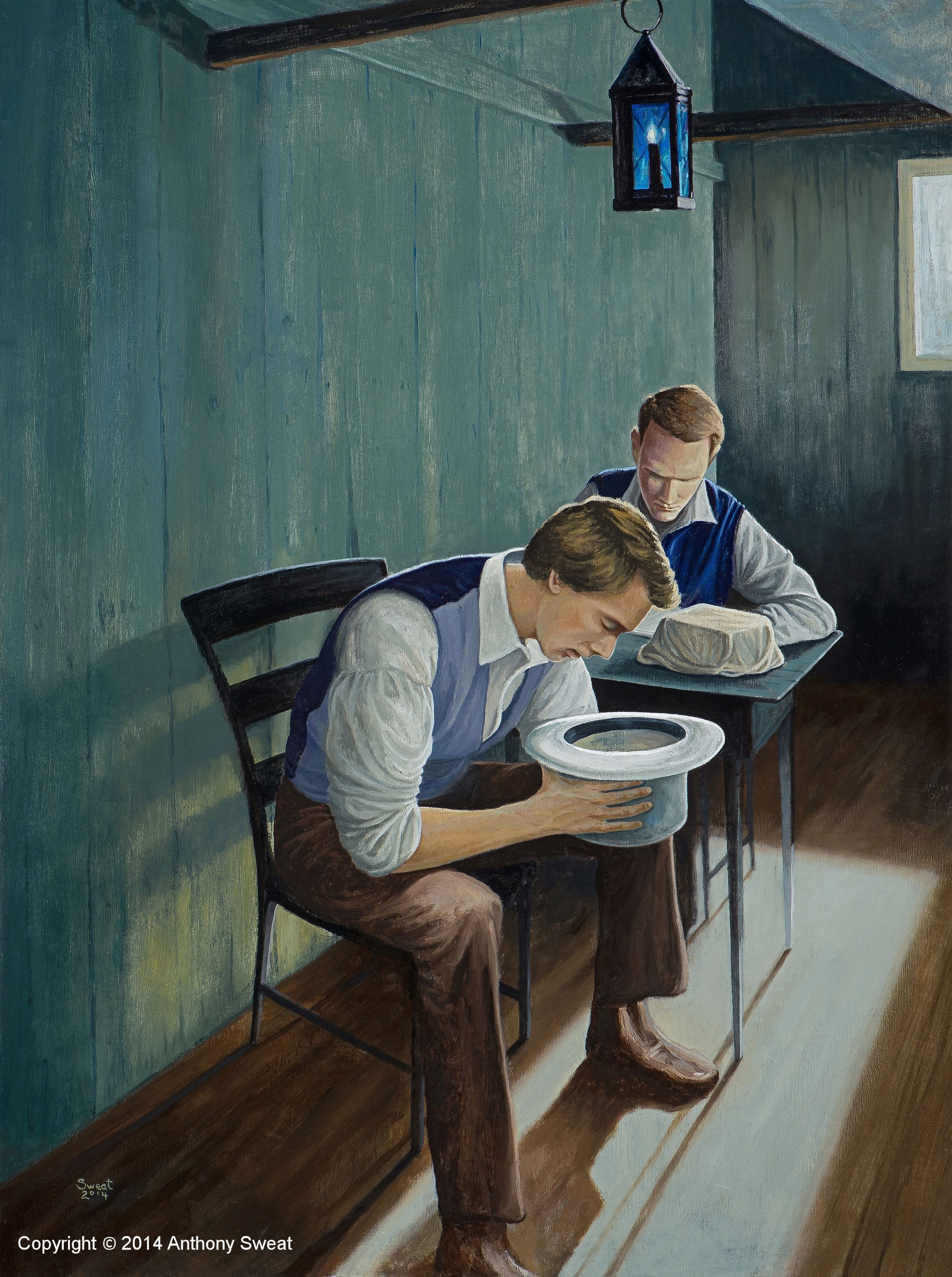
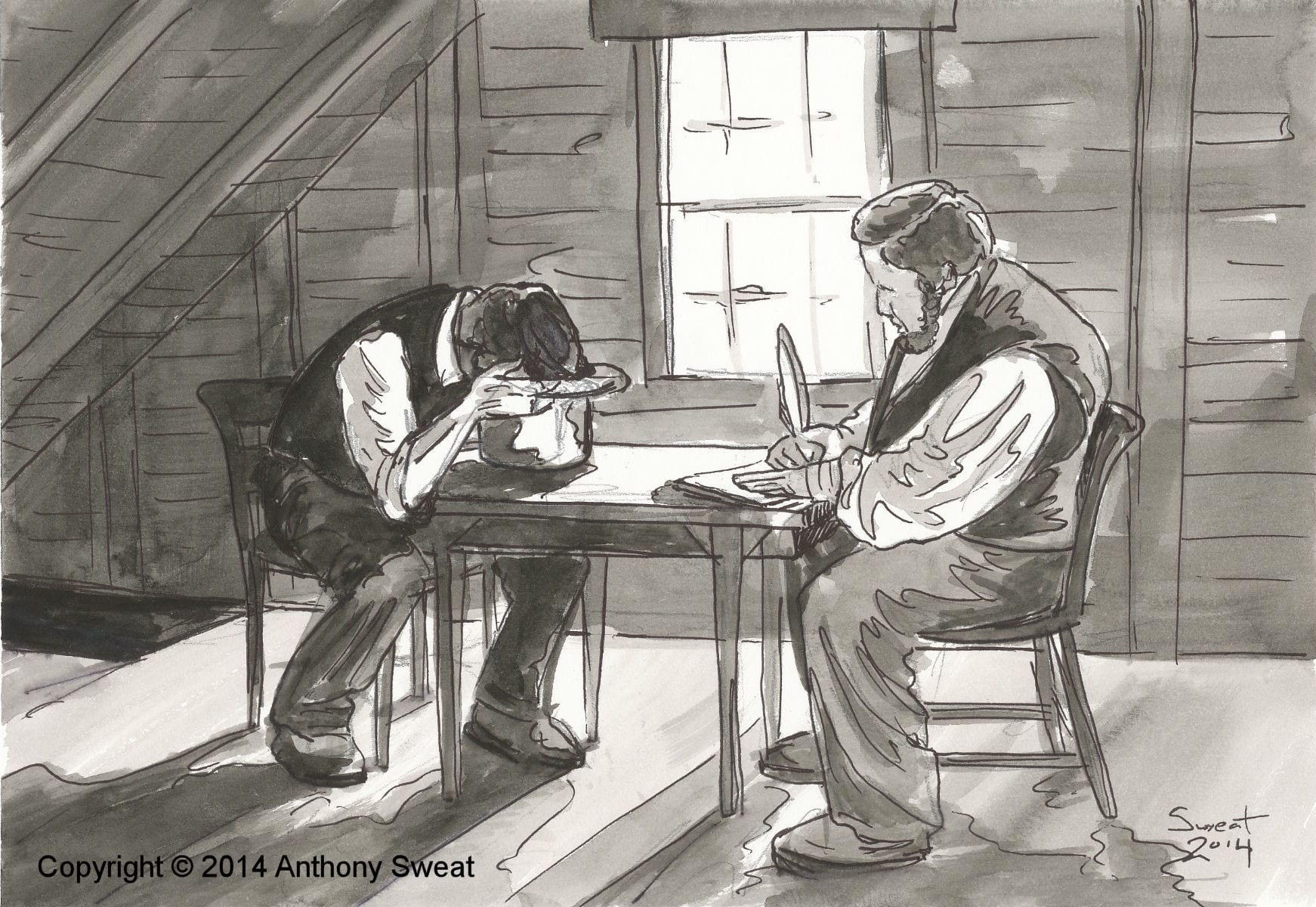
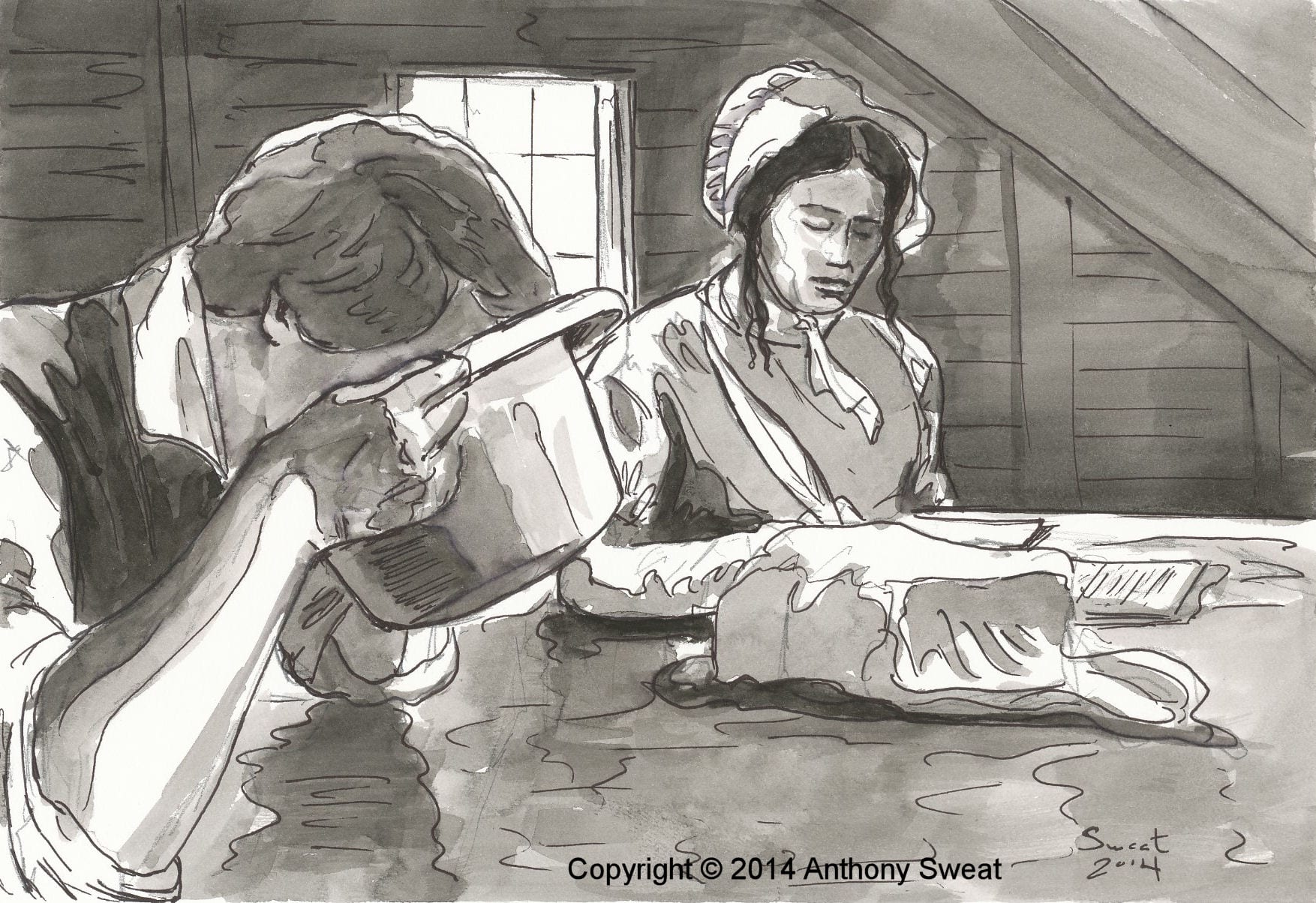
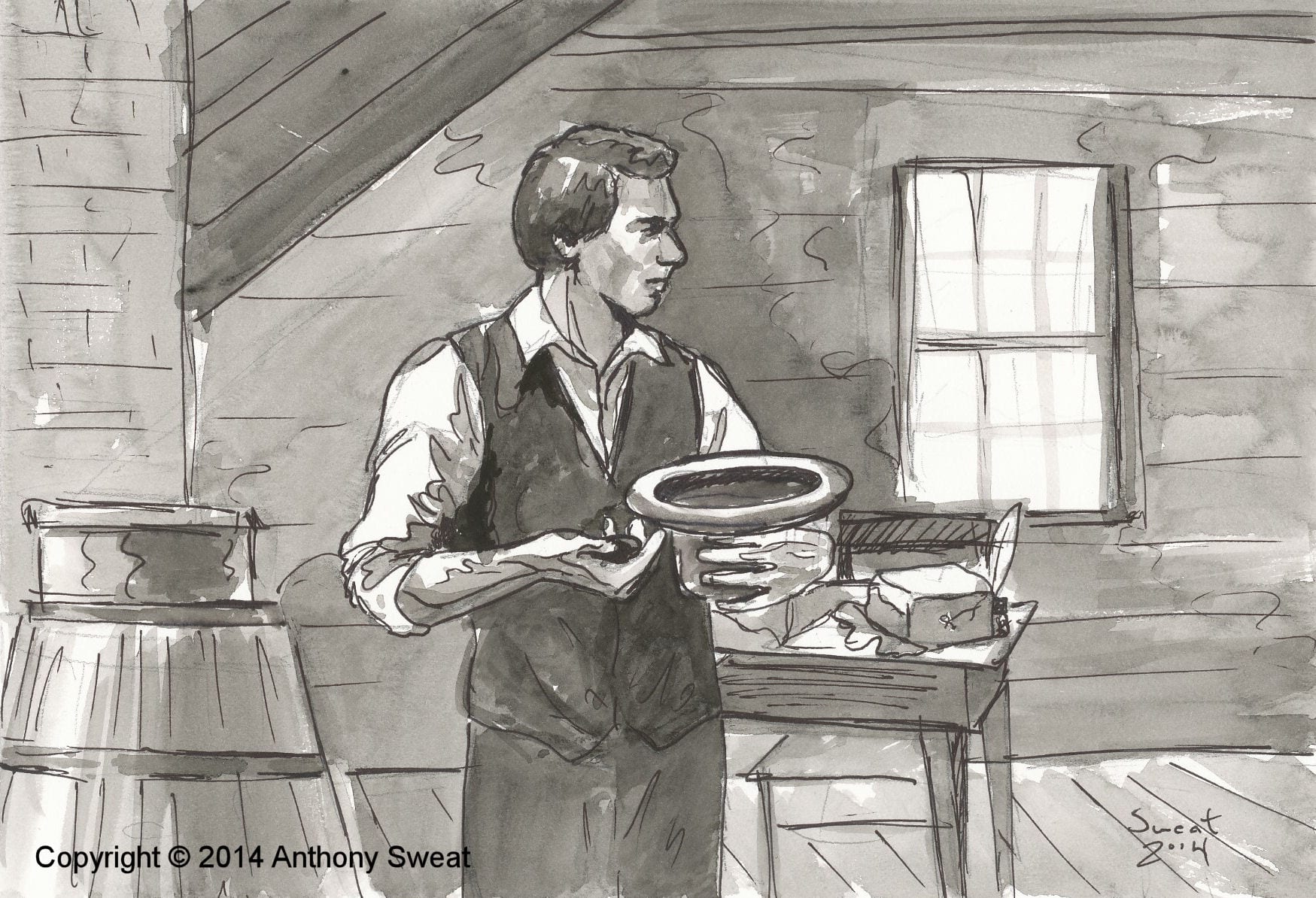
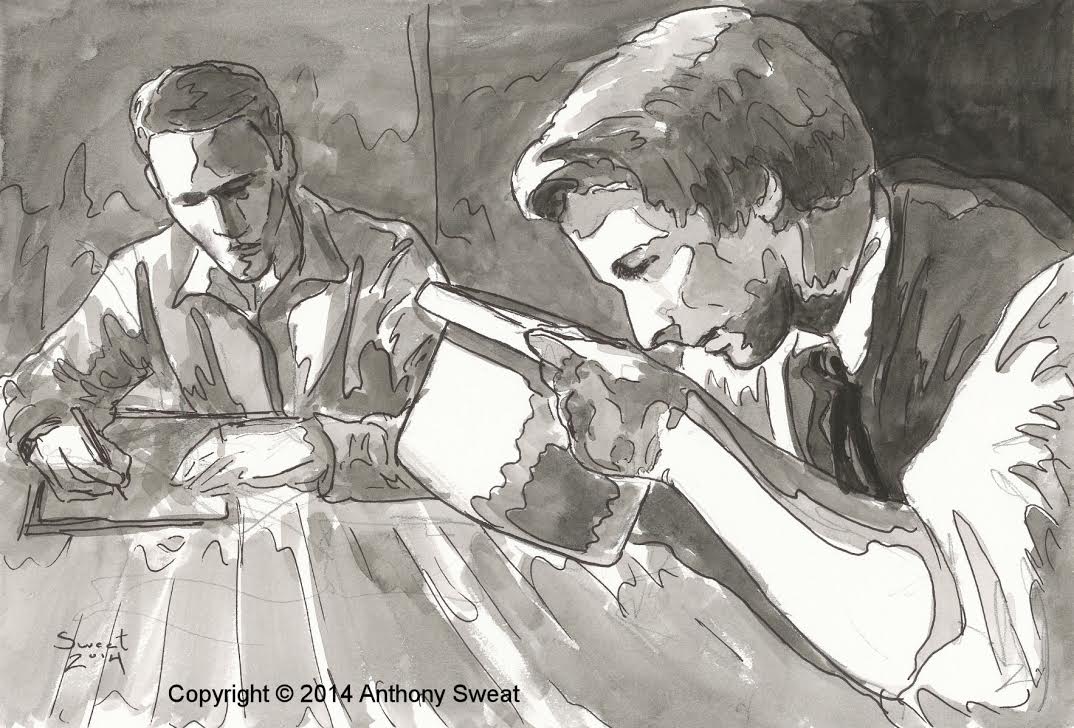
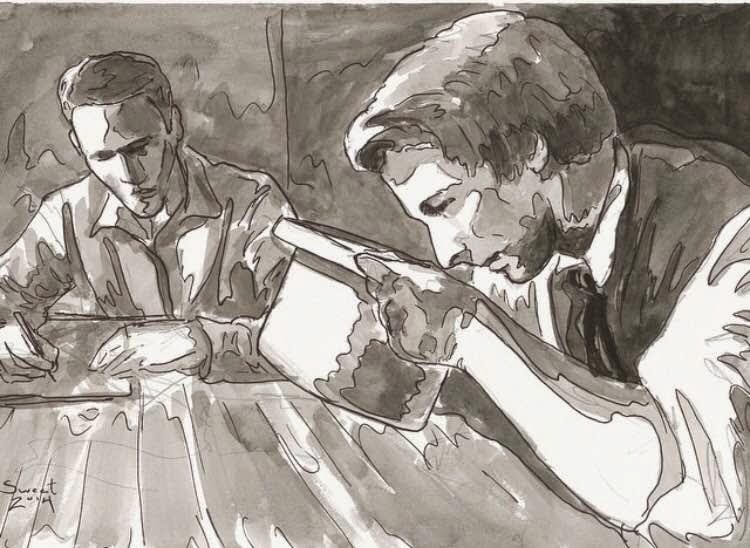
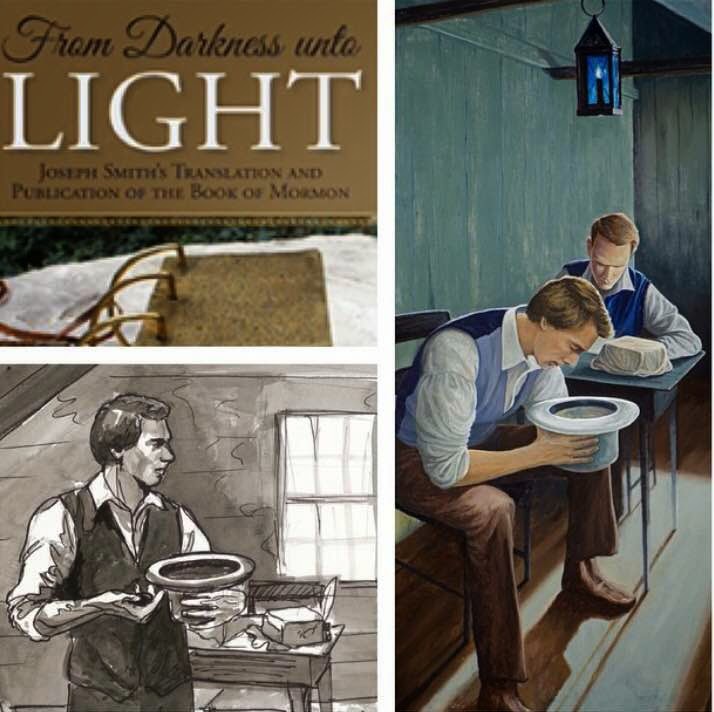
Although the method Joseph Smith used to translate the The Book of Mormon has been described in church history and literature, some members seem taken aback when they find that their perceptions about the translation mechanics employed by Joseph don’t conform to what they previously envisioned. Some members are surprised because they had been taught that Joseph Smith translated the plates by way of the Urim and Thummim. This is true. What most members don’t realize however, is that Urim and Thummim was the name given both to the Nephite Interpreters that were included in the stone box with the plates, as well as the seer stone that Joseph owned and later used to received revelations.

Michael R. Ash is the author of: Of Faith and Reason: 80 Evidences Supporting The Prophet Joseph Smith. He is the owner and operator of MormonFortress.com and is on the management team for FairMormon. He has been published in Sunstone, Dialogue: A Journal of Mormon Thought, the Maxwell Institute’s FARMS Review, and is the author of Shaken Faith Syndrome: Strengthening One’s Testimony in the Face of Criticism and Doubt. He and his wife live in Ogden, Utah, and have three daughters.

Julianne Dehlin Hatton  is a broadcast journalist living in Louisville, Kentucky. She has worked as a News Director at an NPR affiliate, Radio and Television Host, and Airborne Traffic Reporter. She graduated with an MSSc from the Maxwell School of Citizenship and Public Affairs at Syracuse University in 2008. Julianne and her husband Thomas are the parents of four children.

Music for Faith and Reason is provided by Arthur Hatton.

Filed Under: Faith and Reason

The People’s Democratic Church of Jesus Christ

July 2, 2014 by Craig Schindler

Members of the Church of Jesus Christ of Latter-day Saints entertain a belief that our leaders are human. We expect them to speak for a perfect God and to deliver a perfect doctrine yesterday, today and forever. We are perfectly fine with that. But we still claim to believe that our leaders are human. This only gets complicated when they do something human. Or when they don’t. Or when we’re not sure.

Since ancient times those who have led the Lord’s church have been stretched between the Lord’s high hopes for his children and the children’s lesser goals for themselves. The leaders have a generally fine record with this balancing act, but it has caused some curious adaptations. Consider some of the theological detritus: “curse of Cain,” the occasional extermination of several villages, polygamy, withholding “gentiles” from the fold; all the ‘weird’ things from the past.

Even a casual reading of the Scriptures shows that our un-changing God changes quite often. This should not greatly disturb those whose spiritual foundation is rock solid. The tectonic changes are too slow in most cases to be perceptible. But sometimes there is a tremor; and sometimes it is earth-shaking. Founded on our faith, we try to hang on.

There are two ways to fall off a rock: forward or backward. Either the Church has lost all credibility because of some change and we slide fundamentally off the back of the rock, or the Church has failed to change with the reality of the times, and we leap forward, liberating ourselves from that stodgy stumbling stone. It doesn’t matter which way one leaves–––the net result is the same.

A firm testimony of the divine direction of the Church sustains the member in the Church; it also helps the member sustain the leader in the Church. A weaker testimony causes fibrillation of faith. A member might reason: “God (or God’s appointed leader) has changed things in the past, so this-or-that issue may change today.” But this is a dangerous bit of reasoning. Whereas we are required to put our shoulder to the wheel and push along, those who anxiously forecast the divine vicissitudes are often the first to steady the ark against all those who have not yet heard the latest social buzz phrase, and are still “pushing along.” If we did not have social activists in the Church, then how would the Lord know what the issue-du-jour is?

I will refer to these collective (but, for now undefined) social doctrines as the Gospel New Age Theologies, or gnats, if you can swallow such a bad pun. They buzz about. They annoy. In large groups they can make an irritating noise. But pretending to strain at their issues is often just bad acting.

Some things have changed in this dispensation. When I was young (way back in the middle of the former century), there was a socially awkward practice of withholding the priesthood to those men of African heritage. But we were consistently consoled with a promise that the day would come when that restriction would be lifted. We knew that this was a practice that would change. Then in 1978 it changed and we were happy.

I have yet to hear any leader of the Church say that we can someday expect radical change to certain other issues-du-jour. No one has said that the Lord has promised to fill the Elders Quorum with our Sisters at some point in the future, so why are some members anxiously prognosticating? No one has prophesied that the restriction contra gay marriage/sealing in the temple will one day be lifted, so why do some members call out publicly to the Lord, trying to awaken him to this issue? We knew some things were going to change, but we have no reason to extrapolate any other type of change. And we have no authority to bug the Lord for any change we think appropriate for our modern age.

Some things change. Some things have changed back and forth. Some things have never changed. Some things probably never will. But then, who am I to know? After all, it’s not my Church. So I continue to sustain our perfect leader, and his imperfect emissaries.

Filed Under: General

Articles of Faith 8: LDS Church Disciplinary Councils

June 30, 2014 by NickGalieti

https://media.blubrry.com/mormonfaircast/www.fairlatterdaysaints.org/wp-content/uploads/2014/06/AOF-ChurchDiscipline.mp3

Podcast: Download (53.8MB)

Subscribe: RSS

This is a special episode of Articles of Faith. It is special because, our normal focus with the show is on articles written in scholarly journals such as The Interpreter, Square Two, and we have some being lined up to include BYU Studies as well. In this episode we are featuring two articles written on blogs, chosen because of their firsthand experience with church disciplinary councils; one article from the perspective of a person who went through one such council, and the other from the perspective of one who was in a variety of callings that involved being a part of disciplinary councils.

This episode will feature two interviews, one with Barbie Berg, who wrote the article The Truth about an LDS Disciplinary Council. The other is by Allen Wyatt, with his article simply entitled Excommunication. This episode is, in some ways, a response to the events and discourse surrounding the very public church discipline hearing for Kate Kelly.

At the time of these interviews, Kate Kelly has been formally excommunicated for “conduct contrary to the laws and order of the church” and that she “persisted in an aggressive effort to persuade other Church members to your point of view and that your course of action has threatened to erode the faith of others.” Kate Kelly has since declared that she intends to appeal her excommunication. John Dehlin has not yet attended a formal council regarding his possible excommunication.

While an overwhelming majority of church disciplinary councils are not made public, because of the attention that these two have received, largely due to the efforts of Kate Kelly and John Dehlin themselves, we find many asking questions and seeking answers, while others make incorrect, incomplete, or un-Christlike declarations about what disciplinary hearings are, what they mean, how they come to be and how they are to be conducted.

Both of these articles and authors were chosen because, over the course of the weeks surrounding the public announcement of Kelly’s forthcoming church disciplinary council and Dehlin’s possible council, there has been a lot of commentary regarding their circumstances. It is my opinion that much of what was said fell short of the true nature, spirit, and purpose of church disciplinary councils, and I felt it was important to re-align the discourse. It also my opinion that these two articles share a valuable perspective that should be taken into consideration when absorbing and discussing all church disciplinary councils, not just the Kate Kelly scenario.

Barbie Berg: Article – The Truth about an LDS Disciplinary Council

http://barbieannlove.blogspot.com/2014/06/the-truth-about-lds-disciplinary-council.html?m=1

Based on her personal experience with going through a disciplinary council as a younger female as well as her testimony of the spirit that accompanies these councils.

Allen Wyatt: Article – Excommunication

http://www.allenwyatt.com/blog/excommunication

Allen served as a bishop from February 2006 until October 2012. He also served as a branch president, as a counselor in at least three different bishoprics, as a stake executive secretary, and on a high council. In all those positions Allen had the opportunity to sit in on disciplinary councils.

He wrote his article because he was seeing so much vitriol directed against the bishops and stake presidents involved in these matters that he felt someone needed to stand up and say, “no, this is the way it really is.” His article describes just one of the councils that happened to involve the excommunication of a sister.

Filed Under: Articles of Faith, Hosts, Nick Galieti, Podcast

  • « Go to Previous Page
  • Go to page 1
  • Interim pages omitted …
  • Go to page 137
  • Go to page 138
  • Go to page 139
  • Go to page 140
  • Go to page 141
  • Interim pages omitted …
  • Go to page 201
  • Go to Next Page »

Primary Sidebar

Faithful Study Resources for Come, Follow Me

Subscribe to Blog

Enter your email address:

Subscribe to Podcast

Podcast icon
Subscribe to podcast in iTunes
Subscribe to podcast elsewhere
Listen with FAIR app
Android app on Google Play Download on the App Store

Pages

  • Blog Guidelines

FAIR Latest

  • Come, Follow Me with FAIR – The Articles of Faith and Official Declarations 1 and 2 – Part 1 – Autumn Dickson
  • The Lord Is Hastening His Work
  • Come, Follow Me with FAIR – Doctrine and Covenants 137–138 – Part 2 – Autumn Dickson
  • Come, Follow Me with FAIR – Doctrine and Covenants 137–138 – Mike Parker
  • FAIR December Newsletter

Blog Categories

Recent Comments

  • Diana on Come, Follow Me with FAIR – Doctrine and Covenants 132 – Mike Parker
  • JC on The Lord Is Hastening His Work
  • LHL on Come, Follow Me with FAIR – Doctrine and Covenants 132 – Mike Parker
  • Stephen Johnsen on Come, Follow Me with FAIR – Doctrine and Covenants 132 – Mike Parker
  • Bruce B Hill on Come, Follow Me with FAIR – Doctrine and Covenants 124 – Part 1 – Autumn Dickson

Archives

Follow Us

  • Facebook
  • Twitter
  • iTunes
  • YouTube
Android app on Google Play Download on the App Store

Footer

FairMormon Logo

FAIR is a non-profit organization dedicated to providing well-documented answers to criticisms of the doctrine, practice, and history of The Church of Jesus Christ of Latter-day Saints.

Donate to FAIR

We are a volunteer organization. We invite you to give back.

Donate Now

Site Footer