The Hymns of the Temple
Part 2
by Matthew L. Bowen
Praise is a dominant word in the latter third of the Psalter. The imperative plural Hebrew verbal expression hallelujah (halĕlû-yāh), “praise ye the Lord,” marks the beginning and ending of many of these temple hymns. In ancient Judah, ascending into the temple to praise Jehovah was a fundamental religious obligation. The gospel writer Luke notes that after the Ascension, Jesus’s earliest disciples “were continually in the temple, praising and blessing God” (Luke 24:53). The death and resurrection of Jesus Christ had given the disciples a sense of how the temple pointed to his incarnation and his unique role in saving Israel and all humanity (compare, for example, Mark 14:58; John 1:14; 2:19). [Read more…] about Come, Follow Me Week 35 – Psalms 102–103; 110; 116–119; 127–128; 135–139; 146–150
 Craig L. Foster earned a MA and MLIS at Brigham Young University. He is also an accredited genealogist and worked as a research consultant at the Family History Library in Salt Lake City for over thirty years before retiring in December 2021. He has published multiple books and articles about different aspects of Mormon history, including co-editing the Persistence of Polygamy series with Newell G. Bringhurst and co-authored American Polygamy: A History of Fundamentalist Mormon Faith with Marianne T. Watson. Craig is also on the editorial board of the John Whitmer Historical Association Journal.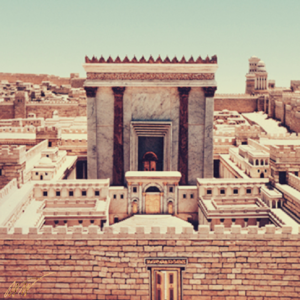
 Since beginning my work for the Wilford Woodruff Papers Project, one aspect of Wilford’s life which has struck me, and made me ponder, has been the opposition which he faced. He faced immense physical and social opposition—just one account of which we see in this excerpt from his autobiography. Countless times within his journals, he says that he is “very low” with one ailment or another, yet he keeps working on his duties as it is in his unconquerable nature.