[Cross-posted from Mike Ash’s personal blog.]
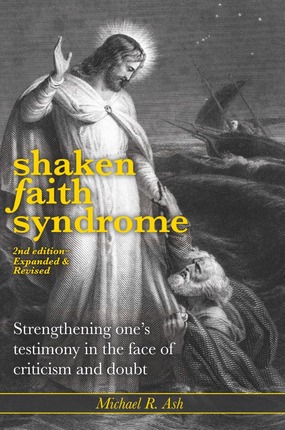
My first book attempted to assuage the faith-crisis concerns of struggling Latter-day Saints. The work continues.
The First Step
At the risk of sounding boastful, I’ve authored three books (with a fourth on the way) and hundreds of articles (both in print and on-line) in the hopes of reinforcing and safeguarding the faith of Latter-day Saints. I don’t mention these accomplishments to brag, but rather to lament. Despite hundreds of hours researching and writing thousands of pages of material, I find that through the years, over and over again, members who struggle with their faith fall trap to the same problems I addressed a dozen years ago.
Earlier this year (2020), I received an email from someone who asked if my views expressed in my book Shaken Faith Syndrome (2008 and updated in 2013) have changed since I wrote the book. My answer was that the arguments I made in that book are virtually unchanged and that the cognitive suggestions and observations I made then, are equally applicable now.
As I’ll try to address in future articles, members today stumble over the same cognitive dilemmas (often of their own making) which sets them up for problems when they encounter faith-challenging material. As a people, we haven’t matured in our intellectual approach to gospel topics (despite the fact that even the Church had made attempts to update our thinking with articles such as those included in the Gospel Topics, essays). [Read more…] about Shaken Faith Syndrome: Early to the Party, But Still Relevant
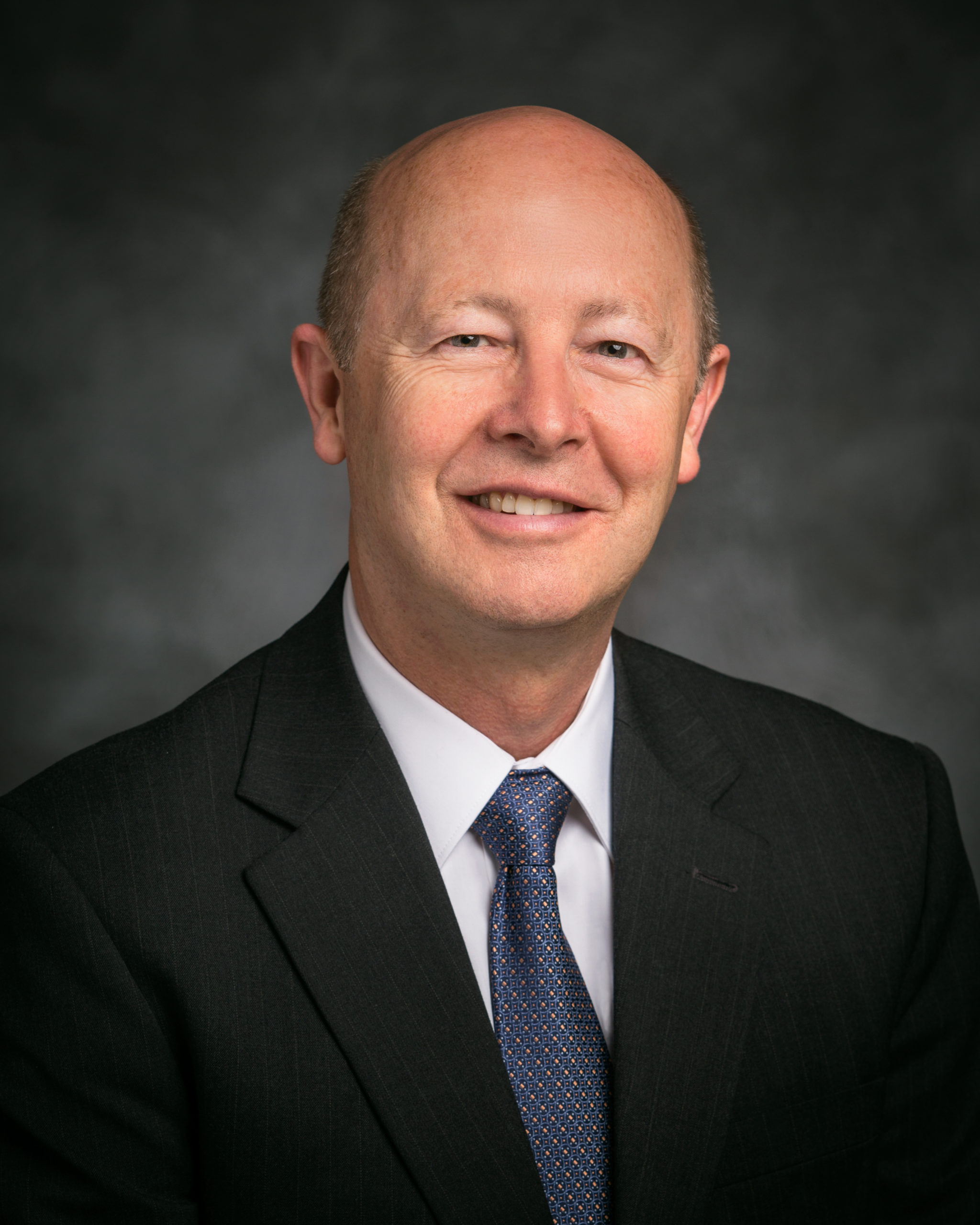

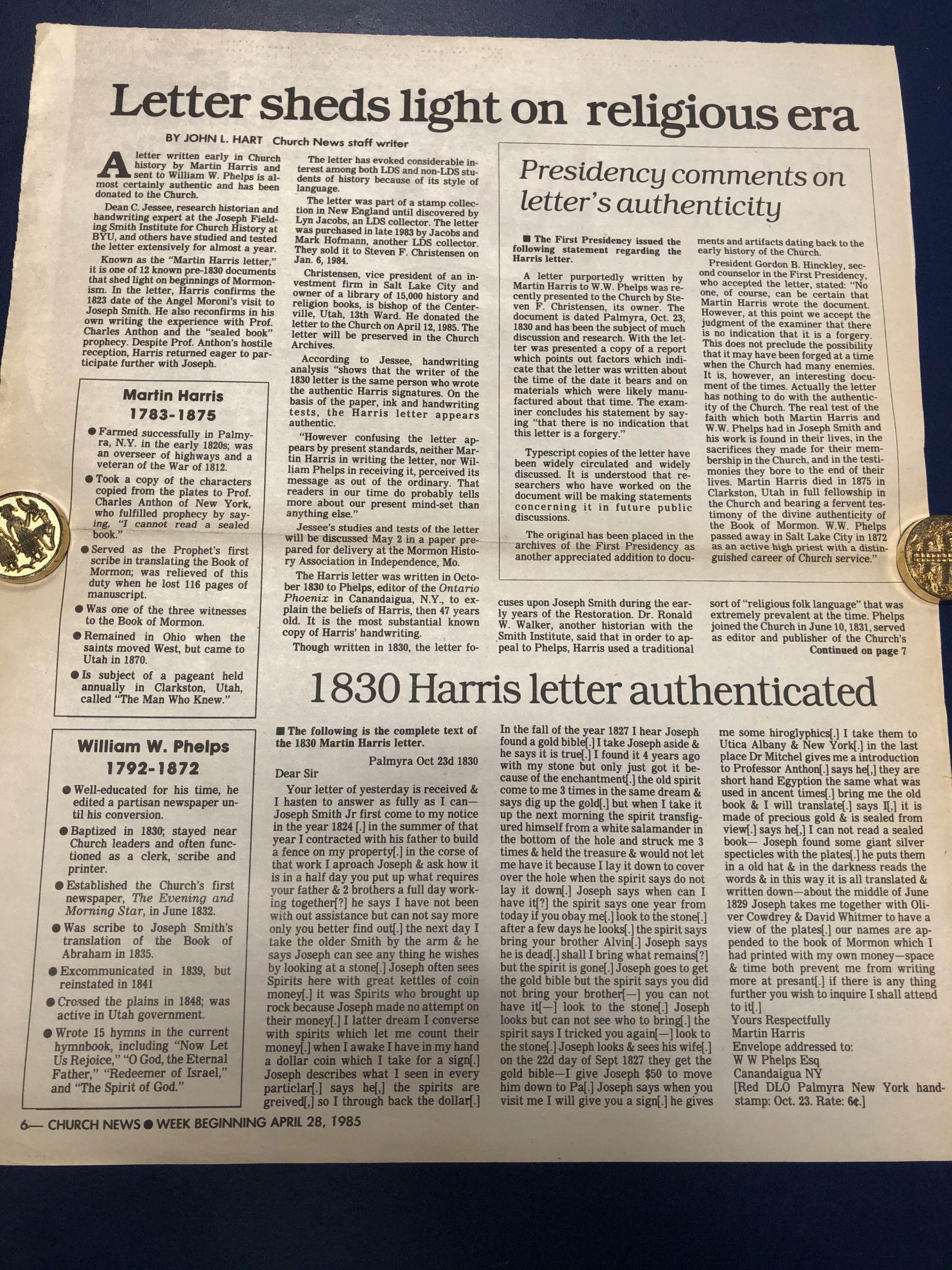
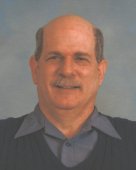 Steven L. Mayfield was born and raised in the San Francisco area. He served an LDS mission in Colorado and Nebraska. He has served in the Church as Stake Young Adult President, Elder’s Quorum counselor and instructor, Sunday School teacher, and ward clerk. Steve received a B.S. degree in police science from Weber State College (University) in 1980. His law enforcement career includes FBI file clerk (San Francisco, 1973-1977), Deputy Sheriff Jefferson County Colorado (1981-1990), and since 1994 as a crime scene investigator for the Salt Lake City Police Department. For more than the last ten years Steve has worked under the direction of George Throckmorton, and has assisted him in a number of historical/questioned document cases (non-law enforcement) including “The John D. Lee Lead Scroll.”
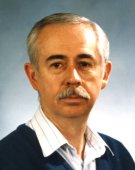 George Throckmorton recently retired from the Salt Lake City Police Department Crime Laboratory where he spent the last decade as the Director of the Lab. George has been in law enforcement for forty years and has been a Forensic Document Examiner for thirty-five of those years. George began his career with the Ogden City Police Department and has also worked for the San Diego Sheriff’s Crime Lab, Utah State Crime Lab, Utah Attorney General’s Office and the Salt Lake District Attorney’s Office. He has also taught at the Institute of Applied Science in Chicago, Washington State University, Weber State University, and is presently teaching as an Adjunct Professor at the Salt Lake Community College.
