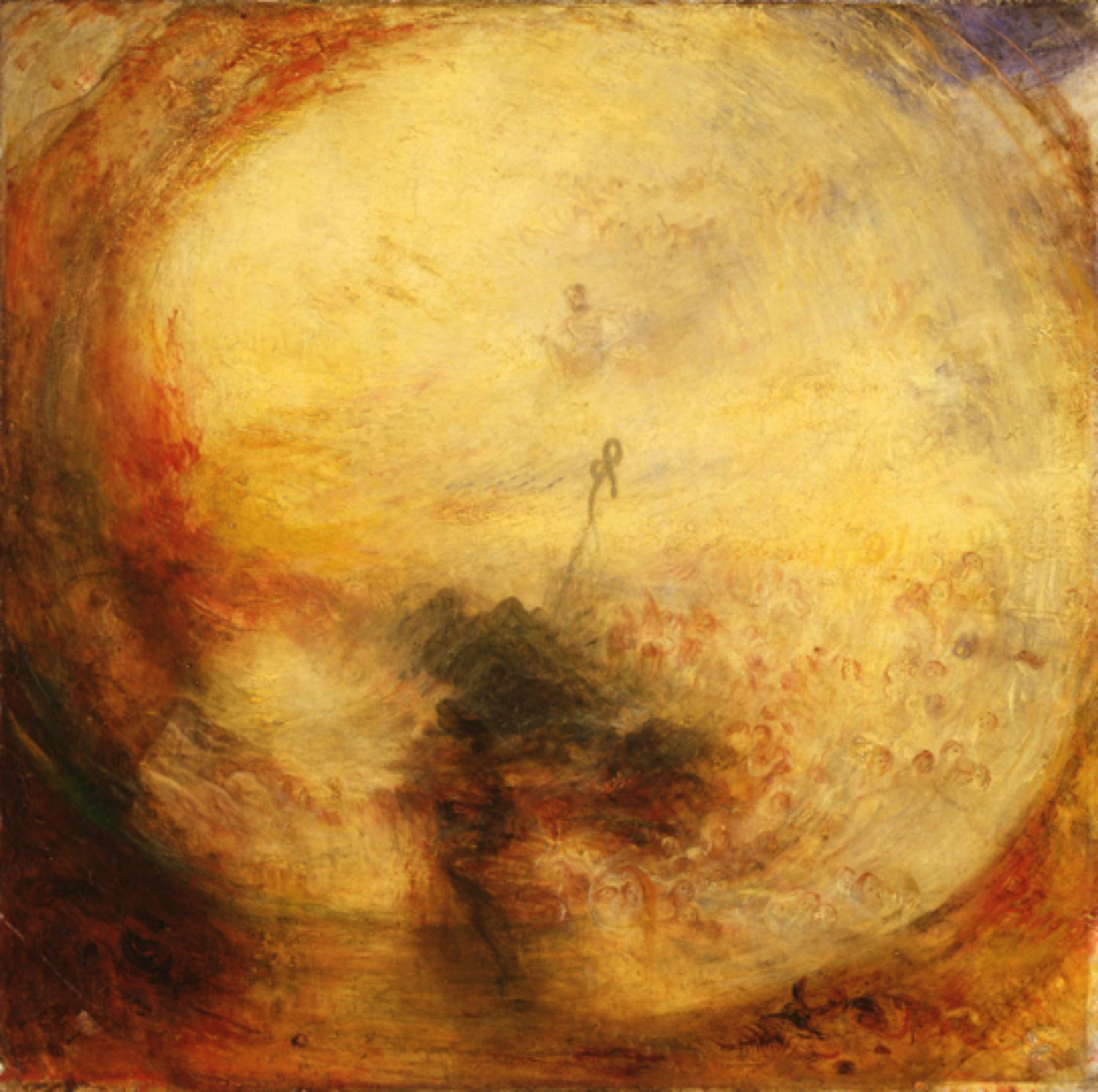
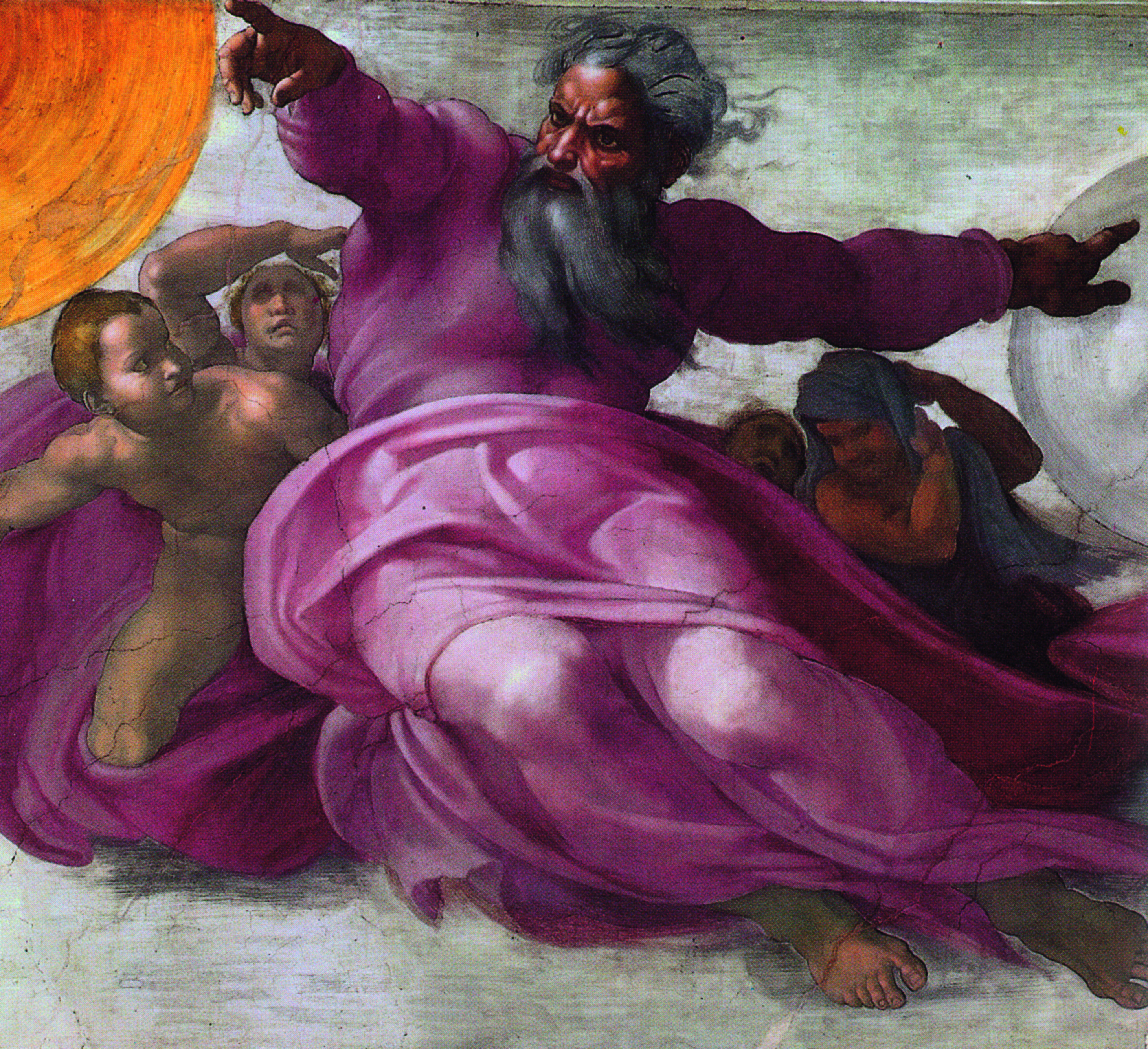
An Old Testament KnoWhy for Gospel Doctrine Lesson 3B: The Creation (Moses 1:27-42; 2-3) (JBOTL03B), 11 January 2018
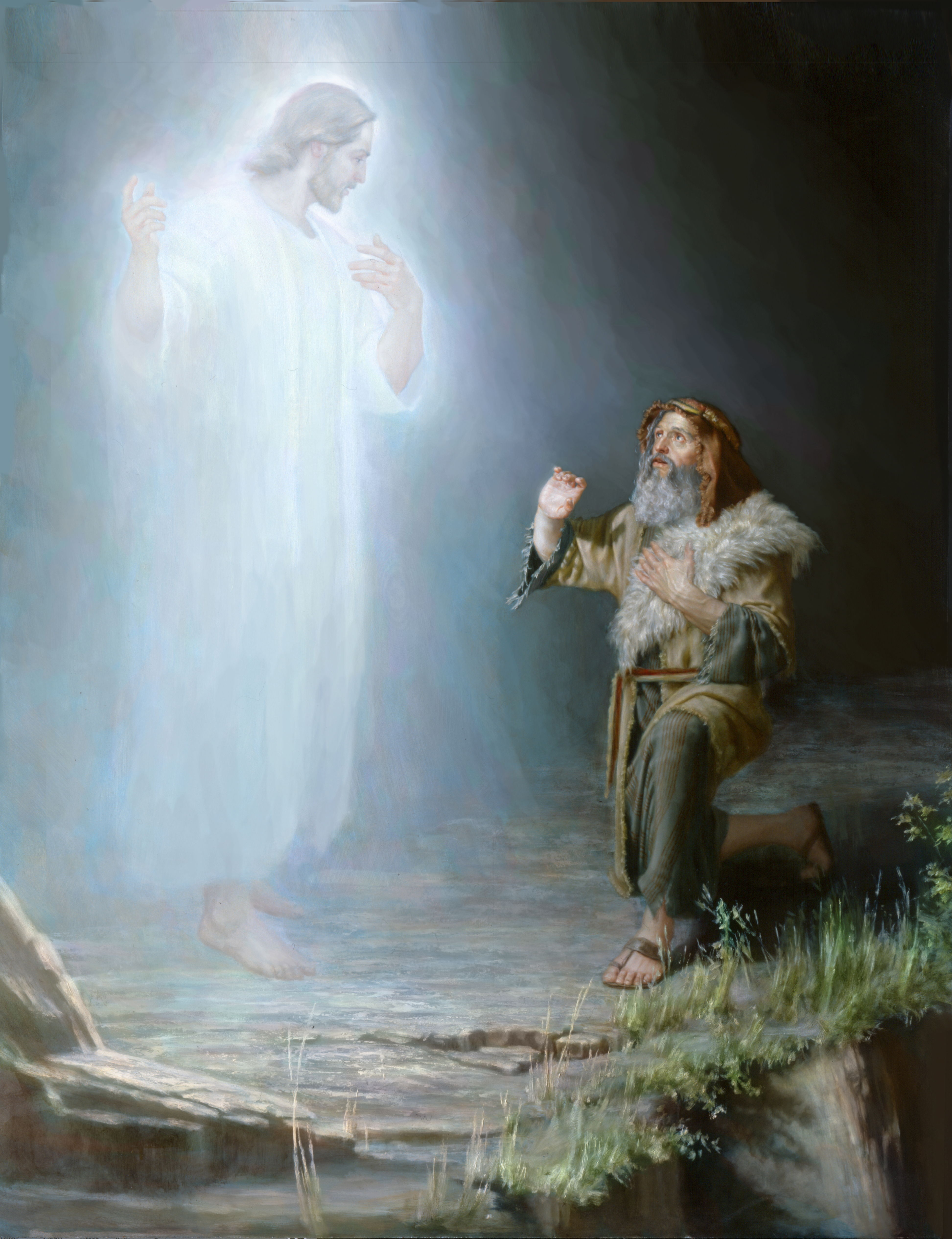
Question: LDS teachings and scripture clearly imply that Moses learned of the Creation and the Fall in vision and was told to write what he saw. However, most modern scholars find evidence that the book of Genesis as we have it today was produced at a much later date than Moses could have lived. Can these views be reconciled?
Summary: Scholars have assembled impressive evidence that the first five books of the Bible were compiled in their current form at a relatively late date from multiple, overlapping sources of varying perspectives — and almost certainly with differing degrees of inspiration. This idea should not trouble believing readers of the Book of Mormon, who know that inspired editors wove separate, overlapping records covering many hundreds of years into a single work of scripture. In addition, the idea that Moses may not have written all that is attributed to him firsthand is not incompatible with the belief that he, along with other major Old Testament figures, were actual historical persons. Many of the Bible’s sources may go back to authentic traditions (whether oral or written) that are associated with figures such as Moses as authorities, even if they were not the direct authors. As a further witness of the reality of these figures, we have accounts of the Prophet having seen many of them personally. Moreover, we have the same witness within the Joseph Smith’s Bible translation efforts, the Book of Mormon, the book of Abraham, and several revelations in the Doctrine and Covenants. We are fortunate both to know that these lengthy additions to the record of the Old Testament are authentic reports of events originally experienced by ancient prophets and that they were also directly translated in our day by a modern prophet.
The full article may be found at the Interpreter Foundation website: KnoWhy OTL03B — Did Moses Write the Book of Genesis?
 Ben Spackman received a BA from BYU in Near Eastern Studies and a MA in Near Eastern Languages and Civilizations from the University of Chicago, where he did several years of further work towards a PhD. He then studied general science at City College of New York. Currently a PhD student in History of Christianity at Claremont Graduate University, Ben’s general focus is the intertwined history of science, religion, and interpretation of scripture. In particular, he studies how shifting worldviews drove changing interpretations and understandings of Genesis, from its ancient Israelite/Babylonian origins through the Enlightenment and Scientific Revolution, eventually generating today’s conflict between Young Earth Creationism and well-established evolutionary science. Ben taught volunteer Institute and Seminary for a dozen years in the Midwest, New York, and California, has also taught Biblical Hebrew, Book of Mormon, and New Testament at BYU, and recently TA’d a course on God, Darwin, and Design. Ben has published with BYU Studies, Religious Educator, the Maxwell Institute, Interpreter: A Journal of Mormon Scripture, and Religion&Politics, and blogs occasionally at