• Skip to primary navigation
  • Skip to main content
  • Skip to primary sidebar
  • Skip to footer

FAIR

  • Find Answers
  • Blog
  • Media & Apps
  • Conference
  • Bookstore
  • Archive
  • About
  • Get Involved
  • Search

Book of Mormon

The Archaeology of the Council of Nicaea

June 24, 2015 by John Gee

[Cross-posted from Forn Spǫll Fira.]

Recent, under-informed assertions about the Book of Mormon and archaeology prompt this discussion.

Let’s ask a simple question:

What archaeological evidence do we have that the Council of Nicaea ever took place?

Unlike Zarahemla, or the Mitanni capital of Washshukanni, Nicaea is a site whose location is known. It has been excavated. We know what is there.

Archaeologically, Nicaea (modern Iznik) is most famous for its ceramic tiles, but they date from the Ottoman period. On the other end of the time spectrum, some neolithic pottery has been found at Iznik (Machteld J. Mellink, “Archaeology in Anatolia,” American Journal of Archaeology 89/4 (1985): 549).

The theater is 1st century, a typical Hadrianic style building that would have seated about 15,000 people. (Marie-Henriette Gates, “Archaeology in Turkey,” American Journal of Archaeology 98/2 (1994): 276.)

The city wall is also first century with numerous renovations in later times.

The church at Nicaea is 6th century (William Tabbernee, “Asia Minor and Cyprus,” in Early Christianity in Contexts, ed. William Tabbernee [Grand Rapids, Michigan: Baker Academic, 2014], 307.) The Koimeisis Church dates to the early eighth century (SEG XLI 1099) or late seventh century (SEG XLIV 1007).

So all of the Christian structures date at least two centuries after the Council of Nicaea. This is problematic.

The epigraphic corpus for Nicaea is extensive: Sencer Sahin, Katalog der antiken Inschriften des Museums von Iznik (Nikaia), 4 vols. (Bonn: Rudolf Habelt Verlag, 1979-87). With four volumes of inscriptions plus numerous additions in the SEG (Supplementum Epigraphicum Graecum), it is clear that Nicaea has more inscriptions than most Mesoamerican sites.

As far as epigraphic evidence we have:

1st century BC

  • a first century BC epitaph (SEG XXIX 1289).

1st century AD

  • an inscription of Nero (AD 54-68) regarding street repair (I Iznik I 13 = CIG 3743)
  • two first century AD dedications on the city gate to the Flavians (AD 70-79)  (SEG XXVIII 1028-29).
  • a building dedication to the Flavians (AD 78) (SEG LI 1709)
  • a statue of Domitian (AD 81-96) (SEG LVII 1275)
  • three first century inscriptions for Roman officals (SEG XXVIII 1025-27).
  • four first century epitaphs (SEG XXVIII 1032-33; XXX 1429; XLVII 1679)

2nd century AD

  • an aquaduct inscription of Hadrian (AD 117-138) (I Iznik I 1)
  • an architrave inscription of Hadrian (AD 117-138) (I. Iznik. I 30a = SEG XXIX 1282).
  • an altar dedicated to Hadrian (AD 117-138) (I Iznik I 32 = SEG XXIX 1283).
  • a dedicatory inscription from the reign of Hadrian (I Iznik I 56 = SEG XXXVII 1071 = SEG XLVI 1604)
  • three second century altars (SEG XXXIV 1263; SEG XLIII 897)
  • thirty-one second century epitaphs (SEG XXIX 1290-91; SEG XXX 1430; SEG XXXIV 1264-65; SEG XLIX 1789; SEG LI 1710-11; SEG LV 1346, 1348-56, 1358; SEG LVI 1392-93; SEG LVII 1278, 1281-88; SEG LVIII 1447).

3rd century AD

  • an honorary inscription from the reign of Elagabalus (AD 218-222) (I Iznik I 60 = SEG XXIX 1281).
  • a milestone of Julius Verus Maximinus (AD 235-38) (I Iznik 21 = CIL III 12226 = 13650)
  • two inscriptions of Claudius Gothicus (AD 268-70) regarding the rebuilding of the city wall (I Iznik I 11-12 = CIG 3747-48)
  • four third century dedications to Zeus (SEG LV 1337-39; SEG LVII 1276)
  • twelve third century epitaphs (SEG XXIX 1293; XXXIII 1080; SEG LI 1712-13; SEG LV 1344, 1357, 1359-63; SEG LVI 1394-95).
  • a fragmentary third century epitaph (SEG XXIX 1292).
  • a milestone of Diocletian and Maximian (AD 286-293) (I Iznik I 22)

4th century AD

  • a fourth century epitaph (SEG XXIX 1294).
  • a fourth century Jewish inscription quoting Psalm 135:25 (I Iznik II 615 = SEG XLVIII 1499)

Undated

  • an undated dedication to Ti. Claudius Aelianos Sabinos (I Iznik I 35 = SEG XXIX 1284).
  • six undated dedications to Zeus (SEG XXX 1428; SEG XL 1144-46; SEG XLVII 1678; SEG LX 1338)
  • an undated dedication to Zeus, Hera, and Athena (SEG XXVIII 1030)
  • an undated altar dedicated to Apollo (SEG LV 1340)
  • an undated altar dedicated to Hermes and Apollo (SEG LV 1341)
  • an undated honorary inscription (SEG XLVII 1677)
  • an undated altar dedicated to Tadenos and Okkonenos (SEG LX 1339)
  • three undated altar inscriptions (I Iznik I 43 = SEG XXIX 1288; SEG LI 1709 bis; SEG LX 1340).
  • three undated fragmentary dedications (I Iznik I 36, 42, 66 = SEG XXIX 1285-87; SEG XXXVI 1153).
  • two undated fragmentary inscriptions (SEG XXIX 1343-44).
  • fifty-nine undated epitaphs (SEG XXVIII 1034; SEG XXIX 1295-1318, 1320-24, 1326-31, 1333-38; XXX 1431-34; XXXIII 1081-82; SEG XLVII 1680-81; SEG LX 1341-49)
  • four undated Christian inscriptions (SEG XXIX 1339-42)
  • four undated Christian epitaphs (SEG XXIX 1319, 1325, 1331-32)
  • an undated testamentary regulation (SEG XLIX 1790)

There is no epigraphic evidence that Constantine paid the least attention to Nicaea. Furthermore, looking at the epigraphic evidence, we would conclude that fourth century inhabitants of Nicaea had converted from the worship of Zeus to Judaism, not Christianity. There is not a single inscription of Constantine’s from the site.

There appears to be no archaeological evidence that Constantine was ever in Nicaea, nor that there was a Christian council held there in the fourth century, and, of course, no archaeological evidence for the content of the Nicaean Creed. Should millions of creedal Christians therefore abandon their faith? They cannot point to a single piece of archaeological or epigraphic evidence that the Council of Nicaea ever took place. No reputable archaeologist has ever produced any. I can find no record of any reputable archaeological journals that have published any archaeological evidence that the Council ever took place or that support the creed that it supposedly produced.

Anyone who has actually worked trying to integrate archaeological with historical data can spot the problems with this sort of analysis easily. Some people, however, want to apply a double standard applying different standards to the Book of Mormon than they do to other historical events.

Filed Under: Book of Mormon

Right on Target: Gidgiddoni

June 13, 2015 by John Gee

(Cross-posted from Ether’s Cave with permission.)

There are generally two approaches to Book of Mormon names. One of them searches for plausible etymologies for Book of Mormon names; the other looks at whether the name is actually attested. If it is attested it does not matter much whether or not we can figure out an etymology for the name (that is, whether we can determine what the name originally meant). Both of these approaches are useful and have their merits.

The Book of Mormon name Gidgiddoni can now be added to the list of names that are attested.

Gidgiddoni, it will be remembered, was “great commander of all the armies of the Nephites” (3 Nephi 3:18) during the reign of Lachoneus. He is first mentioned during events of “the sixteenth year from the coming of Christ” (3 Nephi 3:1), and is last mentioned ten years later (3 Nephi 6:6).

The name Gidgiddoni, with its reduplication and doubled consonant, is unusual for a Hebrew name. We now know that it is not. It is a well attested name in Neo-Assyrian records. It comes from the same Assyrian empire that is discussed so extensively in the works of Isaiah. The name is mentioned many times in Assyrian records, covering a number of individuals. It is spelled a number of ways:

    • Gíd-gi-da-nu (SAA 1: 152:6)
    • Gíd-gi-da-a-n[i] (SAA 1: 152 r 9)
    • [Gíd-g]i-da-a-[ni] (SAA 1: 152 r 6)
    • [Gí]d-gi-da-a-[ni] (SAA 1: 39 :4)
    • Gíd-gi-da-a-nu (SAA 6: 31 r 23)
    • Gíd-gíd-da-nu (SAA 11: 123 ii 13)
  • Gíd-gíd-da-[nu] (SAA 12: 51 r 12)

The variety of cuneiform spellings demonstrates the following points about the Assyrian name.

    1. The second d is doubled. (see Gíd-gíd-da-nu).
    2. The a is long. (see Gíd-gi-da-a-nu). This is important because Assyrian (Akkadian) long a goes to an o in Hebrew. Cuneiform does not have an osound and uses a variety of strategies to reproduce it.
    3. The form of the name borrowed into Hebrew is the oblique case. Hebrew does not have case endings but does have names ending in -i.

The form of the name borrowed into Hebrew must have been taken from the oblique case, which may have been the form of the name they heard most often. Hebrew often changes foreign names when it adopts them (think Marduk-apil-iddina becoming Merodach-Baladan).

The following individuals bearing the name are known from Neo-Assyrian records:

    1. An individual working in Dur-Sharrukin during the reign of Sargon II.
    2. A man from Kalhu listed in as a member of the chariotry during the reign of Sargon II.
    3. A tailor to the governor of Kalhu during the reign of Sargon II.
    4. A temple carpenter from Assur during the reign of Esarhaddon.
    5. A man from Assur during the reign of Assurbanipal.
    6. A man mentioned during the reign of Assur-etel-ilani.

(The Prosopography of the Neo-Assyrian Empire [Helsinki: The Neo-Assyrian Text Corpus Project, 1999], 1.2:422-23.)

The simplest explanation is that an Assyrian individual with the name Gidgiddanu was mentioned in the brass plates. This was then the source of the name for this particular military leader several centuries later.

Interestingly, the Neo-Assyrian Text Corpus Project was not able to determine an etymology or meaning for this name.

Thus the number of attested non-biblical names in the Book of Mormon has just increased by one.

Filed Under: Book of Mormon

Fair Issues 89: Dilemmas with Great Lakes Model

June 7, 2015 by Ned Scarisbrick

https://media.blubrry.com/mormonfaircast/www.fairlatterdaysaints.org/wp-content/uploads/2015/06/Fair-Issues-89-Pod.mp3

Podcast: Download (11.0MB)

Subscribe: RSS

MAIn this episode brother Ash explores the work done by Dr. John Clark and Dr. John Sorenson concerning how the Great Lakes model for the Book of Mormon geography creates a number of inconsistencies and dilemmas that go beyond geographical issues.

The full text of this article can be found at Deseret News online.

Brother Ash is author of the book Shaken Faith Syndrome: Strengthening One’s Testimony in the Face of Criticism and Doubt, as well as the book, of Faith and Reason: 80 Evidences Supporting the Prophet Joseph Smith. Both books are available for purchase online through the FairMormon Bookstore. Tell your friends about the Mormon Fair-Cast. Share a link on your Facebook page and help increase the popularity of the Mormon Fair-Cast by subscribing to this podcast in iTunes, and by rating it and writing a review.

The views and opinions expressed in the podcast may not reflect those of the Church of Jesus Christ of Latter-day Saints or that of FairMormon


Filed Under: Anti-Mormon critics, Apologetics, Book of Mormon, Evidences, Fair Issues, Faith Crisis, General, Geography, Hosts, Joseph Smith, Michael R. Ash, Ned Scarisbrick, Podcast Tagged With: Book of Mormon Great Lakes Model

“By the Gift and Power of Art”

June 2, 2015 by FAIR Staff

Anthony_Sweat_Gift_and_Power_of_God_Scan_4mb
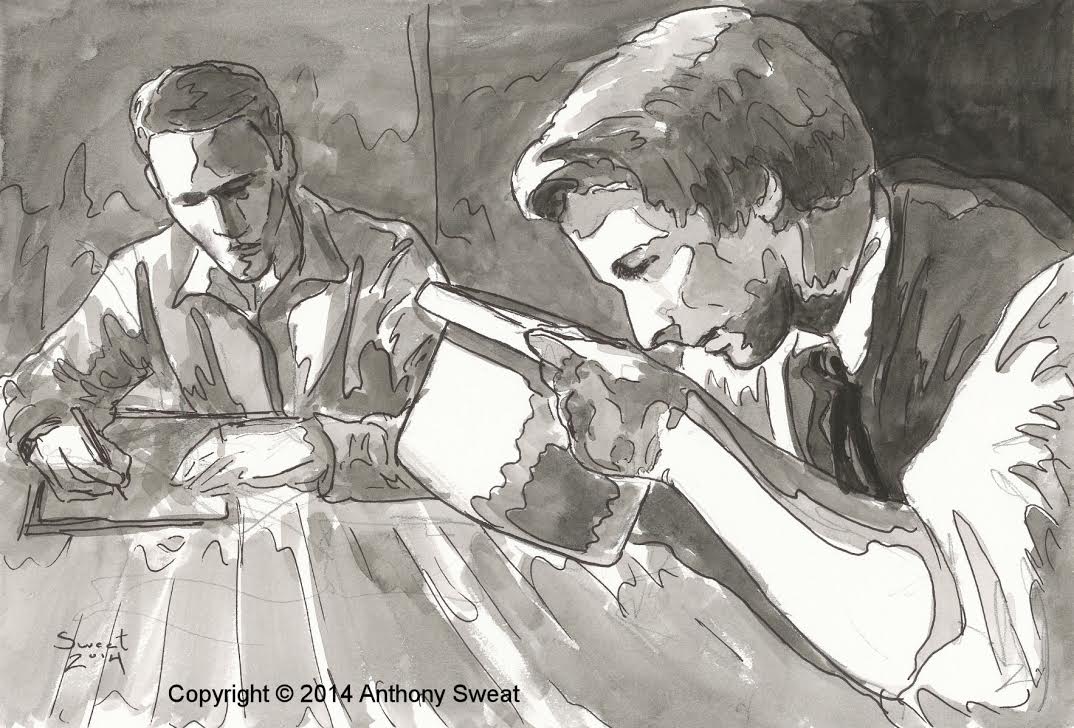
“By the Gift and Power of God” by Anthony Sweat.

Professor Anthony Sweat (an assistant professor of Church history and doctrine at Brigham Young University) and the Religious Studies Center at BYU have kindly allowed FairMormon to post an excerpt from the new volume From Darkness unto Light: Joseph Smith’s Translation and Publication of the Book of Mormon by Michael Hubbard MacKay and Gerrit J. Dirkmaat. (See these two blog posts here and here for more information on the book.) Professor Sweat wrote an appendix to the book discussing artistic depictions of the translation of the Book of Mormon, including his new piece “By the Gift and Power of God.” The appendix is posted below as a PDF file. Among other things, Professor Sweat explores the “language of art” and depictions of the translation of the Book of Mormon done by past and contemporary Latter-day Saint painters. He likewise discusses the significance of the Church’s commissioned artwork of the translation of the Book of Mormon and the artistic process behind his own piece.

From Darkness unto Light can be purchased in hardcover or eBook format from Deseret Book and the FairMormon Bookstore.

“By the Gift and Power of Art”

Filed Under: Book of Mormon, Joseph Smith, LDS History

Fair Issues 88: Geographical inconsistencies in the Great Lakes model

May 31, 2015 by Ned Scarisbrick

https://media.blubrry.com/mormonfaircast/www.fairlatterdaysaints.org/wp-content/uploads/2015/05/Fair-Issues-88-Pod.mp3

Podcast: Download (10.5MB)

Subscribe: RSS

MAWhile the past few installments have engaged some of the more common non-geographical claims that Great Lakes proponents propose for Book of Mormon geography brother Ash now deals with specific  geographical issues concerning the Great Lakes model.

The full text of this article can be found at Deseret News online.

Brother Ash is author of the book Shaken Faith Syndrome: Strengthening One’s Testimony in the Face of Criticism and Doubt, as well as the book, of Faith and Reason: 80 Evidences Supporting the Prophet Joseph Smith. Both books are available for purchase online through the FairMormon Bookstore. Tell your friends about the Mormon Fair-Cast. Share a link on your Facebook page and help increase the popularity of the Mormon Fair-Cast by subscribing to this podcast in iTunes, and by rating it and writing a review.

The views and opinions expressed in the podcast may not reflect those of the Church of Jesus Christ of Latter-day Saints or that of FairMormon


Filed Under: Book of Mormon, Evidences, Fair Issues, General, Geography, Hosts, Michael R. Ash, Ned Scarisbrick, Podcast Tagged With: Book of Mormon Great Lakes Model

Fair Issue 87: Is the “Promised Land” limited to one area?

May 24, 2015 by Ned Scarisbrick

https://media.blubrry.com/mormonfaircast/www.fairlatterdaysaints.org/wp-content/uploads/2015/05/Fair-Issues-87-Pod.mp3

Podcast: Download (11.3MB)

Subscribe: RSS

MAIn this episode brother Ash relates how the term “promised Land” can refer to many areas and is not confined to any specific geographical location but to a faithful people.

The full text of this article can be found at Deseret News online.

Brother Ash is author of the book Shaken Faith Syndrome: Strengthening One’s Testimony in the Face of Criticism and Doubt, as well as the book, of Faith and Reason: 80 Evidences Supporting the Prophet Joseph Smith. Both books are available for purchase online through the FairMormon Bookstore. Tell your friends about the Mormon Fair-Cast. Share a link on your Facebook page and help increase the popularity of the Mormon Fair-Cast by subscribing to this podcast in iTunes, and by rating it and writing a review.

The views and opinions expressed in the podcast may not reflect those of the Church of Jesus Christ of Latter-day Saints or that of FairMormon


Filed Under: Anti-Mormon critics, Apologetics, Book of Mormon, Doctrine, Evidences, Fair Issues, Faith Crisis, General, Geography, Hosts, Joseph Smith, Michael R. Ash, Ned Scarisbrick, Podcast Tagged With: Book of Mormon Geography

Fair Issues 86: The Lamanite prophet Zelph

May 17, 2015 by Ned Scarisbrick

https://media.blubrry.com/mormonfaircast/www.fairlatterdaysaints.org/wp-content/uploads/2015/05/Fair-Issues-86-Pod.mp3

Podcast: Download (11.2MB)

Subscribe: RSS

MAIn this article brother Ash considers the account of the prophet Joseph Smith when he discovers the bones that belonged to a “white Lamanite” named Zelph who was a warrior under the prophet Onandagus.

The full text of this article can be found at Deseret News online.

Brother Ash is author of the book Shaken Faith Syndrome: Strengthening One’s Testimony in the Face of Criticism and Doubt, as well as the book, of Faith and Reason: 80 Evidences Supporting the Prophet Joseph Smith. Both books are available for purchase online through the FairMormon Bookstore. Tell your friends about the Mormon Fair-Cast. Share a link on your Facebook page and help increase the popularity of the Mormon Fair-Cast by subscribing to this podcast in iTunes, and by rating it and writing a review.

The views and opinions expressed in the podcast may not reflect those of the Church of Jesus Christ of Latter-day Saints or that of FairMormon


Filed Under: Apologetics, Book of Mormon, Evidences, Fair Issues, Faith Crisis, General, Geography, Hosts, Joseph Smith, Michael R. Ash, Ned Scarisbrick, Podcast Tagged With: Book of Mormon Geography, zelph

Fair Issues 85: Cumorah claims can’t sustain Great Lakes model

May 10, 2015 by Ned Scarisbrick

https://media.blubrry.com/mormonfaircast/www.fairlatterdaysaints.org/wp-content/uploads/2015/04/Fair-Issues-85-Pod.mp3

Podcast: Download (10.5MB)

Subscribe: RSS

MAIn this article brother Ash addresses the claim that the Cumorah of the Book of Mormon is the same hill in New York from which Joseph Smith retrieved the plates.

The full text of this article can be found at Deseret News online.

Brother Ash is author of the book Shaken Faith Syndrome: Strengthening One’s Testimony in the Face of Criticism and Doubt, as well as the book, of Faith and Reason: 80 Evidences Supporting the Prophet Joseph Smith. Both books are available for purchase online through the FairMormon Bookstore. Tell your friends about the Mormon Fair-Cast. Share a link on your Facebook page and help increase the popularity of the Mormon Fair-Cast by subscribing to this podcast in iTunes, and by rating it and writing a review.

The views and opinions expressed in the podcast may not reflect those of the Church of Jesus Christ of Latter-day Saints or that of FairMormon


Filed Under: Anti-Mormon critics, Apologetics, Book of Mormon, Evidences, Fair Issues, Faith Crisis, General, Geography, Hosts, Joseph Smith, Michael R. Ash, Ned Scarisbrick, Podcast Tagged With: Book of Mormon Geography

Fair Issues 84: Two arguments for Great Lakes model not conclusive

May 3, 2015 by Ned Scarisbrick

https://media.blubrry.com/mormonfaircast/www.fairlatterdaysaints.org/wp-content/uploads/2015/04/Fair-Issues-84-Pod.mp3

Podcast: Download (10.5MB)

Subscribe: RSS

MAIn this installment brother Ash refers to word “lake” as having various meanings and the Native Americans being called “Lamanites.”

The full text of this article can be found at Deseret News online.

Brother Ash is author of the book Shaken Faith Syndrome: Strengthening One’s Testimony in the Face of Criticism and Doubt, as well as the book, of Faith and Reason: 80 Evidences Supporting the Prophet Joseph Smith. Both books are available for purchase online through the FairMormon Bookstore. Tell your friends about the Mormon Fair-Cast. Share a link on your Facebook page and help increase the popularity of the Mormon Fair-Cast by subscribing to this podcast in iTunes, and by rating it and writing a review.

The views and opinions expressed in the podcast may not reflect those of the Church of Jesus Christ of Latter-day Saints or that of FairMormon


Filed Under: Anti-Mormon critics, Book of Mormon, DNA, Evidences, Fair Issues, Faith Crisis, General, Geography, Hosts, Joseph Smith, Michael R. Ash, Ned Scarisbrick, Podcast, Science Tagged With: Book of Mormon Geography

Does the Historicity of the Book of Mormon Matter?

May 2, 2015 by Neal Rappleye

Mormon Abridging the Plates

[This post originally appeared at Studio et Quoque Fide and is reposted here with permission.]

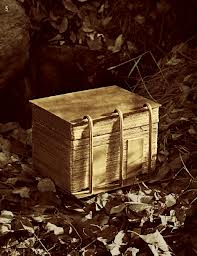
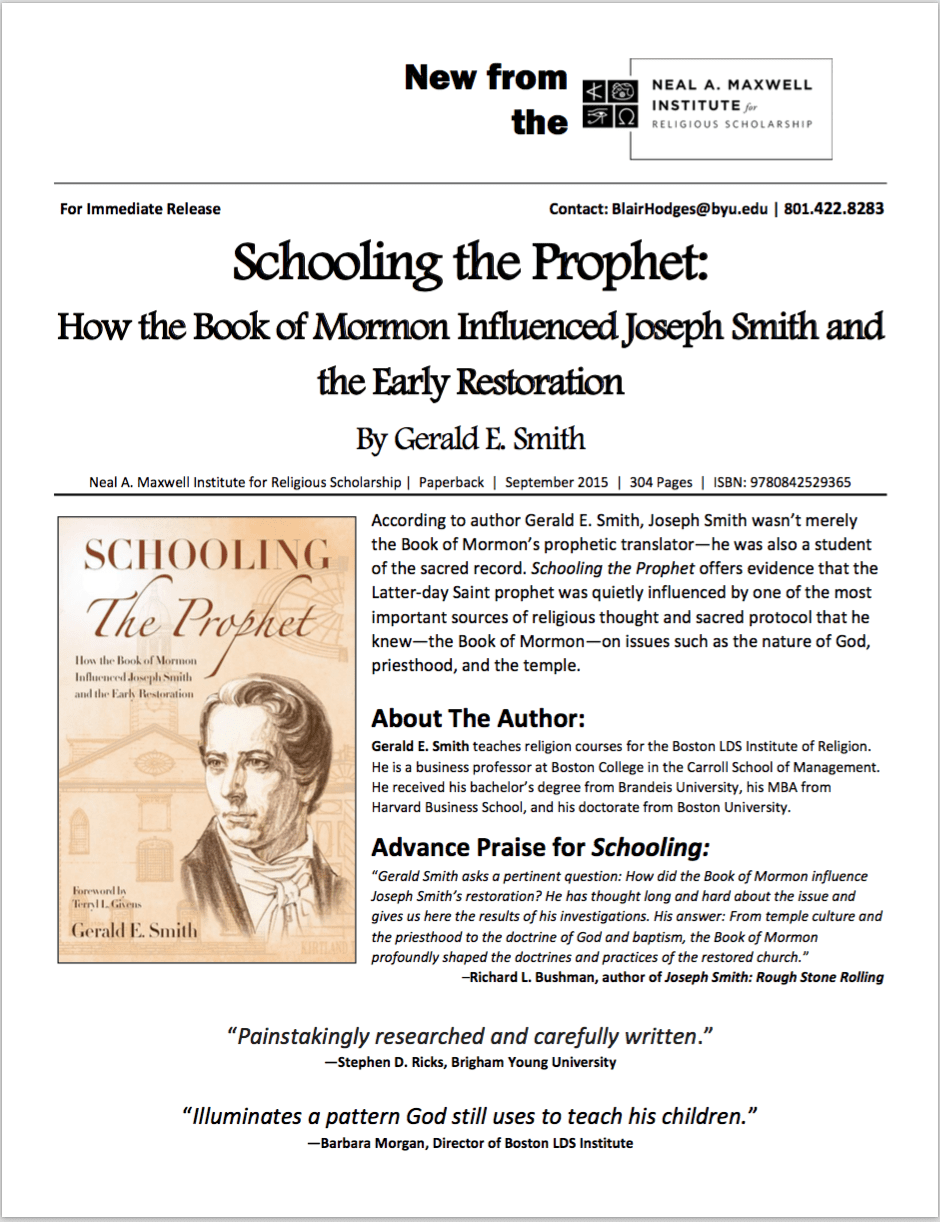
The “historicity wars” of the bloggernacle have died down, and I am reticent to start them back up again. Since I am generally ignored by the bloggernacle, however, that is unlikely to happen. I have long pondered over the relevance of historicity for the Book of Mormon—if it matters, and if so, why it matters. As I have been reading about the experiences of Joseph Smith and others with the plates and other artifacts in the newly released From Darkness unto Light: The Translation and Publication of the Book of Mormon, by Michael Hubbard MacKay and Gerrit Dirkmaat, I have once again begun to ponder the question of historicity.

For me, I think it helps to realize that what we are talking about when we discuss history and historicity is the experiences of other people, and whether they existed or not. When I share personal experiences with other people, it matters to me that the things I experienced really happened. It matters that these are not just stories I am making up, but that they reflect real things that I have personally been through and witnessed. I glean things from real experiences that I don’t gain from “fishing stories.”

Likewise, it matters to me if you believe my experiences are real when I share them with you. I’m assuming I am not the only one who would feel hurt if someone told me, after I shared a deeply personal experience, “That is a nice story. And I think there is a lot we all can learn from it. But I just don’t believe that really happened to you.” Express skepticism that things are not exactly as I perceive them? OK (maybe the all the people driving 3 under the speed limit when I am in a hurry aren’t actually out to get me after all). Believe that there might be other perspectives to consider? Sure. But think I am just making my own life experiences up? Ouch. That hurts just to imagine someone discounting the very things that have made me who I am.

The reverse is, I think, also true. It matters to me if the experiences you claim as your own are real. It matters if the things you tell me happened to you actually happened. I would feel betrayed if, in fact, I found out you were lying to me about them. Granted I might be a little more sympathetic if I knew you were a habitual liar, or had some kind of mental instability, or for some other reason really believe your stories to be your real experiences, but my sympathy would not necessarily mitigate the feeling that I can’t really trust you when you claim to be talking about your own personal experiences. The sense of betrayal would be magnified if the stories you told as if they were your own personal experiences had galvanized me to provide you with monetary support, or in some other way make sacrifices on your behalf. And, again, I am guessing I am not alone in any of this. Most others would feel the same way. It is human nature.

So getting back to the question about whether historicity of the Book of Mormon matters, I would like to ask, matters to whom? Perhaps we should think about that.

Do you think it matters to say, Emma, Joseph’s wife, if the object wrapped in the linen cloth that sat on the table as she transcribed Joseph’s dictation, was really a set of metal plates containing a record of ancient prophets, whose words Joseph was dictating in translated form? Emma suffered estrangement from her parents and family over Joseph’s refusal to show this object to any of them. She saw her house torn apart by a crazed Lucy Harris, wife of Martin, who was determined to find and see that object. And she generally endured all kinds of hardships due to the events that unfolded from the translation of that record. Yet through it all, she dutifully chose not to look under the linen cloth. Tell me, do you think it matters toher, if her husband’s claims about angels and plates and ancient peoples are true? I think the historicity of the Book of Mormon matters to Emma.

Speaking of Martin Harris, let’s talk about him for a minute. Do you think the historicity of the Book of Mormon matters to him? This is the man who took copies of ‘caractors’, ostensibly from the plates, to scholars back east in New York City (and, probably, Philadelphia), at great personal expense, to see if the writings could be verified. The man who experience severe strain on, and the eventual failure of, his marriage due to his efforts to assist in the work of getting the record translated and published, who mortgaged the bulk of his farm to that end. The man who carefully investigated the members of the Smith family upon first hearing the stories of the angel and plates, who cautiously hefted the box containing the plates, until he was satisfied that the object within was either lead or gold, and who practically begged to be one of the witnesses when word got out that a select few would get to see the plates. Do you think it matters to that man—Martin Harris—if Joseph’s stories about angels and plates and ancient peoples are true? Do you think it matters to him if his own experience seeing an angel holding the plates, and hearing a voice declaring that the translation of those plates is correct really happened? That is wasn’t something just in his head, or some kind of deception on Joseph Smith’s part (or, worse, of God’s part)? I think the historicity of the Book of Mormon matters to Martin.

How about Mary Whitmer? The women who carried the brunt of the burden of having long term house guests stay with her family as Joseph Smith and Oliver Cowdery finished the translation there. The women who at one point was so exhausted by the extra labor and sacrifice required of her at this time that she was granted—or believed she was—a view of the plates, shown to her by some stranger who then miraculously disappeared; an experience that gave her the strength endure the hardship until the translation was complete. Do you think it matters to her if she really saw a man with the plates that day? That is matters that those really were the same plates that contained a record that Joseph was translating from? I think the historicity of the Book of Mormon matters to Mary Whitmer.

What about the many others close to Joseph Smith? His father, mother, and siblings, whose lives were put at risk assisting Joseph in hiding and protecting this object that he told them was an ancient record engraved on gold plates. Whose very lives were disrupted and uprooted time and time again for the sake of the movement that started after the text was published. Do you think it matters to them if Joseph was just spinning old money diggers yarns or telling fanciful stories? Or if he himself was somehow convinced of these stories, but they nonetheless were not really happening? No real angel, no real plates, no real Nephites or Lamanites? I think the historicity of the Book of Mormon matters to them.

Let’s even consider Joseph Smith himself. Everything the translation and publication of the Book of Mormon set in motion ultimately cost him his life. Do you think it matters to him if the plates were objectively real? And if those plates really contained an ancient text? And if the words he was dictating to his scribes really were a translation of that record? He endured mobs trying to take the object he kept in that box. Lucy Harris ransacking his home. The enmity of his in-laws. And widespread mockery for the text he published and stories he told about its origins. In his 1838 history he poignantly told about the ridicule he endured for visions he claimed to have. Do you think it matters to him if the revelations he had were more than merely the product of his own mind? If the history he believed he was revealing actually is history? I think the historicity of the Book of Mormon matters to Joseph Smith.

I think it is clear that to all of these people, the historicity of the Book of Mormon most certainly matters. And I think it matters to all of them—but especially Joseph—if we believe their stories. Just like it would to you and me if we shared our personal experiences with someone else. We can see how much it mattered to them in the many tellings and retellings of their experiences that we have on record. The historicity of the Book of Mormon mattered to them, and it mattered to them if others believed in it too. I think it matters to them if we believe it now. Likewise, just as it would matter to us if someone today told us bogus stories as personal experiences, it should matter to us if these stories are historically true. We are, after all, giving our lives to those stories.

Those are the people who are indisputably real, and others (like David Whitmer, Oliver Cowdery, etc.) could be added to that list. But what if we take this a little further? Do think the historicity of the Book of Mormon matters to say, Mormon? To the man who so very carefully sifted through a thousand years of history and meticulously engraved his well crafted narrative history onto metallic sheets. Do you think the veracity of that history matters to him? Do you think he cares if we believe that he is a real person who actually went through that painstaking effort? Or what about Moroni, who promised to see us before the bar of God on judgment day? The man who diligently finished what his father started. And then spent 35 lonely years protecting that record as he wondered. And who came back from the dead to see to it that we would have the record today. Do you really think it wouldn’t matter to him if you believe he is real? That he just shrugs his shoulders and thinks, “Well, at least you still think its inspired.” What about Nephi, the man who started the record (who also promises to see us at the judgment bar)? The man who endured 8 years of hardship in the Arabian desert, who not only spent years laboring to build a sea worthy vessel, but also had to navigate it across thousands of miles of oceans, who had to lead and organize a new colony. A man who spilt blood for the sake of providing records to his own people. Do you think it matters to him if we believe the stories he told about his family’s journey and hardships?

How about the multitude who saw and felt the risen Lord, Jesus Christ? Who deemed the event of utmost importance to bear witness of it collectively? Do you think it matters to them if you or I believe their witness? If we really believe that event happened, as they testified? While we are on the topic, how about the Savior himself? Do you really think he does not care what we believe about the things he said and did in front of that multitude? That as he carefully and lovingly ministered to the sick and infirm among them, and blessed their children, he simply didn’t care if others would believe those things happened? I think historicity of the Book of Mormon matters to the Savior. I am sure there are things that matter more to him than that, but I nonetheless suspect this is not something he feels is completely irrelevant.

So, does the historicity of the Book of Mormon matter? It certainly mattered to the people—both ancient and modern—who contributed to our having it today, as is evident in the sacrifices they endured to make that possible. It should matter us, too.

Filed Under: Book of Mormon

  • « Go to Previous Page
  • Page 1
  • Interim pages omitted …
  • Page 30
  • Page 31
  • Page 32
  • Page 33
  • Page 34
  • Interim pages omitted …
  • Page 50
  • Go to Next Page »

Primary Sidebar

Faithful Study Resources for Come, Follow Me

Subscribe to Blog

Enter your email address:

Subscribe to Podcast

Podcast icon
Subscribe to podcast in iTunes
Subscribe to podcast elsewhere
Listen with FAIR app
Android app on Google Play Download on the App Store

Pages

  • Blog Guidelines

FAIR Latest

  • That All May Be Edified
  • Come, Follow Me with FAIR – Genesis 18–23 – Part 2 – Autumn Dickson
  • What Does It Mean to “Live after the Manner of Happiness”?
  • Why Should I Watch General Conference?
  • How Can I Prepare to Enter the Temple?

Blog Categories

Recent Comments

  • Antonio Moreno on Forsake Not Your Own Mercy
  • Wayne on Come, Follow Me with FAIR – Genesis 12–17; Abraham 1–2 – Part 1 – Autumn Dickson
  • Tanya Alltop on Be Reconciled to God 
  • Darci Larson on Adorned with the Virtue of Temperance
  • Kathleen Chin on Forsake Not Your Own Mercy

Archives

Follow Us

  • Facebook
  • Twitter
  • iTunes
  • YouTube
Android app on Google Play Download on the App Store

Footer

FairMormon Logo

FAIR is a non-profit organization dedicated to providing well-documented answers to criticisms of the doctrine, practice, and history of The Church of Jesus Christ of Latter-day Saints.

Donate to FAIR

We are a volunteer organization. We invite you to give back.

Donate Now

Site Footer