
An Old Testament KnoWhy relating to the reading assignment for Gospel Doctrine Lesson 30: “Come to the House of the Lord” (2 Chronicles 29-30; 32; 34) (JBOTL30A)
Question: Hezekiah is known as being, after David, the greatest king in Israelite times. Are there any archaeological remains of his reign in Jerusalem?
Summary:Recent discoveries at the Ophel and Gihon Spring sites relating to Hezekiah are providing new insights into the history of ancient Jerusalem and its temple.
The full article may be found at the Interpreter Foundation website: KnoWhy OTL30A — What New Archaeological Discoveries in Jerusalem Relate to Hezekiah?


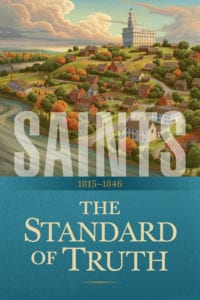
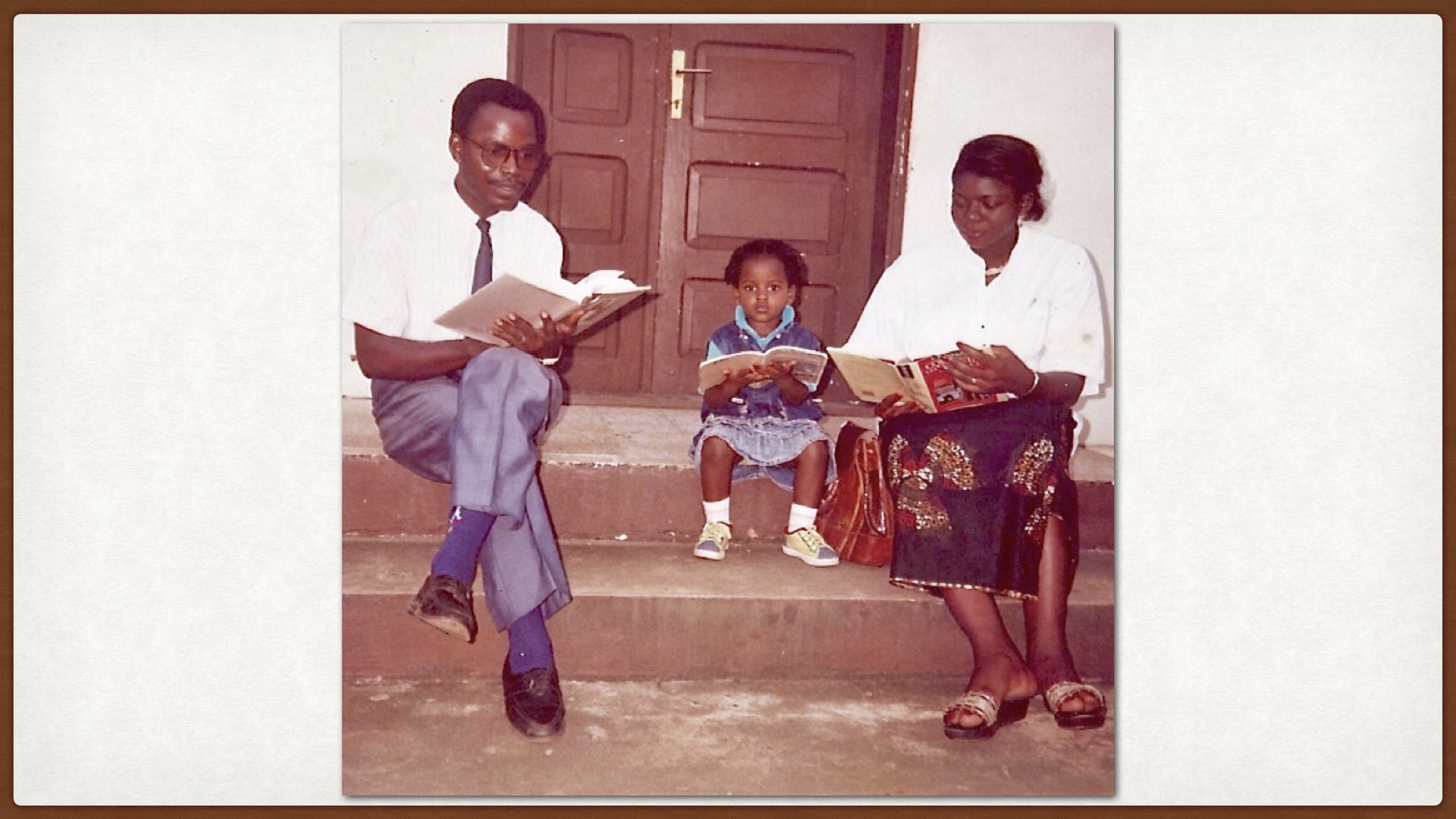
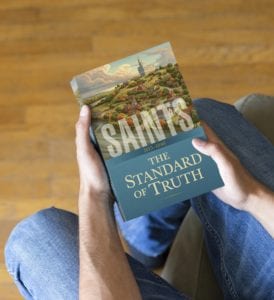 This podcast series features past FairMormon Conference presentations. This is a special episode that contains the second of two presentations given at our conference earlier this month about the new book series being published by the Church, Saints: The Story of the Church of Jesus Christ in the Latter Days. The first volume will be released on Tuesday, September 4. (If you would like to watch the video of this and the other presentations from the 2018 conference, you can still purchase
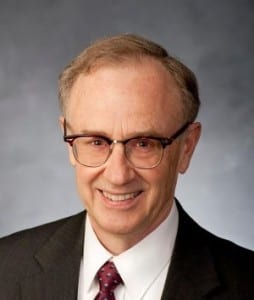
  Steven C. Harper is a historian for the Church of Jesus Christ of Latter-day Saints who has served as an editor of The Joseph Smith Papers, working on volumes in the Documents series and the Revelations and Translations series. He taught religion at BYU from 2002 to 2012 and religion and history at BYU–Hawaii from 2000 to 2001. He earned his PhD in early American history from Lehigh University in Bethlehem, Pennsylvania. He is the author of Joseph Smith’s First Vision: A Guide to the Historical Accounts (2012), Making Sense of the Doctrine and Covenants (2008), and Promised Land: Penn’s Holy Experiment, the Walking Purchase, and the Dispossession of Delawares 1600–1763 (2006), as well as multiple published articles on early Mormonism and the early American republic. Two of these were awarded the T. Edgar Lyon and Juanita Brooks awards by the Mormon History Association.
 Scott A. Hales has been a historian/writer for the Church History Department since 2015. He currently works as a writer and story editor for Saints: The Story of the Church of Jesus Christ in the Latter Days, the new four-volume narrative history of the Church. He has a BA in English from Brigham Young University and an MA and PhD in American Literature from the University of Cincinnati. He has published scholarly articles on Mormon and American literature in several academic journals, including Religion and the Arts and The Journal of Transnational American Studies. He currently lives in Eagle Mountain, UT with his wife and five children.