Podcast: Download (64.2MB)
Subscribe: RSS
Attending the temple for the first time can be a bit overwhelming. It can seem like a very unfamiliar experience for many, especially because we rarely hear details about what happens there. Understanding the doctrine and purpose underlying the temple will help you be ready and excited to enter the House of the Lord.
The purpose of this podcast is to do just that. We will cover topics such as the Endowment, temple sealings, covenants, ordinances, sacred temple clothing ,and common misconceptions about the temple.
Whether you are preparing for a mission, your own temple sealing, or just desire to receive your own endowment we hope that this podcast will deepen your understanding of the doctrine surrounding the temple.
In this episode, Jacob Crapo talks with Scott Woodward about how the temple and “Plan of Salvation” relate to each other. They discuss what the temple teaches about God’s plan for humanity and how the temple ordinances and covenants play a key role in that plan. Scott teaches religion classes at BYU-Idaho, is a managing director at Scripture Central, and host of the Church History Matters podcast.
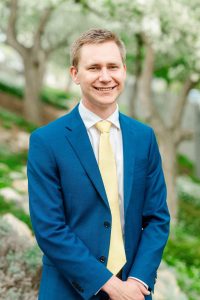 Jacob Crapo was born and now resides in Las Vegas, Nevada. He served his mission in Upstate New York and was an ordinance worker in the Las Vegas Temple. One of Jacob’s dreams is to help build a temple. He is an electrician by trade but his real passion is helping others access the powers of heaven.
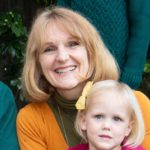 Lynne Hilton Wilson earned her Ph.D. in Theology and American Religious History from Marquette University. Her doctoral dissertation compared Joseph Smith’s understanding of the Spirit with his contemporaries. Her master’s degree focused on New Testament studies. She attended BYU as an undergraduate and studied nursing and music. She returned to BYU has as an adjunct professor of Religion, and to teach at Education Week. She is presents regularly at the Mormon History Association, Society of Biblical Literature, and the like. She has served in the Church Education System for the past 35 years. Currently she teaches Institute. Previous Publications include: Christ’s Emancipation of New Testament Women, Nativity Narratives, Learning the Language of the Lord: A Guidebook to Personal Revelation, To Witness Easter, and articles in BYU Studies, the Interpreter, Religious Educator, and the BYU Religious Studies Center. She is co-founder of BookofMormonCentral.org. She and her husband, Elder Dow R. Wilson live in Palo Alto, California. They have seven children (all with red hair), and eight grandchildren (blond, ginger, and brown).
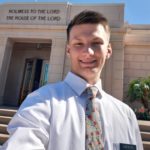 Ammon Holyoak is serving as a full-time missionary in the Arizona Mesa Mission. He is from Cedar Hills, Utah.
 General Conference is coming up in 11 days! It will be held April 1-2, and will have morning and afternoon sessions on Saturday and Sunday, along with an evening session for everyone on Saturday. More information is available
 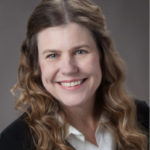 Jennifer Roach earned a Master of Divinity from The Seattle School of Theology and Psychology, and a Master of Counseling from Argosy University. Before her conversion to The Church of Jesus Christ of Latter-day Saints she was an ordained minister in the Anglican church. Her own experience of sexual abuse from a pastor during her teen years led her to care deeply about issues of abuse in faith communities. She is the host of the podcast