• Skip to primary navigation
  • Skip to main content
  • Skip to primary sidebar
  • Skip to footer

FAIR

  • Find Answers
  • Blog
  • Media & Apps
  • Conference
  • Bookstore
  • Archive
  • About
  • Get Involved
  • Search

Temples

How Might We Interpret the Dense Temple-Related Symbolism of the Prophet’s Heavenly Vision in Isaiah 6? (Gospel Doctrine Lesson 36A)

October 1, 2018 by Jeffrey M. Bradshaw

Benjamin West: Isaiah’s lips purified

An Old Testament KnoWhy relating to the reading assignment for Gospel Doctrine Lesson 36: “The Glory of Zion Will Be a Defense” (Isaiah 1-6) (JBOTL36A)

Question: The short heavenly vision of Isaiah 6 is almost as difficult to understand as the entire book of Revelation. How might we interpret its symbolism?

Summary:Isaiah 6 is important for two reasons: 1. Historically, it gives us insight into the prophet’s divine commission, received near the beginning of his ministry; 2. Doctrinally, it provides valuable insights into the commissioning of other prophets and individuals who received similar visions. Much of what makes Isaiah’s vision — as well as his prophecies — difficult to understand is his rich poetic imagery, which is often grounded in temple symbolism. This article provides a detailed commentary on Isaiah 6, focused largely on these temple themes. Though none of the temple-related insights are exclusive to Latter-day Saints, their general familiarity with temple doctrines and practices make this chapter more accessible to them than to many other Christians.

The full article may be found at the Interpreter Foundation website: ypKnoWhy OTL36A — How Might We Interpret the Dense Temple-Related Symbolism of the Prophet’s Heavenly Vision in Isaiah 6?

Filed Under: Bible, Doctrine, Lesson Aids, Prophets, Questions, Resources, Temples Tagged With: Amidah, Apocalypse of Abraham, Atonement, Azariah, Gospel Doctrine: Old Testament, Heavenly Ascent, Incense Altar, Isaiah, Kedushah, Lord of Hosts, Martyrdom of Isaiah, Prophetic Commission, Sanctus, Seraphim, Throne Theophany, Uzziah

What New Archaeological Discoveries in Jerusalem Relate to Hezekiah? (Gospel Doctrine Lesson 30A)

October 1, 2018 by Jeffrey M. Bradshaw

Shukron in room with markings

An Old Testament KnoWhy relating to the reading assignment for Gospel Doctrine Lesson 30: “Come to the House of the Lord” (2 Chronicles 29-30; 32; 34) (JBOTL30A)

Question: Hezekiah is known as being, after David, the greatest king in Israelite times. Are there any archaeological remains of his reign in Jerusalem?

Summary:Recent discoveries at the Ophel and Gihon Spring sites relating to Hezekiah are providing new insights into the history of ancient Jerusalem and its temple.

The full article may be found at the Interpreter Foundation website: KnoWhy OTL30A — What New Archaeological Discoveries in Jerusalem Relate to Hezekiah?

Filed Under: Bible, Evidences, Lesson Aids, Prophets, Questions, Resources, Temples Tagged With: 2 Chronicles, 2 Kings, archaeology, Benjamin Mazar, Eilat Mazar, Eli Shukron, Gihon, Gospel Doctrine: Old Testament, Hezekiah, Hezekiah's Tunnel, Isaiah, Israel, Matzevah, Ophel, Ronny Reich, Siloam, Silwan, Solomon

Book Review: Saints: The Story of the Church of Jesus Christ in the Latter Days, Volume 1: The Standard of Truth 1815-1846

September 17, 2018 by Trevor Holyoak

Available from the FairMormon bookstore

One of the tactics that critics have used recently to try to destroy faith is to describe a lesser known event in church history in a way that is intended to shock the reader. By sensationalizing and removing it from its context, and often even misrepresenting what actually happened, the victim is left feeling betrayed by the Church, thinking they have been lied to or that the Church has been hiding or whitewashing its history. Sadly, much of this history has been available (though perhaps not readily accessible), but not emphasized in the curriculum that is taught, requiring independent study, which has not been happening as much in recent generations.

The Church has recognized this problem and is producing a solution. The first volume of a projected four-volume series has now been published in 14 languages and is available in paperback and e-book, as well as online text and audiobook formats. It is written in an easy to understand style, which although entirely factual, draws you in like a novel. This was done intentionally by having literary writers on the project, not just historians. For those who want more information, there are extensive footnotes that point you to online resources, including both in-depth essays and videos, as well as original documents from the Joseph Smith Papers.

The book begins with a message from the First Presidency and a preface explaining the purpose of the series. The body of the book continues, contained in four parts, which are broken up by historic periods. There are also maps, but no other illustrations beyond the small ornaments at the head of each chapter. The back of the book has Notes, a Note on Sources, Sources Cited, Acknowledgements, and a fairly good 15-page Index.

The first volume covers the period preceding the First Vision up to two years after the death of Joseph Smith, when the Saints were able to receive the endowment in the Nauvoo Temple. It covers nearly every criticism and puts them in their proper context, where they can be more easily understood. It concentrates on telling stories of the actual men and women involved, rather than just the institutional church, as previous official histories produced by the Church have done. The result is a detailed history of the Church that includes the sensitive issues while building faith, which already has some critics worried that their work will become irrelevant.

An example is the story of how the Word of Wisdom was received: [Read more…] about Book Review: Saints: The Story of the Church of Jesus Christ in the Latter Days, Volume 1: The Standard of Truth 1815-1846

Filed Under: Anti-Mormon critics, Book of Mormon, Book reviews, First Vision, Joseph Smith, LDS History, Masonry, Polygamy, Temples

Book Review: 1,001 Facts About the Prophet Joseph Smith

August 27, 2018 by Trevor Holyoak

Available at a discount from the FairMormon bookstore

This is a short (151 pages) paperback book that contains 1,001 numbered paragraphs that chronologically narrate the life of Joseph Smith, essentially constituting a simple biography. “One of the main goals of this book is to tell the real story, while making it simple to read and understand. 1,001 Facts about the Prophet Joseph Smith is a history book for this generation. The entire book can be read in one sitting, or readers can jump around to different moments in the prophet’s life and learn about their favorite and the more fascinating events” (page 2). The author also intends the book to combat the anti-Mormon propaganda being spread on the Internet.

Here are several examples from the book that I thought were of interest: [Read more…] about Book Review: 1,001 Facts About the Prophet Joseph Smith

Filed Under: Apologetics, Bible, Book of Abraham, Book of Mormon, Book reviews, Conversion, Doctrine, First Vision, Joseph Smith, LDS History, Masonry, Politics, Polygamy, Prophets, Temples, Women

What Is the Significance of the Unusual Symbolism in Elisha’s Healings? (Gospel Doctrine Lesson 29B)

August 10, 2018 by Jeffrey M. Bradshaw

Triptych of the Cleansing of Naaman: the centre panel depicts Naaman, commander of the Syrian army, washing in the River Jordan to cure his leprosy at the command of the prophet Elisha, who in the background refuses gifts offered to him, 1520

An Old Testament KnoWhy relating to the reading assignment for Gospel Doctrine Lesson 29: “He Took Up … the Mantle of Elijah” (2 Kings 2:5-6) (JBOTL29B)

Question: Elisha’s request of Naaman to immerse himself seven times in the Jordan River in order to be healed and his “stretching himself” upon a child to raise him from the dead seem highly unusual. Was there any special meaning to Elisha’s actions?

Summary:Like some other Old Testament prophets, Elisha’s invocation of God’s power as he taught and blessed his people was accompanied by actions that symbolized sacred realities. As with modern priesthood ordinances, the physical actions themselves do not bring about the resultant blessings. However, such sacred actions, when required by the Lord, invite participants to reflect about resonances of those actions that extend beyond immediate circumstances and teach eternal principles. Symbolic actions that parallel Elisha’s miracles has at times accompanied healing both anciently and today.

The full article may be found at the Interpreter Foundation website: KnoWhy OTL29B — What Is the Significance of the Unusual Symbolism in Elisha’s Healings?

Filed Under: Bible, Early Christianity, Evidences, Lesson Aids, Masonry, Questions, Resources, Temples Tagged With: 2 Kings, Baptism, Elijah, Elisha, Gift of the Holy Ghost, Gospel Doctrine: Old Testament, Healing, Mary Jane Knowlton Coray, Naaman, Ordinances, Sacred Embrace, Symbolism

Is the Spirit of Elijah a Healing Power in Addition to Being a Sealing Power? (Gospel Doctrine Lesson 28A)

August 7, 2018 by Jeffrey M. Bradshaw

Elijah Slays a Priest of Baal, Mount Carmel, Israel. Photograph by Jeffrey M. Bradshaw, 9 May 2014

An Old Testament KnoWhy relating to the reading assignment for Gospel Doctrine Lesson 28: “After the Fire a Still Small Voice (1 Kings 17-19) (JBOTL28A)


Question:Is there more to the “Spirit of Elijah” than the formal work of family history and temple ordinances for sealing?

Summary:The keys restored by Elijah were not given simply to enable priesthood ordinances to be performed with authority. In the performance of family history work and sealing ordinances, estranged family members may be brought together through the love and forgiveness that should accompany that service.


The full article may be found at the Interpreter Foundation website: KnoWhy OTL28A — Is the Spirit of Elijah a Healing Power in Addition to Being a Sealing Power?

Filed Under: Bible, Lesson Aids, Questions, Resources, Temples Tagged With: 1 Kings, 2 Kings, Carlfred Broderick, child abuse, Elijah, Family, Forgiveness, Gospel Doctrine: Old Testament, Healing, Sealing, Truman G. Madsen

Why Does “Holiness To the Lord” Appear on LDS Temples? (History, Meaning, and Purpose) (Gospel Doctrine Lesson 26A)

July 10, 2018 by Jeffrey M. Bradshaw

. Stephen T. Whitlock: View of the Jerusalem Archaeological Park (Ophel Walls site) from the southwest corner, 2017

An Old Testament KnoWhy relating to the reading assignment for Gospel Doctrine Lesson 26: King Solomon: Man of Wisdom, Man of Foolishness (1 Kings 3; 5-11) (JBOTL26A). A video version of this article is available on the FairMormon YouTube channel.

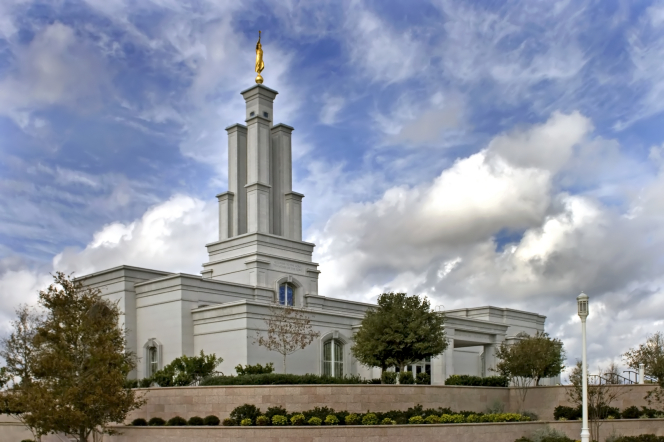
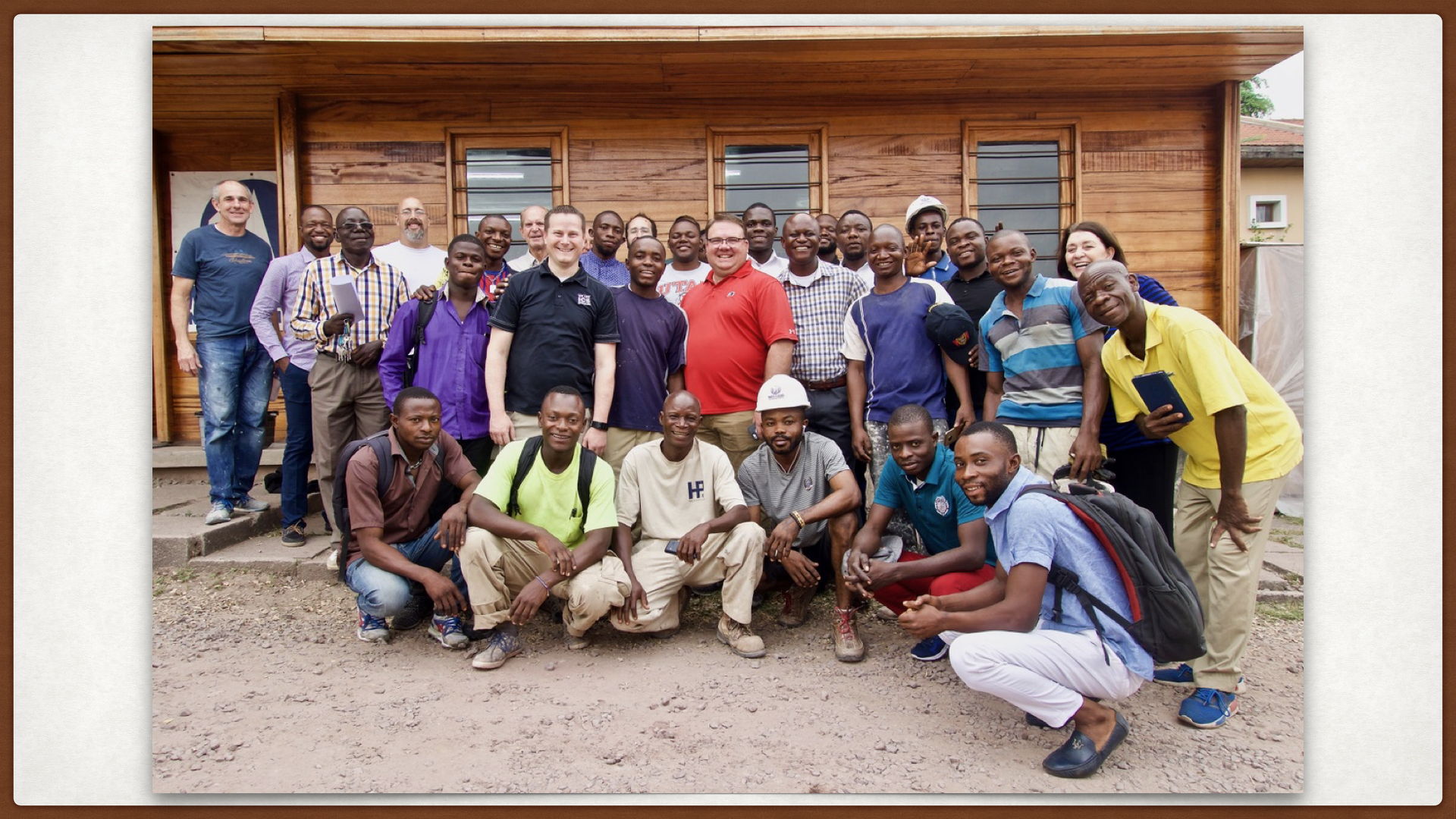
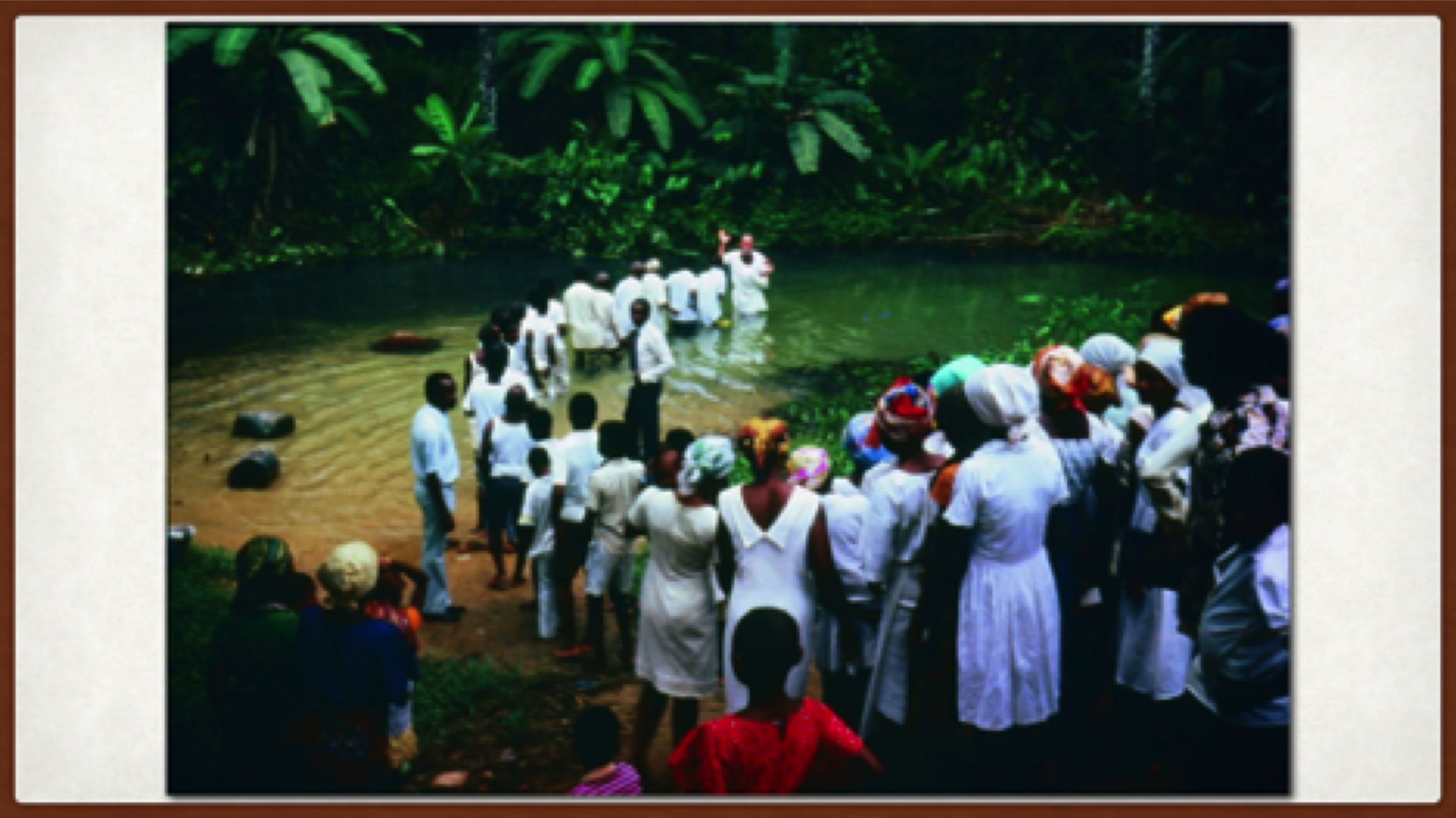
Note: Jeff and his wife, Kathleen, have just returned from their mission to the DR Congo. He will be presenting at the upcoming FairMormon 2018 Conference on “Stories of the Saints in the Democratic Republic of the Congo.” This series of Old Testament KnoWhy articles will resume sometime in the first half of August.

Question: Why does “Holiness to the Lord” appear on LDS temples? Was the phrase used on buildings anciently?

Summary:The Wikipedia article on LDS temples asserts that the phrase “Holiness to the Lord” was inscribed “on the Old Testament Temple of Solomon.” However, so far as we know, the phrase was never used as part of any ancient building. It is unique to modern temples. In this article we will address three questions:

  1. How did the practice of inscribing LDS temples with the words “Holiness to the Lord” begin?
  2. What was the meaning of the phrase in the Old Testament?
  3. What is the purpose of modern temples?

The full article may be found at the Interpreter Foundation website: KnoWhy OTL26A — Why Does “Holiness To the Lord” Appear on LDS Temples?

A video version of this article is available on the FairMormon YouTube channel


Filed Under: Bible, Doctrine, LDS History, Lesson Aids, Questions, Resources, Temples Tagged With: 1 Kings, Democratic Republic of the Congo, DR Congo Kinshasa Temple, Gospel Doctrine: Old Testament, Holiness, Holiness to the Lord, Law of Consecration, Solomon

Going to the Temple for the First Time – Interview with Anthony Sweat

July 6, 2018 by NickGalieti

https://media.blubrry.com/mormonfaircast/www.ldsmissioncast.com/wp-content/uploads/2018/04/LMC-Anthony-Sweat.mp3

Podcast: Download (51.5MB)

Subscribe: RSS

Kelsey Edwards Anthony Sweat and Nick Galieti - LDS MissionCast
Kelsey Edwards (Left), Anthony Sweat (Center), Nick Galieti (right)

On this episode Kelsey Edwards and Nick Galieti sit down with BYU scholar and professor, Anthony Sweat who wrote a book called The Holy Invitation, published by Deseret Book. This is book and this interview are focused on those going to the temple for the first time prior to their mission, or even those that have gone but are looking to get more out of the experience. This is a great opportunity for missionaries preparing to leave, those on a mission, or even those that are coming home from a mission and looking to get more from their temple experience. Anthony Sweat has some great insights to share on this subject.

This week we are showcasing the music of Sara Lyn Baril. Her music can be found at http://saralynbaril.com Her music is definitely fitting for a missionary friendly music library, which means its also great for music to listen to on the sabbath day or any time you want to feel the peace and contentment of gospel music.

Sara Lyn Baril Music
Sara Lyn Baril – LDS Musician featured in this episode.


The Holy Invitation - Anthony Sweat

Some thoughts on Sacred Silence with the temple by Nick Galieti (host)

I went back to my journals to see back to my first temple experience on October 11th, 1997, the day before I received my mission call to Baton Rouge, LA. It would appear that two things were at play that informed the journal entry for that day, my obsession with girls and getting a girlfriend, so much so that I didn’t really offer much reflection at all on the mission call itself (yeah, really classy – don’t do what I did), and the fact that I was taught that we aren’t supposed to talk about the temple outside of the temple, so I never wrote anything about the experience, who was there, nothing.

In this episode, we touched on the idea of “sacred silence” in our interview. Its an obviously sensitive subject. There are sacred experiences that we should honor in that spirit. But what are those lines that we shouldn’t cross? I want to forward my own thoughts on this matter in hopes that it can help promote the spirit of the temple as well as help us to understand that the answer is far more ambiguous than we might originally think.

In the episode, I agreed with Anthony Sweat that there is a maximal point where all people engaged in living the covenants of the temple have explicitly agreed to not disclose certain parts of the temple endowment ritual. However, while there are those things that are specifically mentioned there, parts that need to remain sacred, it doesn’t mean that the rest of it remains public domain either. As in all gospel principles, but especially teachings of the temple are best understood line upon line, precept upon precept.

This means that what we talk about with respect to the temple should be viewed in light of who we are speaking with, not just what is “approved” according to covenant. It is common and expected that Missionaries will talk about the plan of salvation when speaking with those being taught about the restored gospel. However, it is doubtful that the best course of action is to discuss the content of the drama depicted in the temples as part of the endowment ritual. Then again, it might be. The spirit should be the guide in these matters.

Remember, it’s not that we hide it, at least no more than God has withheld many truths until we are in a position to best endure the experience that comes with tutoring from the spirit. In speaking of the temple and the sacred truths taught therein, much of what is taught is through the spirit to each individual because that is what that individual is prepared for and ready to learn. Without authorization from the spirit to share such things, it is best to treat such things as valuable for the person receiving it, and not necessarily relevant to the rest of the world.

Temple theologians talk about the temple as being sacred space, in sacred time. They also speak of the nature of temple ritual and learning as being something that should not be made profane. Meaning, something relating or devoted to that which is not sacred or biblical; secular rather than religious. The origin of that word profane, from which we get the word profanity, actually originally meant “outside the temple, or not sacred.” (Side note: To speak profanity isn’t just using certain words that are socially considered vulgar, but to speak in any manner that is unholy.)

In order to keep the temple from becoming secular, something all too common, or profane, it is best to remember that while some of what is taught in the temple is not “off limits” to discuss conceptually and principally, or even out-of-bounds according to covenant in the temple itself, we should be careful to not make profane what is taught and what is learned as it remains in the domain of the sacred and spiritual. Sometimes what we learn in the temple is best understood in the temple context, and outside of that it looses its meaning, especially to someone other than yourself.

So, when you go to the temple for the first time, or when you go to the temple in subsequent visits, don’t be afraid to record those sacred experiences in your personal journal, but seek divine approval for what is appropriate to share and with what audience when it comes to speaking of such sacred things.

You can listen to past episodes at LDSMissionCast.com

Filed Under: Nick Galieti, Podcast, Temples Tagged With: Anthony Sweat, LDS Temples, Temple

Is There More to Psalm 23 Than Words of Solace and Comfort? (Gospel Doctrine Lesson 25A)

July 5, 2018 by Jeffrey M. Bradshaw

James Tissot: David Singing and Playing the Harp

An Old Testament KnoWhy relating to the reading assignment for Gospel Doctrine Lesson 25: “Let Every Thing That Hath Breath Praise the Lord” (Psalms) (JBOTL25A)

Question: Is there more to Psalm 23 than words of solace and comfort?

Summary: Bible readers have long looked to the book of Psalms as a source of solace and comfort. Countless books have been written about the psalms in a devotional mood, including many volumes devoted specifically to the twenty-third psalm — the main subject of this article. These beautiful and useful works of comfort and meditation focus on what we can read outof Psalm 23 by applying it prayerfully to our own situation. By way of contrast, this article explores can be read into it prayerfully based on our (admittedly limited) knowledge of its ancient setting. Ultimately, the more we can read into the psalm from our prayerful study, the more we can take out of it for application in our personal lives. Careful examination of the structure of the psalms will reveal that Psalm 23 is inseparably connected to the psalms that immediately precede and follow it. In order to enter fully into the peace of Psalm 23, one must first journey through the distress of Psalm 22. This journey culminates in the joy of exaltation in the presence of God depicted in Psalm 24. This sequence of events is replicated in the ritual journey of the priest-king, the redemptive journey of the Messiah, and the salvific journey of each one of the faithful. With this overarching picture in mind, a detailed verse-by-verse commentary on the psalm will be provided.

The full article may be found at the Interpreter Foundation website: KnoWhy OTL25A — Is There More to Psalm 23 Than Words of Solace and Comfort?

Filed Under: Bible, Lesson Aids, Questions, Resources, Temples Tagged With: Comfort, David, Gospel Doctrine: Old Testament, Jesus Christ, Kingship, Psalms

How Does the Story of David’s Loyalty to Saul Apply in Our Day? (Gospel Doctrine Lesson 23A)

June 14, 2018 by Jeffrey M. Bradshaw


David Cuts Off a Corner of Saul’s Robe

An Old Testament KnoWhy relating to the reading assignment for Gospel Doctrine Lesson 22: “The Lord Be Between Thee and Me Forever” (1 Samuel 18-20; 23-24) (JBOTL23A)

Question: How does the story of David’s loyalty to Saul apply in our day?

Summary:The story of David’s rise to power “is designed to demonstrate David’s innocence of wrongdoing in his conflict with the house of Saul and to explain his dramatic ascent to the throne as a consequence of divine favor.” His self-restraint in the face of both Saul’s murderous intentions and his own anointing to become king “shows his respect for God’s appointment of Saul and his patience to wait for God’s timing.” David never speaks of Saul as his enemy, and his declaration to Saul after he cuts off a part of the old king’s cloak make it clear that “what David wanted was not to harm Saul but to demonstrate his own loyalty.” Though it is unlikely that any of us will encounter the sort of challenges faced by David in his relationship with Saul, his story serves as a reminder of the attitude of love and respect that should be maintained with regard to “the Lord’s anointed.” It is hoped that the suggestions collected in the discourse below will be a helpful resource for members who seek to resolve differences with Church leaders in the Lord’s way.

The full article may be found at the Interpreter Foundation website: KnoWhy OTL23A — How Does the Story of David’s Loyalty to Saul Apply in Our Day?

Filed Under: Bible, Lesson Aids, Politics, Questions, Resources, Temples Tagged With: 2 Samuel, Criticizing leaders, David, Gospel Doctrine: Old Testament, Michal, Samuel, Saul, Sustaining

  • « Go to Previous Page
  • Go to page 1
  • Interim pages omitted …
  • Go to page 9
  • Go to page 10
  • Go to page 11
  • Go to page 12
  • Go to page 13
  • Interim pages omitted …
  • Go to page 18
  • Go to Next Page »

Primary Sidebar

Faithful Study Resources for Come, Follow Me

Subscribe to Blog

Enter your email address:

Subscribe to Podcast

Podcast icon
Subscribe to podcast in iTunes
Subscribe to podcast elsewhere
Listen with FAIR app
Android app on Google Play Download on the App Store

Pages

  • Blog Guidelines

FAIR Latest

  • Come, Follow Me with FAIR – Doctrine and Covenants 137–138 – Part 2 – Autumn Dickson
  • Come, Follow Me with FAIR – Doctrine and Covenants 137–138 – Mike Parker
  • FAIR December Newsletter
  • Come, Follow Me with FAIR – Doctrine and Covenants 137–138 – Part 1 – Autumn Dickson
  • Prophets of God 

Blog Categories

Recent Comments

  • LHL on Come, Follow Me with FAIR – Doctrine and Covenants 132 – Mike Parker
  • Stephen Johnsen on Come, Follow Me with FAIR – Doctrine and Covenants 132 – Mike Parker
  • Bruce B Hill on Come, Follow Me with FAIR – Doctrine and Covenants 124 – Part 1 – Autumn Dickson
  • Gabriel Hess on Join us Oct 9–11 for our FREE virtual conference on the Old Testament
  • JC on When the Gospel “Doesn’t Work”

Archives

Follow Us

  • Facebook
  • Twitter
  • iTunes
  • YouTube
Android app on Google Play Download on the App Store

Footer

FairMormon Logo

FAIR is a non-profit organization dedicated to providing well-documented answers to criticisms of the doctrine, practice, and history of The Church of Jesus Christ of Latter-day Saints.

Donate to FAIR

We are a volunteer organization. We invite you to give back.

Donate Now

Site Footer