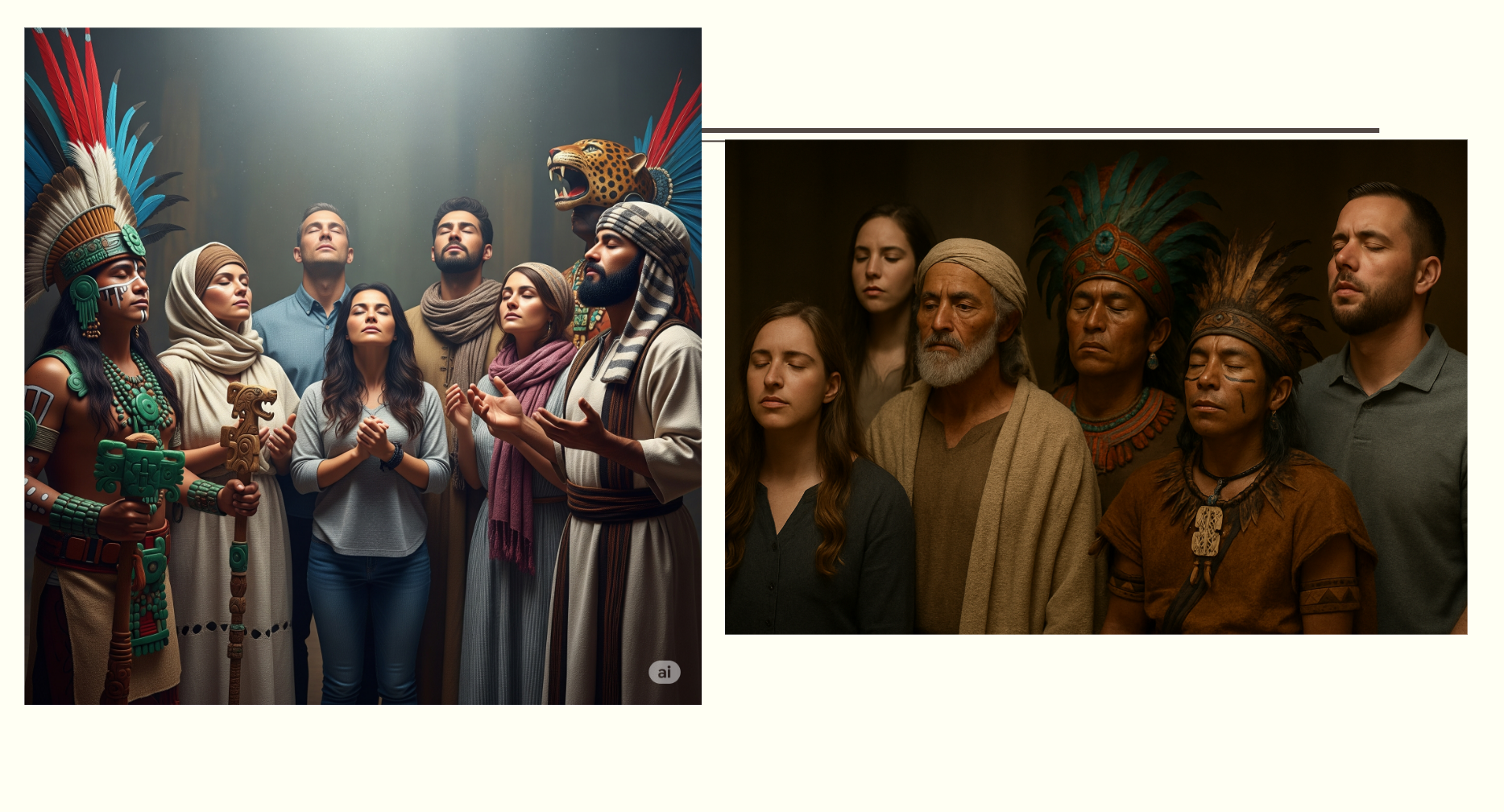
In his April 2026 General Conference address, “Tithing—Putting God First,” Jorge T. Becerra teaches that discipleship requires choosing God first, even when doing so feels uncertain or requires personal sacrifice.
Yet for many, that raises a real question: Why would God ask for something like tithing, especially when resources already feel limited?
I witness that a spiritual power and direction, heretofore unknown, will come into our lives as we keep the law of obedience and sacrifice.

 I use the term “
 For example, most of us have been guilty at some point of speeding. If we are aware that we’re speeding it can create cognitive dissonance.
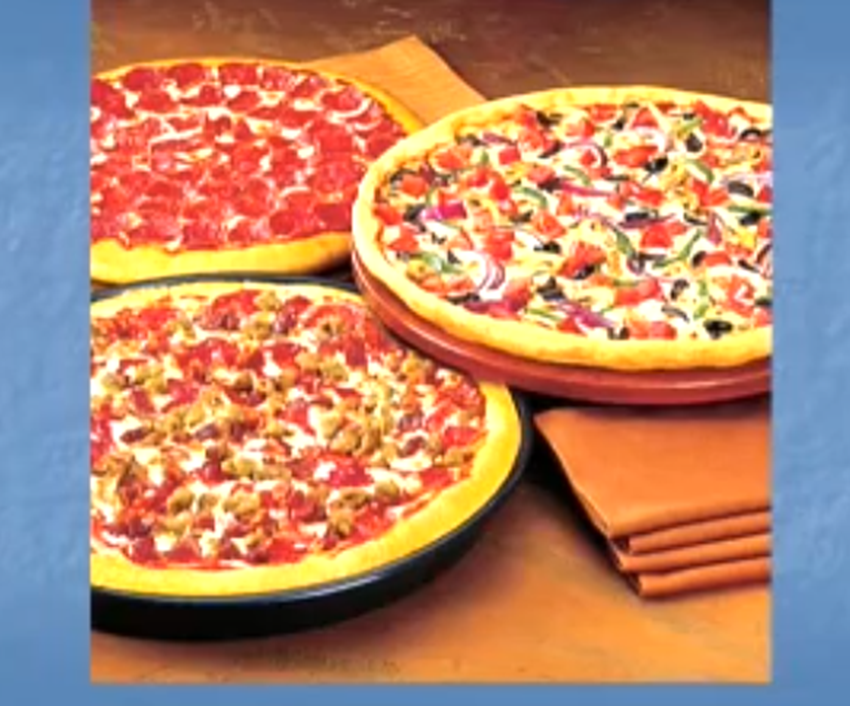 How about if you’re on a diet but your boss springs for pizza—and you love pizza.
 Weight of Beliefs and Experiences
 The Role of Trusted Sources
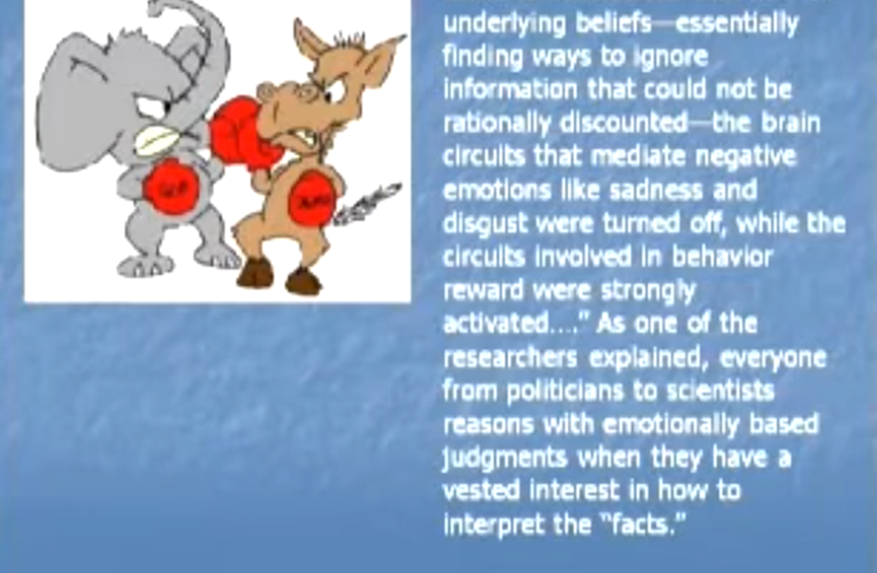 According to a
 Commitment, Religion, and Perceived Benefits
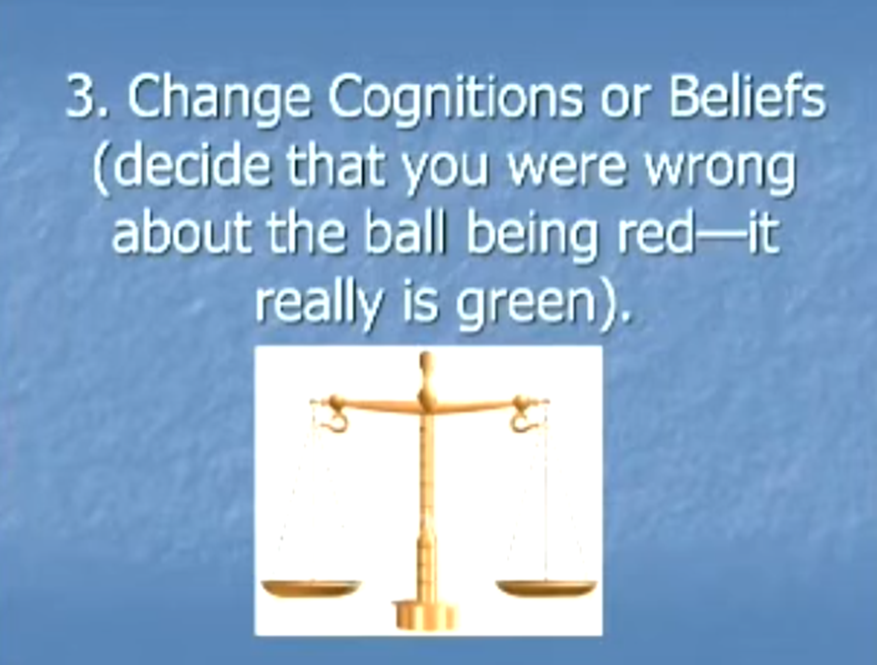 Option 3: Change Cognitions or Beliefs
 Entrenched Positions and Resistance to Change
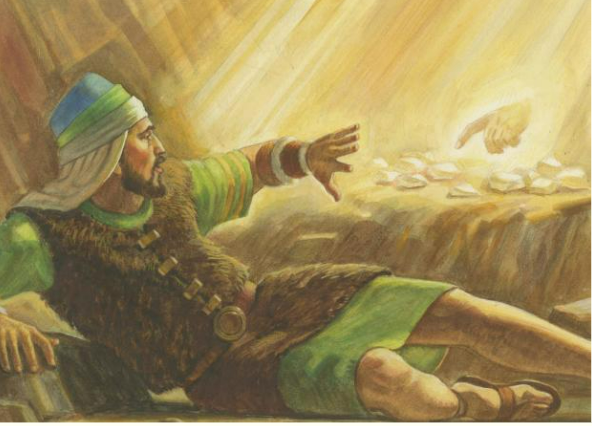
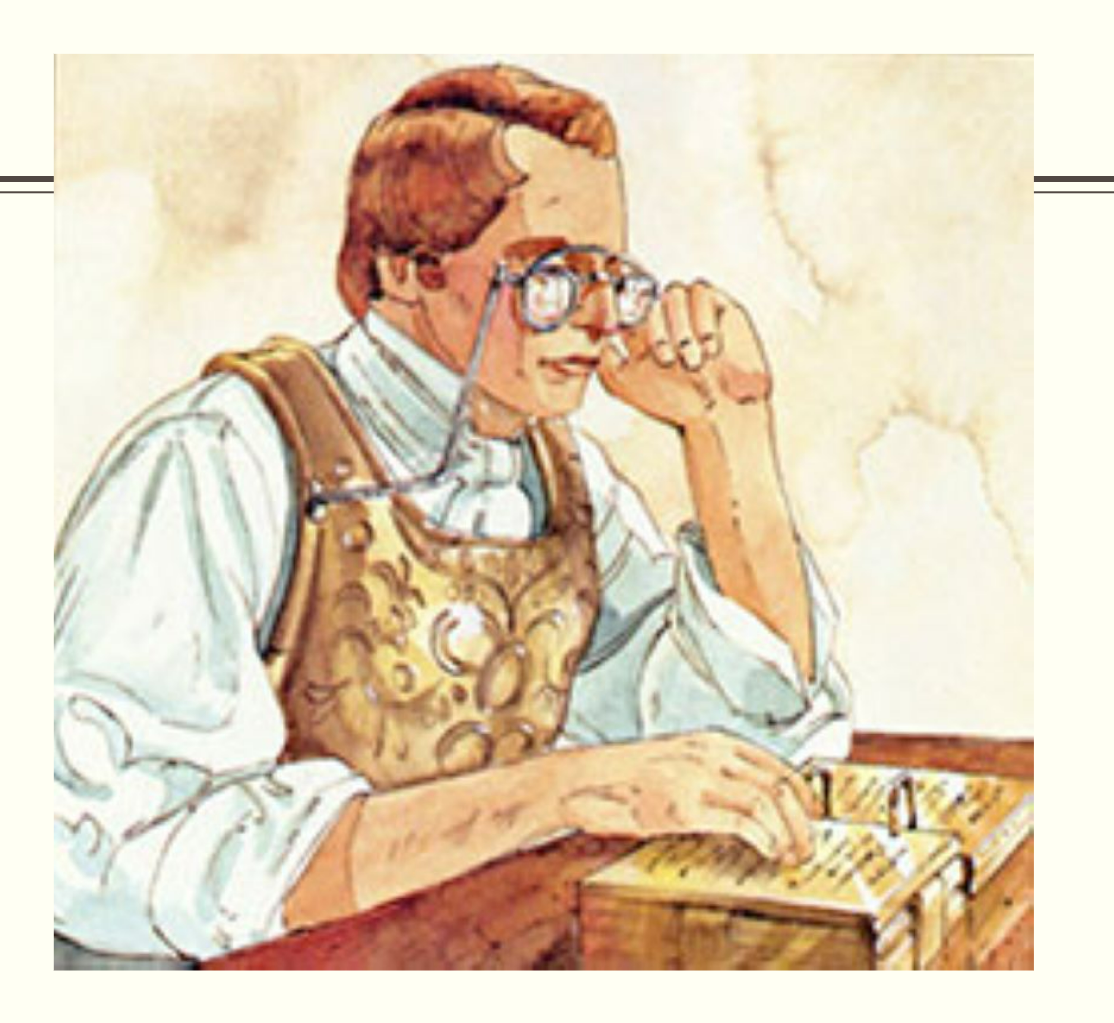
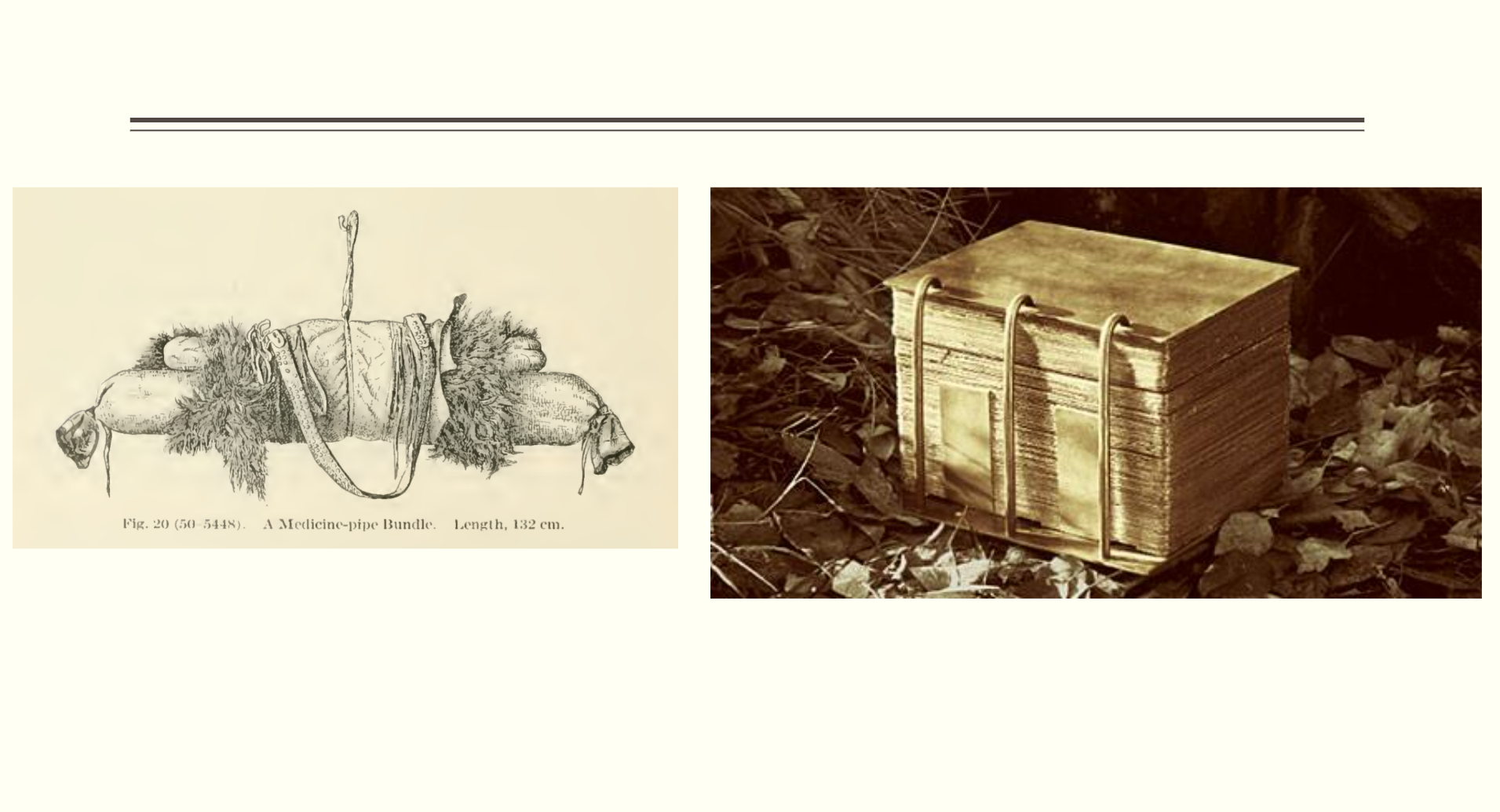
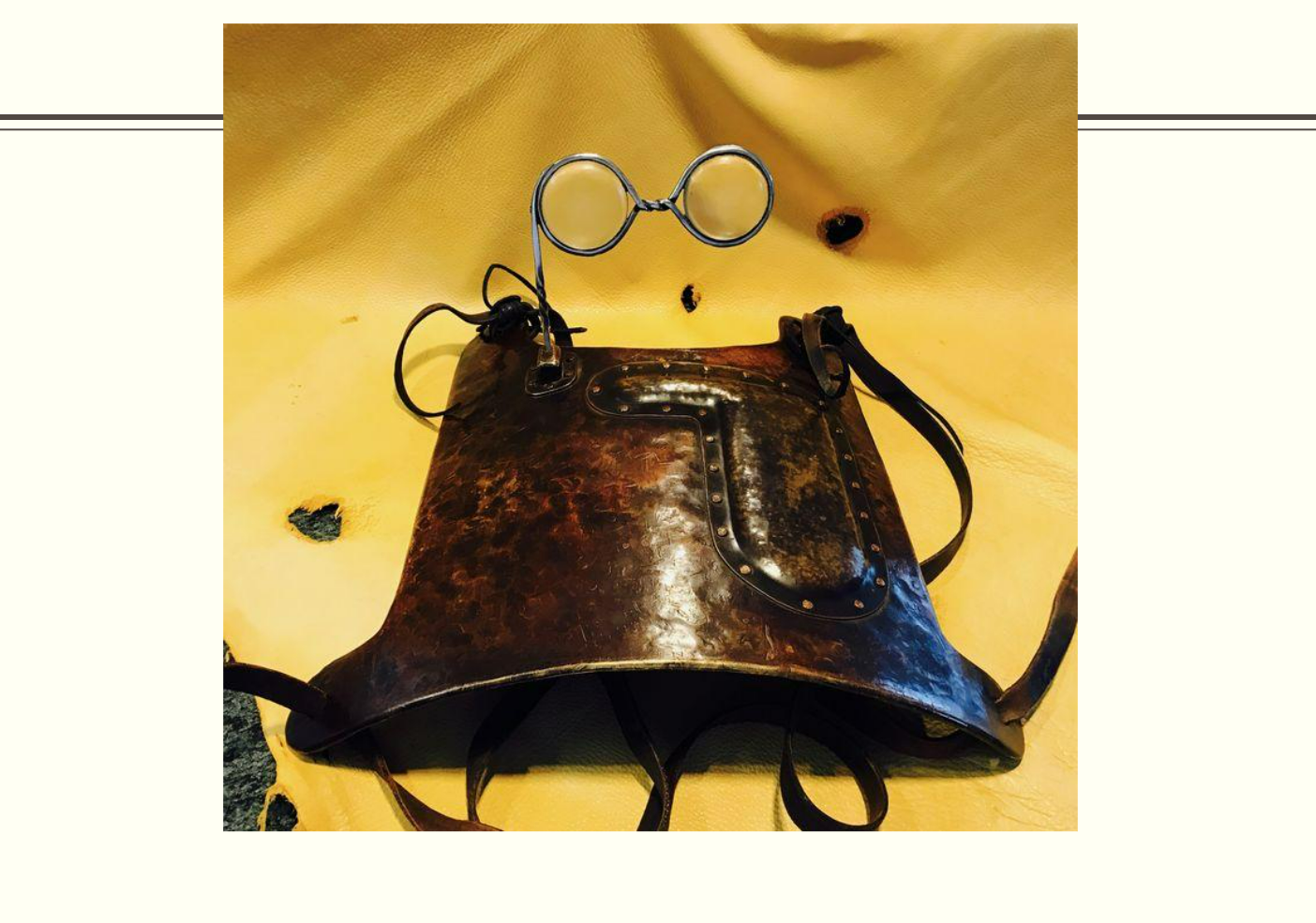
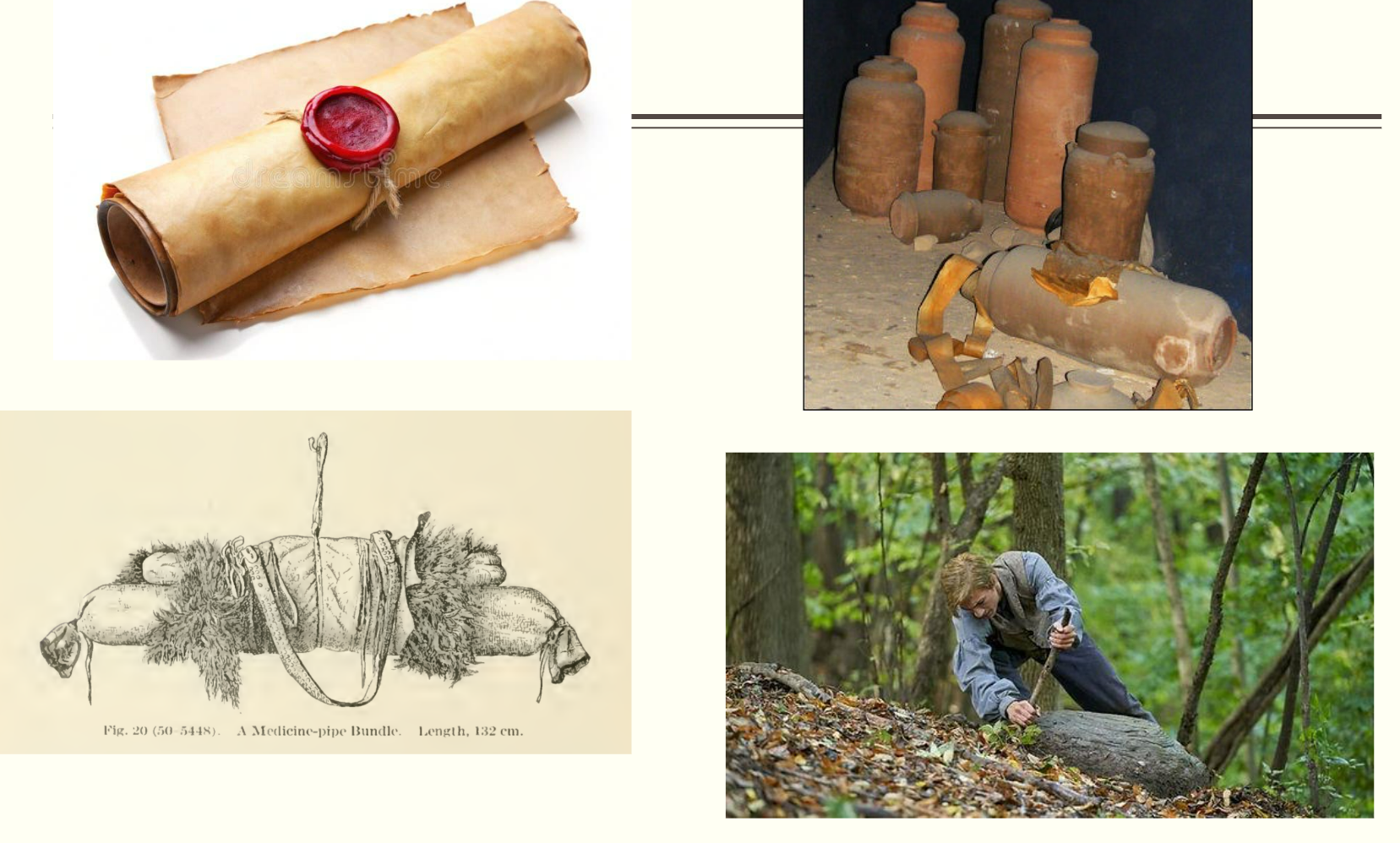
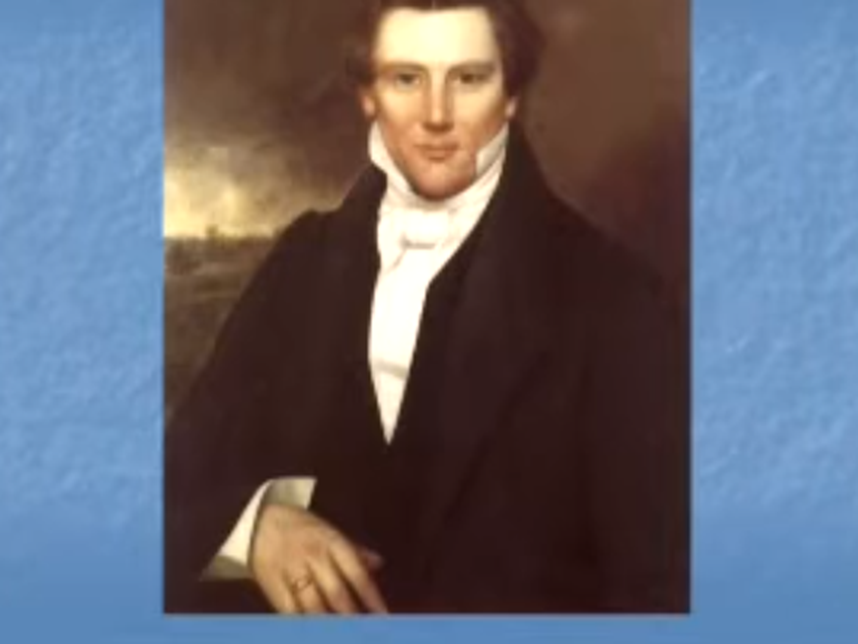
 As one Book of Mormon example, we’ll explore the anti-Mormon argument that the Book of Mormon plates could not be made of gold because they would have been too heavy for Joseph to carry when he ran through the forest from would-be ambushers.
 Confusing Rumors or Traditions with Doctrine


 Seeing Things in Black and White
 Expectations vs. Reality
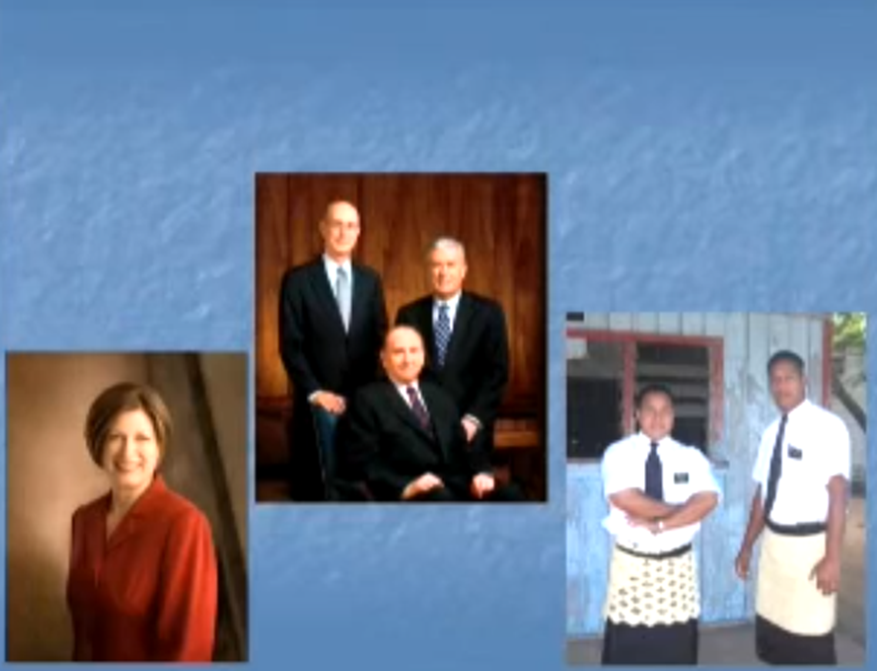 When a Latter-day Saint is called to be:
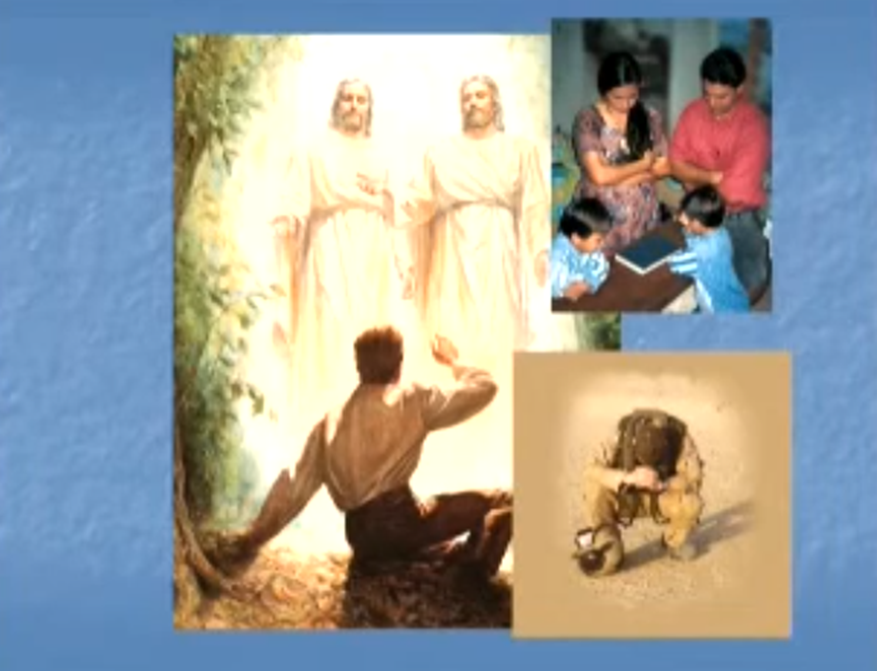 The Nature of Revelation
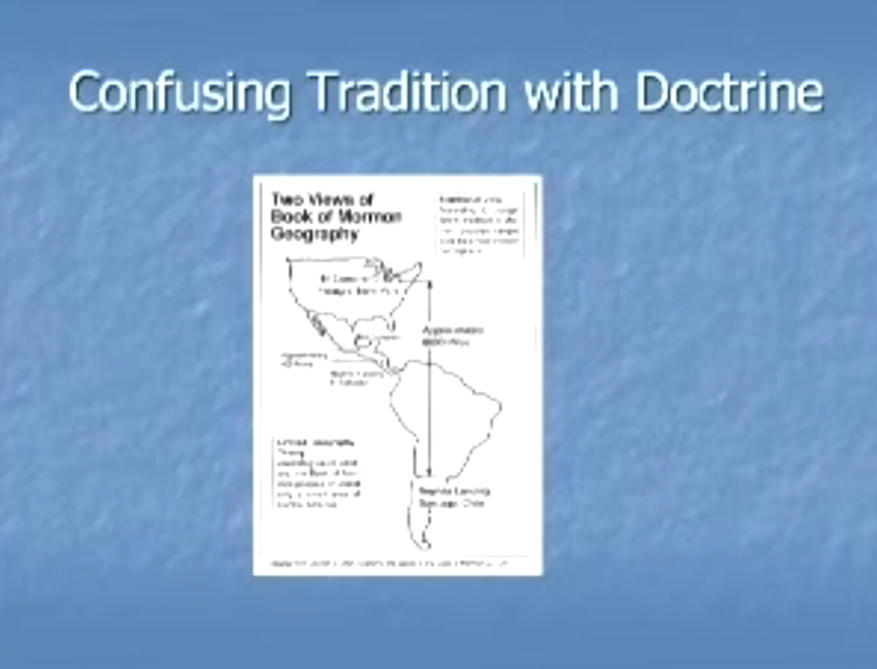 B. Confusing Tradition with Doctrine
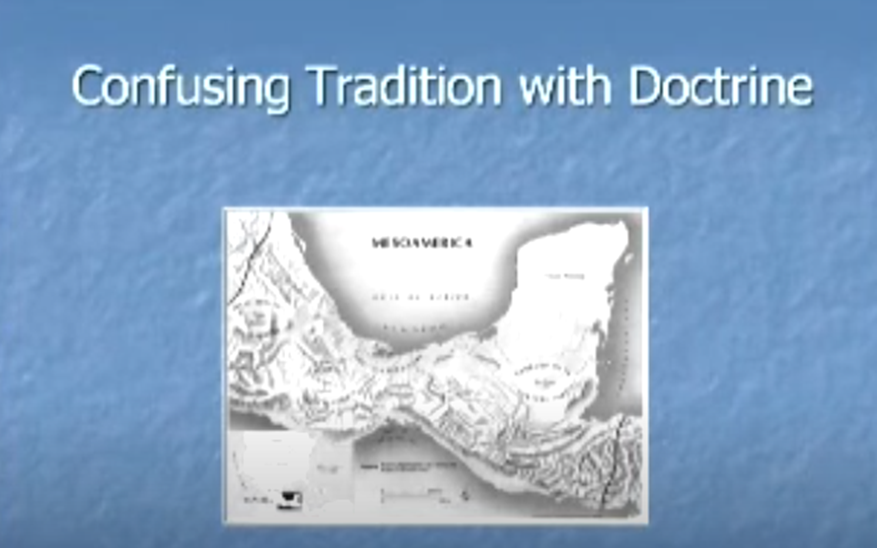 Shifting Understanding Over Time
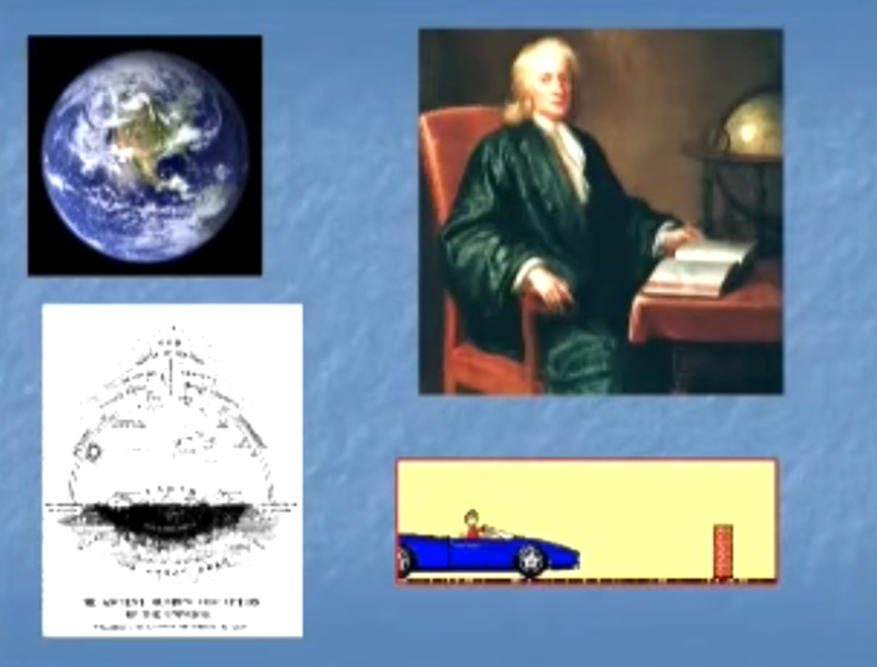 Tradition and Resistance to Change
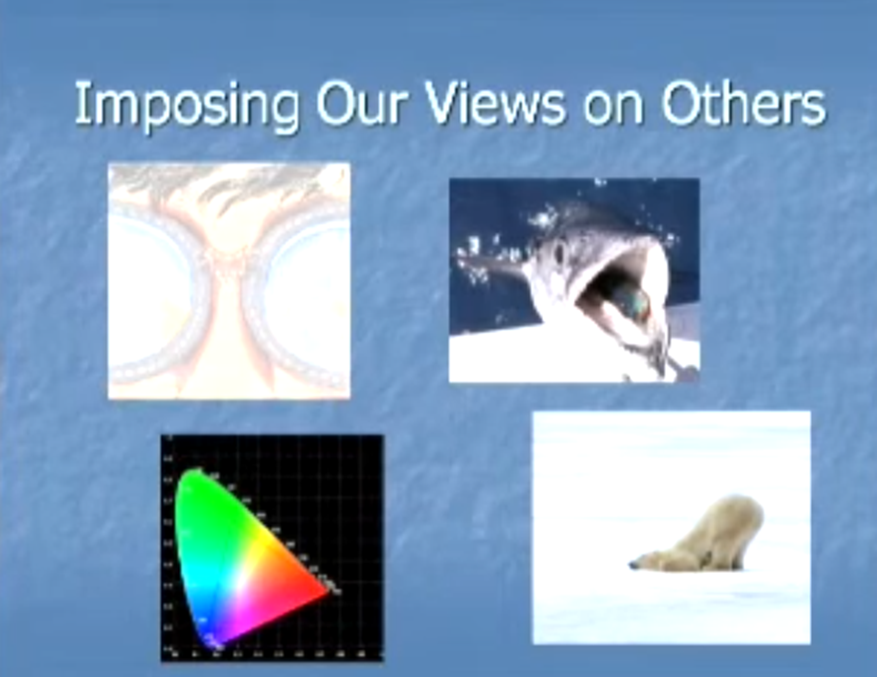 Language, Culture, and Interpretation
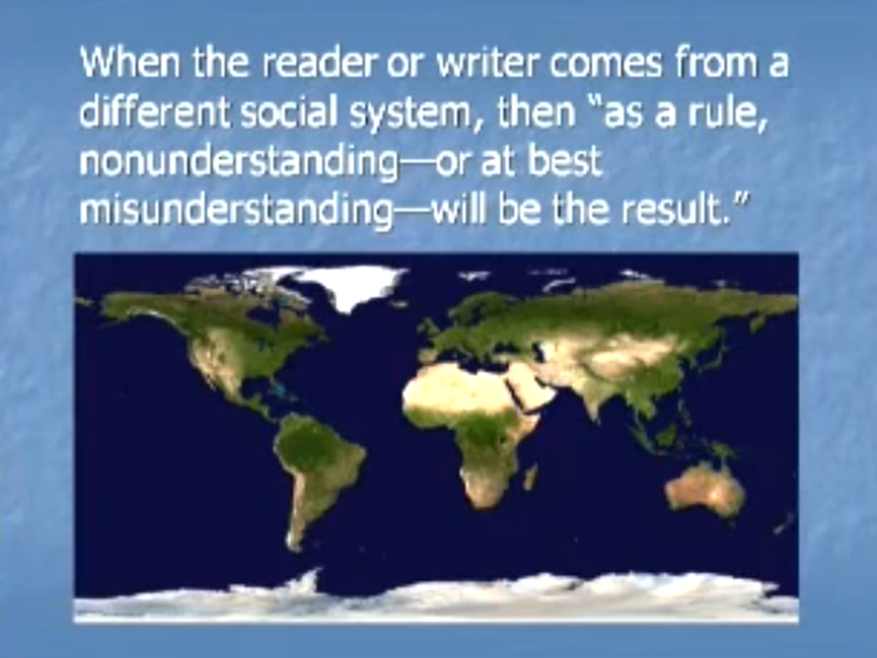 Understanding Different Social Contexts
 Limits of Scientific and Historical Inquiry
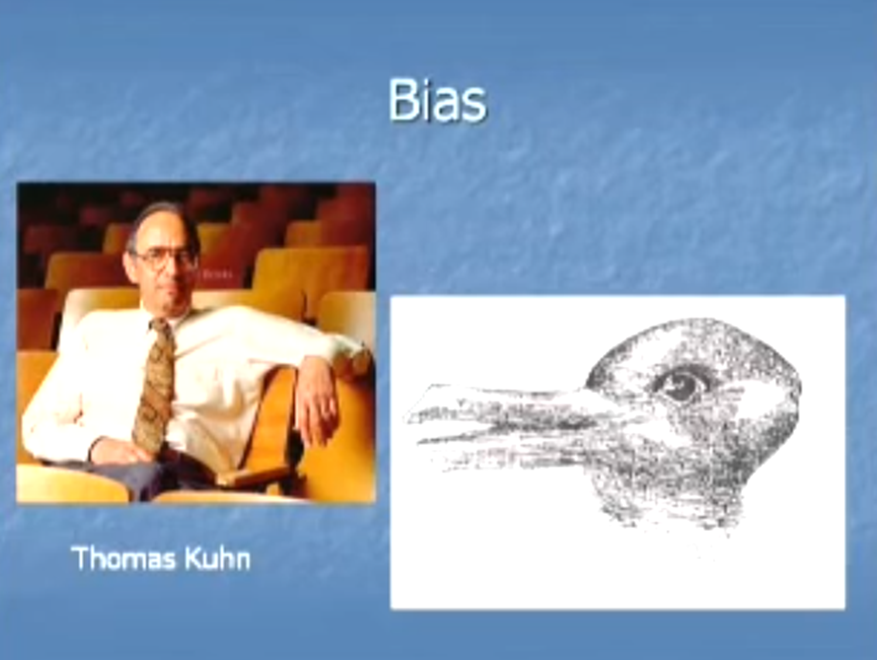 The late scientist and philosopher Thomas Kuhn, for example, taught that scientific communities share a “constellation of beliefs” known as paradigms.